
Around the world, family structures are changing in big ways. In many countries, more and more babies are being born to parents who are not married, and this trend has been growing for decades.
Whether it reflects changing social values, economic factors, or shifting cultural norms, the numbers tell a fascinating story. Here is a look at 15 countries where non-marital births are especially common.
1. Colombia

Colombia has one of the highest rates of births outside of marriage in Latin America, with estimates suggesting that more than 70% of babies are born to unmarried parents. This is not a recent development.
For generations, informal unions called “uniones libres” have been a common and widely accepted way for couples to build families together.
These cohabiting relationships are deeply woven into Colombian culture, especially in rural and lower-income communities. Many couples live together and raise children without ever formally marrying, and society largely accepts this arrangement.
Government policies have also evolved to protect the rights of children born outside of marriage, ensuring they receive legal recognition and access to social services. Colombia’s story shows that family can look many different ways, and strong, loving households can thrive regardless of marital status.
2. Chile

Chile has seen a dramatic shift in family structure over the past few decades. Today, more than 70% of births in Chile occur outside of marriage, a remarkable change from earlier generations when marriage was nearly universal before starting a family.
Much of this shift is tied to changing attitudes among younger Chileans, who increasingly view marriage as optional rather than necessary. Cohabitation has become a mainstream choice, and many couples prefer to live together and have children without the legal formalities of marriage.
Religious influence, while still present, has weakened considerably in recent years, giving people more freedom to make personal choices about family life. Chile also has strong legal protections for children regardless of their parents’ marital status.
This combination of cultural change and legal support has made non-marital births entirely normal across the country.
3. Costa Rica

Costa Rica stands out in Central America for its remarkably high rate of non-marital births. Studies show that roughly 70% or more of babies born in Costa Rica arrive to parents who are not legally married.
This reflects a long tradition of informal partnerships that are common throughout the country.
Known as “uniones de hecho,” these consensual unions are especially widespread in coastal and rural regions. Many Costa Rican families are built around these partnerships, which are stable and lasting even without a marriage certificate.
The country has made legal strides to ensure that children in these households have equal rights to inheritance, education, and healthcare.
Costa Rica’s warm, community-focused culture places great value on children and family, regardless of the legal relationship between parents. The trend shows no sign of reversing, as younger generations continue to embrace flexible family arrangements.
4. Mexico

Mexico presents a complex picture when it comes to births outside of marriage. Nationally, around 57% of births are registered to unmarried parents, but this number varies significantly by region.
In some southern and rural states, the rate climbs even higher due to the prevalence of informal unions.
Informal partnerships, sometimes called “amasiatos” or simply living together, have deep roots in Mexican society. Economic factors also play a role, as formal weddings can be expensive and out of reach for many families.
For many couples, a shared home and shared children matter far more than a legal ceremony.
Mexican law has progressively expanded protections for children born outside of marriage, recognizing their rights to paternal acknowledgment and financial support. As urbanization and education levels rise, attitudes toward marriage continue to evolve, making non-marital births a well-established part of Mexican family life.
5. Iceland

Iceland consistently ranks at the very top of global lists for non-marital births, with roughly 70% of babies born to parents who are not married. What makes Iceland especially interesting is that this is not driven by poverty or lack of options.
Instead, it reflects a deeply progressive social culture where marriage is simply not seen as a requirement for family life.
Icelanders have long embraced cohabitation as a fully legitimate lifestyle. The government provides generous parental leave and child support systems that apply equally to married and unmarried parents, removing many of the practical incentives to marry before having children.
Children in Iceland face no stigma for being born outside of marriage, and society places enormous value on the quality of parenting rather than the legal status of the parents. Iceland proves that a strong social safety net can make marriage optional without harming children or families.
6. France

France has one of the highest non-marital birth rates in Western Europe, with approximately 62% of babies born to unmarried parents. The French approach to family life has shifted dramatically since the 1970s, when marriage was still the dominant path to parenthood.
Today, cohabitation and PACS agreements (a civil partnership option) are widely used alternatives.
The PACS, introduced in 1999, gave unmarried couples legal recognition and many of the same rights as married couples, which reduced the urgency to marry before starting a family. French society has broadly accepted this change, and non-marital births carry no social stigma.
France also offers robust family support through government programs, including generous child benefits and subsidized childcare, making it easier for all parents to raise children regardless of marital status. The French example shows how policy and culture can work together to redefine what a modern family looks like.
7. Portugal
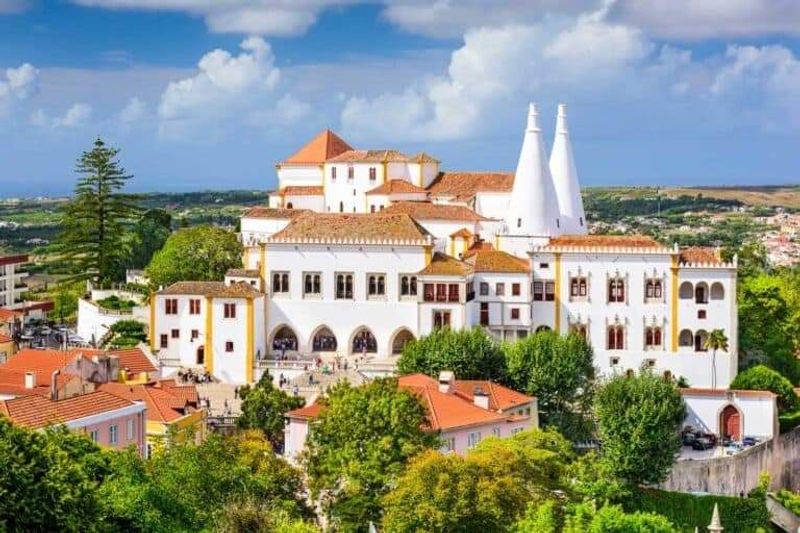
Portugal has experienced a striking rise in births outside of marriage over the past 30 years. Today, more than 57% of babies in Portugal are born to unmarried parents, a figure that would have been almost unthinkable in the 1970s when the country was still under conservative rule.
The fall of the Salazar dictatorship in 1974 opened the door to major social change, and attitudes toward family gradually modernized. Younger Portuguese generations have increasingly moved away from traditional expectations, choosing cohabitation over formal marriage while still building committed, long-term relationships.
Economic pressures have also played a role. The cost of weddings and housing has made it practical for many couples to skip the ceremony and focus on building a home together.
Portugal’s legal framework protects children born outside of marriage, ensuring equal rights and parental recognition. The country’s transformation reflects broader European trends toward flexible family structures.
8. Bulgaria
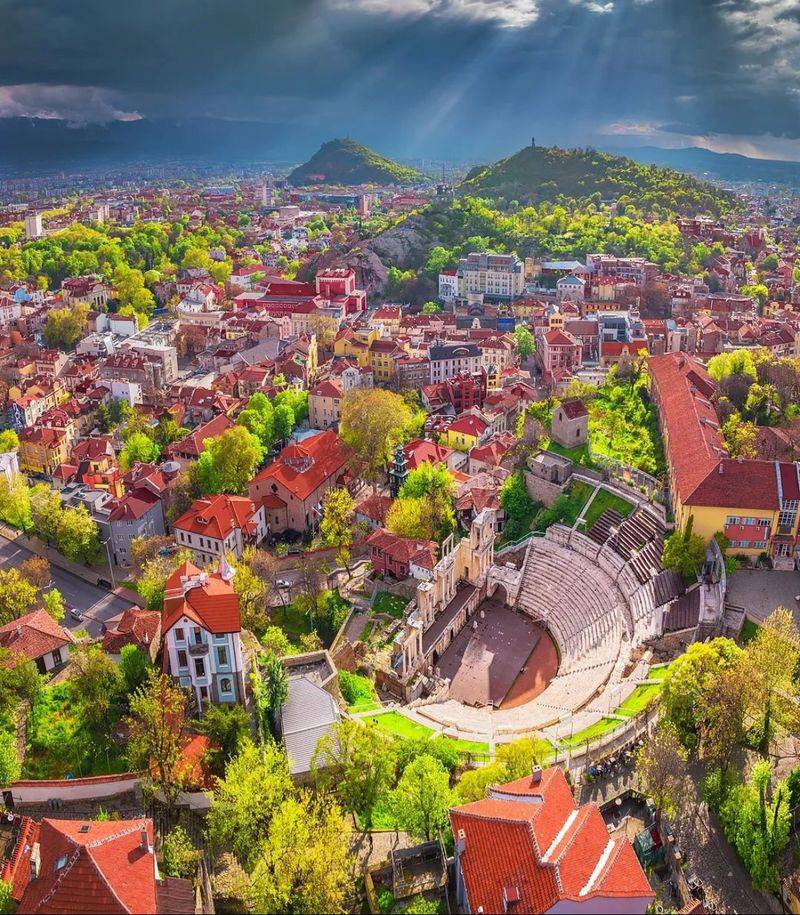
Bulgaria might surprise some people on this list. While it is a country with strong Orthodox Christian traditions, it also has one of the highest non-marital birth rates in the European Union, with over 58% of babies born to unmarried parents.
The rise in non-marital births in Bulgaria is closely linked to economic hardship and shifting social attitudes following the collapse of communism in 1989. As traditional institutions weakened and economic uncertainty grew, fewer young people chose formal marriage before starting families.
Cohabitation became a practical and common choice.
Regional differences exist within the country, with rural areas sometimes showing even higher rates of informal unions. Bulgaria has worked to strengthen legal protections for children regardless of their parents’ marital status, including paternity recognition laws.
The Bulgarian case illustrates how economic transitions can reshape family norms in ways that persist for generations.
9. Norway
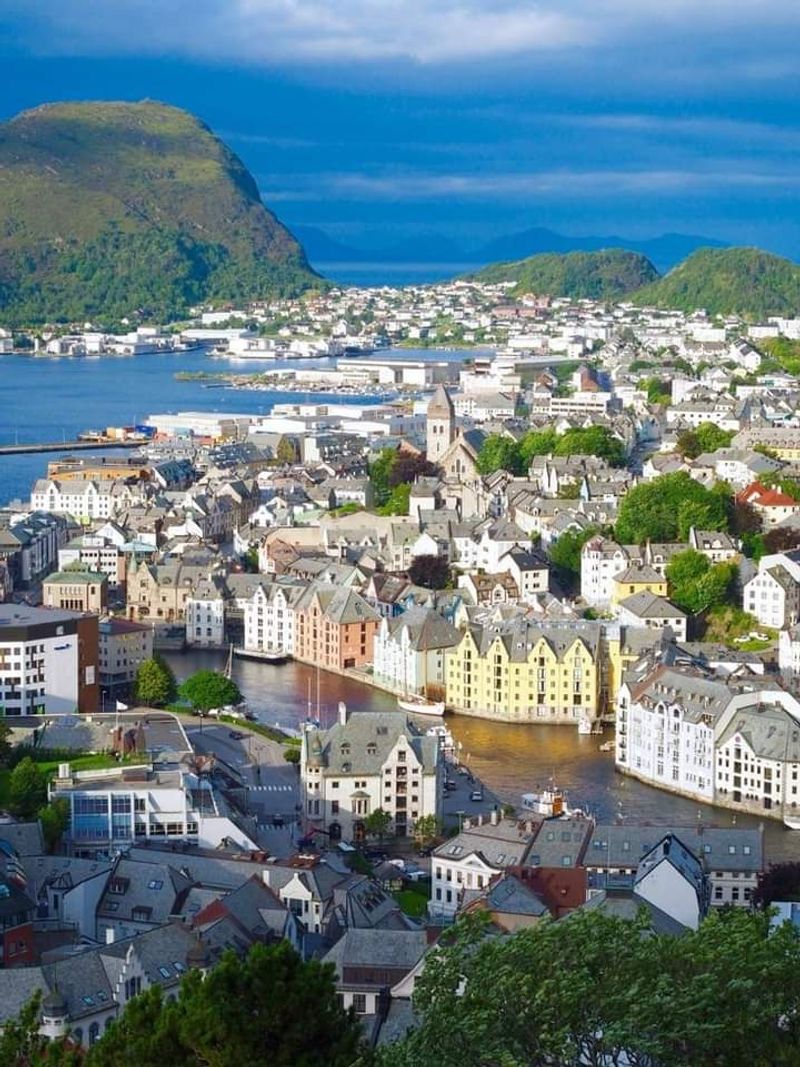
Norway is another Scandinavian country where having a baby outside of marriage is entirely ordinary. Around 56% of Norwegian babies are born to unmarried parents, and this has been the norm for several decades.
Like its Nordic neighbors, Norway has built a society where marriage is a personal choice rather than a social expectation.
The Norwegian welfare state plays a major role in making this possible. Generous parental leave policies, universal healthcare, and strong child support systems mean that unmarried parents receive the same support as married ones.
There is simply less financial or social pressure to get married before having children.
Norwegian culture also places a high value on individual freedom and equality, which extends to family choices. Cohabiting couples in Norway often live together for years, raise children, and share finances without ever formalizing their relationship through marriage.
The result is a society where children thrive regardless of their parents’ legal status.
10. Sweden
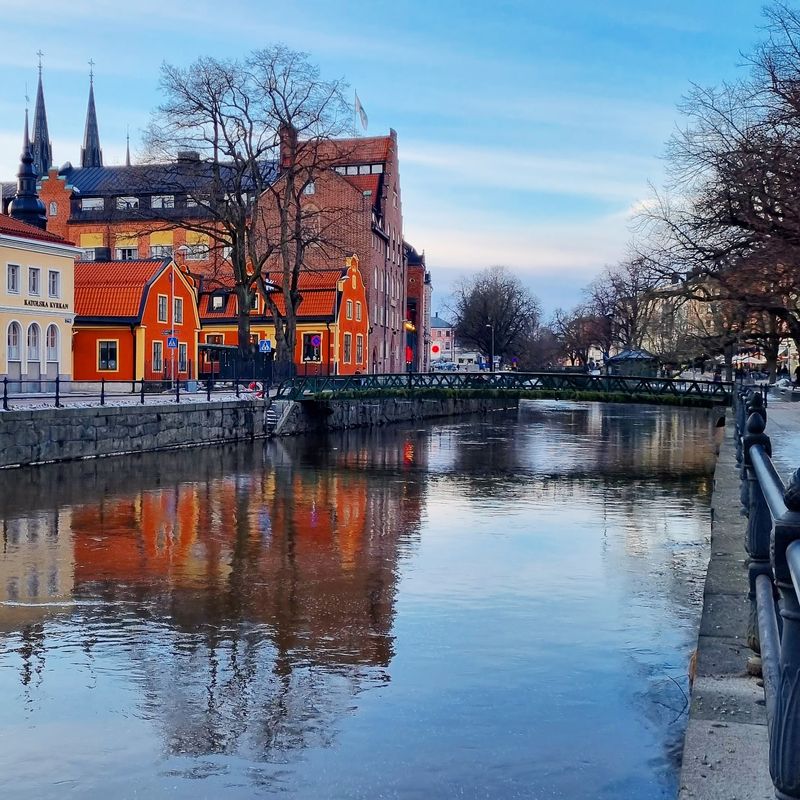
Sweden has long been a pioneer in redefining family norms, and its non-marital birth rate reflects that. Approximately 55% of Swedish babies are born to unmarried parents, a figure that has remained consistently high for decades.
In Sweden, choosing not to marry is not seen as unconventional in any way.
Swedish cohabitation law, known as “sambolagen,” gives unmarried couples who live together many of the same legal protections as married couples. This legal framework removes many of the practical reasons to marry, allowing couples to focus on their relationship and family without the formality of a wedding.
Sweden’s approach to gender equality also plays a part. Both mothers and fathers are encouraged to take parental leave and share childcare responsibilities equally, regardless of marital status.
Swedish children consistently rank among the happiest and most well-supported in the world, showing that family success is about love and stability, not a legal certificate.
11. Slovenia
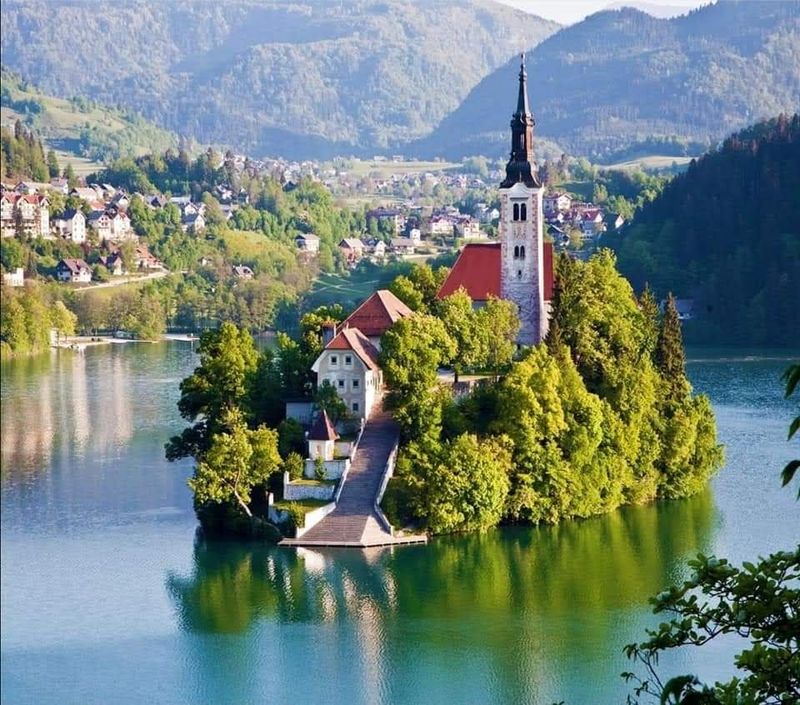
Slovenia is a small Central European country with a surprisingly high rate of non-marital births, sitting at around 58%. This places it among the leaders in the European Union on this measure, which may come as a surprise given its relatively conservative historical and cultural background.
The shift began accelerating in the 1990s following Slovenian independence, as social norms modernized rapidly. Younger Slovenians began prioritizing personal fulfillment and financial stability over traditional milestones like marriage, and cohabitation became increasingly common among couples starting families.
Slovenia’s family law has adapted to reflect these changes, offering legal protections to cohabiting couples and ensuring that children born outside of marriage have equal rights. The country also provides solid social support for families, including parental leave and child benefits.
Slovenia’s experience shows that even smaller, historically traditional nations can undergo profound shifts in how families are formed and recognized.
12. Denmark
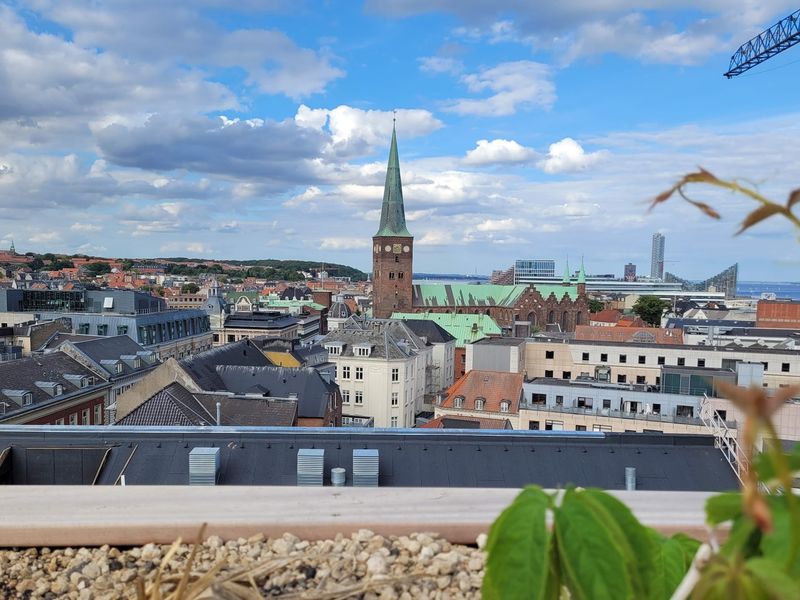
Denmark rounds out the Scandinavian trio on this list, with approximately 54% of babies born to unmarried parents. Like Norway and Sweden, Denmark has created a social environment where the decision to have children and the decision to marry are completely separate choices that people make independently.
Danish culture is famously egalitarian and practical. Couples often live together for many years before considering marriage, and many never make that leap at all.
The Danish government supports all families equally through generous parental leave, universal childcare subsidies, and child benefit payments that do not depend on marital status.
The concept of “hygge,” which celebrates comfort, togetherness, and well-being, applies equally to married and unmarried families in Denmark. What matters most in Danish society is the quality of the home environment and the happiness of the child.
Denmark consistently scores near the top of global happiness rankings, suggesting its family model is working well.
13. Belgium

Belgium has seen its non-marital birth rate climb steadily in recent decades, reaching around 53% of all births. This reflects a broader trend across Western Europe, where marriage rates have declined while cohabitation and informal partnerships have grown more common and socially accepted.
Belgium introduced a legal cohabitation status called “wettelijke samenwoning” that gives unmarried couples certain legal rights, though it provides fewer protections than full marriage. Many Belgian couples choose this option or simply live together without any formal legal arrangement while still raising children together.
Cultural differences within Belgium also play a role. The French-speaking Wallonia region tends to have higher non-marital birth rates than the Dutch-speaking Flanders region, reflecting different social traditions.
Belgium’s child welfare system ensures that all children receive equal access to education and healthcare regardless of their parents’ marital status, making the practical impact on families relatively minimal.
14. Netherlands
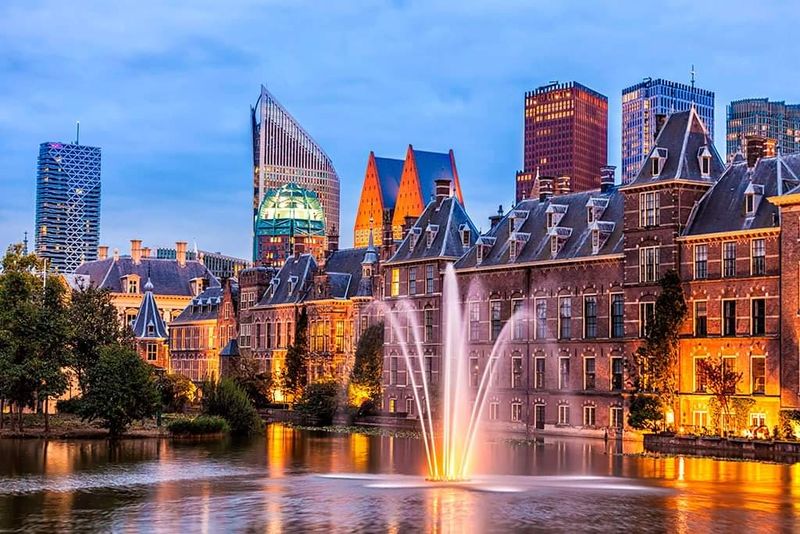
The Netherlands has a non-marital birth rate of around 52%, placing it among the higher-ranking countries in Western Europe. Dutch society is well known for its progressive, tolerant, and pragmatic approach to social issues, and family structure is no exception.
Many Dutch couples choose to live together and have children without marrying, viewing it as a practical and equal alternative. The Netherlands offers a registered partnership option that provides many of the same legal rights as marriage, giving couples flexibility in how they formalize their relationships.
The Dutch government supports families through a comprehensive system of child benefits, parental leave, and subsidized childcare, making it financially feasible to raise children outside of marriage. Dutch children consistently perform well in international education and well-being rankings, reinforcing the idea that parental support and stability matter far more than a marriage certificate.
The Netherlands continues to lead Europe in open-minded approaches to family life.
15. Estonia
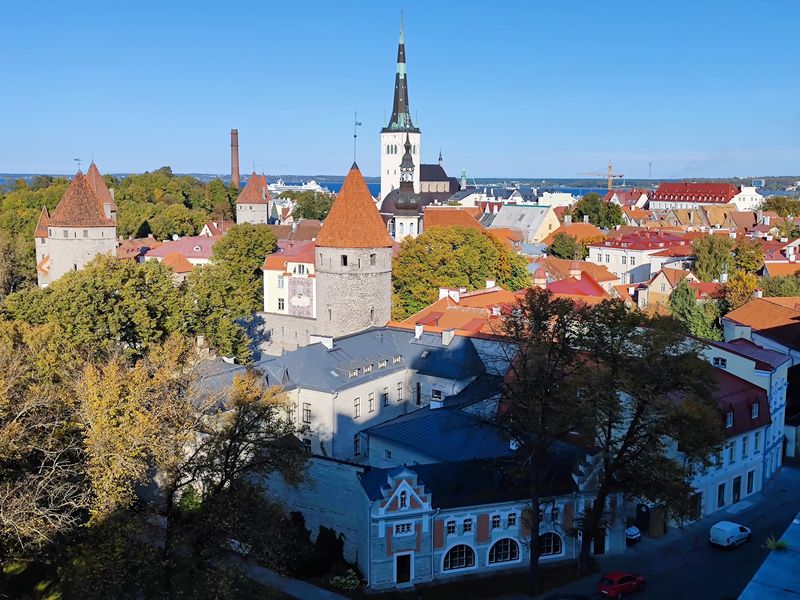
Estonia tops many European rankings for non-marital birth rates, with approximately 60% of babies born to parents who are not married. This small Baltic nation has one of the most striking examples of how post-Soviet societies can rapidly transform their social norms around family and relationships.
After regaining independence in 1991, Estonia underwent rapid modernization. Young Estonians embraced personal freedom and moved away from traditional expectations, including the idea that marriage must come before children.
Cohabitation became the preferred arrangement for many couples, and this trend has only deepened over time.
Estonia’s digital-forward government has made registering births and accessing family benefits straightforward for all parents, regardless of marital status. The country also offers parental leave policies that are among the most generous in Europe.
Estonia’s experience shows that rapid social change does not have to come at the expense of child welfare or family stability.
Share this story