Obesity is a growing health concern in many parts of the world, but some countries have kept their rates remarkably low. Diet, daily movement, income levels, and food traditions all play a part in these numbers.
Looking at these countries can show us how everyday habits shape health. Here is a look at 15 nations where adult obesity remains among the lowest on the planet.
1. Vietnam
Walk through a Vietnamese market at sunrise and you will see baskets piled high with fresh herbs, leafy greens, and ripe fruit. That colorful scene says a lot about how people eat here.
Obesity rates among adults are only a few percent, according to World Health Organization estimates.
Traditional meals lean on rice, vegetables, fish, and broth-based soups such as pho. Portions tend to be modest, and sugary drinks have not been as common as in wealthier nations.
Fresh ingredients are bought daily, so heavily processed foods play a smaller role.
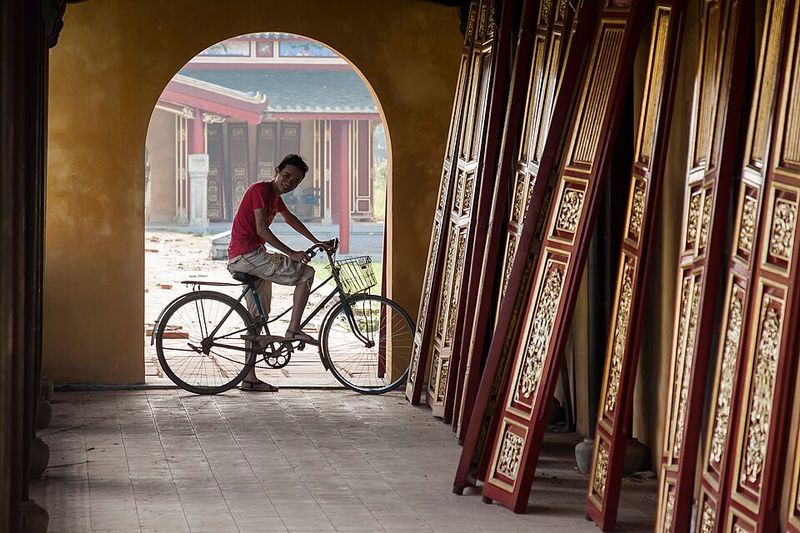
Daily life also keeps many people active. Walking, cycling, and working in farms or small shops burn plenty of energy.
Still, health experts note that city lifestyles are changing, and rates are slowly rising. Keeping up the habit of fresh, home-style cooking could help Vietnam hold on to its low numbers.
2. Timor-Leste

Tucked between mountains and the sea, Timor-Leste is a young nation where many families still grow their own food. That close link between farm and table helps explain its low adult obesity rate, which sits at only a few percent in global estimates.
Staples include corn, cassava, rice, and sweet potatoes, often served with vegetables and small amounts of meat or fish. Packaged snacks and fast food are hard to find outside the capital, Dili.
Many households simply cannot afford large amounts of calorie-heavy food.
Physical work is part of the routine too. Families walk long distances over hilly ground, carry water, and tend gardens by hand.
Health challenges here are more often about getting enough nutrition than eating too much, which is an important reminder that low obesity does not always mean easy access to food.
3. Ethiopia
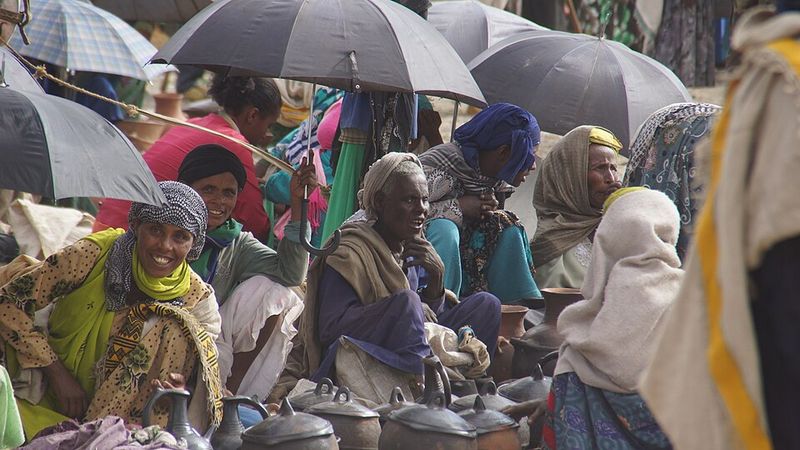
Ethiopia is famous for long-distance runners, and its active culture shows up in health statistics too. Adult obesity there is well under five percent, one of the lowest levels in Africa.
A classic meal centers on injera, a soft flatbread made from teff grain, served with lentil and vegetable stews. Many families also observe fasting periods when they eat plant-based meals, which adds even more variety of beans, greens, and grains.
Sweet drinks and fried fast food are less common in rural areas.
Much of the population lives in the countryside, where farming and walking are part of each day. Cities such as Addis Ababa are growing, and office jobs and imported snacks are becoming more common.
Experts say the nation may face new weight challenges later, so keeping traditional foods on the table could be valuable.
4. Rwanda
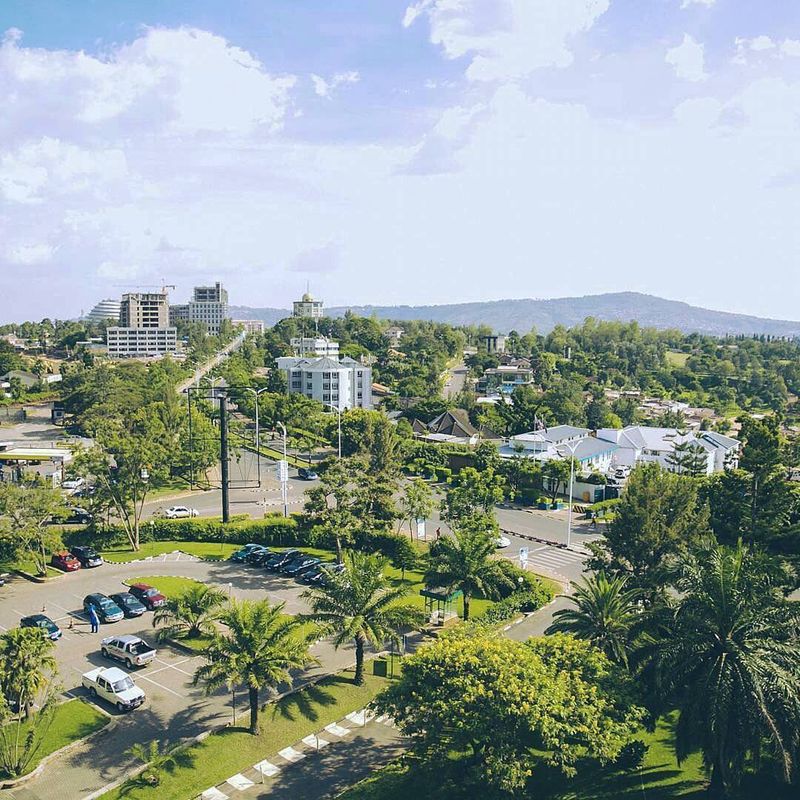
Known as the land of a thousand hills, Rwanda gives people a built-in workout just by stepping outside. Climbing slopes to reach farms, schools, and markets is simply part of the day for many families.
Meals often feature beans, sweet potatoes, plantains, cassava, and maize. Meat is eaten less often, and portions are generally modest.
Adult obesity is low compared with global averages, though rates are slowly climbing in the capital, Kigali.
The country also has a monthly community clean-up day called Umuganda, which gets neighbors outdoors and moving together. Government health programs have encouraged exercise, including car-free days in the capital when streets open up for walking and jogging.
Such efforts show how public habits and policy can support a healthy weight.
5. Japan
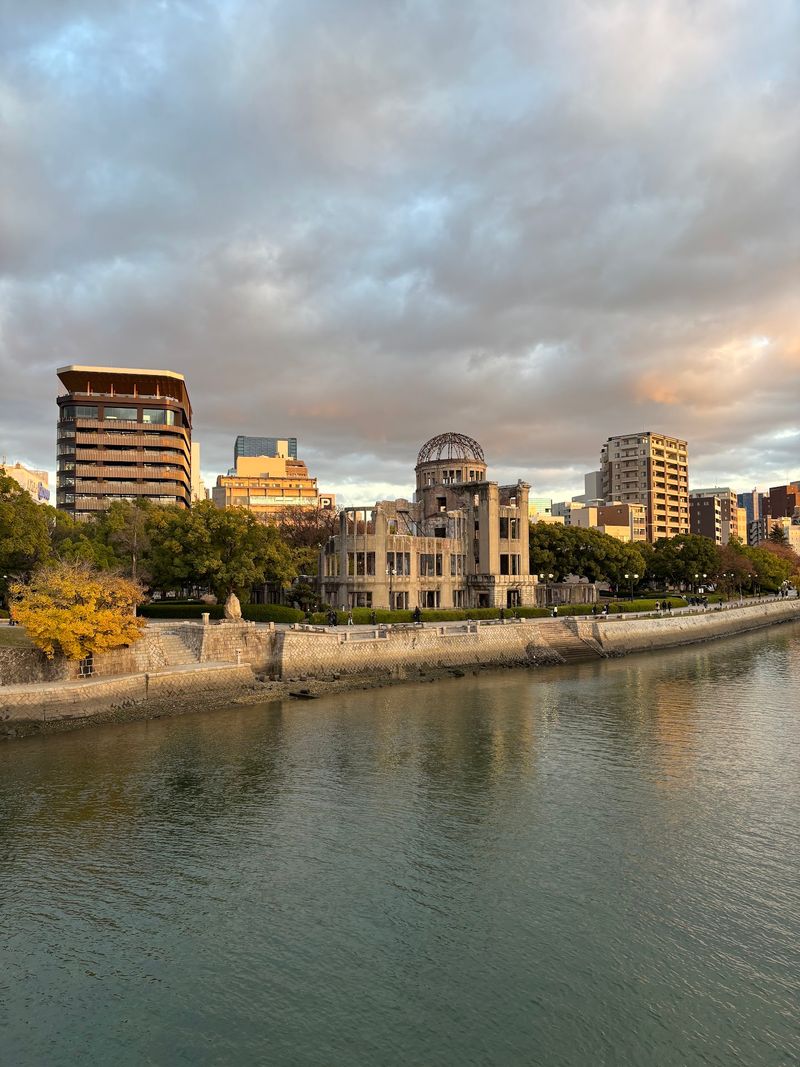
Here is a surprising number: Japan has one of the lowest adult obesity rates among wealthy countries, at roughly four to five percent. That makes it stand out in a group where rates often top thirty percent.
Traditional meals are built around rice, fish, soy foods, vegetables, and soup, served in small dishes. Eating until you are about eighty percent full is a well-known habit called hara hachi bu.
Portion sizes in restaurants and stores are also smaller than in many Western nations.
Walking is another big factor. Many people commute by train and cover long distances on foot each day.
School lunch programs teach children about balanced eating from a young age. Together, these habits have helped Japan keep a long life expectancy.
6. Cambodia

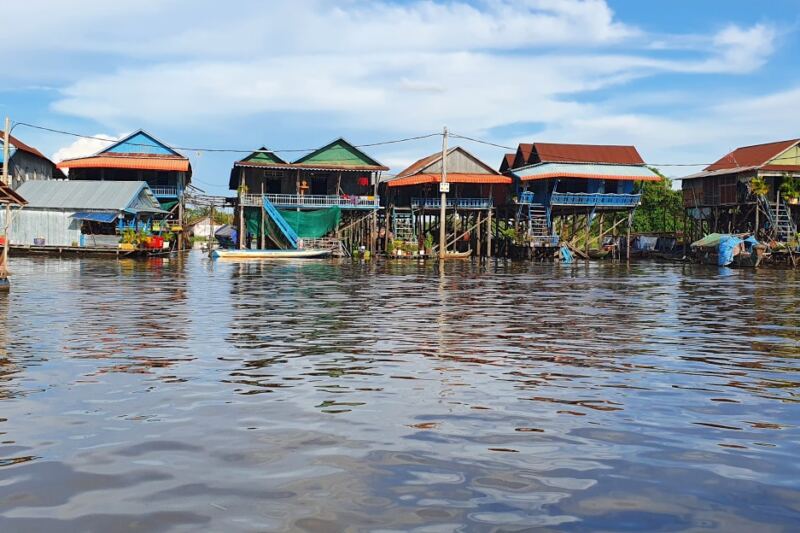
Rice paddies stretch across much of Cambodia, and rice sits at the heart of nearly every meal. Alongside it, families often serve freshwater fish, vegetables, and fragrant soups flavored with lemongrass and herbs.
Adult obesity in Cambodia remains low, at just a few percent in recent estimates. A large share of people still work in farming and fishing, which means long days of physical effort.
Many also travel by foot or bicycle for short trips.
Change is coming, though. Cities like Phnom Penh now have more cafes, sweet drinks, and fast food chains.
Health groups are watching the trend closely. For now, a diet rich in rice, fish, and greens helps keep the national average low.
7. Bangladesh

With more than 170 million people packed into a delta nation, Bangladesh is a busy place. Daily life often involves walking, cycling, or riding rickshaws, which are pedaled by hand and foot.
Everyday food includes rice, lentils, vegetables, and fish from the country’s many rivers. Meals are usually cooked at home, and large servings of sugary treats are saved for celebrations.
Adult obesity rates are low, around four to five percent according to global health data.
Income plays a role as well. Many households spend carefully on food, so calorie-rich processed items are less regular.
Experts do warn that diabetes and weight gain are rising in cities, so Bangladesh is working to promote healthy habits before problems grow.
8. Madagascar
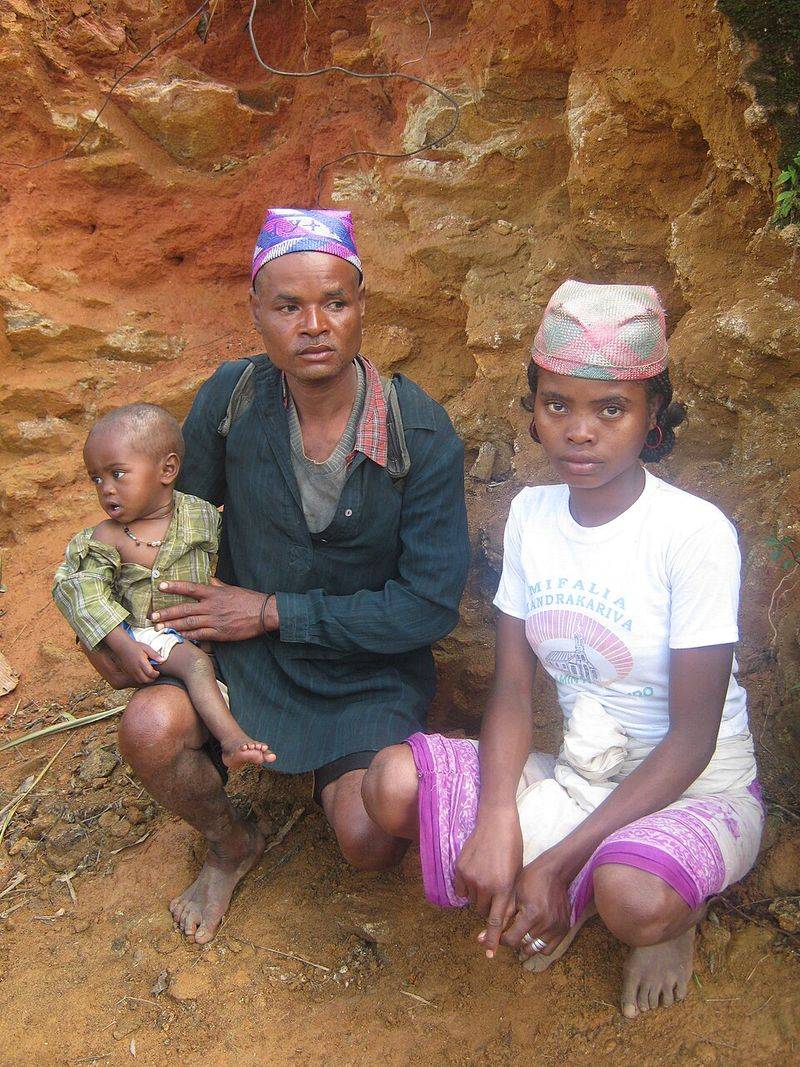
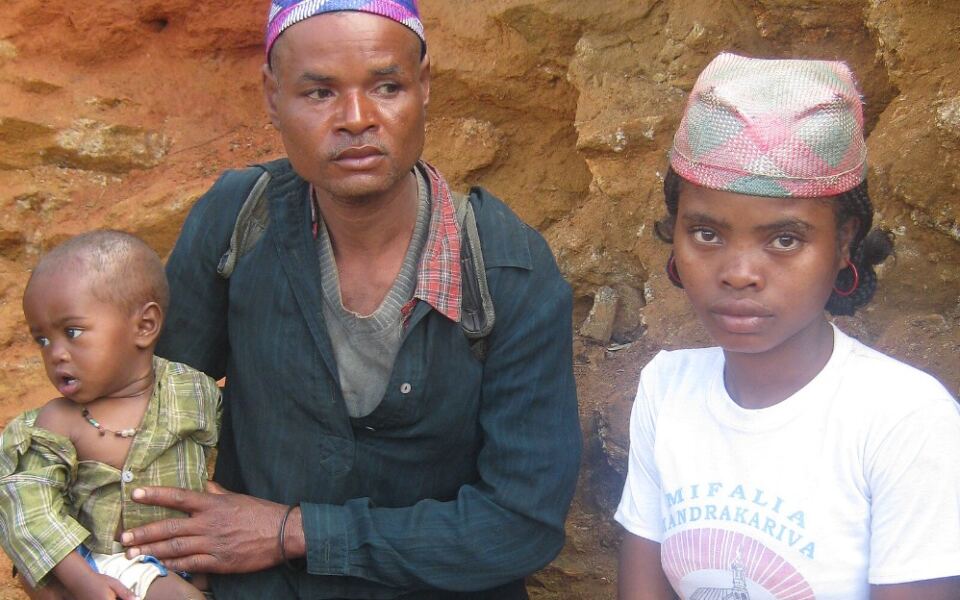
Madagascar is known for lemurs and baobab trees, but its eating habits are worth a look too. Rice is the main food, often eaten three times a day, with a side of beans, greens, or a bit of zebu beef.
Adult obesity is among the lowest in the world, at about five percent or less. Most people live in rural areas and rely on farming, which takes steady physical effort.
Many walk for miles to reach markets, schools, or clinics.
Poverty is a major reason the numbers stay low, and it also leads to serious nutrition gaps. Many children do not get enough food to grow well.
Madagascar’s story shows that a low obesity rate can sit alongside other health struggles that need attention.
9. Burundi
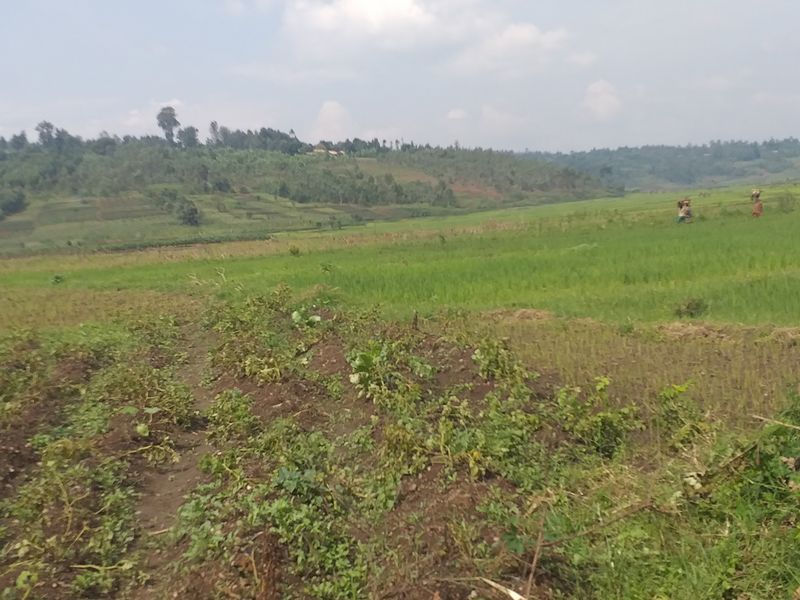
Small in size but rich in farmland, Burundi is a country where most people grow what they eat. Beans, sweet potatoes, cassava, maize, and bananas fill the plate day after day.
Adult obesity is very low, usually estimated at about three to five percent. Farming by hand, carrying water, and walking along hilly roads create a lot of daily movement.
Few families can afford processed snacks or sugary drinks on a regular basis.
Meat and dairy are enjoyed less often, and portions are shaped by what the harvest allows. Because food supplies can be unpredictable, hunger is a bigger concern than weight gain for many households.
Better farming support and nutrition programs are key goals for the country.
10. Eritrea
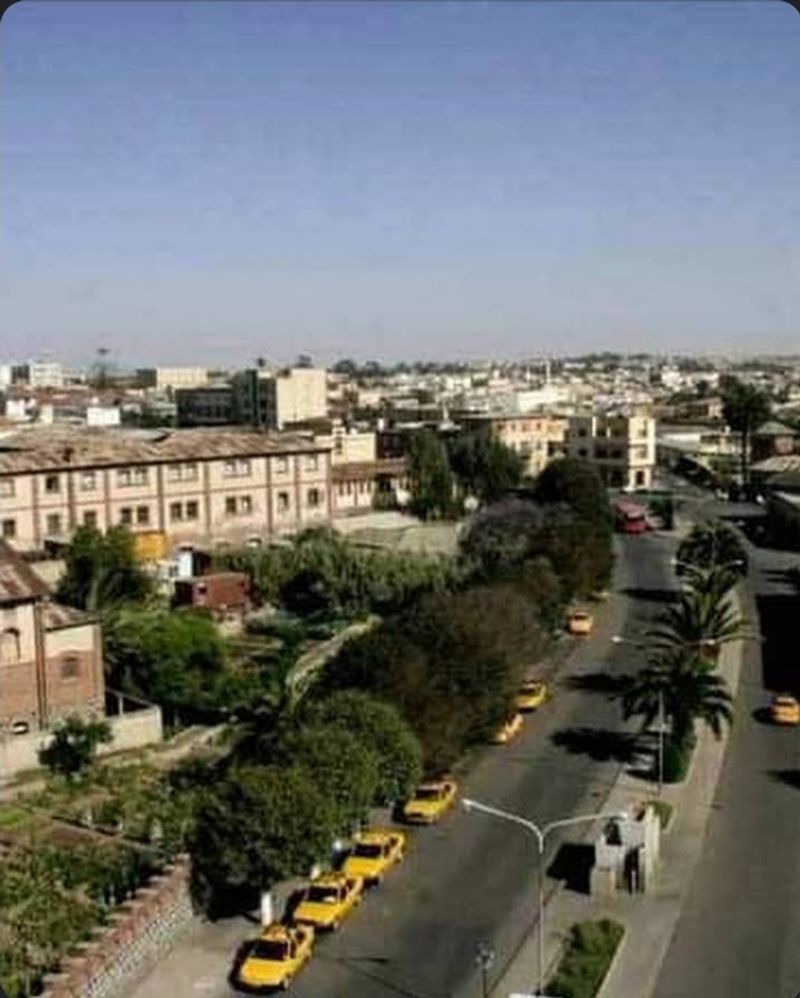
Asmara, the capital of Eritrea, is a city best explored on foot, with its tidy streets and art deco buildings. Walking is a normal way to get around, and that habit shows up in national health numbers.
Meals often include injera, lentils, vegetables, and spiced stews, with meat reserved for special occasions. Fasting traditions mean many people go without animal products for long stretches of the year.
Adult obesity remains low, at roughly four to five percent.
Economic limits also shape what people eat. Imported processed foods are not widely available, and many families depend on simple, home-cooked dishes.
As with several other countries on this list, low obesity goes hand in hand with food security challenges that remain important.
11. Nepal
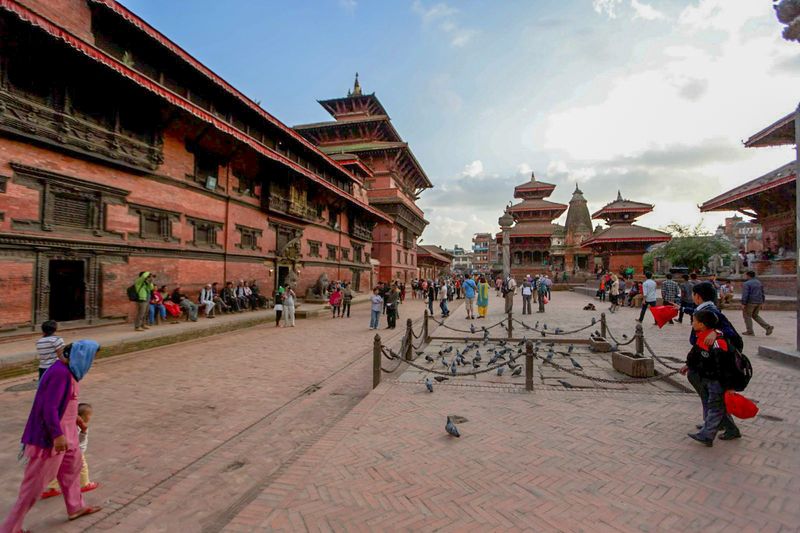
Few places make walking as essential as Nepal, where steep mountain trails connect villages, schools, and markets. Many people cover long distances each day without a second thought.
The national meal is dal bhat, a plate of rice with lentil soup and vegetable curry. It is balanced, filling, and low in added sugar.
Adult obesity is around four to five percent, which is far below global averages.
Farming supports much of the population, adding even more activity to the day. Cities like Kathmandu are changing, with more vehicles and fast food.
Even so, the habit of eating dal bhat twice daily remains strong. Many Nepalis jokingly say that dal bhat gives them power all day long.
12. India

India’s national average hides a wide range of experiences. Overall, adult obesity is still low, at roughly five to six percent, though it is higher in some cities and among wealthier groups.
Traditional diets include lentils, vegetables, whole grains, yogurt, and spices such as turmeric and cumin. Many people follow vegetarian eating patterns, which often means fewer fatty meats.
Home cooking is still the norm for most families.
With over 1.4 billion people, India faces a double challenge. Some regions struggle with undernutrition, while urban areas see rising rates of weight gain and diabetes.
Public health groups are encouraging more exercise, less sugary food, and a return to traditional grains such as millets, which are rich in fiber.
13. Malawi
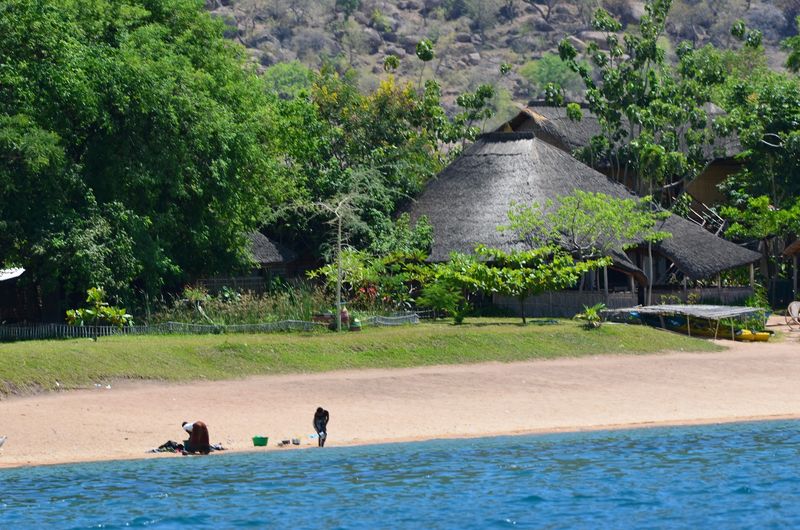
Ask someone in Malawi about dinner, and the answer is likely nsima. This thick maize porridge is served with vegetables, beans, or small fish from Lake Malawi.
Adult obesity is low, at roughly six to eight percent in recent estimates, and much lower in rural areas. Most families farm small plots by hand, so daily work keeps people moving.
Walking is also the main way to get around for many communities.
The country has worked to improve nutrition by promoting more diverse crops, such as groundnuts, soybeans, and orange sweet potatoes. Even so, many families rely heavily on maize, which can leave gaps in vitamins.
Health officials are balancing the need for enough food with the need for varied, nutritious meals.
14. Sri Lanka

Rice and curry is the heart of Sri Lankan cooking, but it comes with a colorful twist. A typical plate might hold lentils, jackfruit, leafy greens, coconut sambol, and a small portion of fish.
Adult obesity is relatively low in comparison with many countries, in the range of about seven to nine percent. Fresh vegetables and spices appear in most meals, and snacking on fruit is common.
Tea plantation work and farming give many people an active lifestyle.
Urban areas such as Colombo are seeing more processed foods and desk jobs, and health leaders are paying attention. Schools and clinics have been promoting healthy plates and regular exercise.
Staying close to traditional, vegetable-rich cooking is one of the best tools the country has.
15. South Korea

Kimchi, seaweed, rice, and plenty of vegetable side dishes: a Korean table is full of color. Meals are built around many small plates, which encourages variety and balanced portions.
South Korea has one of the lowest adult obesity rates among high-income countries, at around five to six percent. Fermented foods, soups, and grilled fish are staples, while sweet desserts are not eaten daily.
Walking and public transit are part of city life.
Hiking is a favorite weekend pastime, with trails close to Seoul drawing big crowds. Even so, health officials have noticed rising weight among younger adults, linked to delivery food and long office hours.
Keeping up traditional meals and active hobbies could help the country maintain its strong record.
Share this story