The 1960s brought big changes to music, politics, fashion, sports, and television. A group of famous people helped drive those changes and left marks that last today.
From leaders who fought for fairness to artists who broke old rules, each one shaped how people lived and thought. Here are fifteen cultural icons who helped define the decade.
1. The Beatles: Music and Youth Culture
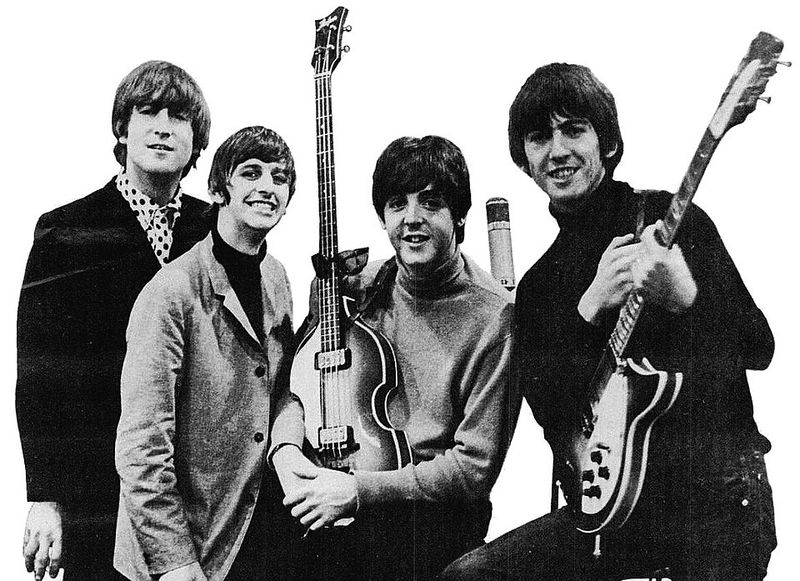
When The Beatles landed in New York in February 1964, thousands of fans screamed at the airport. Roughly 73 million Americans then tuned in to watch them on The Ed Sullivan Show.
It was a moment that changed pop music for good.
The band from Liverpool, England, wrote catchy songs and kept growing as artists. Albums like Rubber Soul, Revolver, and Sgt.
Pepper’s Lonely Hearts Club Band showed that pop records could be creative works of art. They used new studio tricks, string instruments, and ideas from Indian music.
Their hair, clothes, and humor also set trends for teenagers around the world. Young people felt the group spoke for them.
The British Invasion that followed opened doors for many other bands, and the influence of the group is still heard in music today.
2. Martin Luther King Jr.: Civil Rights
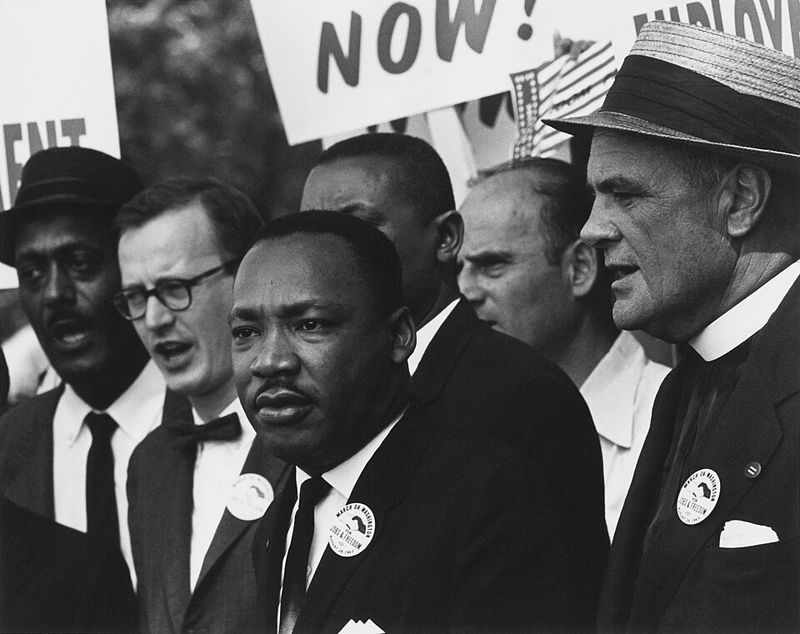
“I have a dream” may be one of the most famous phrases in American history. Martin Luther King Jr. spoke those words to a crowd of more than 200,000 people at the March on Washington in August 1963.
His voice helped turn a movement into a national conversation.
King was a Baptist minister who believed in peaceful protest. He helped lead the Montgomery bus boycott, the Birmingham campaign, and the march from Selma to Montgomery.
These efforts drew attention to unfair laws and unequal treatment.
His work helped lead to the Civil Rights Act of 1964 and the Voting Rights Act of 1965. In 1964, he received the Nobel Peace Prize at age 35, making him one of the youngest winners at that time.
His message of justice and nonviolence still guides people today.
3. Muhammad Ali: Sports and Social Activism
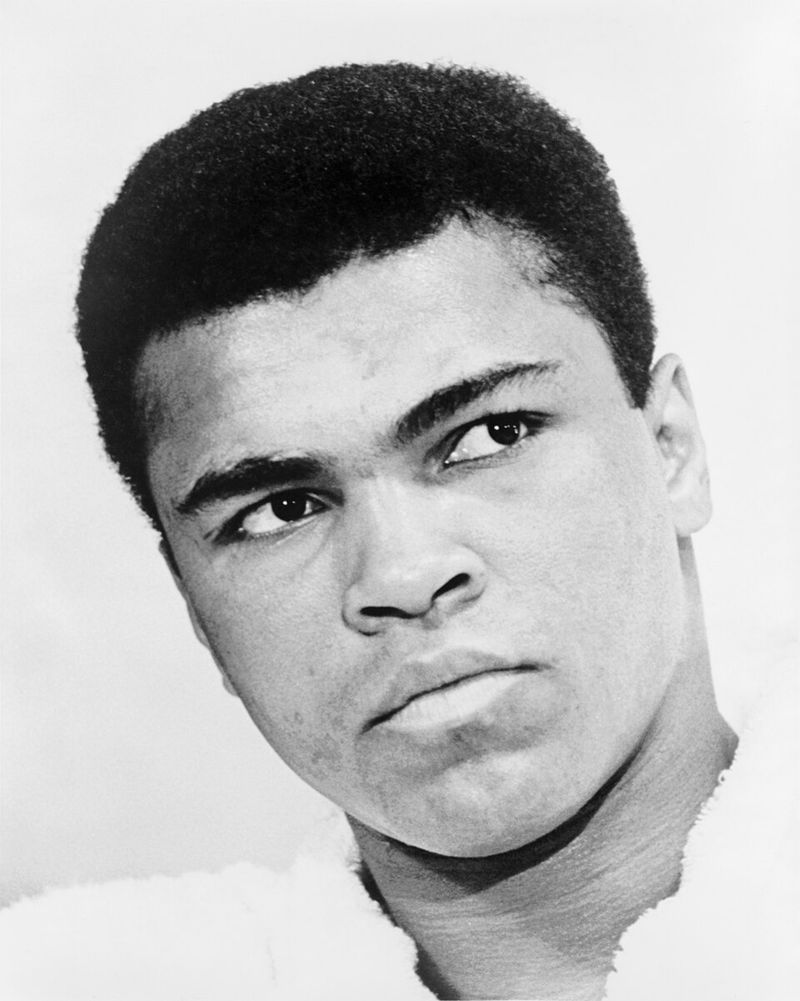
Few athletes talked as boldly as Muhammad Ali, and even fewer could back it up. Born Cassius Clay, he won an Olympic gold medal in Rome in 1960.
Four years later he shocked the boxing world by beating Sonny Liston to become heavyweight champion.
Soon after, he announced his membership in the Nation of Islam and took the name Muhammad Ali. His quick wit and rhyming taunts made him a star on television.
He described his style as floating like a butterfly and stinging like a bee.
In 1967, Ali refused to join the U.S. Army during the Vietnam War, citing his religious beliefs.
He lost his title and boxing license, and he faced criminal charges that were later overturned. His stand made him a symbol of principle for many people, whether they agreed with him or not.
4. Bob Dylan: Folk Music and Counterculture
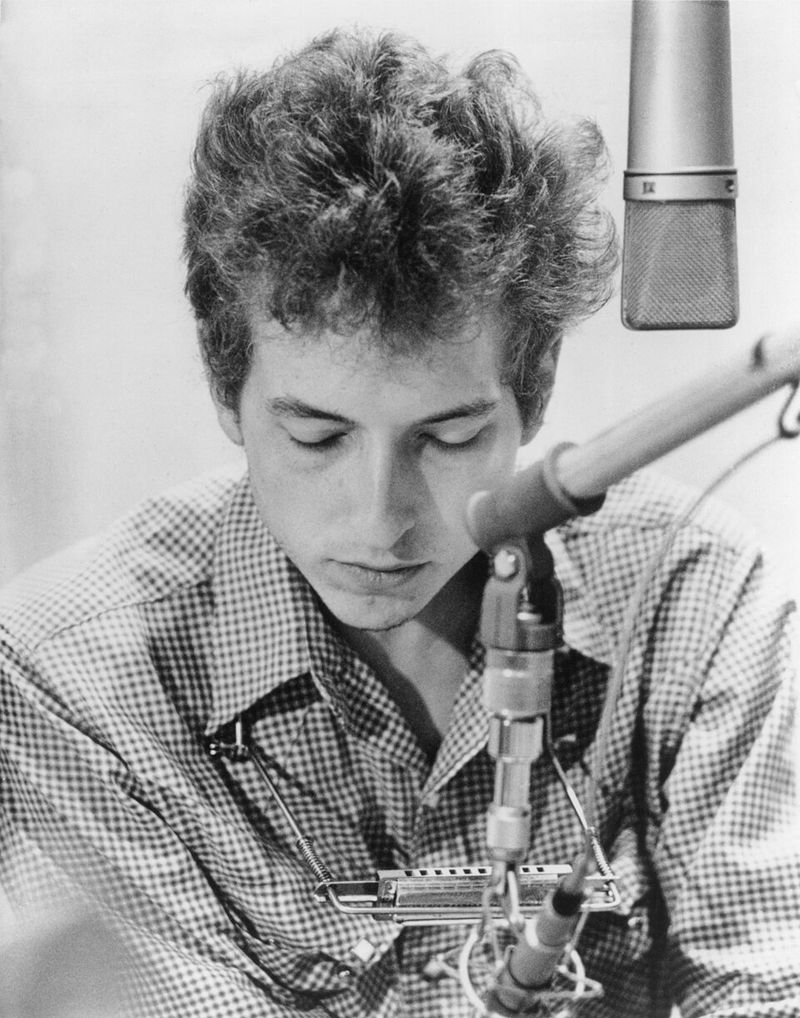
Picture a young singer from Minnesota with a scratchy voice and a harmonica, changing songwriting forever. That was Bob Dylan in the early 1960s.
He moved to New York City in 1961 and quickly became a favorite in Greenwich Village coffeehouses.
Songs like Blowin’ in the Wind and The Times They Are a-Changin’ became anthems for the civil rights and antiwar movements. His lyrics were poetic and sharp, and they proved that pop songs could deal with serious ideas.
In 1965, Dylan shocked folk fans by playing an electric guitar at the Newport Folk Festival. Some booed, but he pushed on and released Like a Rolling Stone, a landmark of rock music.
His willingness to change made him a model for artists who wanted to follow their own path.
5. John F. Kennedy: Politics and Popular Culture
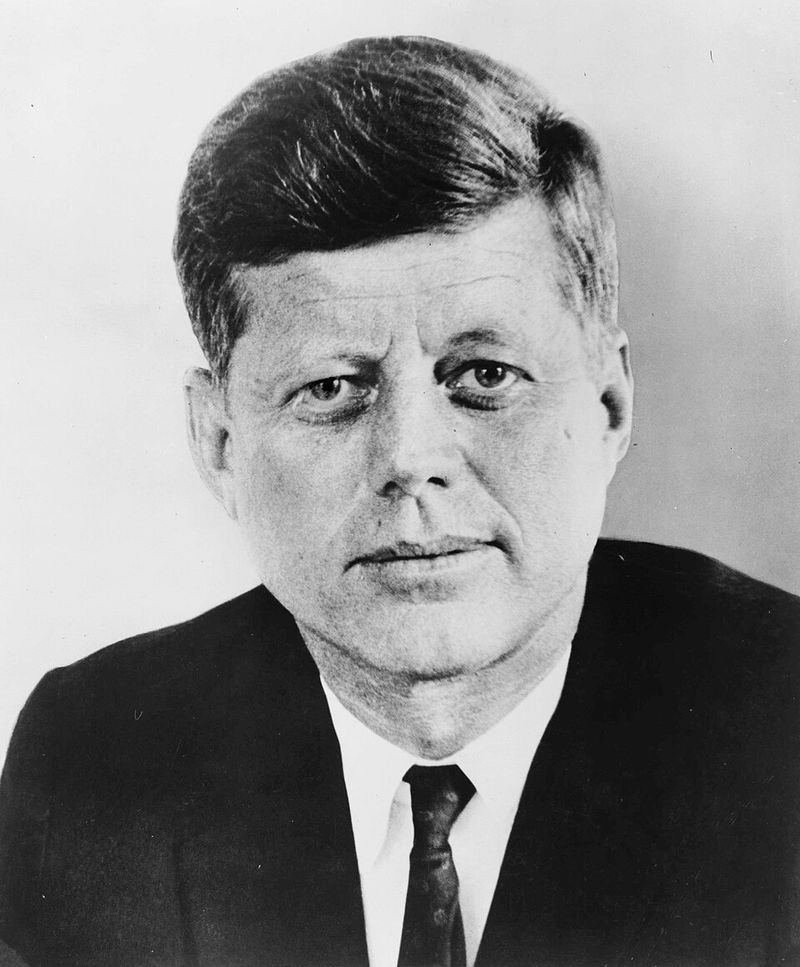
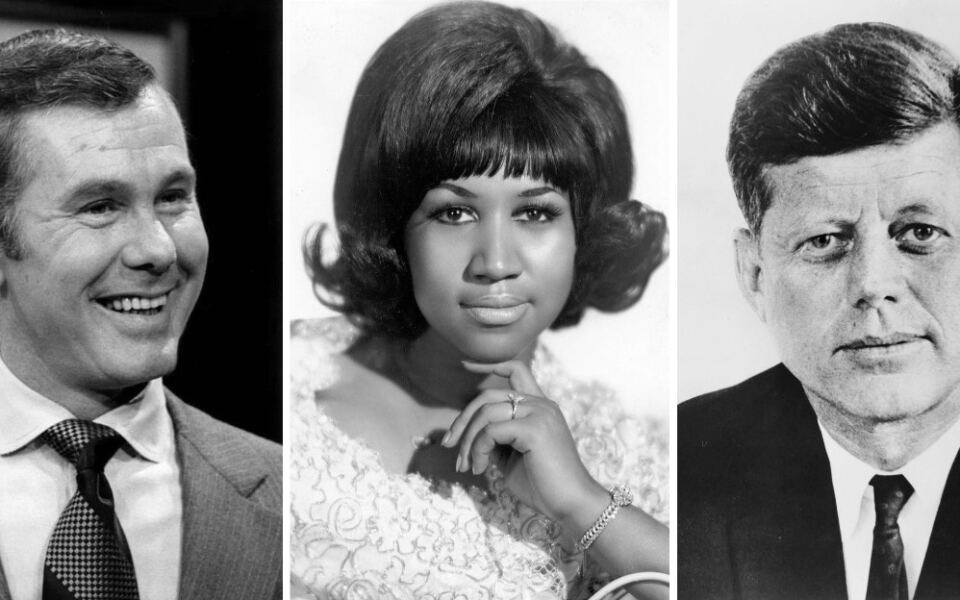
At just 43, John F. Kennedy became the youngest person ever elected U.S. president.
His win in 1960 owed something to television. In the first televised presidential debate, he looked calm and confident next to Richard Nixon, and many viewers noticed.
Kennedy’s inaugural speech urged Americans to ask what they could do for their country. That line inspired many young people to volunteer, including through the new Peace Corps.
He also set a goal of landing a man on the Moon before the decade ended.
His term included tense moments like the Cuban Missile Crisis in 1962. Along with his wife and young children, he gave the White House a fresh, youthful image.
His assassination in November 1963 shocked the nation and remains a defining event of the decade.
6. Aretha Franklin: Soul Music and Empowerment
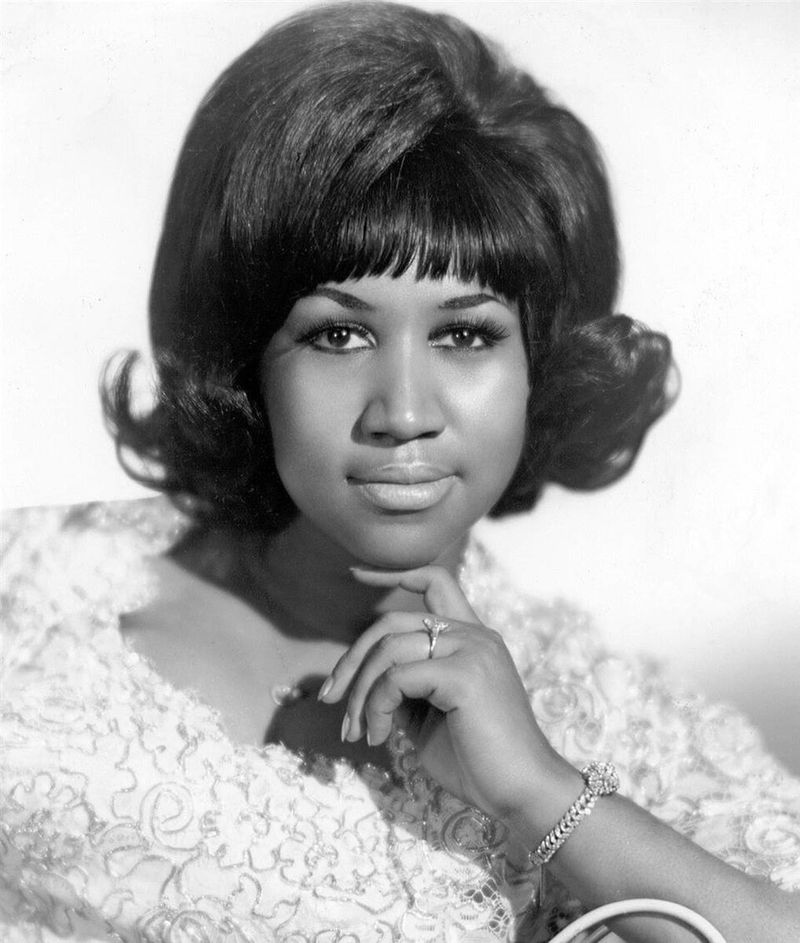
Respect is a simple word, but Aretha Franklin turned it into a rallying cry. Her 1967 version of the song, first written by Otis Redding, became a hit with listeners of every background.
Its message spoke to both the women’s movement and the civil rights movement.
Franklin grew up singing gospel in her father’s church in Detroit. When she signed with Atlantic Records in 1966, her powerful voice and piano skills finally found the right setting.
Hits like I Never Loved a Man and Chain of Fools followed in quick succession.
Fans soon called her the Queen of Soul. She went on to win many Grammy Awards and became the first woman inducted into the Rock and Roll Hall of Fame in 1987.
Her strength and confidence still inspire singers today.
7. Jimi Hendrix: Rock and Counterculture
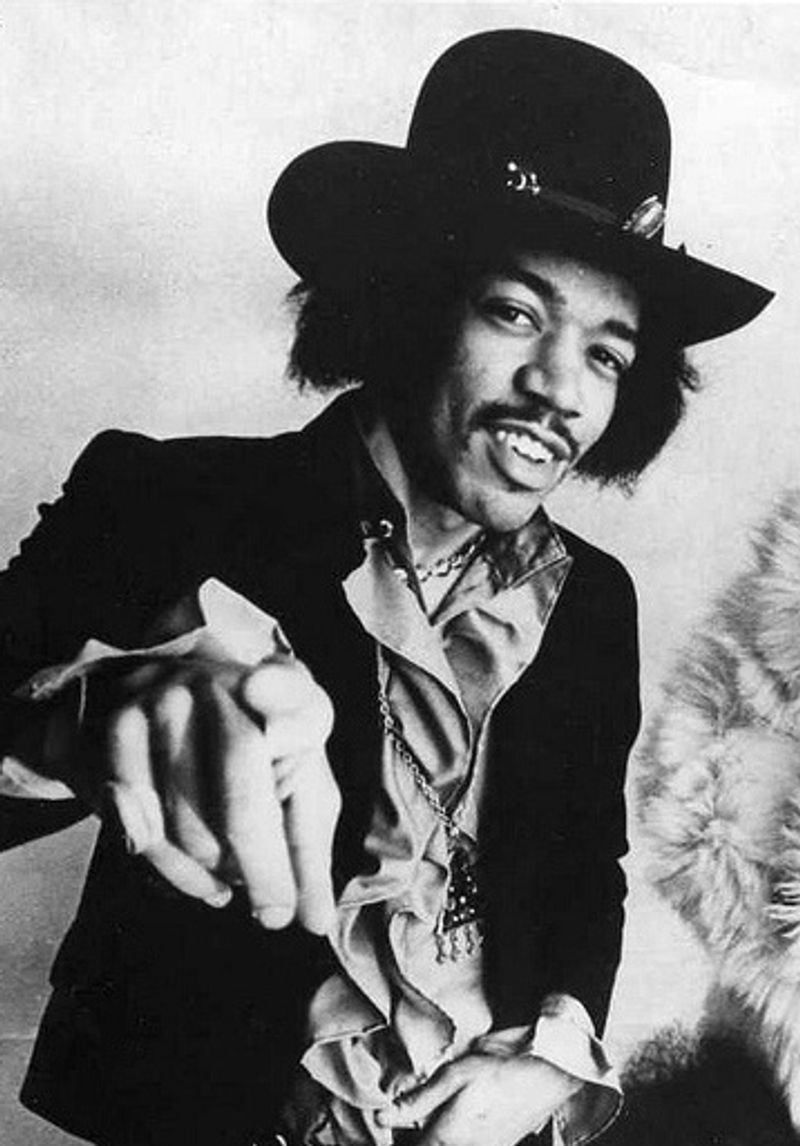
Setting a guitar on fire on stage is not a normal way to end a concert. Jimi Hendrix did exactly that at the Monterey Pop Festival in 1967, and audiences never forgot it.
The American guitarist had moved to London in 1966, where his talent quickly drew a crowd.
Hendrix played a right-handed guitar upside down, and he used feedback, distortion, and effects pedals in ways nobody had tried. Albums such as Are You Experienced and Electric Ladyland opened new sounds for rock music.
His performance of the national anthem at Woodstock in 1969 became a symbol of the era’s mix of hope and unrest. He died in 1970 at age 27, but many musicians still rank him among the greatest guitarists of all time.
8. Andy Warhol: Pop Art and Celebrity Culture
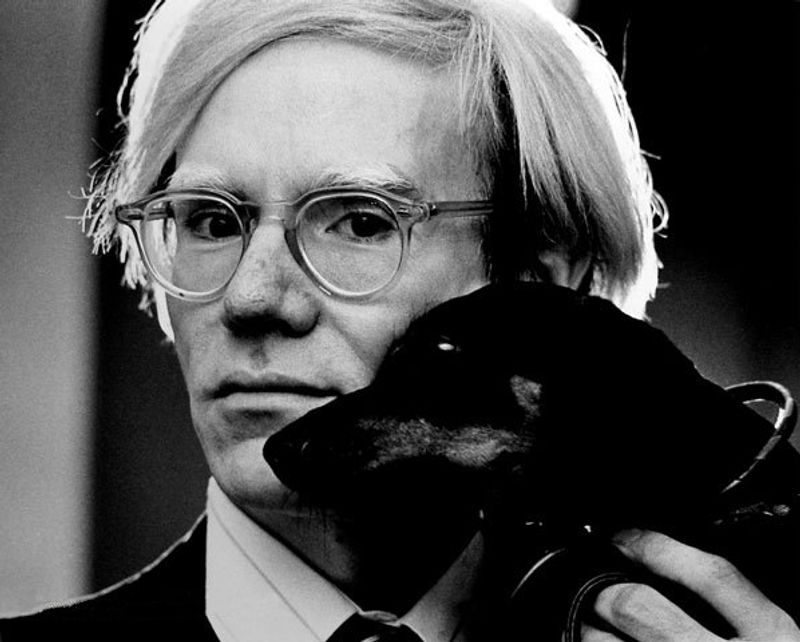
A soup can hanging in an art gallery got people talking in 1962. Andy Warhol painted 32 canvases of Campbell’s soup flavors, and he asked a simple question about what counts as art.
Pop Art was suddenly a major force.
Warhol used everyday images from stores and magazines. His silkscreen portraits of Marilyn Monroe, Elvis Presley, and Elizabeth Taylor showed how fame could be mass-produced like a product.
He repeated images in bright colors to make them stand out.
In 1964, he opened a studio known as The Factory in New York City. It became a meeting place for artists, musicians, actors, and writers.
He also made experimental films and helped manage the band The Velvet Underground. His ideas about fame still feel current in the age of social media.
9. The Rolling Stones: Rock Music and Youth Rebellion
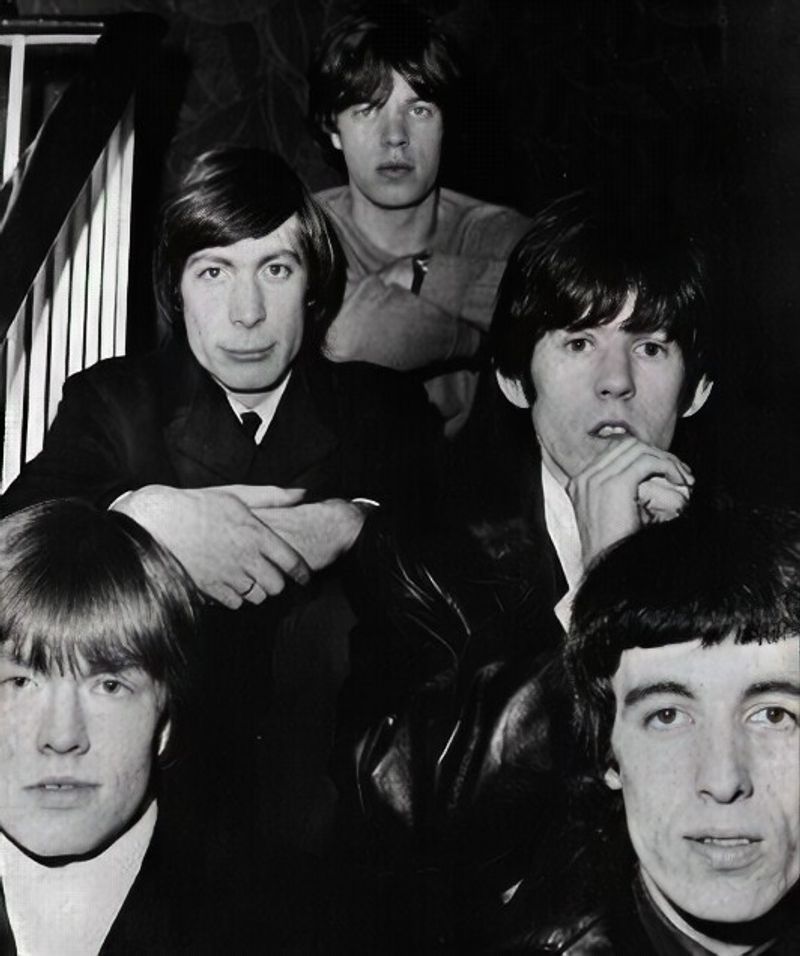
While The Beatles wore matching suits, The Rolling Stones showed up looking messy and proud of it. Formed in London in 1962, the band built its image as the tougher, edgier alternative.
Parents worried, and teenagers loved it.
Singer Mick Jagger and guitarist Keith Richards became a strong songwriting team. Their early sound came from American blues and rhythm and blues.
Then hits like (I Can’t Get No) Satisfaction in 1965 brought a raw, restless energy to the radio.
Songs such as Paint It Black and Jumpin’ Jack Flash kept the band on the charts through the decade. Their concerts and public image reflected a wave of youth independence.
Remarkably, the group is still touring and recording, making them one of the longest-running acts in rock history.
10. James Brown: Soul, Funk, and Black Cultural Influence
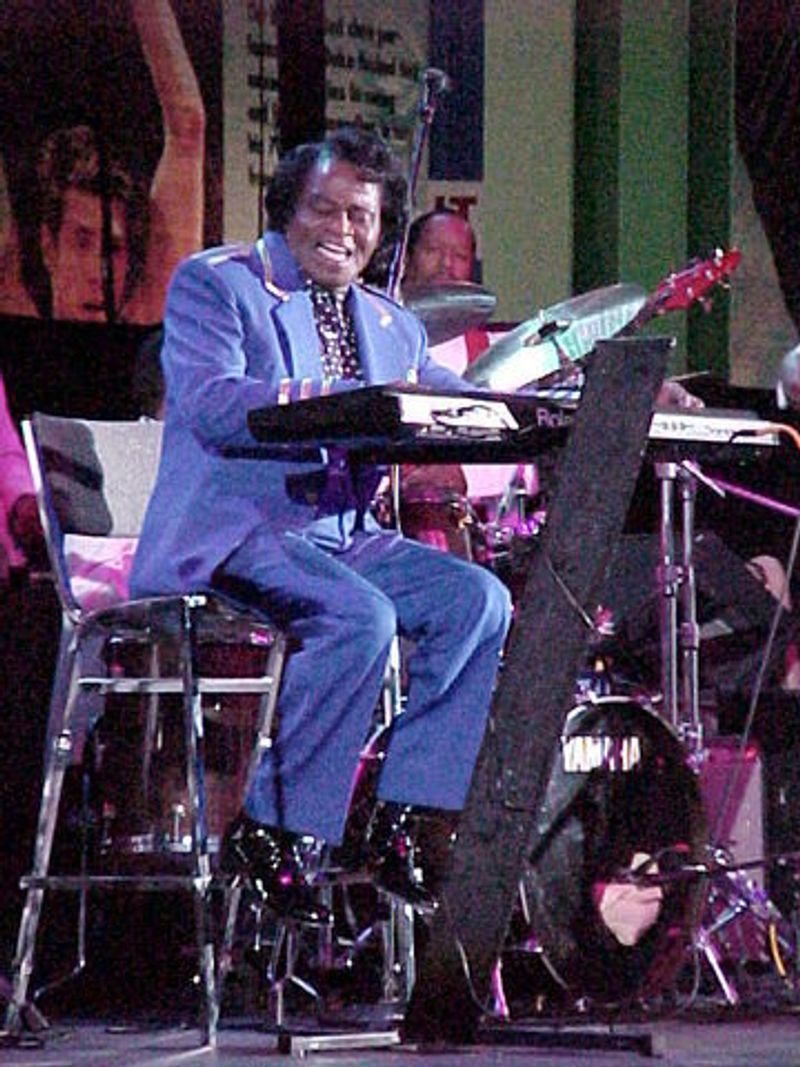
Nobody worked harder on stage than James Brown, and fans knew it. His fast footwork, spins, and dramatic splits made him a legendary showman.
He earned the nickname The Hardest Working Man in Show Business.
His 1963 album Live at the Apollo captured the energy of his shows and sold surprisingly well. Later hits like Papa’s Got a Brand New Bag in 1965 pushed rhythm to the front of the song.
That style helped give birth to funk music.
Brown also spoke to his community with pride. His 1968 song Say It Loud, I’m Black and I’m Proud became an anthem of the Black Power era.
After Martin Luther King Jr. was killed that year, Brown helped calm a crowd in Boston with a televised concert. His rhythms shaped later styles including hip-hop.
11. Audrey Hepburn: Film and Fashion
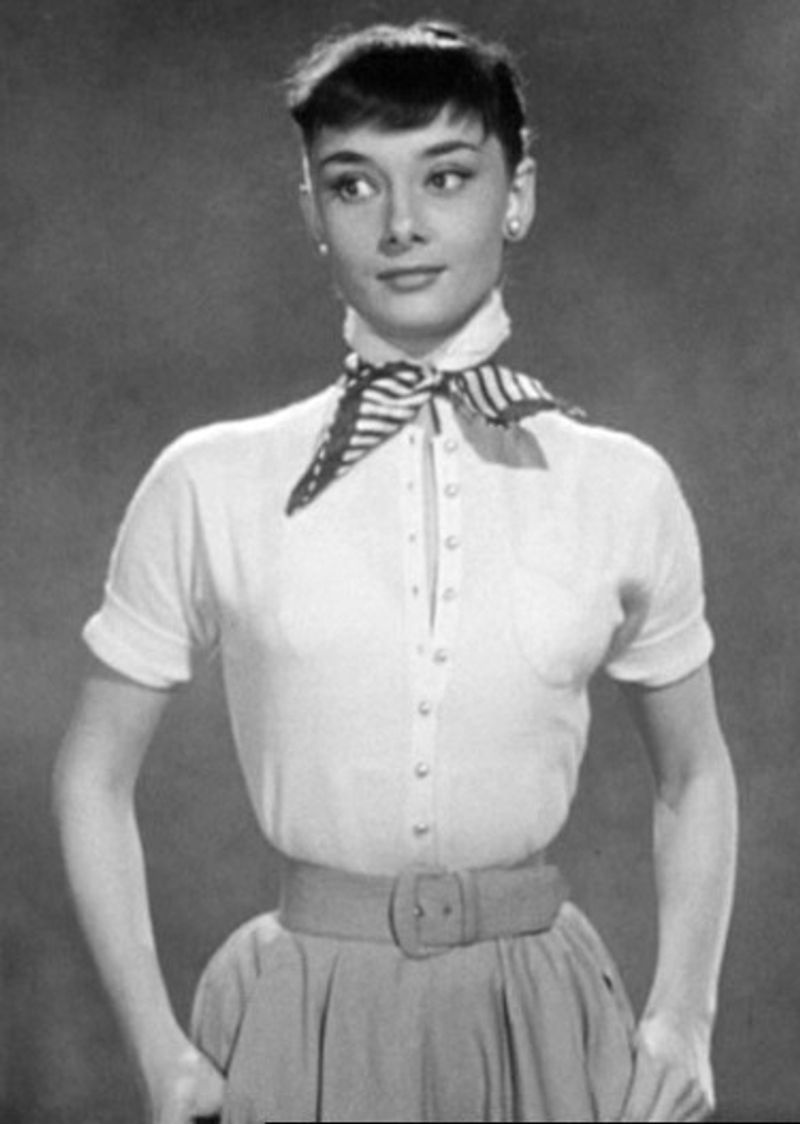
A little black dress and a string of pearls: that image from Breakfast at Tiffany’s in 1961 is still copied today. Audrey Hepburn played Holly Golightly, and the look became a fashion classic.
The dress was designed by Hubert de Givenchy, who worked with her for decades.
Born in Belgium and raised partly in the Netherlands, Hepburn had already won an Oscar for Roman Holiday in 1953. In the 1960s she added Charade, My Fair Lady, and Wait Until Dark to her film list.
Her graceful style brought a fresh, elegant tone to the screen.
Later in life she devoted herself to helping children as a goodwill ambassador for UNICEF. Her mix of style, talent, and kindness continues to make her a role model.
12. Twiggy: Fashion and Swinging London
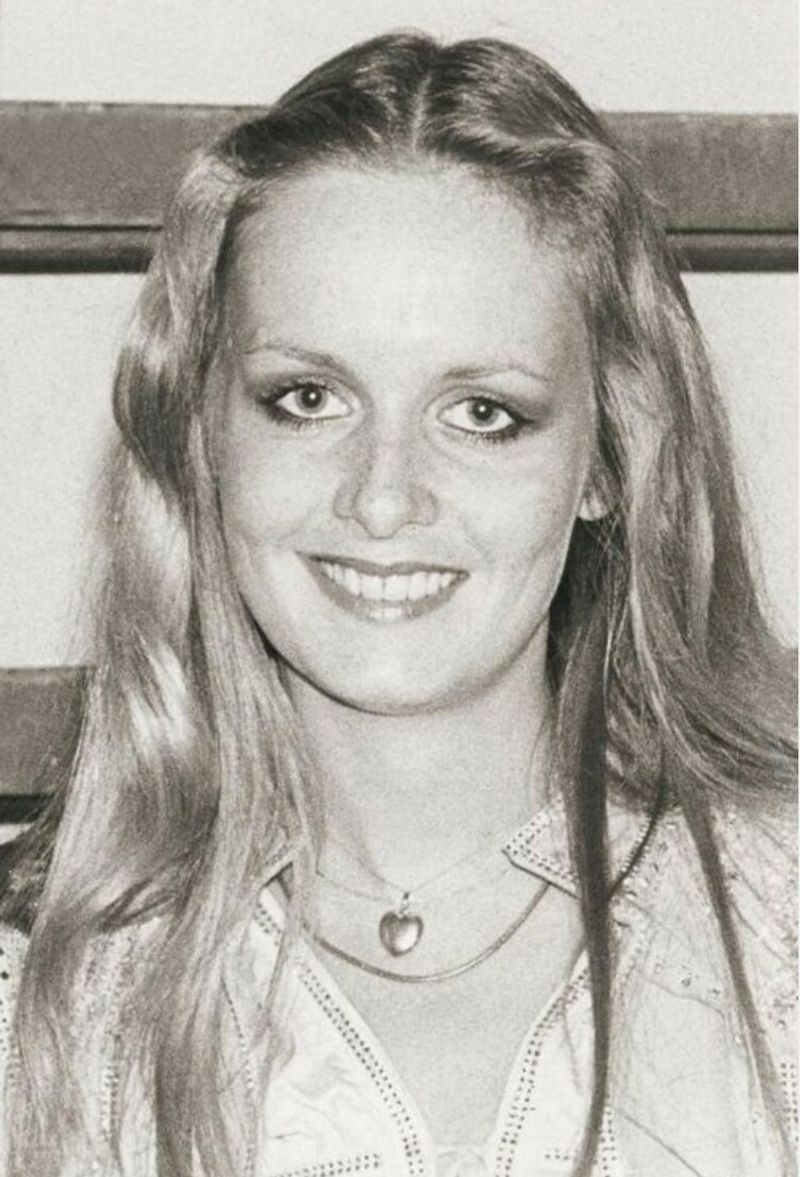
Lesley Hornby was only 16 when a hairdresser noticed her and gave her a nickname that stuck: Twiggy. In 1966, a newspaper called her the Face of the Year.
Almost overnight, she became the most talked-about model in Britain.
Her look was different from the older, glamorous style of earlier models. She had a slim frame, a short pixie haircut, and huge eyes framed by dark lashes.
Miniskirts, bold patterns, and simple shapes fit her perfectly.
She became a symbol of Swinging London, the lively youth scene of fashion and music in the city. Magazines, ads, and clothing lines soon used her name.
Many young women copied her makeup and clothes, and she later found success as an actress and singer.
13. Jackie Kennedy: Fashion and Public Style
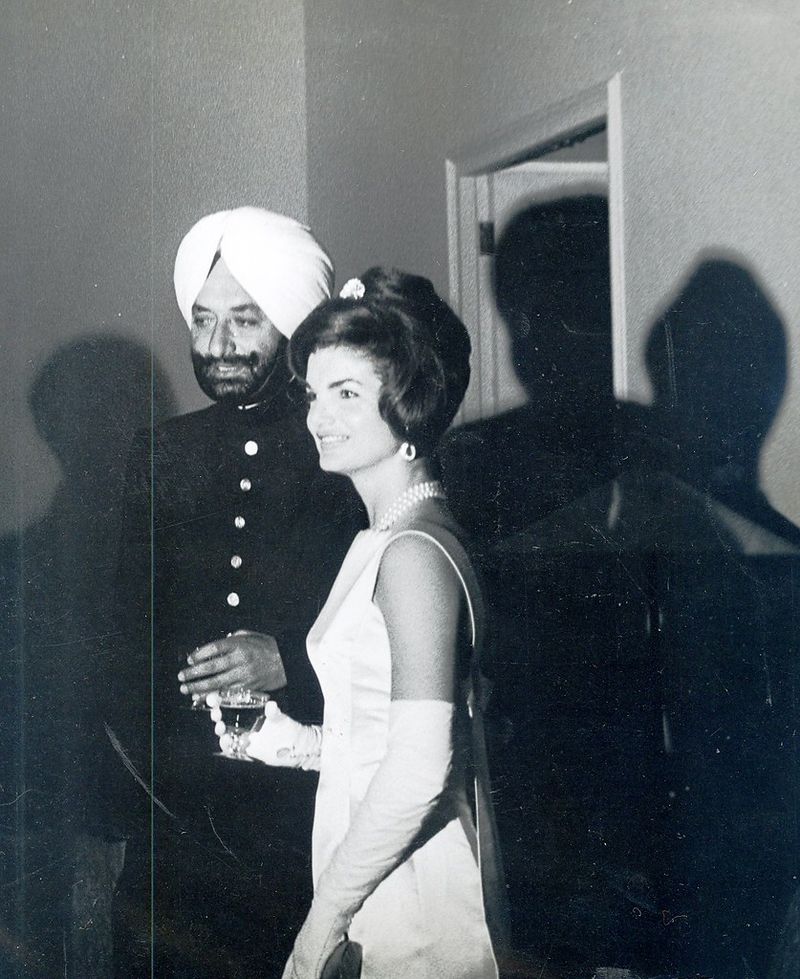
Her pink suit and matching pillbox hat became one of the most remembered outfits of the decade. Jackie Kennedy was only 31 when she became First Lady in 1961.
She brought youth, grace, and a sharp eye for style to the White House.
Designers like Oleg Cassini created many of her outfits, with clean lines and simple shapes. Women across America copied her bouffant hair, sleeveless dresses, and large sunglasses.
Fashion magazines followed her every move.
She also cared deeply about history and the arts. In 1962 she led a televised tour of the restored White House that millions watched.
After her husband’s death in 1963, her dignity during the funeral touched people around the world. Her style and poise remain a standard for public figures.
14. Janis Joplin: Rock and Counterculture
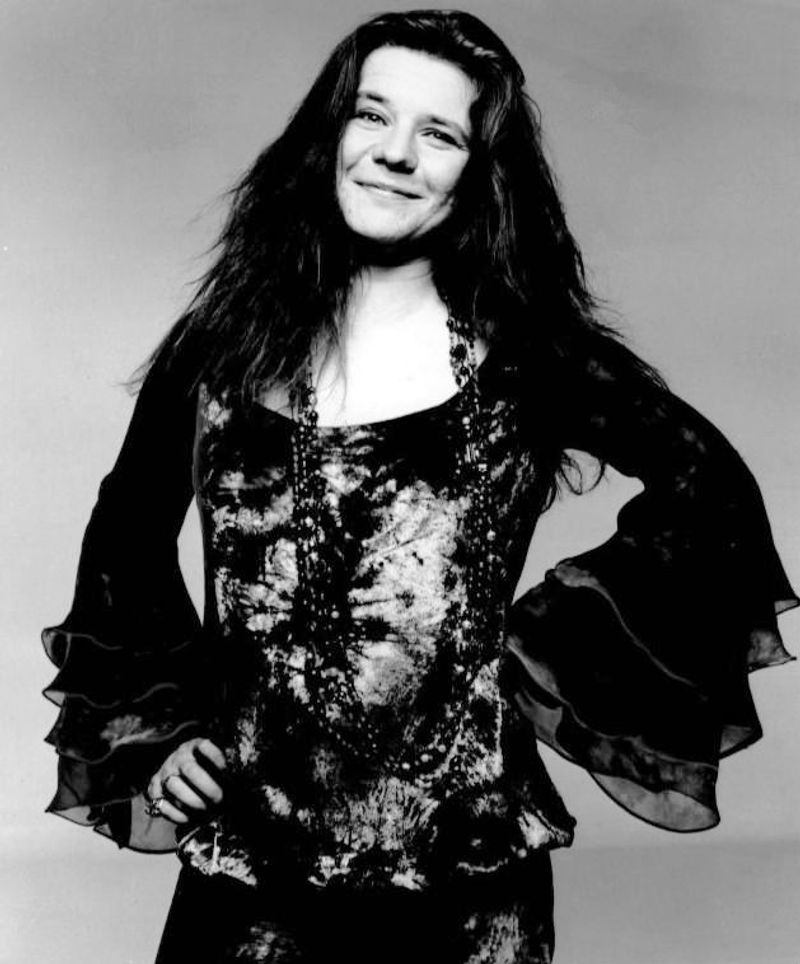
At the Monterey Pop Festival in 1967, a singer from Texas stepped on stage and stunned the crowd. Janis Joplin poured every ounce of feeling into Ball and Chain, and the audience roared.
Her career took off right afterward.
Joplin had left Port Arthur, Texas, and found her voice in the music scene of San Francisco. She sang with the band Big Brother and the Holding Company, whose album Cheap Thrills topped the charts in 1968.
Her raspy, powerful voice blended blues, rock, and soul.
She also stood out as a woman in a field mostly run by men. Her open, honest style gave many young fans courage to be themselves.
Joplin died in 1970 at age 27, but songs like Piece of My Heart still keep her memory alive.
15. Johnny Carson: Television and American Popular Culture
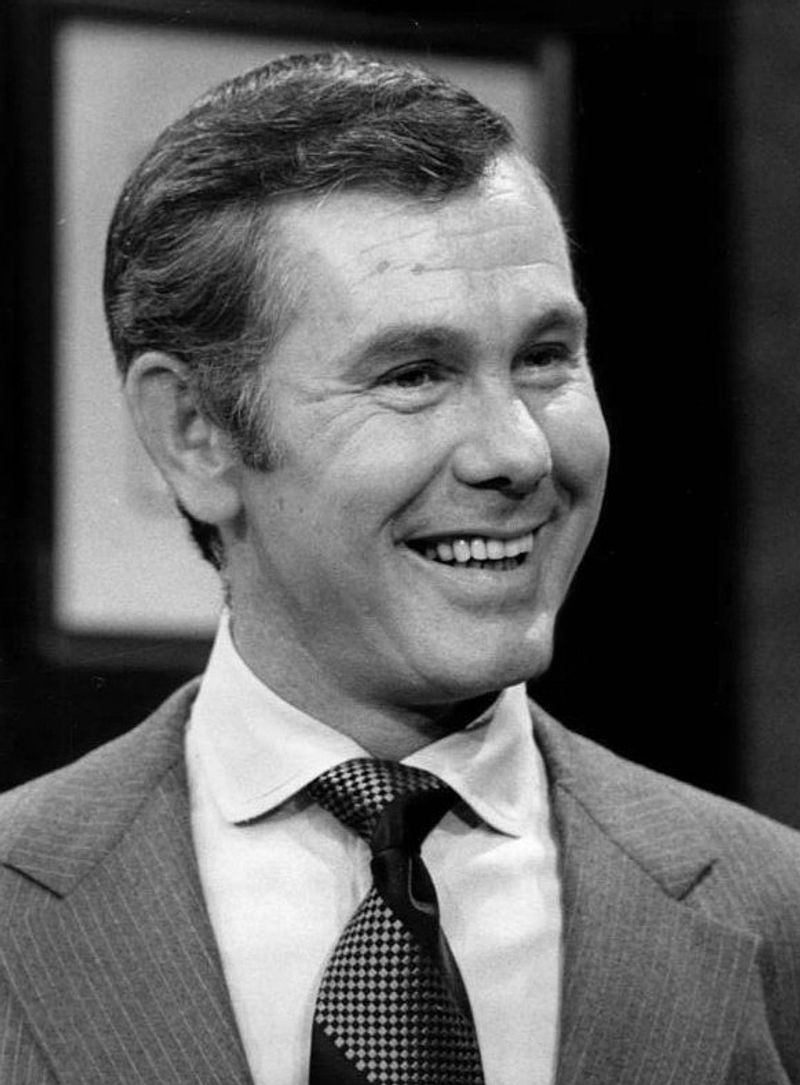
Late at night, millions of Americans shared the same laugh. In October 1962, Johnny Carson took over The Tonight Show, following host Jack Paar.
He would stay in the chair for thirty years.
Carson grew up in Nebraska and started as a magician and radio host. His easy charm and quick wit made him a natural on television.
He mixed interviews, comedy sketches, and music in a format that became the model for later talk shows.
The show moved from New York to California in 1972, but its 1960s years set the tone. Guests came to promote movies, books, and albums, and a single appearance could boost a career.
Carson’s calm style made the program a comforting nightly habit for many families.
Share this story