Some of the world’s most interesting foods come with a serious catch: eat them the wrong way, and they can make you very sick or even kill you. From tropical fruits to fermented shark, these foods have been enjoyed for centuries, but only by people who know exactly how to prepare them.
The difference between a delicious meal and a dangerous one often comes down to knowledge and technique. Read on to find out which foods demand respect before they reach your plate.
1. Fugu – Japan
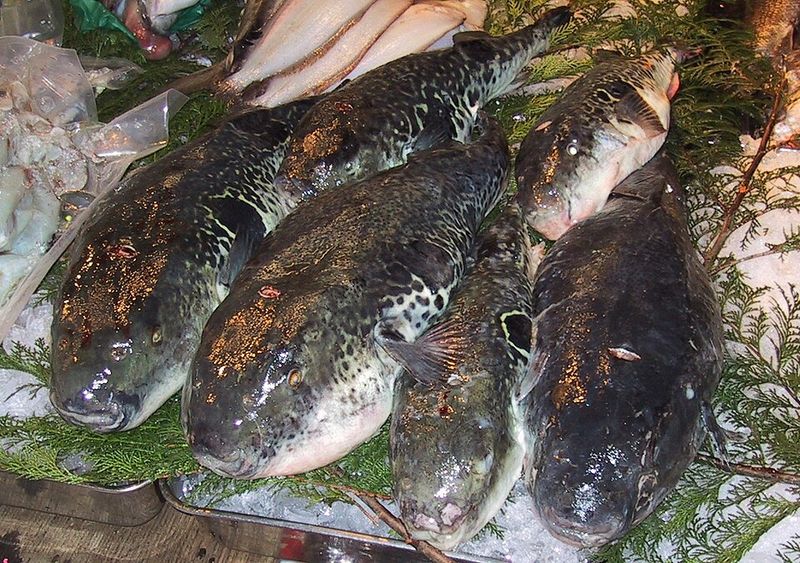
Fugu, the Japanese pufferfish, is one of the most famous dangerous delicacies in the world. Its organs contain tetrodotoxin, a poison so powerful that there is no known antidote.
A single pufferfish carries enough toxin to kill 30 adults.
In Japan, chefs must train for years and pass strict government exams before they are legally allowed to prepare fugu. Even a tiny mistake during preparation can leave enough toxin to cause paralysis or death within hours of eating.
Symptoms of poisoning include numbness of the lips, dizziness, and difficulty breathing. Despite the risk, fugu remains a sought-after dish in Japan, prized for its subtle flavor and the thrill of eating something genuinely dangerous.
If you ever encounter it, only eat it at a licensed, reputable restaurant where trained professionals have done the hard work for you.
2. Ackee – Jamaica
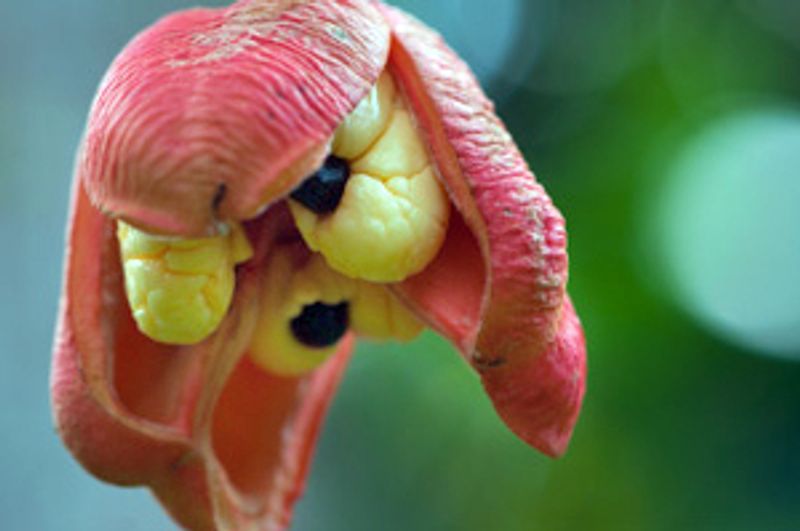
Jamaica’s national fruit looks cheerful with its bright red skin and golden flesh, but ackee has a dark side. Unripe ackee contains a toxin called hypoglycin A, which can cause a condition known as Jamaican Vomiting Sickness.
This illness leads to severe vomiting, low blood sugar, and in serious cases, death.
The fruit must be fully ripe and naturally opened on the tree before it is safe to pick and eat. Even then, only the yellow arils are edible.
The seeds, pink membrane, and any unripe parts must be completely removed before cooking.
Ackee and saltfish is a beloved Jamaican breakfast dish that millions enjoy safely every day, but preparation matters enormously. Canned ackee sold in stores has already been properly processed, making it a safer option for those unfamiliar with preparing the fresh fruit from scratch.
3. Cassava – Africa, Asia, and Latin America
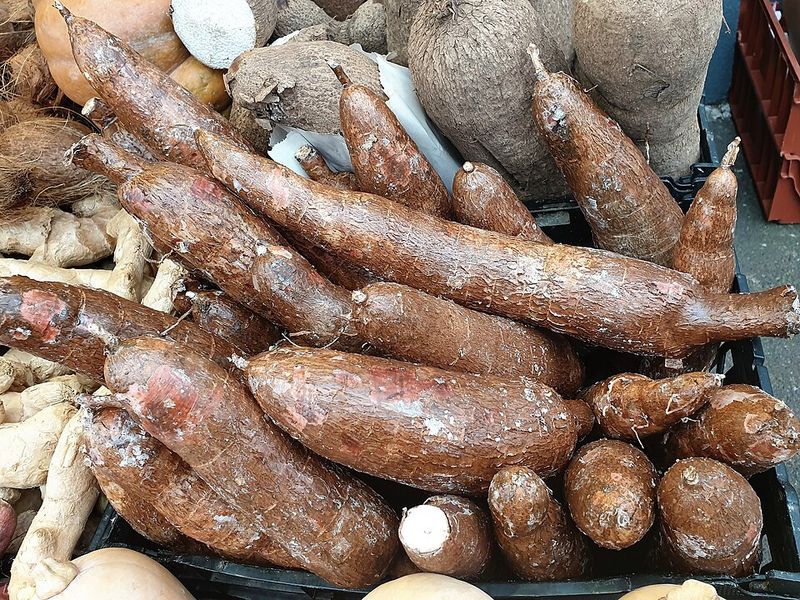
Cassava is a starchy root eaten by hundreds of millions of people every day across Africa, Asia, and Latin America. What many people outside these regions do not realize is that raw cassava contains compounds that convert to cyanide inside the human body.
Bitter varieties are especially high in these compounds.
Proper preparation is essential. Peeling, soaking, drying, and cooking cassava breaks down most of the harmful compounds and makes it safe to eat.
Skipping any of these steps, especially with bitter cassava, can lead to cyanide poisoning, causing symptoms like headaches, dizziness, vomiting, and even death.
Konzo, a paralytic disease linked to improperly processed cassava, has affected thousands of people in regions where food shortages force communities to rush preparation. Sweet cassava varieties are lower in toxins, but the rule remains simple: always cook cassava thoroughly and never eat it raw.
4. Green or Sprouted Potatoes – Worldwide
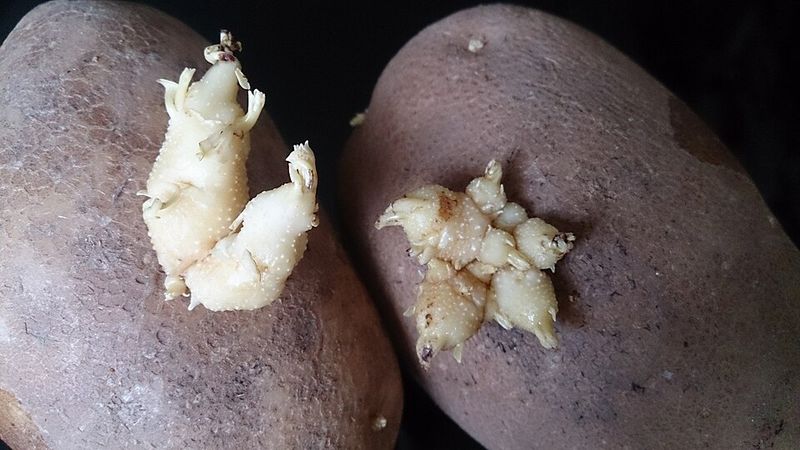
Most people have spotted a green or sprouted potato in their kitchen and thought nothing of it. However, those green patches and sprouts are a warning sign worth taking seriously.
They contain solanine, a natural toxin that potatoes produce when exposed to light or when they begin to sprout.
Eating a large amount of solanine can cause nausea, vomiting, diarrhea, headaches, and in severe cases, neurological problems. The green color comes from chlorophyll, which is harmless on its own, but it signals that solanine levels have risen nearby.
Cutting away green areas and sprouts reduces the risk, but heavily green potatoes are best thrown out entirely, since the toxin can penetrate deeper into the flesh. Store potatoes in a cool, dark place to slow sprouting and prevent greening.
When in doubt, toss it out. A bad potato is never worth the risk.
5. Bitter Almonds – Mediterranean and Middle Eastern Regions
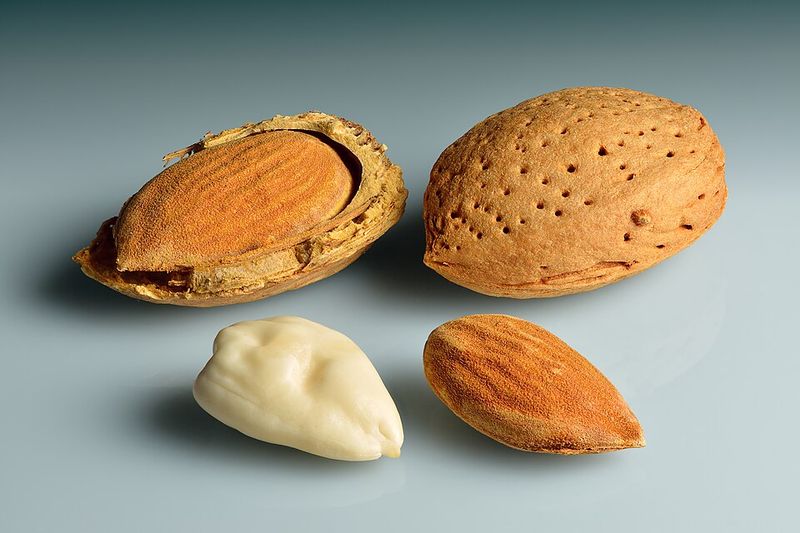
The almonds sold in grocery stores are sweet almonds, carefully cultivated to be safe for snacking. Bitter almonds, found in parts of the Mediterranean and Middle East, are a completely different story.
Raw bitter almonds contain amygdalin, a compound that breaks down into hydrogen cyanide when digested.
Just a small handful of raw bitter almonds, somewhere around 7 to 10 for an adult, can be enough to cause serious poisoning. Children are even more vulnerable and can be harmed by fewer.
Symptoms include dizziness, headache, nausea, and difficulty breathing.
Heat destroys most of the cyanide compounds, which is why bitter almond oil and extracts used in cooking are processed to make them safe. In many countries, the sale of raw bitter almonds is restricted or banned.
If you come across them at a market abroad, admire them but resist the urge to snack on them raw.
6. Raw Kidney Beans – Worldwide
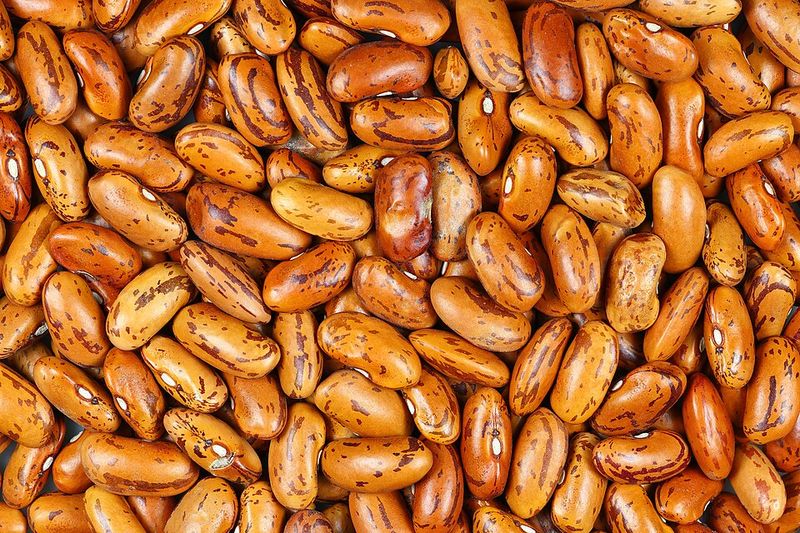
Raw kidney beans might seem like an innocent pantry staple, but they contain one of the highest concentrations of phytohaemagglutinin (PHA) found in any food. This natural toxin causes intense nausea, vomiting, and diarrhea, often within just one to three hours of eating even a small number of raw beans.
As few as four or five raw kidney beans are enough to make a person very ill. Slow cookers set on a low temperature are also a problem, since they may not reach the heat needed to destroy the toxin, actually making it more concentrated in some cases.
The fix is straightforward: soak dried kidney beans in water for at least five hours, drain and rinse them, then boil vigorously for at least ten minutes before simmering. Canned kidney beans are pre-cooked and safe to eat directly.
Always check your cooking method before adding kidney beans to any dish.
7. Wild Mushrooms Such as Death Caps – Worldwide
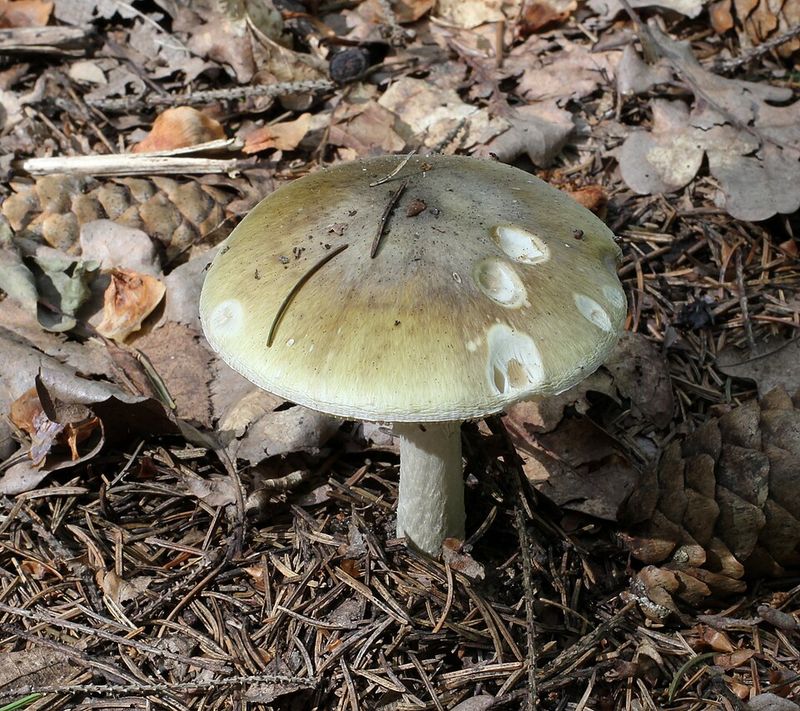
Foraging for wild mushrooms has become trendy, and while many edible varieties grow in forests worldwide, the risk of picking the wrong one is genuinely deadly. The death cap mushroom, Amanita phalloides, is responsible for the majority of fatal mushroom poisonings around the world each year.
Terrifyingly, death caps look similar to several edible species, and they reportedly taste pleasant, giving victims no reason to suspect danger. Symptoms of poisoning are delayed by 6 to 24 hours, by which time significant organ damage has already begun.
Liver and kidney failure can follow within days.
There is no reliable home test to distinguish safe mushrooms from toxic ones. Color, smell, and cooking do not neutralize the toxins in death caps.
Unless you are an expert mycologist or are guided by one, never eat wild mushrooms you have picked yourself. The stakes are simply too high to guess.
8. Hakarl – Iceland
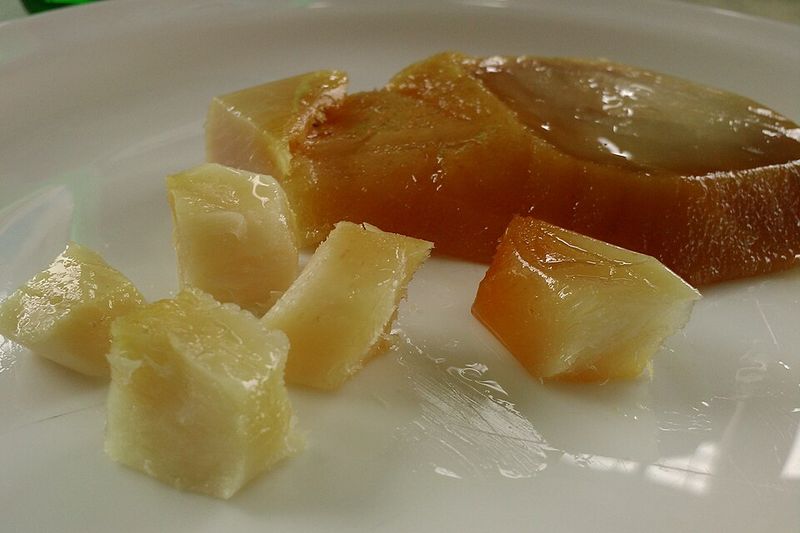
Hakarl is Iceland’s most notorious traditional food, and it earns that reputation honestly. Made from Greenlandic shark, the meat is buried underground and fermented for several months, then hung to dry for another few months before it is ready to eat.
Fresh Greenlandic shark meat is actually toxic to humans because of high concentrations of trimethylamine oxide and urea.
The fermentation process breaks down these compounds, making the meat safe, but the result smells overwhelmingly of ammonia. Even seasoned Icelanders often warn first-timers to hold their breath before taking a bite.
The taste is sharp, chewy, and intensely pungent.
Eating improperly fermented or fresh Greenlandic shark can cause symptoms similar to being heavily intoxicated, including disorientation and digestive distress. Hakarl is a cultural experience, not everyday food, and it should only be eaten when prepared by someone who knows the traditional process inside and out.
9. San-nakji – South Korea
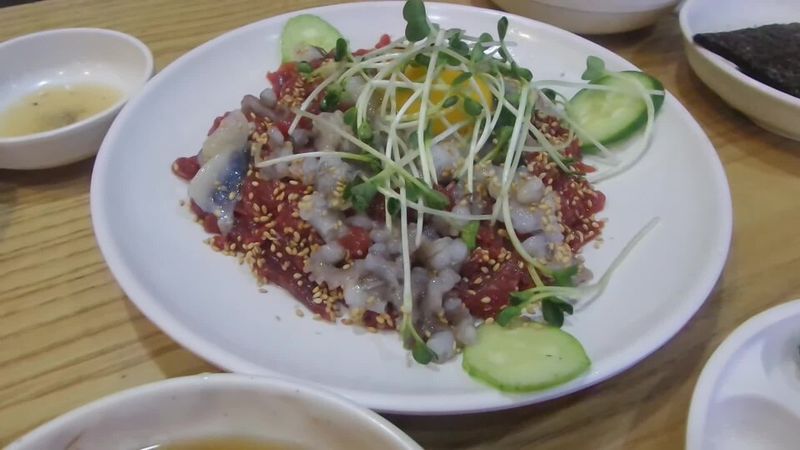
San-nakji is a South Korean dish made from live baby octopus, served immediately after being cut into pieces, while the tentacles are still moving on the plate. The dish is considered a delicacy and a test of culinary bravery, but the danger is very real and very physical.
The suction cups on the tentacles remain active even after the octopus is cut, and they can attach to the inside of the throat as a person swallows. Every year, people in South Korea die from choking on san-nakji.
The risk is highest when pieces are swallowed without being chewed thoroughly.
Eating san-nakji safely requires chewing each piece very carefully and completely before swallowing. Drinking alcohol while eating it increases the risk significantly, since it affects coordination and attention.
If you try this dish, take your time, chew deliberately, and never rush through it.
10. Blood Clams – Parts of Asia
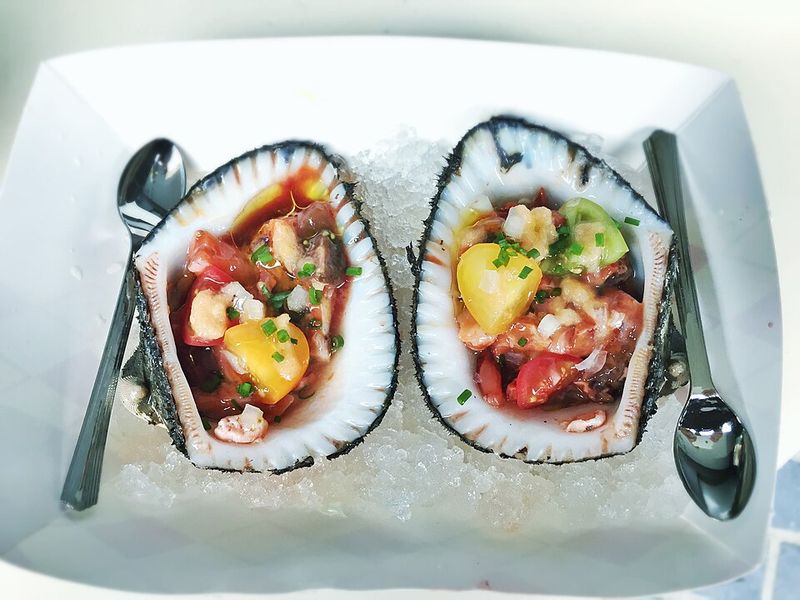
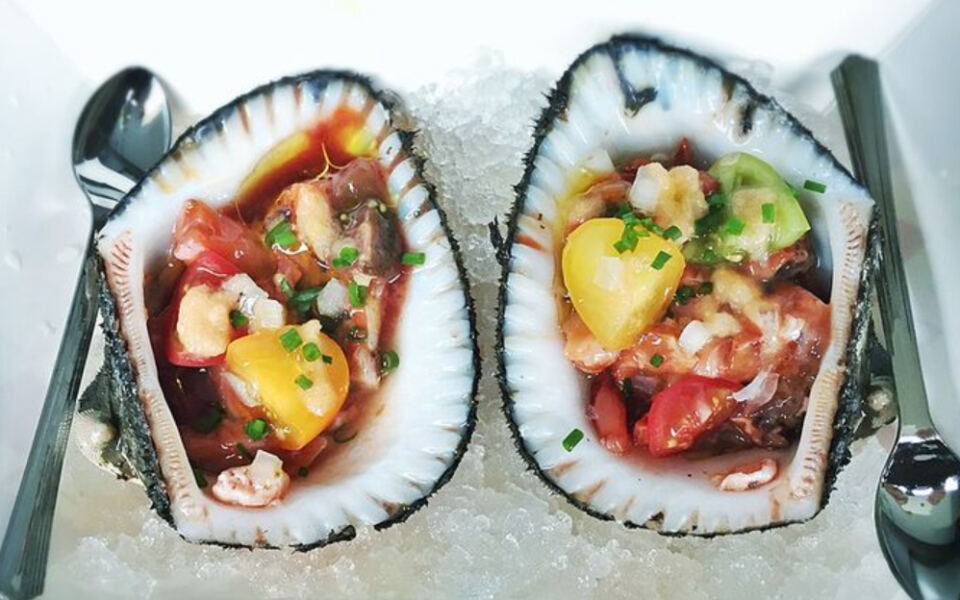
Blood clams get their name from the red hemoglobin-rich liquid inside their shells, giving them a striking appearance unlike most other clams. They are popular in parts of China, Vietnam, and other areas of Southeast Asia, often served lightly cooked or even raw.
The problem is that blood clams are filter feeders, meaning they absorb whatever is in the water around them.
In polluted coastal waters, blood clams can accumulate hepatitis A, typhoid, and other dangerous pathogens at rates far higher than most shellfish. Outbreaks linked to blood clams have affected thousands of people at a time, including a major hepatitis A epidemic in Shanghai in 1988 tied to raw blood clam consumption.
Thorough cooking kills most pathogens and makes blood clams safe to eat. Eating them raw or barely steamed from unknown sources is a serious gamble.
Always know where your shellfish comes from and make sure it is fully cooked before eating.
11. Pangium Edule (Kluwak) – Southeast Asia
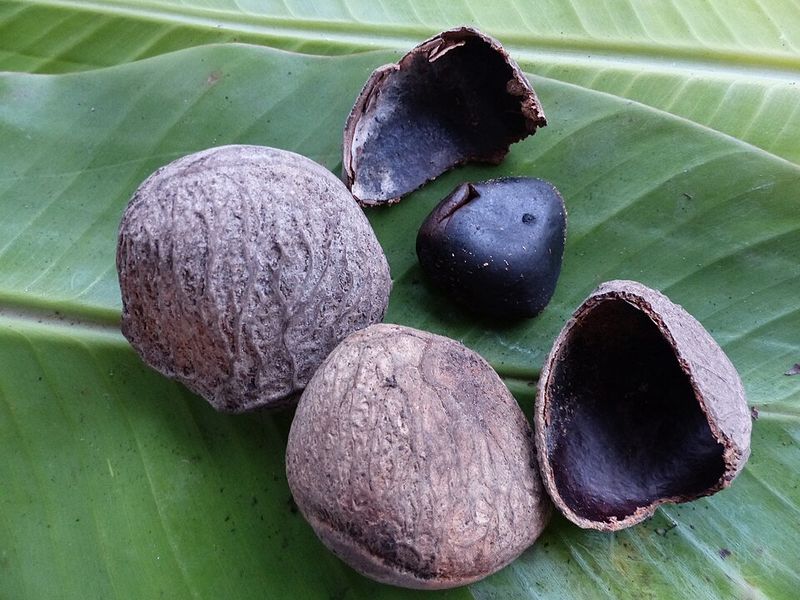
Pangium edule, known as kluwak in Indonesia, is a large seed used to flavor traditional dishes like rawon, a rich black beef soup. The seeds have a bold, earthy flavor that is genuinely irreplaceable in certain regional recipes.
However, raw kluwak seeds contain hydrogen cyanide in concentrations high enough to be fatal.
Traditional preparation involves boiling the seeds, then burying them in ash, charcoal, or soil for up to 40 days. This lengthy fermentation process neutralizes the cyanide and transforms the seeds into a safe, flavorful ingredient.
Shortcuts in this process can leave dangerous levels of toxins behind.
Communities in Indonesia, Malaysia, and Papua New Guinea have safely used kluwak for generations because the knowledge of proper preparation has been passed down carefully. For anyone outside these traditions, attempting to prepare kluwak at home without guidance is strongly discouraged.
Stick to dishes made by cooks who know the process well.
12. Raw or Improperly Prepared Elderberries – Europe and North America
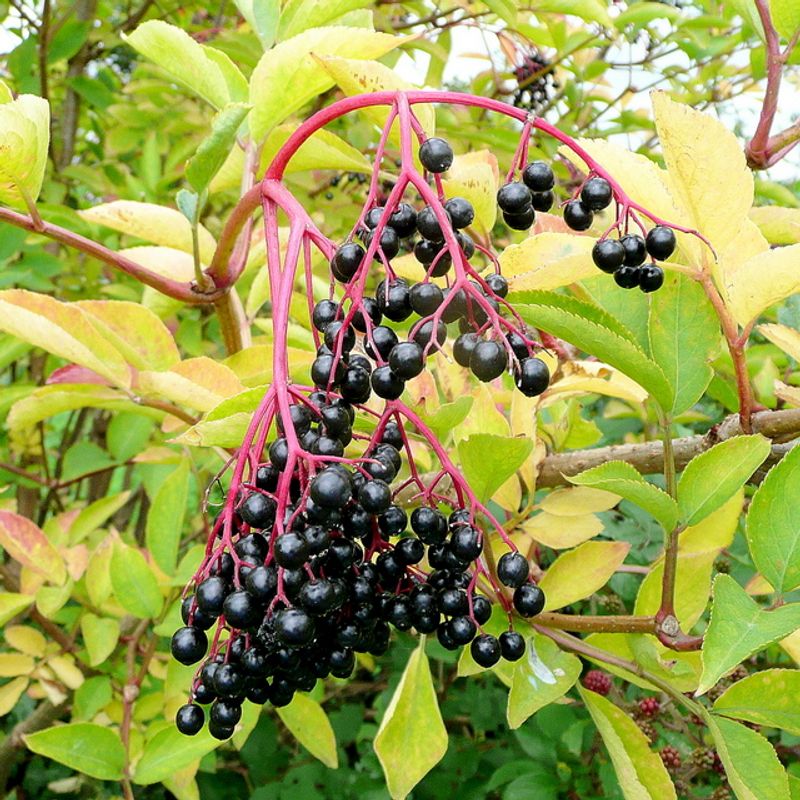
Elderberries have earned a strong reputation as a natural remedy, especially for colds and flu. Elderberry syrups and supplements fill health food store shelves across Europe and North America.
What many people do not realize is that raw elderberries, along with the leaves, bark, and roots of the elder plant, contain cyanogenic glycosides that can cause nausea and vomiting.
Eating a large quantity of raw berries, or consuming homemade elderberry preparations that were not cooked properly, has sent people to the hospital. In 1983, a group of people in California became seriously ill after drinking juice made from raw elderberries, stems, and leaves.
Cooking elderberries thoroughly breaks down the toxic compounds and makes them safe. Always cook elderberries before using them in syrups, jams, or drinks.
Never eat them straight off the bush, and avoid using leaves or stems in any preparation, even when the berries themselves are cooked.
13. Raw Cashews – Tropical Regions
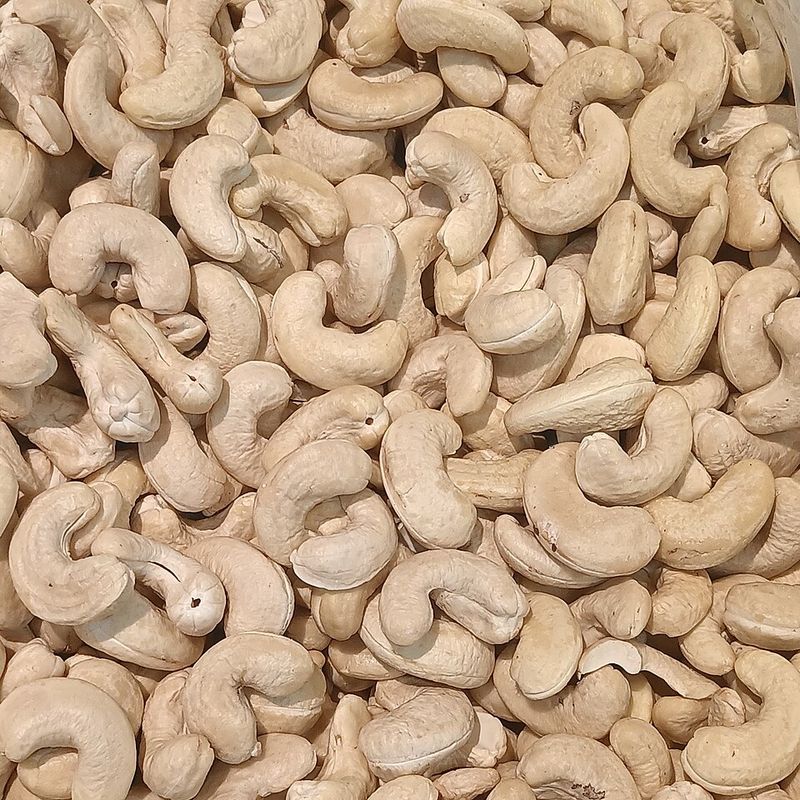
The cashews sold in stores labeled as raw are actually not truly raw. Before reaching shelves, they have been steamed or roasted to remove urushiol, the same chemical compound found in poison ivy and poison oak.
Genuinely raw cashews, straight from the shell, contain high levels of urushiol and can trigger severe allergic reactions or skin irritation on contact.
Urushiol can cause a blistering rash on the skin and, if ingested in sufficient quantities, can be dangerous internally. Workers who process cashews without proper protective equipment often develop serious skin conditions from handling the shells.
So the next time you reach for a handful of cashews, know that a lot of careful processing went into making them safe for you. People with known sensitivities to poison ivy should also be cautious with cashews, since the same compound is involved.
Always buy cashews from reputable sources that process them properly.
14. Star Fruit – Dangerous for People with Kidney Disease
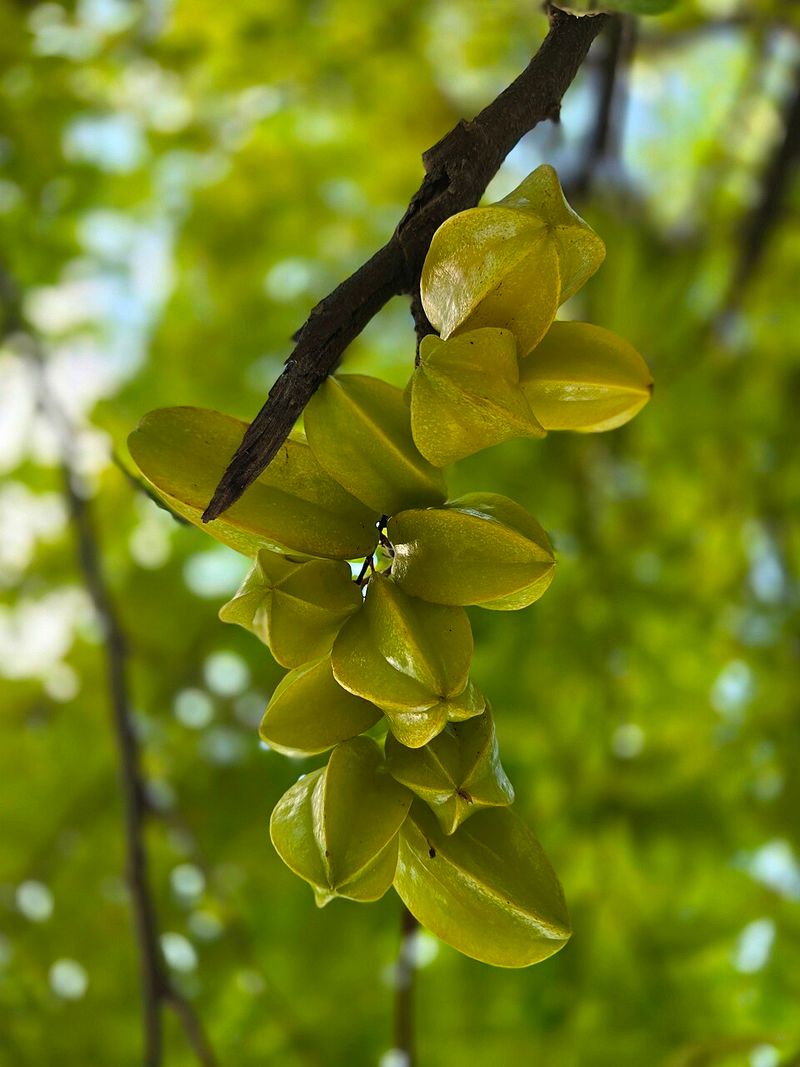
Star fruit is a beautiful, sweet-tart tropical fruit enjoyed safely by most people around the world. For anyone with healthy kidneys, it is a refreshing and nutritious snack.
However, for people with chronic kidney disease, even a small amount of star fruit can be life-threatening.
Star fruit contains a neurotoxin called caramboxin that healthy kidneys filter out of the body easily. When kidneys are not functioning properly, caramboxin builds up in the bloodstream and can cause hiccups, vomiting, confusion, seizures, and death.
Cases of fatal star fruit poisoning in people with kidney disease have been documented in Brazil, Taiwan, and other countries.
The tricky part is that many people with mild kidney disease do not know they have it. If you have any kidney problems, or are unsure of your kidney health, talk to a doctor before eating star fruit.
For everyone else, enjoy it freely, but know your health first.
15. Rhubarb Leaves – Worldwide
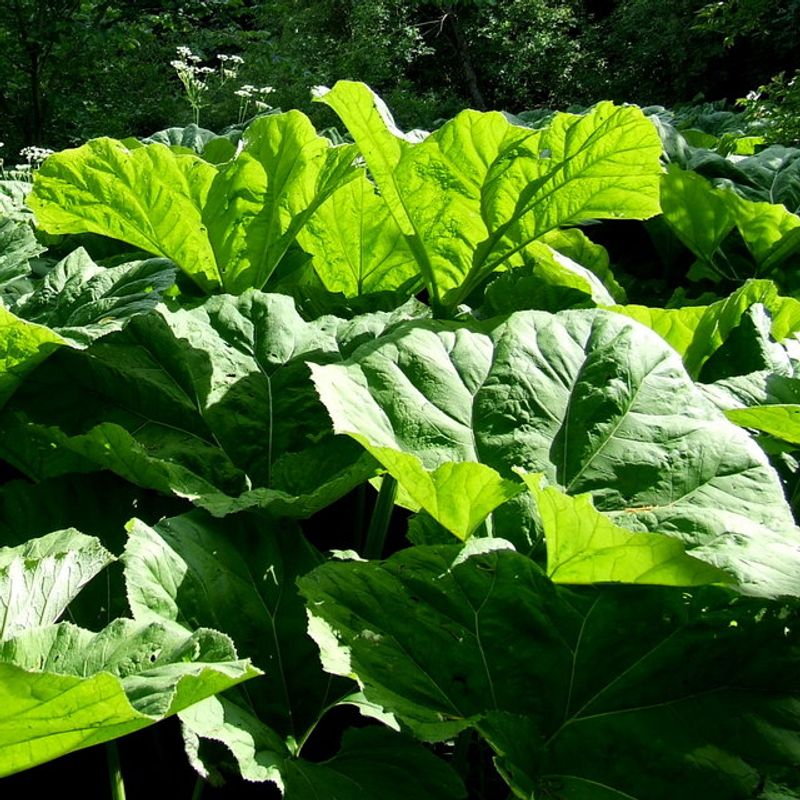
Rhubarb is a springtime favorite in pies, crumbles, and jams, with its tart pink stalks adding a distinctive punch to sweet desserts. Most home gardeners know to use only the stalks, but it is worth understanding exactly why the leaves must always be discarded.
Rhubarb leaves contain very high levels of oxalic acid, which is toxic to humans and animals.
Eating rhubarb leaves can cause burning in the mouth and throat, nausea, vomiting, difficulty breathing, and kidney damage. In very large amounts, they can be fatal.
During World War I, rhubarb leaves were briefly and tragically suggested as a food substitute in Britain, resulting in several deaths.
The stalks themselves contain small amounts of oxalic acid, which is not a concern in normal serving sizes. Always trim and discard the leaves immediately when harvesting rhubarb, and keep them away from children and pets.
The stalks are the treasure; the leaves are strictly for the compost bin.
Share this story