Europe is home to thousands of small towns where ancient customs are still very much alive. From colorful festivals and handmade crafts to centuries-old music and dance, these places carry traditions that have been passed down through generations.
Visiting these towns feels like stepping into a living history book, where local culture is celebrated with genuine pride. Whether you are a curious traveler or simply love learning about world cultures, these 15 towns offer some of the most remarkable folk traditions you will find anywhere on the continent.
1. Koprivshtitsa, Bulgaria
Nestled in the Sredna Gora mountains, Koprivshtitsa is one of Bulgaria’s most treasured cultural gems. Every five years, the town hosts the National Folk Festival, drawing thousands of performers and visitors from across the country.
The event showcases Bulgarian folk music, traditional dances, and richly embroidered regional costumes that differ from village to village.
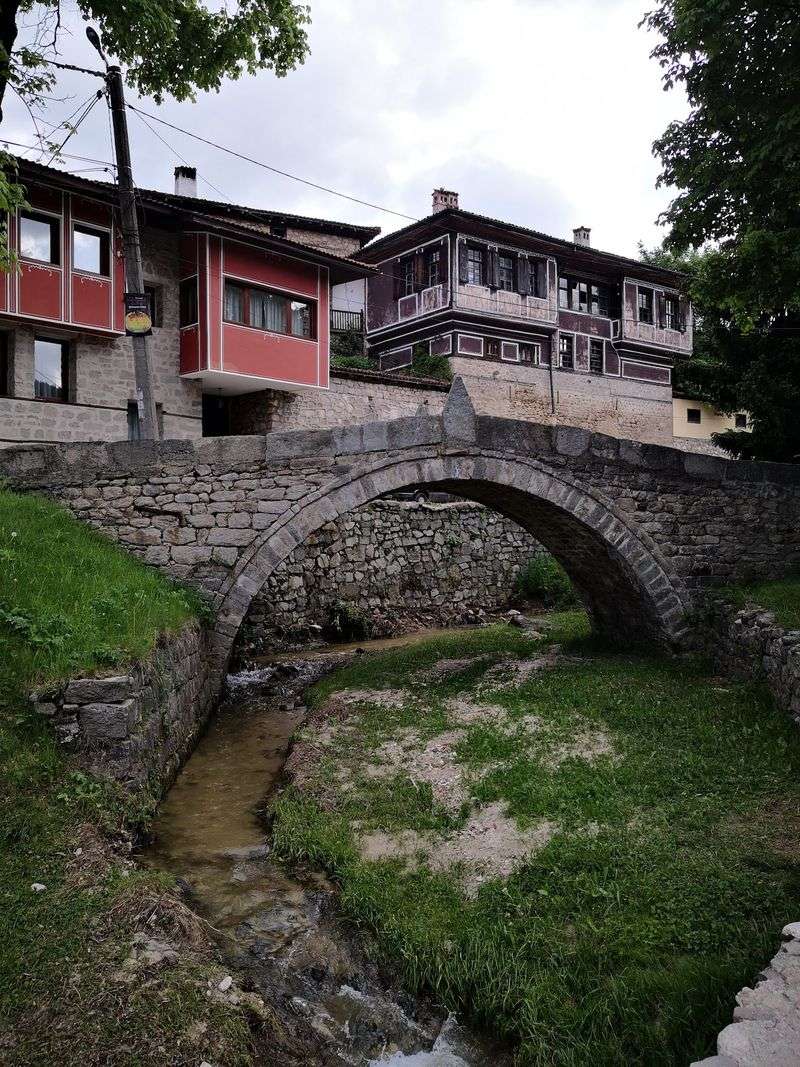
Year-round, the town feels like an open-air museum. Its cobblestone streets are lined with colorful National Revival-era houses, many of which have been converted into museums.
Local craftspeople still practice traditional woodcarving, pottery, and textile weaving.
Bulgarian folk music here has a distinctive sound, featuring complex rhythms and haunting melodies played on instruments like the gaida bagpipe. Koprivshtitsa is also deeply tied to Bulgarian national identity, making it a place where history and living tradition genuinely overlap in the most meaningful way.
2. Zakopane, Poland
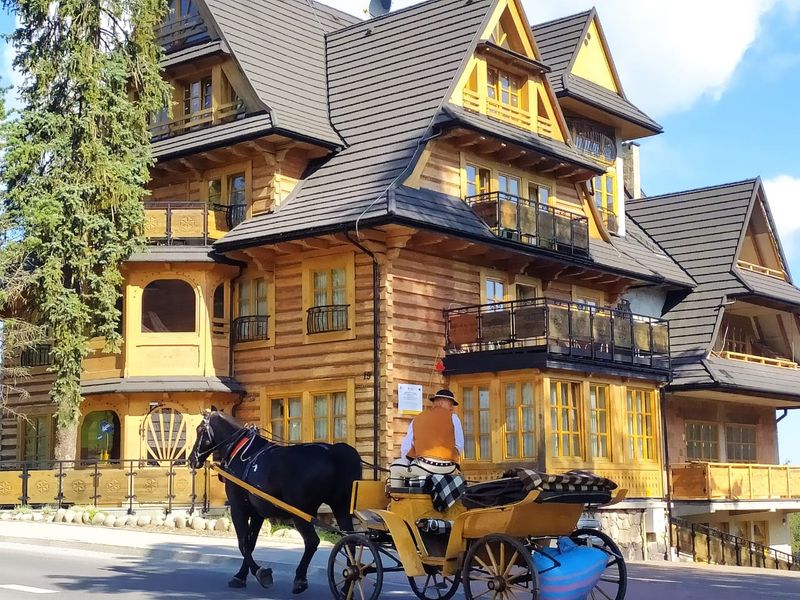
Known as the “Winter Capital of Poland,” Zakopane sits at the foot of the Tatra Mountains and pulses with Góral highlander culture. The Górale people have a fiercely independent spirit, and their traditions are woven into everyday life here.
From the moment you hear a violin strike up a lively folk tune in the market square, you know this place is different.
Traditional Góral music, called zbójnicka, is energetic and expressive, often accompanied by intricate footwork dances. Local craftspeople are famous for their woodcarving, producing everything from decorative furniture to walking sticks with detailed hand-cut patterns.
Góral costumes, featuring embroidered vests and distinctive hats, are worn with pride at festivals and religious celebrations.
The weekly highlander market on Krupówki Street is a great place to experience authentic crafts and sample regional foods like oscypek, a smoked sheep’s milk cheese unique to this mountain community.
3. Hollókő, Hungary
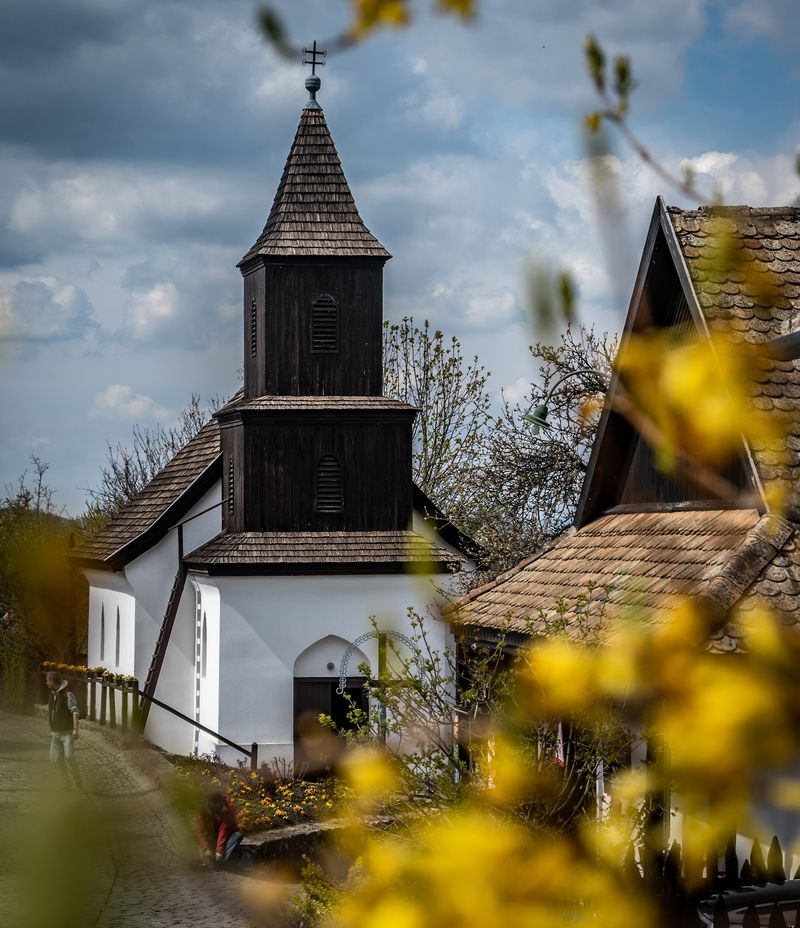
Hollókő is a UNESCO World Heritage village tucked into the hills of northern Hungary, and it is one of the finest examples of a preserved Palóc community in the world. The Palóc people are known for their stunning embroidery, intricate folk costumes, and deeply rooted village customs that have survived centuries of change.
Easter in Hollókő is a truly special experience. Women dress in layered, hand-embroidered skirts and headscarves, while men in traditional attire participate in the age-old water-sprinkling custom, a symbol of fertility and renewal.
The whole village transforms into a living celebration of Palóc identity.
Folk music and dance performances are common throughout the year, and local artisans sell handmade lace, pottery, and wooden crafts. With fewer than 400 residents, Hollókő punches well above its weight when it comes to cultural richness, offering visitors a rare glimpse into an authentic Hungarian village way of life.
4. Kihnu, Estonia
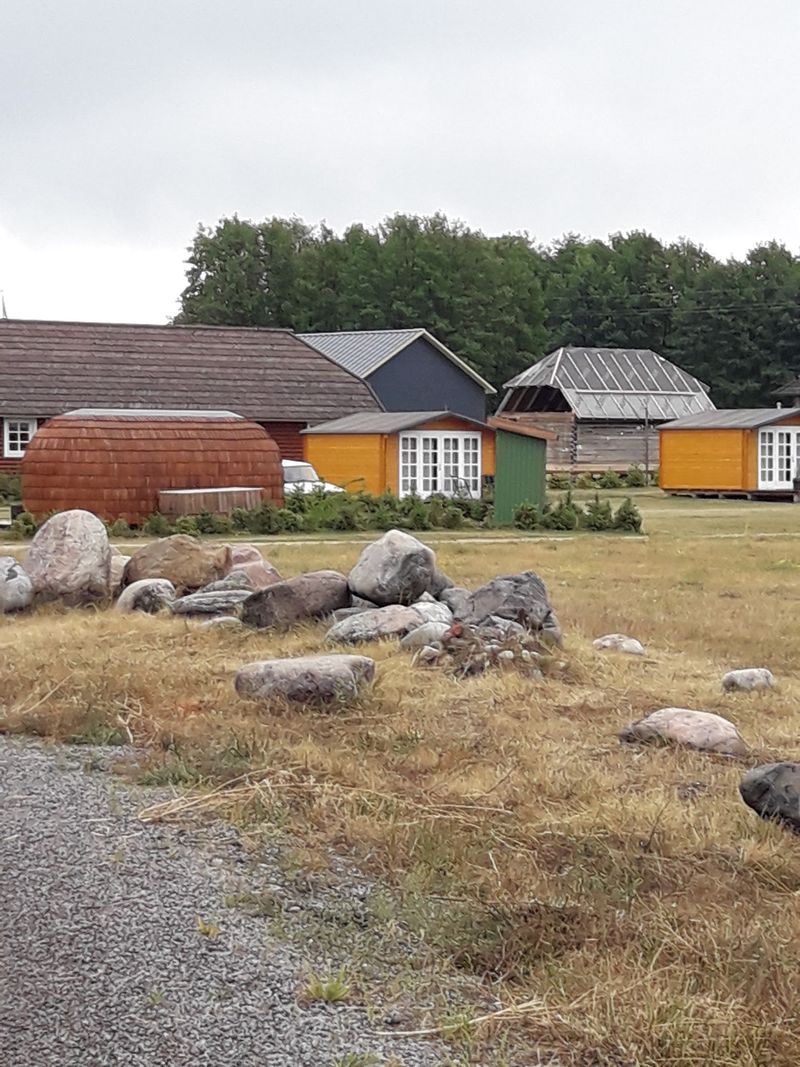
Kihnu is a tiny island off the coast of Estonia, and it holds a surprisingly big place in European cultural heritage. Listed by UNESCO as an Intangible Cultural Heritage, the island’s folk traditions have been kept alive largely by its women, who have historically managed daily life and customs while men were away at sea for long stretches.
The women of Kihnu are famous for their colorful striped wool skirts, called kört, which they wear as everyday clothing, not just for special occasions. Handicrafts like knitting, weaving, and embroidery are passed from mothers to daughters as a matter of daily practice rather than formal instruction.
Folk music and communal dance gatherings, known as kiik, are central to island social life. Maritime traditions also shape the culture here, from fishing methods to boat-building knowledge.
Kihnu feels like a world quietly running on its own timeless rhythm, well worth the short ferry ride from the mainland.
5. Røros, Norway
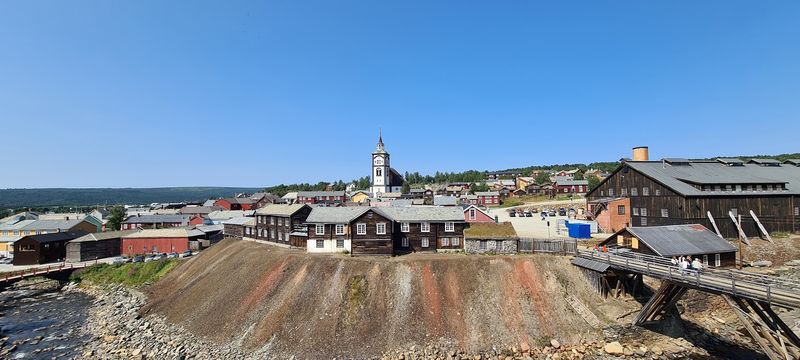
Røros is a UNESCO-listed mining town in central Norway that has turned its rugged industrial past into a rich cultural identity. The town’s wooden buildings, many dating back to the 17th and 18th centuries, create a setting that feels almost untouched by modern development.
That sense of preserved history extends to its folk traditions as well.
The Rørosmartnan winter market, held each February, is one of Norway’s oldest and largest traditional markets. It draws thousands of visitors who come to browse handmade crafts, sample regional foods, and watch demonstrations of old trades.
Reindeer sleds, traditional music, and historic costumes all feature prominently.
Local foodways are a strong part of Røros identity, with regional dishes like fårikål and cured meats reflecting the town’s pastoral and mining heritage. Craft traditions including leatherwork, textile weaving, and woodworking are still practiced and taught locally, ensuring these skills carry forward into future generations.
6. Dingle, Ireland
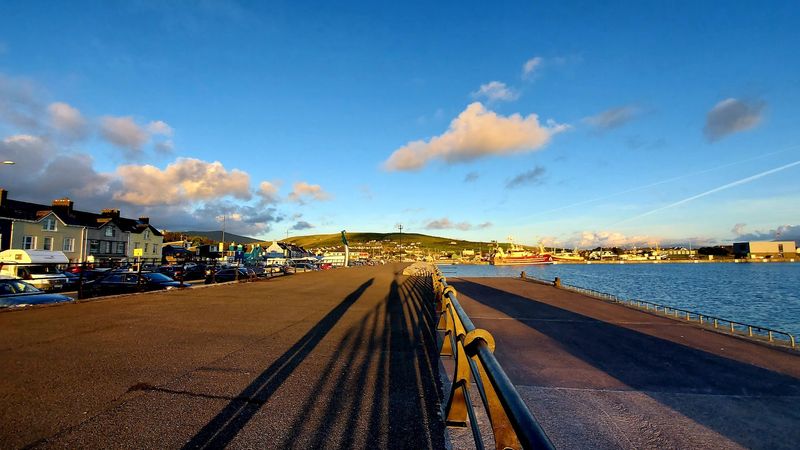
Perched on a dramatic Atlantic peninsula in County Kerry, Dingle is one of Ireland’s most celebrated Gaeltacht areas, meaning Irish is the primary language spoken here. That linguistic heritage is inseparable from the town’s folk culture, shaping everything from its music to its storytelling traditions.
Traditional Irish music sessions happen almost nightly in Dingle’s pubs, where fiddles, tin whistles, and uilleann pipes fill the air with centuries-old tunes. These sessions are informal and communal, rooted in a tradition where music was never just entertainment but a way of holding a community together through hard times.
Storytelling, or seanchaí, is another living tradition here, with skilled narrators keeping old tales, legends, and local history alive in both Irish and English. The Dingle Peninsula also hosts festivals celebrating poetry, film, and food, all with a distinctly Gaelic flavor.
Visiting Dingle feels less like tourism and more like genuine cultural immersion in a living language and tradition.
7. Appenzell, Switzerland
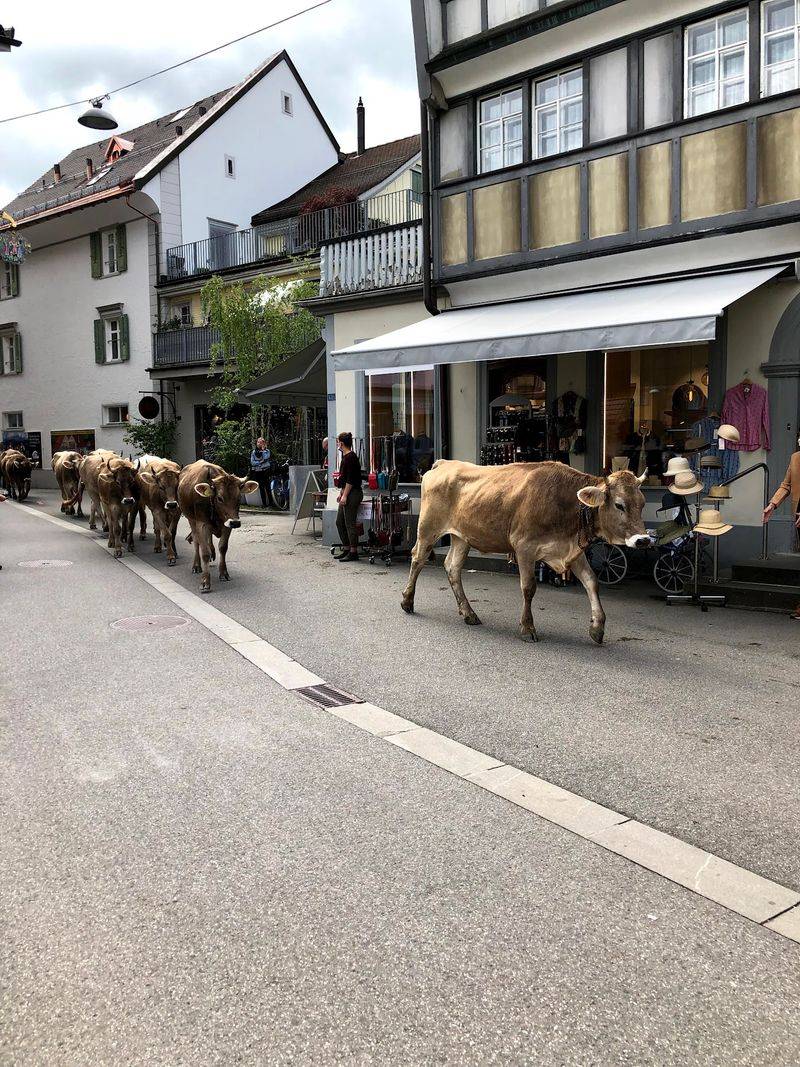
Appenzell is a small Swiss canton with a personality far larger than its size suggests. Tucked between rolling hills and Alpine peaks in northeastern Switzerland, it is one of the best places in Europe to witness living folk traditions that have barely changed over centuries.
Yodeling here is not a tourist gimmick; it is a genuine form of musical communication with deep roots in Alpine pastoral life.
The Alpabzug, or cattle descent from summer mountain pastures, is one of the most visually stunning folk events in all of Europe. Cows adorned with enormous bells and flower crowns are led down valley roads by herders dressed in traditional embroidered costumes called Tracht.
The whole community turns out to watch and celebrate.
Appenzell is also renowned for its intricate folk embroidery, which decorates everything from blouses to tablecloths. The region has its own style of folk music called Appenzeller Musik, featuring violins and the bowed psaltery, creating a sound unlike anything else in Switzerland.
8. Metsovo, Greece
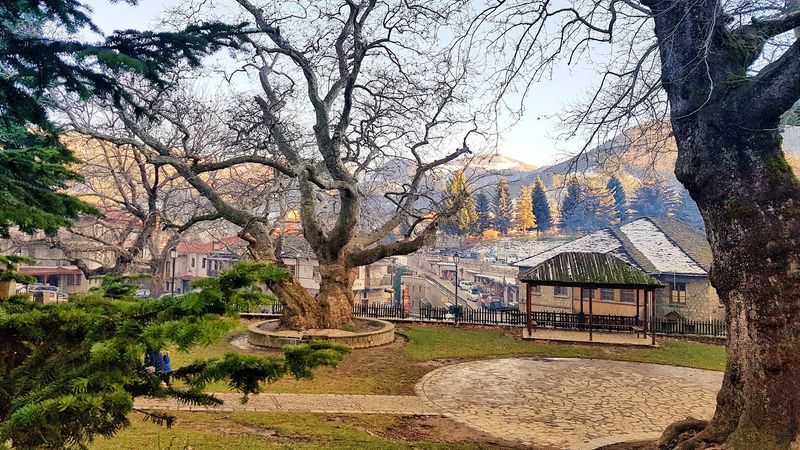
High in the Pindus Mountains of northwestern Greece, Metsovo is a town that has fiercely protected its Vlach cultural identity against the tides of modernization. The Vlachs are a Romance-speaking ethnic group whose pastoral traditions, distinctive clothing, and unique music set them apart from surrounding Greek communities.
Walking through Metsovo, you will notice stone-paved streets, traditional arhontika mansions, and workshops where artisans still practice weaving, woodcarving, and silversmithing by hand. Local weavers produce thick woolen rugs and blankets using patterns passed down through families for generations.
The Averoff Museum here houses an impressive collection of Greek folk art.
Pastoral culture remains central to Metsovo’s identity. Sheep herding, cheese-making, and seasonal mountain migrations are part of living memory rather than distant history.
During festivals, residents dress in regional Vlach costumes and perform traditional dances and music that echo across the mountain valleys in a way that feels genuinely timeless.
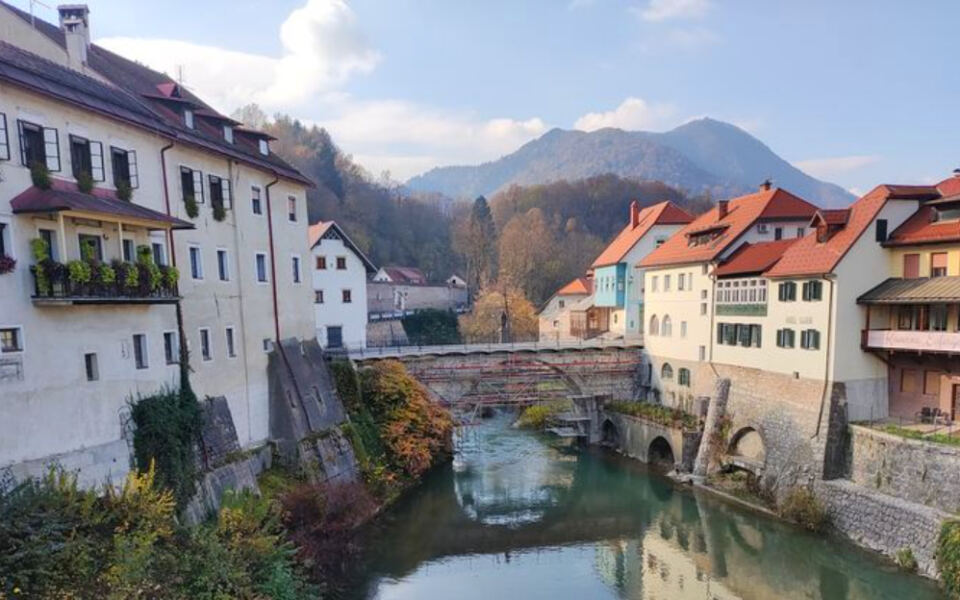
9. Škofja Loka, Slovenia
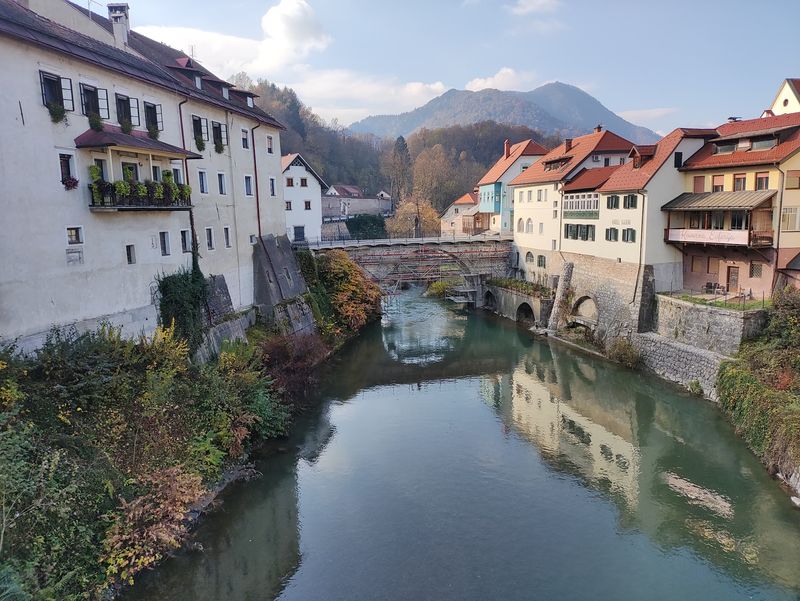
Škofja Loka is one of Slovenia’s oldest and most beautifully preserved medieval towns, and it carries a folk heritage that is both deeply religious and remarkably theatrical. The town’s most famous tradition is the Škofja Loka Passion Play, a massive outdoor performance telling the story of Christ’s suffering, written by a Capuchin monk in 1721.
Listed as a UNESCO Intangible Cultural Heritage, this passion play involves hundreds of local volunteers who spend months preparing costumes, sets, and choreography. It is staged only every few years, but when it happens, the entire town becomes a stage, with scenes unfolding across the historic streets, bridges, and castle grounds.
Beyond the passion play, Škofja Loka has strong traditions in religious folk customs, seasonal processions, and handmade crafts. Local artisans produce lace, ceramics, and woodwork rooted in regional Slovenian styles.
The town’s medieval atmosphere makes every folk tradition feel especially vivid and connected to the centuries that shaped it.
10. Visby, Sweden
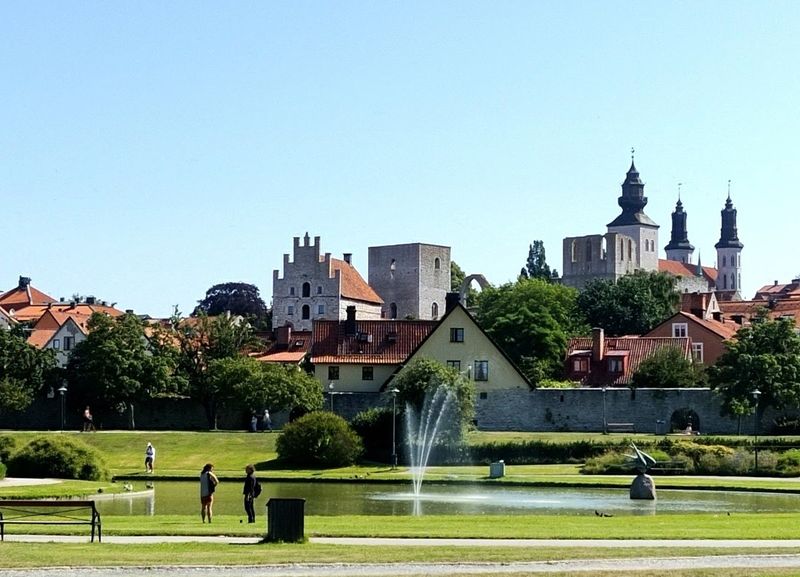
Visby, located on the island of Gotland in the Baltic Sea, is often called the best-preserved medieval town in Scandinavia. Its massive limestone city wall, ancient churches, and cobblestone lanes set the scene for a cultural life deeply rooted in Gotlandic identity.
The island has its own distinct folk traditions that differ noticeably from mainland Swedish customs.
Every August, Visby hosts Medieval Week, one of Europe’s largest and most authentic historical festivals. Thousands of participants dress in period costumes, and the town fills with folk music, craft demonstrations, theatrical performances, and traditional food.
It is a celebration that feels more like time travel than tourism.
Gotlandic folk music has its own character, shaped by the island’s geographic isolation and Norse heritage. Local handicrafts, including wool textiles and carved stone work, reflect regional traditions that have developed independently over centuries.
Visby’s folk foodways, featuring lamb dishes and local rye breads, complete a cultural picture that is proudly and distinctly Gotlandic.
11. Setesdal, Norway
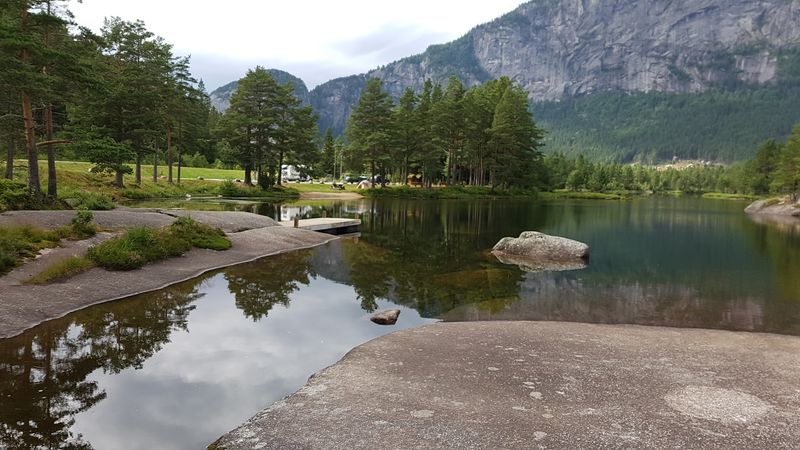
Setesdal is a remote valley in southern Norway that has become legendary among folk music enthusiasts for its extraordinarily rich and distinctive musical culture. The valley’s relative geographic isolation helped preserve traditions that elsewhere faded or blended with outside influences.
What survived is something truly remarkable.
The Hardanger fiddle, or hardingfele, is the heart of Setesdal’s folk music scene. Local musicians play in a style called slåttemusikk, a form of instrumental dance music with complex ornamentation and drone strings that give it a haunting, resonant quality.
Vocal traditions here are equally distinctive, featuring a solo singing style called stev, with short verses that can be humorous, romantic, or melancholic.
Traditional dress in Setesdal, particularly the women’s bunad with its elaborate silver jewelry and embroidery, is among the most recognized folk costumes in all of Norway. Silversmithing has been practiced in the valley for centuries, and local craftspeople still produce jewelry using traditional techniques that have been refined over many generations.
12. Čičmany, Slovakia
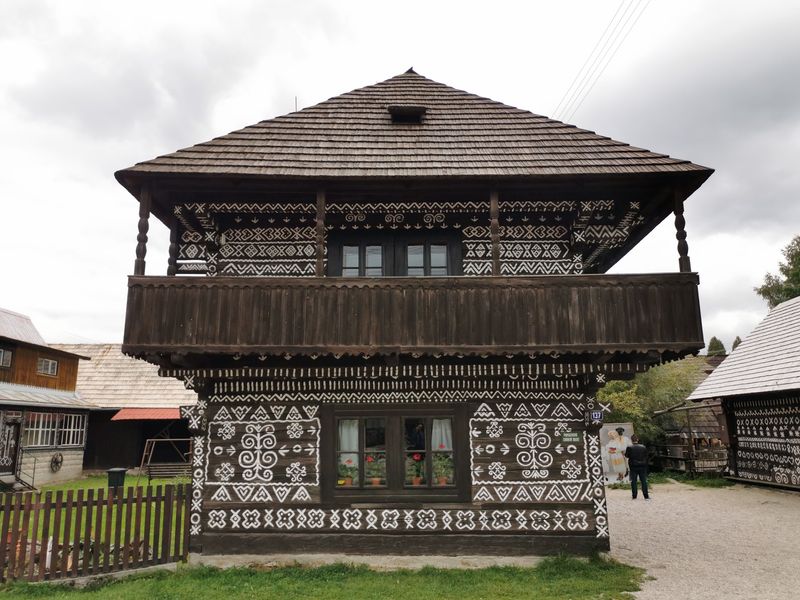
Čičmany might be the most visually distinctive village in all of Central Europe. The small Slovak settlement is famous for its timber houses decorated with white geometric patterns painted directly onto the dark wooden walls.
These patterns, inspired by traditional embroidery designs, make the entire village look like something from a fairy tale.
The tradition of painting houses in Čičmany dates back several centuries and was nearly lost after a devastating fire in 1921. The village was carefully restored using original patterns, and the practice has continued ever since.
Today, Čičmany is a protected folk architecture reserve and one of Slovakia’s most visited cultural sites.
Beyond the painted houses, the village maintains strong traditions in embroidery, folk costume-making, and music. Local festivals bring residents together in hand-stitched outfits featuring the same geometric motifs seen on the buildings. Čičmany proves that folk art can be both visually striking and deeply meaningful, rooted in a community’s shared sense of identity and place.
13. Sighișoara, Romania
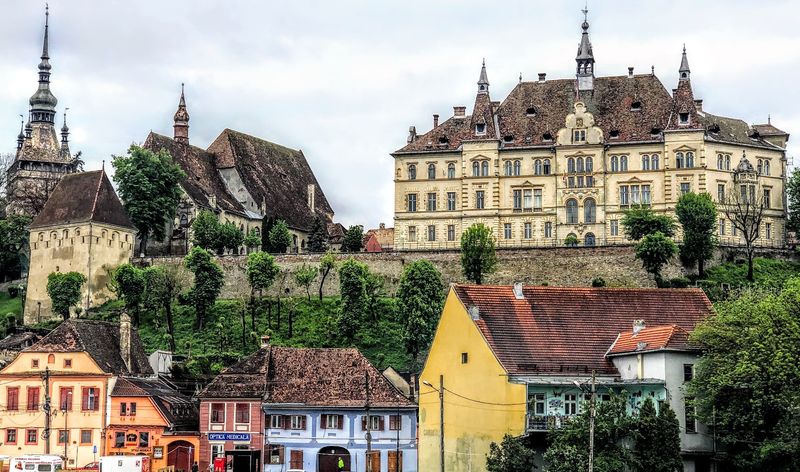
Sighișoara is a medieval citadel town in the heart of Transylvania, and it carries one of Romania’s most layered cultural identities. For centuries, the town was home to Transylvanian Saxons, a German-speaking community that brought their own crafts, architecture, music, and customs to the region.
Their heritage is still visible in every corner of the old town.
The Medieval Festival of Sighișoara, held each July, is one of Romania’s most popular cultural events. Craftspeople, musicians, and performers fill the citadel’s streets with handmade goods, period music, and theatrical performances rooted in Saxon and Romanian folk traditions.
The festival draws visitors from across Europe who come for the atmosphere as much as the entertainment.
Craft guilds were historically central to Sighișoara’s identity, and traditions in metalwork, woodcarving, and textile production have survived into the present day. Romanian folk music performed here blends Transylvanian and Saxon influences into something unique.
The town’s UNESCO World Heritage status helps ensure these layered traditions receive the protection and recognition they deserve.
14. Arcos de la Frontera, Spain
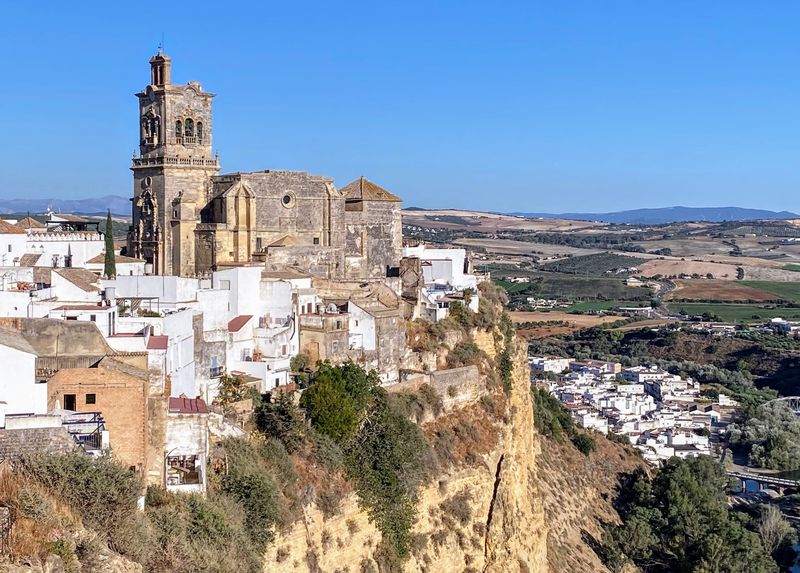
Arcos de la Frontera is a white hilltop town in Andalusia that seems to grow directly out of the rock it sits on. Its dramatic setting matches the intensity of its folk traditions, which are rooted in centuries of Moorish, Christian, and Romani cultural exchange.
Nowhere is this blending more visible than in its vibrant flamenco scene.
Flamenco in Arcos de la Frontera is not a polished stage performance for tourists. It is a living art form practiced in private gatherings called juergas, where dancers, singers, and guitarists improvise together in an atmosphere charged with emotion.
The raw, unscripted nature of these sessions is what makes Andalusian flamenco so powerful.
Semana Santa, or Holy Week, brings some of the most dramatic religious processions in all of Spain to Arcos. Elaborate floats carrying religious statues are carried through the narrow streets by brotherhoods dressed in traditional robes.
Local crafts, including leather goods and hand-painted ceramics, reflect the town’s long artisan heritage rooted in its Moorish and medieval past.
15. Sartène, Corsica, France
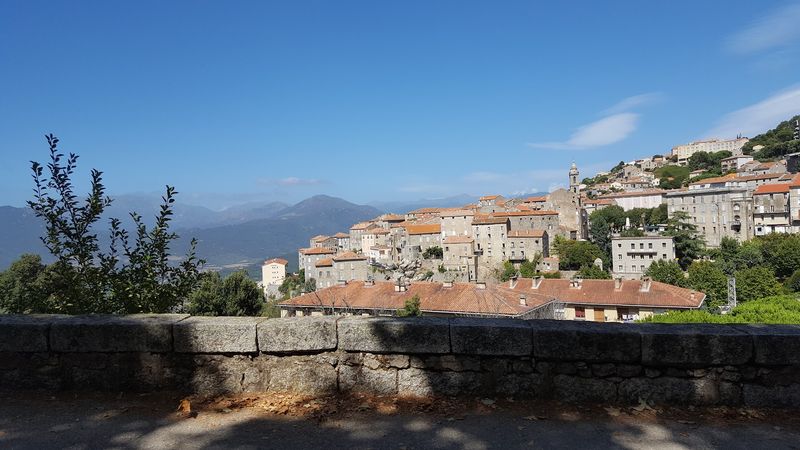
Sartène has been called the most Corsican of all Corsican towns, and that reputation is built on a folk culture that is proud, ancient, and deeply expressive. The town sits in the rugged interior of southern Corsica, and its granite streets carry the weight of centuries of tradition.
Nothing captures that spirit quite like the Catenacciu procession on Good Friday.
During Catenacciu, an anonymous penitent dressed in red robes carries a heavy wooden cross through the darkened streets of Sartène, dragging chains as a form of spiritual devotion. The identity of the penitent is kept secret, and thousands of people line the streets in near silence.
It is one of the most solemn and powerful folk religious events in all of Europe.
Corsican polyphonic singing, known as paghjella, is another cornerstone of Sartène’s cultural life. This style of three-part harmony singing has UNESCO recognition and is performed at festivals, religious ceremonies, and informal gatherings throughout the year.
The haunting sound of paghjella echoing through Sartène’s stone alleyways is something visitors rarely forget.
Share this story