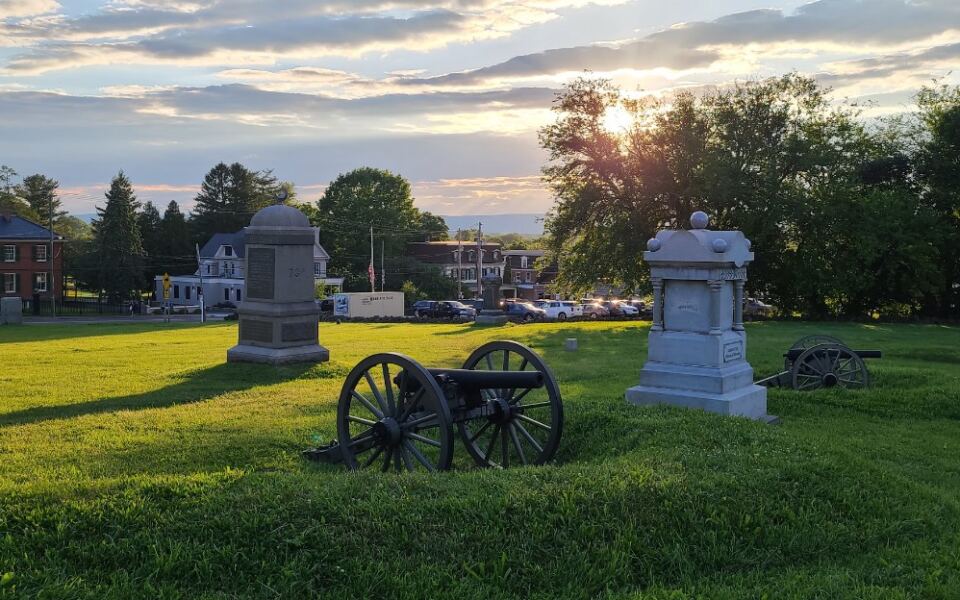
Some of the most visited places in the United States are known for just one thing. A billboard, a party street, or a spooky legend can become the whole story in a traveler’s mind.
Yet many of these spots have deeper history, food, art, and scenery waiting nearby. Knowing what else each place offers can make a trip more rewarding.
1. Times Square, New York City
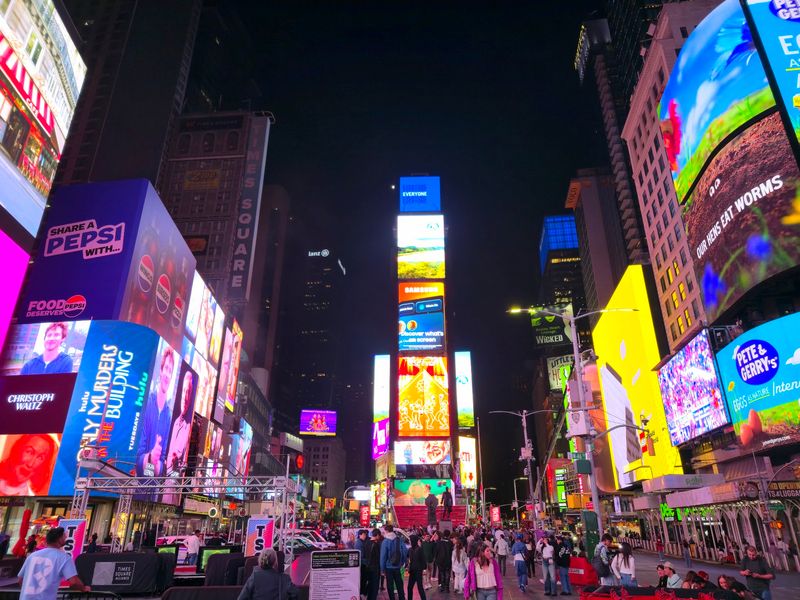
Bright screens wrap around every corner of Times Square, and most visitors arrive just to stand under them. The glow is impressive, but a quick photo covers only a small slice of what the area holds.
The neighborhood sits in the heart of the Theater District. Dozens of Broadway houses operate within a few blocks, and many sell same-day tickets at lower prices through discount booths.
A matinee can turn a crowded stop into a memorable afternoon.
Beyond the theaters, historic Manhattan stretches in every direction. Bryant Park, the New York Public Library, and Grand Central Terminal are all a short walk away.
Each one shows a calmer and older side of the city.
Try visiting the square briefly after dark, then move on. Save your energy for the museums, parks, and streets that reveal how New York really grew.
2. Las Vegas Strip, Nevada
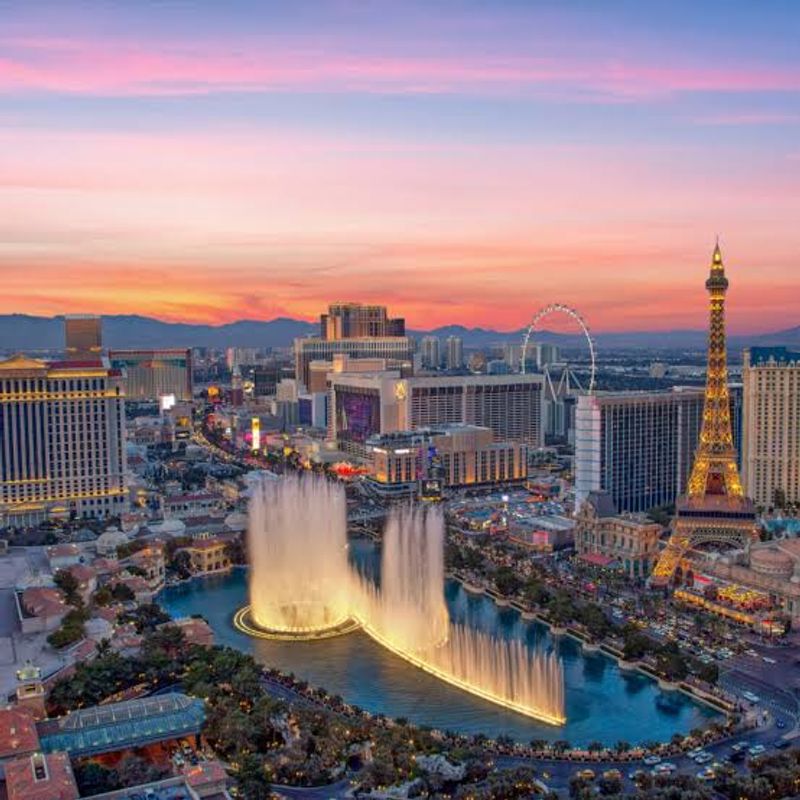
Slot machines and card tables may be what people picture first, yet the Strip works like an outdoor museum of bold design. Resorts copy Venice, Paris, and ancient Egypt, and each one shows how far architects will go to build a fantasy.
Food is another strong reason to go. Celebrated chefs run restaurants here, and options range from casual tacos to tasting menus.
Live shows include music residencies, acrobatic troupes, and magic acts that draw crowds nightly.
Just a short drive away, the desert tells a different story. Red Rock Canyon offers scenic loops and hiking trails, while Valley of Fire State Park glows with orange sandstone.
Lake Mead is close as well.
Plan at least one morning outside the casinos. The contrast between neon and open desert is what makes the region so unusual.
3. Salem, Massachusetts
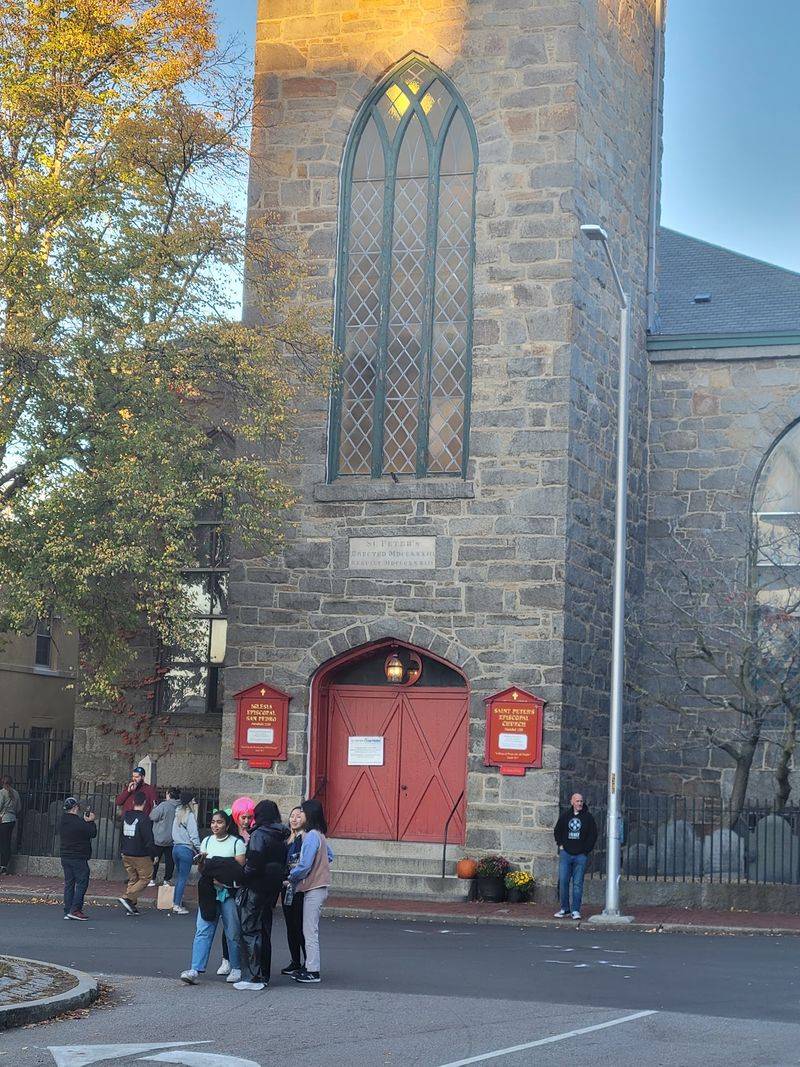
Witch hats and spooky shop windows fill Salem each October. The trials of 1692 are a real and sobering chapter in American history, when nineteen people were hanged after accusations of witchcraft.
Still, the city’s story did not end there. Salem grew into one of the richest seaports in the young nation, sending ships to China, India, and the East Indies.
Merchants filled the town with grand homes and shaped its look for centuries.
Today the Salem Maritime National Historic Site preserves wharves, a customs house, and a replica tall ship. The Peabody Essex Museum holds remarkable art from around the globe.
Author Nathaniel Hawthorne also worked at the Custom House.
Visit outside October if you can. Quieter months leave room to explore both the trials and the ocean trade that built the city.
4. Roswell, New Mexico
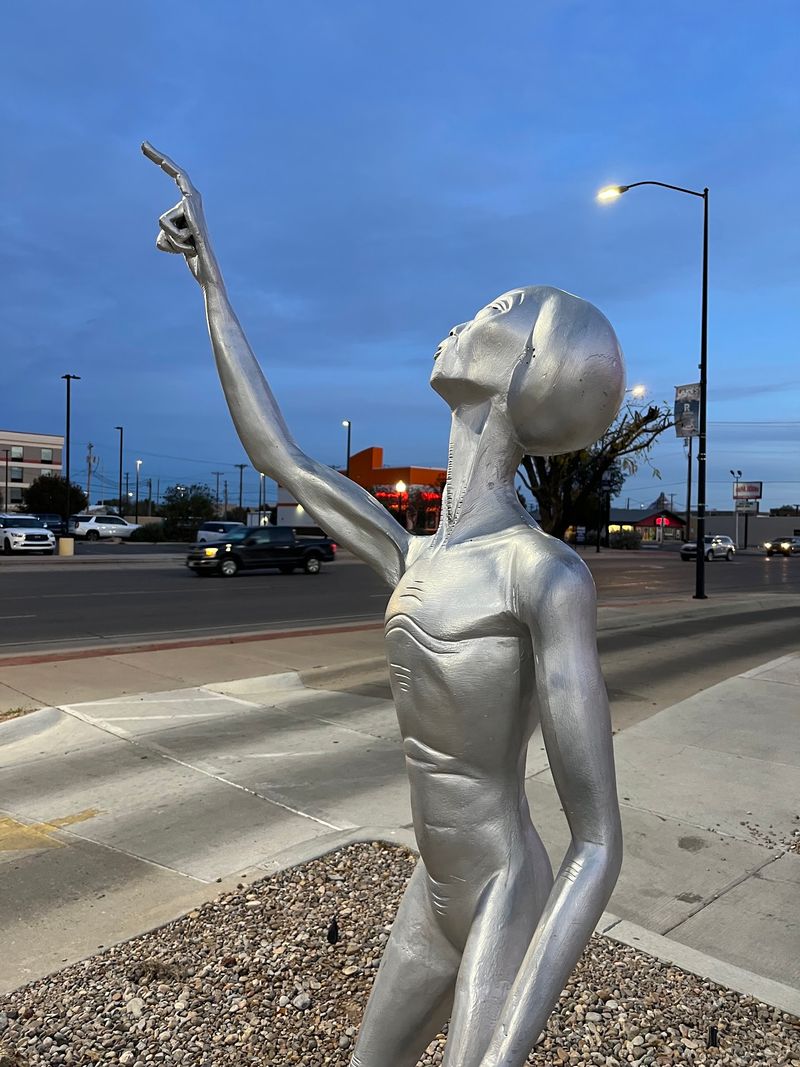
In 1947, something crashed on a ranch near Roswell, and the town has been tied to UFO stories ever since. Alien-shaped streetlights and souvenir shops lean happily into the legend.
The fun is real, but the area has more to offer. The Roswell Museum and Art Center features Southwestern art and a re-creation of rocket pioneer Robert Goddard’s workshop.
He tested early liquid-fueled rockets nearby in the 1930s.
Nature lovers have good options too. Bottomless Lakes State Park has deep blue sinkhole lakes, and Bitter Lake National Wildlife Refuge attracts dragonflies and migrating cranes.
Carlsbad Caverns is within driving distance.
Go for the UFO festival if you enjoy costumes and crowds. Otherwise, treat the legend as one stop among many on a road trip through southeastern New Mexico.
5. Nashville, Tennessee
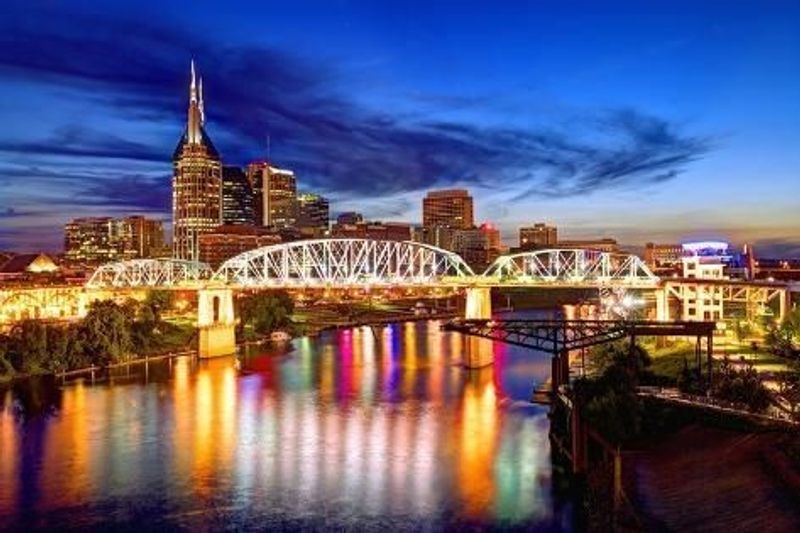
Pink cowboy hats and party buses roll down Lower Broadway most weekends. It is lively, but it hides the fact that Nashville earned its nickname, Music City, through decades of serious craft.
The Country Music Hall of Fame explores the genre with instruments, costumes, and handwritten lyrics. The Ryman Auditorium, once home to the Grand Ole Opry, is known for its remarkable sound.
RCA Studio B lets visitors stand where Elvis and Dolly Parton recorded.
Songwriters matter here as much as stars. Small venues like the Bluebird Cafe host writers who perform the songs behind famous hits.
Book a daytime tour and an evening show outside the honky-tonk strip. You will leave with a far better sense of how hit songs are made.
6. New Orleans, Louisiana
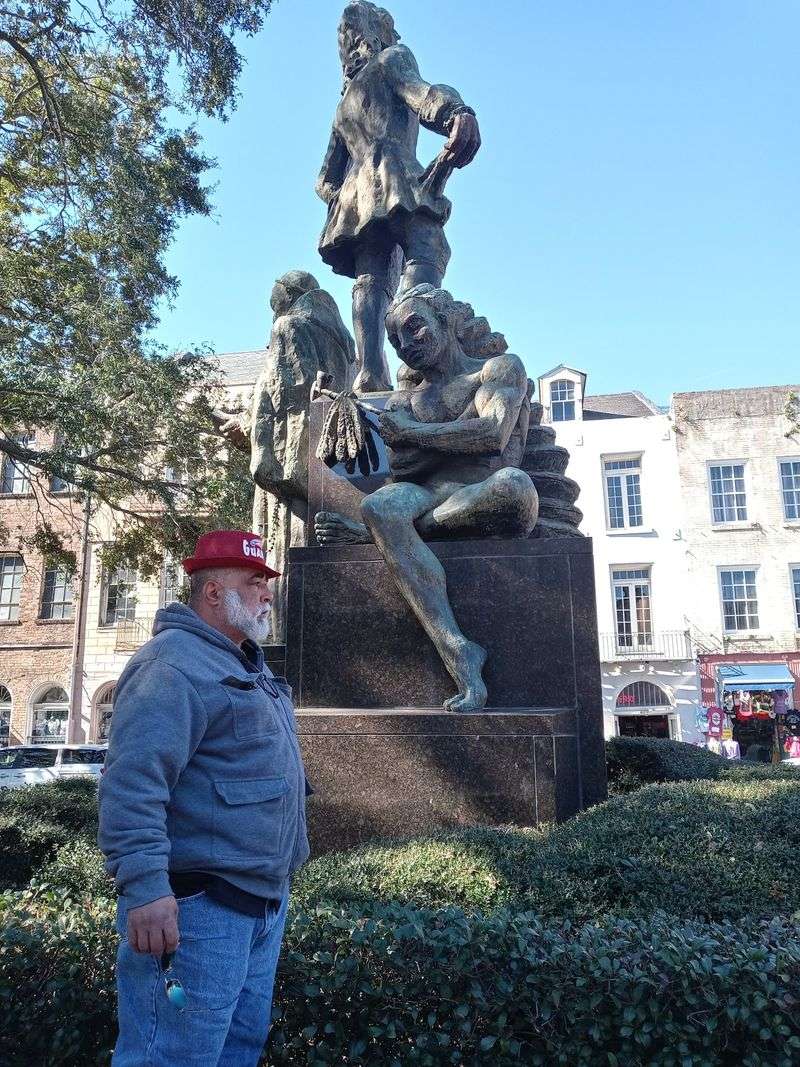
Bourbon Street is loud, bright, and busy, but locals rarely call it the heart of the city. Only a few blocks away, New Orleans shows a richer personality.
Food comes first for many people. Gumbo, red beans, beignets, and po’boys grew from French, Spanish, African, and Creole traditions.
Family-run restaurants in neighborhoods like Tremé and Mid-City serve them with pride.
Music fills the air on Frenchmen Street, where jazz bands play in small clubs. Historic homes in the Garden District, colorful streetcars, and centuries-old cemeteries add to the atmosphere.
Events like Mardi Gras Indian gatherings keep cultural customs alive.
Walk beyond the party zone and ask locals for recommendations. A good meal and a live trumpet will teach you more than any souvenir cup.
7. Hollywood, California
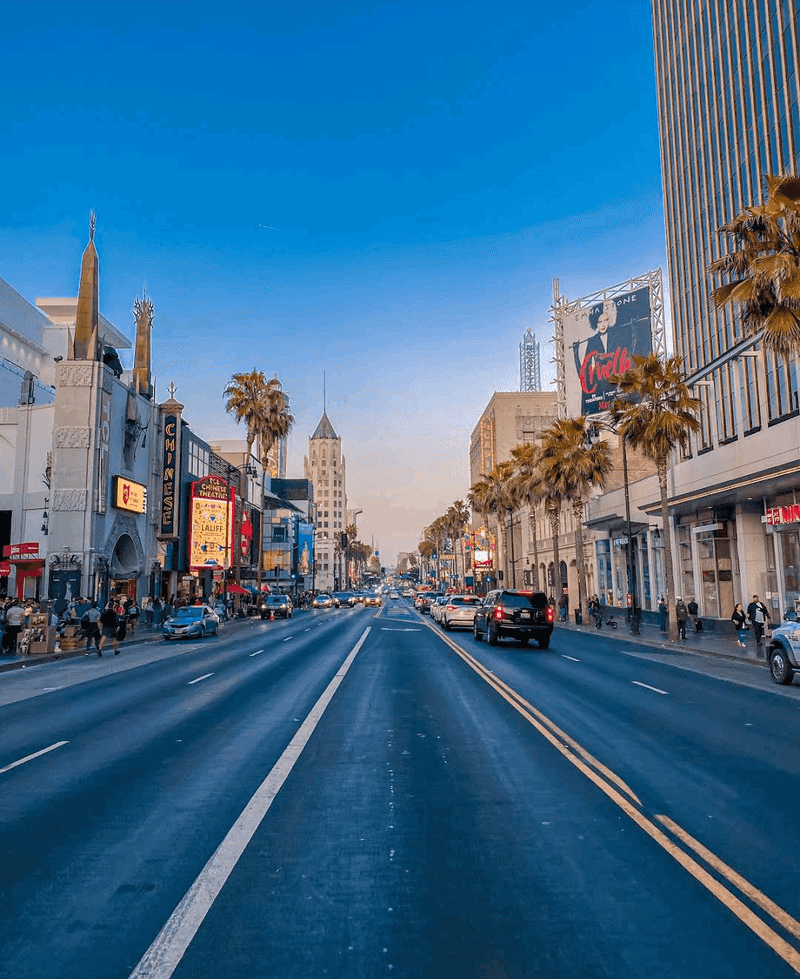
Many first-time visitors expect red carpets and famous faces on every corner. What they find instead is a busy boulevard with costumed street performers and souvenir stands.
The real charm lies in film history. The TCL Chinese Theatre has hosted premieres since 1927, and the Hollywood Roosevelt Hotel hosted the first Academy Awards in 1929.
The Hollywood Museum displays costumes and props from classic movies.
For a fuller picture, head off the main strip. Paramount Pictures offers studio tours on a working lot, and the Academy Museum of Motion Pictures explores how films are made.
Hikes in Griffith Park reward walkers with views of the famous sign.
Treat the Walk of Fame as a starting point. The movie magic is best found on the tours, in the museums, and up in the hills.
8. Niagara Falls, New York
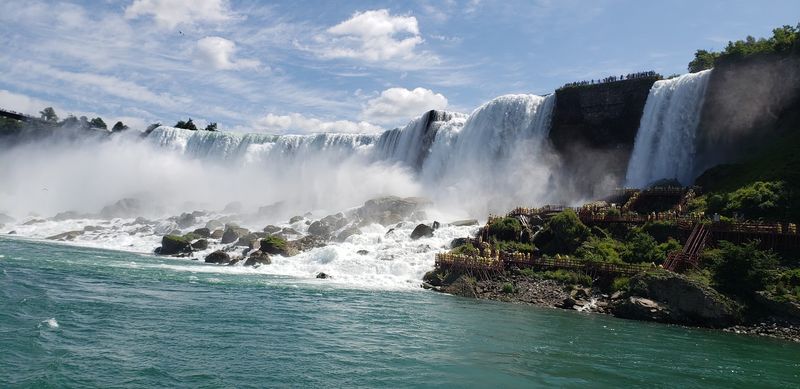
Standing at the rail, many travelers snap a picture, glance at the roaring water, and leave within an hour. That is a shame, because the falls reward patience.
Niagara Falls State Park, the oldest state park in the country, was designed by Frederick Law Olmsted. Trails lead to Goat Island, the Three Sisters Islands, and viewpoints that put you right beside the rapids.
The Cave of the Winds walkway takes visitors close to the base of Bridal Veil Falls.
Boat rides bring a very different view, and lights color the water after dark. The Niagara Gorge, just downstream, offers hiking and dramatic rock walls.
Give the park a full day. Morning light and evening glow show the water in very different moods.
9. Key West, Florida
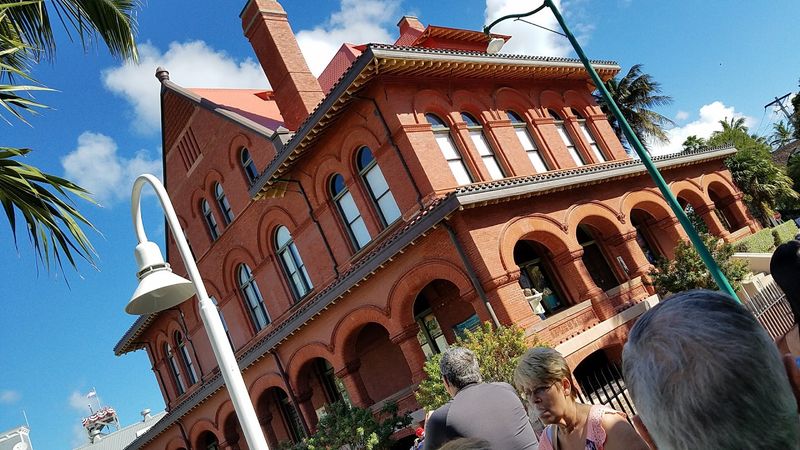
Duval Street gets loud after sunset, with bars, live bands, and crowds spilling onto the sidewalks. Yet Key West’s story is far richer than its nightlife.
Writers loved the island. Ernest Hemingway lived here in the 1930s, and his home still houses descendants of his six-toed cats.
Poet Elizabeth Bishop and playwright Tennessee Williams also spent time on the island.
The Old Town district holds hundreds of wooden Victorian houses built by shipbuilders and wreckers. The Key West Lighthouse and the Mel Fisher Maritime Museum highlight the sea trade that made the town wealthy.
Fort Zachary Taylor offers Civil War history and a pleasant beach.
Rent a bike and wander the side streets during the day. The quiet lanes show a town with real depth.
10. Memphis, Tennessee
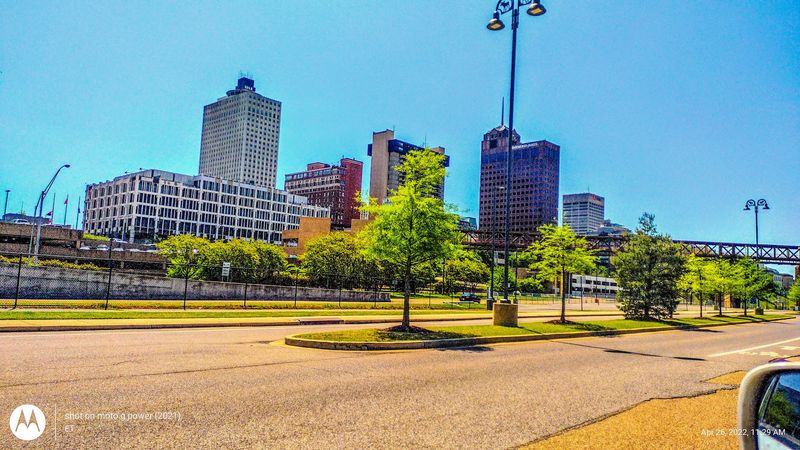
Graceland draws hundreds of thousands of fans each year, and the mansion is worth seeing. Still, Memphis carries several stories that stretch well beyond Elvis Presley.
Sun Studio is where Elvis, Johnny Cash, and Howlin’ Wolf recorded early hits. The Stax Museum of American Soul Music celebrates the sound of Otis Redding and Isaac Hayes.
Beale Street keeps the blues alive with nightly live sets.
The National Civil Rights Museum stands at the Lorraine Motel, where Dr. Martin Luther King Jr. was killed in 1968. It offers a powerful look at the struggle for equality.
Food matters here too. Dry-rub ribs, barbecue nachos, and fried catfish are all local favorites.
Give the city at least two days so its music, history, and meals all get their turn.
11. Orlando, Florida
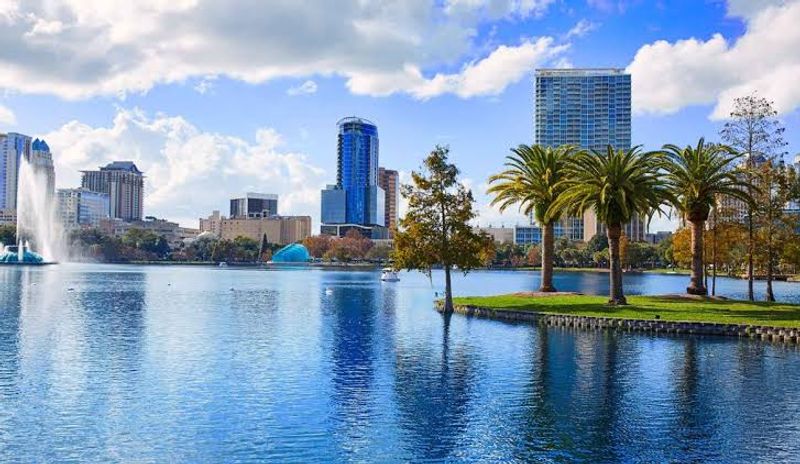
Roller coasters and castles define Orlando for most families. Yet the region has a calmer, greener side that many visitors never see.
Natural springs are a great example. Wekiwa Springs State Park and Rock Springs offer clear water for swimming, paddling, and tubing.
Harry P. Leu Gardens shows off camellias and roses on a peaceful lakeside estate.
Culture fans can visit the Charles Hosmer Morse Museum of American Art in Winter Park, home to the world’s largest collection of Tiffany glass. Neighborhoods like Mills 50 and Winter Park serve creative dishes, including Vietnamese noodles and farm-to-table plates.
Set aside a day away from the parks. A springs swim followed by a local lunch gives the trip a refreshing change of pace.
12. Gettysburg, Pennsylvania
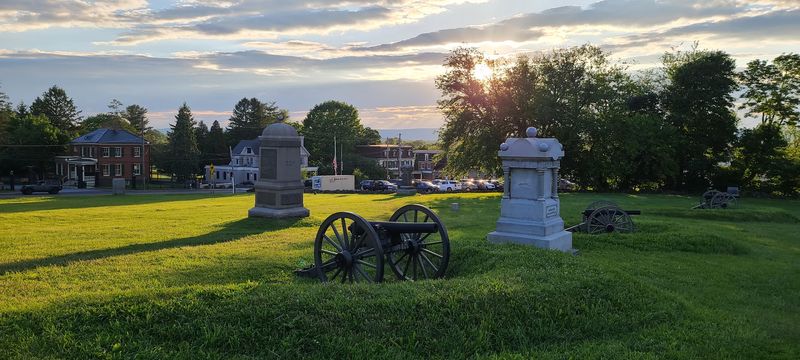
Ghost tours are popular after dark, and haunted-house stories fill the town’s shops. Yet the ground here matters for a much more solemn reason.
In July 1863, roughly 165,000 soldiers fought over three days. Around 50,000 were killed, wounded, or missing, making it the bloodiest battle of the Civil War.
The Union victory marked a turning point in the conflict.
Four months later, President Abraham Lincoln delivered the Gettysburg Address at the dedication of the soldiers’ cemetery. The visitor center and museum explain these events with artifacts and a large cyclorama painting.
Licensed guides can lead car tours across the battlefield.
Plan your visit around the history first. Walking Little Round Top or Cemetery Ridge gives a lasting sense of what happened there.
13. Sleepy Hollow, New York
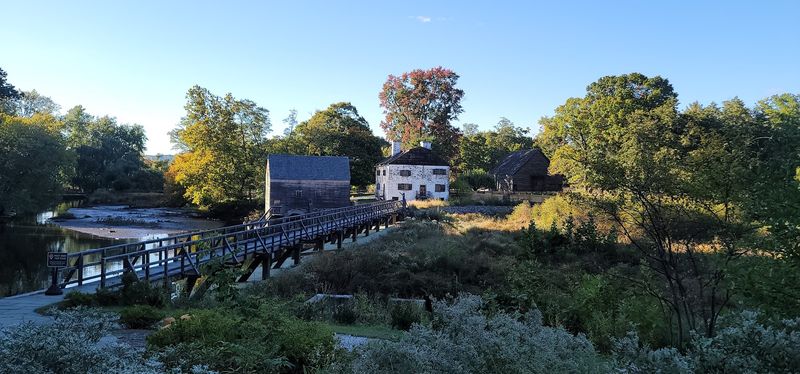
A galloping horseman without a head is hard to forget. Washington Irving invented him in 1820, and the village renamed itself Sleepy Hollow in 1996 to embrace the tale.
The real history is just as interesting. Philipsburg Manor, a restored Dutch colonial farm, shows how enslaved and free people worked the land in the 1700s.
The Old Dutch Church, built around 1685, still stands beside a peaceful burying ground.
Nearby, Kykuit, the Rockefeller estate, features gardens and modern art. Irving’s own home, Sunnyside, sits a short drive away in Tarrytown.
Trails along the Hudson River offer excellent autumn views.
Fall events are festive, but they draw big crowds. A weekday trip in early October leaves more room to enjoy the history.
14. Death Valley, California and Nevada
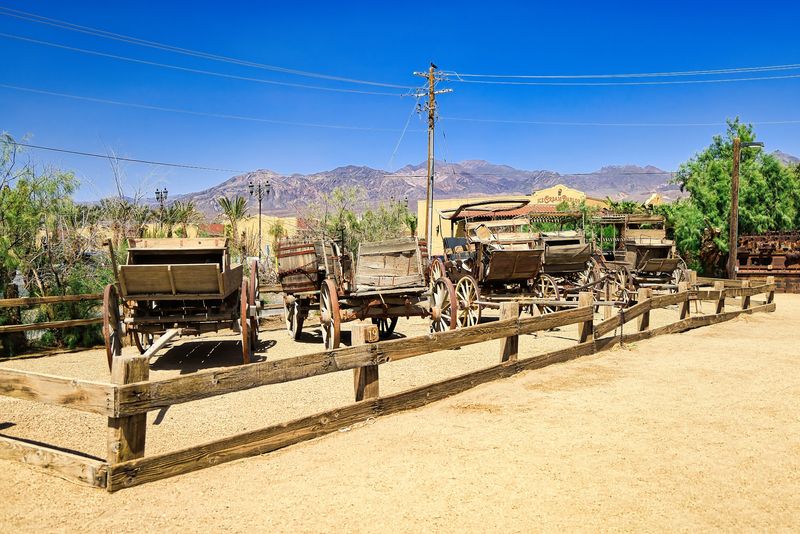
Summer temperatures here can pass 120 degrees Fahrenheit, and in 1913 the park recorded 134 degrees, among the highest air temperatures ever measured. Many travelers arrive just to see the thermometer.
Winter and spring tell a gentler story. Daytime highs are comfortable, and visitors can explore Badwater Basin, the lowest point in North America at 282 feet below sea level.
Zabriskie Point glows at sunrise, and Mesquite Flat Sand Dunes stretch out in soft ripples.
Rain in wet years can trigger wildflower blooms across the valley floor. Artists Drive shows off rocks colored pink, green, and gold by minerals.
Carry plenty of water and fuel up before you enter. Cool-season visits let you hike safely and enjoy scenery that heat would otherwise cut short.
15. Alcatraz Island, California
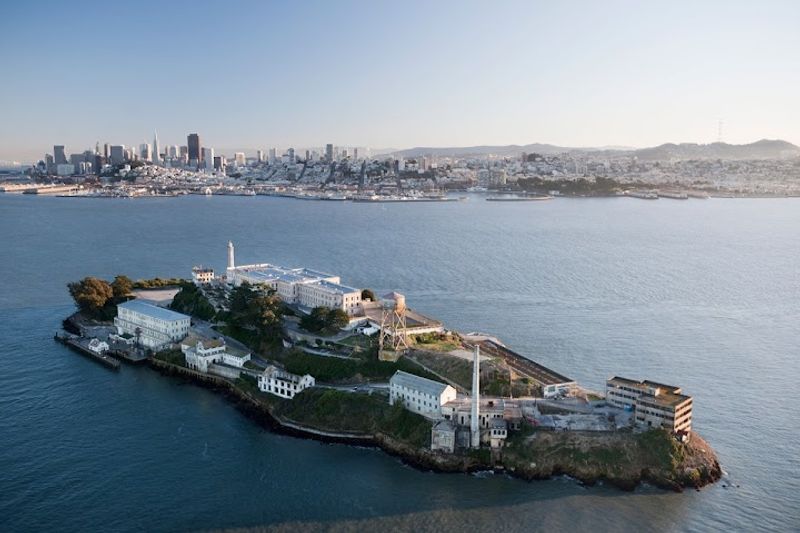
Al Capone and Machine Gun Kelly are names that draw visitors to this rocky island. The federal penitentiary operated only from 1934 to 1963, though, which is a small part of the island’s long past.
Before that, Alcatraz served as a military fortress and Civil War-era prison. Long before those uses, Indigenous peoples visited the island for fishing and gathering.
In 1969, Native American activists occupied Alcatraz for nearly nineteen months, a protest that raised national attention for tribal rights. Their messages are still visible on the water tower.
The audio tour gives voice to guards, inmates, and occupation leaders.
Book ferry tickets early, since they often sell out. Wander the gardens and old parade ground too, so you see the island as more than a prison.
Share this story