Food is one of the most exciting ways to explore different cultures, and some of the most delicious dishes out there have names or ingredients that might make you do a double take. From hollowed-out bread loaves filled with curry to thick pancakes stuffed with chocolate and cheese, the world is full of meals that sound odd but taste incredible.
Whether you are a seasoned food traveler or just curious about what people eat in other countries, this list will open your eyes and maybe even your appetite. Get ready to discover 15 foods from around the globe that are strange in name or concept but absolutely worth trying.
1. Bunny Chow – South Africa
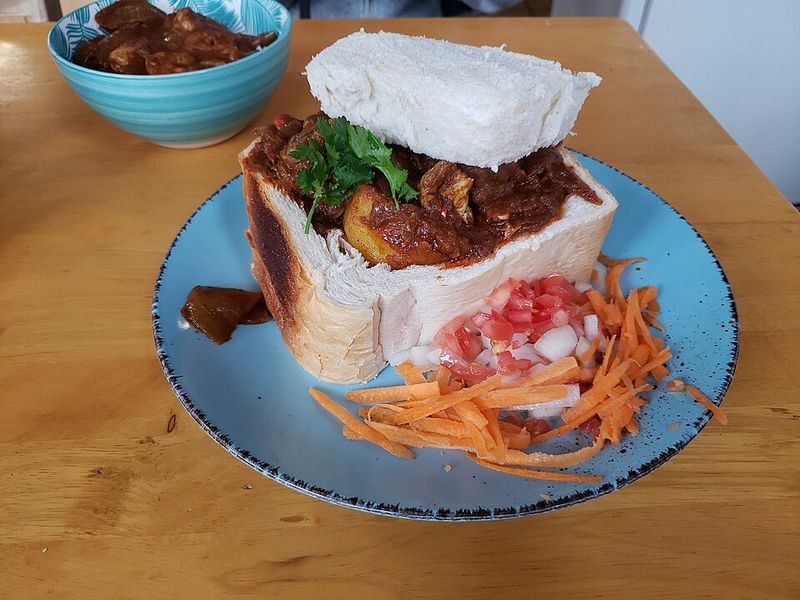
Before you picture a bowl of rabbit stew, know that Bunny Chow has absolutely nothing to do with rabbits. This iconic street food from Durban, South Africa, is a quarter or half loaf of white bread with the inside scooped out and replaced with a hearty, flavorful curry.
The bread acts as both a bowl and a utensil, soaking up all the rich sauce as you eat. It is typically filled with bean, chicken, or mutton curry, making it a filling and satisfying meal.
The dish is believed to have originated in the Indian community of Durban during the apartheid era, when people needed a portable, affordable meal. Today, it is one of South Africa’s most beloved comfort foods.
Once you try it, the name stops sounding strange and starts sounding like dinner.
2. Kapsalon – Netherlands
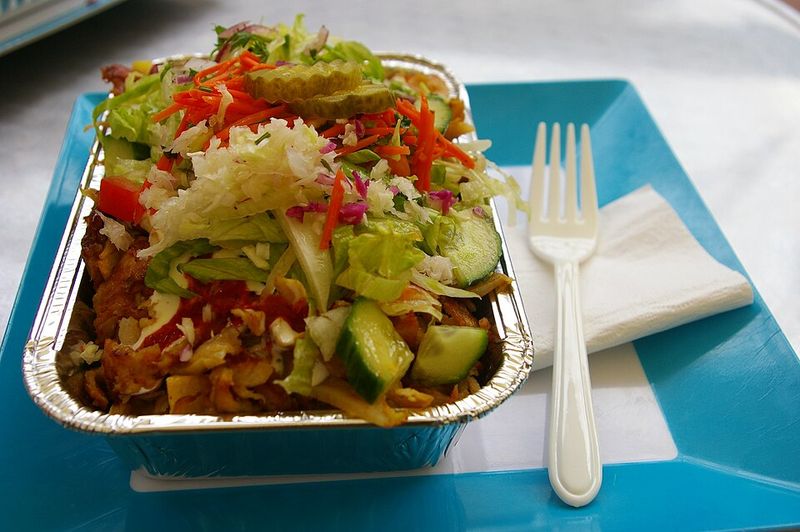
Kapsalon was invented in Rotterdam, and its name literally means “hair salon” in Dutch, because it was first ordered by a hairdresser who wanted a big, satisfying meal. The dish piles French fries on the bottom, then layers döner or shawarma meat on top, melts a generous amount of Gouda cheese over everything, and finishes with fresh salad and garlic sauce.
It sounds chaotic, but every layer plays its part. The crispy fries hold up the savory meat, the melted cheese ties it all together, and the cool salad balances the richness underneath.
Originally a late-night takeaway favorite, Kapsalon has grown into a Dutch food staple found across the country. Food historians note it was created around 2003.
For anyone who loves loaded fries, this Dutch creation takes the concept to a seriously satisfying level.
3. Kaya Toast – Singapore
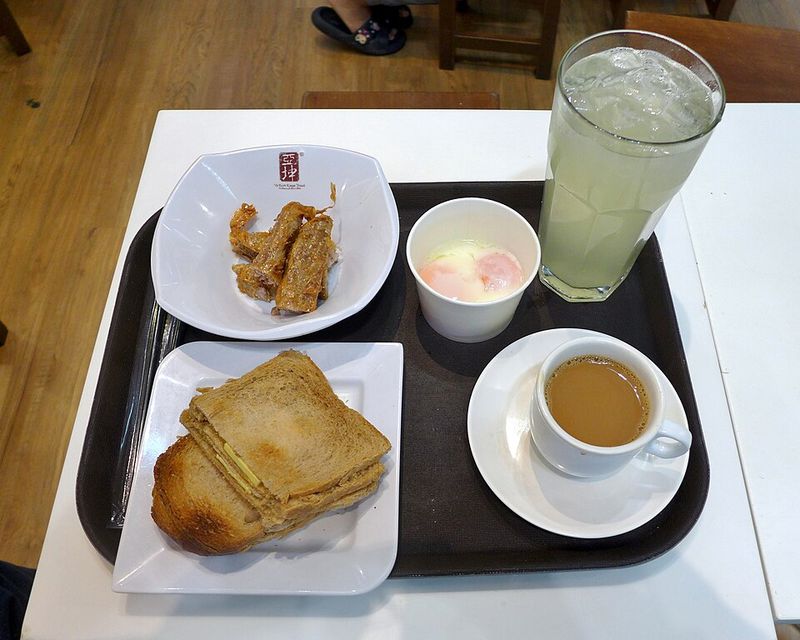
Kaya Toast is one of Singapore’s most beloved breakfast traditions, and it is simpler than it sounds. Crispy or lightly grilled bread is spread with cold butter and a thick layer of kaya, a sweet jam made from coconut milk, eggs, and sugar flavored with pandan leaves.
The contrast between the warm, crunchy toast and the cold butter melting underneath is what makes it so satisfying. It is almost always eaten alongside soft-boiled eggs seasoned with soy sauce and white pepper, making for a complete and balanced breakfast.
Kaya Toast has been a morning staple in Singapore for over a century, served at traditional coffee shops called kopitiams. Many Singaporeans have strong feelings about which kopitiam makes the best version.
Once you understand the balance of sweet, salty, and creamy in each bite, it becomes very clear why this simple dish has lasted so long.
4. Loco Moco – Hawaii, United States
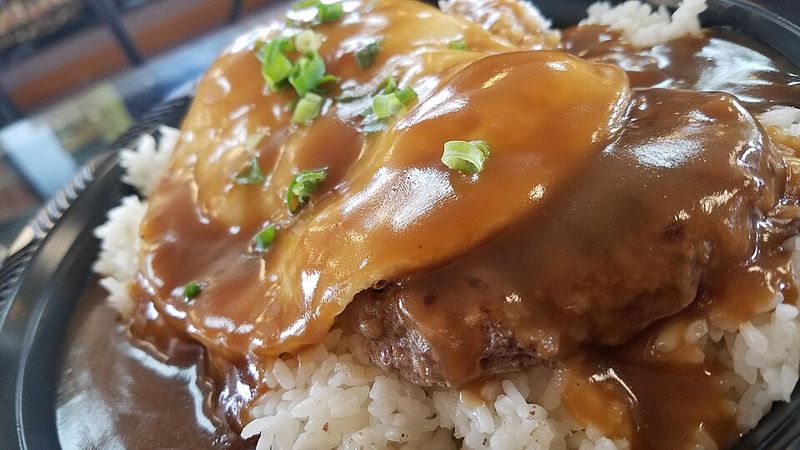
Rice, a hamburger patty, brown gravy, and a fried egg, all in one bowl. When you first read that, it might sound like someone combined three different meals by accident.
But Loco Moco is one of Hawaii’s most iconic comfort foods, and once you try it, the combination makes perfect sense.
The rich gravy soaks into the rice, the egg yolk breaks and adds a creamy layer, and the burger patty gives the whole dish a hearty, satisfying center. It is warm, filling, and deeply comforting in the way only great comfort food can be.
Loco Moco was reportedly created in the late 1940s in Hilo, Hawaii, as an affordable meal for hungry teenagers. It has since become a staple on menus across the islands.
Locals eat it for breakfast, lunch, or dinner without any hesitation, and honestly, that flexibility is part of its charm.
5. Francesinha – Portugal
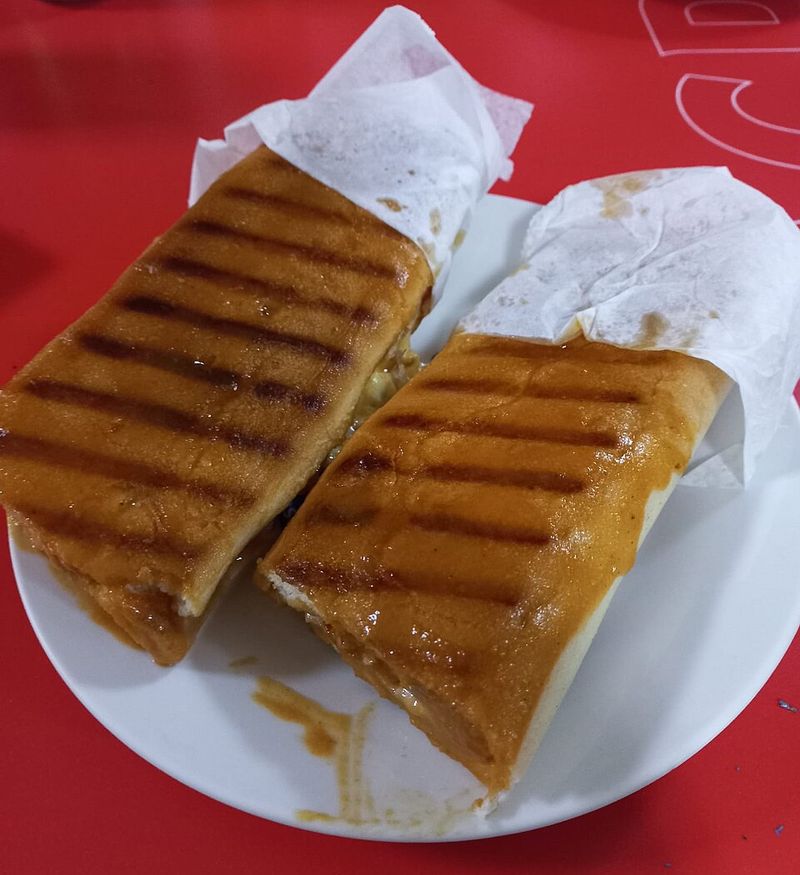
Porto’s most famous sandwich does not hold back. The Francesinha, which translates loosely to “little Frenchie,” is built from layers of bread, ham, linguica sausage, and steak.
The whole thing is then wrapped in melted cheese and drenched in a thick, spiced sauce made from tomatoes, beer, and sometimes brandy.
The sauce is the real star. It is tangy, slightly smoky, and deeply savory, and it soaks into every layer of the sandwich as you eat.
Most versions are served with a side of French fries, which you can dip directly into the extra sauce pooled on the plate.
The dish was reportedly created in the 1950s by a Portuguese man inspired by French and Belgian sandwiches. Porto locals are famously passionate about which restaurant makes the best version, and debates about the perfect sauce recipe are taken very seriously.
It is messy, rich, and absolutely worth every bite.
6. Koshari – Egypt
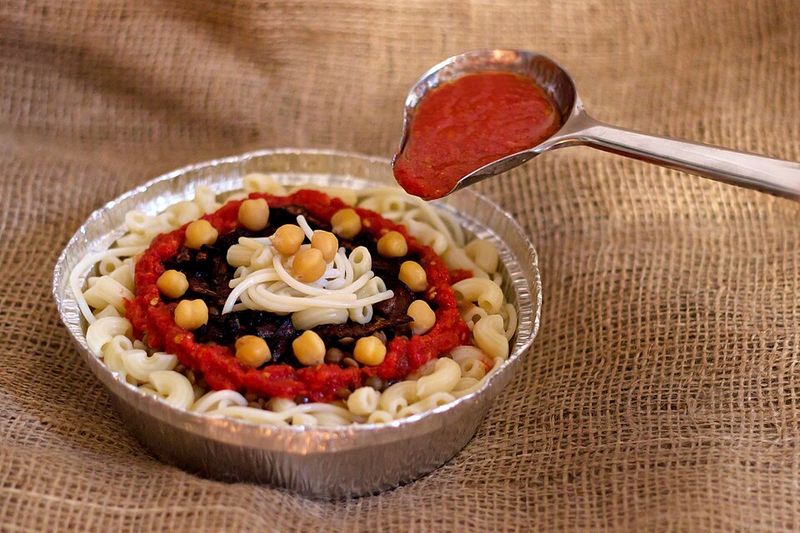
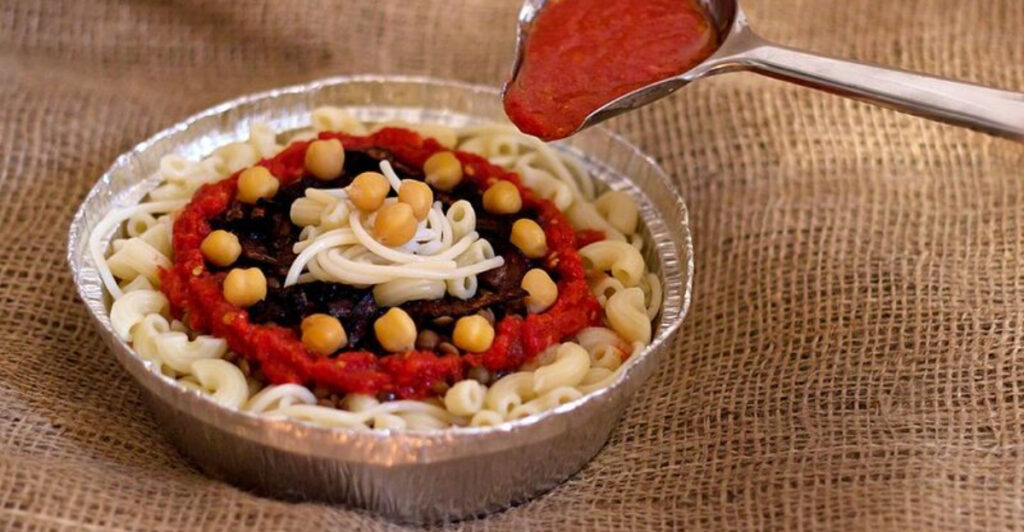
Rice, lentils, pasta, and chickpeas all in one bowl might sound like a pantry experiment, but Koshari is one of Egypt’s most popular and beloved national dishes. Each ingredient plays a specific role in creating a meal that is hearty, flavorful, and surprisingly well-balanced.
The base is a mix of rice and brown lentils, topped with macaroni or spaghetti and chickpeas. Over all of that goes a tangy tomato sauce spiked with garlic and vinegar, and the whole dish is crowned with crispy fried onions that add crunch and sweetness.
Koshari has roots in 19th-century Egypt and likely developed from a combination of Indian, Italian, and local culinary influences. Today it is sold from dedicated Koshari restaurants and street carts across the country.
It is affordable, filling, and completely vegetarian, making it a dish that works for almost everyone who tries it.
7. Okonomiyaki – Japan
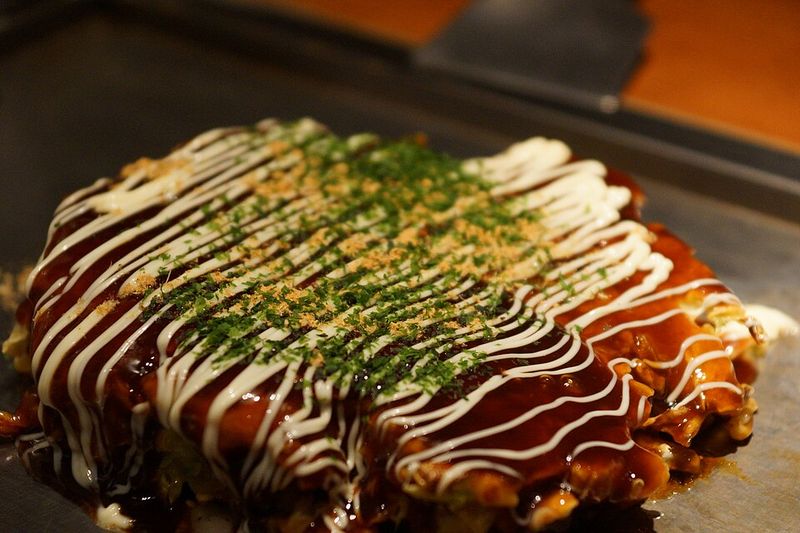
The word Okonomiyaki roughly means “cook what you like,” and that name tells you a lot about what this dish is. At its core, it is a thick savory pancake made from a batter mixed with shredded cabbage, and from there the toppings and mix-ins can vary widely.
Common additions include pork belly, shrimp, squid, or cheese, all cooked right into the batter on a hot griddle. Once it is done, the pancake gets covered in a sweet and savory okonomiyaki sauce, Japanese mayonnaise, dried bonito flakes that wave in the heat, and green onions.
Okonomiyaki is especially popular in Osaka and Hiroshima, where each city has its own distinct style of making it. In Hiroshima, the ingredients are layered rather than mixed.
For anyone unfamiliar with Japanese cooking, this dish is often a gateway food because it is approachable, customizable, and genuinely delicious from the very first bite.
8. Toast Skagen – Sweden
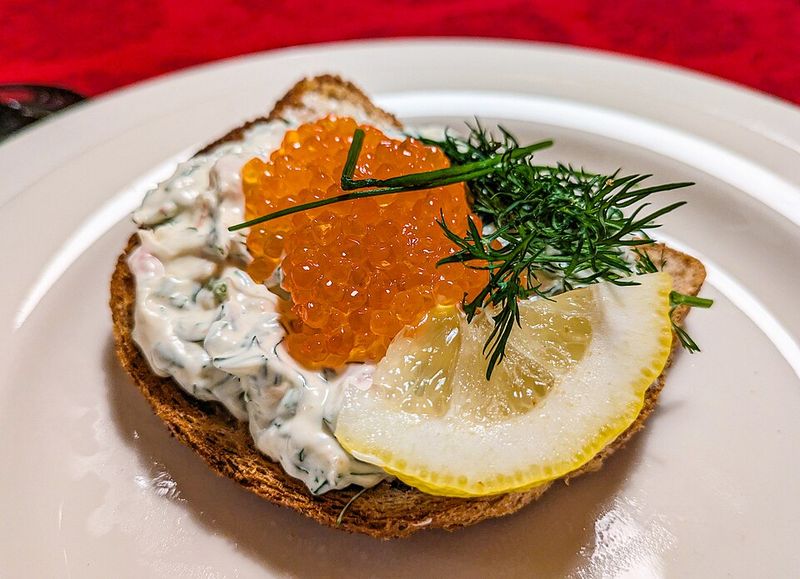
Named after Skagen, a fishing village on the northern tip of Denmark, Toast Skagen is a Swedish classic that looks deceptively simple but delivers serious flavor. It is a piece of toasted white bread topped with a generous mound of small, sweet shrimp mixed with mayonnaise, creme fraiche, dill, and a squeeze of fresh lemon.
The shrimp mixture is cold, creamy, and bright, and it contrasts beautifully with the warm, crunchy toast underneath. A small spoonful of bleak roe, which is Swedish caviar, is often placed on top to add a pop of briny richness.
The dish was popularized by Swedish chef Tore Wretman in the 1950s and has since become a staple of Swedish celebration tables, especially during Midsommar and Christmas. For anyone who thinks shrimp on toast sounds too plain, one bite of the real thing tends to change that opinion very quickly.
9. Cachapa – Venezuela
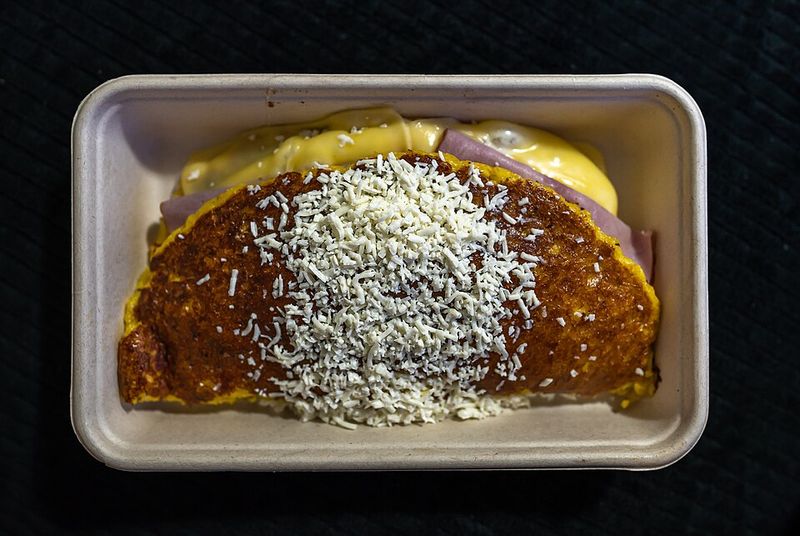
Fresh corn ground into a thick, slightly sweet batter and cooked on a griddle until golden, then folded around a slab of soft, salty cheese. That is Cachapa in its most essential form, and the contrast between the sweet corn pancake and the creamy, savory cheese is what makes it so memorable.
Unlike regular pancakes, Cachapa has a natural sweetness that comes entirely from the fresh corn, not from added sugar. The cheese most commonly used is queso de mano or queso telita, which is soft and mild and melts slightly against the warm pancake.
Cachapas are sold at roadside stands across Venezuela and are considered a true taste of home for many Venezuelans living abroad. They can be eaten for breakfast, as a snack, or as a full meal.
The simplicity of the ingredients is part of what makes this dish so genuinely good and so easy to love.
10. Tteokbokki – South Korea
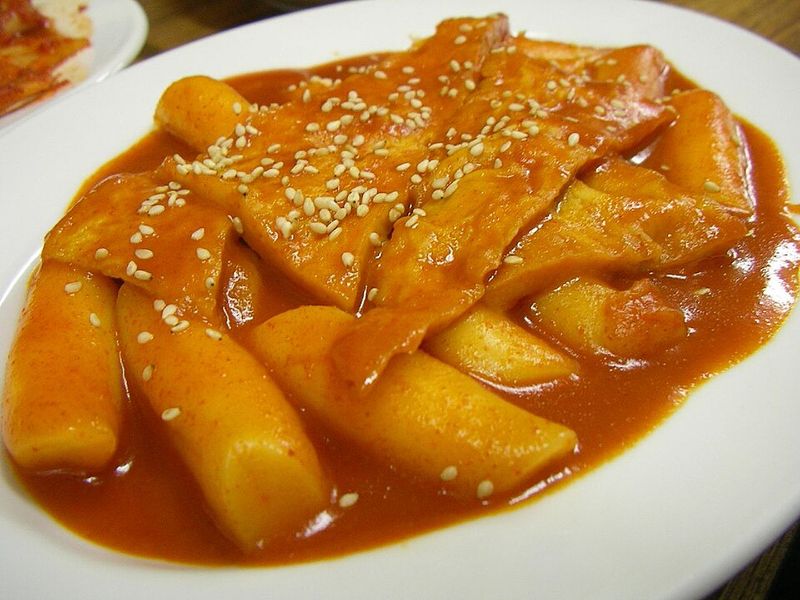
Chewy, cylindrical rice cakes simmered in a fiery red sauce made from gochujang, this is Tteokbokki, and it is one of South Korea’s most popular street foods. The texture is the first thing newcomers notice: the rice cakes are soft but springy in a way that feels completely different from anything in Western cuisine.
The sauce is bold and spicy with a slight sweetness that balances the heat. Fish cakes, boiled eggs, and green onions are common additions that add more texture and flavor to the dish.
Vendors across Seoul and beyond sell it from large bubbling pots on the sidewalk, often alongside other fried street foods.
Tteokbokki has been eaten in Korea for centuries, though the spicy version became popular in the 1950s. For anyone trying Korean street food for the first time, this dish is almost always on the short list of must-try foods, and most people are immediately hooked.
11. Fruit Sando – Japan
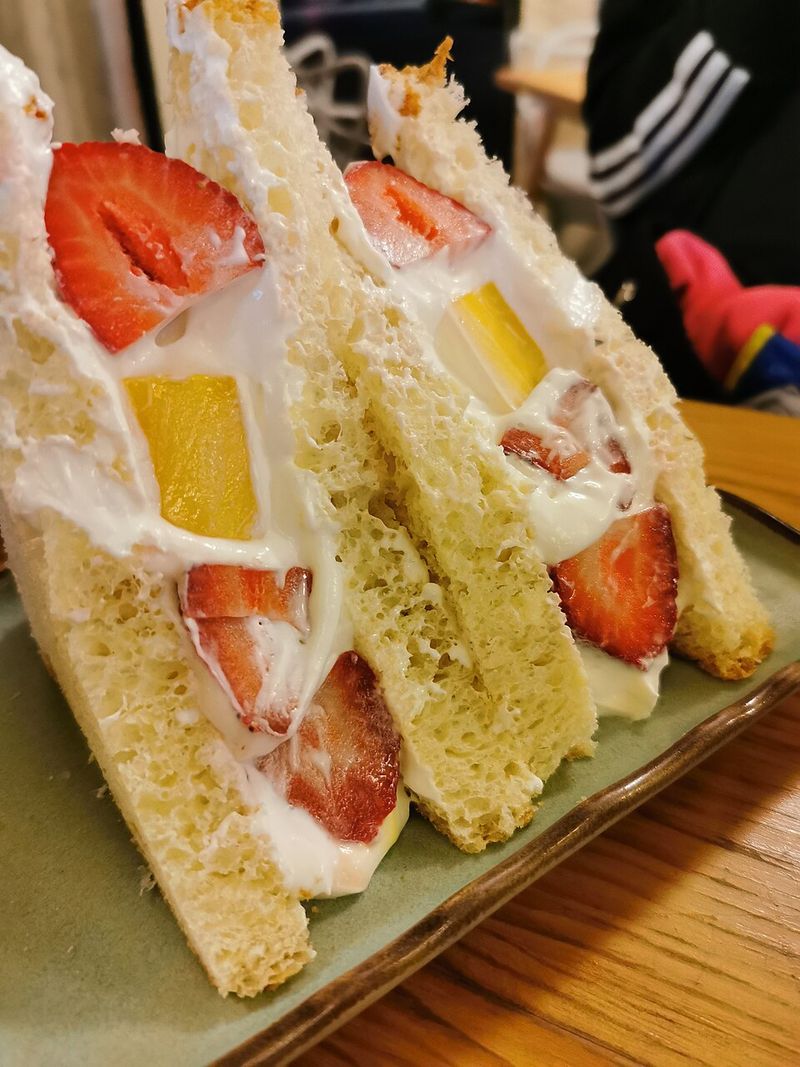
Fruit Sando looks almost too pretty to eat, and that is part of its charm. This Japanese fruit sandwich is made by spreading a thick layer of lightly sweetened whipped cream between two slices of shokupan, an extremely soft and pillowy Japanese milk bread, and then layering in whole or halved pieces of fresh fruit.
When the sandwich is sliced diagonally, the cross-section reveals a colorful, geometric arrangement of fruit that has made Fruit Sando a favorite subject for food photography across social media. Strawberries, kiwi, peaches, and mandarin oranges are common choices, selected as much for their visual appeal as their flavor.
Japanese convenience stores like 7-Eleven and Lawson have sold versions of Fruit Sando for decades, making it one of the most accessible luxury treats in the country. The combination of airy bread, fluffy cream, and fresh fruit is lighter than it looks and genuinely refreshing to eat.
12. Hawaiian Butter Mochi – Hawaii, United States
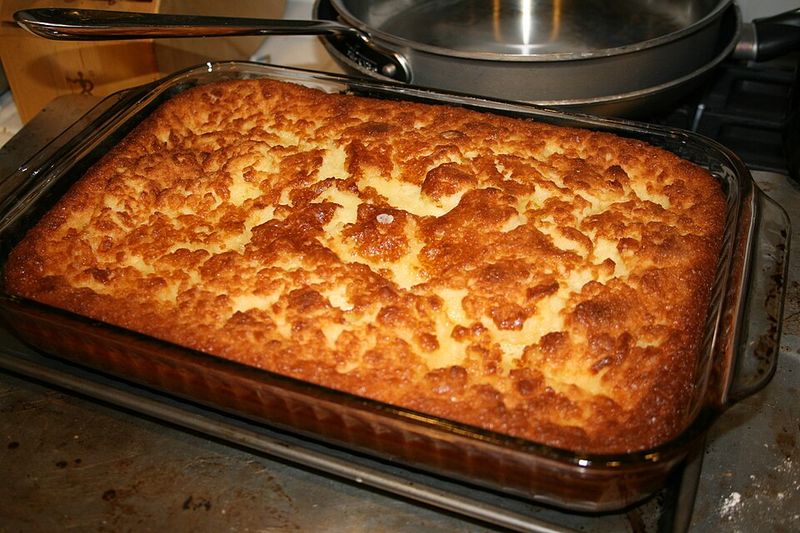
Butter Mochi is one of Hawaii’s most beloved baked treats, and its texture is genuinely unlike anything most people have tried before. Made with glutinous rice flour, butter, coconut milk, eggs, and sugar, it bakes up with a golden, slightly crispy crust on the outside and a dense, chewy, almost bouncy interior.
It is not quite a cake, not quite a brownie, and not quite a mochi candy, but it borrows the best qualities from all three. The coconut milk gives it a tropical richness, and the butter adds a depth that keeps each bite from feeling too sweet.
Butter Mochi is a staple at Hawaiian potlucks and family gatherings, and almost every family has their own version with small tweaks to the recipe. It reflects the Japanese influence on Hawaiian cuisine through the use of mochiko rice flour.
Cut into squares and served at room temperature, it is the kind of dessert that disappears from the table very quickly.
13. Chipsi Mayai – Tanzania
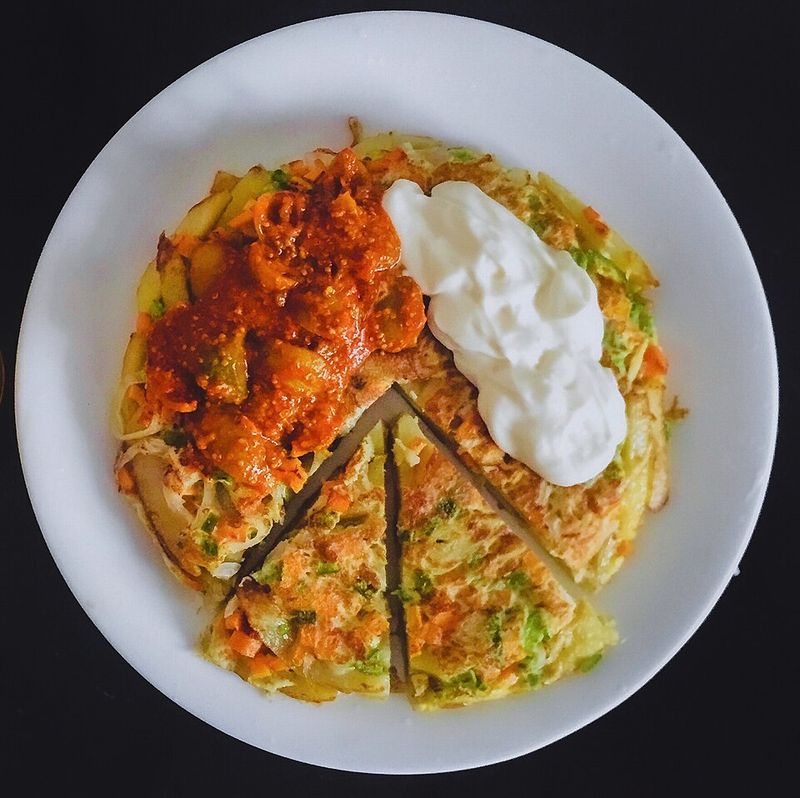
Chipsi Mayai translates directly from Swahili as “chips eggs,” and that is exactly what it is: French fries cooked into a beaten egg omelet. It sounds like something you might throw together from leftovers, but in Tanzania, this dish is a street food institution.
Vendors across Dar es Salaam and other Tanzanian cities cook it fresh on flat griddles, pressing the fries into the egg mixture as it sets. The result is a thick, satisfying omelet with crispy fries embedded throughout, usually served with a side of ketchup or chili sauce.
It is cheap, filling, and fast to make, which explains why it has become one of the most popular grab-and-go meals in the country. Many people eat it for breakfast, lunch, or a late-night snack.
The simplicity of Chipsi Mayai is its greatest strength, and first-time visitors to Tanzania often name it as one of the most surprisingly enjoyable things they ate on the trip.
14. Martabak Manis – Indonesia
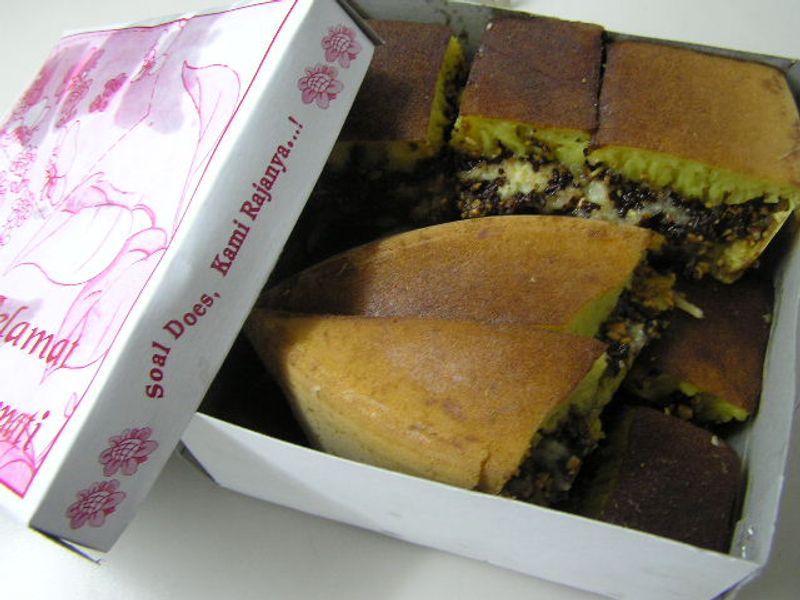
Martabak Manis is the kind of street food that stops you in your tracks when you see it being made. A thick, yeast-leavened batter is poured into a large round pan and cooked until it puffs up with hundreds of tiny bubbles across the surface.
Then comes the toppings, and that is where things get creative.
Chocolate sprinkles, crushed peanuts, condensed milk, butter, and shredded cheese are all common additions, often combined together in ways that sound questionable but taste completely addictive. The cheese-and-chocolate combination in particular tends to surprise people the most, but the saltiness of the cheese actually enhances the sweetness of the chocolate.
Martabak Manis is sold at night markets across Indonesia, especially in Jakarta and Bandung, and the smell of it cooking draws crowds from half a block away. Modern versions now include Nutella, Oreos, and matcha, but the classic combination remains the most popular.
It is indulgent, generous, and deeply satisfying.
15. Brunost on Bread or Waffles – Norway
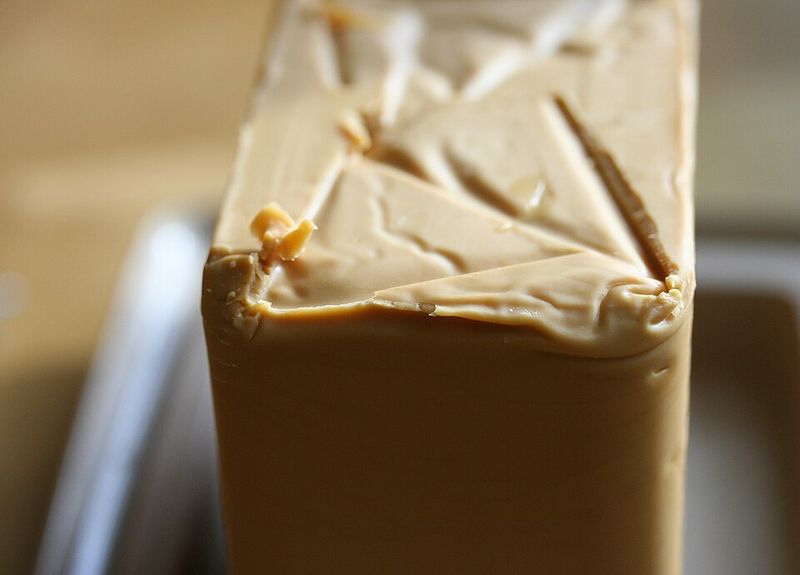
Brown cheese on a waffle sounds like a strange pairing, but once you understand what brunost actually tastes like, the combination makes complete sense. Brunost is a Norwegian whey cheese made by slowly cooking whey, milk, and cream until the sugars caramelize, giving it a deep brown color and a flavor that is sweet, slightly tangy, and reminiscent of caramel fudge.
It is traditionally sliced paper-thin using a cheese slicer, a tool that was actually invented in Norway, and laid over bread, crispbread, or the soft, heart-shaped waffles that are a staple of Norwegian homes and cafes. The sweetness of the cheese pairs naturally with the mild flavor of the waffle, creating a snack that feels both comforting and a little unexpected.
Brunost accounts for a significant portion of all cheese consumed in Norway each year. Visitors often approach it with skepticism but leave wanting to bring a block home.
It is one of those foods that genuinely defies first impressions.
Share this story