Some of your favorite foods might not be around forever. Climate change, disease, overfishing, and environmental damage are putting pressure on many ingredients we take for granted every day.
From your morning coffee to a slice of chocolate cake, the foods we love are facing real and growing threats. Here is a look at 15 foods that scientists and experts warn could become much harder to find in the years ahead.
1. Arabica Coffee
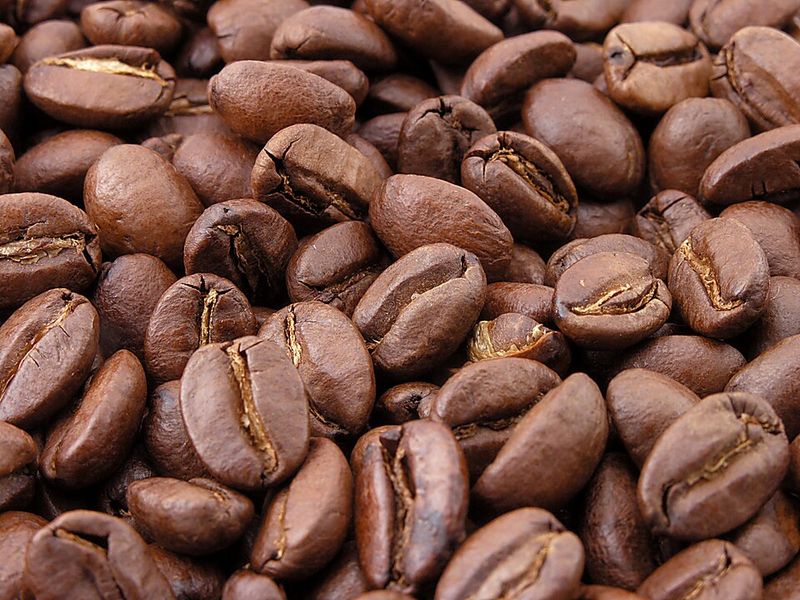
Your morning cup of coffee might be harder to brew in the future. Arabica coffee, which makes up about 60% of the world’s coffee supply, is extremely sensitive to temperature changes.
Even small shifts in climate can ruin entire harvests.
Arabica plants thrive in a narrow range of temperatures and elevations. As global temperatures rise, suitable growing areas are shrinking fast.
A 2022 study found that up to 50% of current Arabica-growing land could become unusable by 2050.
Farmers in countries like Ethiopia, Colombia, and Brazil are already feeling the pressure. Some are moving crops to higher elevations, but that is not always possible.
Pests and plant diseases are also spreading more easily in warmer conditions, adding to the challenge. Coffee lovers may soon face higher prices and fewer options on store shelves.
2. Chocolate (Cacao)
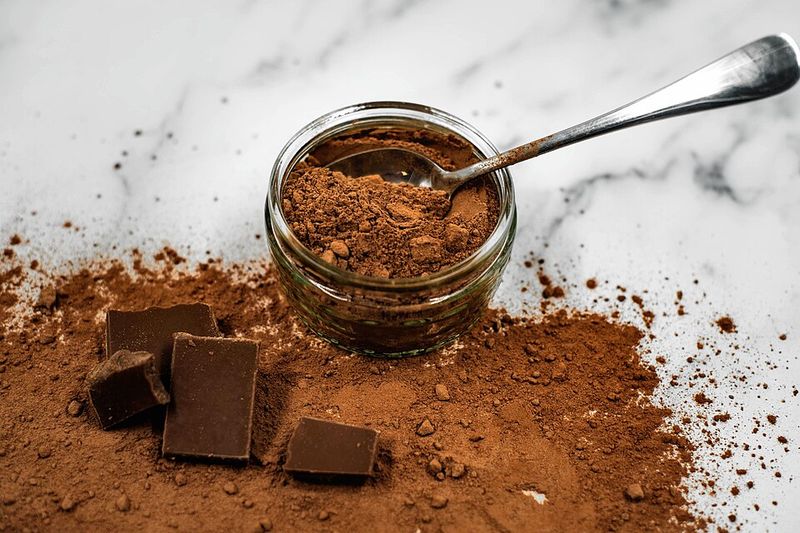
Chocolate starts with cacao, and cacao is in serious trouble. The trees that produce cacao beans grow only in a thin band around the equator, mostly in West Africa, which supplies about 70% of the world’s cacao.
These trees need very specific conditions to survive.
Rising temperatures and unpredictable rainfall are making those conditions harder to maintain. By 2050, many scientists predict that traditional cacao-growing regions will become too hot and dry for the crop.
Fungal diseases like witch’s broom and frosty pod rot are also devastating plantations.
Chocolate companies are investing in research to develop more heat-resistant cacao varieties, but progress is slow. Meanwhile, demand for chocolate keeps growing worldwide.
The combination of shrinking supply and rising demand could eventually make chocolate a luxury item that many people simply cannot afford.
3. Cavendish Bananas
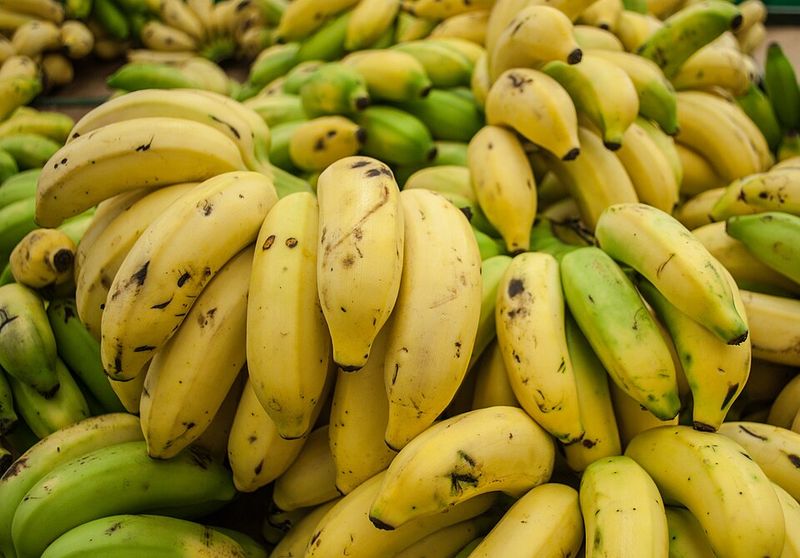
The banana sitting in your fruit bowl right now is almost certainly a Cavendish. This single variety makes up nearly half of all bananas grown in the world.
That lack of genetic diversity is a massive problem because one disease can wipe out the entire crop.
A fungal disease called Tropical Race 4, or TR4, is already spreading through banana farms across Asia, Africa, and Latin America. It attacks the roots of Cavendish plants and has no cure.
Infected soil can remain dangerous for decades, making it impossible to replant.
History has a warning here. The Gros Michel banana, which was the world’s most popular variety before the 1950s, was wiped out by a similar disease.
Scientists are racing to develop a resistant replacement, but so far, no widely available solution exists for everyday consumers.
4. Vanilla
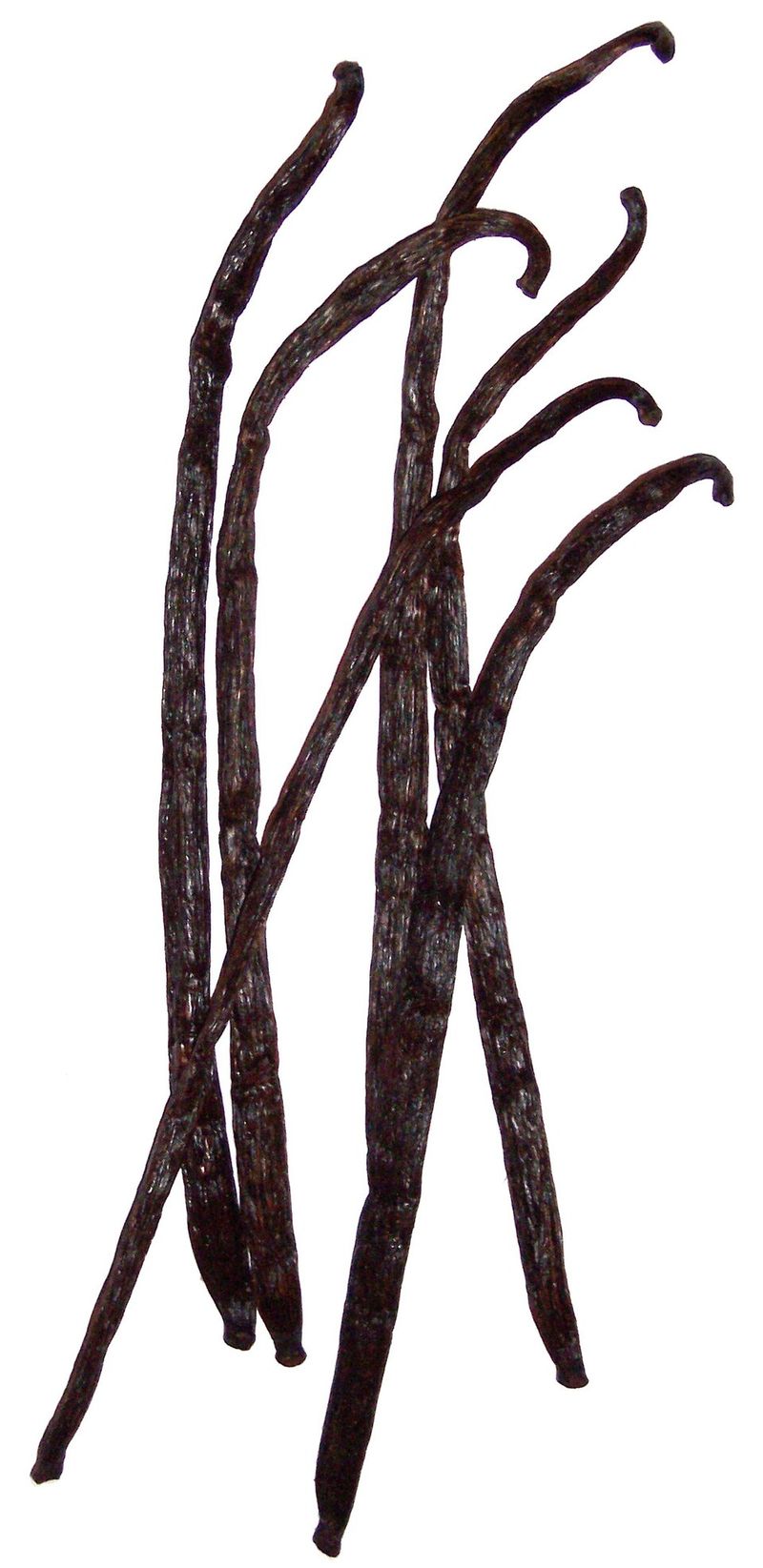
Real vanilla is one of the most labor-intensive crops in the world, and its future is far from certain. About 80% of the world’s natural vanilla comes from Madagascar, an island nation that is highly vulnerable to cyclones and climate disruption.
When a powerful storm hits, it can destroy years of work in hours.
Vanilla orchids must be hand-pollinated, since the natural pollinators in Madagascar are not efficient enough for large-scale farming. Each flower blooms for only one day, making the work incredibly time-sensitive and difficult.
This process makes natural vanilla extremely expensive even in good years.
Climate instability is making bad years more frequent. Vanilla prices have already surged dramatically in recent years, pushing many food companies to switch to artificial vanilla flavoring.
If conditions worsen, truly natural vanilla extract could become a rare and costly ingredient for most home cooks.
5. Wild Atlantic Salmon
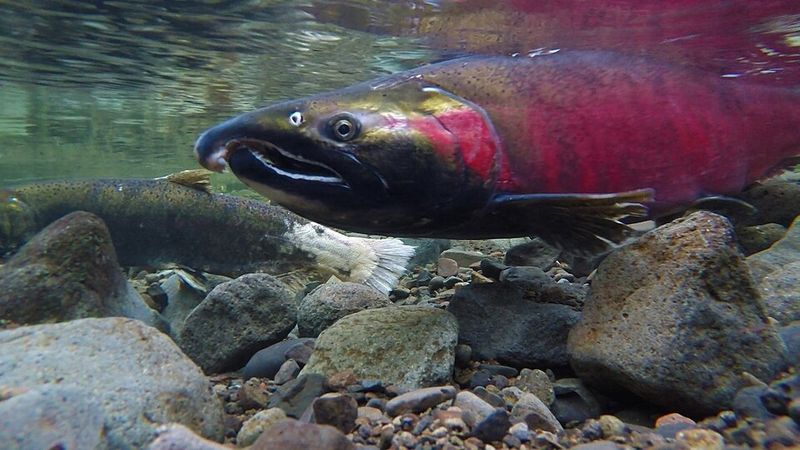
Wild Atlantic salmon were once so plentiful that workers in colonial America reportedly complained about being fed them too often. Today, the story is dramatically different.
Wild Atlantic salmon populations have collapsed across much of their historic range, and the species is now listed as endangered in many areas.
Warming ocean temperatures are disrupting the food chain that salmon depend on. Freshwater rivers used for spawning are heating up and drying out.
Hydroelectric dams block migration routes, and agricultural runoff pollutes critical habitats.
Overfishing in past decades pushed populations to the edge, and recovery has been painfully slow. Most salmon sold in stores today comes from fish farms, not the wild.
While farmed salmon helps meet demand, it does not replace the ecological role of wild populations. Catching truly wild Atlantic salmon is already restricted in many countries and may become impossible for future generations.
6. Bluefin Tuna
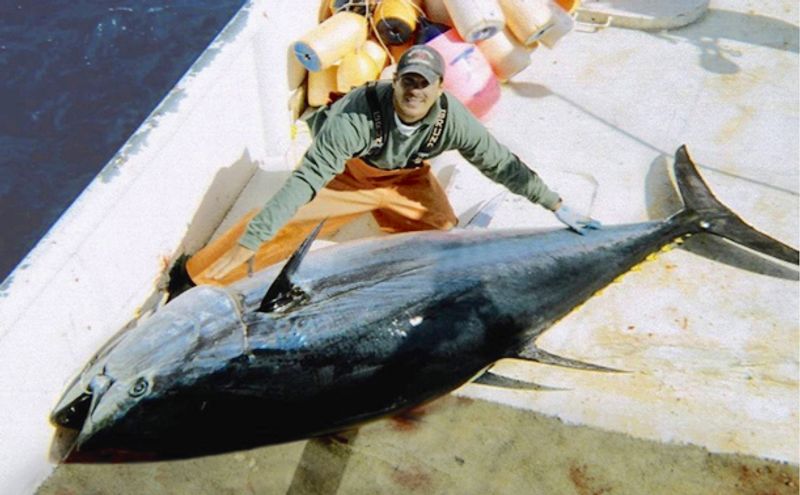
Bluefin tuna is one of the ocean’s most impressive creatures, capable of swimming at speeds up to 40 miles per hour and diving thousands of feet deep. It is also one of the most overfished species on the planet.
High demand, particularly from the sushi and sashimi market, has pushed populations to dangerously low levels.
Atlantic and Pacific bluefin tuna populations have both experienced severe declines over the past several decades. International fishing quotas exist, but enforcement is inconsistent, and illegal fishing remains a serious problem.
A single bluefin can sell for tens of thousands of dollars at auction in Japan.
Conservation efforts have shown some modest improvements in recent years, but scientists warn that populations are still far below healthy levels. As ocean temperatures rise and prey availability shifts, bluefin tuna face additional pressures beyond just fishing.
Their future on restaurant menus is genuinely uncertain.
7. Honey
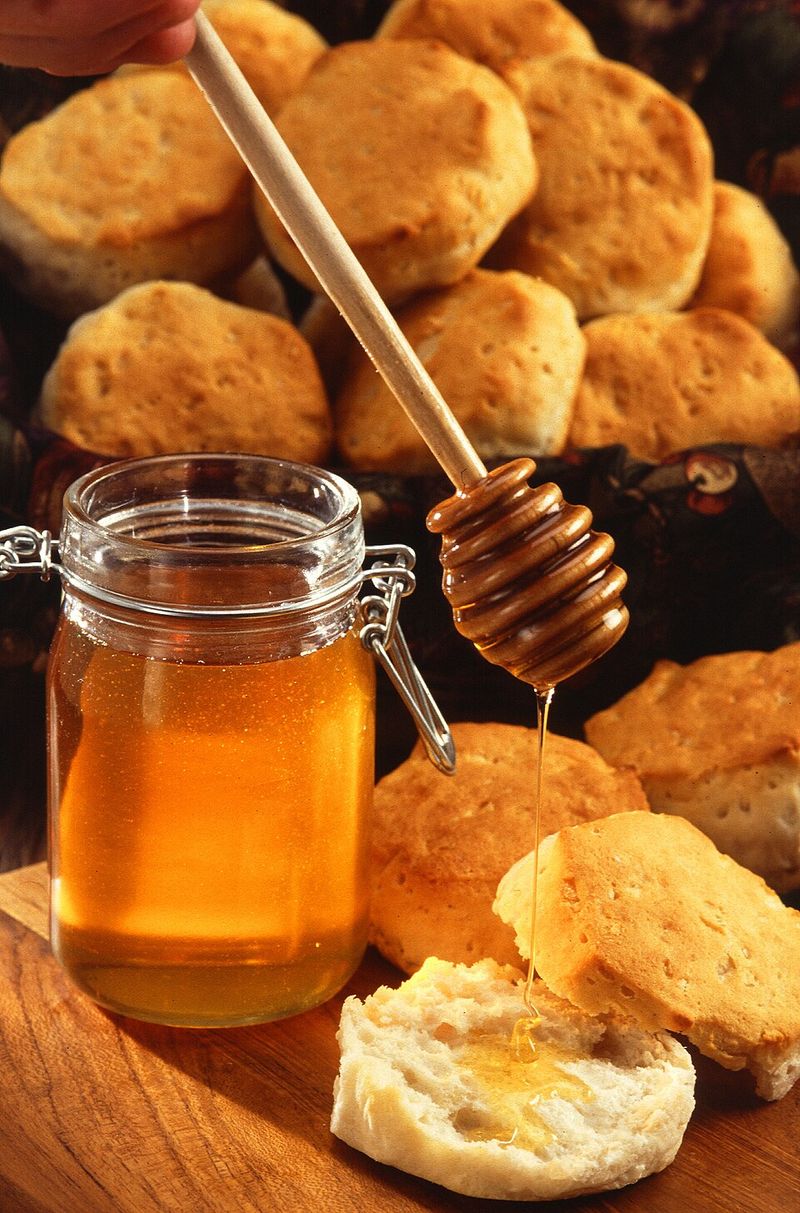
Honey has been collected by humans for at least 8,000 years, but the bees that make it are disappearing at an alarming rate. Colony collapse disorder, a mysterious phenomenon where worker bees abandon their hives, has been devastating bee populations around the world since the mid-2000s.
Pesticide use, habitat loss, parasites like the Varroa mite, and disease are all contributing to bee population declines. In the United States alone, beekeepers have reported losing between 30% and 40% of their colonies annually in recent years.
This affects not just honey production but also the pollination of many food crops.
Without enough bees, honey supplies tighten and prices climb. Some specialty honey varieties, like Manuka from New Zealand or raw wildflower honey, are already expensive and harder to find.
If bee populations continue declining, honey could shift from a pantry staple to an occasional treat.
8. Maple Syrup

Maple syrup feels like a permanent fixture on breakfast tables across North America, but its production depends on a very specific seasonal window. Sugar maple trees need cold winters followed by warm spring days to produce the sap that gets boiled into syrup.
That temperature pattern is becoming less reliable every year.
In parts of Canada and the northeastern United States, the maple sugaring season is starting earlier and ending sooner. Warmer winters mean less sap flow and shorter production windows.
Some maple producers have already reported significant drops in output, and the geographic range suitable for sugar maples is slowly shifting northward.
Canada produces about 70% of the world’s maple syrup, so any disruption there has global consequences. Prices have already been creeping upward.
Scientists estimate that by 2100, the classic maple syrup belt could shrink dramatically, making this beloved natural sweetener much harder to find and afford.
9. Olive Oil
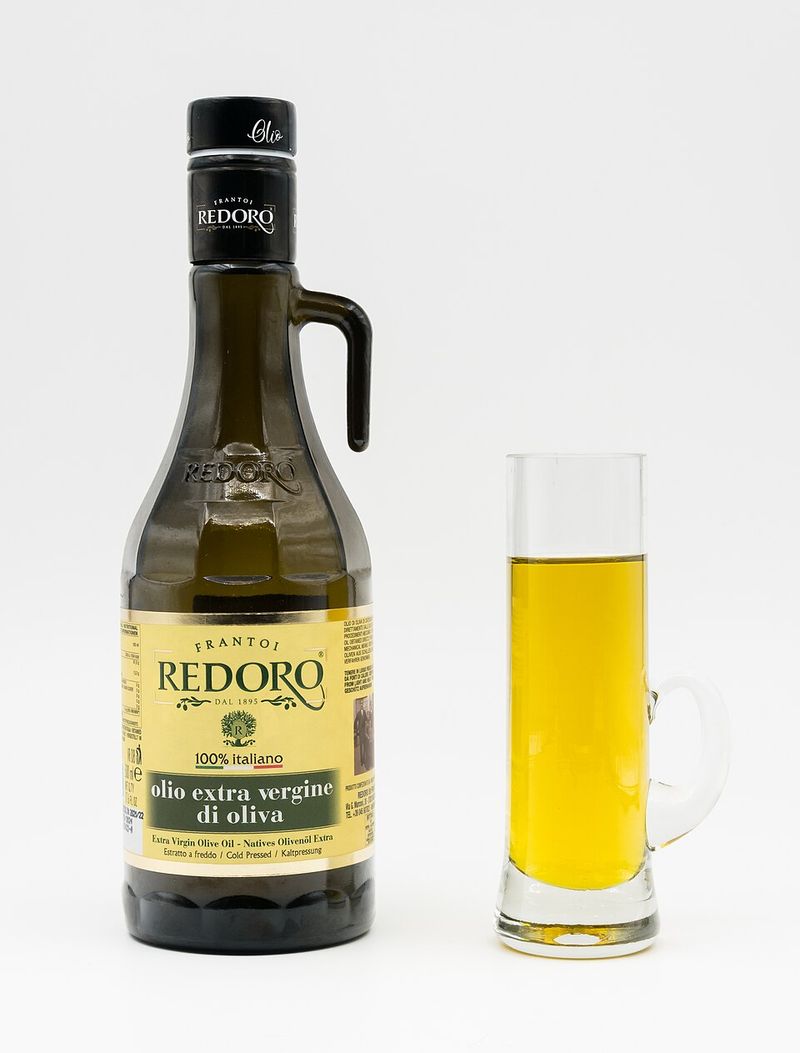
Olive oil has been central to Mediterranean cooking and culture for thousands of years. Ancient Greeks considered it sacred, and today it remains one of the most widely used cooking oils in the world.
But olive production is facing threats that even ancient farmers never had to deal with.
A deadly bacterium called Xylella fastidiosa has been devastating olive groves across southern Italy, killing millions of trees since it was first detected there in 2013. The disease has no cure, and infected trees must be destroyed.
Climate change is also bringing more extreme heat waves and droughts to traditional olive-growing regions in Spain, Italy, and Greece.
Global olive oil production has dropped sharply in recent years, and prices have surged as a result. In 2023 and 2024, olive oil prices hit record highs in many markets.
Shoppers who once bought it without thinking are now carefully checking unit prices before adding it to their cart.
10. Avocados
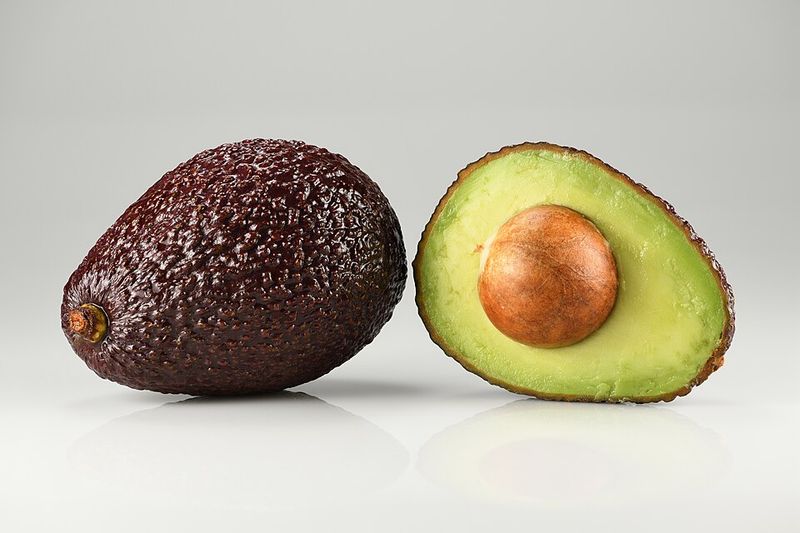
Avocado toast and guacamole have become cultural icons, but the avocados behind them are surprisingly fragile. Growing avocados requires enormous amounts of water, roughly 70 gallons per pound of fruit.
In drought-prone growing regions like California, Chile, and parts of Mexico, that water demand is becoming increasingly difficult to meet.
Mexico supplies about 45% of the world’s avocados, and its main growing region of Michoacan faces both water stress and security concerns that can disrupt supply chains. Climate shifts are also affecting flowering and fruiting cycles, leading to inconsistent harvests from year to year.
Avocado trees take several years to mature and produce fruit, making it hard for farmers to quickly adapt to changing conditions. Consumer demand, meanwhile, has exploded globally over the past decade.
If water scarcity worsens and growing conditions deteriorate further, avocado prices could climb well beyond what most shoppers consider reasonable.
11. Oysters
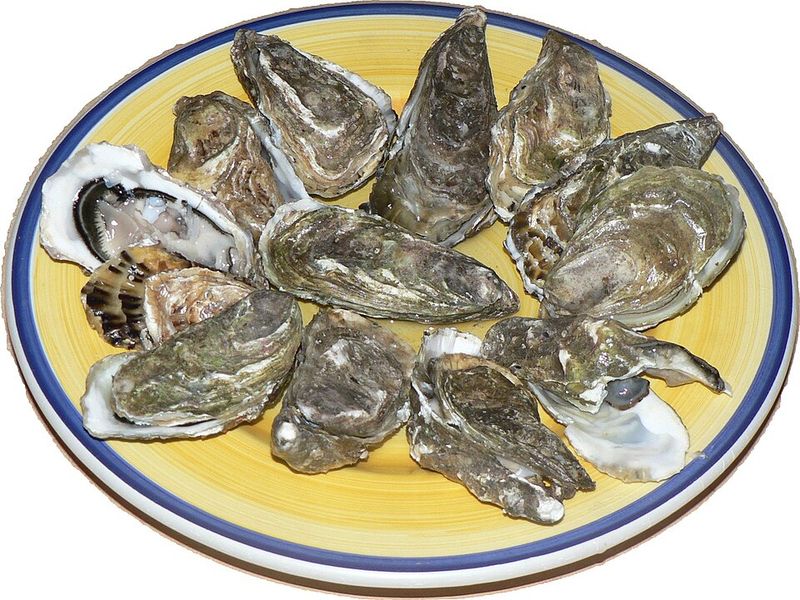
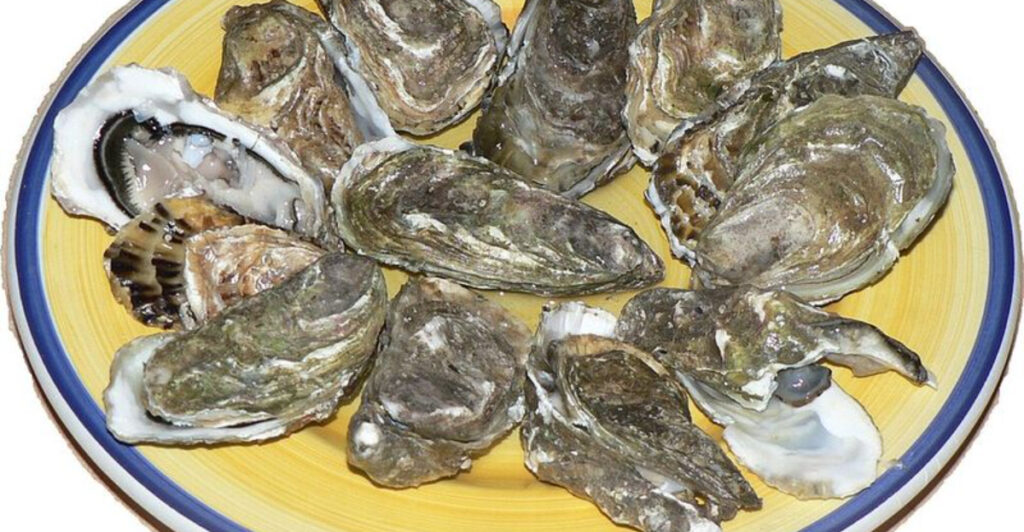
Oysters have been eaten by coastal communities for thousands of years, and they play a critical role in ocean ecosystems by filtering water and creating habitat for other species. But ocean acidification, driven by rising carbon dioxide levels in the atmosphere, is making life increasingly difficult for oysters and other shellfish.
As oceans absorb more CO2, the water becomes more acidic. This makes it harder for oysters to form the calcium carbonate shells they need to survive.
Young oysters are especially vulnerable, and hatcheries in the Pacific Northwest have already reported significant losses tied directly to acidification.
Warming ocean temperatures are also spreading harmful algal blooms, which can make oysters unsafe to eat and force temporary closures of oyster beds. Pollution from coastal development adds further pressure.
Wild oyster populations have declined by about 85% globally since the 1800s, and farmed oysters face growing challenges of their own.
12. Wine Grapes
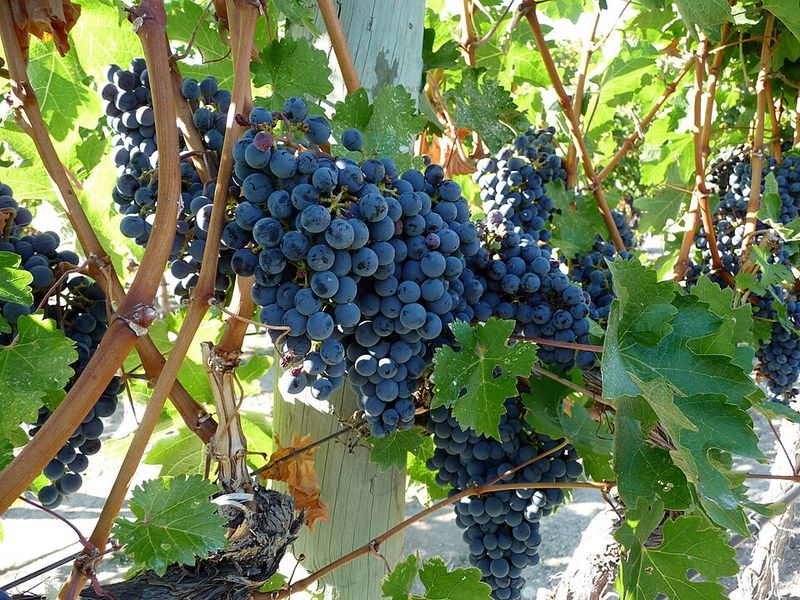
Wine grapes are among the most climate-sensitive crops on earth. The world’s most celebrated wine regions, from Bordeaux in France to Tuscany in Italy and Napa Valley in California, built their reputations over centuries of carefully matched climate and grape variety.
That match is coming undone.
Rising temperatures are causing grapes to ripen faster and earlier, altering the sugar and acid balance that gives fine wines their distinctive character. Extreme heat events can scorch grapes on the vine, while unpredictable frosts damage early buds.
Winemakers are already experimenting with different grape varieties and moving vineyards to cooler elevations and latitudes.
Some traditional wine regions may become too hot for their signature grapes within decades. Meanwhile, new wine regions are emerging in places like England, Scandinavia, and even parts of Canada.
The map of global wine production is being redrawn, and classic bottles from historic regions could become much rarer and pricier.
13. Oranges
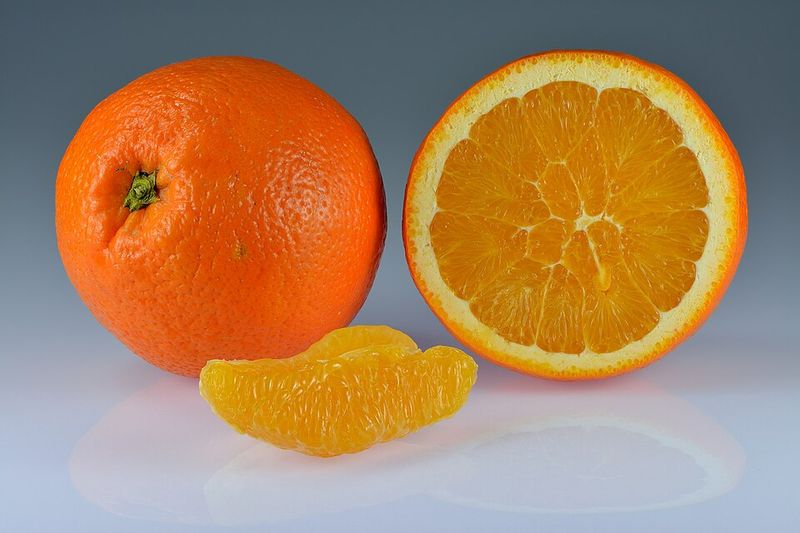
Fresh-squeezed orange juice at breakfast feels like a timeless ritual, but citrus groves around the world are under serious attack. A disease called citrus greening, also known as huanglongbing or HLB, has no cure and has already devastated orange production in Florida, once one of the world’s top producers.
Spread by a tiny insect called the Asian citrus psyllid, citrus greening causes fruit to turn bitter and misshapen before the tree eventually dies. Florida’s orange production has dropped by more than 90% since the disease arrived in 2005.
Brazil, the world’s largest orange producer, is also battling the disease.
Researchers are working on developing disease-resistant citrus varieties and biological controls for the psyllid, but no widely effective solution has reached farmers yet. Climate change is helping the psyllid spread into new areas.
Orange prices have already risen noticeably, and supply disruptions could become more frequent in the years ahead.
14. Rice
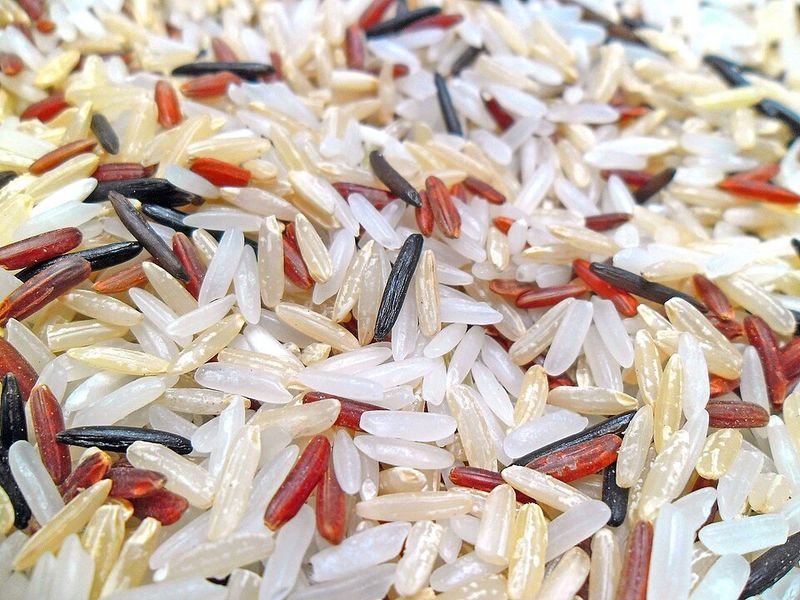
Rice feeds more than half of the world’s population and has been a dietary staple across Asia, Africa, and Latin America for thousands of years. Despite its reputation as a reliable crop, rice is facing a growing set of threats that could significantly reduce global supplies in the coming decades.
Rice paddies require large amounts of freshwater, and water scarcity is increasing in major rice-growing countries like India, China, and Pakistan. Rising sea levels are pushing saltwater into coastal farmlands, making fields unsuitable for rice cultivation.
Extreme weather events like floods and droughts are also becoming more damaging and unpredictable.
Additionally, rice is a significant source of methane emissions, and pressure to reduce its environmental footprint may lead to changes in how and where it is grown. Scientists are developing drought-tolerant and salt-resistant rice varieties, but scaling those solutions globally takes time.
Any serious disruption to rice supply would affect billions of people.
15. Lobster
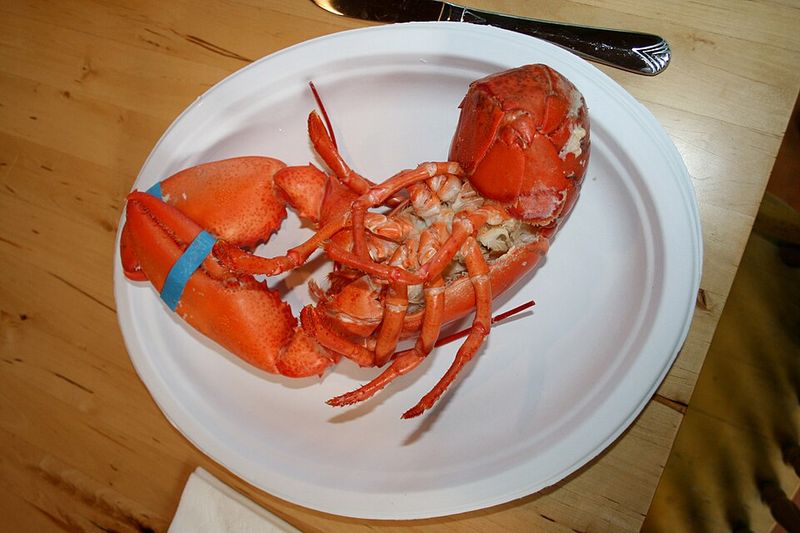
Lobster has transformed over the centuries from a food so common it was fed to prisoners and servants into one of the most sought-after delicacies in the world. Today, the American lobster fishery, centered in Maine and Canada, is one of the most valuable in North America.
But warming oceans are changing everything.
The Gulf of Maine is warming faster than almost any other body of water on earth. While lobsters have actually thrived in recent warmer temperatures, scientists warn that the water is approaching a tipping point.
If temperatures rise too much further, lobster populations could crash quickly, as they have already done in southern New England waters.
Warmer water also makes lobsters more vulnerable to shell disease and disrupts their molting cycles. Competing species are moving northward as the ocean warms, adding pressure.
The window for abundant, affordable lobster may be narrower than most seafood lovers realize.
Share this story