
Folk music in the 1970s sounded like a quiet conversation. A singer, an acoustic guitar, and a story were often all it took to fill a room.
Some of the songs on this list were released just before the decade began, yet they shaped the sound that defined it. Others arrived right in the middle of the era and became instant favorites.
Together they cover love, home, family, and big questions about life. Pick a few, press play, and see how fast the years roll back.
The Sound of Silence – Simon & Garfunkel
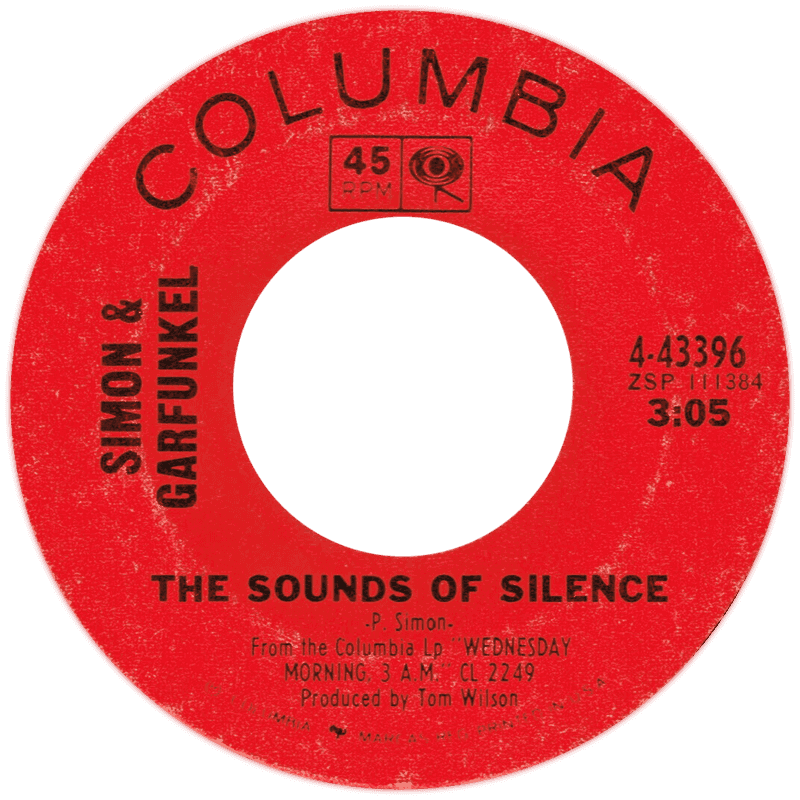
Some songs sound like a late-night thought you cannot shake. Paul Simon wrote this one, and Simon & Garfunkel first recorded an acoustic version for their 1964 debut album.
A later electric version turned it into a folk-rock hit. That change pushed the duo into the mainstream and made them a household name.
By the time the 1970s arrived, the pair were already among the leading voices of American folk rock. The melody is slow and serious, and the lyrics look at people who talk but never truly connect.
That idea has not aged. Phones, screens, and busy schedules have only made the message feel more current, which is why the song keeps finding new listeners.
It is a good one to play when you want something thoughtful. Listen closely to the harmonies, because the two voices blend so tightly that they almost sound like one.
Few folk songs have stayed this relevant for this long.
Blowin’ in the Wind – Bob Dylan
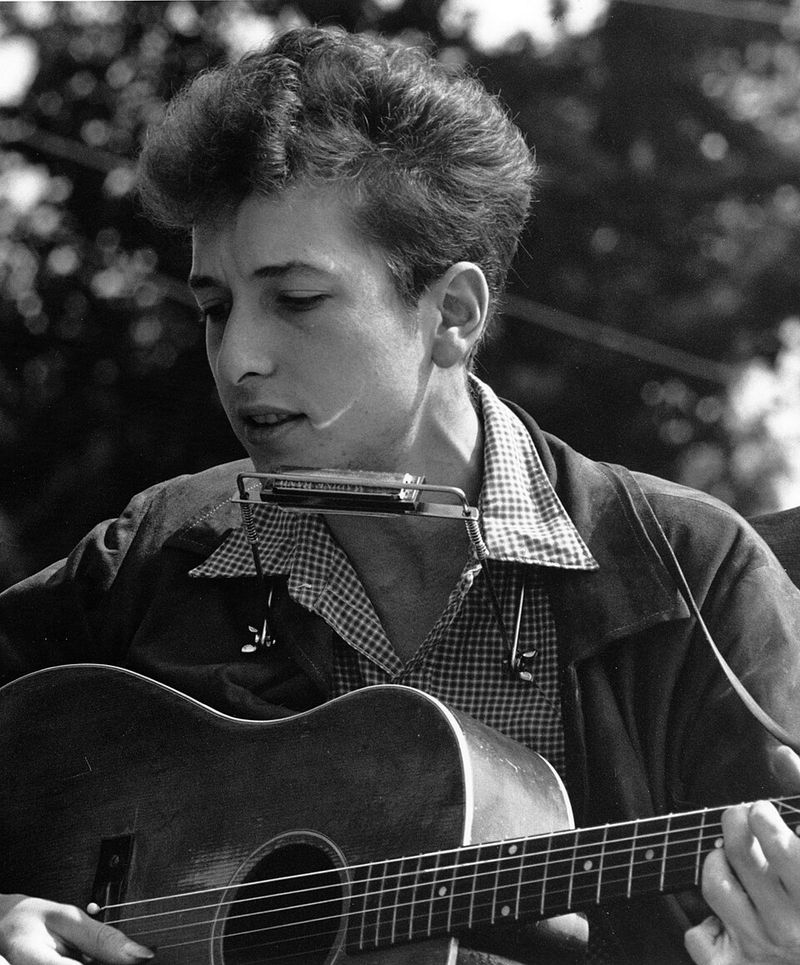
Nobody asks bigger questions with simpler words than Bob Dylan does here. He recorded the song in 1962, and it appeared on The Freewheelin’ Bob Dylan in 1963.
That is before the 1970s, yet its influence on the folk music of that decade is hard to miss. Many singer-songwriters learned from its plain approach.
The lyrics are built around questions about peace, freedom, war, and injustice. The answers are never spelled out, which leaves listeners to think them over.
The song became closely tied to the civil rights era. Its acoustic setup is plain, with a guitar, a steady rhythm, and a voice that does not try to be fancy.
That simplicity is the point. It showed that folk music could take on enormous social topics without sounding complicated, and later artists followed that lead.
Play it today and the questions still feel open.
Leaving on a Jet Plane – John Denver

Here is a fun twist: the most famous version of this song was not sung by its writer. Peter, Paul and Mary scored the No. 1 hit with it in 1969.
John Denver wrote it, and his own recording also comes from the late 1960s rather than the 1970s. Still, it became one of his best-known compositions.
The story is a simple departure. The narrator knows he has to go, yet he struggles with the pain of saying goodbye.
That honest, personal feeling fit well with the intimate singer-songwriter style that grew in the following decade. Listeners did not need a big production to feel the message.
It is a handy song to know if you have ever stood in an airport saying farewell. The tune is easy to hum, and the words are plain enough that anyone can follow along.
Cat’s in the Cradle – Harry Chapin

Harry Chapin turned an everyday family problem into one of the most unforgettable storytelling songs of the 1970s. Released in 1974, it follows a father who is always too busy for his son.
The boy keeps asking for time, and the father keeps promising to make it up later. The chorus repeats that promise like a gentle warning.
Years pass, and the roles effectively reverse. The father finally wants to spend time with his grown son, only to find the son is busy now.
He realizes the boy has followed the example he set. That twist is what gives the song its emotional punch.
The message about time, priorities, and missed chances has survived long after the decade ended. It is easy to understand, which is why parents and kids alike still talk about it.
The Night They Drove Old Dixie Down – Joan Baez
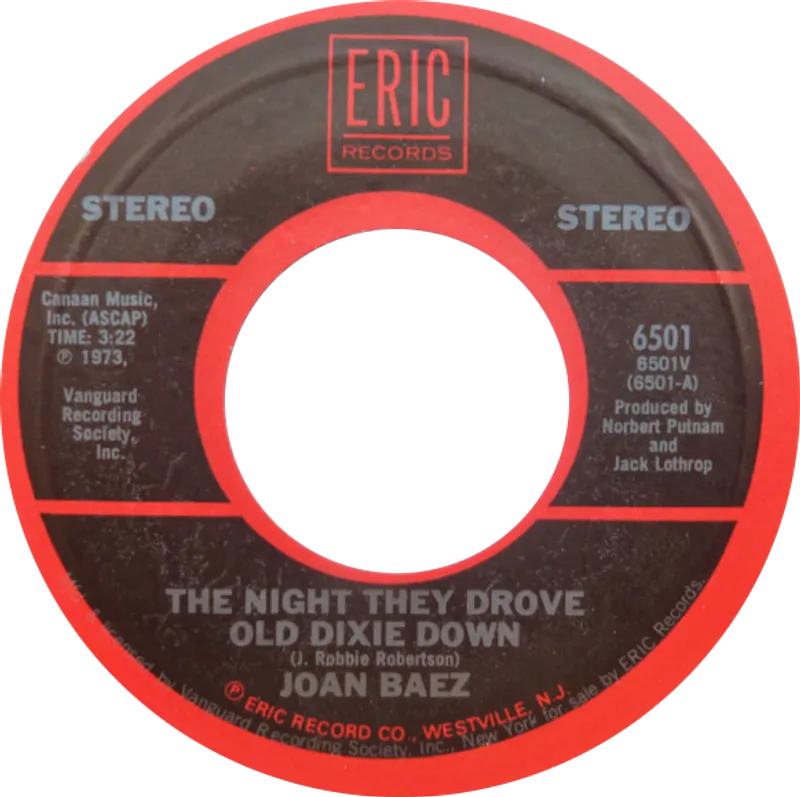
A chart number tells part of this story: No. 6 on the UK Singles Chart in 1971. That was the peak for Joan Baez with her recording of this song.
She brought it to a wider pop audience, though she did not write it. Robbie Robertson wrote the song, and The Band had recorded it earlier.
The story is told by a fictional Southerner during the closing stages of the American Civil War. It mixes historical imagery with a personal tale of hardship and loss.
Baez sings it with a clear, strong voice that lets the words take center stage. The arrangement stays focused on the story rather than flashy extras.
It is a good example of how folk singers in the early 1970s kept borrowing from each other. One writer’s song could become another artist’s signature moment, and listeners got to enjoy both versions.
If You Could Read My Mind – Gordon Lightfoot

Gordon Lightfoot had a talent for turning complicated feelings into deceptively simple songs. This ballad is one of his finest examples.
It looks at the breakdown of a relationship through images of ghosts, heroes, movies, and unfinished stories. Instead of a straight breakup tale, it feels more like a man thinking out loud.
The main frustration is wanting another person to understand feelings that are hard to explain. Most of us have been there, which is why the song connects so easily.
The song was already charting internationally by 1971, including a run on the UK Singles Chart. That shows how far Lightfoot’s quiet style could travel.
Try listening to the verses on their own and notice how few instruments are needed. A calm voice and a steady guitar carry nearly everything.
American Pie – Don McLean

Four weeks at No. 1 on the Billboard Hot 100 in early 1972 is quite a run. Don McLean’s song also happens to be one of the most debated ever written.
Released in 1971, it uses the 1959 plane crash that killed Buddy Holly, Ritchie Valens, and J.P. Richardson as a starting point.
From there it reflects on American music and culture.
The song is sprawling, with long verses and a chorus everyone can sing. That mix helped make it a phenomenon.
Fans have argued over its many references for decades. McLean has generally resisted endorsing the countless interpretations attached to every line.
That mystery is part of the fun. You can enjoy it as a sing-along, or you can dig into the lyrics with friends and compare theories.
Fire and Rain – James Taylor
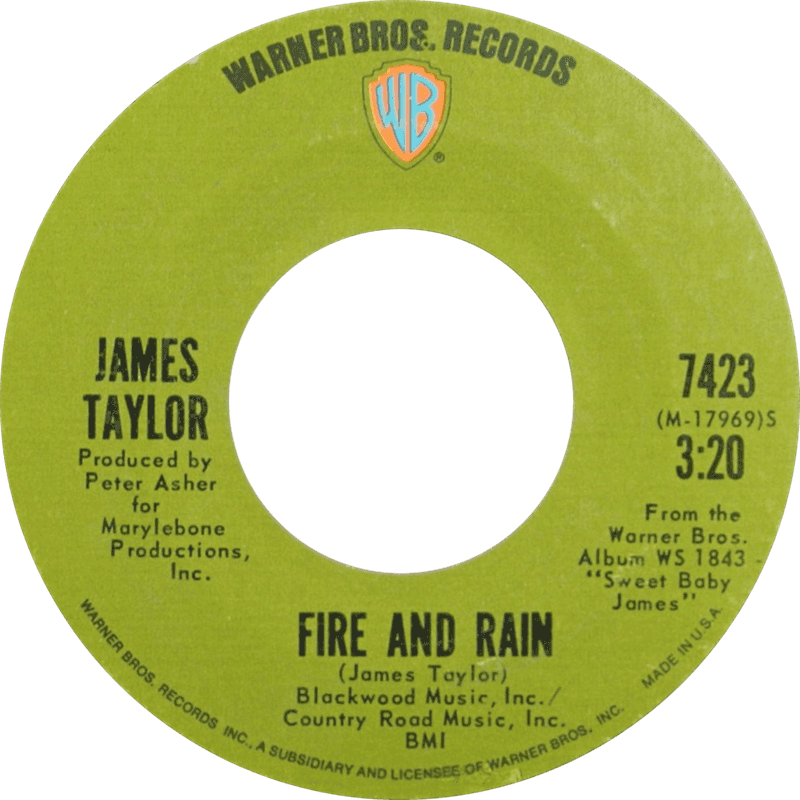
If one song set the tone for early 1970s singer-songwriters, this could be it. James Taylor helped establish a deeply personal sound that defined the era.
The song deals with grief, personal struggles, and difficult periods in Taylor’s life. It does that without turning them into melodrama.
His restrained vocals and acoustic guitar make it feel almost conversational. You get the sense that he is simply telling you what happened.
It was already appearing on the UK Singles Chart in November 1970. That confirmed its place among the decade’s earliest singer-songwriter standards.
The arrangement leaves plenty of space, which lets each lyric land clearly. It is a good pick for a quiet evening, and it shows how honest songwriting can reach a huge audience.
Heart of Gold – Neil Young

This was one of the biggest hits of Neil Young’s career. Released in 1972, it pairs his unmistakable voice with acoustic guitar and harmonica.
The lyrics describe a search for honesty, goodness, and meaningful connection. The narrator keeps looking, and the song never pretends the search is easy.
The stripped-down folk-country sound proved remarkably accessible. Even people who did not follow folk music found it easy to enjoy.
The song reached the UK Top 10 in 1972. It also became one of Young’s signature recordings around the world.
Listen for how the harmonica enters, because it adds a lonesome touch without crowding the melody. It is a short, direct song that shows how much a few simple choices can accomplish.
Wild World – Cat Stevens

Few breakup songs sound this gentle and this conflicted. Cat Stevens sings from the view of someone watching a former partner leave.
The song appeared on Tea for the Tillerman and dates to 1970. His official site dates it to November 1970.
Instead of anger, the narrator shows worry about the difficulties she may face on her own. He is sad, but he also clearly cares.
That mix of sadness, affection, and resignation helped make it one of Stevens’ most recognizable recordings. The tune is easy to remember, with a bright guitar rhythm that sits against the heavier words.
It is a good reminder that folk songs can hold two feelings at once. Play it next to a louder breakup song and you will hear how different a calm approach can be.
The Weight – The Band
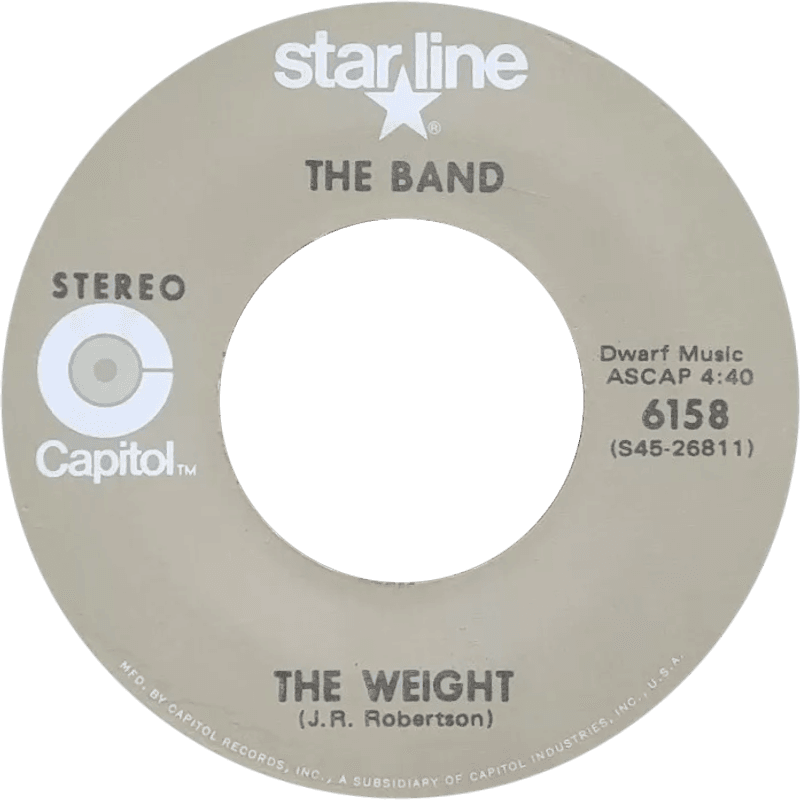
Nazareth, odd favors, and a lot of strange characters make up this road story. The Band released it in 1968, so it technically predates the 1970s.
Even so, its mix of folk, country, gospel, and rock strongly influenced the roots-oriented music that followed. Many bands of the next decade borrowed from that blend.
The lyrics follow a traveler arriving in Nazareth and meeting people who hand him obligations. Nobody explains the details, and that is part of the charm.
Listeners do not need to understand every reference to enjoy it. The chorus is unforgettable, and the shared vocals give it a communal feel.
That feel made it a roots-rock standard. It works well as a group sing-along, since everyone can join the chorus even if they miss the verses.
Both Sides, Now – Joni Mitchell

This song had a head start before Joni Mitchell sang it herself. She wrote it, and Judy Collins turned it into a major recording first.
Mitchell then released her own version on her 1969 album Clouds. That means it arrived just before the 1970s, right as she was becoming one of the decade’s most important singer-songwriters.
The song uses clouds, love, and life as metaphors. It explores how experience can change the way we see things that once seemed simple.
Its mix of vulnerability and sophisticated songwriting helped set the style Mitchell would develop further. The words feel different at different ages, which gives the song lasting appeal.
A young listener may hear a pretty melody. An older listener may hear a lifetime of lessons packed into a few verses.
Take Me Home, Country Roads – John Denver
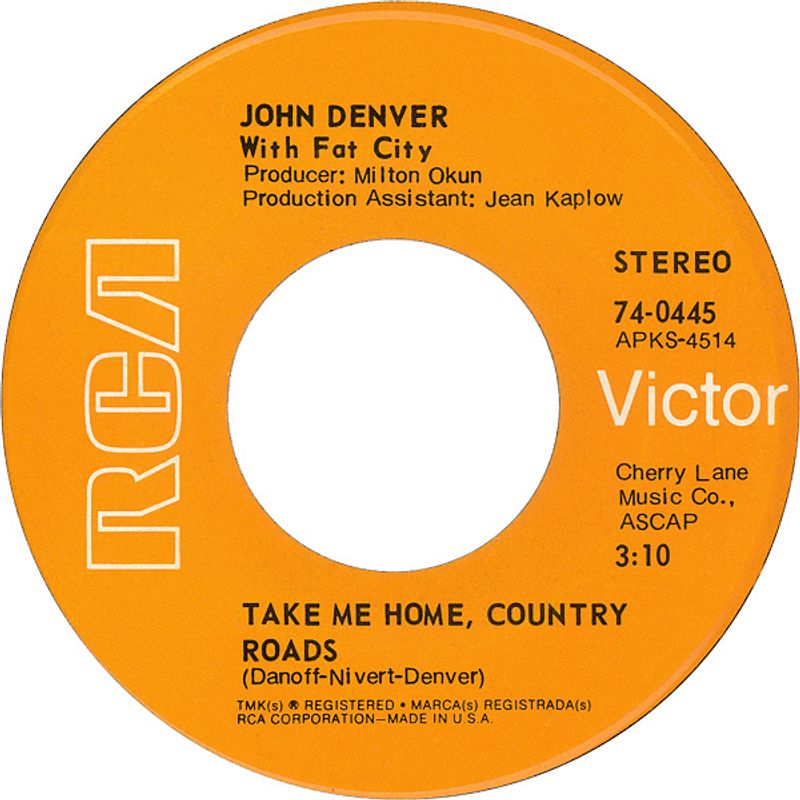
Few recordings are tied to John Denver as closely as this one. Denver wrote it with Bill Danoff and Taffy Nivert, and his official site credits all three.
The 1971 song turned an idealized view of West Virginia into an anthem about belonging. Many people who have never visited the state still sing along.
Its staying power is extraordinary. Official Charts has identified it among the UK’s most-streamed recordings originally released in 1971.
That is decades after Denver first recorded it. Few songs from that year still draw that kind of attention.
The chorus is simple enough for any crowd to join. It is a handy pick for road trips, when everyone in the car can share the tune.
Annie’s Song – John Denver
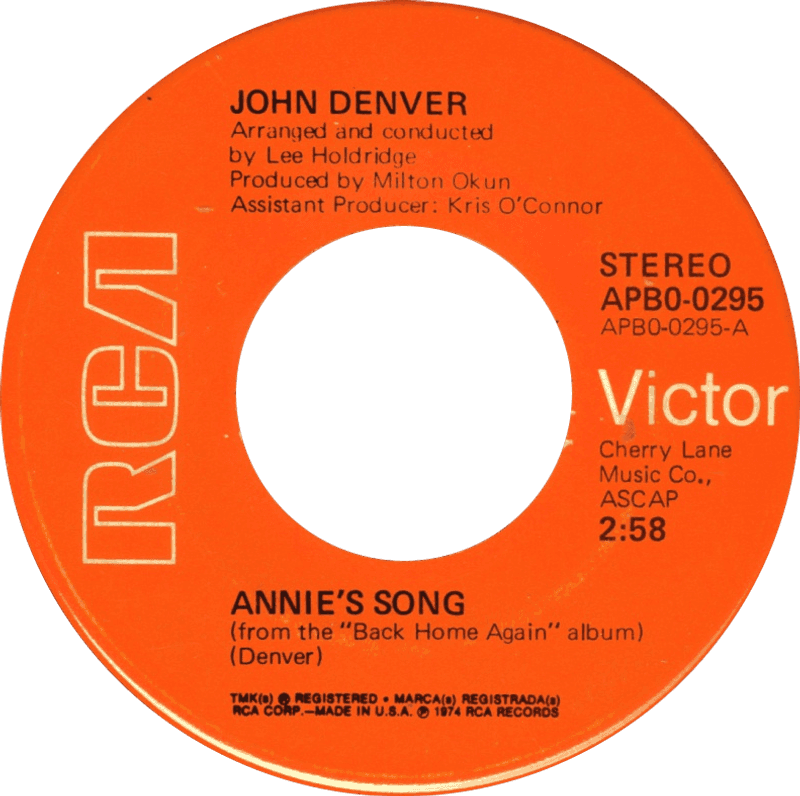
A ski lift in Switzerland is where John Denver reportedly wrote this song. He was inspired by the scenery and his feelings for his wife, Annie Martell.
Released in 1974, it became one of the decade’s best-known love songs. It stayed popular long after the year it came out.
Instead of telling a detailed romantic story, Denver uses images from nature and the senses. The lines are short and the feeling is overwhelming affection.
Its simplicity worked. The song reached No. 1 in the United States and later topped the UK Singles Chart as well.
It is often chosen for weddings and anniversaries. The melody is slow and sweet, and the words are easy to share with someone special.
Father and Son – Cat Stevens
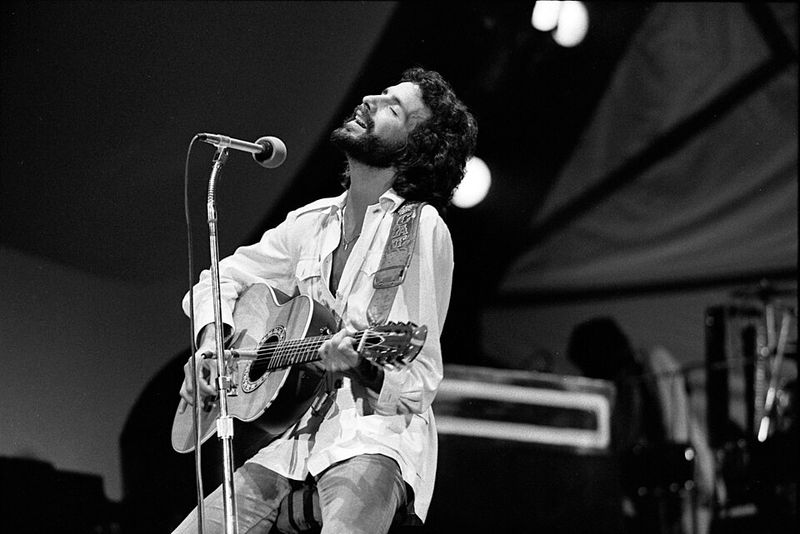
Two voices share one song, and both of them make a fair point. Cat Stevens lets listeners hear both sides of a familiar conflict.
Released in November 1970, the song alternates between an older father and a younger man. The father believes his son should settle down, while the son feels compelled to leave and build a different life.
Stevens changes his vocal approach as he moves between the two perspectives. That choice turns what could have been a simple argument into something much more sympathetic.
Neither character is presented as entirely wrong. That balance helps explain why the song still connects with different generations.
It is a good one to share with family. Parents and teens may each hear a different side, and that can start a real conversation.
Suzanne – Leonard Cohen

This is the oldest recording on the list. Leonard Cohen’s version appeared in 1967 on his debut album, Songs of Leonard Cohen, several years before the 1970s began.
Yet his poetic songwriting became an important part of the singer-songwriter tradition that flourished in the next decade. Many later artists followed his lead.
The song was inspired by Suzanne Verdal and is set against imagery associated with Montreal. It blends romantic attraction, spirituality, and observation.
The result feels closer to poetry than conventional pop writing. You can read the lyrics on their own and still find plenty to think about.
The quiet arrangement shows one of folk music’s greatest strengths. Sometimes a memorable voice, a few chords, and an extraordinary story are enough.
Share this story