Heavy metal has always been about raw power, and nothing proves that more than the vocalists who carried entire bands on the strength of their voice alone. No pitch correction, no layered overdubs hiding a weak performance, just pure vocal ability delivered night after night.
These singers defined what heavy metal could sound like, from operatic highs and haunted lows to growls that shook arenas. Whether you grew up headbanging in the 1980s or discovered metal through a viral video last year, this list covers fifteen voices that left a permanent mark on the genre.
Rob Halford, Judas Priest
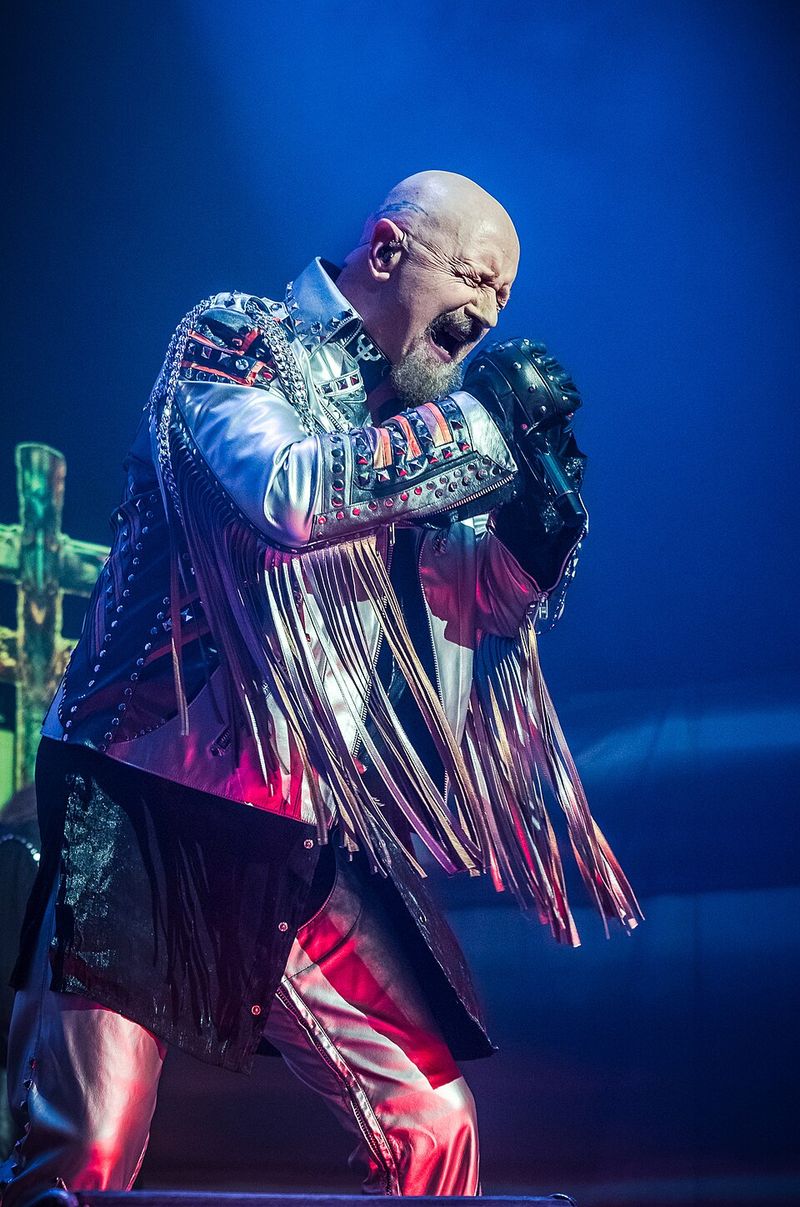
Few nicknames in rock history carry as much weight as “Metal God,” and Rob Halford earned every syllable of it. As the lead vocalist of Judas Priest, Halford brought a vocal range that seemed almost unreasonable, moving from gritty, low-end menace to glass-cutting falsetto screams within a single song.
That kind of flexibility was not common in heavy metal at the time, and it raised the bar for every singer who followed.
Halford joined Judas Priest in 1973, and the band’s influence on heavy metal grew steadily through decades of powerful records. His leather-and-studs stage image became so tied to the genre that it practically became a uniform.
In 2022, Judas Priest was inducted into the Rock and Roll Hall of Fame, a moment that felt long overdue for a band that helped write the rulebook. Halford’s voice is the reason those songs still hit hard today.
Ronnie James Dio, Rainbow, Black Sabbath, Dio
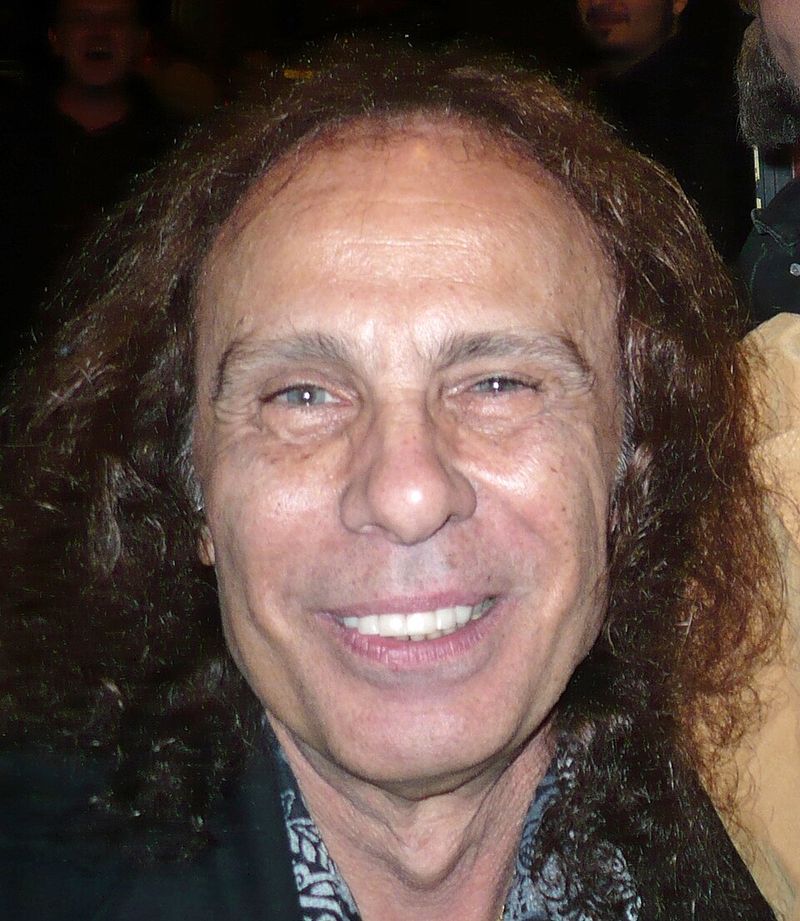
Ronnie James Dio had a voice that sounded like it was built for mythology. Powerful without forcing it, melodic without softening the heaviness, and theatrical without ever crossing into parody, his singing carried a heroic quality that few vocalists have matched before or since.
He fronted Rainbow, Black Sabbath, Dio, and Heaven and Hell, and each chapter of his career felt like a new chapter of an epic story.
Songs like “Holy Diver,” “Heaven and Hell,” and “Rainbow in the Dark” became benchmarks for what ambitious metal vocals could achieve. Dio is also widely credited with helping popularize the devil horns hand gesture in metal culture, a small detail that became a global symbol.
He passed away in 2010, but the influence he left behind remains one of the most discussed and respected in the entire genre. His voice simply did not age.
Bruce Dickinson, Iron Maiden
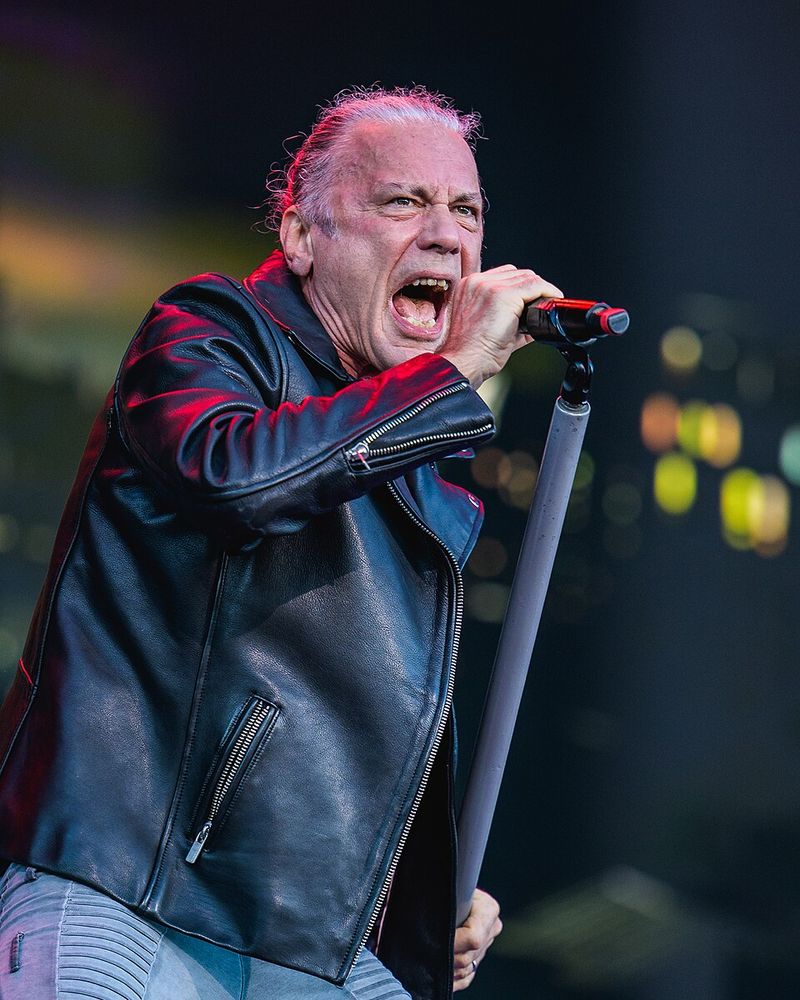
Bruce Dickinson’s voice has a quality that sounds almost architectural, like it was designed specifically to fill arenas. When he joined Iron Maiden in 1981, the band was already building momentum, but Dickinson’s operatic range and physical stage energy pushed them into a completely different league.
He could carry long, dramatic songs without losing intensity, which matters a lot when your setlist includes epics like “Rime of the Ancient Mariner.”
He left the band in 1993 and returned in 1999, and the reunion felt natural rather than forced because his voice had not lost its authority. Iron Maiden’s songs often feel cinematic, and a large part of that comes from Dickinson’s ability to deliver melody, storytelling, and raw force at the same time.
Whether soaring over galloping guitar riffs or pushing through a massive chorus, he sounds like someone who never needed a safety net in the studio.
Ozzy Osbourne, Black Sabbath
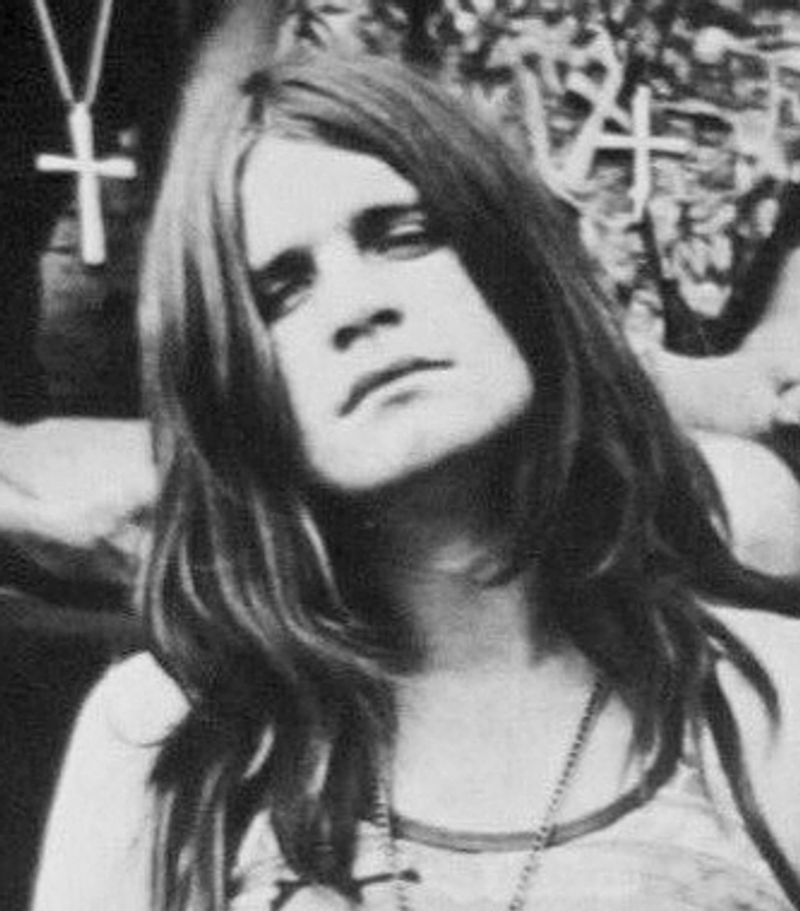
Ozzy Osbourne’s voice was never about technical perfection. It was about atmosphere, and that turned out to be far more powerful.
As the original vocalist of Black Sabbath, he brought a haunted, eerie tone to music that already sounded darker than anything else being made at the time. Black Sabbath formed in Birmingham in 1968 with Ozzy Osbourne, Tony Iommi, Geezer Butler, and Bill Ward, and together they created something that genuinely felt new.
That unsettling quality in Osbourne’s voice was not something producers manufactured. It was simply how he sounded, and it matched perfectly with Iommi’s downtuned, heavy riffs.
His solo career extended that legacy with songs like “Crazy Train” becoming rock radio staples. Osbourne passed away on July 22, 2025, but his vocal identity remains one of the most recognizable sounds in the history of heavy music.
Some voices just cannot be replicated.
James Hetfield, Metallica
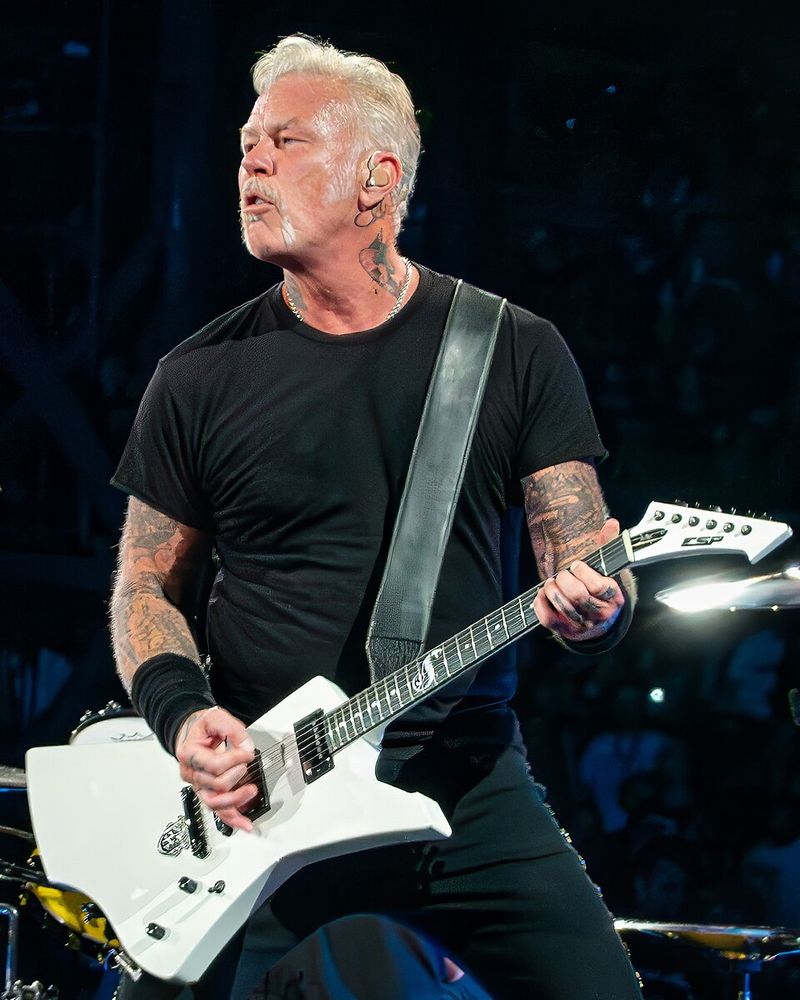
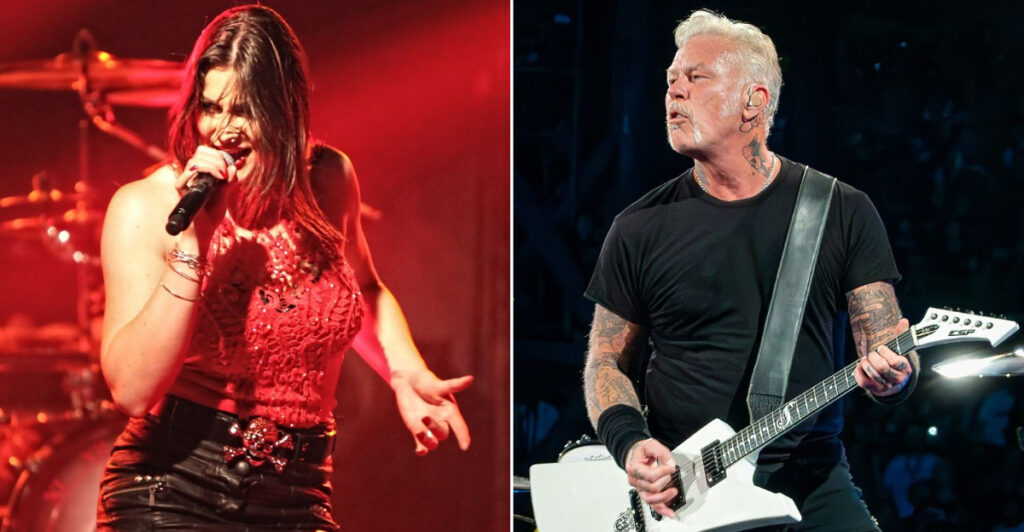
James Hetfield does something that most vocalists cannot do well: he sounds like part of the rhythm section. His delivery locks so tightly with his own rhythm guitar playing that the vocals often feel like an extension of the riff rather than something sitting on top of it.
That is not an accident. It comes from years of writing and performing where voice and guitar were always treated as one instrument.
Songs like “Master of Puppets,” “Enter Sandman,” and “Sad But True” have a chant-like quality that made them massive crowd participation moments in arenas worldwide. Hetfield’s voice is raspy, muscular, and precise, built for aggression but also capable of carrying a melody when the song calls for it.
As Metallica’s co-founder, lead vocalist, and primary rhythm guitarist, he helped give thrash metal a commanding identity that outlasted every trend that came after it.
Floor Jansen, Nightwish
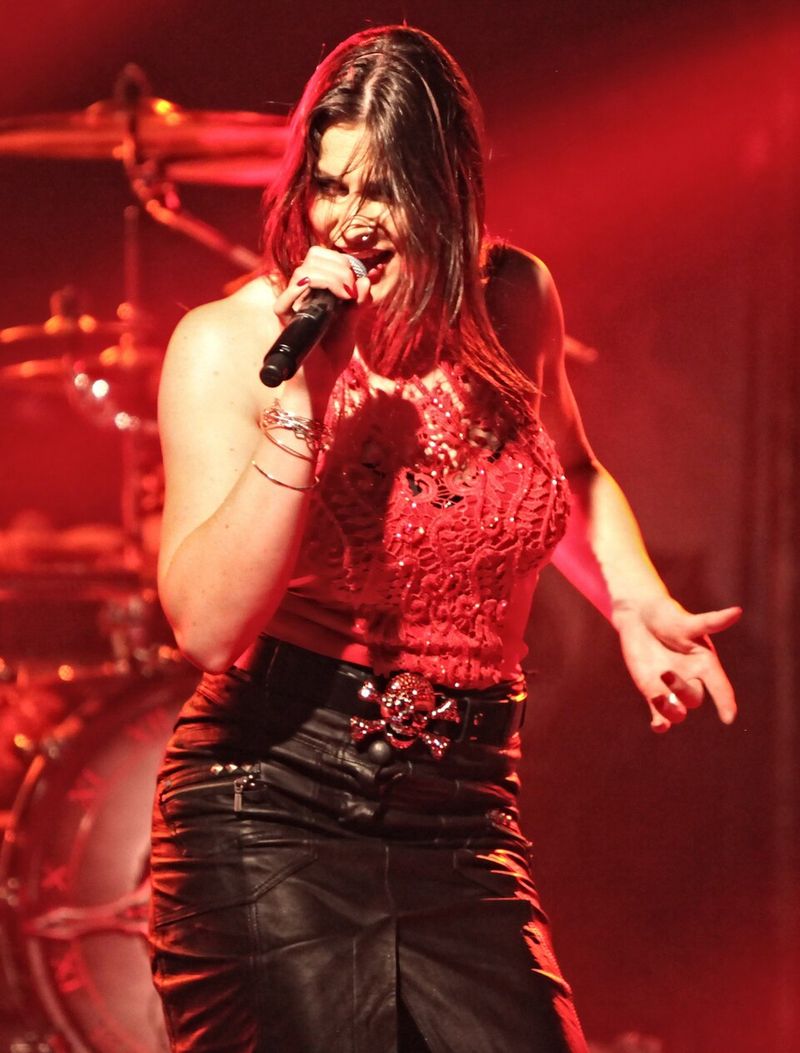
Floor Jansen’s vocal range is the kind that makes other professional singers stop and pay attention. As the current lead vocalist of Nightwish, she regularly moves between classical soprano technique, powerful chest belting, softer emotional passages, and harsh metal-style delivery, sometimes within a single song.
That flexibility is rare, and it is not something that can be faked with studio processing.
Before joining Nightwish, Jansen fronted After Forever and later formed ReVamp, giving her a long and active history in symphonic and progressive metal before she ever stepped into one of the genre’s biggest stages. Nightwish’s music demands a vocalist who can sound both theatrical and physically powerful, and Jansen handles that balance with a level of control that few singers in any genre can match.
She did not just fill the role left by previous vocalists. She expanded what the role could be.
Corey Taylor, Slipknot
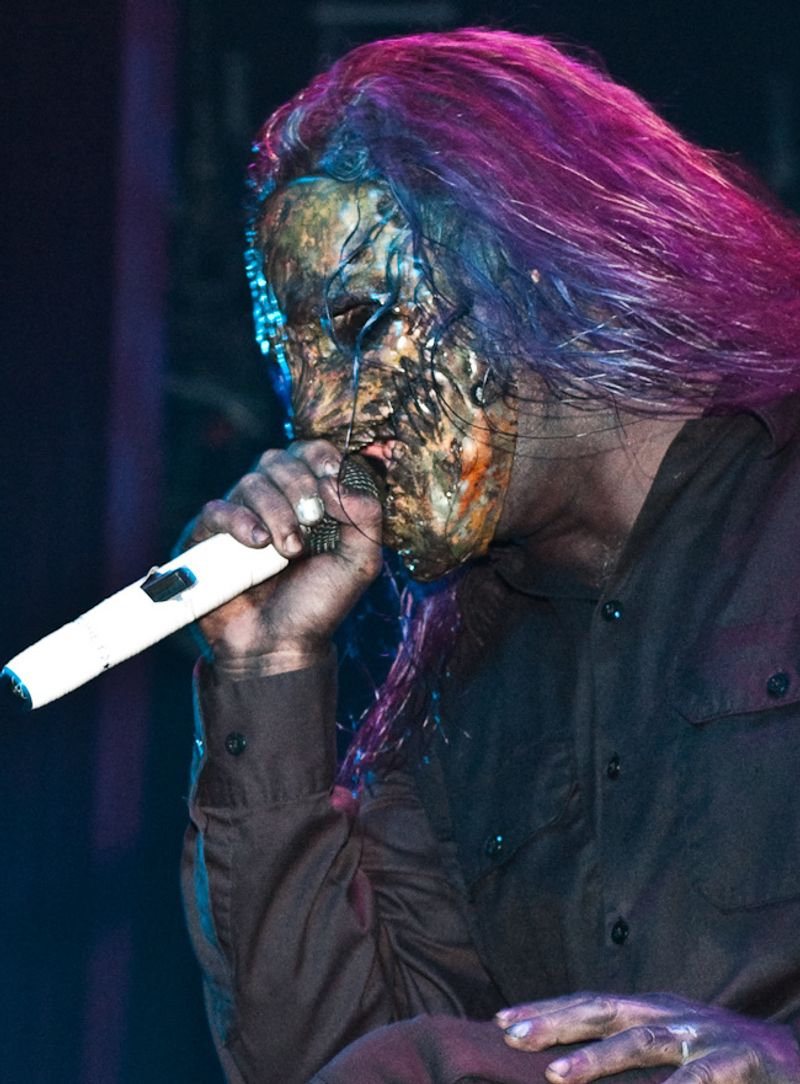
Corey Taylor became one of modern metal’s most compelling frontmen by refusing to stay in one vocal lane. Inside Slipknot’s chaotic, high-energy performances, his voice serves as both the storm and the eye of it.
He can go from explosive, full-throated screaming to vulnerable, melodic singing without the transition feeling forced, which is a harder skill to develop than most people realize.
That balance is especially clear on tracks where Slipknot shifts between aggression and something closer to raw emotion. Taylor’s clean singing gave the band a human anchor inside all the masks, percussion, and noise.
His voice helped Slipknot reach audiences who might not have connected with pure extreme metal. Beyond Slipknot, his work with Stone Sour showed the same range in a different musical context.
For a generation of metal fans who came of age in the 2000s, Taylor’s voice defined what a frontman could be.
Randy Blythe, Lamb of God
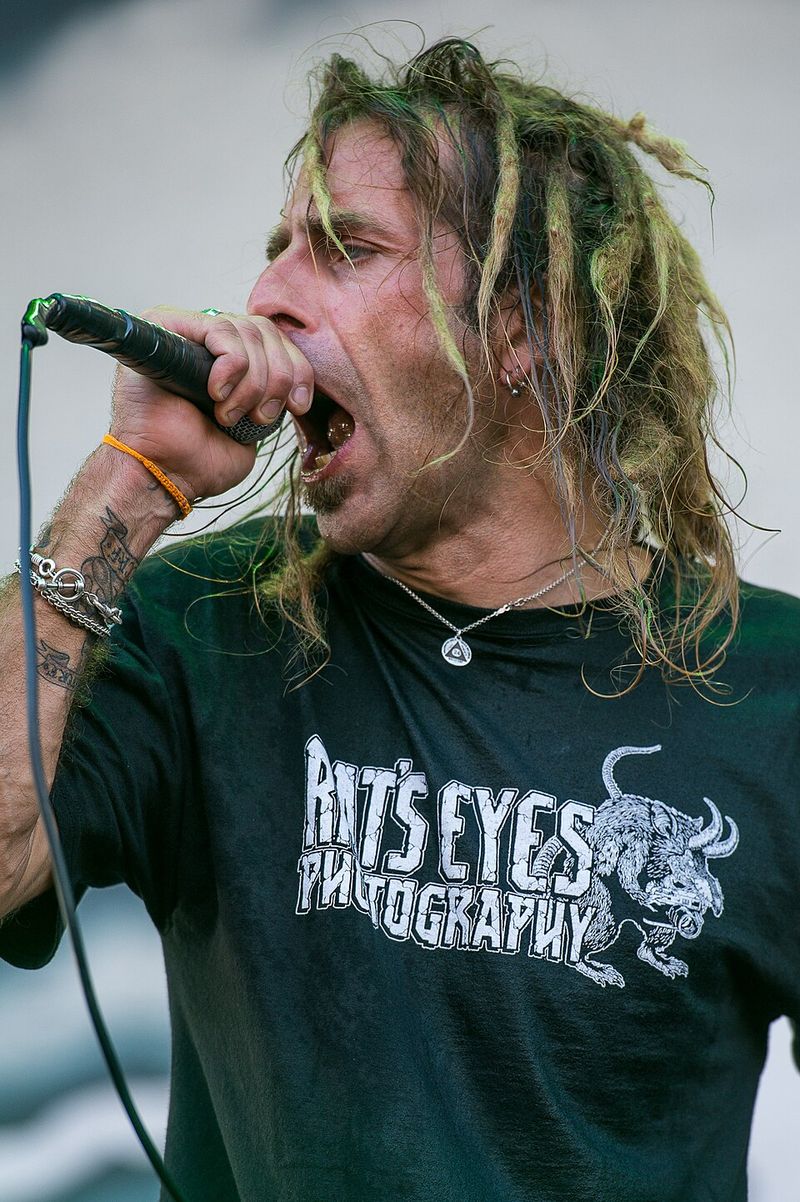
Randy Blythe’s vocal style sounds like controlled demolition. Sharp, precise, and percussive, his barking screams hit with a timing that cuts straight through Lamb of God’s dense, groove-heavy riffs.
It is not random aggression. There is phrasing in it, a rhythmic discipline that makes his delivery feel like an additional instrument rather than just a voice placed over the music.
Lamb of God formed in Richmond, Virginia, originally performing under the name Burn the Priest before adopting their current name. Blythe has remained a constant presence in the band’s lineup and continues to be a major part of their live reputation.
Onstage, his physical intensity matches the vocal one, and the combination has made Lamb of God one of the most respected live acts in heavy metal. His voice is not pretty in any traditional sense, but it is exactly right for the music it serves.
Mikael Åkerfeldt, Opeth
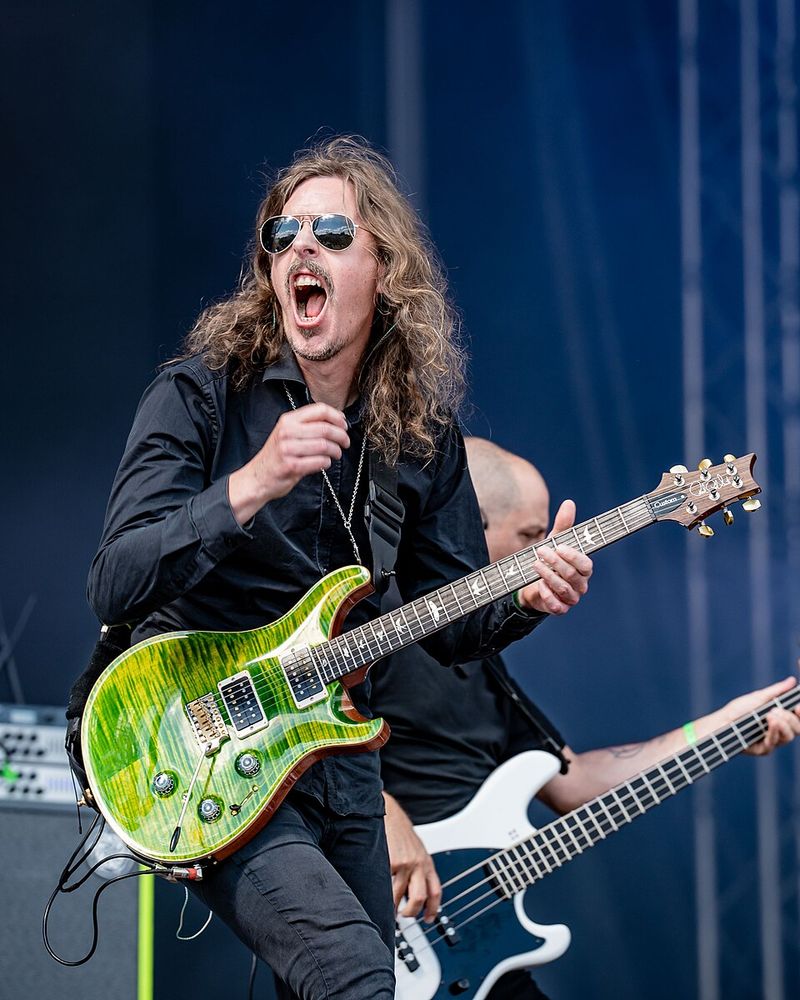
Mikael Åkerfeldt built his reputation on contrast. His ability to shift between deep, growling death metal vocals and warm, melancholy clean singing became the defining characteristic of Opeth’s sound, and it worked because both sides of that contrast felt equally genuine.
Neither voice sounded like a trick or an affectation. Both sounded like they came from the same honest place.
As Opeth’s vocalist, guitarist, and primary songwriter, Åkerfeldt helped the band blend death metal with progressive rock in a way that attracted listeners from both worlds. His clean singing has a delicate, almost folk-influenced quality on some recordings, while his harsh vocals bring a darkness that belongs to a completely different emotional register.
Few metal vocalists have made extreme stylistic contrasts feel so seamless and natural. Opeth’s catalog is built on that tension, and Åkerfeldt’s voice is the element that holds it all together without letting either side overwhelm the other.
Tatiana Shmayluk, Jinjer
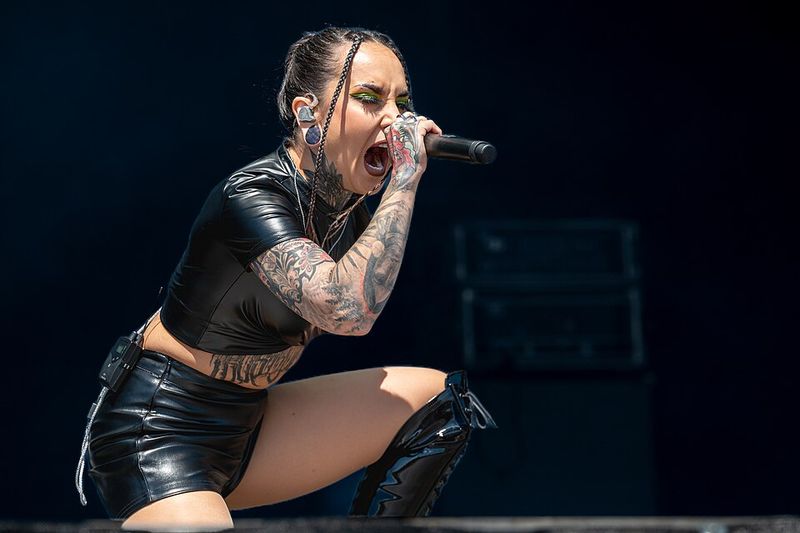
Tatiana Shmayluk became one of modern metal’s most surprising vocalists the moment casual listeners heard her switch mid-song from smooth, controlled clean singing into a deep, aggressive roar. That contrast became Jinjer’s calling card, and it spread fast online.
For many people, hearing her voice for the first time felt genuinely unexpected, which is not something that happens often in a genre where extreme vocals are already well established.
Shmayluk joined Jinjer in 2009, replacing the band’s original vocalist, and her presence helped transform the Ukrainian group into an internationally recognized act. Jinjer’s music blends groove metal, progressive metal, and metalcore, and her vocal range covers all of it.
She can sound smooth and almost pop-adjacent in one breath, then completely brutal in the next. That unpredictability keeps listeners engaged and gives Jinjer a dynamic identity that is difficult to categorize and even harder to ignore.
Alissa White-Gluz, Arch Enemy, The Agonist, DragonForce

Alissa White-Gluz first built her name with The Agonist before stepping into one of melodic death metal’s most visible frontwoman roles when she joined Arch Enemy in 2014, replacing Angela Gossow. The transition was closely watched by the metal community, and White-Gluz handled it by bringing her own identity to the role rather than simply mimicking her predecessor.
Her growling vocals are fierce and controlled, and her clean singing adds range that the band had not always emphasized before.
Her career has continued to evolve beyond Arch Enemy. As of 2026, she has been reported as part of DragonForce and Blue Medusa, making her one of the more active and genre-crossing vocalists in current heavy music.
She has worked across melodic death metal, metalcore, power metal, and symphonic metal, which says a lot about the flexibility of her voice. Her technique sounds demanding and she makes it look straightforward.
Courtney LaPlante, Spiritbox

Courtney LaPlante helped Spiritbox carve out a space in modern heavy music that feels genuinely their own. Her voice moves between clean, emotionally open singing and harsh screaming with a polish that does not feel clinical.
There is still rawness in it, which is part of what makes Spiritbox stand out from bands that use the same contrast but lose the tension in the process.
Before forming Spiritbox with Mike Stringer in 2017, LaPlante sang for Iwrestledabearonce, giving her experience in genre-blending heavy music before her current band found its footing. Spiritbox released Eternal Blue in 2021 and Tsunami Sea in 2025, and LaPlante’s voice has been central to both records’ identities.
She can carry a dreamy, atmospheric passage with the same authority she brings to a breakdown. That consistency across very different emotional textures is what separates a technically capable singer from one who genuinely shapes a band’s sound.
Joe Duplantier, Gojira
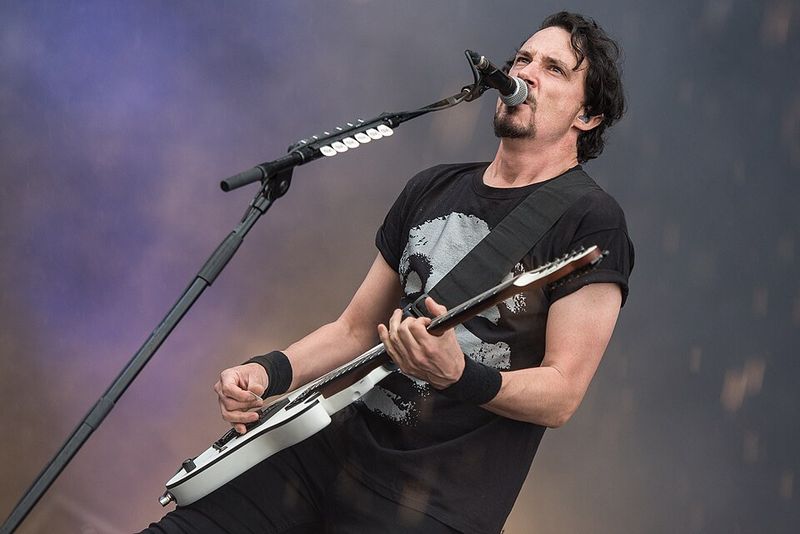
Joe Duplantier’s voice is not about range or flashy technique. It is about weight and conviction, and in Gojira’s music, that combination hits harder than any high note could.
His vocals carry an urgent, raw quality that fits perfectly with the band’s massive riffs, unusual rhythms, and themes built around philosophy, spirituality, and environmental awareness. Nothing about his delivery sounds decorative.
Gojira formed in France in 1996 under the name Godzilla before changing to their current name in 2001. The band built a following through relentless touring and records that rewarded close listening, and Duplantier’s voice was always part of what made them feel distinct from other technical metal acts.
His singing sounds pressurized, like something being held back just enough to stay controlled. As a vocalist, guitarist, and lyricist, Duplantier shapes every dimension of Gojira’s identity, and his voice is the thread that ties all of those dimensions together.
Will Ramos, Lorna Shore
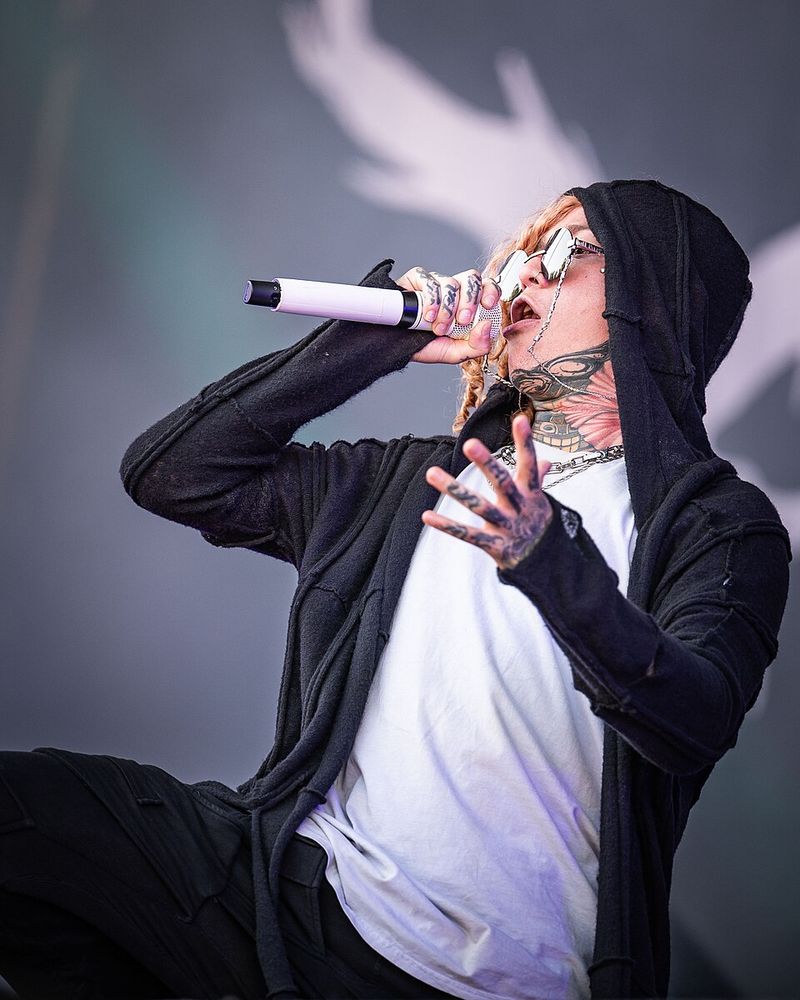
Will Ramos went from touring stand-in to one of deathcore’s most recognized names faster than almost anyone expected. When Lorna Shore released “To the Hellfire” in 2021, the response was immediate.
The track climbed into the Top 10 of Spotify’s Viral Chart and introduced Ramos’s voice to an audience far beyond the band’s existing fanbase. For a lot of listeners, the extreme range in his performance was genuinely startling the first time through.
His style covers guttural lows, shrieks, and dramatic transitions that can sound almost impossible to casual ears. Ramos joined Lorna Shore initially as a touring vocalist before earning the permanent role, and the fit proved to be exactly right for the band’s direction.
For younger metal fans especially, Ramos has become one of the clearest examples of how extreme vocal technique can become a main event rather than just a stylistic choice layered under the music. His voice is the show.
Phil Anselmo, Pantera
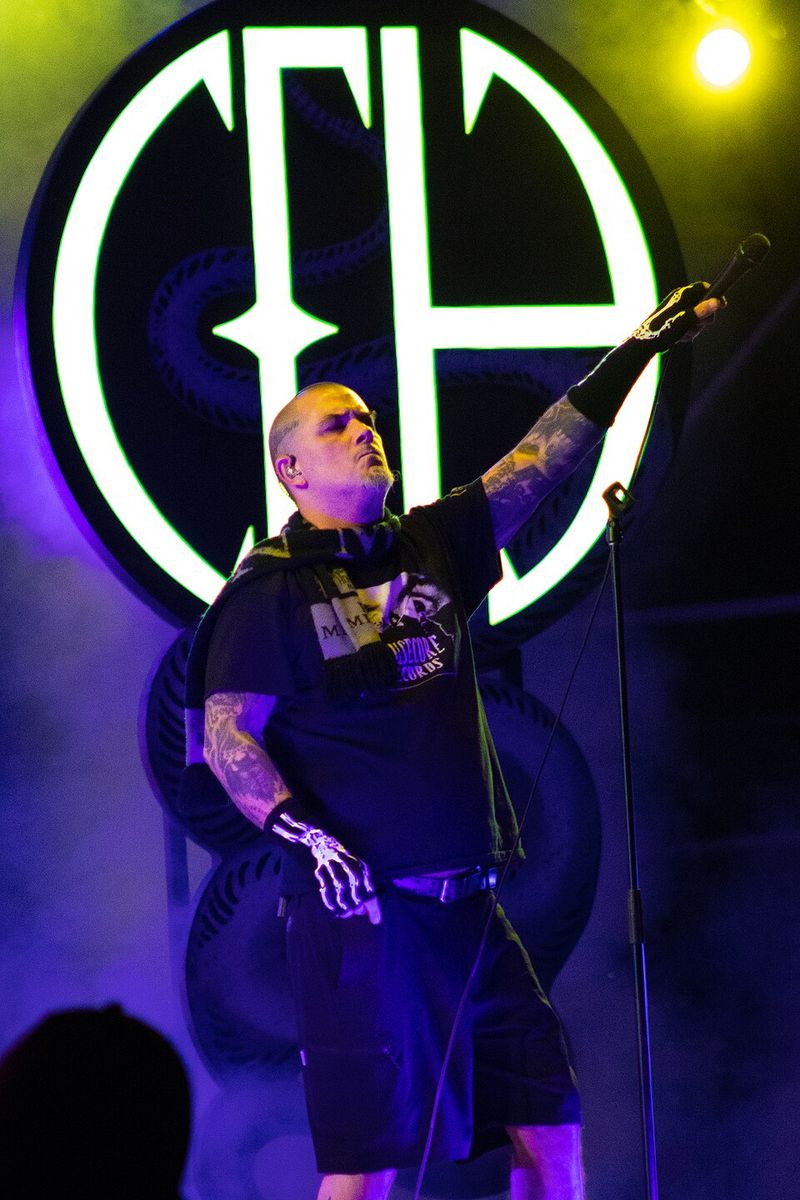
Phil Anselmo’s voice changed direction in a way that ended up changing the sound of an entire decade of heavy metal. Early in Pantera’s career, he sang in a higher-register style that matched the era’s expectations.
Then the band shifted toward something heavier, more confrontational, and more groove-driven, and Anselmo’s voice shifted with it. That harder, more abrasive delivery became one of the defining sounds of 1990s metal.
Albums like Cowboys from Hell, Vulgar Display of Power, and Far Beyond Driven hit the mainstream with a force that few heavy records had managed before them, and Anselmo’s vocals were central to that impact. His voice could be commanding, raw, and full of attitude without losing the precision that kept the performances from falling apart under pressure.
Beyond Pantera, he continued working through Down, Superjoint, and other projects, each one reflecting a different shade of the same unapologetically aggressive approach to singing.
Share this story