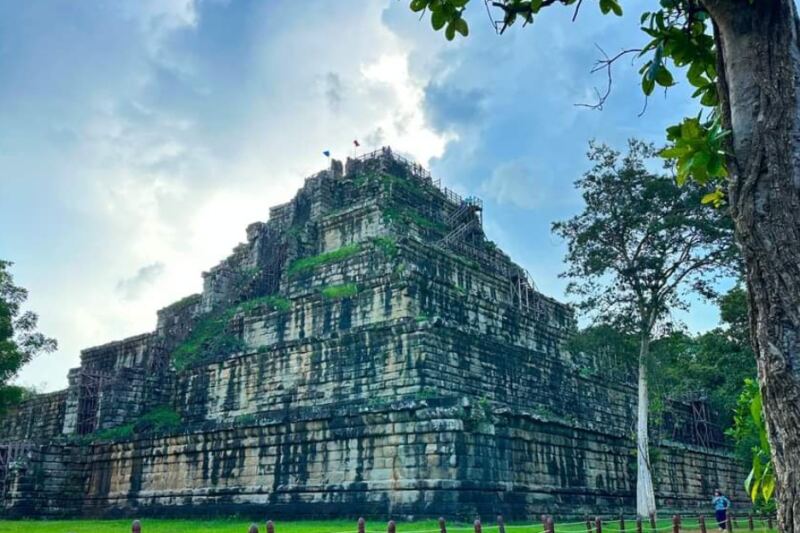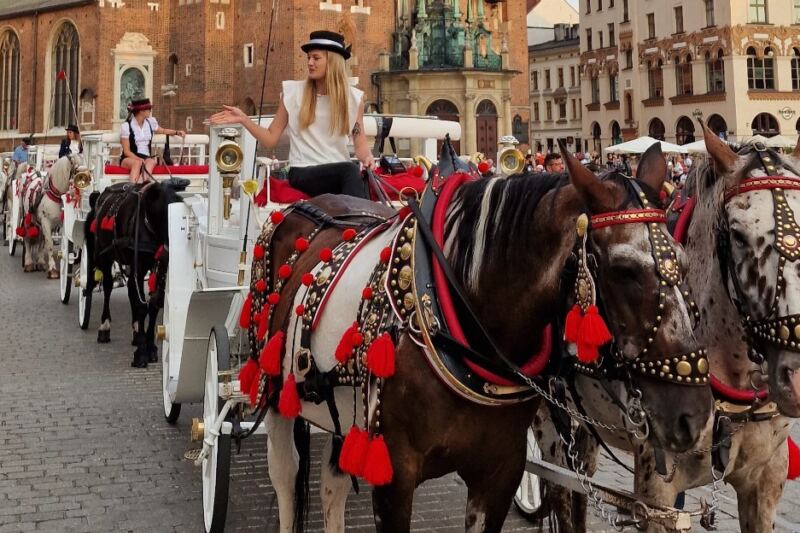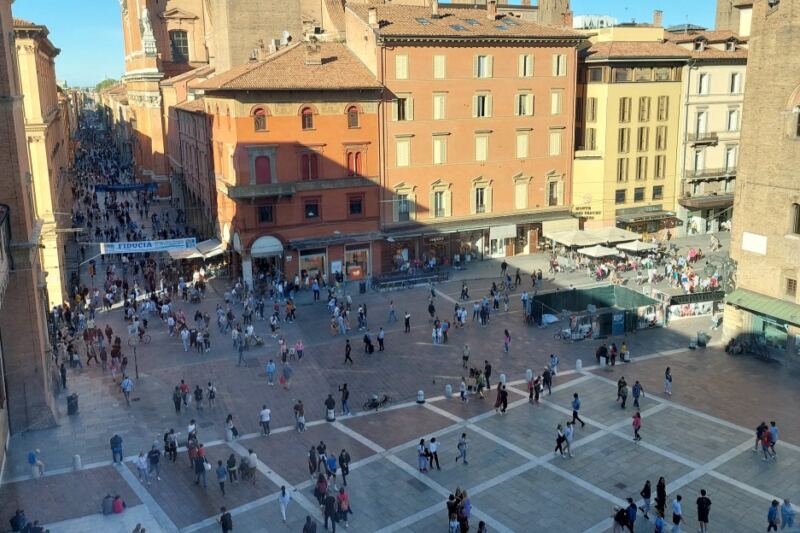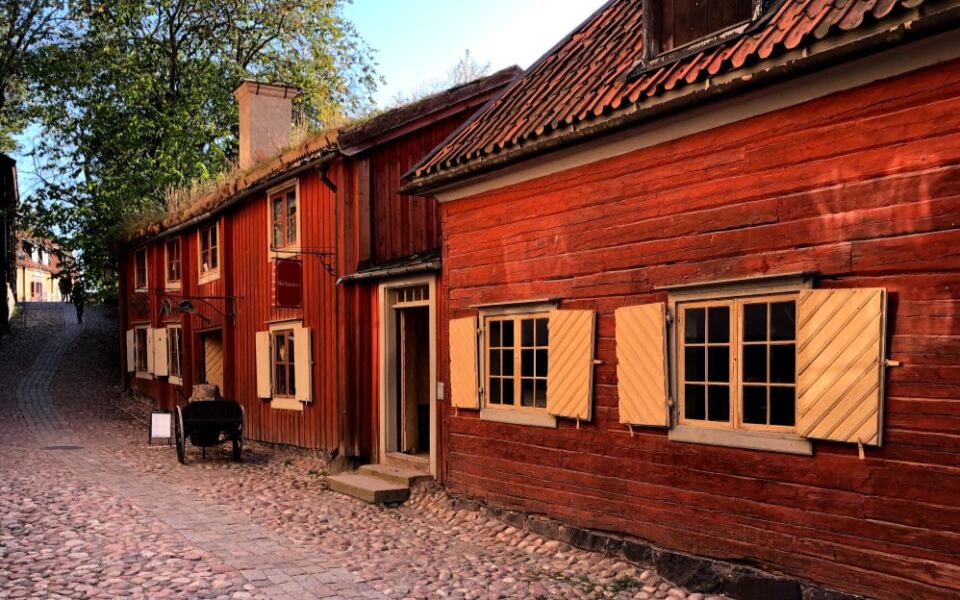
Some old places stay behind glass, and others let you walk right through them. This list gathers fifteen historic destinations where the past is easy to follow, from costumed towns and open-air villages to ancient cities, royal palaces, and powerful memorial sites.
You will find stops in Virginia, Italy, South Africa, New Zealand, Australia, Poland, Sweden, Denmark, Massachusetts, Jordan, South Korea, Spain, and France. Each one offers a clear way to learn how people lived, worked, governed, and resisted.
Some are lively and hands-on. Others call for quiet respect and a slower pace.
Together they make a handy list for planning a trip, saving for later, or sending to the friend who always wants to see where history really happened.
Colonial Williamsburg, Williamsburg, Virginia
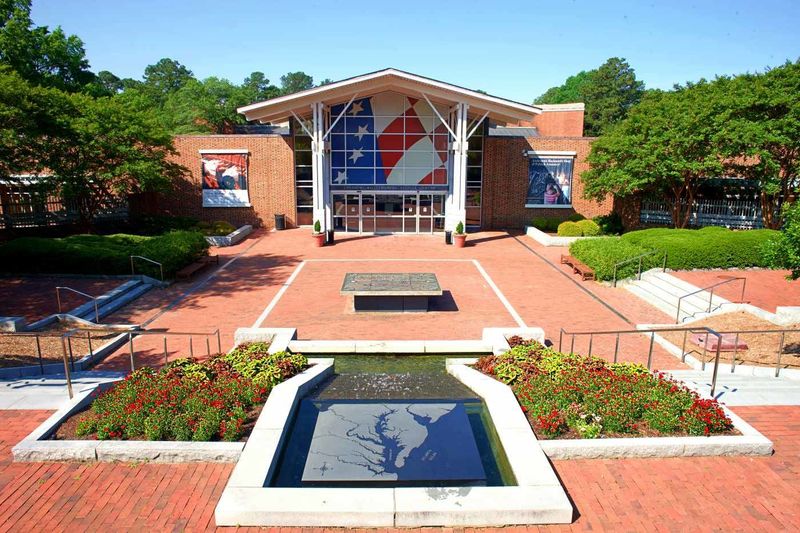
Picture a main street where the shopkeepers, soldiers, and tradespeople all dress as if it is the 1770s. That is the setting in Colonial Williamsburg, a restored and reconstructed city from the Revolutionary era.
Visitors can step inside places such as the Governor’s Palace, the courthouse, Raleigh Tavern, and historic homes. Working tradespeople use traditional tools and methods, so you can watch old skills in action instead of only reading about them.
The experience goes well past looking at old buildings. Programming includes historic trades, military demonstrations, interactive performances, archaeology, and conversations with interpreters about the political and social changes of the American Revolution.
Those talks also cover how people from different backgrounds experienced life in 18th-century Virginia. The 2026 calendar continues to offer daily historic sites and activities, which makes this one of the largest living-history experiences anywhere.
Pompeii Archaeological Park, Pompeii, Italy
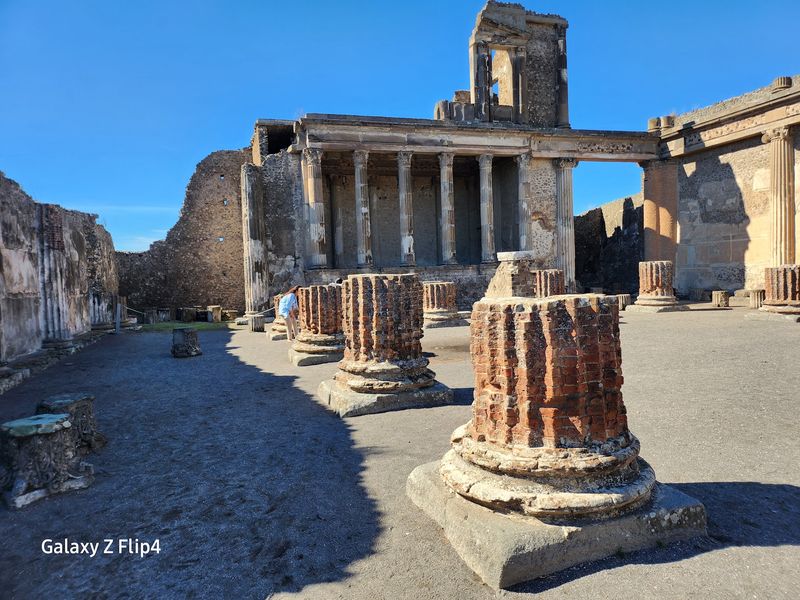
When Mount Vesuvius erupted in AD 79, volcanic material buried much of this Roman city. That preserved streets, houses, bath complexes, shops, temples, mosaics, and everyday objects.
Walking through the park shows how ordinary Romans lived, not just the grand monuments tied to the empire. Visitors can wander ancient streets, enter selected houses, see the amphitheater, and look at surviving frescoes and commercial spaces.
Research is still active here, so new discoveries keep adding details about Pompeian society. That means the story of the site keeps growing.
Pompeii is open in 2026 with seasonal operating hours. Individual buildings sometimes close for conservation, so it helps to stay flexible.
The site also limits daily admission to manage visitor numbers and protect the ruins, which makes planning ahead a smart move.
Robben Island Museum, Cape Town, South Africa
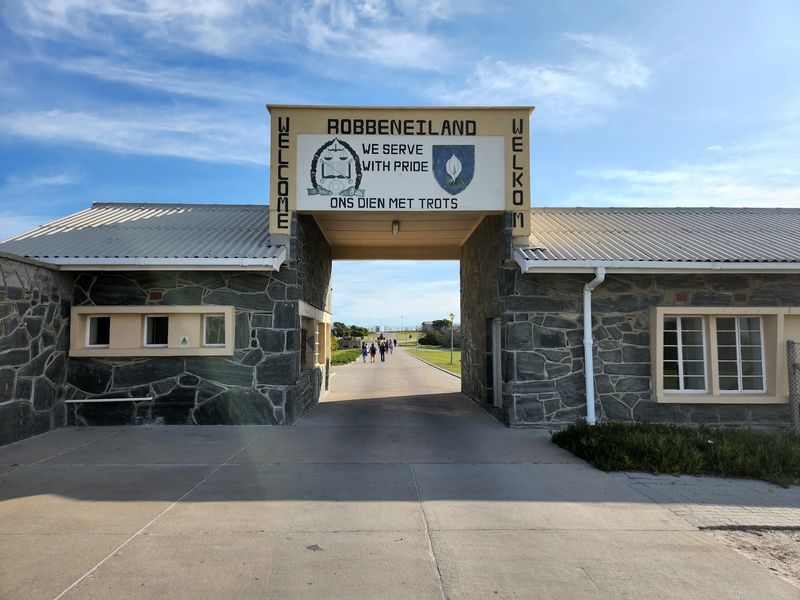
The trip begins with a ferry ride from Cape Town, and it ends at one of the most significant places in modern South African history. Robben Island served many purposes over several centuries.
It is best known as the prison where Nelson Mandela and many other opponents of apartheid were held.
The standard visit pairs the ferry journey with a guided experience of the island’s historic sites. Stops include the limestone quarry, military installations, Robert Sobukwe’s house, and the Maximum Security Prison.
The tour concludes in the prison section, where Mandela’s former cell can be seen. Visitors hear about imprisonment, resistance, and apartheid while standing where those events unfolded.
Tours run on a schedule throughout the year, subject to weather and demand. Check ahead before planning the rest of your Cape Town days around it.
Te Puia, Rotorua, New Zealand
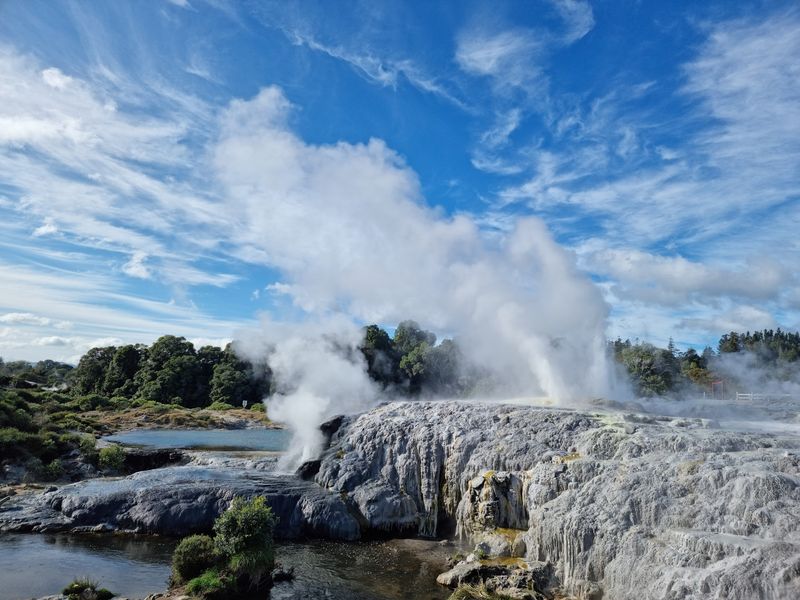
Geothermal valleys usually get the spotlight in Rotorua, but Te Puia pairs that landscape with Māori history and living culture. Guided experiences introduce traditions, storytelling, carving, weaving, architecture, and the bond between local communities and the land.
The site is also home to the New Zealand Māori Arts and Crafts Institute, where traditional skills are taught and practiced. Visitors are not looking at artifacts behind glass.
They see skills that are still being passed on.
Current experiences include guided visits through the geothermal valley and cultural performances inside a carved meeting house. The Te Rā Guided Experience and Haka combination, for example, includes a guided journey through the valley and arts institute, followed by a performance.
Because Māori culture is presented as a living tradition, Te Puia gives a meaningful way to understand New Zealand’s history.
Waitangi Treaty Grounds, Bay of Islands, New Zealand
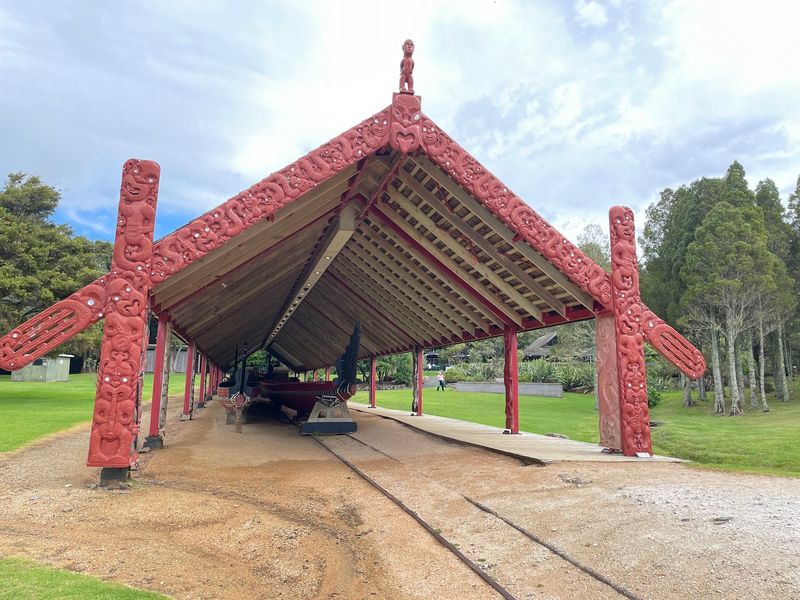
Few spots matter more to New Zealand’s political story. The Treaty of Waitangi was first signed here in 1840 between representatives of the British Crown and many Māori chiefs.
The agreement still shapes the country’s society and politics.
Visitors can explore museums, historic buildings, the grounds, and a ceremonial waka. Exhibits present both Māori and European perspectives on the treaty, which gives a fuller picture than a single viewpoint could.
Guided tours add context that is easy to miss on a self-guided walk. Cultural performances offer an introduction to Māori song, movement, traditions, and storytelling.
The site remains fully operational in 2026. It currently offers multiple guided tours and cultural performances each day during most of the year, so timing a visit around a tour is simple.
Uluṟu-Kata Tjuṯa National Park, Northern Territory, Australia
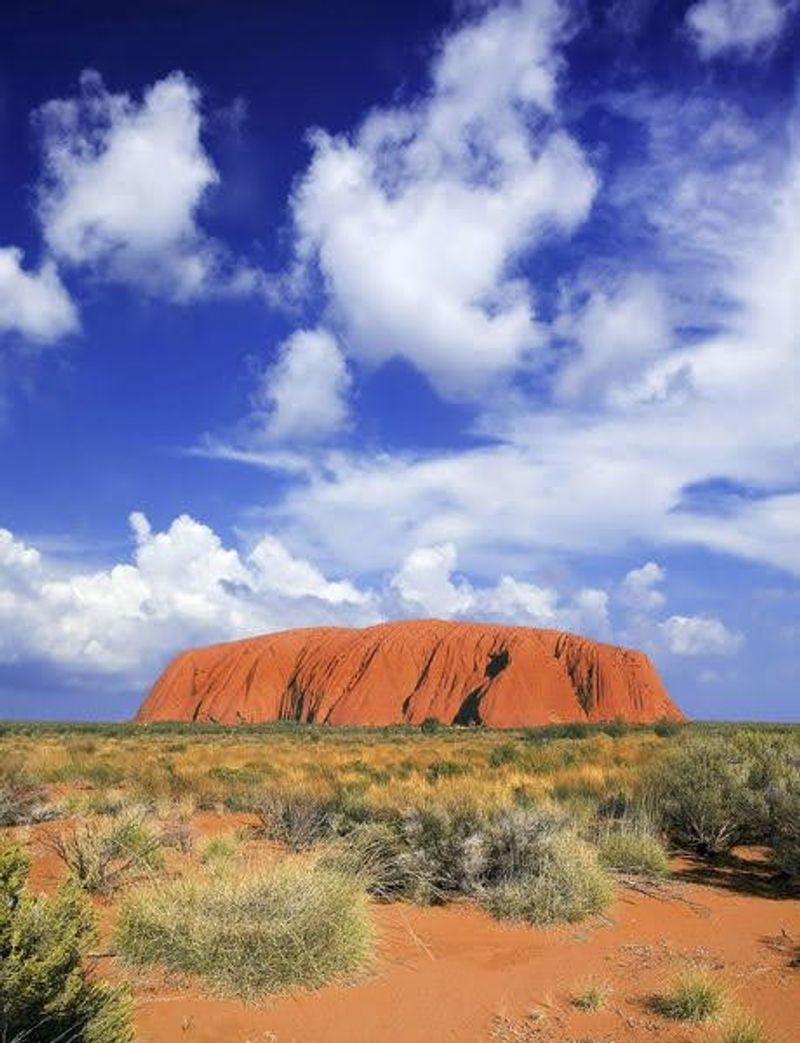
Many people see Uluṟu as a famous rock and nothing more. Visiting without understanding Aṉangu culture means missing much of its meaning, since the area’s history, landscape, traditional stories, and Indigenous culture are tied together.
Cultural experiences around the park help visitors see Uluṟu as part of a living cultural landscape. It is far more than a dramatic formation rising from the desert.
In 2026, the park also introduced the Uluṟu-Kata Tjuṯa Signature Walk. It is a five-day, 54-kilometer journey developed in consultation with Aṉangu Traditional Owners, and it travels between Kata Tjuṯa and Uluṟu with cultural interpretation along the route.
Parks Australia says Aṉangu were involved from the start in shaping the experience. It operates during the cooler months, from May through September.
Auschwitz-Birkenau Memorial and Museum, Oświęcim, Poland
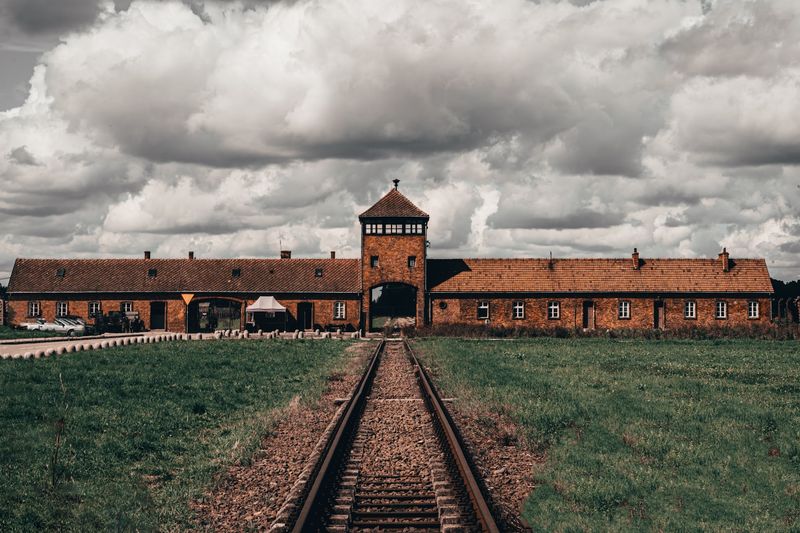
This stop is not conventional sightseeing, and it should never be treated that way. A visit is an educational and memorial experience centered on the victims of Nazi persecution and the Holocaust.
Visitors encounter preserved barracks, fences, personal belongings, ruins, exhibitions, and other evidence of the concentration and extermination camp complex. The museum strongly recommends seeing both Auschwitz I and Auschwitz II-Birkenau to understand the scale and history of the site.
Guide-educators provide detailed historical context. Several types of tours are available, from general visits to full-day study tours.
The memorial remains open through most of the year in 2026, and advance online entry reservations are required. Plan to spend at least around 90 minutes in each of the two main sections, and bring a calm, respectful mindset.
Skansen, Stockholm, Sweden
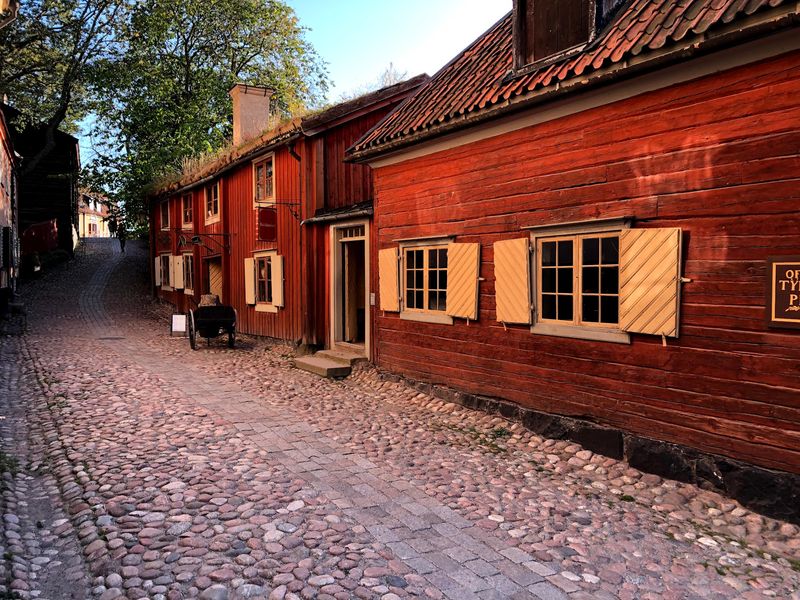
Back in 1891, Skansen opened and went on to be widely regarded as the world’s oldest open-air museum. It remains a strong place to explore Swedish social history.
Historic buildings from different parts of Sweden were relocated here. Visitors can move between farms, workshops, homes, and community spaces from different periods and regions.
Craft demonstrations and cultural programming show how earlier generations cooked, worked, celebrated, and adapted to Sweden’s climate and landscape. Skansen is especially good at showing everyday life instead of focusing only on royalty or major political events.
The museum operates year-round, with opening times that change by season. The 2026 schedule includes cultural-history activities, craft demonstrations, holiday traditions, and seasonal events.
Den Gamle By, Aarhus, Denmark
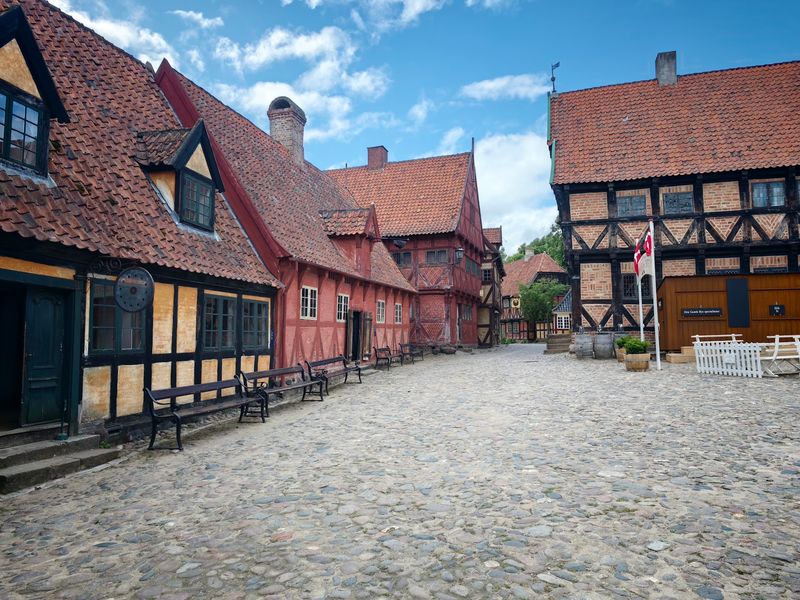
Want to time travel without leaving one attraction? Den Gamle By turns several centuries of Danish urban history into a walkable town.
It does not stick to one period.
Visitors move through environments representing different eras, including 1864, 1927, 1974, and even 2014. Historic buildings, homes, businesses, streets, workshops, and exhibitions show how Danish society changed as technology, consumer culture, and transportation evolved.
That creates an unusual experience, since you can move forward through time as you stroll from one street to the next.
The museum is open 365 days a year in 2026, with seasonal hours. Official visitor information suggests allowing roughly four to five hours to explore properly, which hints at the size of the place.
Old Sturbridge Village, Sturbridge, Massachusetts
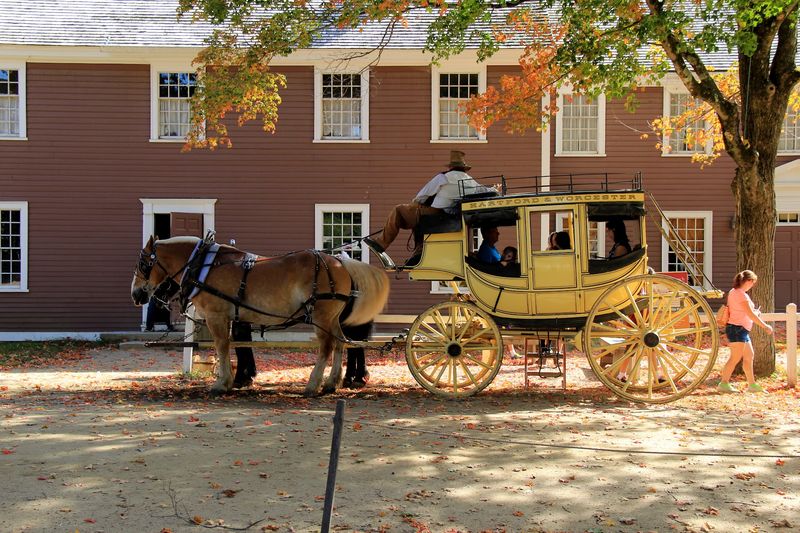
Step into rural New England as it looked in the 1830s. Old Sturbridge Village recreates that community with historic buildings, working farms, mills, gardens, and workshops.
Costumed historians demonstrate everyday skills and explain how ordinary Americans lived during the early decades of the United States. Depending on the day’s schedule, you might see printing, pottery, farming, food preparation, music, schooling, or woodworking.
Visitors can ask questions while watching historical techniques being performed, which keeps the visit lively and personal.
Programming continues through 2026. Recent schedules include conversations with costumed historians, demonstrations in workshops, activities in historic homes and mills, and programs on 19th-century education and trades.
It suits travelers who prefer social history over a collection built around famous figures.
Petra, Jordan
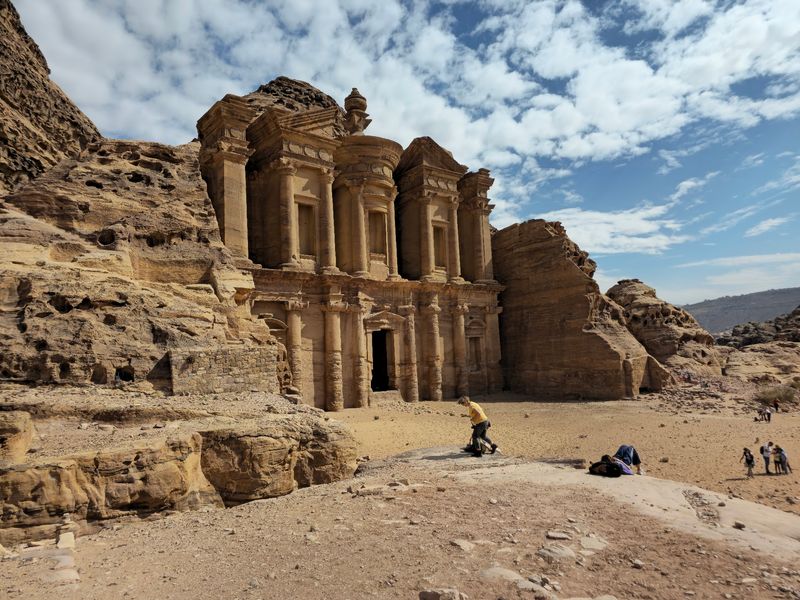
Walking through the Siq and watching the Treasury appear from the sandstone is spectacular. Petra gets even more interesting once you know about the Nabataeans who created it.
The city was an important commercial center. Its tombs, water-management systems, temples, streets, and rock-cut architecture show how sophisticated the society was.
A licensed guide can explain how geography, trade networks, religion, and engineering shaped the settlement, so Petra becomes more than a photo stop. The official visitor center continues to arrange licensed guides in many languages.
Petra remains open in 2026 with seasonal hours. The visitor center also offers maps and historical information to help travelers make sense of what they see across the enormous archaeological landscape.
Gyeongbokgung Palace, Seoul, South Korea
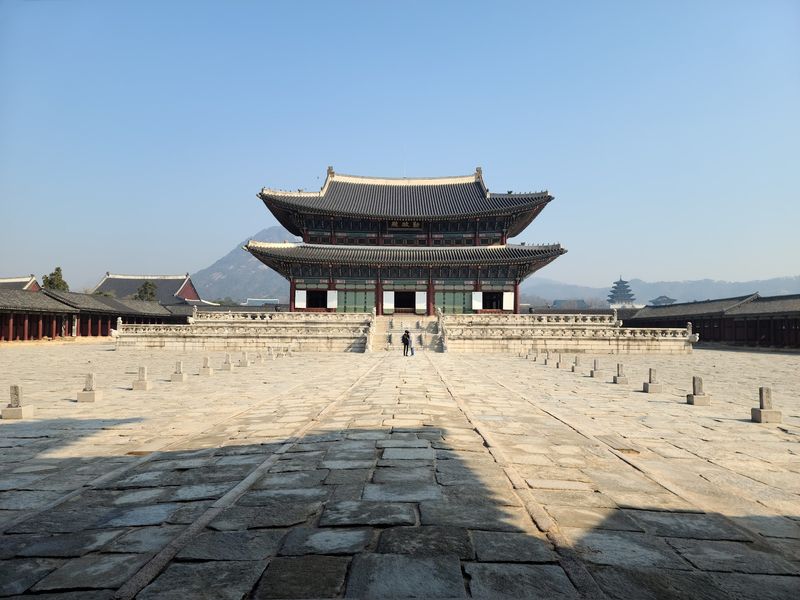
Bright hanbok robes are a common sight at Gyeongbokgung Palace, and they fit the setting well. The palace gives an accessible introduction to Korea’s Joseon dynasty, and it was first established in the late 14th century.
Visitors can explore monumental gates, throne halls, courtyards, pavilions, and landscaped areas linked to royal government and ceremonial life.
Regular guided tours explain how different spaces worked, instead of leaving you to simply admire the architecture. English-language tours continue in 2026, and special programs sometimes open areas that are not on the standard route.
Current Seoul visitor information notes that people wearing qualifying full hanbok can enter free of charge. That adds a hands-on layer to a visit built around Korean history and culture.
Alhambra, Granada, Spain
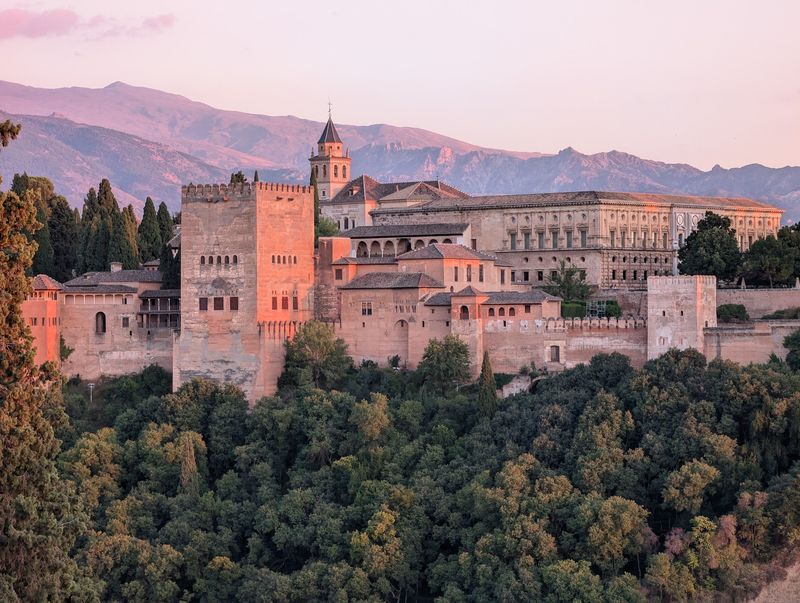
No reenactors are needed here. The Alhambra’s Nasrid palaces, courtyards, defensive structures, gardens, water features, decorative inscriptions, and detailed architecture offer an unusually complete look at the final centuries of Muslim rule in medieval Granada.
A visit through the Nasrid Palaces shows how refined courtly architecture became under the dynasty. The Alcazaba reveals the site’s military role, while the Generalife shows another side of royal life through gardens and palace spaces.
Granada’s later Christian history is visible nearby, so the complex is a rich place to see overlapping cultures side by side.
The Alhambra is open daily in 2026 with seasonal hours. Timed access is required for the Nasrid Palaces, so book tickets through the official Alhambra Patronato before arriving.
Apartheid Museum, Johannesburg, South Africa
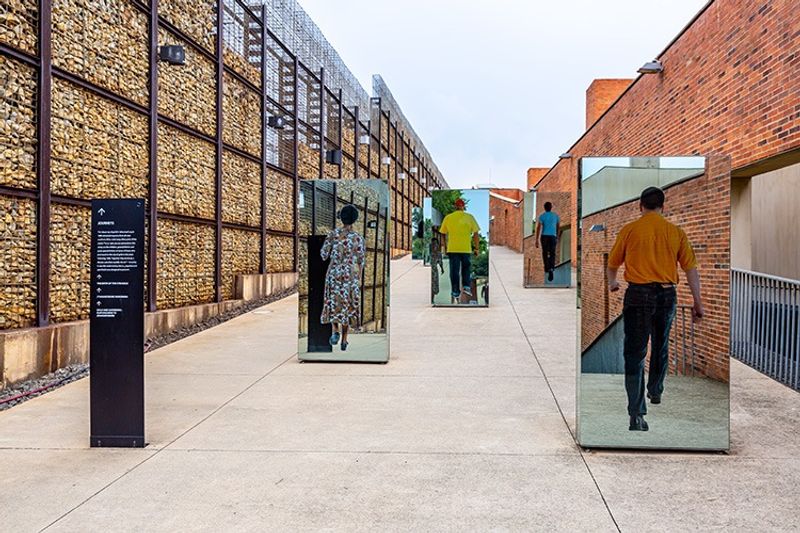
To understand the system of racial segregation that shaped South Africa for much of the 20th century, this museum is a strong starting point. Photographs, documents, films, personal testimony, artifacts, and reconstructed environments trace how apartheid developed and how people resisted it.
The permanent exhibition links political events to the experiences of ordinary people. Dedicated exhibitions explore figures including Nelson Mandela and Desmond Tutu.
That makes it a useful stop before or after visiting other sites tied to the struggle against apartheid, such as Robben Island.
The museum is open Tuesday through Sunday from 9 a.m. to 5 p.m. and remains active in 2026. Admission for international visitors includes an audio-tour option, and guided tours are also available.
Palace of Versailles, Versailles, France
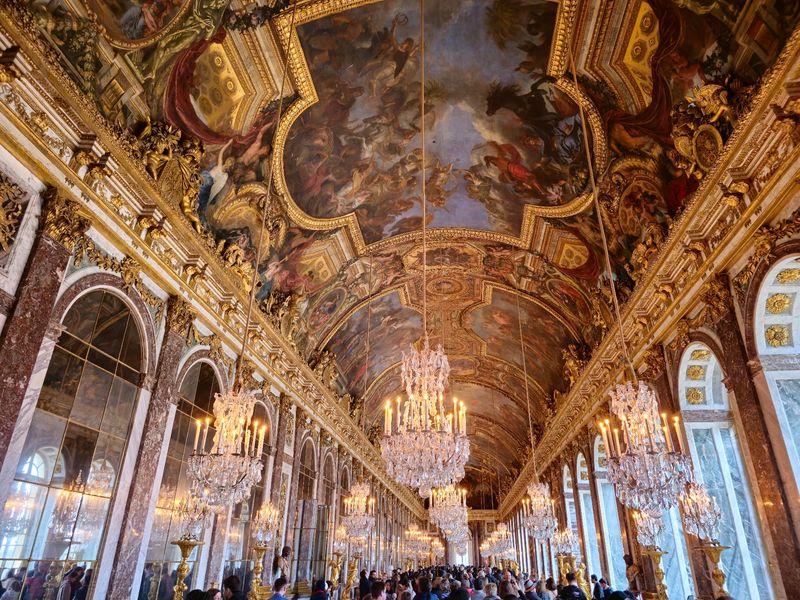
Versailles tells more when seen as a historical landscape instead of just an extravagant palace. The Hall of Mirrors, royal apartments, chapel, gardens, Grand Trianon, Petit Trianon, and wider estate show how the French monarchy used ceremony, architecture, and controlled access to project power.
Spending a full day lets visitors go beyond the famous palace interiors. The broader estate shows where members of the royal family lived away from formal court life.
Audio guides and digital interpretation add context about the monarchy and the people who worked throughout Versailles.
The palace is open in 2026 from Tuesday through Sunday, while the gardens and park operate daily. The estate recommends reserving a full day for a thorough visit, and that advice makes sense given the size of the grounds.
Share this story