Throughout history, leaders, writers, and thinkers have been forced to leave the places they called home. Some were banished by rivals, while others chose to leave when staying became too risky.
Their stories show how politics, power, and ideas can change a life overnight. Here are fifteen people whose time abroad shaped history.
1. Napoleon Bonaparte
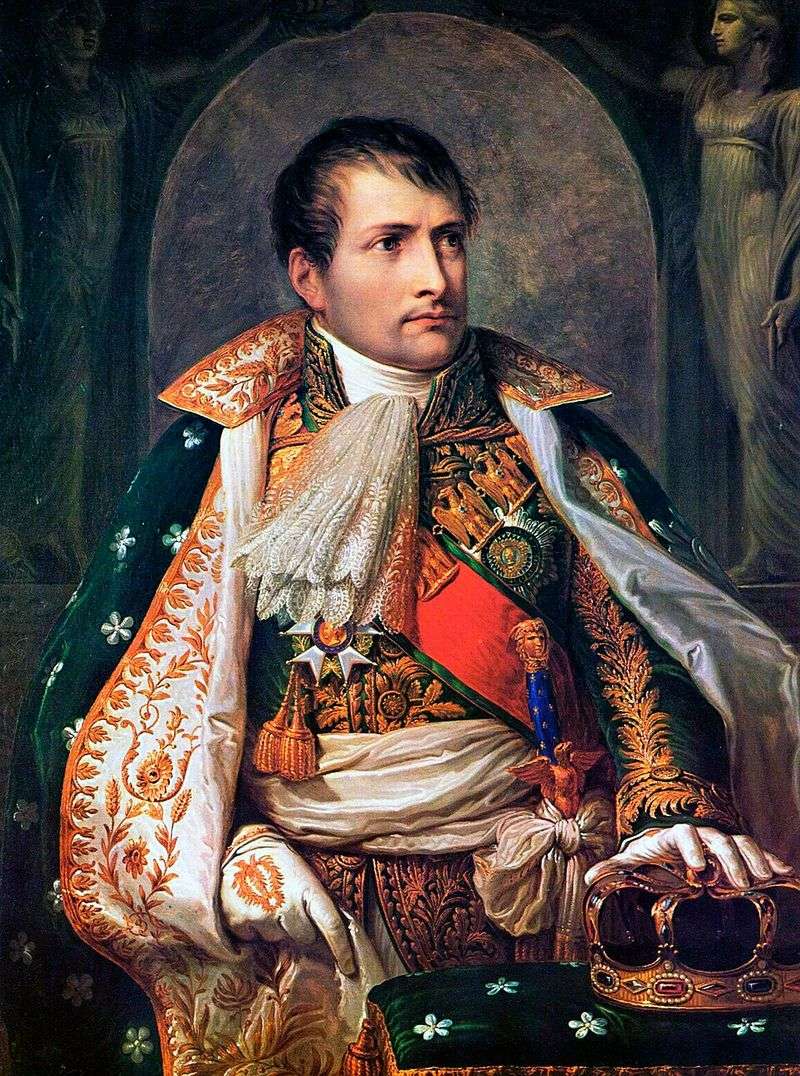
Few rulers fell as far as Napoleon did. He once controlled much of Europe, yet he ended his life on a tiny island far out in the Atlantic Ocean.
His first abdication came in 1814, and he was sent to the Mediterranean island of Elba. He did not stay quiet for long.
In 1815 he slipped away, returned to France, and gathered his army once more.
That comeback lasted only about one hundred days. After his defeat at Waterloo in 1815, British officials sent him to Saint Helena, a remote island that was very hard to escape from.
He spent his final years there writing, dictating memories, and arguing about his treatment. Napoleon died on the island in 1821, still shaping how people remembered him.
2. Dante Alighieri
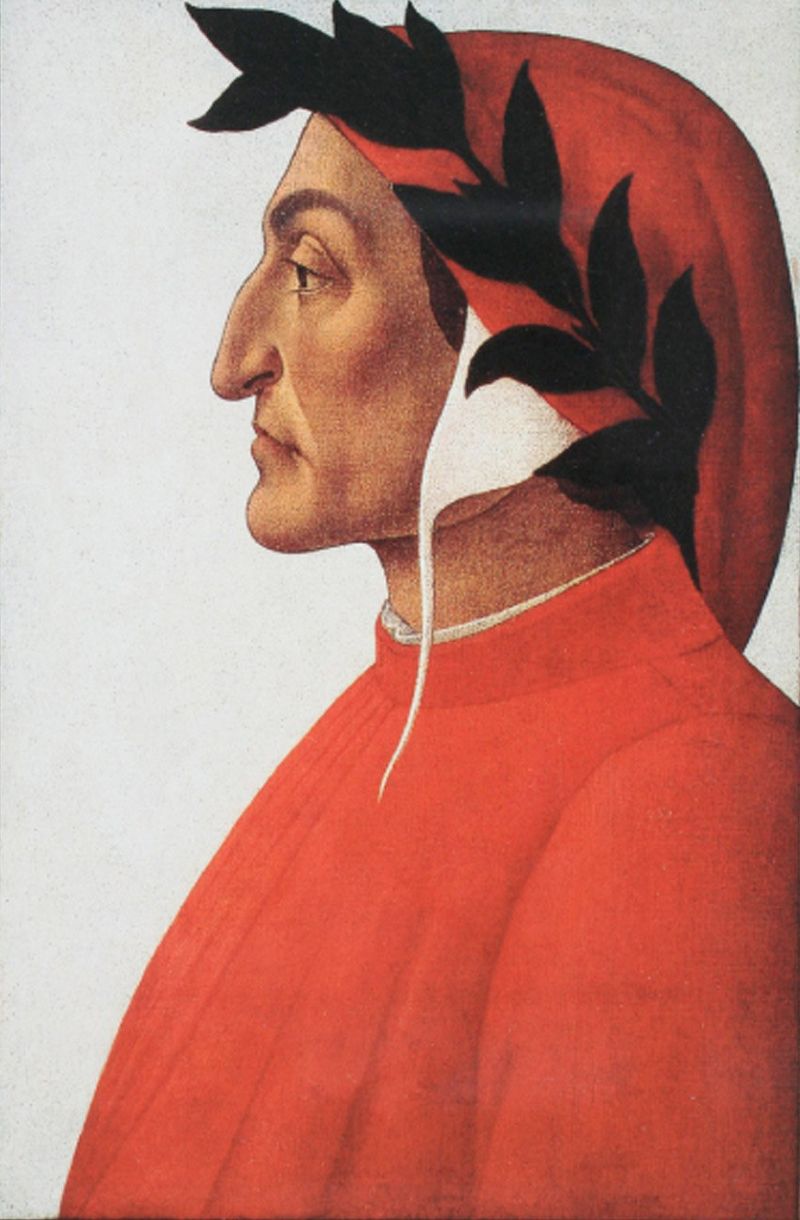
Imagine writing one of the greatest poems ever created while homesick for a city you can never visit again. That was the fate of Dante, who loved Florence deeply.
In 1302, a political fight between rival groups ended with Dante being banished. He had been active in city politics, and his side lost power.
If he returned, he risked serious punishment.
For the rest of his life he traveled between Italian cities, depending on the kindness of local rulers. During this restless period he worked on The Divine Comedy, a poem about a journey through Hell, Purgatory, and Paradise.
Many readers see his longing for home in its pages. Dante died in Ravenna in 1321, and he never saw Florence again.
3. Victor Hugo
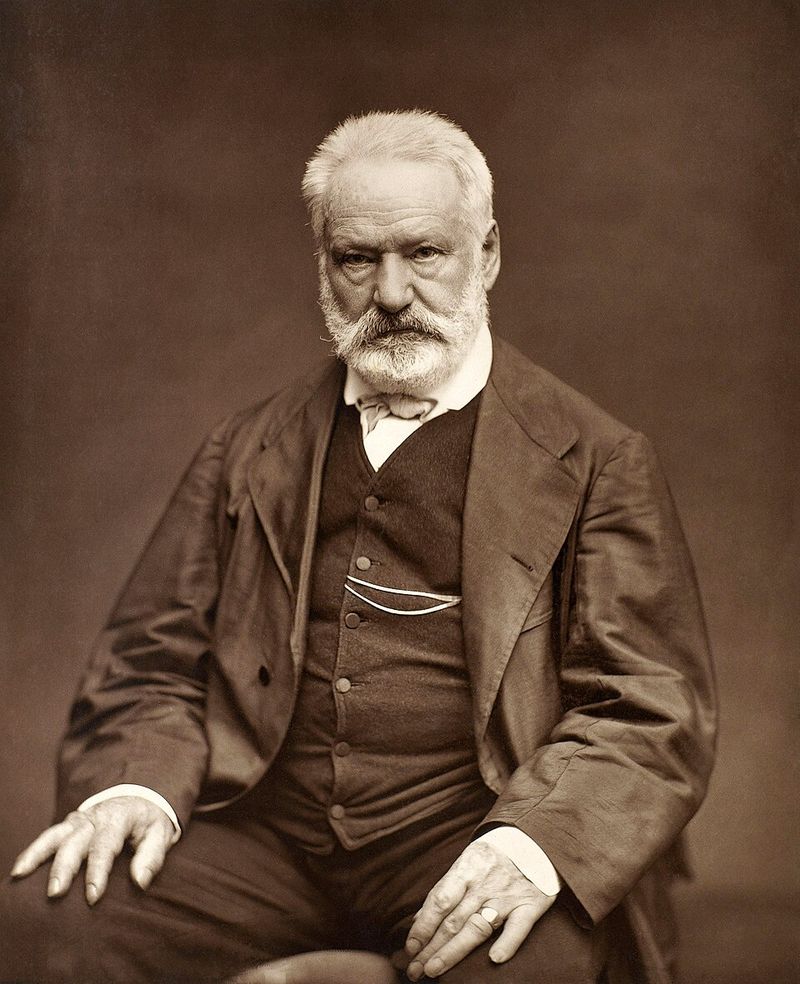
When a famous author decides a ruler is unjust, his pen can become a weapon. Victor Hugo proved this after Napoleon III seized power in France in 1851.
Hugo spoke out against the takeover and soon felt unsafe at home. He left France and eventually settled on the Channel Islands, including Guernsey, where he lived in a house overlooking the sea.
Those years were highly productive. He wrote powerful essays attacking the emperor and finished Les Misérables, a novel about poverty, justice, and mercy.
Even when pardoned, Hugo refused to return while Napoleon III remained in charge. He came back only in 1870, after the empire collapsed, and crowds greeted him like a hero in Paris.
4. Leon Trotsky
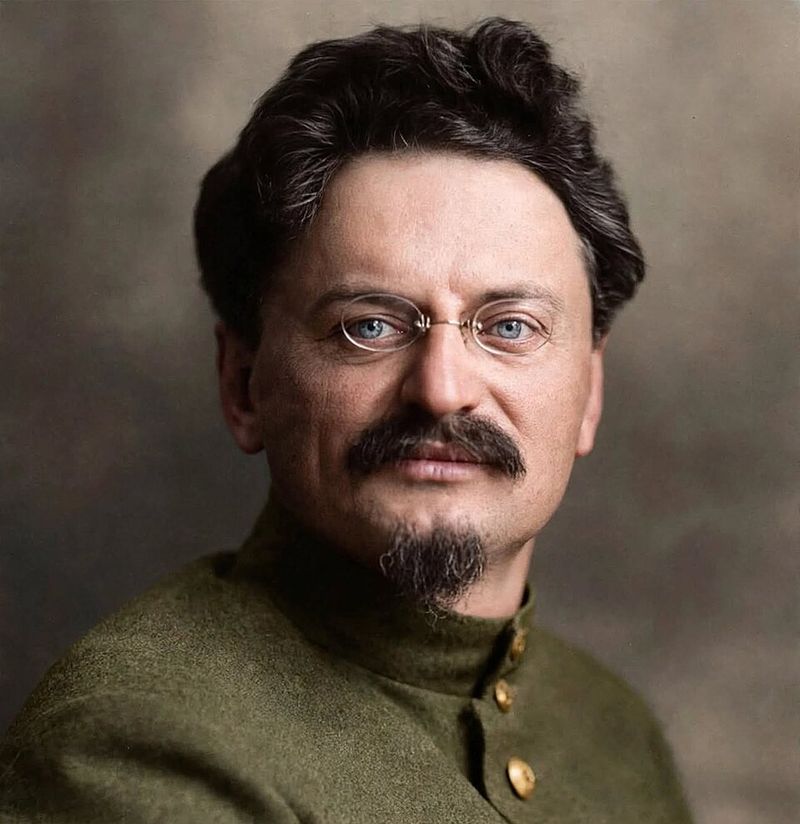
Trotsky helped lead the Russian Revolution and built the Red Army. Yet a power struggle with Joseph Stalin turned him from hero to enemy.
After losing that contest, he was sent into internal exile in 1928, far from the capital. A year later, in 1929, he was expelled from the Soviet Union altogether.
Trotsky moved from country to country, finding it hard to stay anywhere for long. He kept writing books and articles that criticized Stalin’s rule.
Eventually he found refuge in Mexico, where he lived in Mexico City. Stalin’s agents still tracked him, and in 1940 Trotsky was attacked and later died.
His life shows that exile did not always mean safety.
5. Oscar Wilde
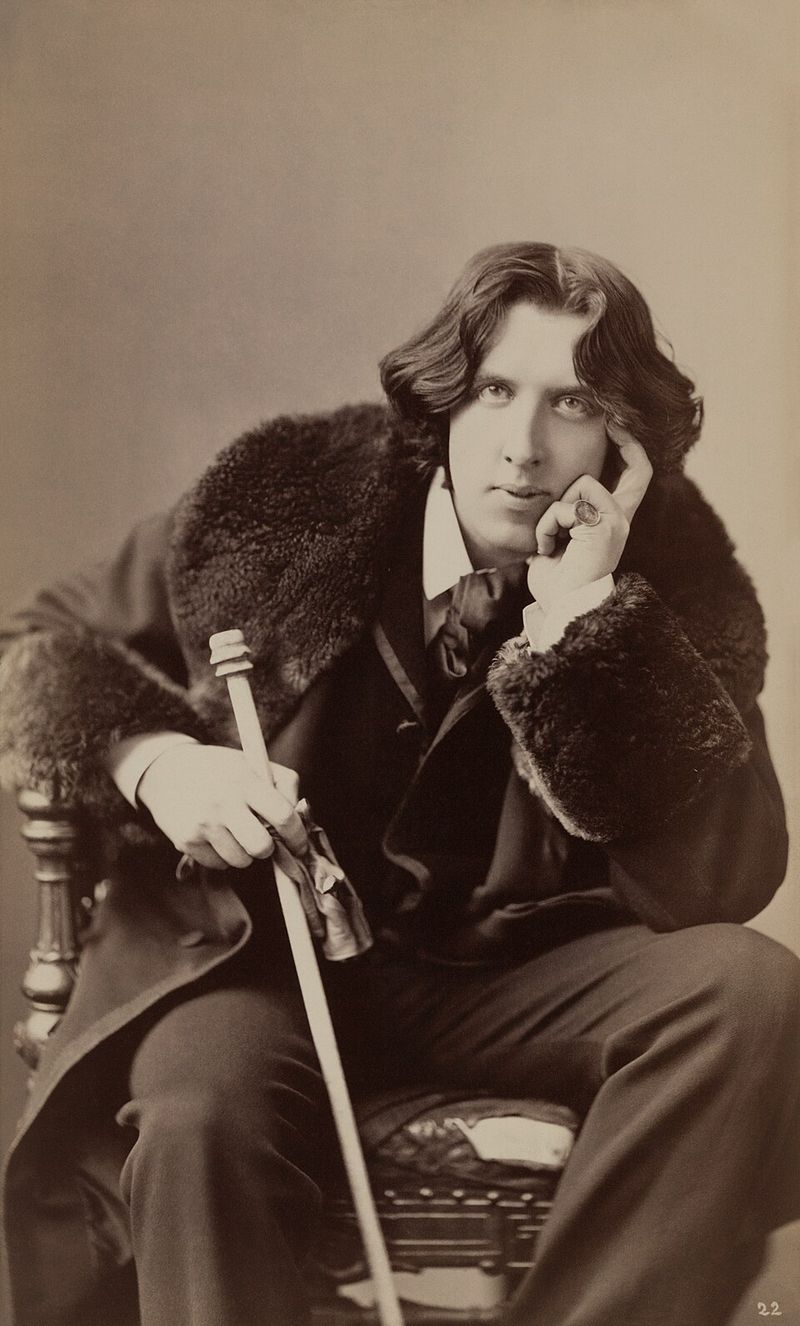
Oscar Wilde was once the toast of London, famous for sharp wit and hit plays. Then his life took a sudden, painful turn.
He was sent to prison in 1895 over his private life, which was treated as a crime at the time. When he was released in 1897, his reputation was in ruins and many doors were closed.
Wilde moved to France and never returned to Britain. Unlike others on this list, he was not formally banished by the government.
His departure was a choice made under heavy pressure.
He lived quietly in Paris, often short of money, and died there in 1900. His writing, including The Importance of Being Earnest, is still loved today.
6. Charles II of England
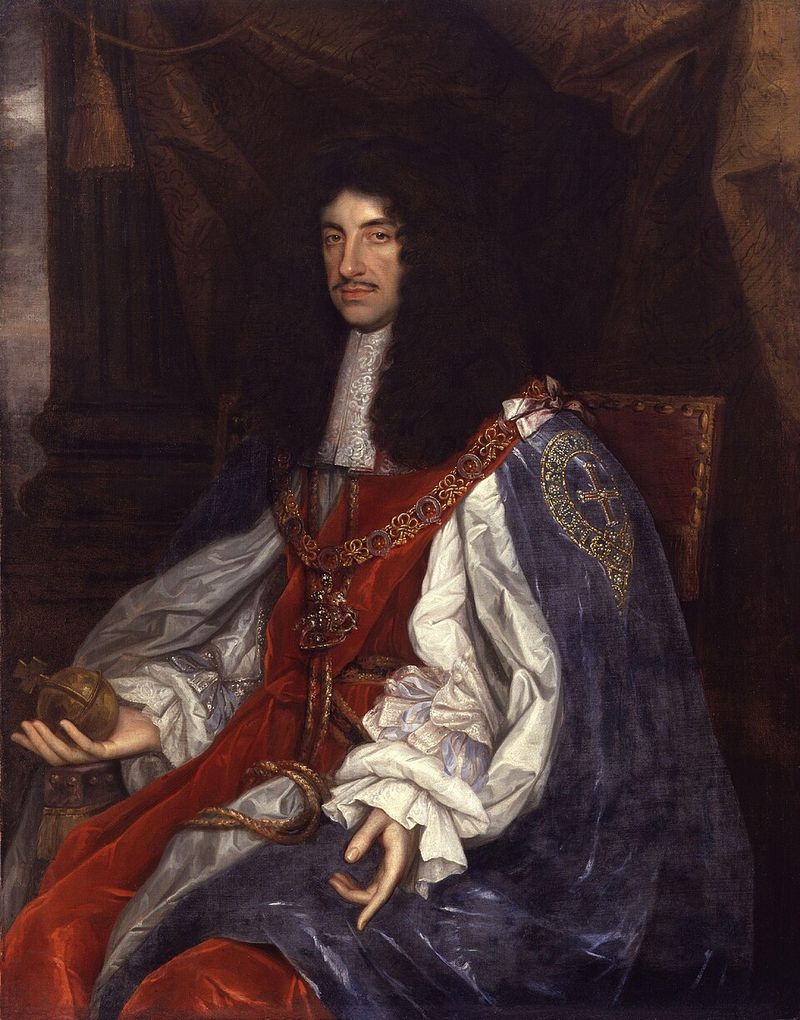
Hiding in an oak tree while soldiers searched below sounds like fiction, yet it is part of Charles II’s true story.
In 1651, his Royalist army lost the Battle of Worcester. Charles escaped with a price on his head, disguised himself, and traveled across England before sailing to France.
The years that followed were hard. He moved between courts in Europe, often short of money and relying on cousins and allies for help.
Back home, England had no king. Oliver Cromwell and Parliament ruled instead.
After Cromwell’s death, support for the monarchy grew again, and Charles returned in 1660. His restoration brought back theaters, festivals, and a livelier royal court.
7. Simón Bolívar
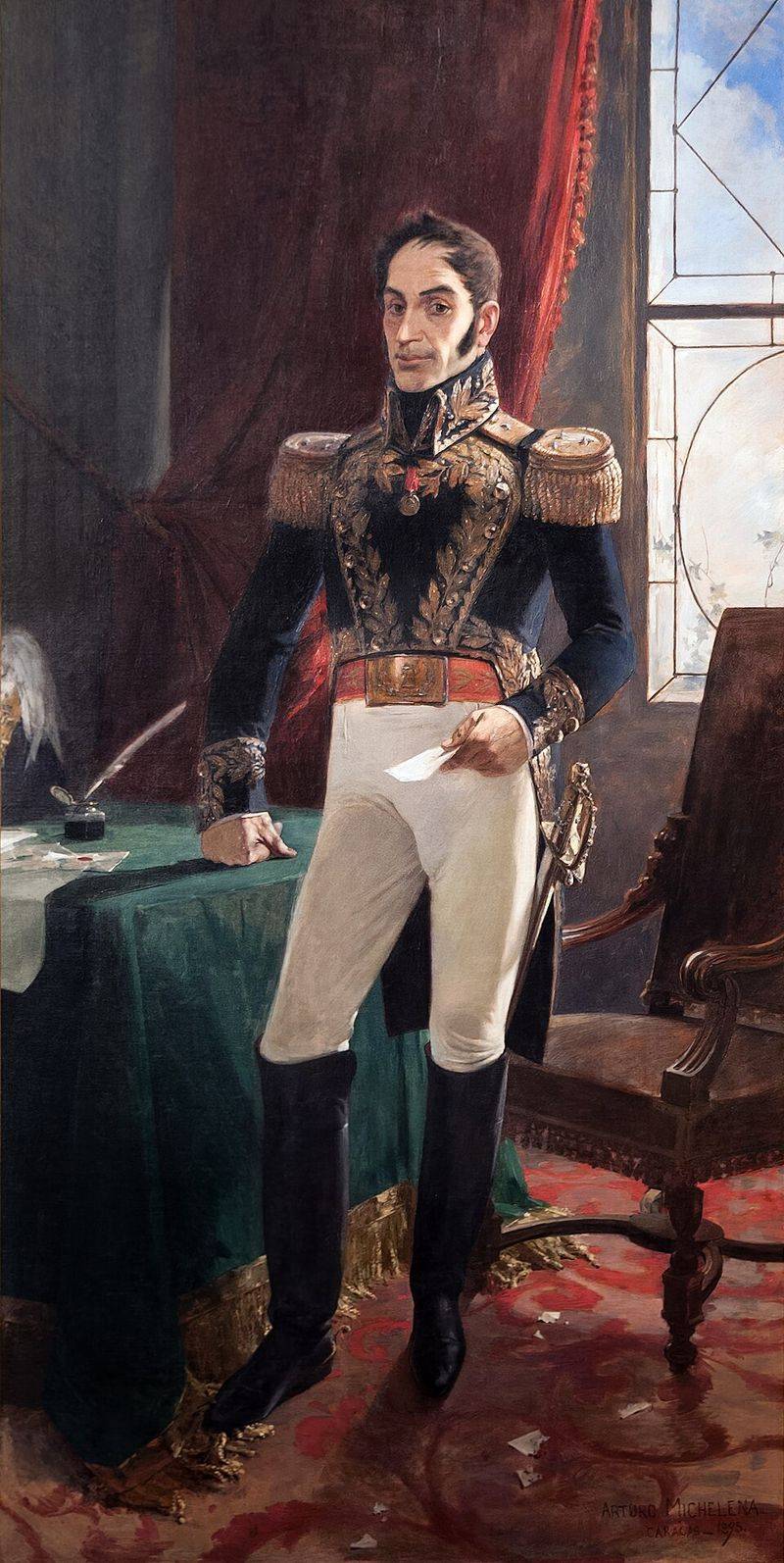
Liberators sometimes have to lose before they can win. Simón Bolívar learned this lesson more than once while fighting for South American independence.
Spanish forces pushed him out of Venezuela several times during the wars. He took refuge in places such as Jamaica and Haiti, where he planned his next steps.
In 1815, while in Jamaica, he wrote a famous letter describing his hopes for a free Latin America. Haiti’s leader later offered him ships, weapons, and supplies in return for a promise to oppose slavery.
Those periods abroad were not wasted. Bolívar returned with fresh plans and went on to help free Venezuela, Colombia, Ecuador, Peru, and Bolivia.
8. Empress Eugénie
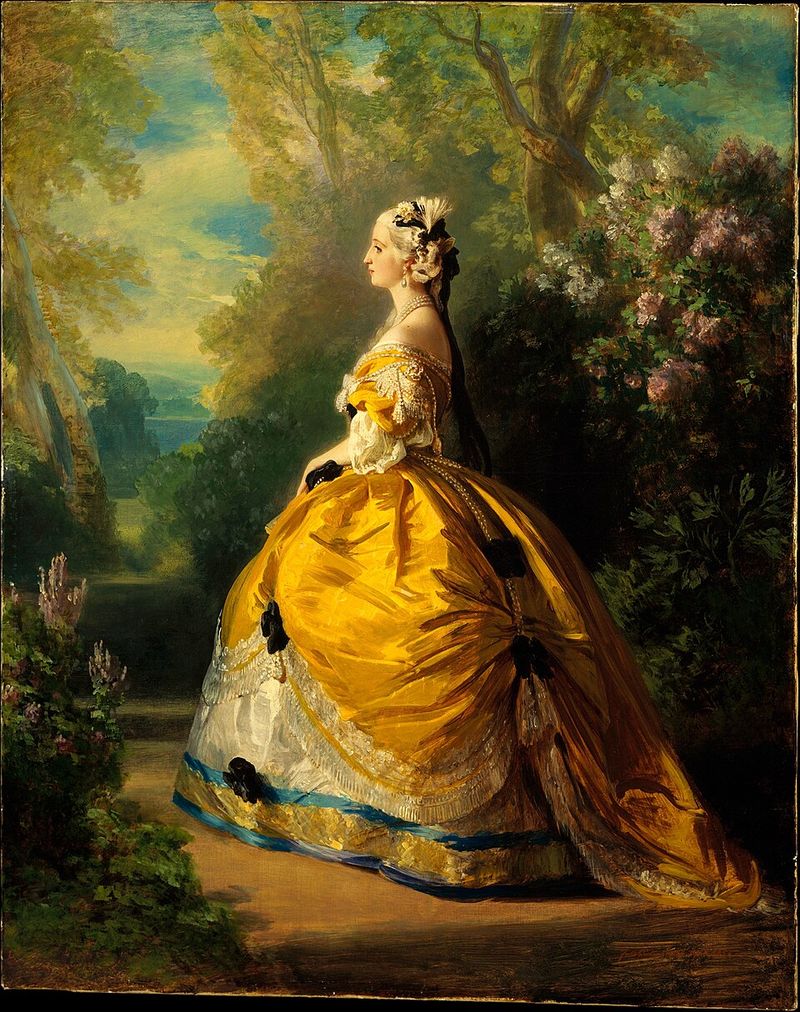
One day she lived in palaces, and a short time later she was escaping Paris in a borrowed carriage. Empress Eugénie’s world changed fast in 1870.
France lost a war with Prussia, and Napoleon III’s Second Empire fell. Crowds gathered in the capital, and Eugénie, who had been serving as regent, had to leave quickly.
She crossed the English Channel and settled in Britain with her family. Her husband died in 1873, and her only son was killed in southern Africa in 1879.
She stayed in England, living at Farnborough, and made trips to places such as Spain and the Mediterranean. Eugénie lived to age 94, long enough to see World War I and its aftermath.
9. Duke of Windsor
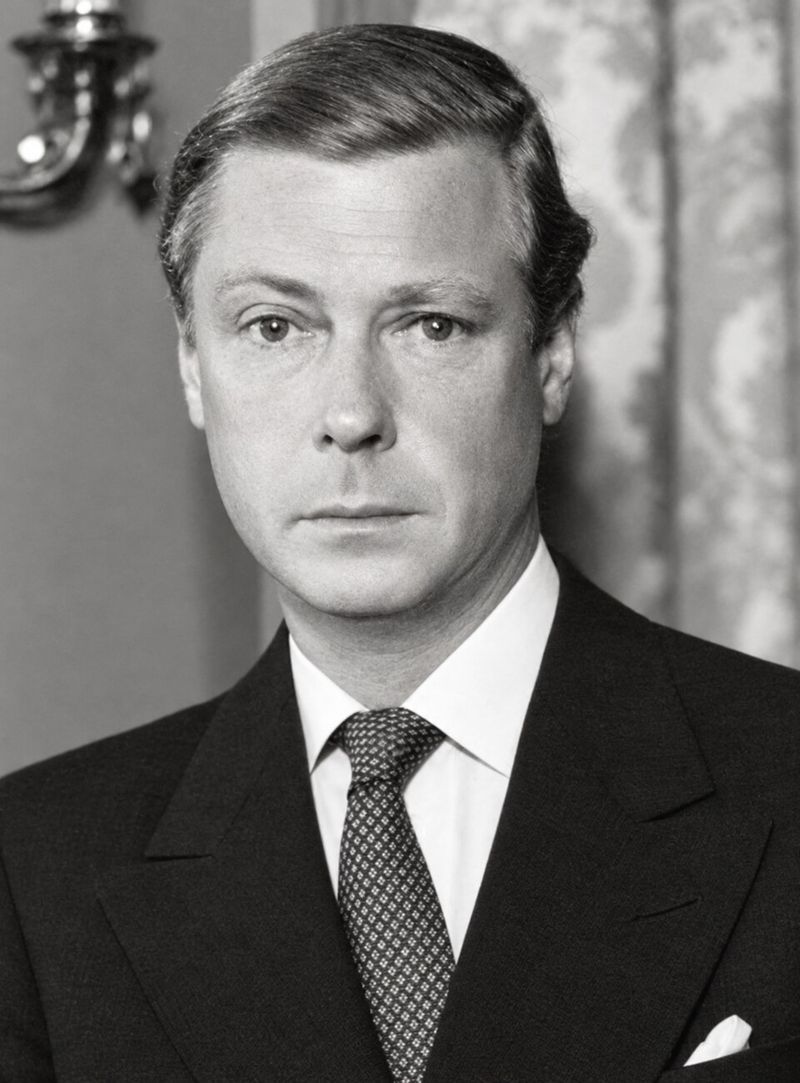
Few people give up a throne for love, but Edward VIII did exactly that. In 1936 he abdicated so he could marry Wallis Simpson, an American who had been divorced.
He became the Duke of Windsor and left Britain soon after. Strictly speaking, he was not banished.
His life abroad was more of a voluntary move than a legal exile.
Even so, he and Wallis spent most of their years in France, with brief stays in other places. During World War II, he served as governor of the Bahamas.
The couple remained in the public eye, though they were rarely welcomed back by the royal family. The duke died in Paris in 1972.
10. Joseph Bonaparte
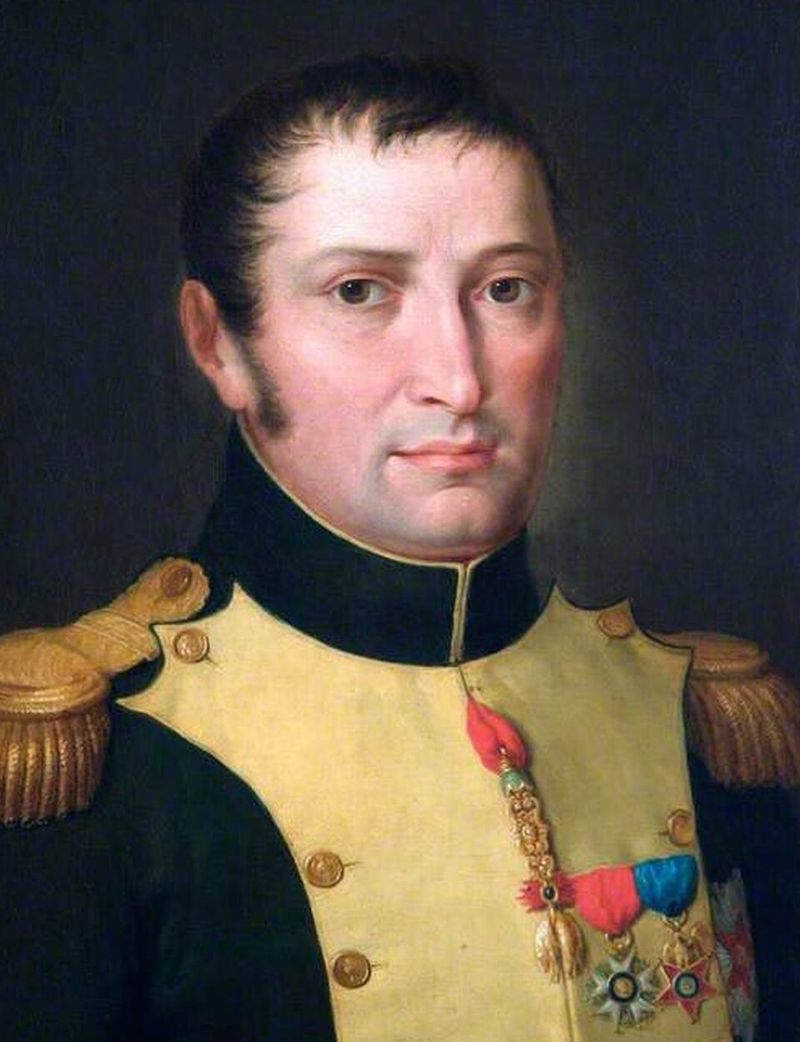
Being the older brother of Napoleon came with plenty of crowns and plenty of trouble. Joseph Bonaparte was made king of Naples and later king of Spain.
When Napoleon’s empire collapsed in 1815, Joseph knew he could not stay in Europe safely. He sailed to the United States and began a new life.
He bought land in New Jersey, near Bordentown, and built a grand home with gardens and an impressive art collection. He also spent time in Pennsylvania.
Joseph was said to have brought jewels from Europe to fund his comfortable lifestyle. He later returned to Europe and died in Florence in 1844, though his American years remain a surprising chapter.
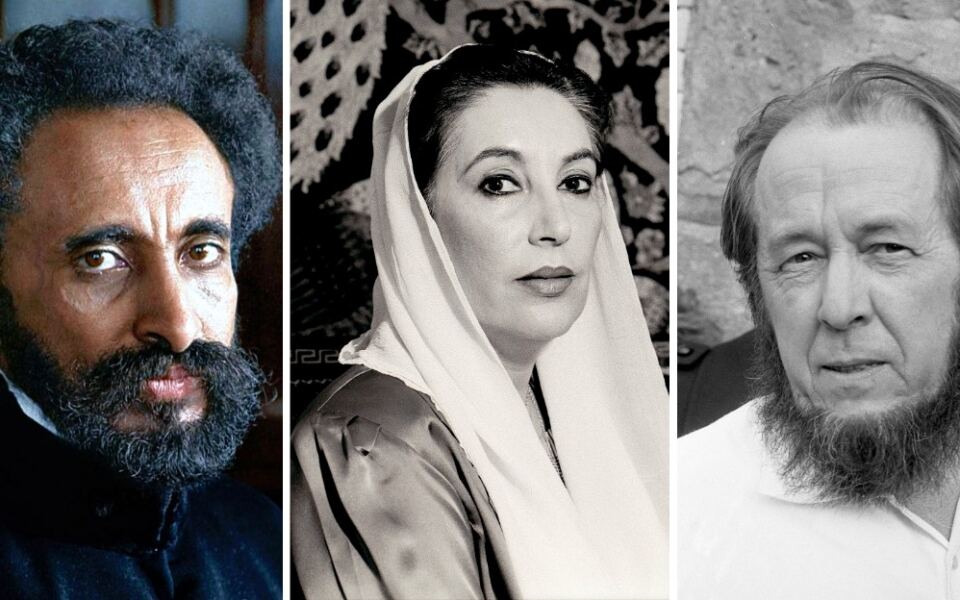
11. Alexander Solzhenitsyn
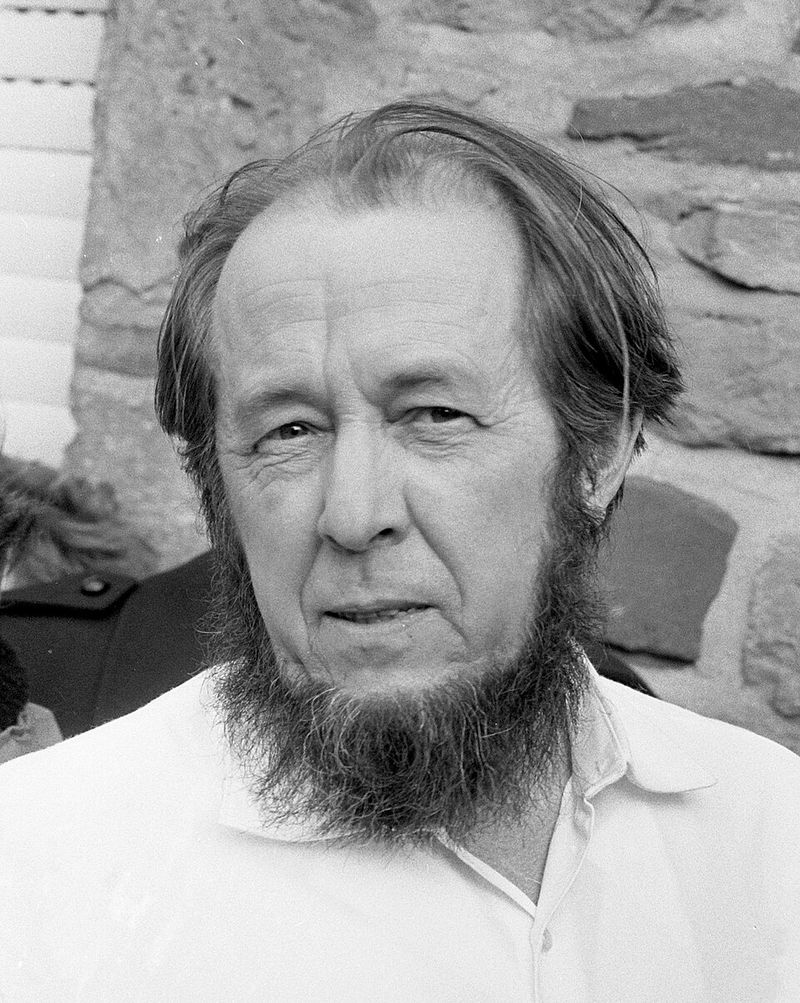
Some books are so powerful that governments try to silence their authors. Alexander Solzhenitsyn learned this after writing about the Soviet labor camp system.
He had spent years in the camps himself. His writings, including The Gulag Archipelago, exposed how widespread and brutal they were.
In 1974, Soviet authorities arrested him, took away his citizenship, and expelled him. He eventually settled in Vermont in the United States, where he continued to write.
Solzhenitsyn won the Nobel Prize in Literature in 1970. After the Soviet Union fell, he returned to Russia in 1994, and he lived there until his death in 2008.
12. Haile Selassie
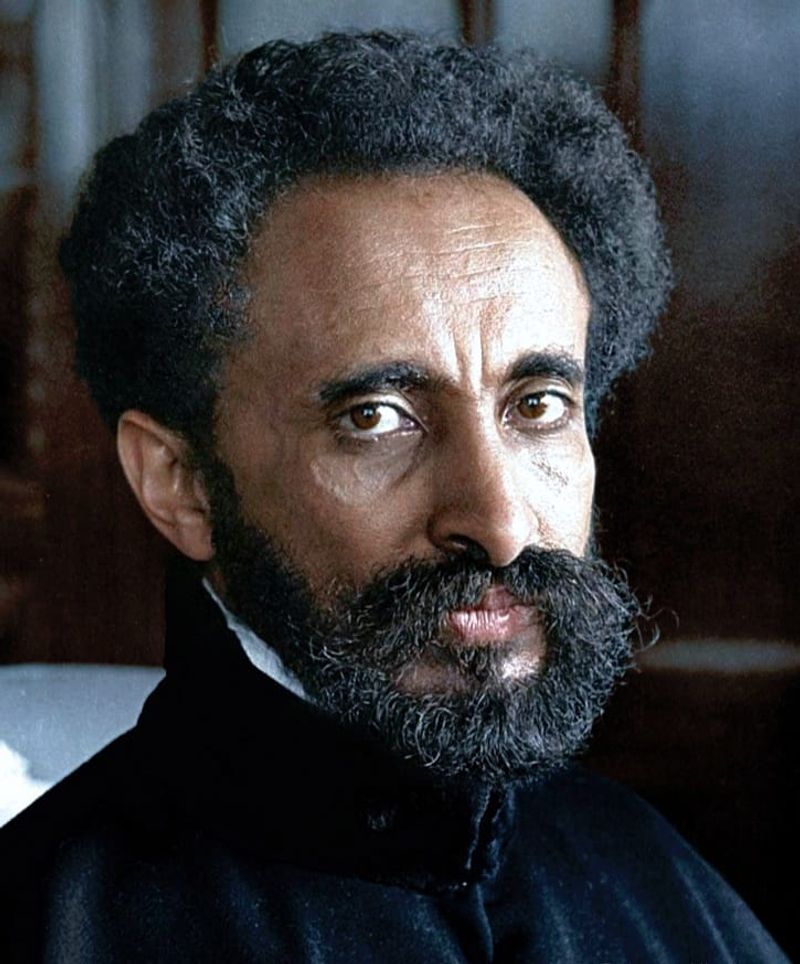
In 1936, Haile Selassie stood before the League of Nations in Geneva and asked the world to help his country. Most nations did not respond in time.
Italy had invaded Ethiopia, and the emperor left his land to keep his cause alive. He settled in Britain, living in the town of Bath for several years.
From there, he spoke out against the occupation and urged other countries to take notice. His speech became one of the best-known moments of the era.
When World War II widened, British and Ethiopian forces drove out the Italians. Haile Selassie returned to Addis Ababa in 1941, five years after he had left, and resumed his rule.
13. Mohammad Reza Pahlavi
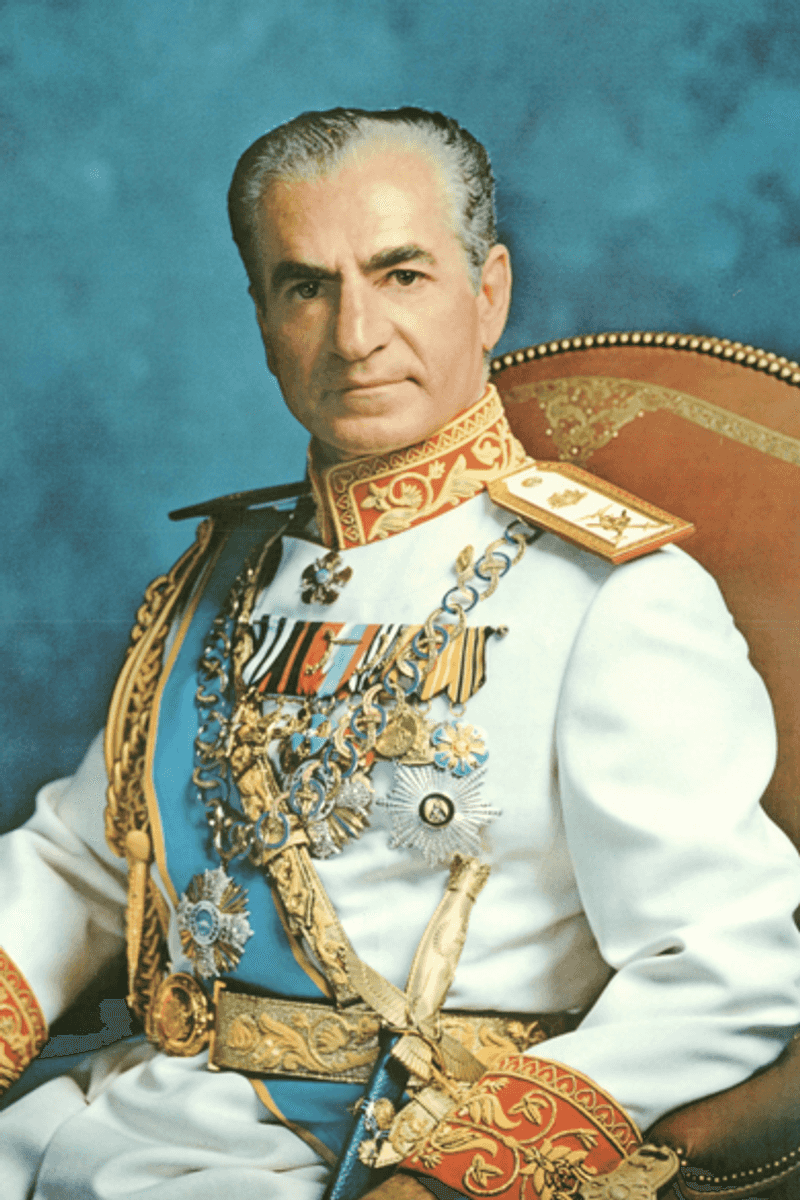
On a January day in 1979, Iran’s shah boarded a plane and left Tehran. Officials described it as a vacation, but few believed he would return.
Months of protests had swept the country. Many Iranians were unhappy with his rule, and the unrest grew into the Iranian Revolution.
After his departure, the monarchy ended and Ayatollah Khomeini came to power. The shah traveled through countries such as Egypt, Morocco, the Bahamas, and Mexico, searching for a safe place to stay.
He was also treated for cancer during this time. His arrival in the United States for medical care later triggered a major crisis.
The shah died in Egypt in 1980.
14. Benazir Bhutto
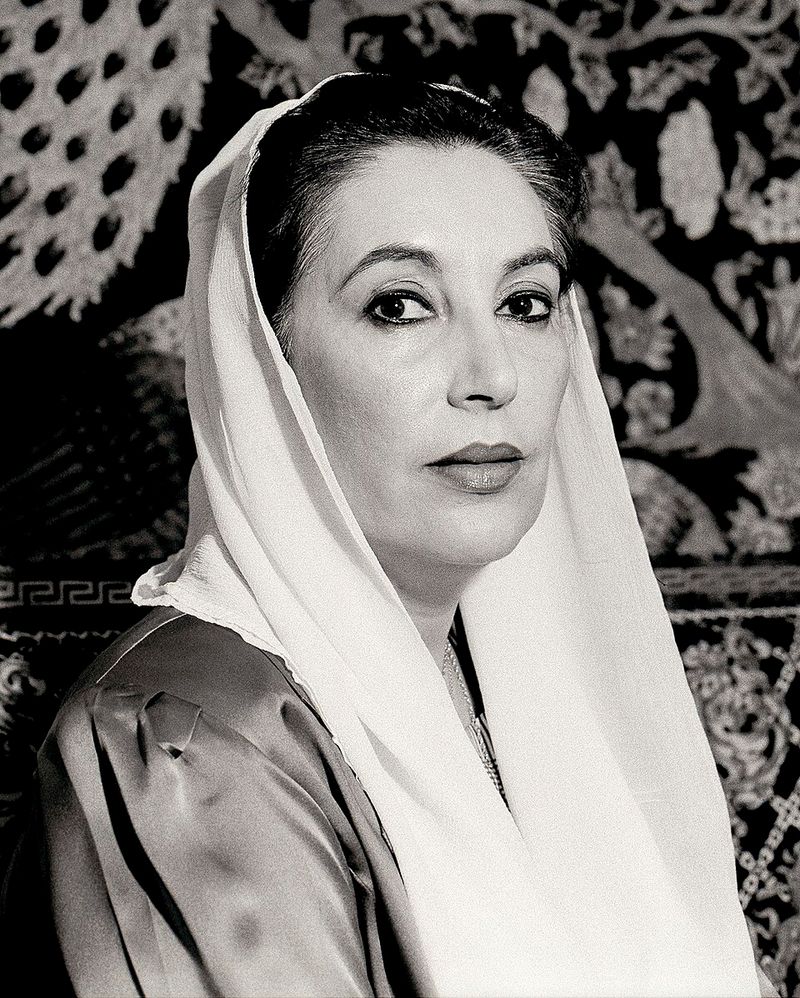
She was the first woman to lead a Muslim-majority country, yet her political career included long stretches away from home.
Benazir Bhutto served as Pakistan’s prime minister twice. Later, facing political pressure and corruption charges, which she denied, she lived abroad for years, mainly in Dubai and London.
During this time she kept speaking about democracy and women’s rights. She also worked to stay connected with supporters back in Pakistan.
In 2007 she returned, hoping to take part in elections. Sadly, she was assassinated that December at a rally in Rawalpindi.
Her story continues to be discussed by those who study politics in South Asia.
15. Ovid
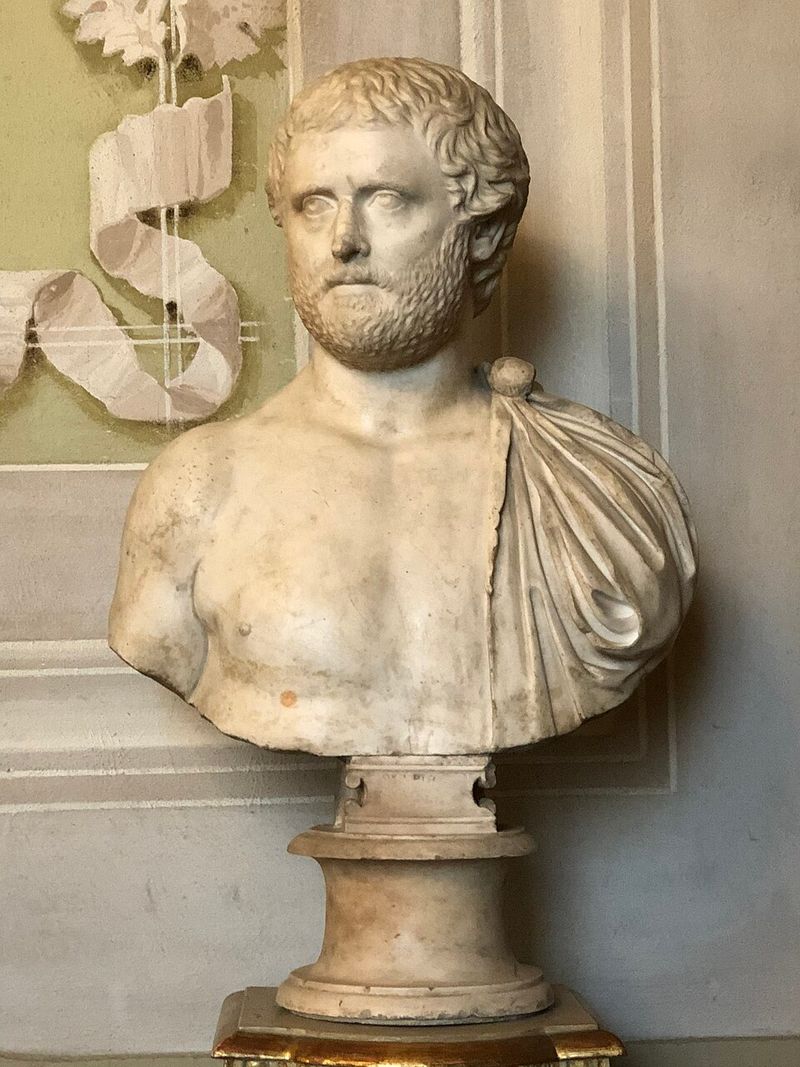
Ovid was one of Rome’s most popular poets, known for Metamorphoses, a collection of myths about transformation. Then, in 8 CE, everything changed.
Emperor Augustus ordered him to leave Rome and move to Tomis, a distant town on the Black Sea coast in what is now Romania. Ovid later pointed to two causes: a poem and a mistake.
Exactly what he did remains unclear, which keeps historians curious today. The punishment, though, was real.
Ovid missed the city’s culture and complained about the cold weather and rough surroundings.
He wrote sad poems, such as Tristia, begging to be allowed home. Augustus never relented, and Ovid died in Tomis around 17 or 18 CE.
Share this story