Castles were more than stone walls and tall towers. They were homes for kings, prisons for rivals, and fortresses that shaped the outcome of wars.
Each castle on this list helped change the course of European history in its own way. Read on to see where these famous places fit into the story.
1. Tower of London, England
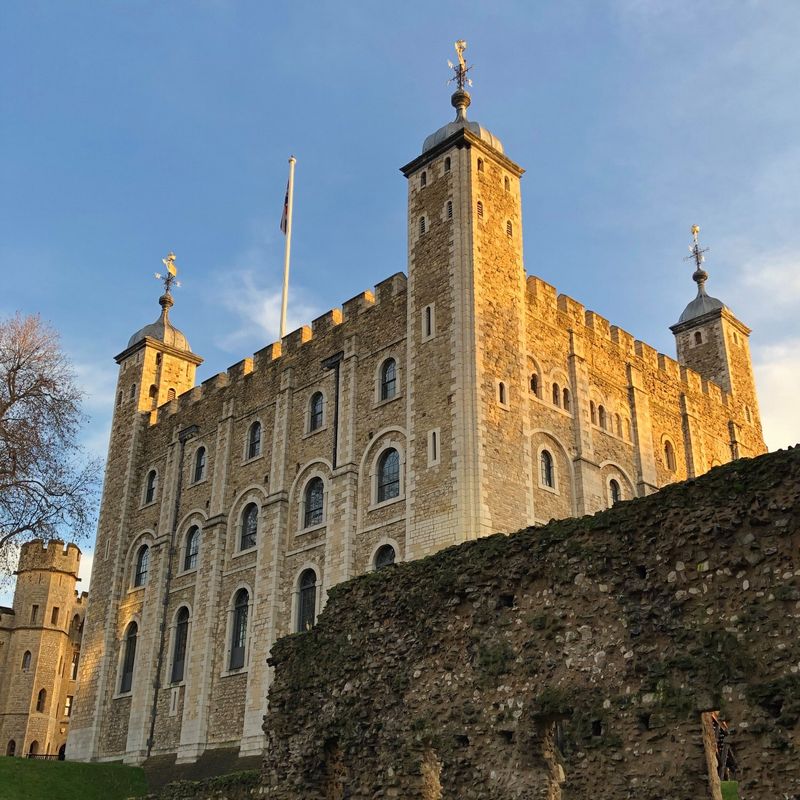
Few buildings in England have seen as many dramatic moments as the Tower of London. William the Conqueror began building it in the 11th century, soon after the Norman victory in 1066.
The great White Tower rose over the city as a clear message: the new rulers were here to stay.
Over the centuries, the fortress took on many jobs. Kings and queens lived there, and the royal mint and treasury were kept within its walls.
It also held some of the most important prisoners in the kingdom, including nobles who had fallen out of royal favor.
The Tower shows how a castle could be a home, a bank, and a jail all at once. Its thick walls and layered defenses made it nearly impossible to attack.
Today, visitors can walk the same stone passages and see the Crown Jewels, which are still kept on the site.
2. Windsor Castle, England
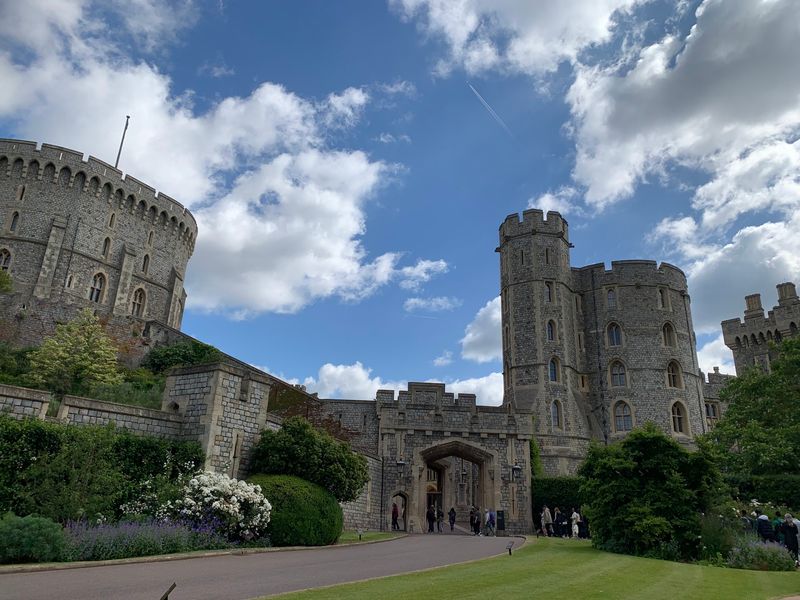
Standing on a chalk hill above the Thames, Windsor Castle has been occupied for nearly a thousand years. That makes it the longest-occupied palace in Europe.
William the Conqueror chose the site after 1066 because it guarded the western approach to London.
At first, the castle was a simple wooden fort on a raised mound. Later kings replaced the timber with stone and added grand halls, towers, and apartments.
Henry II, Henry III, and Edward III all made major changes, turning it into a true royal home.
Windsor became a symbol of the monarchy itself. Important ceremonies and gatherings took place within its walls, and the Order of the Garter was founded there in the 14th century.
Because kings kept returning, the castle survived while many others fell into ruin, and it remains a working royal residence today.
3. Château de Chinon, France
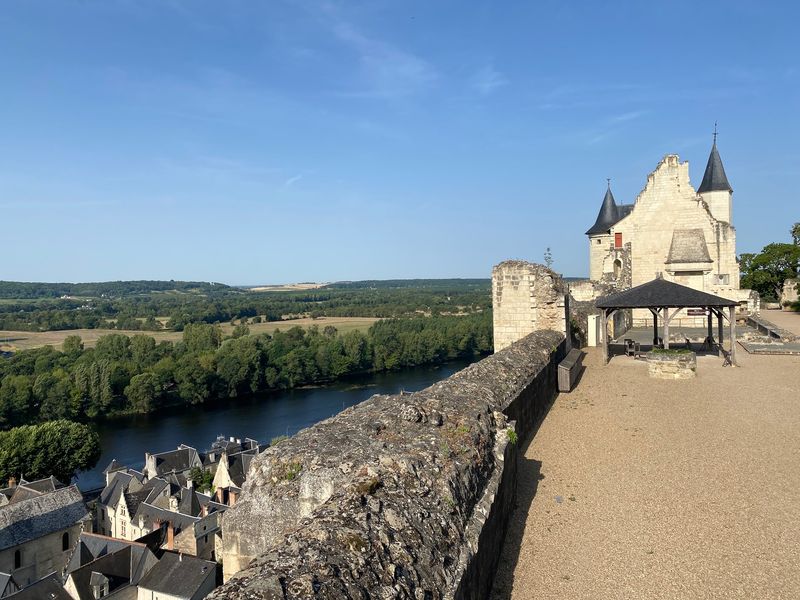
In March 1429, a teenage girl from a farming village walked into a great hall at Chinon and changed her country’s fate. Joan of Arc, about seventeen years old, had come to meet the man she called the true king of France.
That man was the future Charles VII.
Chinon was a large royal fortress in the Loire Valley, once favored by the English king Henry II as well. By Joan’s time it served as a refuge for Charles while English and Burgundian forces held much of northern France.
Her meeting there convinced Charles to back her plans. Soon after, she helped lift the siege of Orleans, a turning point in the Hundred Years’ War.
Though partly ruined today, the castle still shows how one conversation inside its walls helped secure support for a daring military campaign.
4. Edinburgh Castle, Scotland
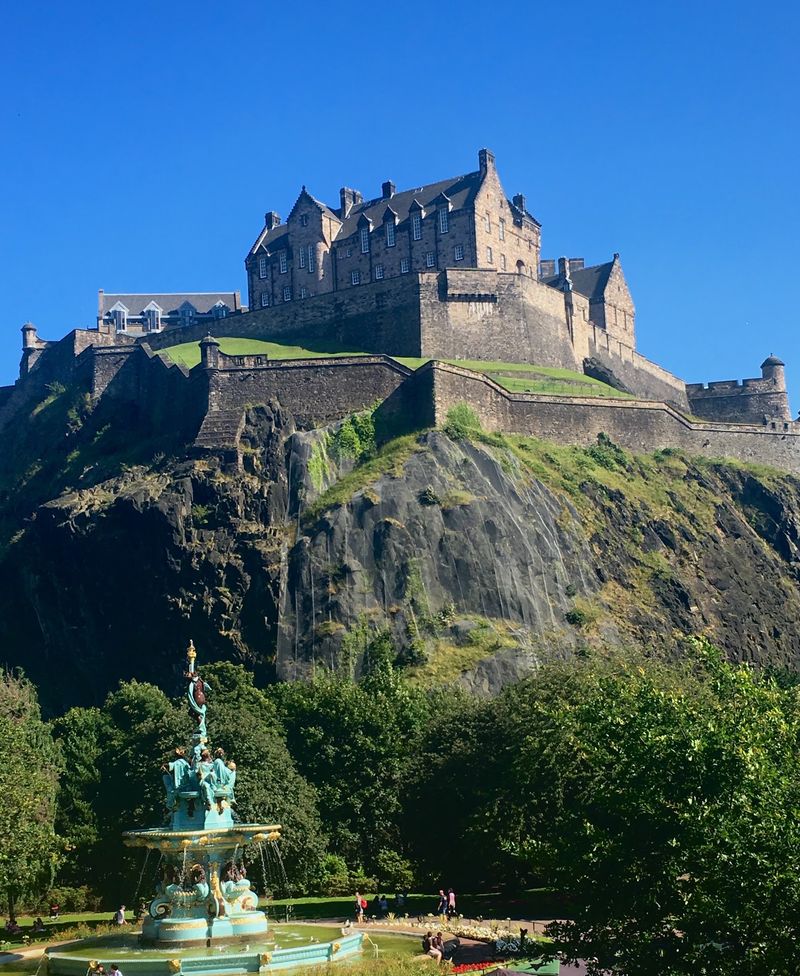
Perched on an ancient volcanic rock, Edinburgh Castle has one of the most commanding views in Britain. Whoever held it controlled the routes around the city, which is why armies fought over it again and again.
During the Wars of Scottish Independence, the castle changed hands several times. English forces captured it in 1296, and Scottish fighters won it back in 1314 in a daring night raid led by Thomas Randolph.
Afterward, the walls were torn down so the English could not use them again.
Scottish monarchs also lived there for long stretches, and royal births, councils, and treasures were tied to its rooms. The small St Margaret’s Chapel, built in the early 12th century, is still the oldest surviving building in Edinburgh.
Together, these stories show a fortress that was both a prize of war and a royal home.
5. Krak des Chevaliers, Syria
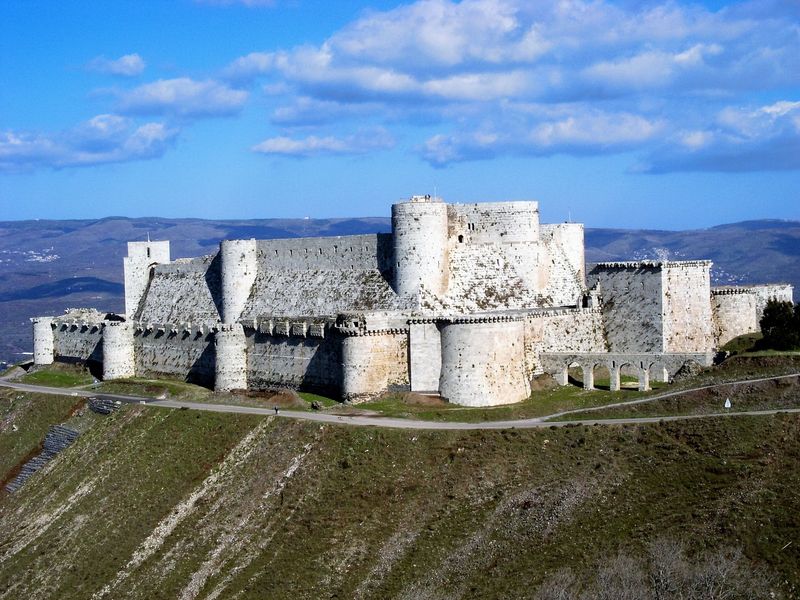
Some castles look strong. Krak des Chevaliers looks nearly unbeatable.
Set on a hill in western Syria, it has two rings of thick walls, sloped stone defenses, and massive round towers that made attackers think twice.
The Knights Hospitaller took over the site in 1142 and expanded it into a vast stronghold. At its height, it could house a large garrison along with horses and food for a long siege.
It guarded an important route between the Mediterranean coast and inland cities.
Many assaults failed. In 1271, the Mamluk sultan Baybars finally captured it, partly through clever tactics and a forged letter, according to historical accounts.
The fall marked another step in the decline of Crusader power in the region. Today it is considered one of the best preserved Crusader castles in the world.
6. Castel del Monte, Italy
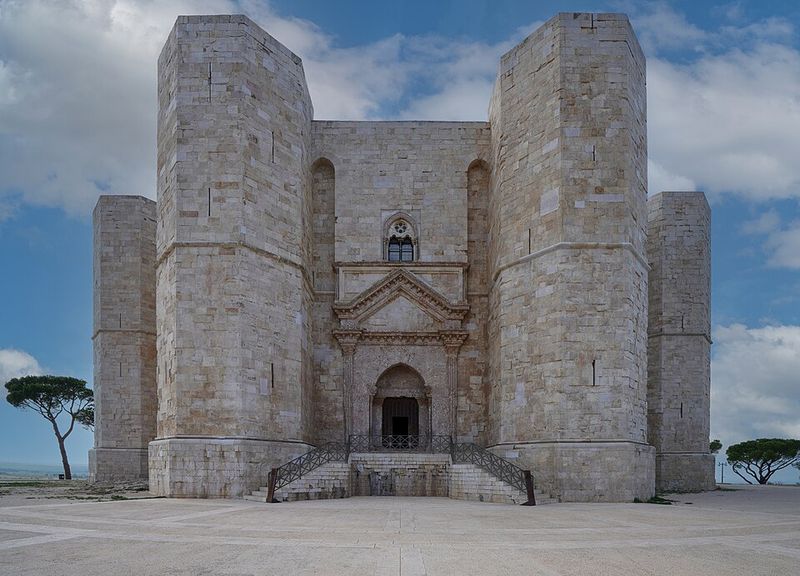
Eight sides, eight towers, and no obvious reason for being there. Castel del Monte in southern Italy puzzles visitors even now.
It sits on a quiet hill in Apulia, far from any major battlefield or border.
Emperor Frederick II had it built in the 13th century. He ruled the Holy Roman Empire and was known for his love of science, math, and learning.
The strict geometry of the castle seems to reflect those interests.
Historians still debate its exact purpose. It may have been a hunting lodge, a symbol of imperial power, or a showpiece of new ideas in design.
Whatever the answer, its pale stone walls and perfect shape show the ambition of a ruler who wanted to be remembered. It is now a UNESCO World Heritage Site.
7. Malbork Castle, Poland
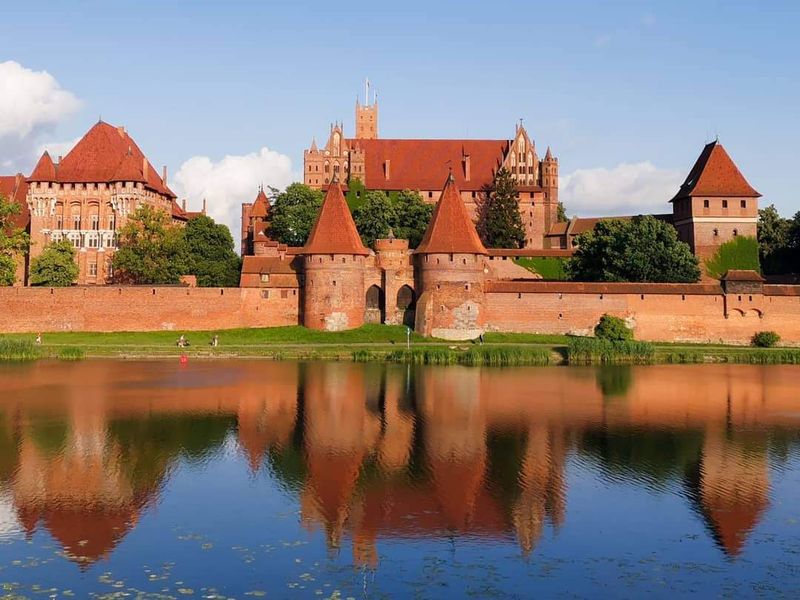
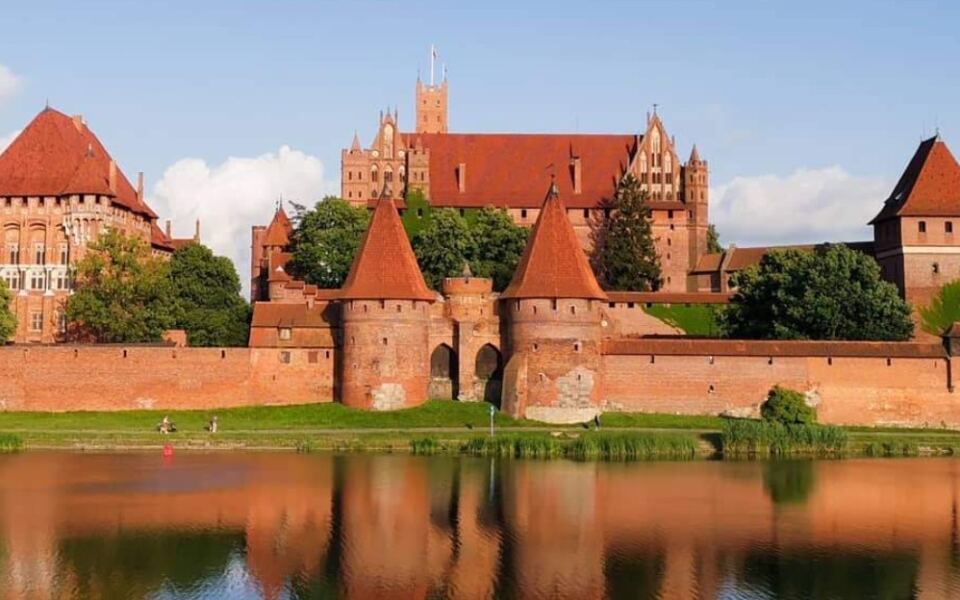
Measured by the space it covers, Malbork is often called the largest castle in the world. Its red brick walls stretch along the Nogat River in northern Poland, and the scale alone can stop visitors in their tracks.
The Teutonic Order, a military and religious brotherhood, began the fortress in the late 13th century. In 1309, the Grand Master moved the order’s headquarters there.
From that point, Malbork became the center of their government and army in the Baltic region.
Inside, the complex had chapels, workshops, storerooms, and grand halls for the leaders. Strong defenses and wide moats protected it during conflicts with neighboring powers.
The order lost control of the castle in 1457, but the building survived. Careful restoration work has kept it a major landmark of medieval brick architecture.
8. Carcassonne, France
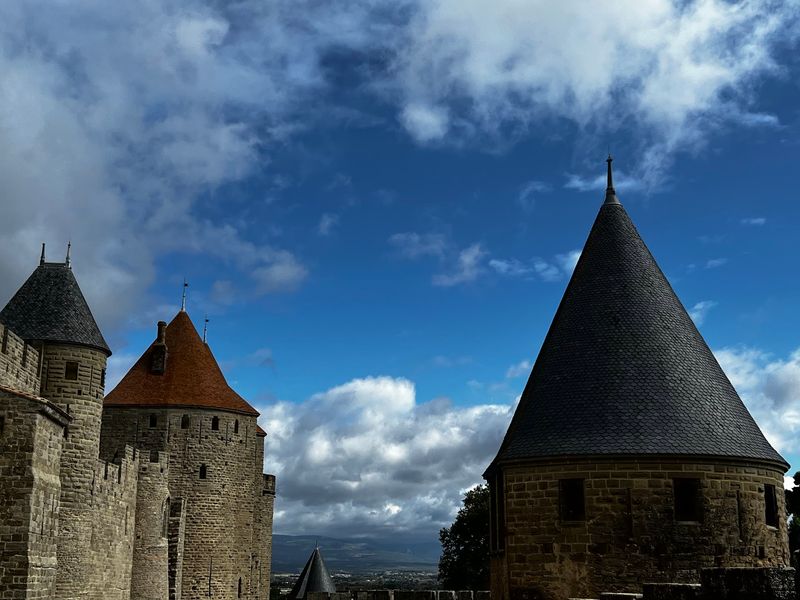
Carcassonne is not just a castle. It is an entire fortified town, wrapped in two rings of walls with more than fifty towers.
Seen from a distance, it looks like something out of a storybook.
The site was important long before the Middle Ages, but its role grew during the Albigensian Crusade in the early 13th century. In 1209, forces led by Simon de Montfort besieged and took the city.
The conflict was part of a struggle over religion and land in southern France.
Later, the French crown strengthened the walls, and Carcassonne became a key stronghold along the border with Aragon. Its defenses were so strong that attackers often chose to bypass it.
In the 19th century, architect Eugene Viollet-le-Duc led a large restoration that shaped how we see it today.
9. Conwy Castle, Wales
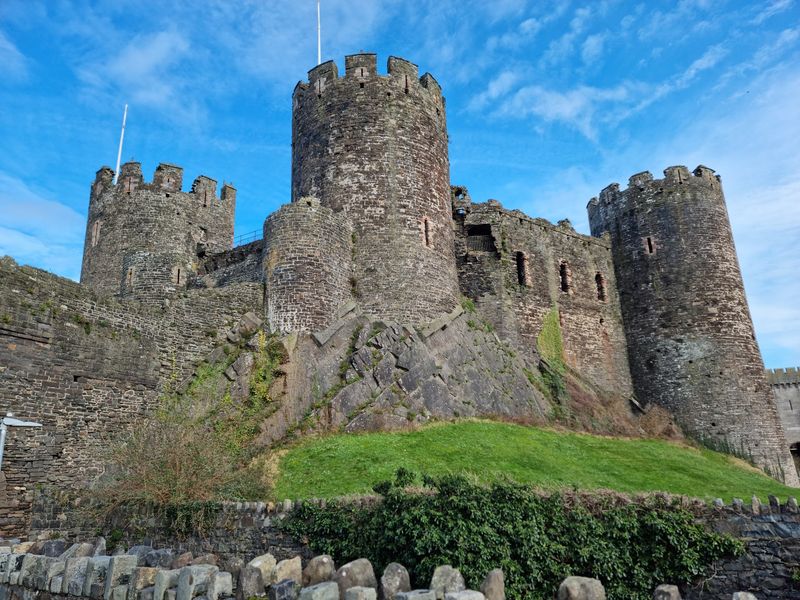
Picture eight huge round towers rising beside a tidal river, with a walled town tucked next to them. That is Conwy, a showpiece of English power in North Wales.
King Edward I ordered the castle built between 1283 and 1287, after his campaigns against the Welsh princes. Master mason James of St George, a celebrated builder of the age, is linked with its design.
The castle and its town walls were meant to work together as one defensive system.
English settlers were encouraged to live inside the walls, which helped tighten the king’s control over the region. The castle could also be supplied by sea, a clever advantage during sieges.
Conwy later saw action in the Welsh revolt of Owain Glyndwr and in the English Civil War. Today it stands as a UNESCO World Heritage Site.
10. Bran Castle, Romania
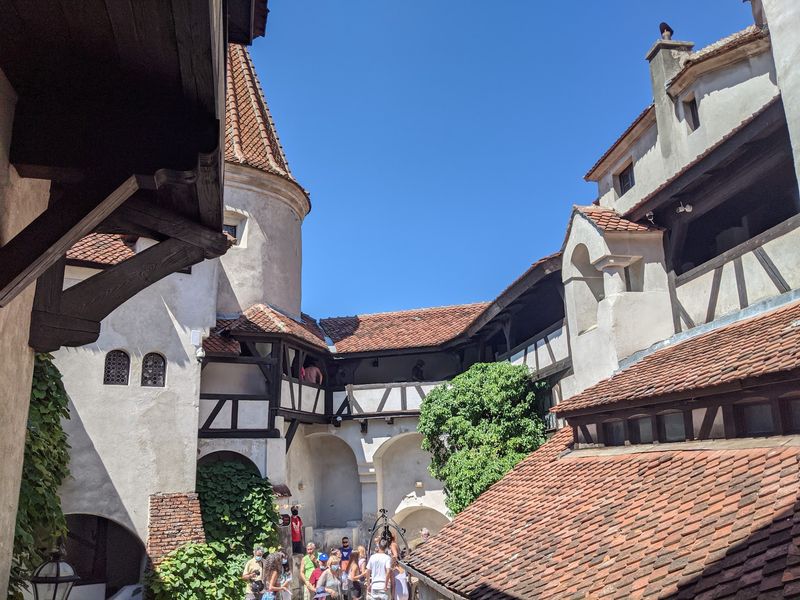
Most people know Bran Castle for its spooky reputation, but its real story is about trade and defense. The fortress sits in a narrow mountain pass that links Transylvania with Wallachia, a route merchants used for centuries.
Construction began in the late 14th century, after the local Saxons of Brasov received permission to build a stronghold. It served as a lookout and a customs post, allowing officials to watch travelers and collect payments on goods.
Because the pass was so valuable, the castle had a steady role in regional defense. Its winding stairs, hidden corners, and sturdy walls were made for practical protection.
The link to Dracula comes mainly from fiction, and historians note that Vlad the Impaler had only a loose connection to the place. The true history is still fascinating.
11. Karlštejn Castle, Czech Republic
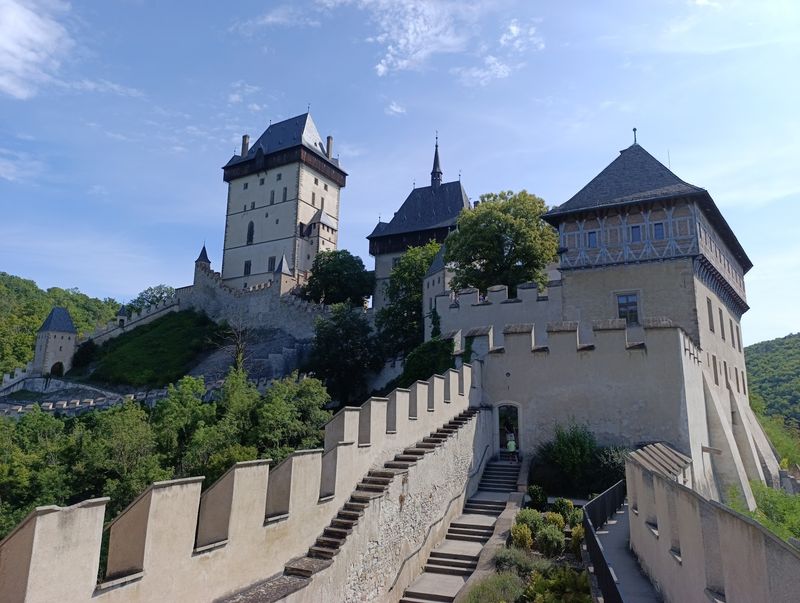
Not every castle was built to hold soldiers. Karlštejn was built to hold treasure.
Emperor Charles IV founded it in 1348 near Prague as a safe home for his most valued possessions.
Those included holy relics and the imperial regalia of the Holy Roman Empire, the crown jewels used in royal ceremonies. The castle was arranged in rising levels, with the most sacred space in the Great Tower at the top.
Only a few trusted people could enter the highest areas.
The Chapel of the Holy Cross, decorated with gold, gems, and painted panels, is a highlight. Its design shows how religion and royal authority were closely connected in the Middle Ages.
Karlštejn reminds us that guarding symbols of power could matter just as much as guarding borders.
12. Alcázar of Segovia, Spain
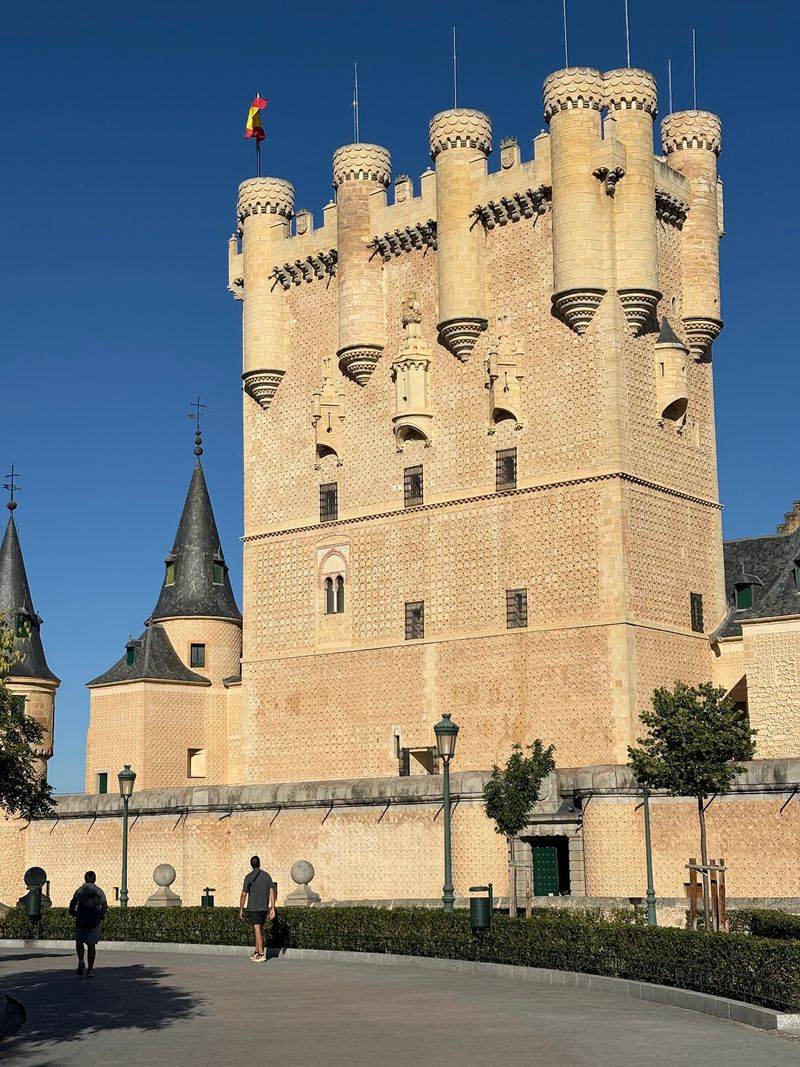
Shaped like the prow of a ship, the Alcázar of Segovia juts out over the meeting point of two rivers. Its pointed towers and rocky setting make it one of the most recognizable castles in Spain.
The fortress began as an Arab-era stronghold and grew into a favorite home of Castilian kings. Rulers added halls, towers, and richly decorated rooms over the following centuries.
It was both a defense point and a place of royal court life.
One event stands out. In December 1474, after the death of King Henry IV, Isabella I was proclaimed Queen of Castile in Segovia.
That moment set the stage for her later partnership with Ferdinand and the joining of Spain’s major kingdoms. Few castles can claim such a direct link to a change in national leadership.
13. Château Gaillard, France
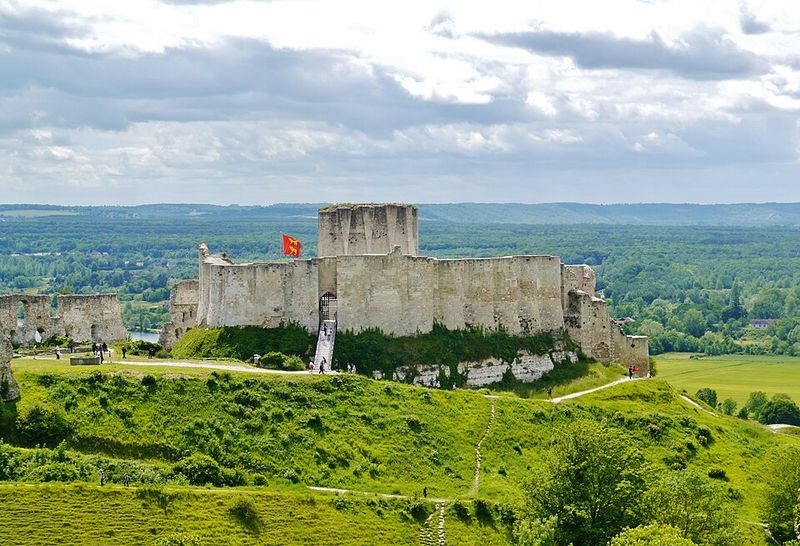
Richard the Lionheart reportedly boasted that he could hold this castle even if its walls were made of butter. Whether or not the story is exact, he built Château Gaillard at remarkable speed, finishing the main work in about two years.
The castle rises on a steep cliff above the Seine in Normandy. Richard planned it in the late 12th century to protect the duchy from the French king Philip II.
Its layered defenses, thick walls, and clever design made it a modern fortress for its day.
After Richard died, his brother John was left to defend it. Philip besieged the castle for months and captured it in 1204, using tunnels, siege weapons, and a sharp eye for weak spots.
The loss helped bring Normandy under French control, a major shift in the long rivalry between the English and French crowns.
Share this story