Fame in Hollywood can feel permanent, but history has shown it can disappear faster than most people expect. Some actors who once filled theaters and dominated television screens have seen their careers take dramatic turns because of public controversies, personal scandals, or decisions that sparked intense backlash.
Whether the fallout came from a single tweet, a criminal case, or years of troubling behavior, each story on this list changed how the public sees that person forever. These 15 actors represent some of the most talked-about reputation collapses in modern entertainment history, and their stories are worth understanding.
Bill Cosby
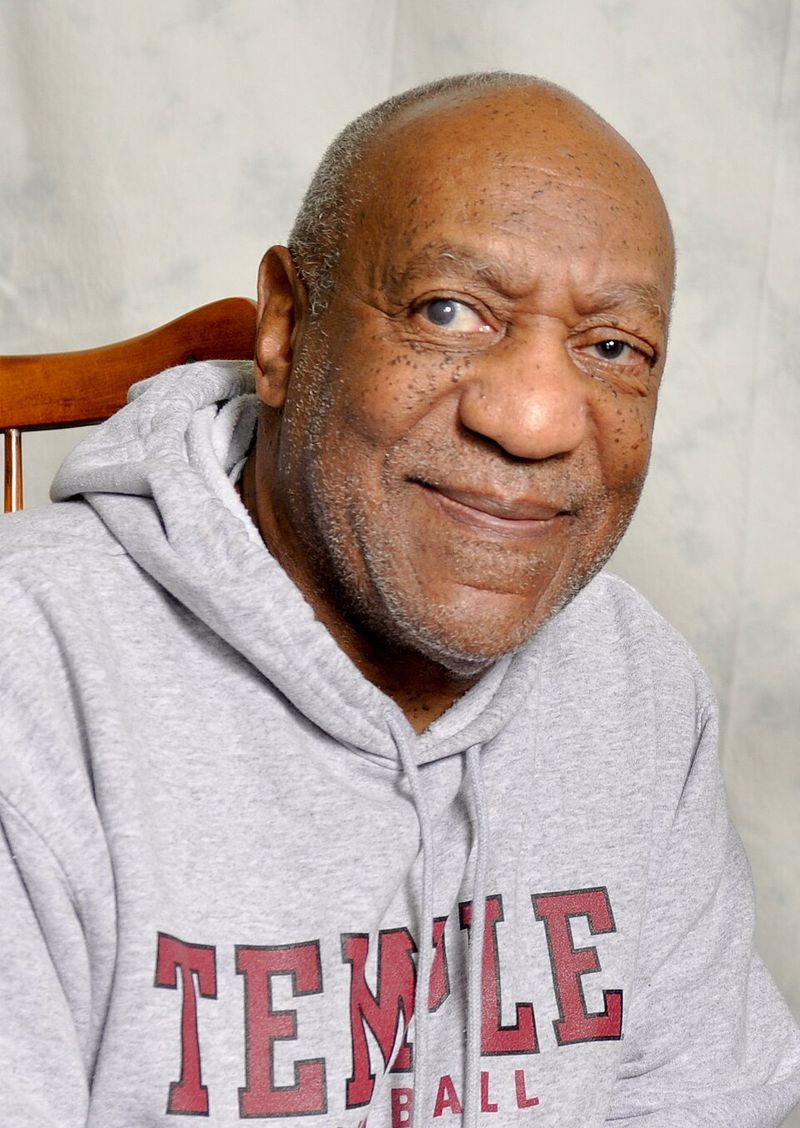
For decades, Bill Cosby was considered one of the most trusted faces on American television. The Cosby Show made him a cultural institution, and his clean comedy image seemed unshakeable.
That carefully built reputation came apart when dozens of women came forward with sexual misconduct allegations that stretched back many years.
In 2018, Cosby was convicted of aggravated indecent assault in Pennsylvania, marking one of the first major convictions of the #MeToo era. The conviction was later overturned in 2021 after the Pennsylvania Supreme Court ruled that a prior non-prosecution agreement had been violated, which technically allowed his release.
However, legal battles continued. A 2026 California civil jury found him liable in another assault case.
No reversal of a court ruling has restored public trust in him. His fall from beloved TV father to convicted figure remains one of the most dramatic reputation collapses in entertainment history.
Kevin Spacey
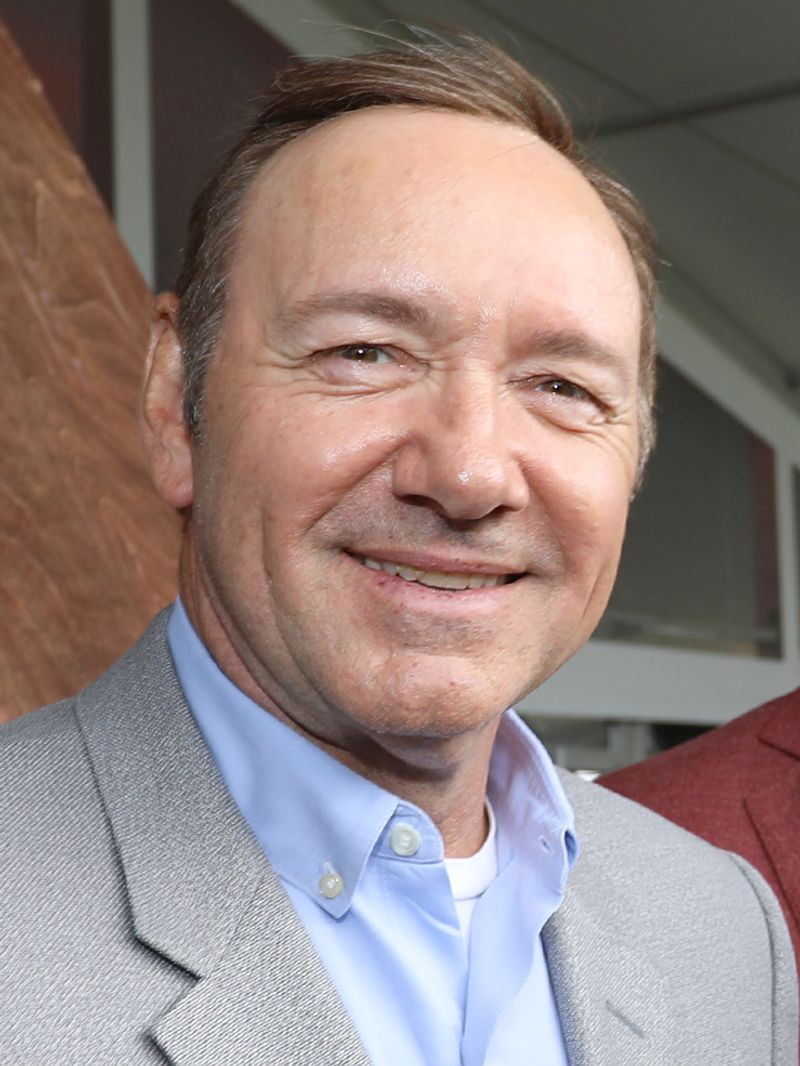
Kevin Spacey’s career unraveled at a speed that stunned even longtime Hollywood observers. In late 2017, sexual misconduct allegations surfaced against him, and the fallout was nearly immediate.
Netflix made the rare decision to cut him from House of Cards entirely, rewriting the final season around other characters.
That move sent a clear signal across the industry about how seriously platforms were taking the allegations. Spacey denied wrongdoing and eventually faced a criminal trial in the United Kingdom, where he was acquitted on all counts in 2023.
Despite the acquittal, his professional standing has not recovered to what it once was. Projects dried up, and his name became one of the most frequently cited examples of post-#MeToo career collapse.
Whether the industry will ever fully welcome him back remains an open question, but his trajectory from Oscar winner to industry outsider is hard to ignore.
Mel Gibson
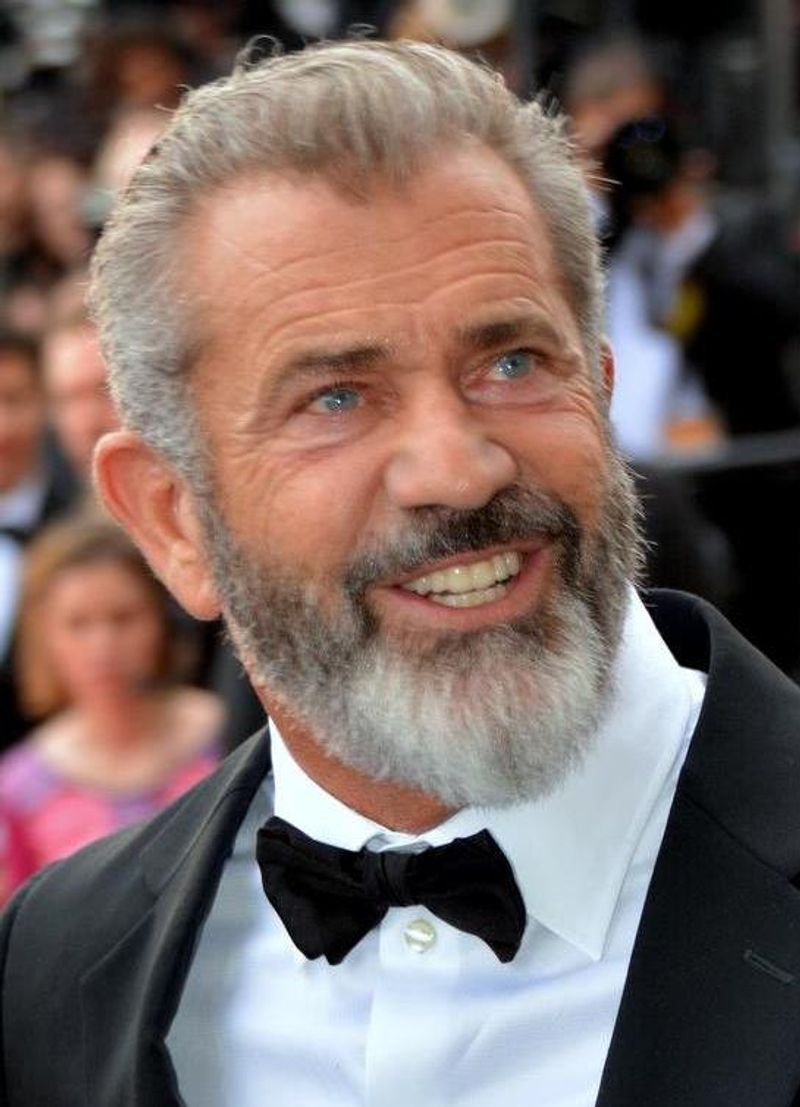
At his peak, Mel Gibson was one of the most bankable stars in Hollywood, with hits ranging from Lethal Weapon to Braveheart. That standing took a severe hit in 2006 following a DUI arrest in Malibu, during which he made deeply antisemitic remarks to arresting officers.
The Anti-Defamation League published his public apology, but many in the industry kept their distance. The incident became a defining example of how a single night can permanently alter a major star’s image.
Later controversies involving recorded phone calls and domestic dispute allegations added more weight to the public criticism he faced.
Gibson has continued to direct and act, with Hacksaw Ridge earning him an Oscar nomination for Best Director in 2017. Still, industry conversations about him rarely skip over the 2006 incident.
His career survived, but it has operated under a long shadow that no amount of critical praise has fully lifted.
Roseanne Barr
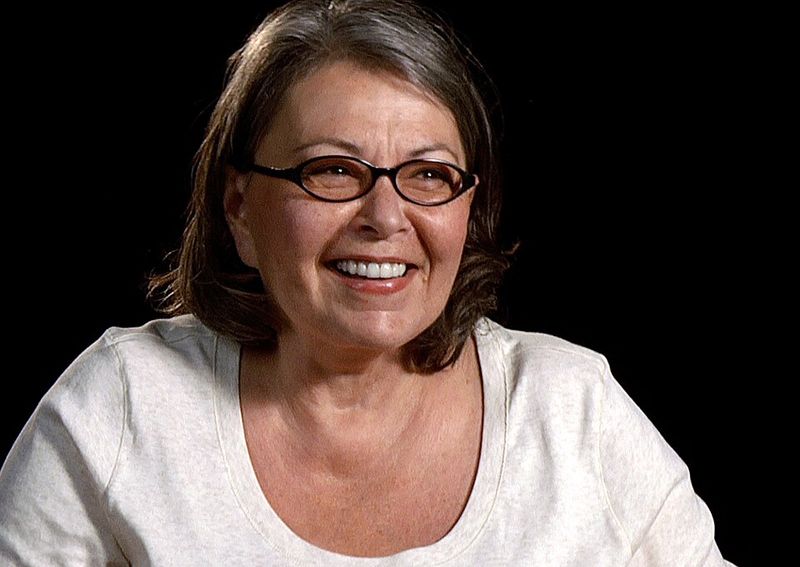
The 2018 revival of Roseanne was one of the most surprising ratings successes in recent television history. Millions of viewers tuned in for the return, and ABC was celebrating a genuine hit.
That celebration ended abruptly when Barr posted a tweet comparing former Obama adviser Valerie Jarrett to a character from Planet of the Apes.
ABC canceled the show within hours. The speed of the cancellation reflected how clearly the network wanted to distance itself from the comment.
Barr apologized and offered explanations, but none of it stopped the consequences.
ABC moved forward by creating The Conners, a spinoff that continued the story without Barr’s character. The show found its own audience and ran for multiple seasons.
Barr’s case is often studied as one of the clearest examples of social media ending a major Hollywood comeback almost instantly, with a single post doing what years of controversy could not.
Charlie Sheen
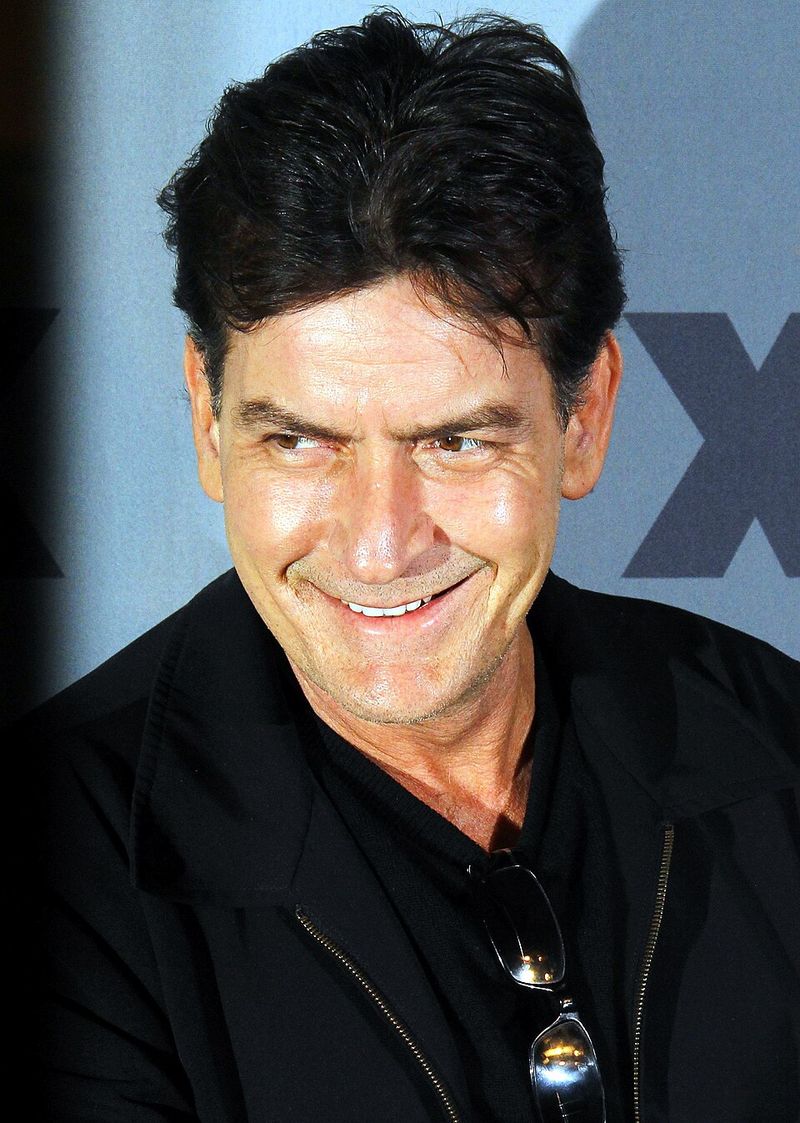
Charlie Sheen was earning a reported 1.8 million dollars per episode on Two and a Half Men, making him one of the highest-paid actors on television at the time. That run ended badly in early 2011 after a very public feud with the show’s creator Chuck Lorre and a series of increasingly strange media appearances.
Warner Bros. halted production and then fired Sheen outright. He responded by launching a live touring show called the Torpedo of Truth tour, which received mixed reviews but attracted enormous media attention.
During that period, phrases from his interviews became internet memes almost instantly.
The attention was massive but not the kind that rebuilds a career. Sheen later starred in FX’s Anger Management, but it never reached the cultural footprint of his earlier work.
His story is often framed as a cautionary example of how fame and professional security can dissolve when personal behavior becomes the story.
Jussie Smollett
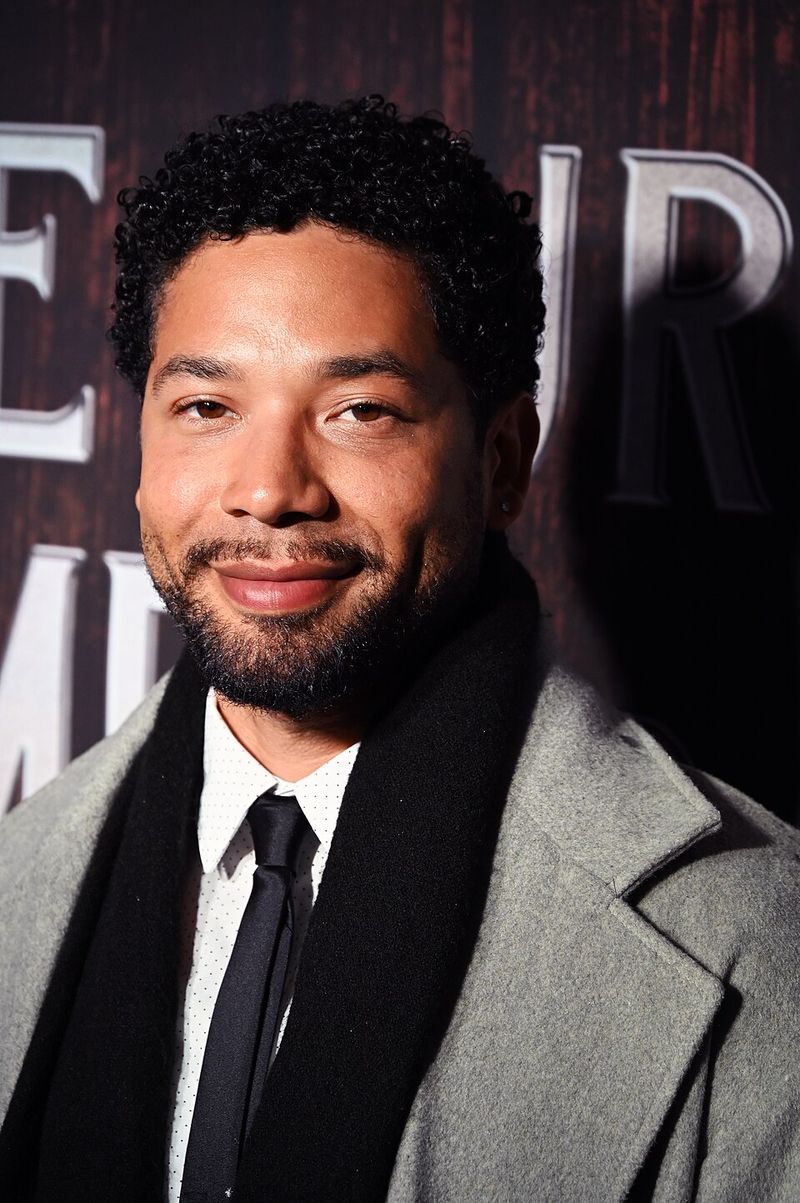
When Jussie Smollett reported being the victim of a racist and homophobic attack in Chicago in January 2019, the story drew national attention immediately. Smollett, who was a cast member on Empire at the time, described a violent encounter that many found deeply alarming.
The public response was swift and sympathetic.
That sympathy shifted dramatically when Chicago police announced that they believed Smollett had paid two acquaintances to stage the attack. Prosecutors charged him with filing a false police report, and the story became one of the most debated news events of that year.
He was convicted of disorderly conduct in 2021, though the Illinois Supreme Court overturned the conviction in 2024 citing a prior agreement with prosecutors. Regardless of the legal outcome, the reputational damage was severe.
Empire reduced his role significantly, and the controversy overshadowed everything else about his career for years.
Ezra Miller
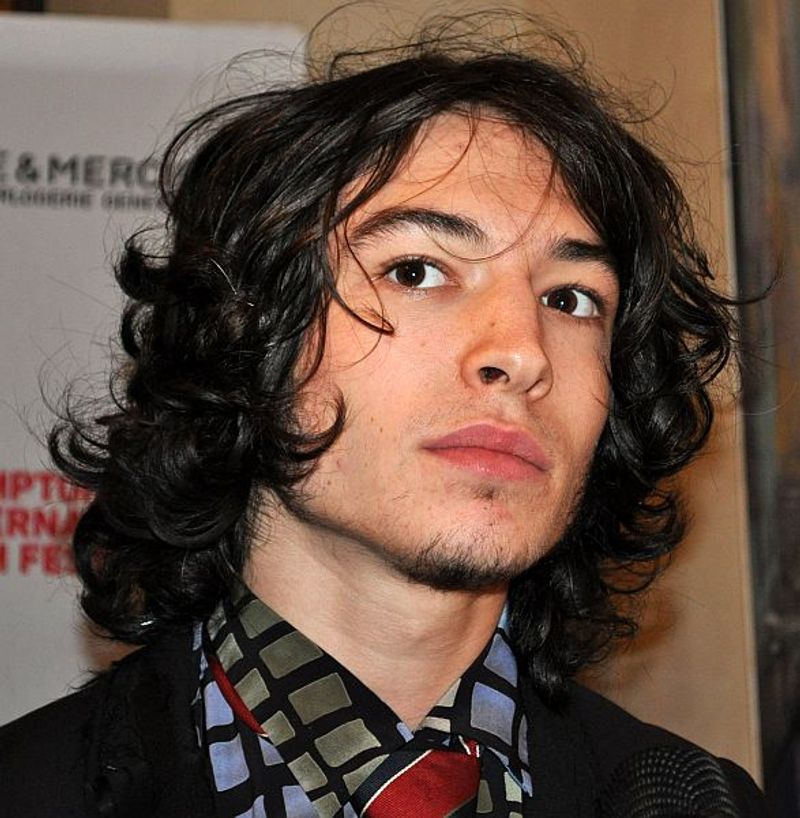
Warner Bros. had invested heavily in Ezra Miller as the face of The Flash, a major DC superhero film years in the making. What followed in the lead-up to the movie’s release was a string of public incidents that put the studio in an extremely difficult position.
Reports surfaced of multiple arrests, including incidents in Hawaii involving restraining orders and allegations of erratic behavior. Stories about alleged grooming and improper conduct involving a minor also circulated, creating legal and public relations concerns that were hard to manage.
Miller issued a public statement in 2022 acknowledging mental health struggles and saying they were seeking treatment. The Flash was released in 2023 and underperformed at the box office, though many factors contributed to that outcome.
Miller’s future in major studio productions remains uncertain. The situation became one of the more unusual cases of a studio trying to release a blockbuster while its lead actor was generating constant negative headlines.
Shia LaBeouf
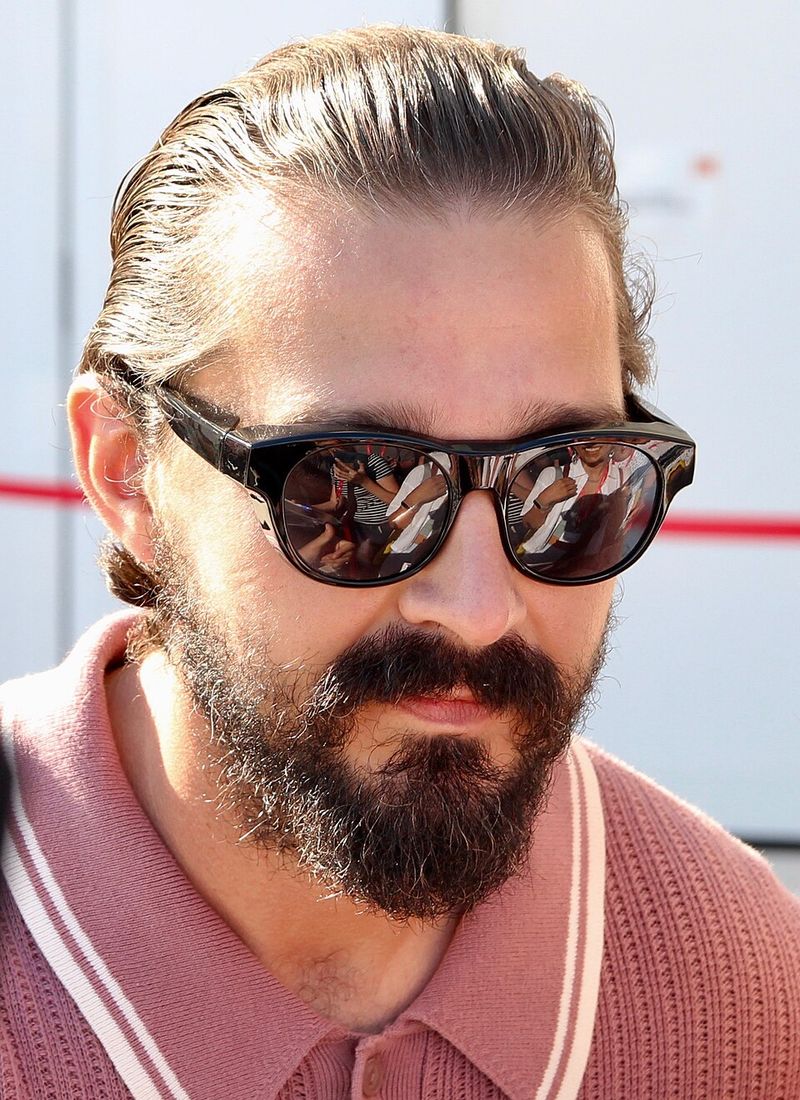
Shia LaBeouf’s career arc is genuinely hard to summarize neatly. He went from Even Stevens on Disney Channel to Transformers blockbusters to serious independent films, building a reputation as a genuinely talented actor willing to take risks.
Along the way, a series of public incidents started pulling focus away from the work.
Arrests, accusations of plagiarism, performance art stunts, and erratic public behavior created a complicated public image. Then in 2020, FKA twigs filed a civil lawsuit accusing him of sexual battery, assault, and infliction of emotional distress.
LaBeouf publicly acknowledged past harmful behavior in interviews while disputing some specific claims.
The lawsuit was settled in 2023. His film Honey Boy, which he wrote about his own childhood, was seen as a genuine artistic statement.
His career remains active but operates under a level of scrutiny that did not exist before the allegations became public. Rebuilding trust in an industry with a long memory is a slow process.
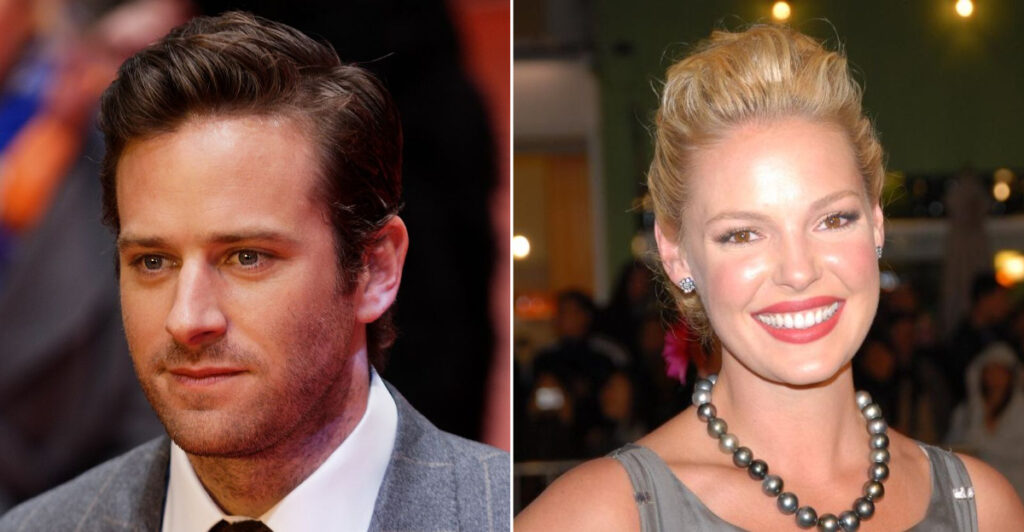
Armie Hammer
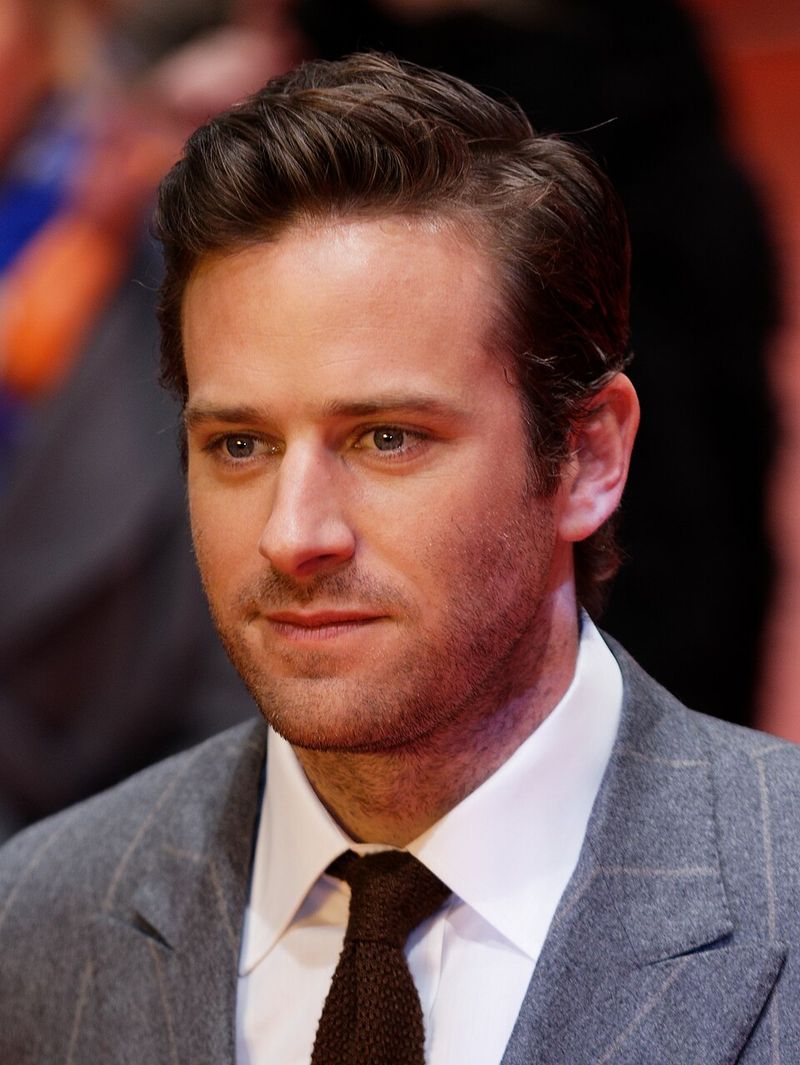
Armie Hammer seemed positioned for a long run as a leading man in Hollywood. Roles in Call Me by Your Name and The Social Network earned him strong critical recognition.
Then in early 2021, leaked private messages began circulating online, and the content was deeply disturbing to many who read them.
Abuse allegations followed, and Hammer denied criminal wrongdoing throughout. Los Angeles prosecutors investigated and ultimately declined to file charges, citing insufficient evidence.
But the damage to his professional standing happened well before any legal conclusion was reached.
He exited multiple projects, including a Paramount+ series and a film alongside Jennifer Lopez. A 2022 documentary on Discovery+ explored the allegations in detail, keeping the story in public conversation.
Hammer’s case became a widely discussed example of how allegations alone, even without criminal charges, can effectively end a Hollywood career. His path back to mainstream productions, if one exists, remains deeply unclear.
Steven Seagal
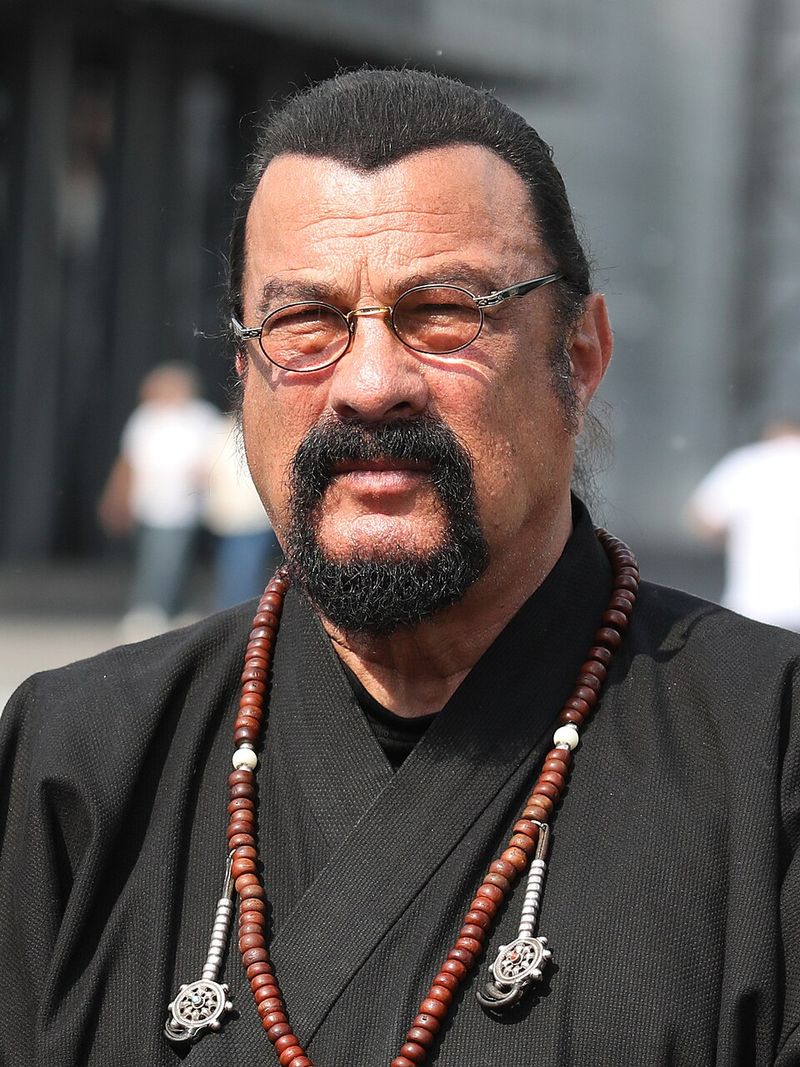
Steven Seagal built his brand on action films throughout the late 1980s and 1990s, with movies like Under Siege establishing him as a reliable box office draw. Behind the scenes, a very different reputation was forming among those who worked with him.
Multiple women came forward over the years with allegations of sexual misconduct. In 2018, the Los Angeles County District Attorney declined to file charges related to an alleged 2002 incident, citing insufficient evidence after review.
However, the accumulation of public accusations contributed to a perception problem that no studio press release could easily fix.
Seagal’s film output moved increasingly toward direct-to-video productions, a shift that began before the allegations became widely public but accelerated afterward. He also became a Russian citizen in 2016 and has made political statements that drew criticism.
His status in Hollywood shifted from action star to a figure more often discussed for offscreen controversies than for his films.
Chevy Chase
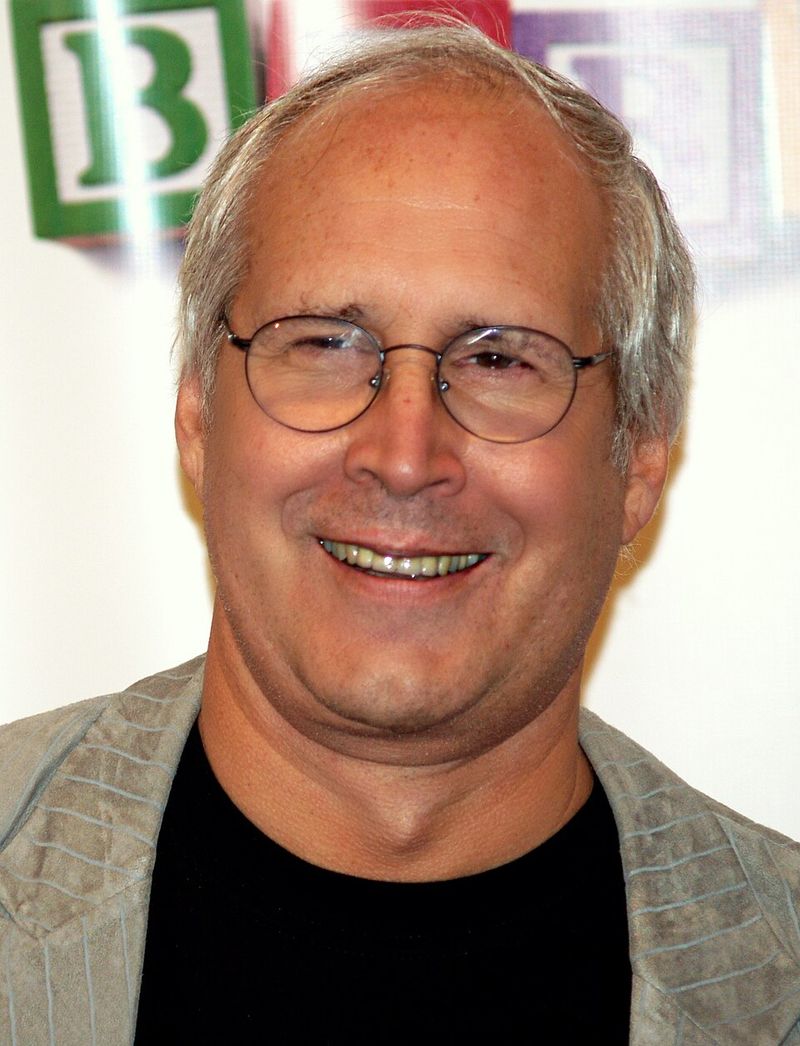
Chevy Chase’s place in comedy history is genuine. Saturday Night Live, Caddyshack, and the National Lampoon’s Vacation franchise made him one of the most recognized comedic faces of his generation.
The stories that have followed him for decades, though, paint a complicated picture of what it was like to actually work with him.
His time on the NBC sitcom Community brought renewed attention to those stories. Reports of on-set conflicts with creator Dan Harmon, offensive remarks during table reads, and difficult behavior toward cast members became part of the public record.
Harmon addressed the situation openly on his podcast, which brought the details to a wider audience.
Chase left Community before its final season. His legacy remains intact in the sense that his classic work is still celebrated, but his name now regularly appears alongside discussions of workplace behavior in entertainment.
It is an unusual position for someone whose best-known characters were defined by charm and likability.
T.J. Miller
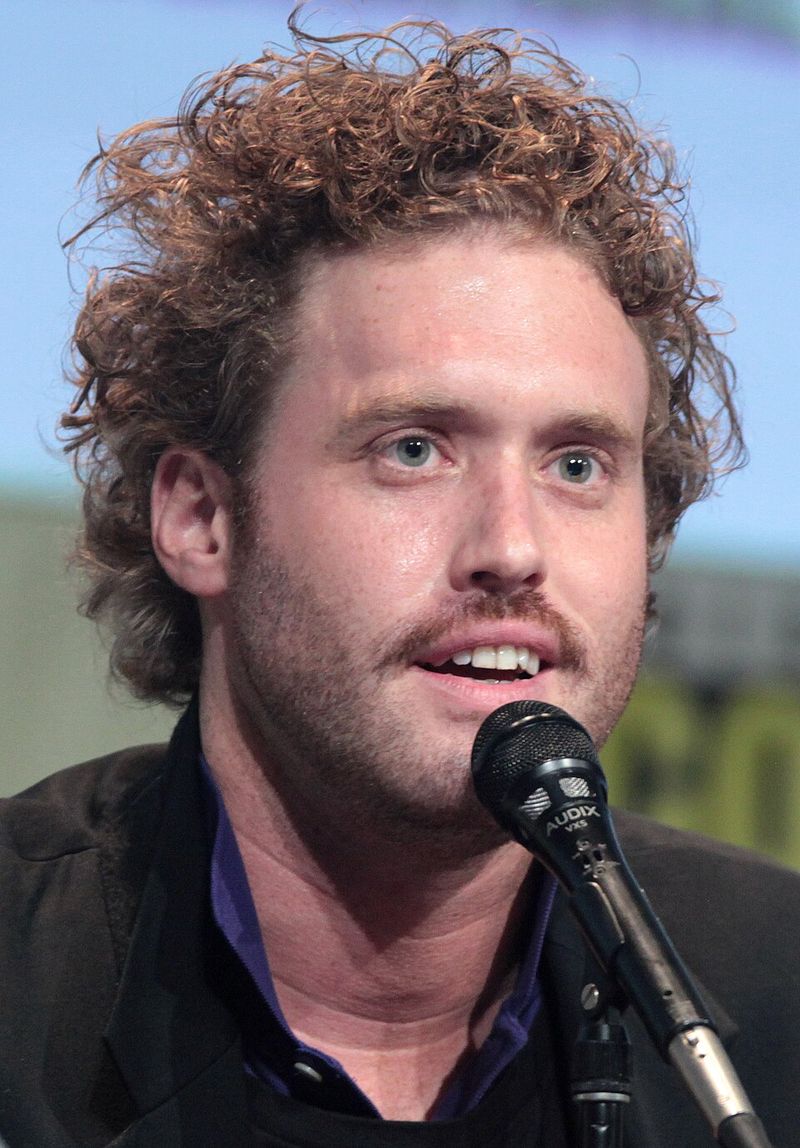
T.J. Miller was riding a strong wave of momentum in the mid-2010s.
His role as Erlich Bachman on HBO’s Silicon Valley earned him real fan affection, and he had built a solid stand-up career alongside his acting work. Then the headlines started shifting in a different direction.
Reports of difficult behavior on set began circulating. A former girlfriend publicly accused him of physical and emotional abuse, allegations he denied.
Then in 2018, he was arrested at Penn Station in New York after allegedly calling in a false bomb threat about a passenger on an Amtrak train. He pleaded not guilty, and the case was eventually resolved, but the incident was widely covered.
His exit from Silicon Valley had already happened before the bomb threat arrest. The combination of reported on-set friction, personal allegations, and the legal incident created a public image that was hard to separate from controversy.
His career activity slowed significantly after those events.
Katherine Heigl

Katherine Heigl’s situation stands out on this list because it was not driven by criminal allegations or legal scandals. Her backlash came from within the industry itself, shaped by public statements that rubbed Hollywood the wrong way at a time when her star was still rising.
After appearing in Knocked Up in 2007, she told a magazine that she found some of the film’s humor sexist toward women. She also chose to withdraw her own name from Emmy consideration for Grey’s Anatomy, publicly stating that she did not feel the material she was given that season was strong enough to merit a nomination.
Both moves created friction with powerful people in the industry.
She was widely labeled difficult, a reputation that affected her casting opportunities for years. In more recent conversations, many people have questioned whether the criticism was disproportionate or reflected a double standard applied more harshly to women.
She has since spoken openly about that period in several interviews.
Lindsay Lohan
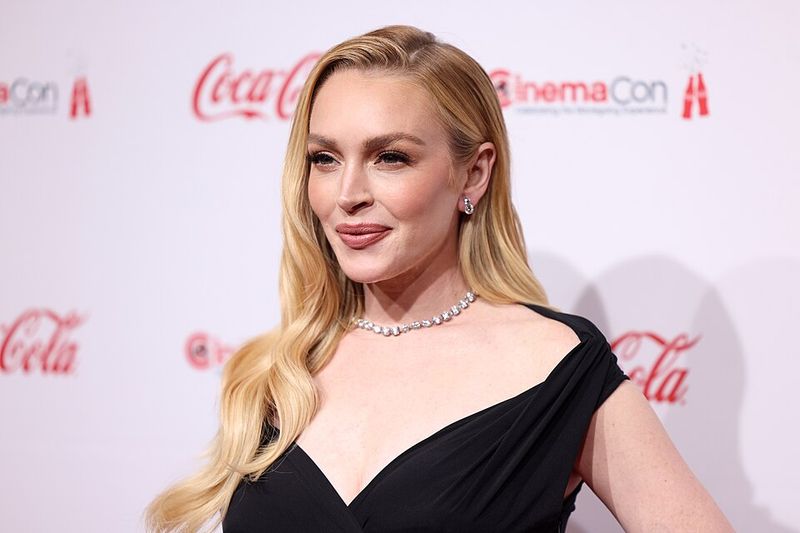
Lindsay Lohan arrived in Hollywood as a genuinely compelling young actress. The Parent Trap and Mean Girls showed real range and screen presence, and for a time she seemed headed toward a long, successful career.
What followed instead was years of tabloid coverage that became impossible to separate from her professional identity.
Multiple arrests, probation violations, and court appearances filled entertainment news cycles throughout the late 2000s and early 2010s. In 2010, she was sentenced to jail for violating probation, though she served a reduced portion of the sentence.
The coverage was relentless and often more focused on her personal life than on any professional work.
Lohan has worked steadily in more recent years, including Netflix holiday films that attracted genuine viewership. Her public rebranding has been gradual but noticeable.
She remains one of the most scrutinized figures of her generation, and her story is often used to discuss how entertainment media covered young women during that era.
Woody Allen
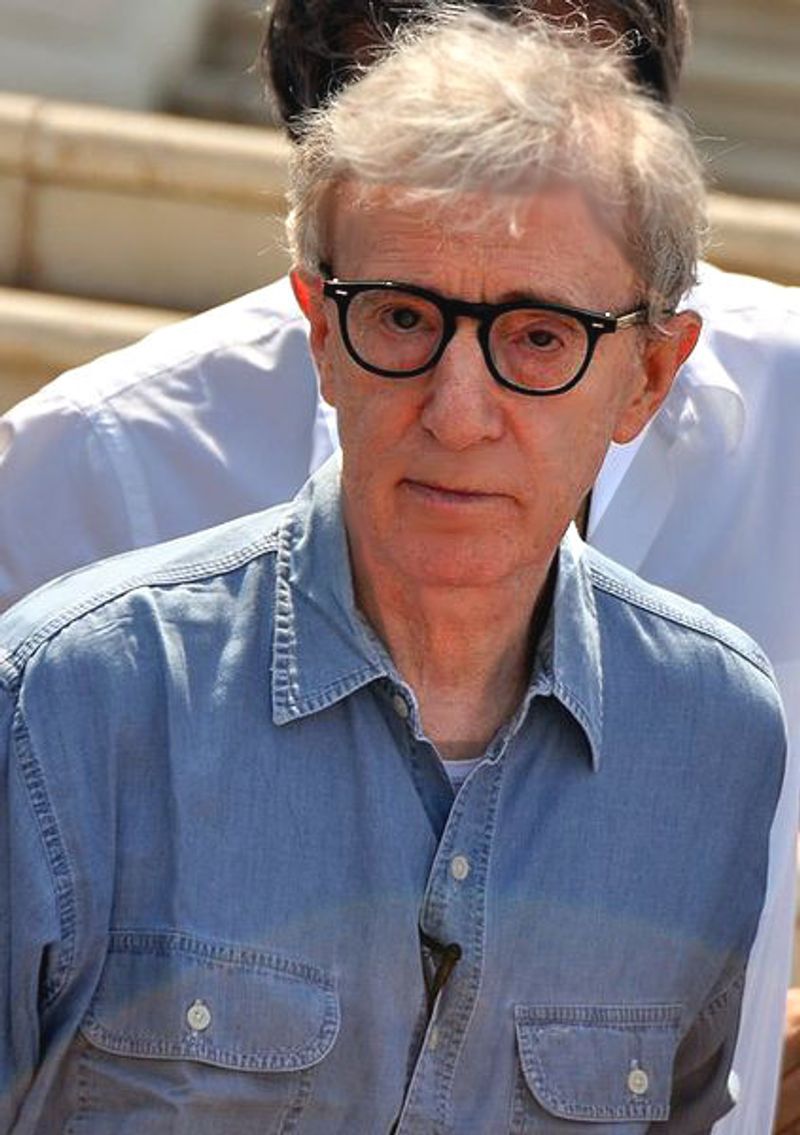
Woody Allen has directed some of the most celebrated films in American cinema, including Annie Hall, Manhattan, and Midnight in Paris. His reputation as a filmmaker has never fully disappeared, but it has existed alongside a deeply serious allegation for more than three decades.
His adoptive daughter Dylan Farrow has consistently alleged that Allen sexually abused her as a child in 1992. Allen has denied the allegation throughout, and he was not charged after investigations in both Connecticut and New York in the 1990s.
The case did not result in prosecution, but it never truly left public conversation either.
The #MeToo era brought renewed and much louder attention to Dylan Farrow’s account. Several actors who had worked with Allen publicly expressed regret about doing so.
A 2021 HBO documentary series on the case brought the story to a new generation of viewers. Allen continues to make films, but his standing in Hollywood remains one of the most genuinely contested in the industry.
Share this story