The 1970s were a turning point for American movies. Filmmakers were taking bigger risks, telling darker stories, and putting complicated characters front and center.
The actors who thrived during this period were not just talented performers. They were the right people at exactly the right moment in cinema history.
Some of them redefined what a movie hero could look like. Others showed that vulnerability and intensity could exist in the same performance.
A few became so identified with a single role that audiences still connect their names to those characters decades later. This list celebrates fifteen performers who shaped the decade in ways that still influence movies today.
Whether you grew up watching these films or are discovering them for the first time, the names on this list represent some of the most memorable work ever put on screen.
Al Pacino
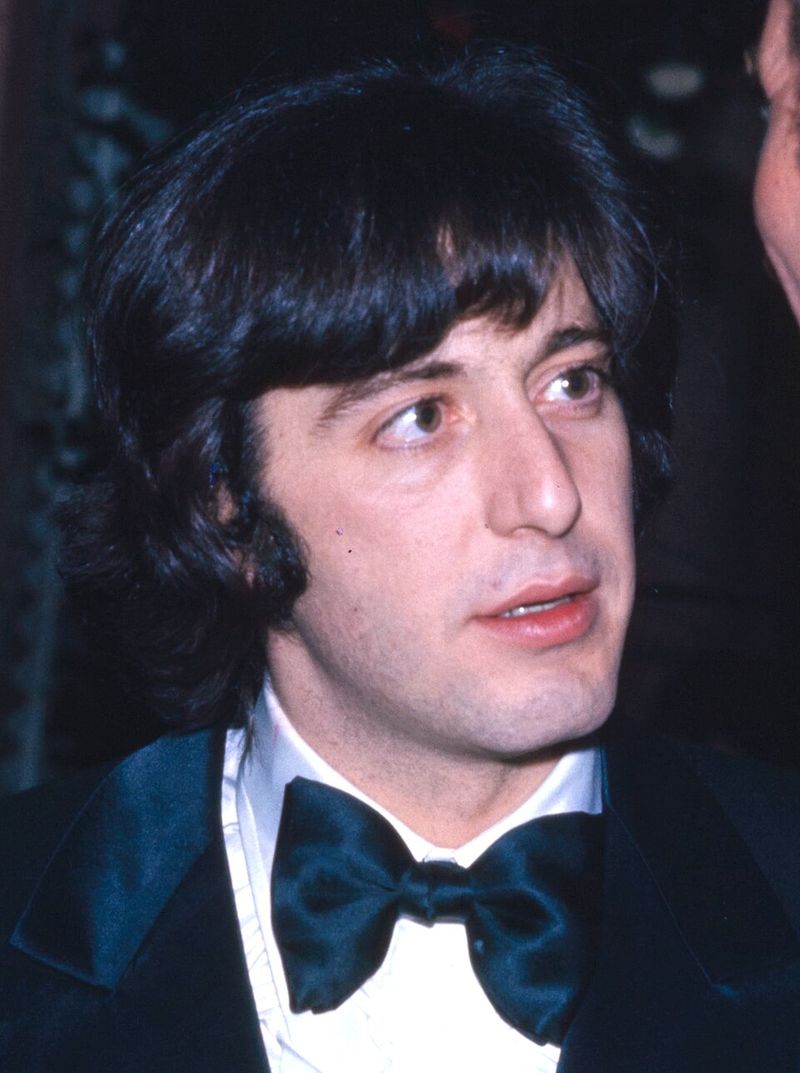
Before Michael Corleone became a household name, Al Pacino was a stage-trained actor from the South Bronx who had barely made a dent in Hollywood. That changed dramatically in 1972 when The Godfather arrived and gave audiences one of the most carefully constructed character transformations in film history.
Pacino played Michael as a man who starts the story wanting nothing to do with his family’s criminal empire. By the final frame, that same man has become something far more calculating and cold.
The Godfather Part II in 1974 deepened that portrait even further.
But Pacino was not content to stay inside the Corleone world. Serpico showed him as a principled cop surrounded by corruption, and Dog Day Afternoon turned a real-life bank robbery into an emotionally raw showcase for his talent.
His work across those few years alone would secure any actor’s legacy.
Robert De Niro
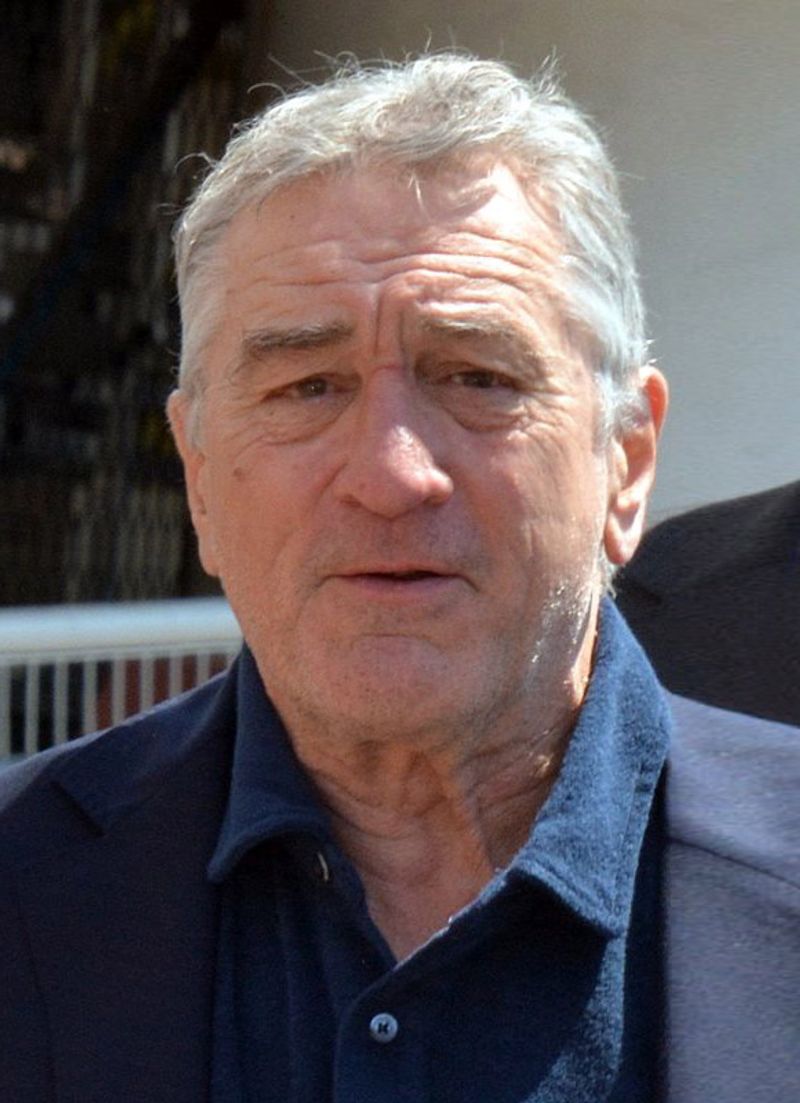
Robert De Niro did not simply play characters in the 1970s. He absorbed them so completely that audiences sometimes forgot they were watching a performance at all.
His collaboration with director Martin Scorsese began with Mean Streets in 1973, a raw look at street-level crime in Little Italy that introduced his unpredictable, coiled energy to a wide audience.
The following year, De Niro took on a completely different challenge by portraying the young Vito Corleone in The Godfather Part II. He had to suggest the same man Marlon Brando had played decades earlier, and he pulled it off convincingly enough to win the Academy Award for Best Supporting Actor.
Taxi Driver in 1976 gave him Travis Bickle, one of cinema’s most unsettling protagonists. The Deer Hunter in 1978 added emotional depth and range.
Across these films, De Niro proved he could disappear into almost any kind of story.
Jack Nicholson
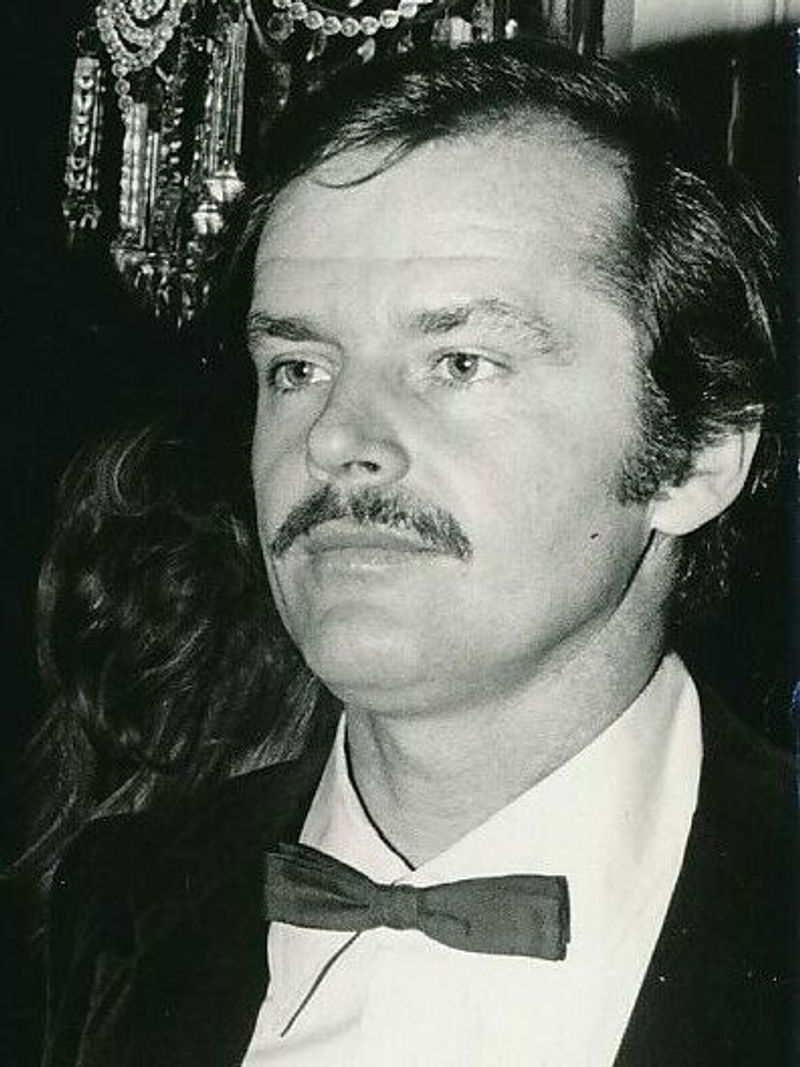
Jack Nicholson had a quality that no acting coach could teach: the moment he appeared on screen, something unpredictable felt possible. That quality made him the perfect fit for 1970s Hollywood, a decade that rewarded actors who could keep audiences slightly off-balance.
Five Easy Pieces established him as a compelling leading man capable of portraying complicated, restless men without asking the audience to like them. Chinatown in 1974 put him opposite Faye Dunaway in one of the decade’s finest neo-noir films, and his performance as private detective Jake Gittes was precise and quietly menacing.
Then came One Flew Over the Cuckoo’s Nest in 1975. His portrayal of Randle McMurphy, a free-spirited man fighting institutional control, earned Nicholson the Academy Award for Best Actor.
The film swept the top five Oscar categories that year. His combination of charm, volatility, and dark humor made him unlike anyone else working in Hollywood at the time.
Meryl Streep

Meryl Streep did not spend years slowly building toward recognition. She arrived near the end of the decade and immediately made it clear that something exceptional had entered American cinema.
Her early stage work had already earned respect in New York theater circles, but film audiences got their first real look at her range in The Deer Hunter in 1978.
Playing Linda, a woman navigating love and loss against the backdrop of the Vietnam War, Streep earned an Academy Award nomination for Best Supporting Actress. Many viewers found her performance the emotional anchor of a film filled with intense and difficult material.
The following year, Kramer vs. Kramer gave her a role with even more complexity. As Joanna Kramer, a woman who leaves her marriage and then fights to reclaim her son, Streep brought a quiet, controlled pain to scenes that could have easily become melodramatic.
She won the Academy Award for Best Supporting Actress and left the decade already regarded as a generational talent.
Diane Keaton

Diane Keaton walked into the 1970s with a screen presence that did not fit neatly into any existing Hollywood category, and that turned out to be exactly what made her memorable. She played Kay Adams in The Godfather with a kind of wide-eyed sincerity that served as a moral counterpoint to the Corleone world around her.
But the role that truly defined her decade came in 1977 with Annie Hall. Woody Allen’s romantic comedy gave Keaton a character whose nervous humor, scattered conversation style, and bold fashion choices felt completely original.
The film changed how romantic comedies were written and performed.
Keaton won the Academy Award for Best Actress for the performance, and her wardrobe choices in the film, oversized blazers, vests, and men’s ties, influenced fashion well beyond movie theaters. She demonstrated that a leading actress could be unconventional, funny, and deeply human all at once, without softening any of those qualities to fit a familiar mold.
Clint Eastwood
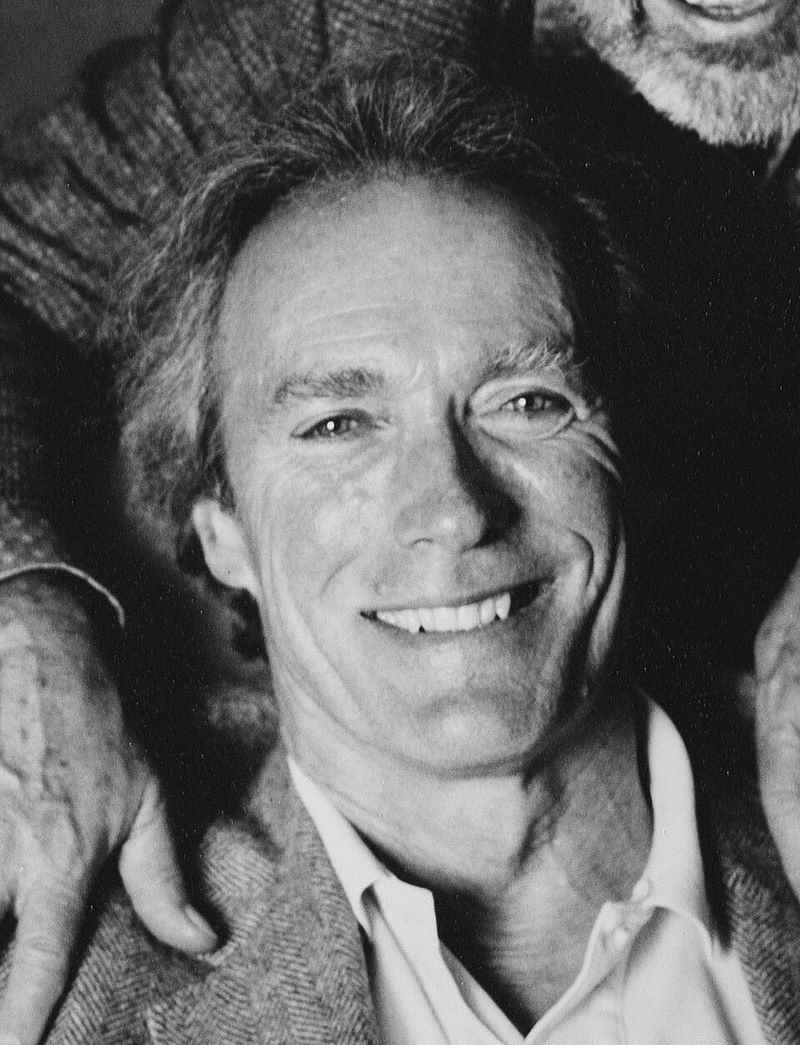
Clint Eastwood came into the 1970s already carrying the weight of the Man with No Name, a Western icon he had built across three Sergio Leone films in the 1960s. But the decade pushed him in directions that showed audiences there was far more to him than a poncho and a squint.
Dirty Harry in 1971 introduced San Francisco police inspector Harry Callahan, a character whose blunt approach to law enforcement sparked genuine cultural debate about justice and authority. The film became a major commercial success and launched a franchise that ran through much of the decade.
What often gets overlooked is that Eastwood also stepped behind the camera during this period. Play Misty for Me in 1971 marked his feature directorial debut, and The Outlaw Josey Wales showed he could direct large-scale Westerns with real confidence.
His ability to grow as both actor and filmmaker set him apart from performers who simply rode their established image.
Jane Fonda
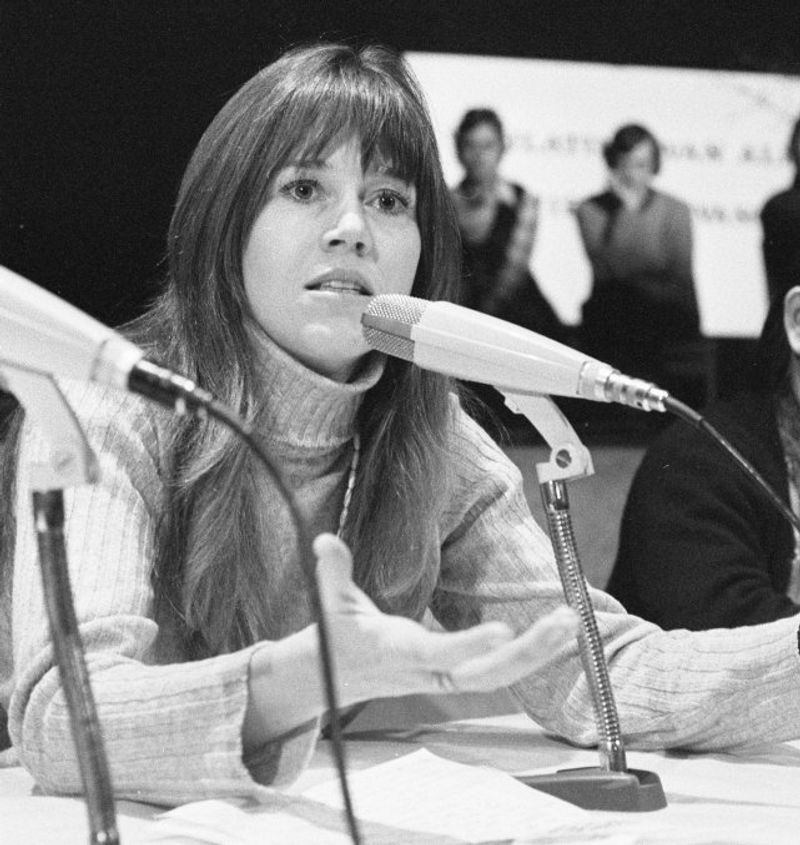
Jane Fonda arrived at the 1970s already carrying a complicated public image, but the decade gave her the material to demonstrate exactly how skilled she was as a dramatic actress. Klute in 1971 was a tense psychological thriller set in New York City, and Fonda played Bree Daniels, a call girl who becomes entangled in a murder investigation.
The performance earned her the Academy Award for Best Actress. Critics at the time noted how Fonda made Bree’s vulnerability and independence feel completely real rather than constructed for audience sympathy.
Coming Home in 1978 gave her a second Best Actress Oscar, this time for playing a woman whose perspective on the Vietnam War shifts dramatically through her relationships with two very different men. Fonda’s film career during this decade unfolded alongside highly visible political activism, which made her one of the most discussed public figures of the era, both admired and criticized depending on who you asked.
Dustin Hoffman
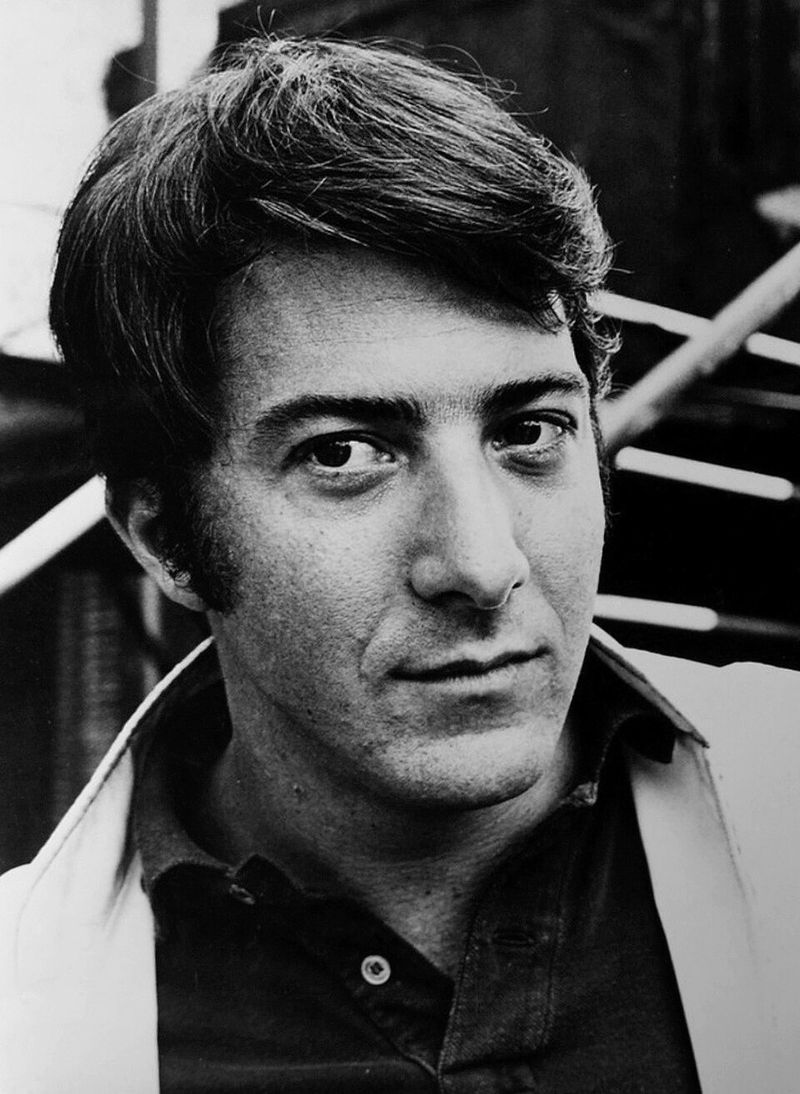
Dustin Hoffman had already proven himself in the 1960s, but the following decade gave him some of his most varied and challenging work. He was not the kind of actor who looked like a movie star in the traditional sense, and that quality made him ideally suited to the grittier, more realistic films that defined 1970s American cinema.
Straw Dogs put him in an extremely uncomfortable psychological thriller directed by Sam Peckinpah. Lenny required him to inhabit comedian Lenny Bruce across an entire career arc.
Papillon sent him to prison alongside Steve McQueen. All the President’s Men in 1976 placed him at the center of one of the most important political stories of the century as Washington Post reporter Carl Bernstein.
Then came Kramer vs. Kramer in 1979, a film about divorce and custody that became a massive commercial and critical success. Hoffman won the Academy Award for Best Actor.
His ability to shift between wildly different roles without losing authenticity made him one of the decade’s most consistently compelling performers.
Faye Dunaway
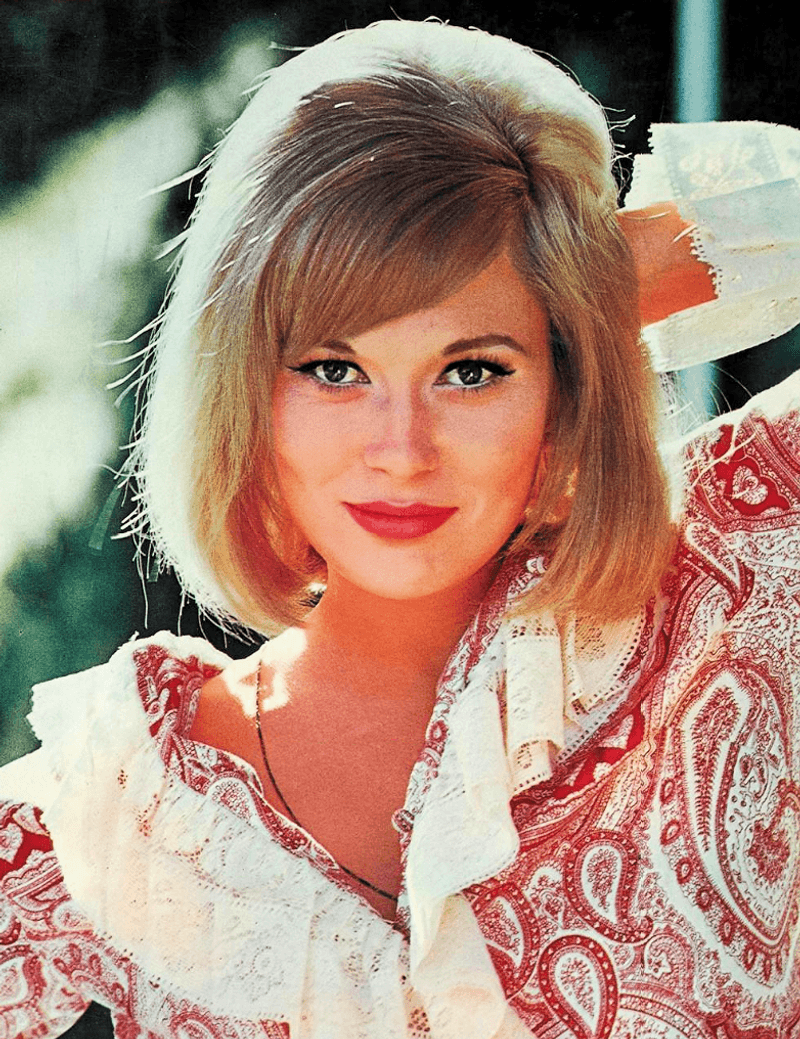
Faye Dunaway carried a particular kind of screen presence that suited films about power, deception, and moral compromise perfectly. She had already made a significant impact with Bonnie and Clyde in 1967, but her most celebrated 1970s work arrived with two films that remain benchmarks of the decade.
Chinatown in 1974 paired her with Jack Nicholson in a neo-noir mystery set in 1930s Los Angeles. Her character, Evelyn Mulwray, holds secrets that the film reveals carefully and painfully.
Dunaway played the role with an emotional restraint that made every small crack in her composure feel significant.
Network in 1976 gave her Diana Christensen, a ruthless television executive willing to exploit almost anything for ratings. Director Sidney Lumet’s film was a sharp satire of media culture, and Dunaway’s performance earned her the Academy Award for Best Actress.
Her ability to project intelligence and danger simultaneously made her one of the decade’s most compelling actresses.
Gene Hackman
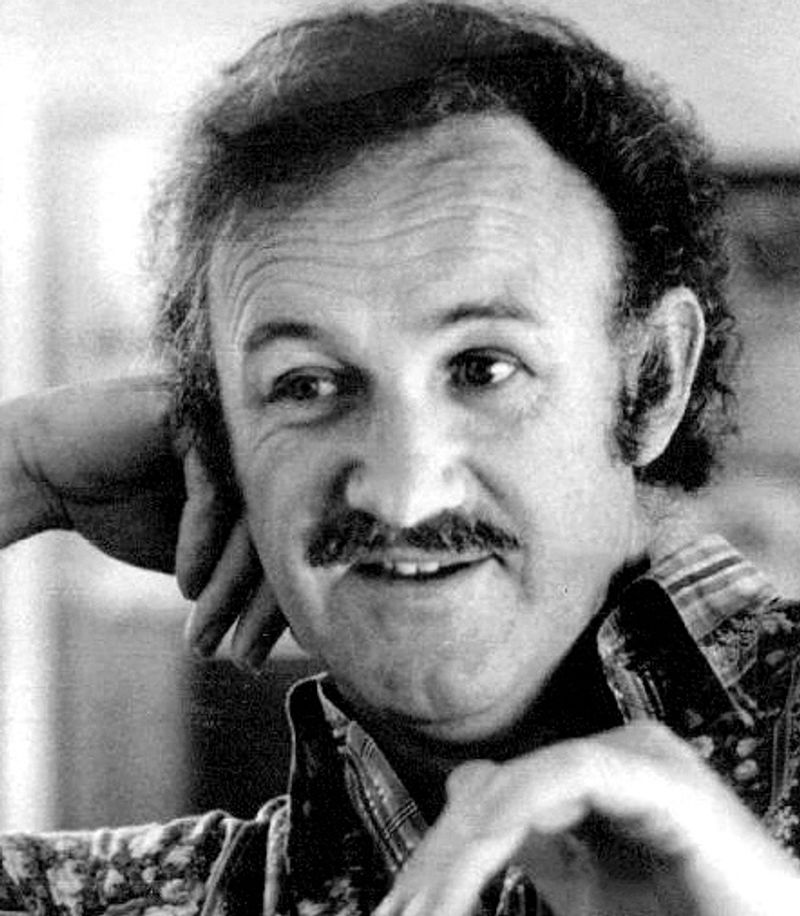
Gene Hackman was the kind of actor who made everything look completely effortless, which perhaps explains why he sometimes did not receive the attention his performances deserved. The French Connection in 1971 fixed that problem decisively.
His portrayal of New York detective Jimmy Popeye Doyle was aggressive, morally questionable, and absolutely riveting from start to finish.
Hackman won the Academy Award for Best Actor, and the film itself won Best Picture along with three other Oscars. The famous car-chase-under-the-elevated-train sequence remains one of the most studied action scenes in cinema history.
What followed showed remarkable versatility. Francis Ford Coppola’s The Conversation in 1974 cast him as a surveillance expert whose professional paranoia begins to consume his private life.
The character shared almost nothing with Popeye Doyle, yet Hackman made him equally believable. The Poseidon Adventure and Superman rounded out a decade that proved he could handle disaster films, comic-book villains, and intimate character studies with equal skill.
Sissy Spacek

There was something genuinely unusual about Sissy Spacek’s screen presence from the very beginning of her career. She had a quality that was simultaneously fragile and quietly fierce, which made her particularly effective in stories about characters pushed to extreme emotional limits.
Badlands in 1973 introduced her to audiences as Holly, a teenage girl who follows her boyfriend across the American Midwest on a violent journey. Director Terrence Malick gave the film a strange, dreamy tone, and Spacek matched it perfectly with a performance that felt both detached and deeply felt.
Carrie in 1976 transformed her career entirely. Brian De Palma’s adaptation of Stephen King’s novel required Spacek to play a socially isolated teenager with telekinetic abilities pushed past her breaking point.
The role earned her an Academy Award nomination for Best Actress. Her ability to make extreme circumstances feel emotionally real, rather than sensational, established her as one of the decade’s most distinctive performers.
Sylvester Stallone
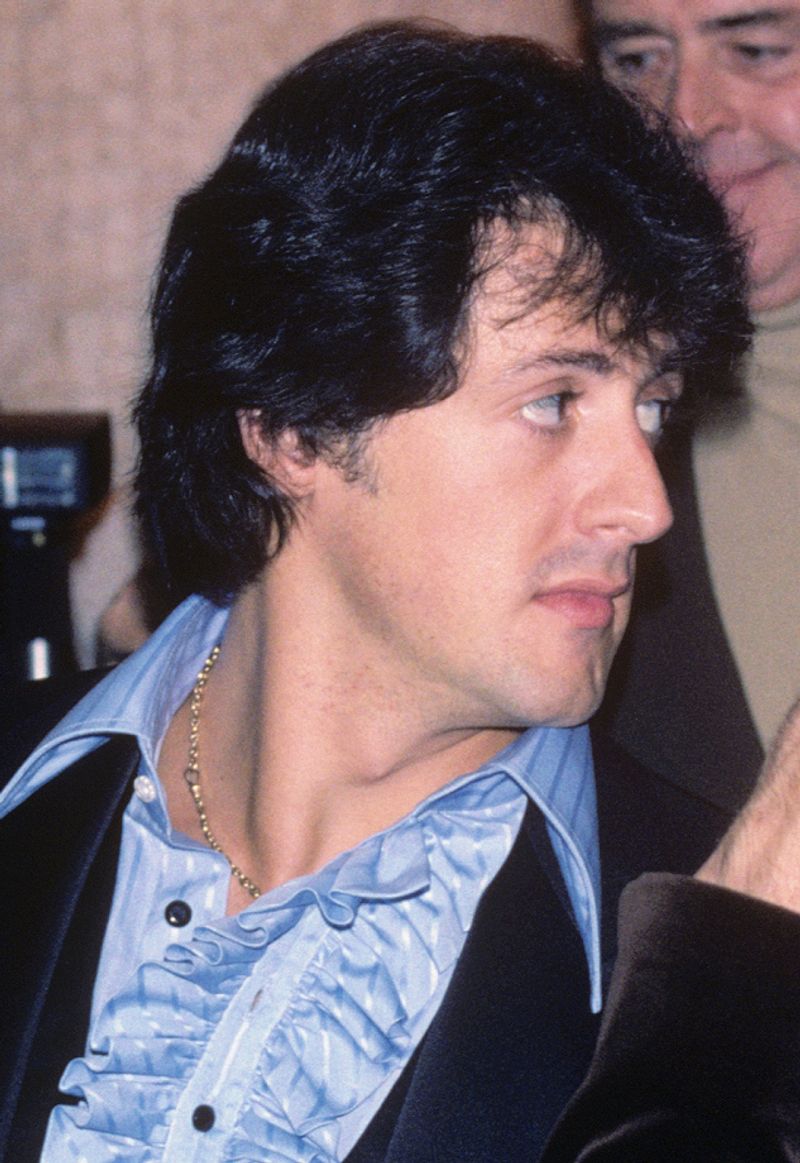
Sylvester Stallone did something in 1976 that almost nobody in Hollywood believed was possible: he wrote his own ticket. After years of small roles and near-total obscurity, Stallone wrote the screenplay for Rocky in just a few days and then refused to sell it unless he could play the lead himself.
The gamble paid off in a way that reshaped Hollywood’s understanding of what an underdog story could accomplish. Rocky follows Philadelphia boxer Rocky Balboa, a small-time fighter given an unexpected shot at the heavyweight championship.
The film connected with audiences on a deeply emotional level and became one of the biggest commercial successes of the decade.
Rocky won the Academy Award for Best Picture, along with Oscars for Best Director and Best Film Editing. Stallone received nominations for both Best Actor and Best Original Screenplay in the same year, a rare achievement.
Rocky II arrived before the decade ended, cementing a character who would remain central to Stallone’s career for the next forty years.
Jodie Foster
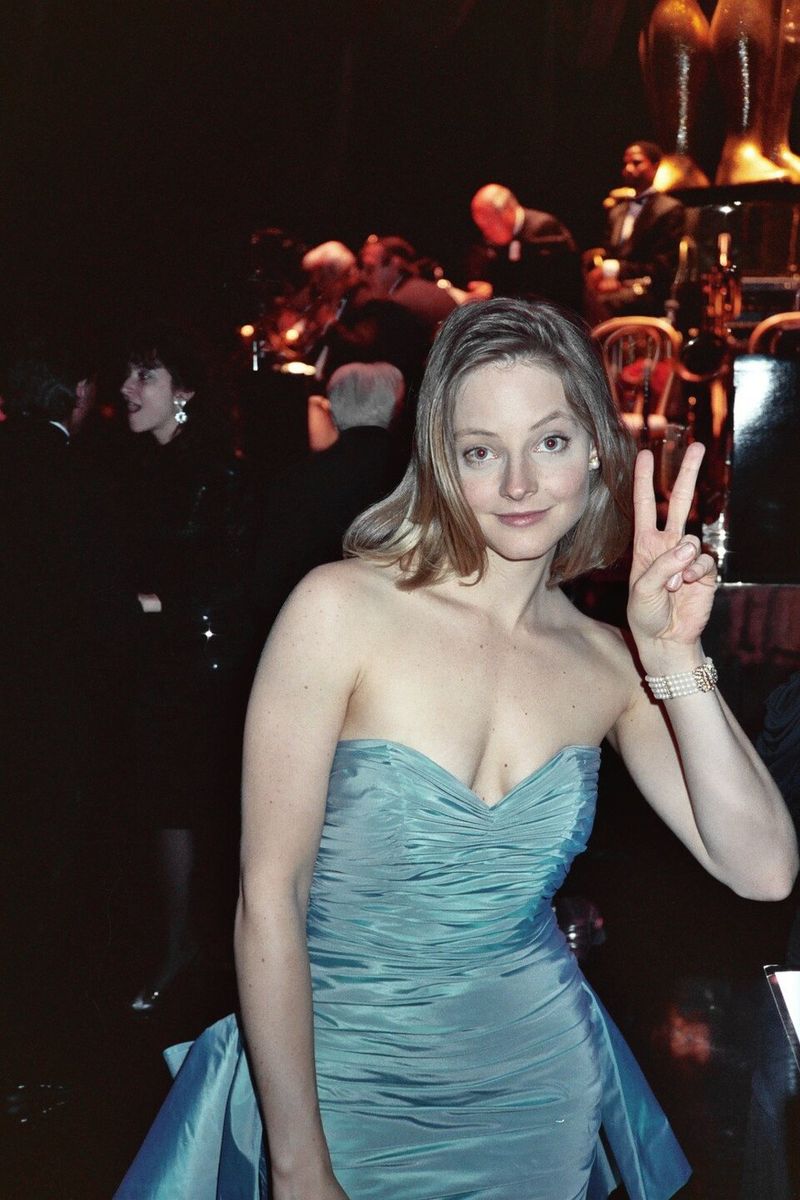
Most child actors get remembered as curiosities, talented young performers who grew up and became ordinary adults. Jodie Foster was never going to follow that path.
Her performance in Taxi Driver in 1976 made that clear to anyone paying attention.
Playing Iris, a young girl working the streets of New York while Robert De Niro’s Travis Bickle fixates on rescuing her, Foster held her own against one of the decade’s most intense lead performances. Director Martin Scorsese did not soften the material for her, and Foster did not ask him to.
The role earned her an Academy Award nomination for Best Supporting Actress.
What made Foster’s decade particularly impressive was its range. Bugsy Malone cast her in a quirky musical crime film, while Disney’s Freaky Friday put her in lighthearted family entertainment.
She moved between projects that had almost nothing in common stylistically, and she was convincing in all of them. Foster used the 1970s not as a peak but as a foundation.
Richard Dreyfuss
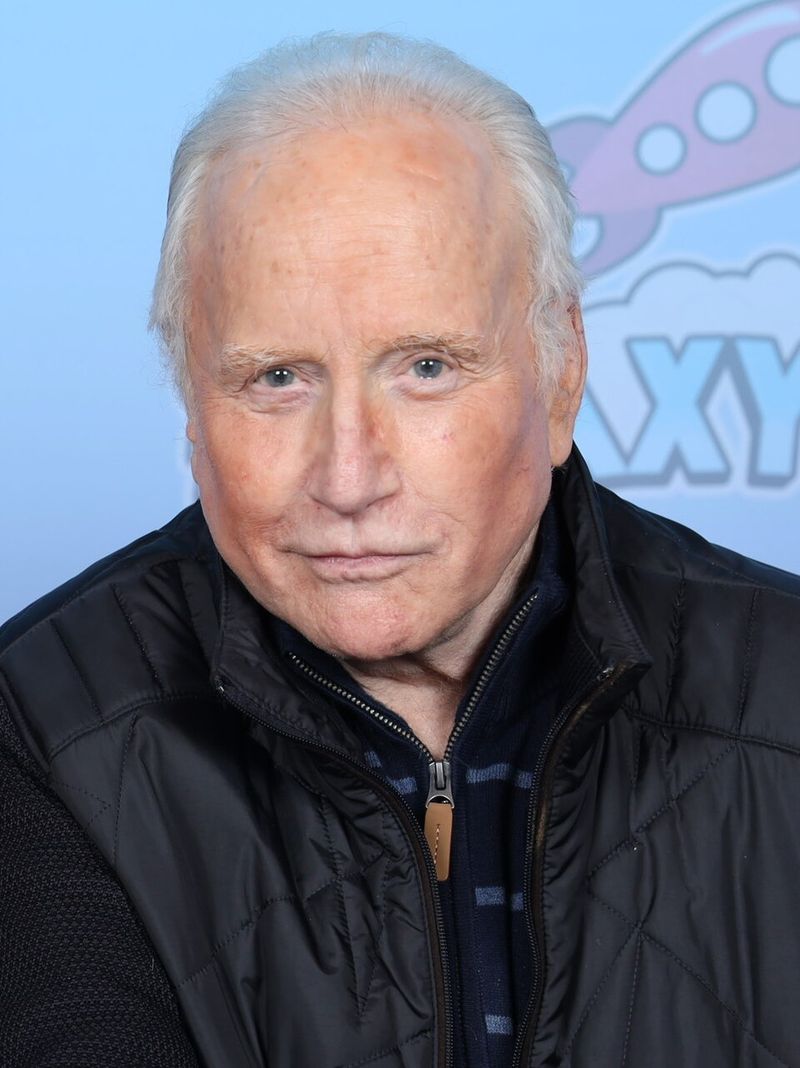
Richard Dreyfuss had the kind of everyman energy that made audiences trust him immediately, which turned out to be enormously useful when Steven Spielberg needed someone to anchor two of the decade’s biggest films. In Jaws in 1975, Dreyfuss played marine biologist Matt Hooper, the scientist on a boat hunting a great white shark off the coast of a small New England island.
The film’s massive success helped establish the summer blockbuster as a genuine Hollywood strategy. Dreyfuss reunited with Spielberg for Close Encounters of the Third Kind in 1977, this time playing an ordinary man whose ordinary life falls apart after an unexplained encounter with something he cannot explain.
Sandwiched between those two enormous productions was The Goodbye Girl in 1977, a smaller romantic comedy that earned Dreyfuss the Academy Award for Best Actor. Winning that award while also starring in two of the decade’s biggest commercial films made him one of the most interesting success stories of 1970s Hollywood.
Pam Grier

Pam Grier did not wait for Hollywood to create space for her. She stepped into the center of action cinema during the early 1970s and built a screen identity that was entirely her own.
Her breakthrough came with Coffy in 1973, followed quickly by Foxy Brown in 1974, two films that placed a Black woman at the center of action stories that the industry had traditionally reserved for men.
Both films became closely associated with the Blaxploitation era, a period when movies aimed primarily at Black audiences gained significant commercial visibility across American theaters. Grier’s characters were not victims or supporting figures.
They were the ones driving the plot, confronting danger, and making decisions.
Her influence extended far beyond the decade itself. Director Quentin Tarantino built Jackie Brown around her in 1997, openly drawing on the screen persona she had established twenty years earlier.
Grier’s 1970s work demonstrated that action cinema had room for a completely different kind of leading figure, and audiences responded.
Share this story