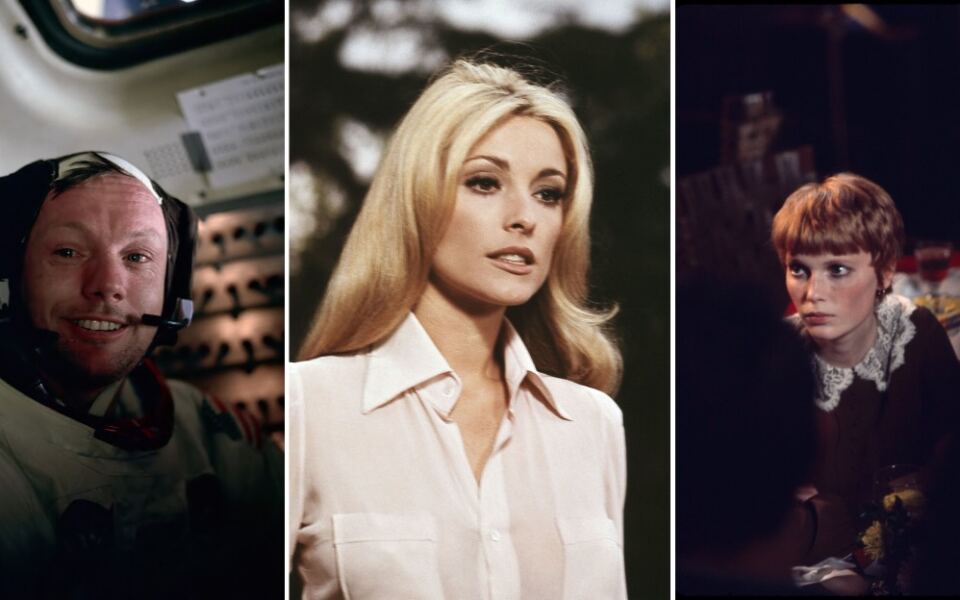
1969 was one of those years where everything seemed to shift at once. The United States was racing against the Soviet Union to reach the Moon, a massive music festival in upstate New York drew nearly half a million people, and Hollywood was rewriting its own rulebook.
Politics, sports, fashion, and music were all moving in new directions at the same time. The people who came to define that year were remarkably different from one another, yet each one captured something essential about where American and global culture stood at the end of the 1960s.
Some achieved things that had never been done before. Others used their fame to challenge the status quo.
A few simply reflected the changing tastes of a generation that was no longer interested in the old formulas. This list covers 15 figures whose actions, performances, and public presence made 1969 the unforgettable year it became.
Read on to find out who made the cut and why each one still matters.
1. Neil Armstrong
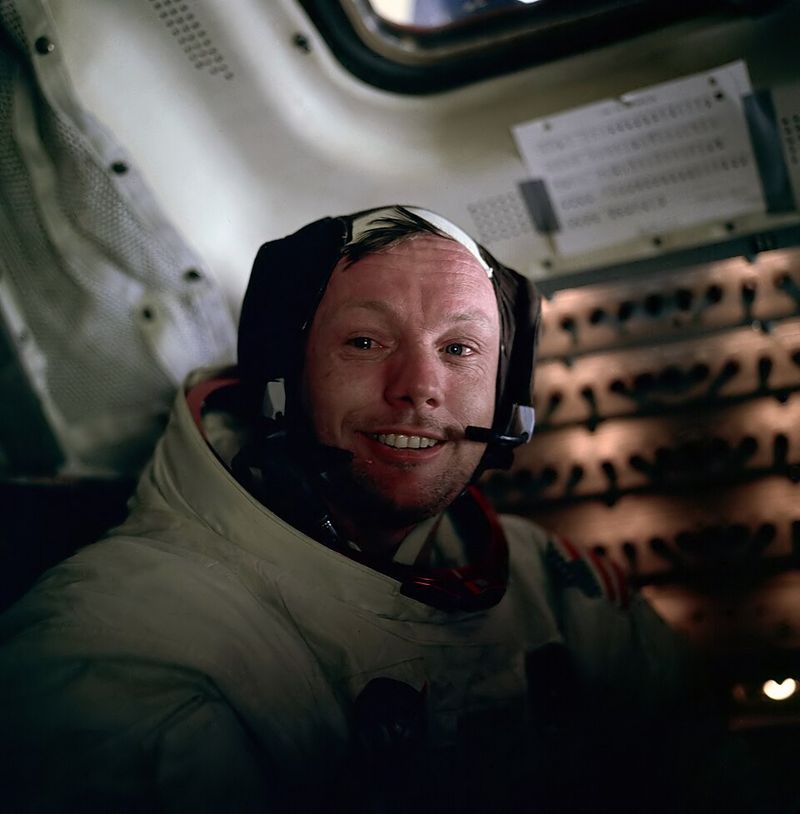
On July 20, 1969, a 38-year-old test pilot from Wapakoneta, Ohio, became the first human being to set foot on the Moon. Neil Armstrong commanded the Apollo 11 mission alongside Buzz Aldrin and Michael Collins, fulfilling a challenge President John F.
Kennedy had issued back in 1961.
The mission launched on July 16, and the lunar module named Eagle landed in the Sea of Tranquility just four days later. Armstrong and Aldrin spent 21 hours and 36 minutes on the surface, collecting samples and deploying scientific instruments.
An estimated 650 million people watched the landing on television worldwide, making it the most-viewed broadcast of its time. Armstrong returned to Earth a global figure, yet he consistently deflected personal credit, calling the achievement a victory for science and human cooperation rather than any individual.
2. John Lennon
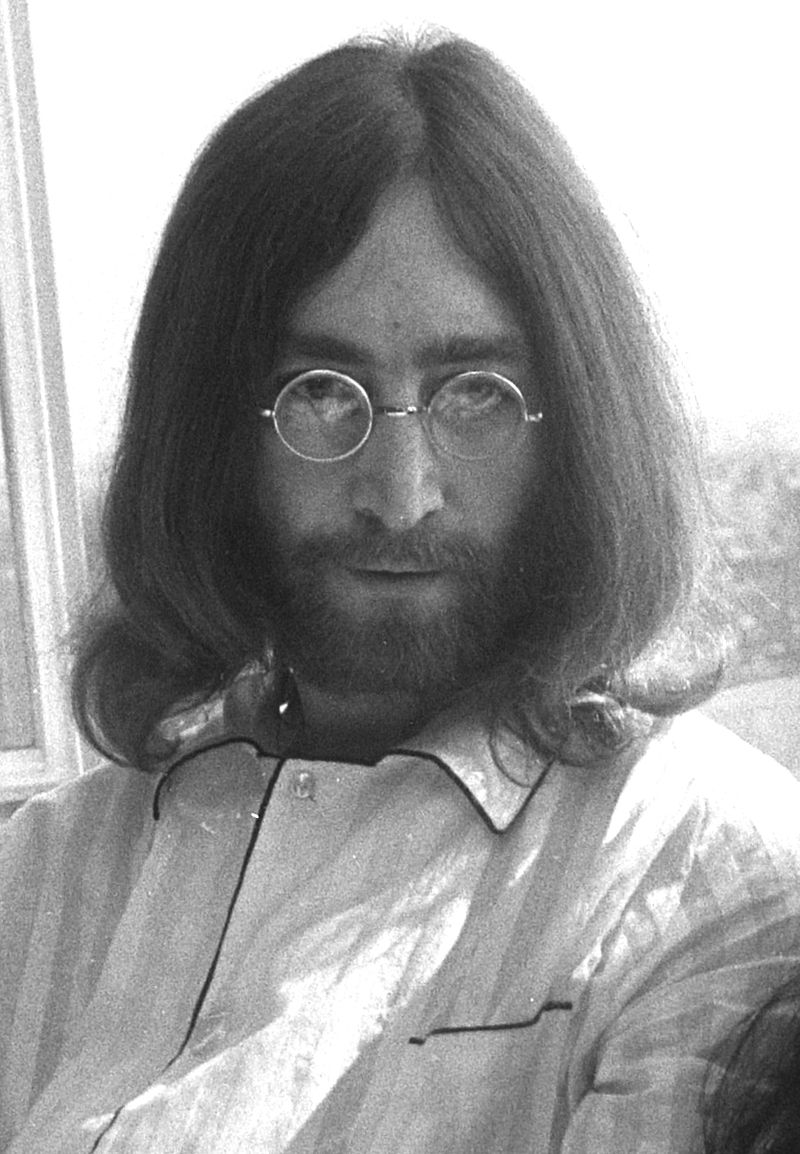
John Lennon turned 1969 into a personal manifesto. He married Yoko Ono in March, and the two immediately staged their first Bed-In for Peace in Amsterdam, using their honeymoon suite as a platform to protest the Vietnam War in front of the world’s press.
A second Bed-In followed in Montreal in May, and it produced something lasting. Lennon recorded Give Peace a Chance right there in the hotel room, releasing it in July as his first official solo single, separate from the other Beatles.
Meanwhile, the Beatles recorded Abbey Road that same year, giving Lennon’s output in 1969 an almost impossible range. He was simultaneously a pop songwriter at the peak of his craft and a full-time activist reshaping how celebrities engaged with political causes.
3. Jimi Hendrix
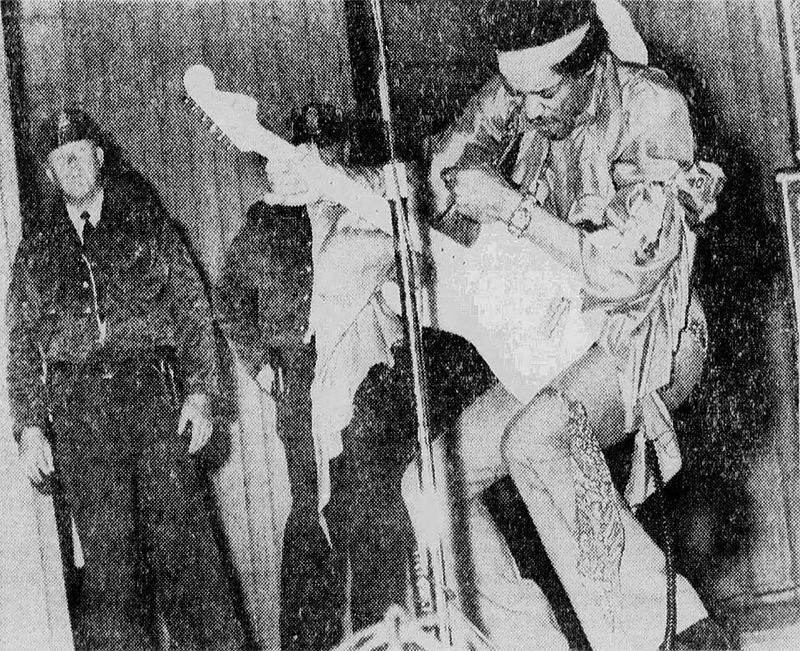
Woodstock closed on the morning of August 18, 1969, and Jimi Hendrix was the final act. Much of the original crowd of nearly 400,000 had already left by the time he took the stage, but the performance that followed became one of the most analyzed moments in rock history.
His version of The Star-Spangled Banner on electric guitar ran for about four minutes and used feedback and distortion in ways that turned a national anthem into a pointed commentary on the era. Music critics and historians have spent decades writing about what exactly he was saying with it.
Hendrix was 27 in 1969 and at a creative peak. He had already released three studio albums in less than three years, and his technical command of the electric guitar had permanently changed what other musicians believed the instrument could do.
4. Sharon Tate
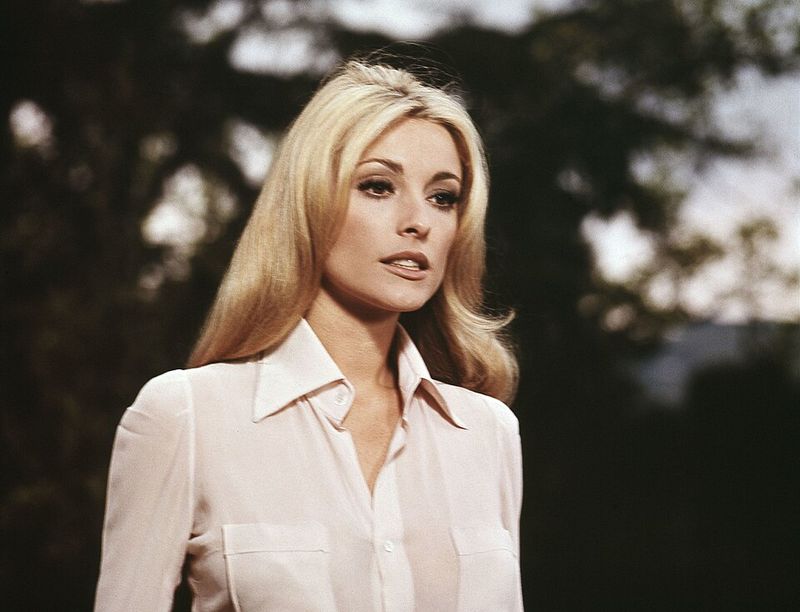
Sharon Tate represented a particular version of late-1960s Hollywood glamour. She had appeared in films including Valley of the Dolls in 1967 and was married to director Roman Polanski, placing her at the center of the film industry’s most fashionable social circle.
By 1969, she was one of the most photographed young actresses in Hollywood, recognized for her style as much as her screen work. Her public image was tied to the optimistic, freewheeling energy that defined celebrity culture in that era.
Her presence on this list reflects how her story became permanently connected to cultural memories of 1969 and the close of the 1960s. Historians and writers frequently point to the summer of 1969 as a turning point in the decade’s mood, and Tate’s name appears consistently in those accounts as a symbol of that shift.
5. Charles, Prince of Wales
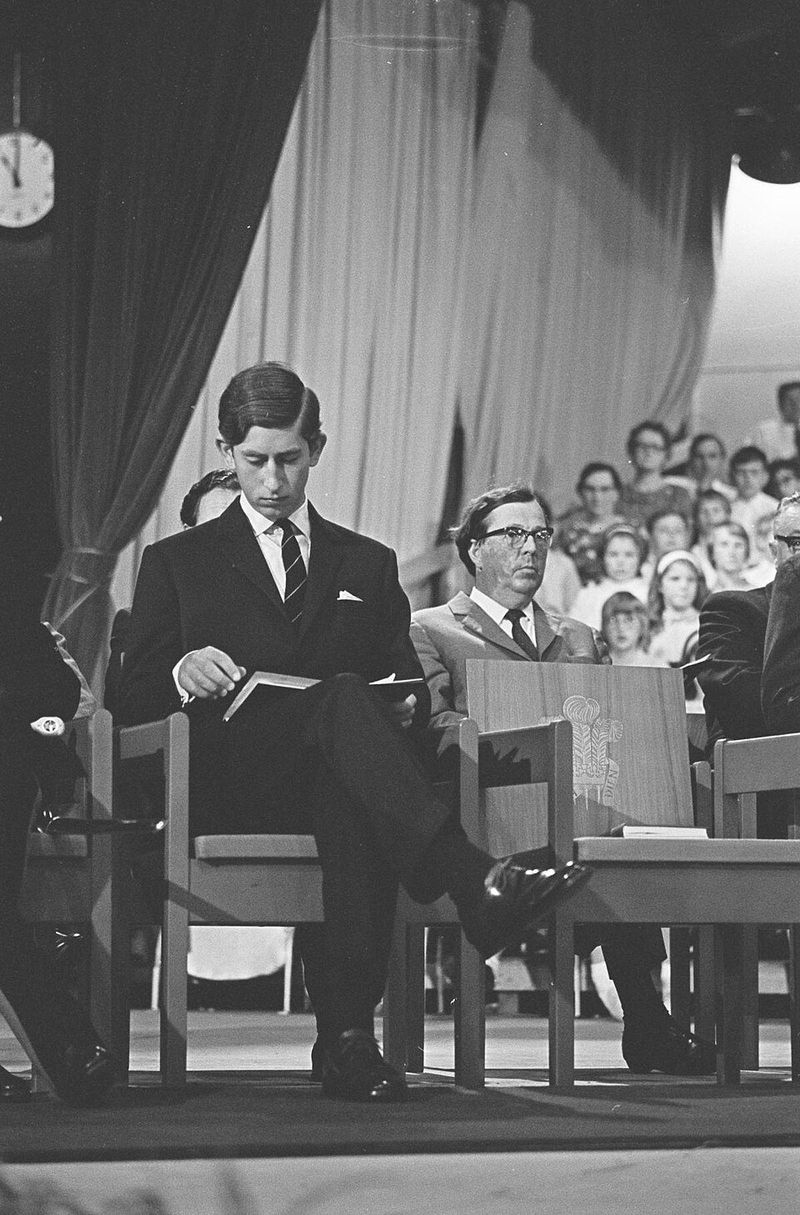
On July 1, 1969, a 20-year-old Charles was formally invested as Prince of Wales at Caernarfon Castle in a ceremony that blended medieval tradition with modern television production. Queen Elizabeth II placed the coronet on his head before an audience of thousands and a television audience of millions.
The event was broadcast across the United Kingdom and internationally, making it one of the most-watched royal occasions of the decade. The BBC estimated that around 500 million people watched some portion of the ceremony worldwide.
The investiture required Charles to take an oath of allegiance in Welsh, a gesture that acknowledged Welsh national identity and drew both praise and protest in equal measure. Welsh nationalist groups demonstrated against the ceremony, viewing it as a symbolic imposition.
The event introduced Charles to a global audience at a formative moment in his public life.
6. Janis Joplin
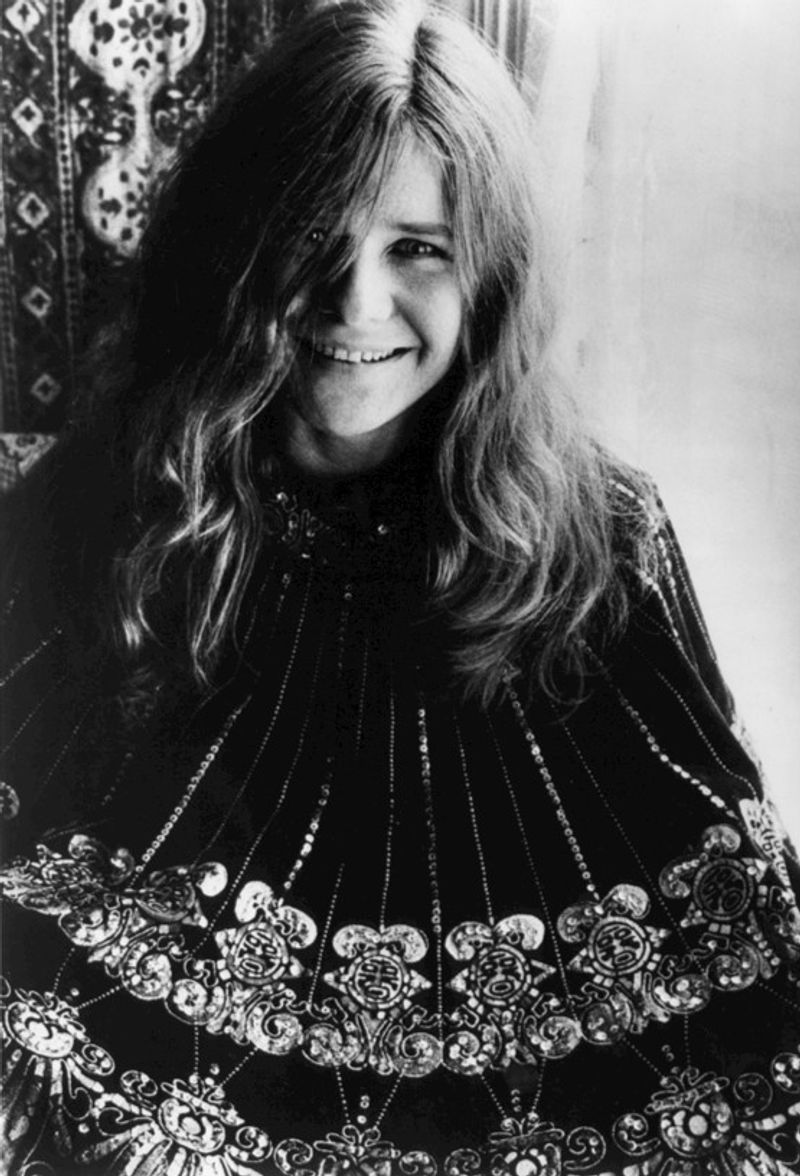
Janis Joplin arrived at Woodstock in August 1969 already carrying a reputation as one of the most powerful live performers in rock. She had left Big Brother and the Holding Company behind and was building a solo career with her new group, the Kozmic Blues Band.
Her Woodstock set drew one of the festival’s largest crowd reactions, and her combination of blues phrasing, raw vocal power, and uninhibited stage presence set her apart from virtually every other performer on the bill.
Beyond Woodstock, Joplin’s 1969 was defined by reinvention. Moving away from the San Francisco psychedelic scene toward a harder, more soul-influenced sound, she was charting a direction that felt distinct from what most of her contemporaries were doing.
Her fashion choices, including feather boas, layered jewelry, and oversized glasses, also made her one of the era’s most immediately recognizable public figures.
7. Muhammad Ali
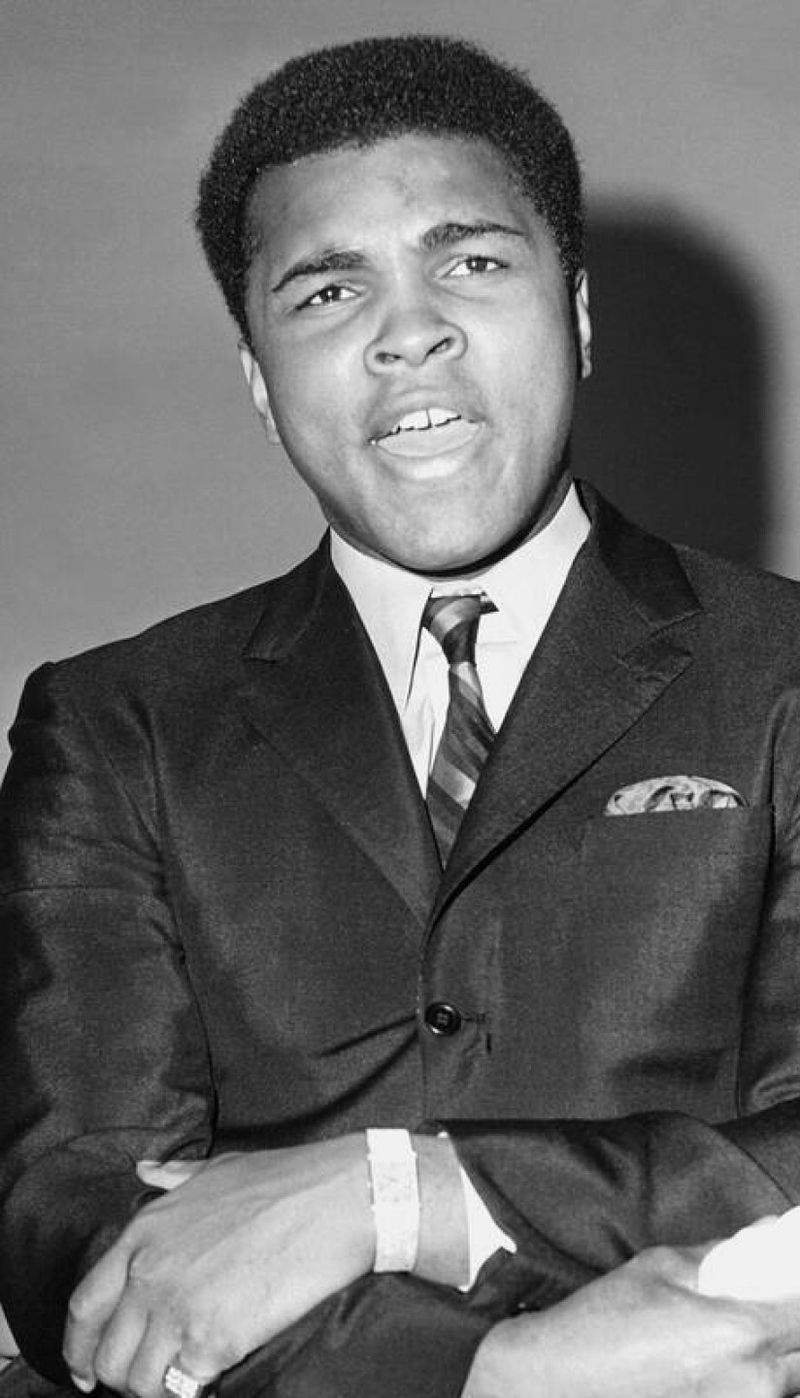
Muhammad Ali did not fight professionally in 1969. His boxing license had been suspended and his heavyweight title stripped after he refused induction into the U.S.
Army in 1967, citing his religious beliefs as a member of the Nation of Islam.
That absence from the ring only expanded his cultural footprint. Ali became a central figure in debates about the Vietnam War, racial justice, religious freedom, and the limits of government authority over individual conscience.
College campuses, civil rights organizations, and antiwar groups all claimed him as a symbol.
He spent 1969 giving speeches, appearing in theatrical productions, and fighting his legal case through the courts. The Supreme Court would eventually rule in his favor in 1971.
His willingness to accept enormous professional consequences for his beliefs made him one of the most discussed public figures of the entire decade, not just the year.
8. Brigitte Bardot
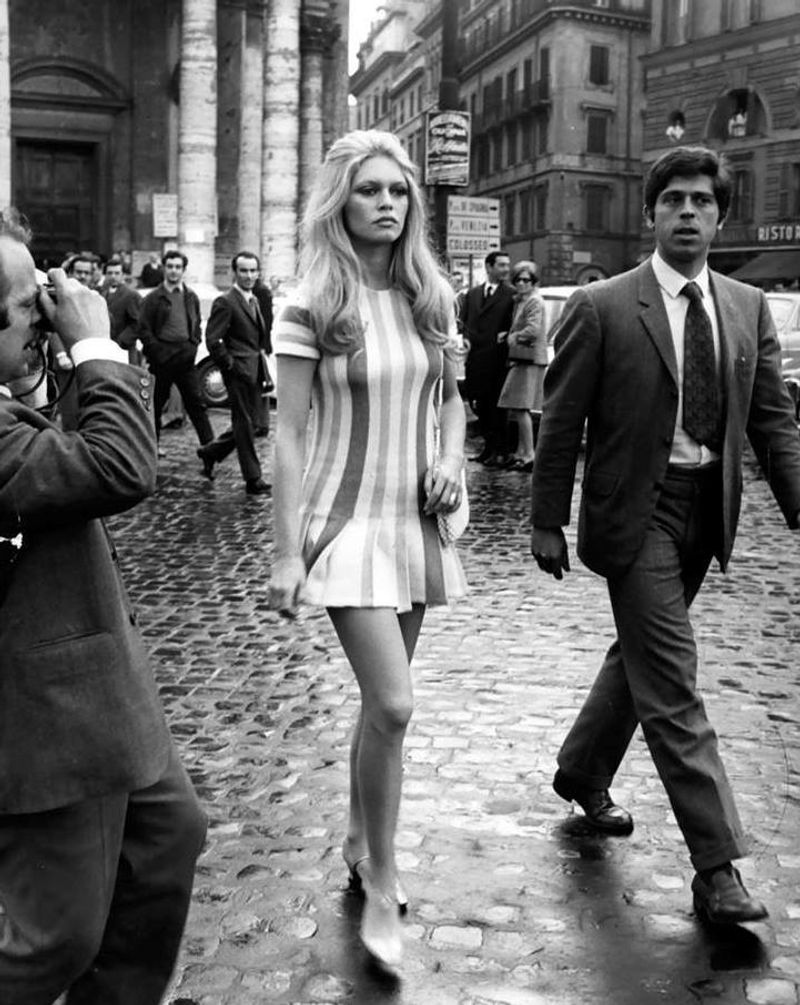
By 1969, Brigitte Bardot had been an international cultural symbol for more than a decade. Her career in French cinema had made her one of the most recognized faces in the world, and her personal style had influenced fashion trends across Europe and North America throughout the 1960s.
What made her particularly significant in 1969 was a shift in her public focus. She was becoming increasingly vocal about animal welfare causes, a commitment that would eventually lead her to retire from acting entirely in 1973 to concentrate on activism full time.
Her visual identity, characterized by natural hair, minimal formal styling, and a relaxed confidence in front of the camera, remained enormously influential on fashion photography and popular culture in 1969. Multiple major publications featured her that year, and her image remained commercially and culturally powerful even as she began redirecting her energy away from entertainment.
9. Johnny Cash
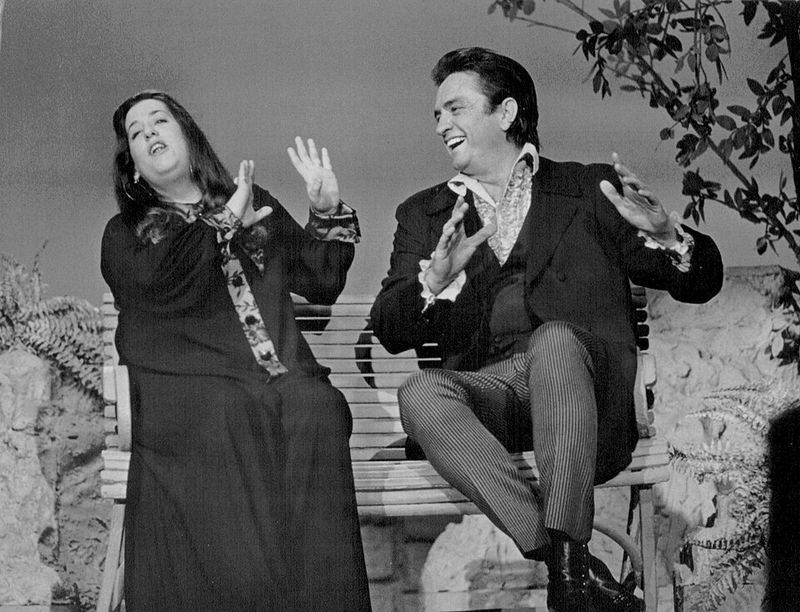
Johnny Cash launched The Johnny Cash Show on ABC in June 1969, and it immediately became one of the most unusual programs on American television. Cash used the platform to invite guests who reflected his genuinely broad musical tastes, including Bob Dylan, Ray Charles, Louis Armstrong, and Joni Mitchell, all within the first season.
Country music had rarely commanded that kind of mainstream television presence, and Cash used his to blur genre boundaries at a time when radio stations kept those boundaries very strict. He also recorded the live album At San Quentin in February 1969, which became one of his best-selling records.
The combination of the television show, the prison concert recordings, and his ongoing chart success made 1969 one of the most productive and visible years of his career. He was simultaneously a country star, a mainstream television host, and a counterculture-adjacent figure that rock audiences respected.
10. Mia Farrow
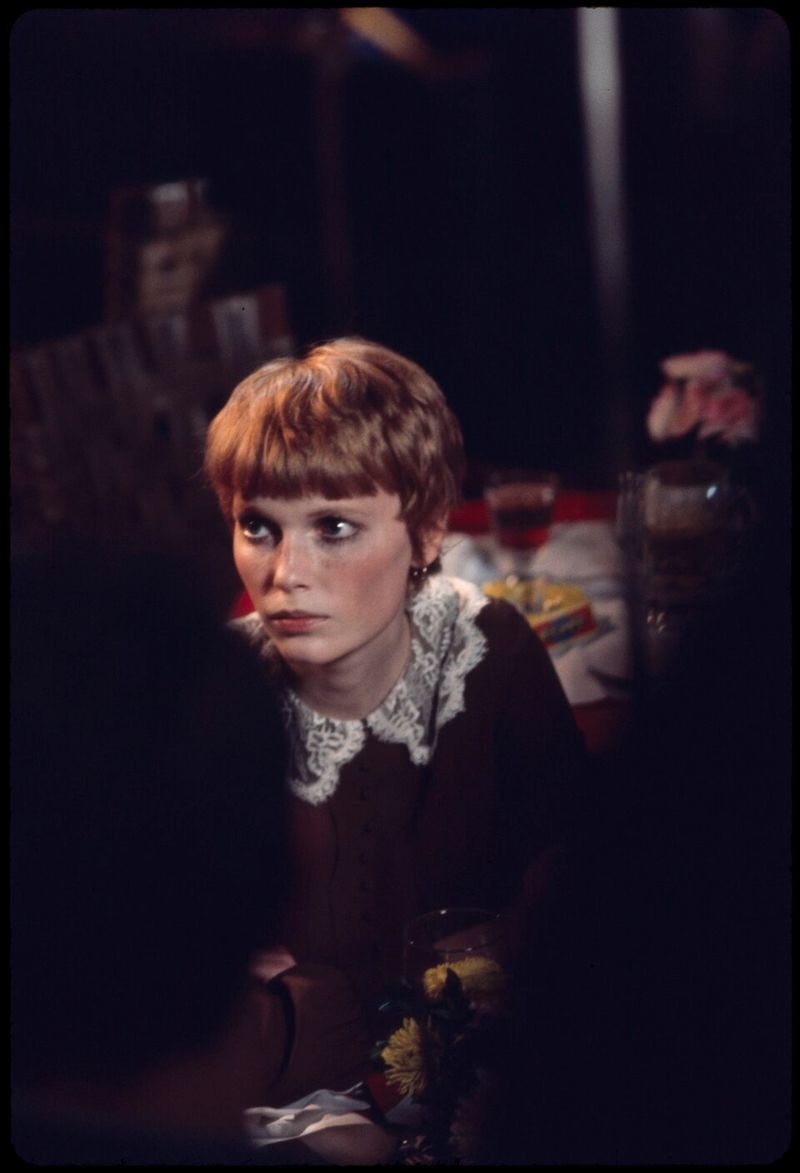
Mia Farrow entered 1969 as one of the most recognizable young actresses in Hollywood. Her role in Rosemary’s Baby in 1968 had established her as a serious dramatic performer, and her personal style, particularly her closely cropped hair, had made her a reference point for fashion editors and photographers.
She was also navigating a complicated personal and professional life. Her marriage to Frank Sinatra had ended in 1968, and she was increasingly associated with the unconventional, intellectually adventurous social circles of late-1960s New York and London.
What made Farrow genuinely interesting in 1969 was her refusal to fit neatly into any single category. She was not a typical Hollywood starlet, not a counterculture figure, and not a conventional celebrity wife.
Her public identity was harder to define than most of her contemporaries, which made her a consistent subject of media attention throughout the year.
11. Joe Namath
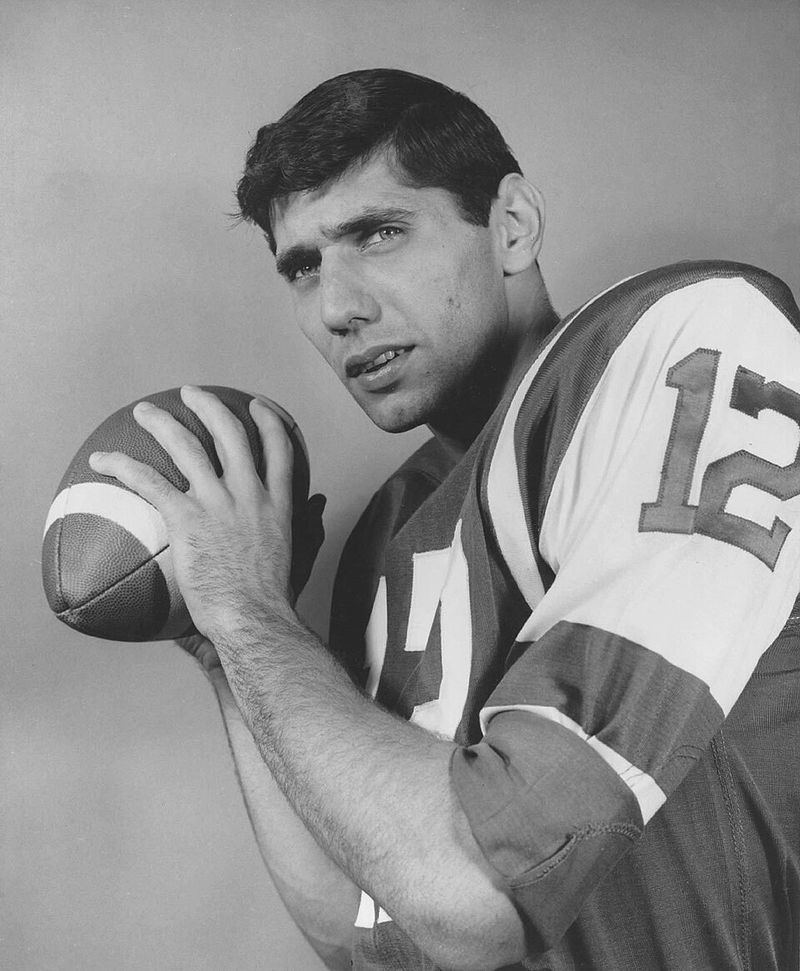
Super Bowl III took place on January 12, 1969, and Joe Namath walked into it having publicly guaranteed a Jets victory over the heavily favored Baltimore Colts. That guarantee was not a throwaway comment.
Namath made it at a public event days before the game and stood by it completely.
The Jets won 16-7, and Namath’s prediction became one of the most famous moments in professional football history. He was named the game’s Most Valuable Player and instantly became a national sports celebrity on a scale that few athletes had achieved before him.
His off-field persona was equally significant. Namath wore fur coats, appeared in television commercials for pantyhose, and lived openly as a bachelor in New York City in ways that traditional sports culture found surprising.
He represented a new kind of athlete who embraced celebrity culture rather than keeping a careful distance from it.
12. Yoko Ono
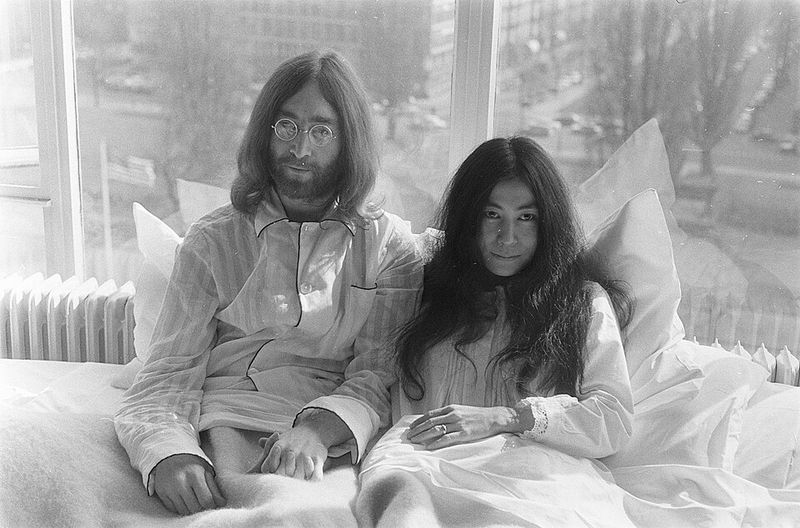
Yoko Ono’s public profile in 1969 was shaped almost entirely by her partnership with John Lennon, but reducing her to that role misrepresents what she actually brought to the year. She was already an established avant-garde artist before she met Lennon, with a background in Fluxus performance art and conceptual work that predated her celebrity relationship.
The Bed-Ins for Peace were her idea as much as Lennon’s, and the Montreal event produced Give Peace a Chance, a song that became an anthem for the antiwar movement. Her name appeared on the single’s writing credits.
Ono was also the most scrutinized woman in popular music in 1969, attracting intense and often unfair criticism from Beatles fans who blamed her for tensions within the band. She navigated that pressure publicly and without retreating from her activism or her artistic work throughout the year.
13. Dustin Hoffman
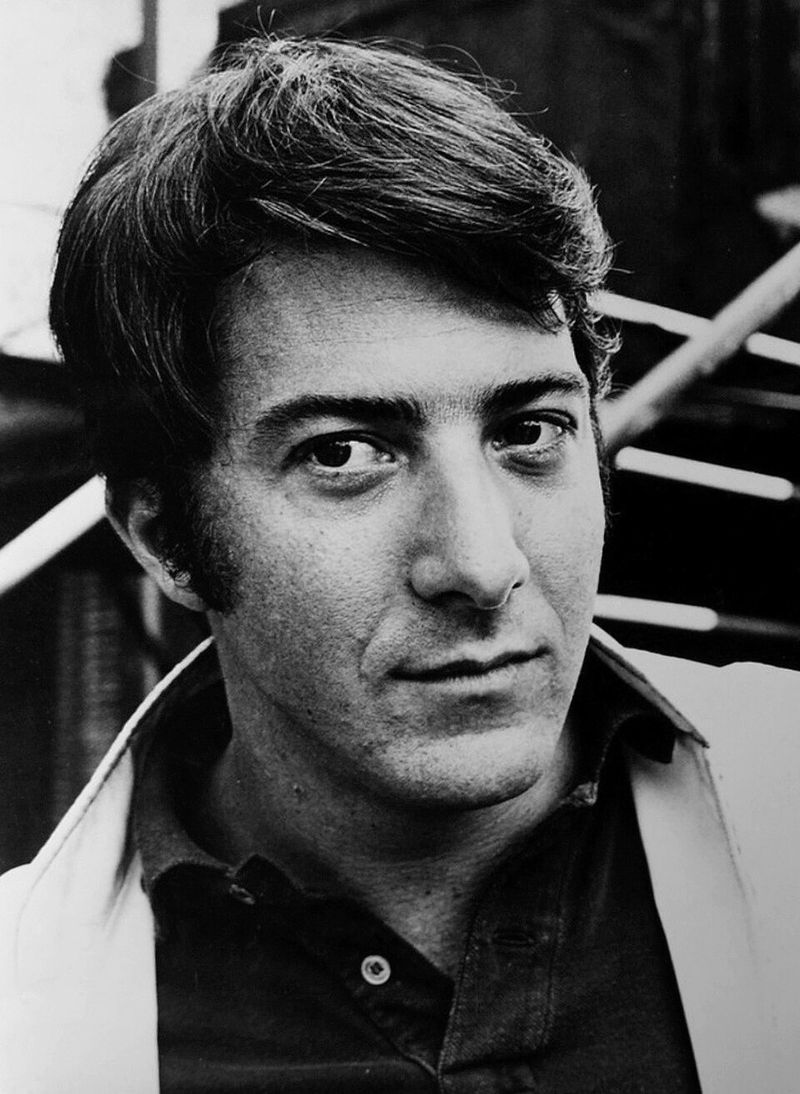
Midnight Cowboy opened in May 1969 and immediately became a landmark in American cinema. Dustin Hoffman played Enrico Rizzo, a street-smart drifter known as Ratso, alongside Jon Voight’s naive Texas hustler Joe Buck.
The film’s portrait of poverty and survival in New York City was unlike anything major studios had released before.
It was rated X on its original release, making its eventual Best Picture Oscar win the only X-rated film to achieve that distinction. The rating was later revised to R, but the original classification reflected how far the film pushed against conventional Hollywood standards.
Hoffman had already broken through with The Graduate in 1967, but Midnight Cowboy confirmed that his success was not a one-time event. He represented a generation of American actors who prioritized character complexity over conventional leading-man appeal, and 1969 was the year that approach earned full mainstream recognition.
14. Diana Ross
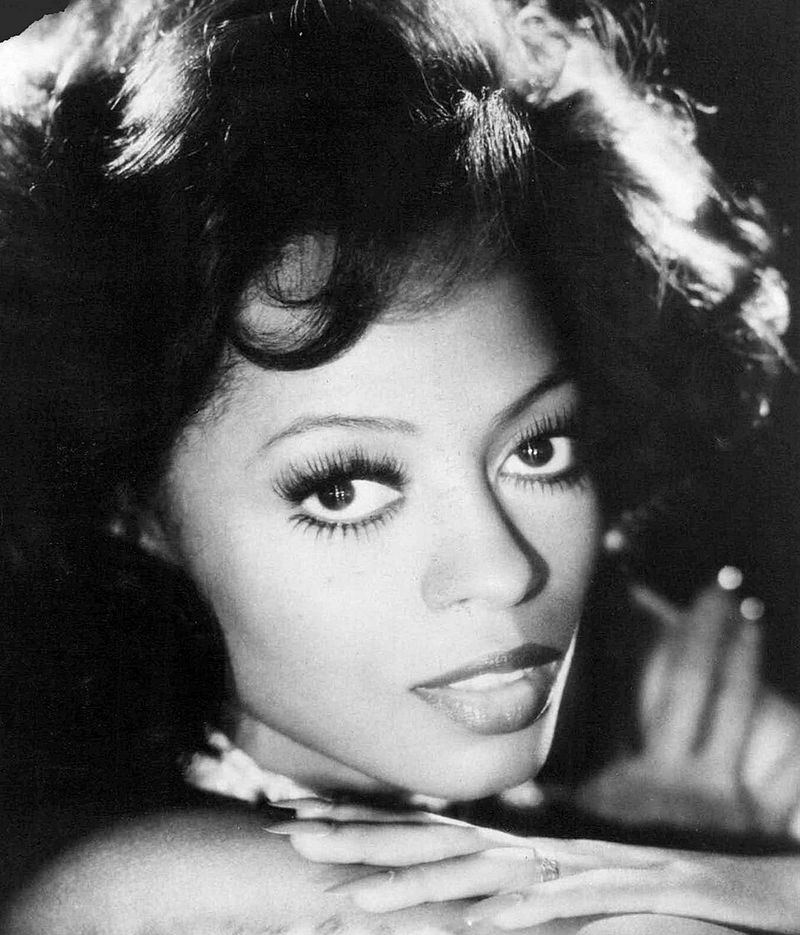
Diana Ross spent most of 1969 at the center of a carefully managed but genuinely significant transition. Motown founder Berry Gordy announced that she would be leaving Diana Ross and the Supremes to pursue a solo career, a decision that had been building for years as Ross’s profile within the group grew increasingly dominant.
The Supremes had been the most commercially successful act in Motown’s history, with twelve number-one singles between 1964 and 1969. Ross’s departure marked the end of that classic lineup and the beginning of a solo career that would prove equally successful.
Her final performance with the Supremes took place on January 14, 1970, in Las Vegas, but the groundwork was laid throughout 1969. That year she was simultaneously the face of Motown’s past achievements and the clearest signal of where the label’s ambitions were heading next.
15. Elvis Presley
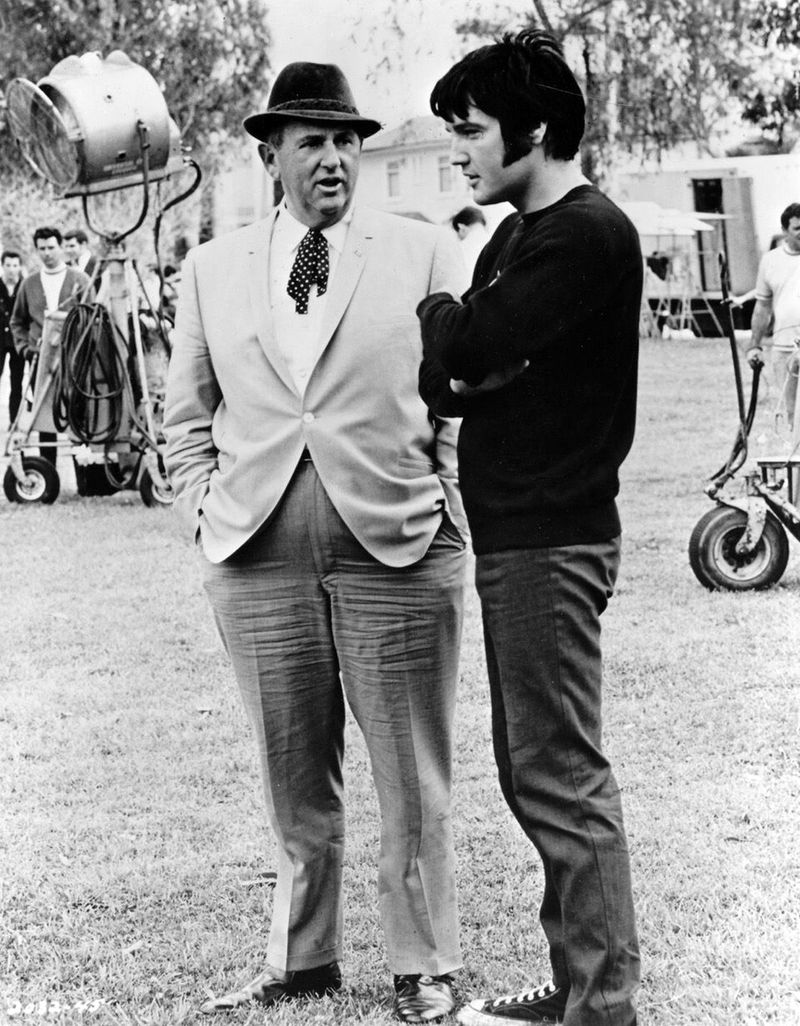
Elvis Presley’s 1969 was built on a comeback that had started in late 1968 with his NBC television special, often called the ’68 Comeback Special, which reminded a generation of viewers that he remained a formidable live performer. He followed that momentum directly into 1969 with a return to recording in Memphis.
Those Memphis sessions produced Suspicious Minds, released in August 1969. It reached number one on the U.S.
Billboard Hot 100, becoming his first chart-topper since 1962 and proving that his commercial appeal had not faded during years of formulaic film soundtracks.
He also opened a residency at the International Hotel in Las Vegas in July 1969, performing 57 sold-out shows and establishing a live concert format he would continue for the rest of his career. At 34, Presley was no longer a novelty from the 1950s.
He was a working performer at the top of his game again.
Share this story