Around the world, communities have built remarkable traditions that carry deep meaning, history, and identity across generations. UNESCO, the United Nations cultural agency, officially recognizes many of these practices as Intangible Cultural Heritage worth protecting and celebrating.
From passionate dances to community cooking rituals, these traditions tell the story of who people are and where they come from. Here are 15 incredible cultural traditions that UNESCO proudly recognizes on the global stage.
1. Flamenco – Spain
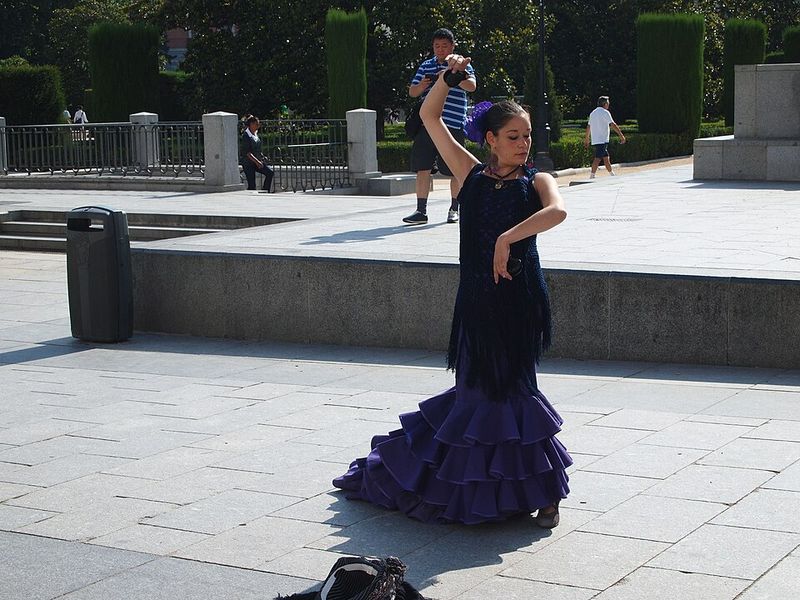
Few art forms in the world carry as much raw emotion as flamenco. Born in the Andalusian region of southern Spain, this powerful tradition blends singing, guitar playing, dance, and hand clapping into one unforgettable performance.
It grew from the cultural mixing of Romani, Moorish, and Andalusian communities over hundreds of years.
UNESCO added flamenco to its Intangible Cultural Heritage list in 2010, recognizing its deep social roots. Performers spend years mastering the footwork, posture, and emotional expression that make flamenco so striking.
It is not just entertainment; it is a conversation between the performer and the audience.
Today, flamenco schools exist across Spain and around the world. Cities like Seville and Granada remain the heartbeat of the tradition.
Whether performed in a small tablao or on a grand stage, flamenco continues to move people in ways words simply cannot.
2. Tango – Argentina and Uruguay
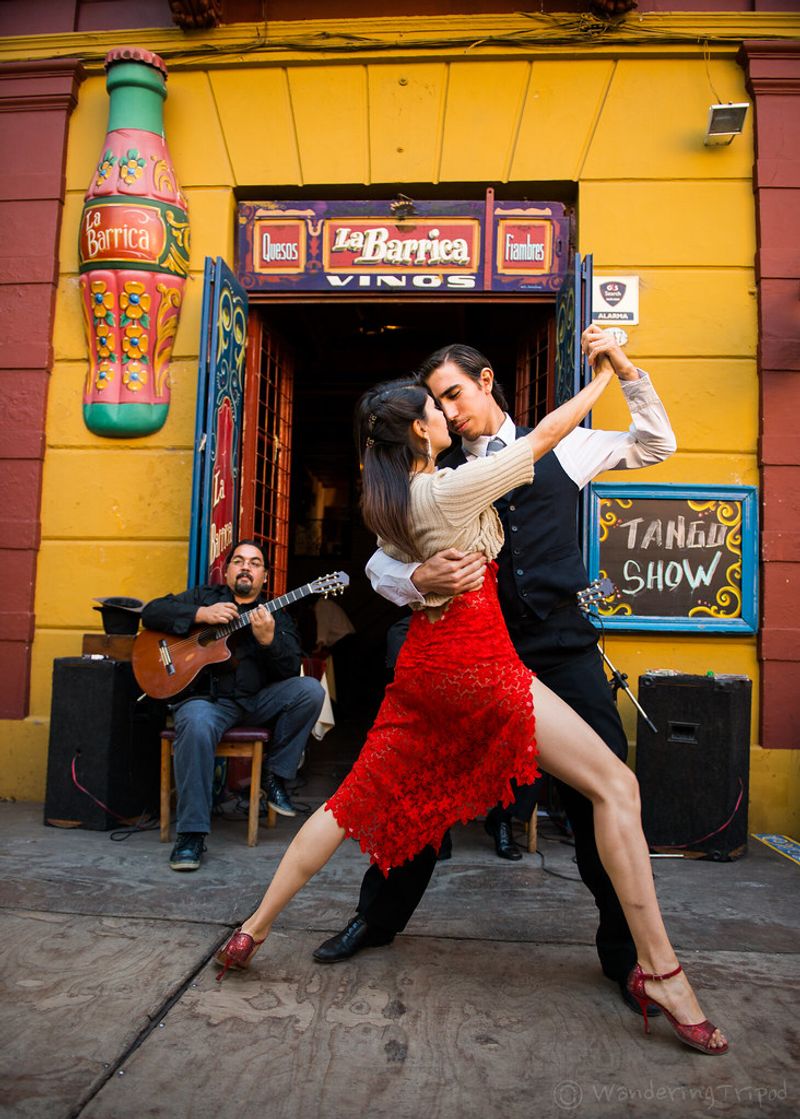
Tango is one of those rare traditions that can make a room fall completely silent. Originating in the working-class neighborhoods of Buenos Aires and Montevideo in the late 19th century, it was born from a blend of African rhythms, European immigrant music, and local gaucho culture.
From the streets, it traveled to ballrooms across the globe.
UNESCO recognized tango in 2009 as a shared cultural treasure of both Argentina and Uruguay. The dance is known for its close embrace, dramatic pauses, and improvised footwork that responds to a partner in real time.
Learning tango is almost like learning a new language.
Milongas, or tango social dances, still fill venues in Buenos Aires every weekend. The tradition keeps evolving while staying deeply connected to its emotional roots.
For many, dancing tango is less about steps and more about honest human connection.
3. Fado – Portugal
Fado is the sound of longing wrapped in music. This hauntingly beautiful Portuguese genre carries a feeling called “saudade,” a deep emotional nostalgia for things lost or far away.
It emerged in the early 19th century in the working neighborhoods of Lisbon and later became deeply rooted in the city of Coimbra as well.
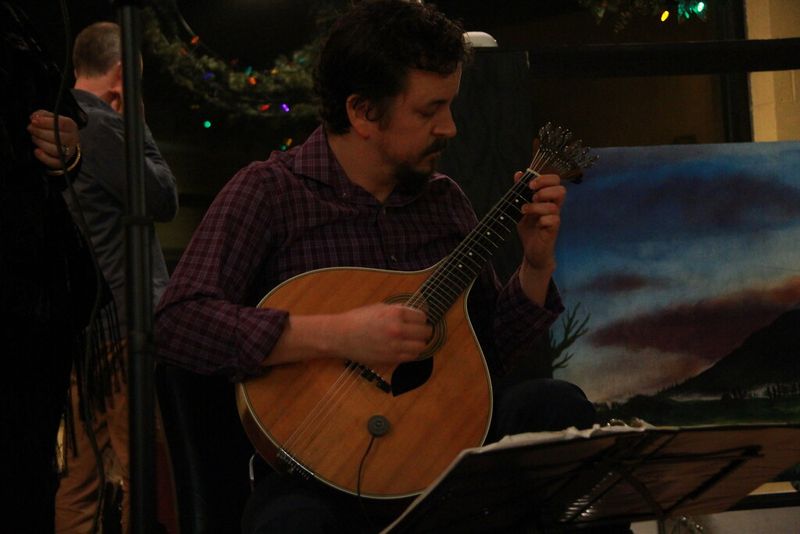
UNESCO inscribed fado on its Intangible Cultural Heritage list in 2011, calling it a symbol of Portuguese identity. A typical fado performance features one singer accompanied by a Portuguese guitarra and a classical guitar.
The voice carries the melody, the guitars carry the soul.
Fado houses, known as casas de fado, remain popular gathering spots in Lisbon where locals and visitors sit together in near-silence to listen. The tradition has also inspired modern artists who blend fado with jazz and pop.
Still, at its core, fado remains a deeply personal and emotional experience.
4. Mariachi – Mexico
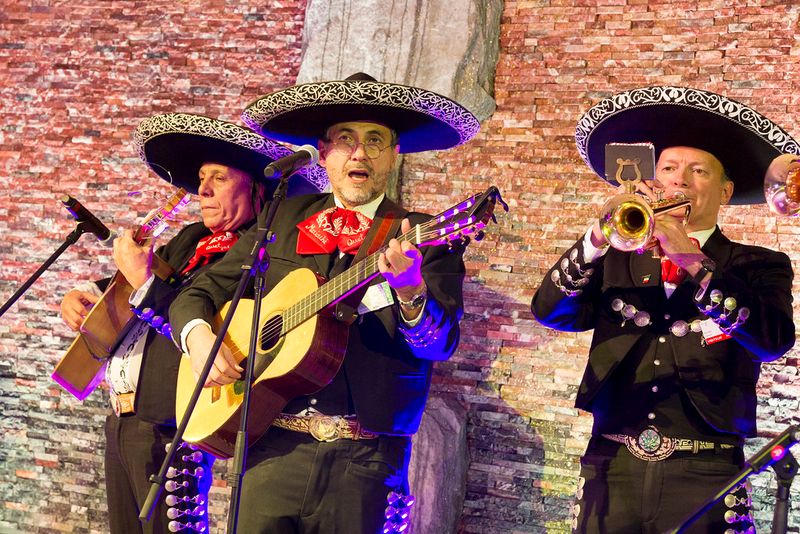
When a group of mariachi musicians walks into a room, the energy changes immediately. Mariachi is Mexico’s most iconic musical tradition, featuring a lively ensemble of trumpets, violins, guitars, and the deep-voiced guitarron.
It originated in the western Mexican state of Jalisco and became a symbol of Mexican national identity by the 20th century.
UNESCO recognized mariachi in 2011, praising it as a living expression of Mexican culture passed down through generations of musicians. Performances celebrate everything from birthdays and weddings to religious festivals and national holidays.
The charro suits worn by performers are themselves a work of art, decorated with intricate embroidery.
Guadalajara remains the spiritual home of mariachi, hosting the International Mariachi Festival each year. Young musicians still learn the tradition from family members and community teachers.
Mariachi is more than music; it is a declaration of pride, joy, and belonging.
5. Kimjang – Making and Sharing Kimchi in South Korea
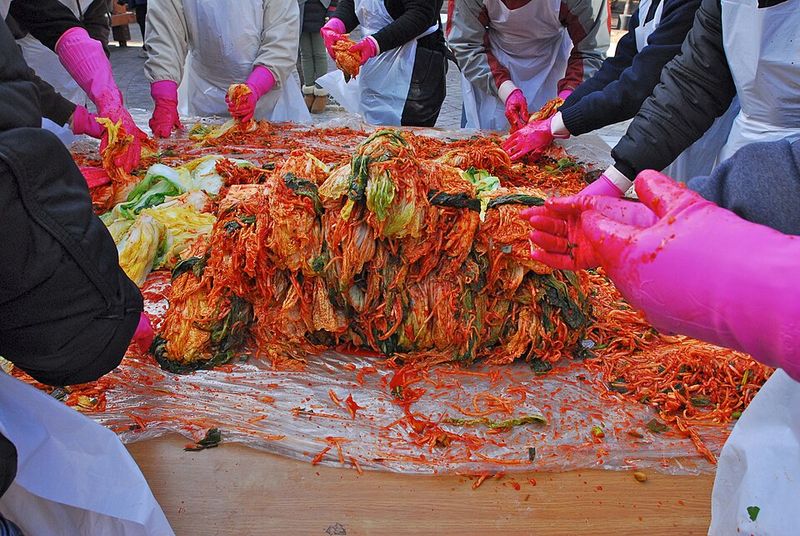
Every autumn in South Korea, families and neighbors gather for one of the most important communal events of the year: kimjang. This tradition involves making large batches of kimchi, the fermented vegetable dish that has been a staple of Korean cuisine for centuries.
The process requires teamwork, and that is exactly the point.
UNESCO added kimjang to its Intangible Cultural Heritage list in 2013, recognizing it as a powerful expression of community spirit. Hundreds of heads of napa cabbage are salted, rinsed, and packed with a spicy paste of chili, garlic, ginger, and fermented seafood.
The work is shared, and so is the kimchi.
Families store the kimchi in large clay pots, traditionally buried underground to ferment slowly through winter. Today, special kimchi refrigerators do the same job.
Beyond the food itself, kimjang is about generosity, cooperation, and the deep Korean value of taking care of one another.
6. Sauna Culture – Finland
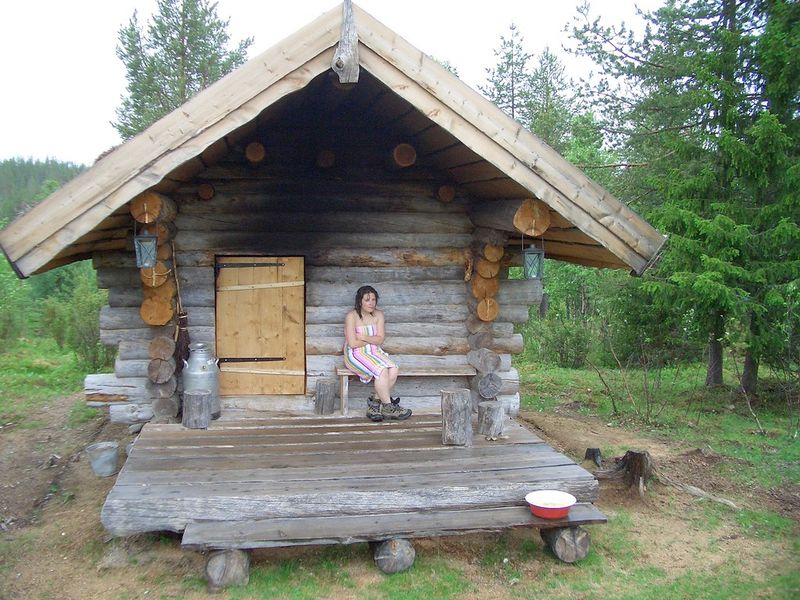
In Finland, the sauna is not a luxury; it is a way of life. With over three million saunas in a country of about five and a half million people, Finns have one of the highest sauna-to-person ratios in the world.
The tradition stretches back thousands of years and touches nearly every part of Finnish society, from family bonding to business meetings.
UNESCO recognized Finnish sauna culture in 2020, highlighting its role in promoting wellbeing, equality, and community. Inside a sauna, social rank disappears.
Everyone sits together, sweats together, and talks honestly, which Finns call “sauna talk.”
Traditional saunas are heated with wood, and bathers often use birch branches called vihta to gently beat the skin, which improves circulation. After a sauna session, jumping into a cold lake or rolling in the snow is perfectly normal.
For Finns, the sauna is where the body heals and the mind finds peace.
7. Falconry – Multinational Tradition
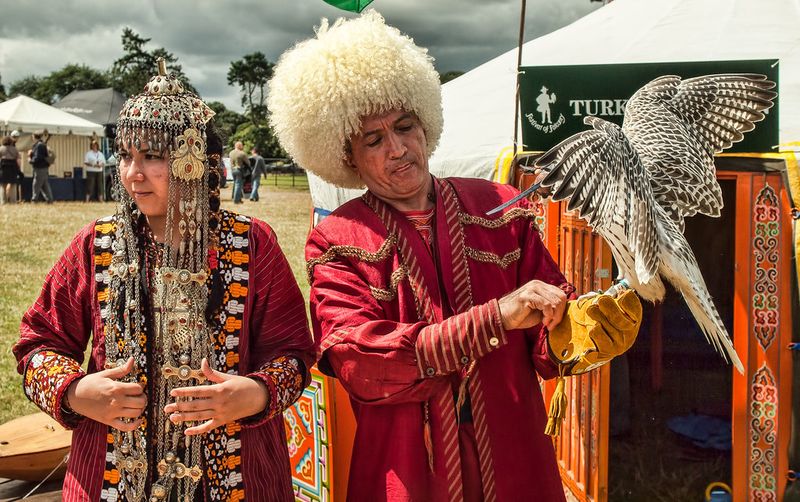
Falconry is one of the oldest partnerships between humans and wild animals. For more than 4,000 years, people across Asia, the Middle East, Europe, and North Africa have trained falcons and hawks to hunt alongside them.
What began as a survival technique became a deeply respected cultural tradition tied to identity, nobility, and craftsmanship.
UNESCO recognized falconry in 2016 as a shared multinational heritage, with over 25 countries joining the inscription. Falconers spend years building trust with their birds, learning to read their behavior, health, and mood.
The bond between a falconer and a falcon is considered almost sacred in many cultures.
In countries like the UAE, Qatar, and Saudi Arabia, falconry remains an active and celebrated practice, with major festivals and competitions held annually. Training methods, equipment like hoods and perches, and bird care knowledge are all passed down through families and guilds.
The tradition continues to thrive worldwide.
8. Jeju Haenyeo Women Divers – South Korea
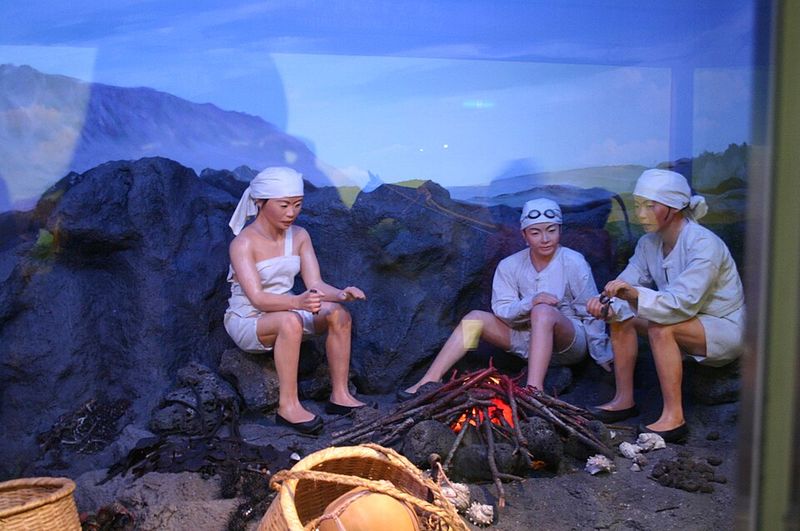
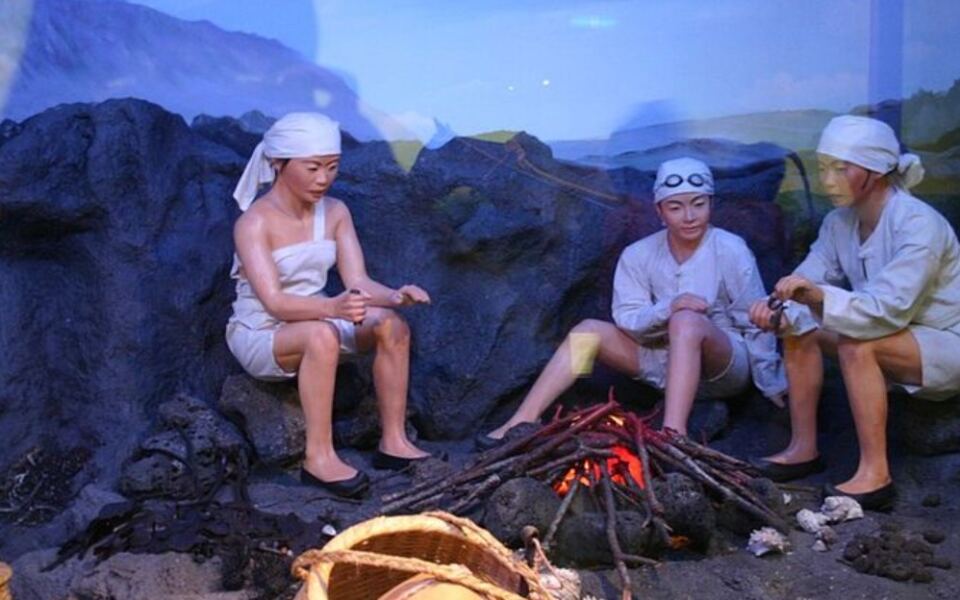
Off the coast of Jeju Island in South Korea, a group of remarkable women have been diving into the cold ocean for centuries without any breathing equipment. Known as haenyeo, meaning “sea women,” they plunge to depths of up to 20 meters, holding their breath for minutes at a time to harvest abalone, conch, and sea urchins from the ocean floor.
UNESCO recognized the culture of Jeju haenyeo in 2016, praising their extraordinary physical endurance and the unique matriarchal community they have built around their work. Haenyeo typically start training as young girls and often continue diving well into their 70s and 80s.
Their knowledge of the sea, tides, and marine life is passed down through practice.
The haenyeo community has its own songs, rituals, and support networks. As younger generations move toward other careers, efforts to preserve haenyeo culture have become more urgent.
Their story is one of strength, independence, and deep respect for the natural world.
9. Human Towers (Castells) – Spain
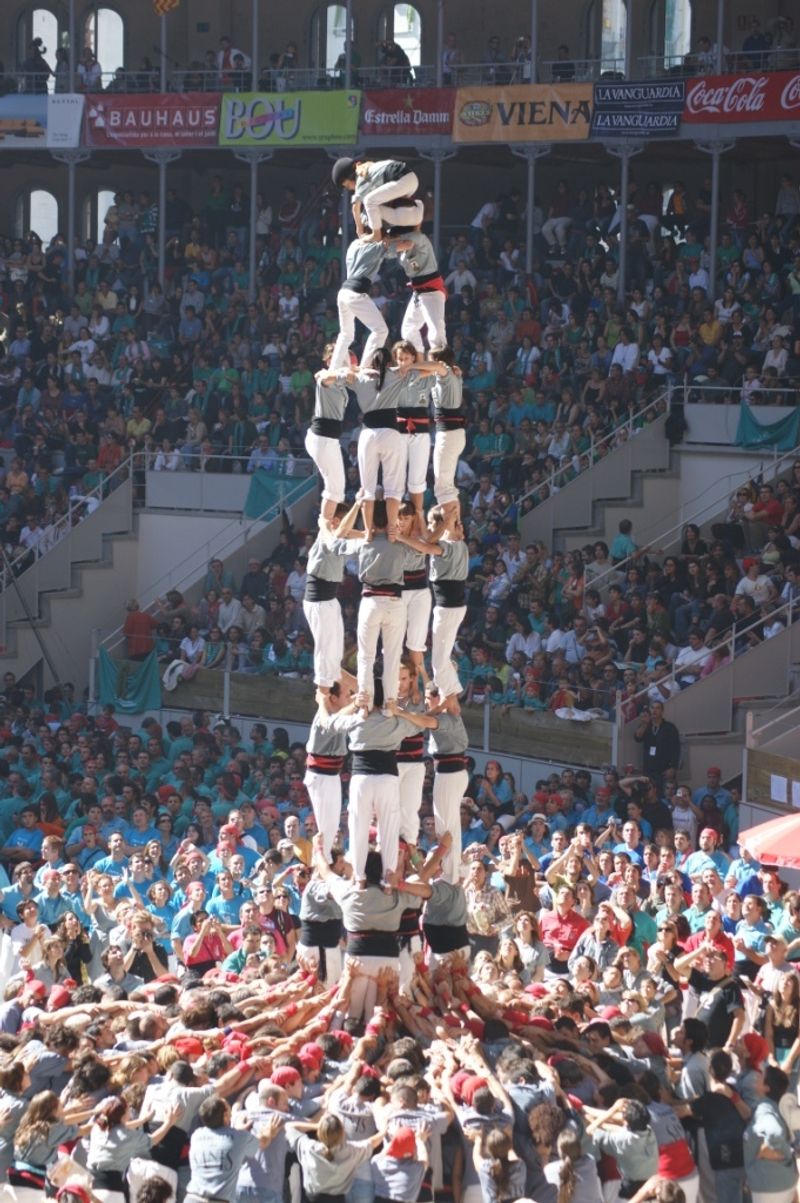
Picture hundreds of people working together to build a tower made entirely of human bodies, reaching six, eight, or even ten stories high. That is exactly what happens during a castells performance in Catalonia, Spain.
These human towers have been a tradition since the 18th century, rooted in the culture of southern Catalonia and tied to local festivals.
UNESCO added castells to its Intangible Cultural Heritage list in 2010, recognizing the extraordinary teamwork, trust, and community spirit involved. Groups called colles castelleres train together year-round.
Each tower has a base of hundreds of people, a rising column of climbers, and at the very top, a young child called the enxaneta who raises a hand to signal success.
Safety is taken seriously, and participants wear helmets and use specific climbing techniques. The tradition is competitive, with colles facing off at major festivals.
More than anything, castells represent what a community can achieve when everyone holds each other up.
10. Rumba – Cuba
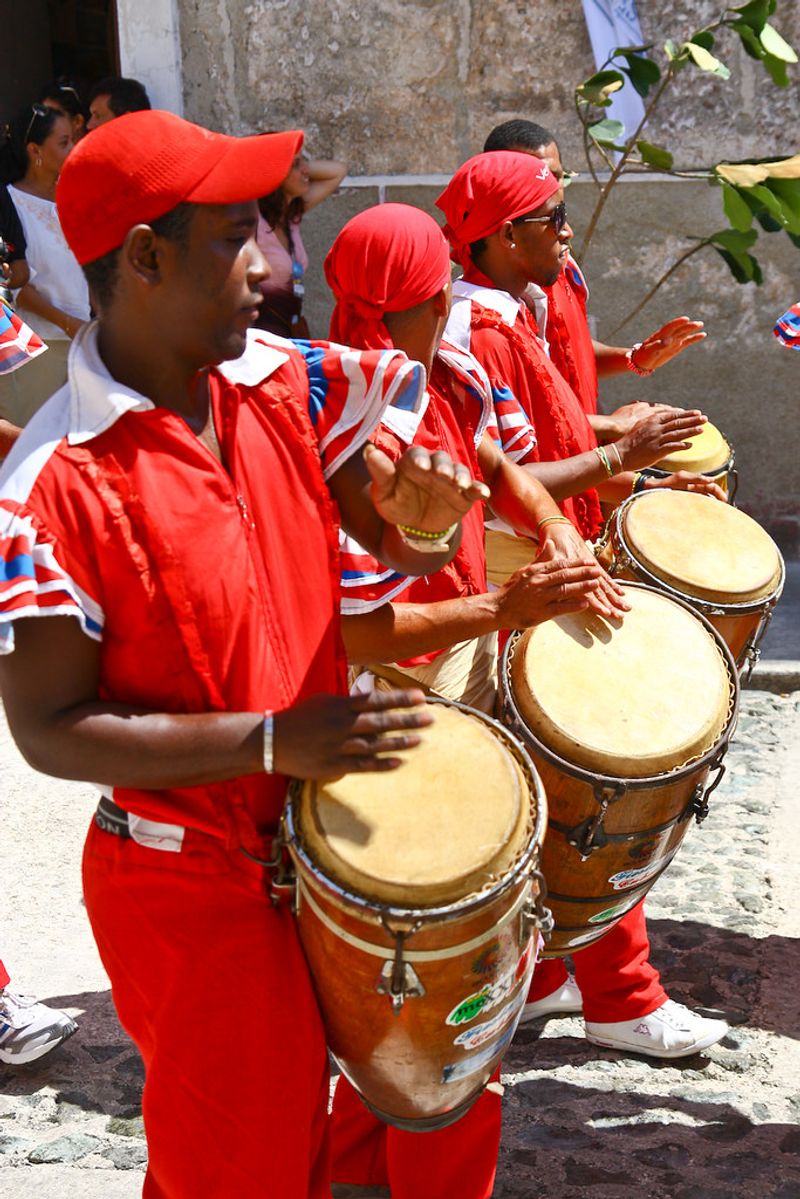
Rumba is Cuba’s most spirited musical and dance tradition, and it does not hold back. Originating in the poor Afro-Cuban communities of Havana and Matanzas in the 19th century, rumba blends African rhythms, Spanish melodies, and improvised movement into a celebration of life, resistance, and joy.
It was created by people who had very little but gave everything to their music.
UNESCO recognized Cuban rumba in 2016, honoring its role as a living expression of Afro-Cuban identity. The tradition has three main styles: yamba, columbia, and guaguanco, each with its own rhythm and character.
Percussion instruments, especially the conga drum, drive the performance while dancers respond with spontaneous, full-body movement.
Rumba is still performed in neighborhood gatherings called rumbas de cajón, where anyone can join in. It has influenced salsa, jazz, and countless other music genres worldwide.
At its heart, rumba remains a community celebration where music, movement, and memory come alive together.
11. Mediterranean Diet – Cyprus, Croatia, Spain, Greece, Italy, Morocco and Portugal
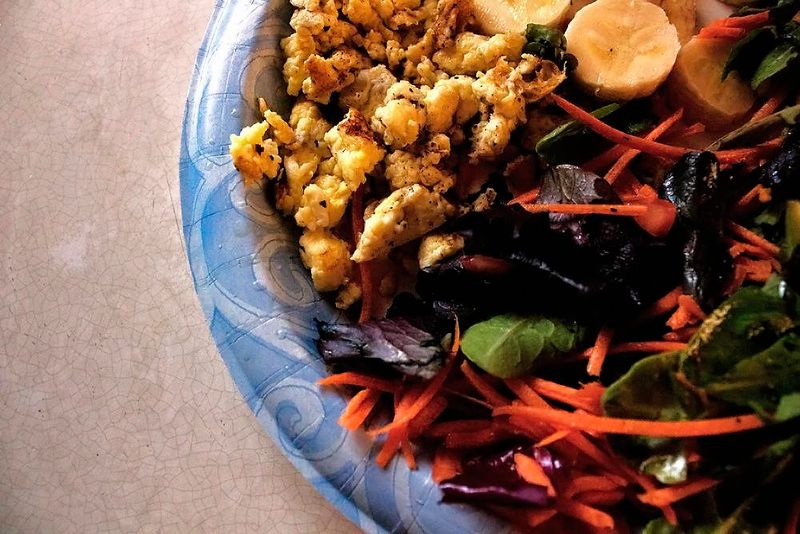
The Mediterranean diet is more than a list of healthy foods; it is a way of eating rooted in centuries of tradition, community, and respect for the land. Centered on olive oil, fresh vegetables, legumes, whole grains, fish, and moderate amounts of dairy and wine, this dietary pattern developed across the coastal communities of southern Europe and northern Africa over generations.
UNESCO recognized the Mediterranean diet in 2013 as a shared cultural heritage of Cyprus, Croatia, Spain, Greece, Italy, Morocco, and Portugal. What makes it special is not just the food but the social rituals around it.
Meals are meant to be shared slowly, with family and friends gathered around the table.
Research consistently links this diet to lower rates of heart disease, diabetes, and cognitive decline. Markets, seasonal harvests, and traditional recipes are all part of the living culture.
Eating this way is a daily celebration of fresh ingredients, good company, and a slower, more mindful approach to life.
12. Hawker Culture – Singapore
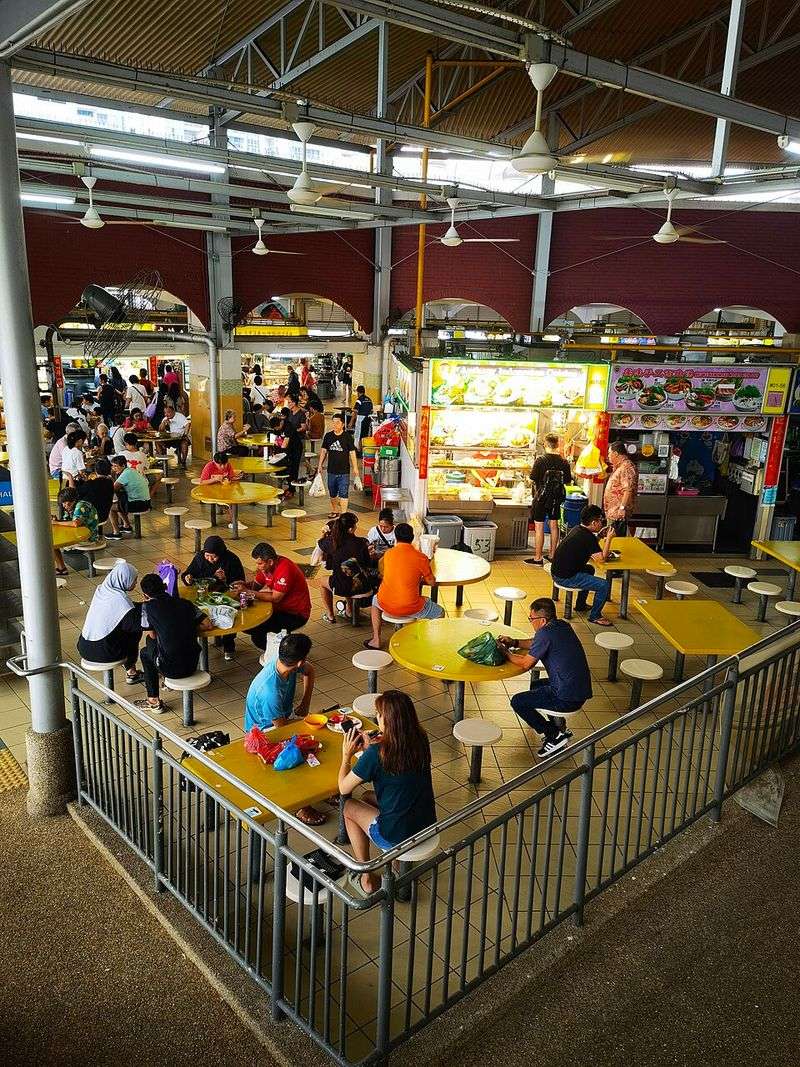
Singapore’s hawker centres are some of the most democratic dining spaces in the world. For just a few dollars, anyone can sit down at a shared table and enjoy expertly cooked dishes from Chinese, Malay, Indian, and other culinary traditions, all in the same open-air space.
The food is fresh, the portions are generous, and the atmosphere is wonderfully lively.
UNESCO added Singapore’s hawker culture to its Intangible Cultural Heritage list in 2020. Hawker centres grew from the street food stalls of the 1800s, eventually being organized into permanent, hygienic community spaces by the government in the 1970s.
Today, more than 100 hawker centres operate across the island.
Many hawkers have been cooking the same signature dish for decades, passing their recipes to the next generation. Eating at a hawker centre is not just a meal; it is a daily ritual that brings together Singaporeans of all backgrounds.
The food tells the story of the nation itself.
13. Nowruz – Multinational Tradition
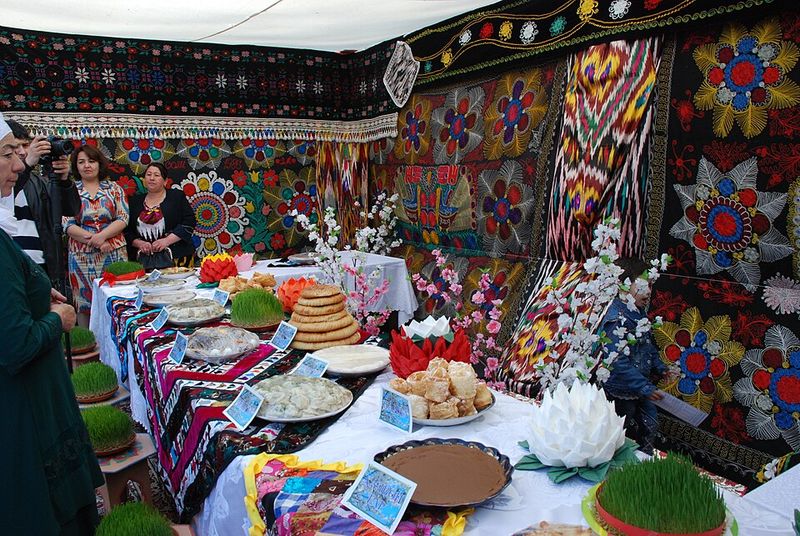
Nowruz, meaning “New Day” in Persian, marks the arrival of spring and the start of a new year for hundreds of millions of people across Central Asia, the Middle East, and beyond. Celebrated on the spring equinox, usually March 20 or 21, it is one of the oldest holidays in human history, with roots going back at least 3,000 years.
UNESCO recognized Nowruz in 2009, and it is shared by communities in over 20 countries, including Iran, Afghanistan, Azerbaijan, Kazakhstan, and many others. Central to the celebration is the Haft-Seen table, a display of seven symbolic items that represent renewal, health, and prosperity.
Families gather, clean their homes, and prepare special foods weeks in advance.
Outdoor festivals, music, fire-jumping ceremonies, and gift-giving are all part of the tradition. Nowruz transcends religion and ethnicity, bringing together people of many different backgrounds under the shared joy of welcoming spring.
It is a living reminder that renewal is always worth celebrating.
14. Garba of Gujarat – India
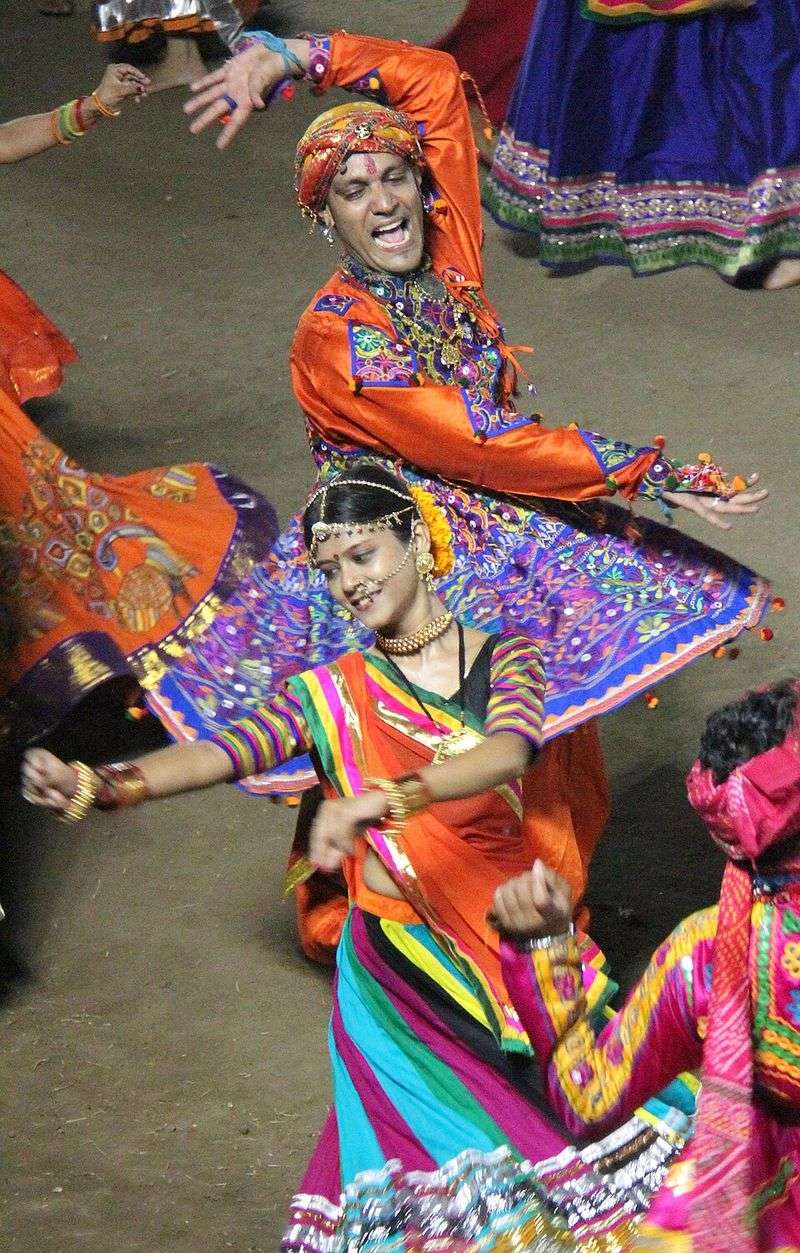
Nine nights of music, color, spinning, and devotion: that is Garba. This vibrant folk dance from the state of Gujarat in western India is performed during the Navratri festival, a celebration honoring the Hindu goddess Durga.
Dancers move in large circles, clapping rhythmically and spinning with graceful, coordinated footwork that can last for hours.
UNESCO inscribed the Garba of Gujarat on its Intangible Cultural Heritage list in 2023, recognizing it as a remarkable living tradition. Garba is traditionally performed around a central lamp or image of the goddess, with the circular movement symbolizing the cycle of life and time.
Costumes feature bright colors, mirror-work embroidery, and traditional jewelry that shimmer under festival lights.
Communities across Gujarat and among the Gujarati diaspora worldwide prepare for Navratri with great excitement. New choreography blends with traditional steps each year, keeping the dance fresh while honoring its roots.
Garba is a celebration where devotion, art, and community all move together as one.
15. Dabkeh, Traditional Dance – Palestine
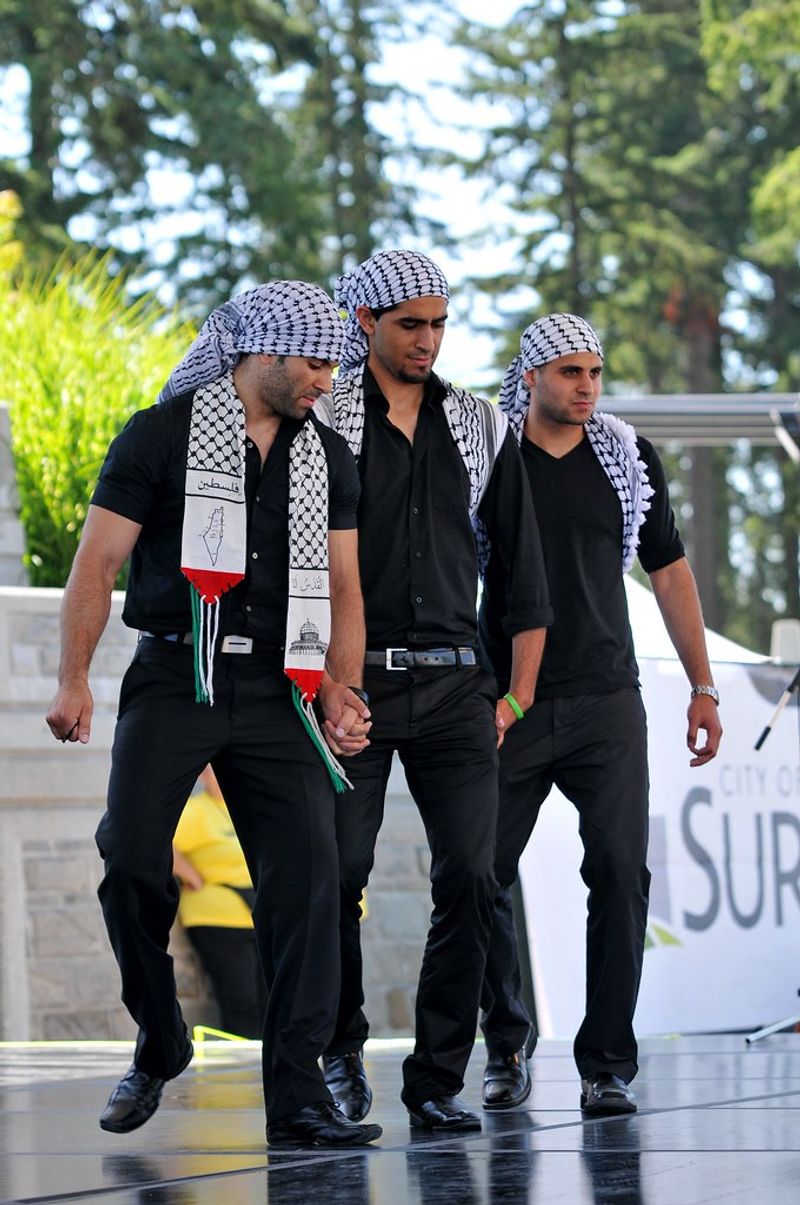
There is something deeply powerful about a line of people stomping their feet in perfect unison. Dabkeh is a traditional line dance rooted in Palestinian and broader Levantine culture, performed at weddings, festivals, and community celebrations.
The word itself comes from an Arabic root meaning “to stomp the ground,” which is exactly what dancers do with coordinated, rhythmic force.
UNESCO recognized Dabkeh as part of Palestinian intangible cultural heritage, honoring its role in preserving Palestinian identity and collective memory across generations and borders. Dancers link arms or hold hands in a line, led by a figure called the lawweeh who sets the rhythm and adds improvisational flair at the front.
For Palestinian communities living both in the homeland and in the diaspora, Dabkeh carries enormous emotional weight. It is a declaration of presence, resilience, and pride.
Learning Dabkeh is taught from childhood, passed on by family and community groups as a living act of cultural preservation and joyful resistance.
Share this story