
Christianity is the most widely practiced religion in the United States, with hundreds of millions of people belonging to a wide variety of churches and traditions. From large Catholic parishes to small independent congregations, Christian groups differ in their beliefs, worship styles, and histories.
Understanding these groups helps paint a clearer picture of American religious life and culture. Here is a look at 15 of the largest Christian groups in the country today.
1. Evangelical Protestants
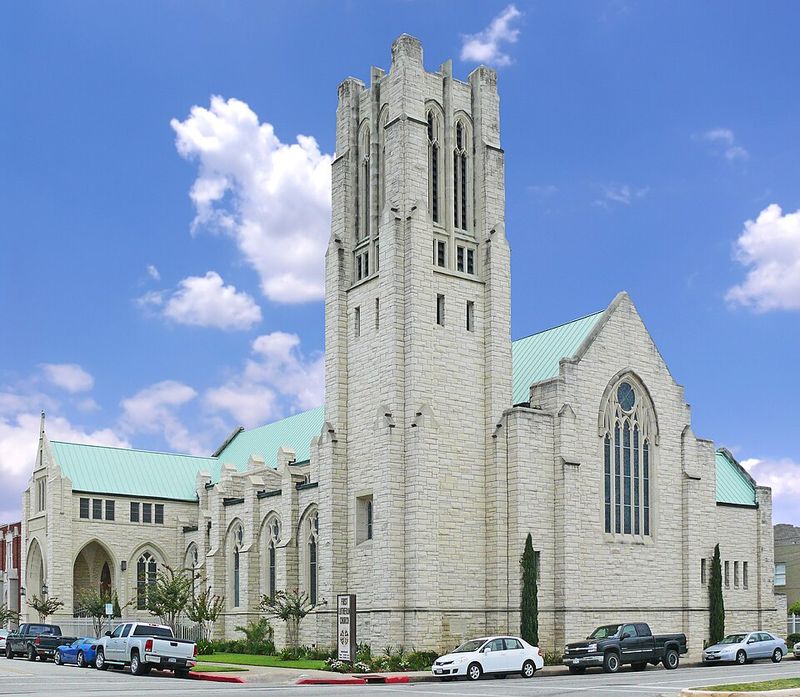
With roughly 25% of the U.S. adult population identifying as evangelical Protestant, this is the single largest Christian group in the country. Evangelical Christians place a strong emphasis on the Bible as the ultimate authority and believe that personal faith in Jesus Christ is essential for salvation.
Many evangelical churches are known for lively worship services, contemporary music, and active outreach programs in their communities.
Evangelical Protestants include a wide range of denominations, such as Southern Baptists, Assemblies of God, and many nondenominational churches. Their influence stretches across politics, education, and culture in America.
Evangelicals are especially strong in the South and Midwest, where megachurches with thousands of members are common. Their focus on spreading their faith makes them one of the most visible and active Christian groups in the United States today.
2. Catholics
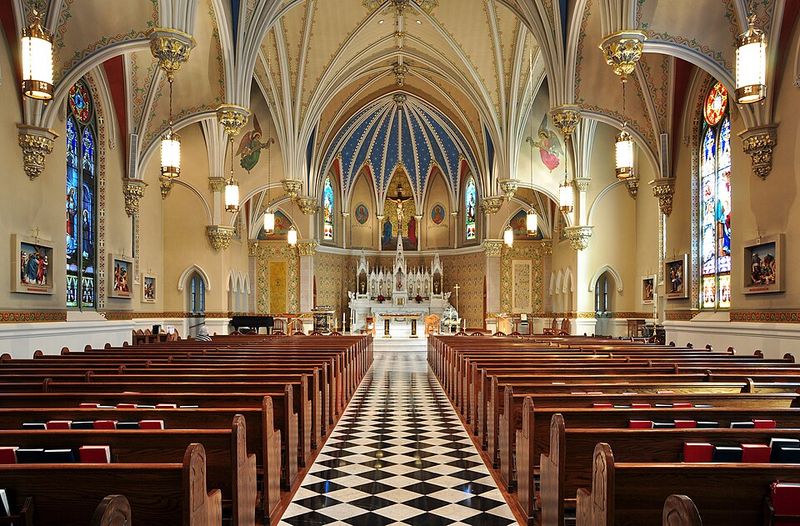
Roman Catholics make up one of the largest single Christian denominations in America, with around 20% of U.S. adults identifying as Catholic. The Catholic Church traces its history back to the earliest days of Christianity and is led globally by the Pope in Rome.
In the United States, the Church has played a major role in education, healthcare, and social services for centuries.
American Catholics are a remarkably diverse group, including large Latino, Irish, Italian, and Filipino communities, among many others. The Church operates thousands of schools, hospitals, and charitable organizations across the country.
While attendance at Mass has declined in recent decades, Catholicism still holds deep cultural significance for millions of Americans. Major cities like New York, Chicago, and Los Angeles have some of the largest and most historic Catholic communities in the nation.
3. Mainline Protestants
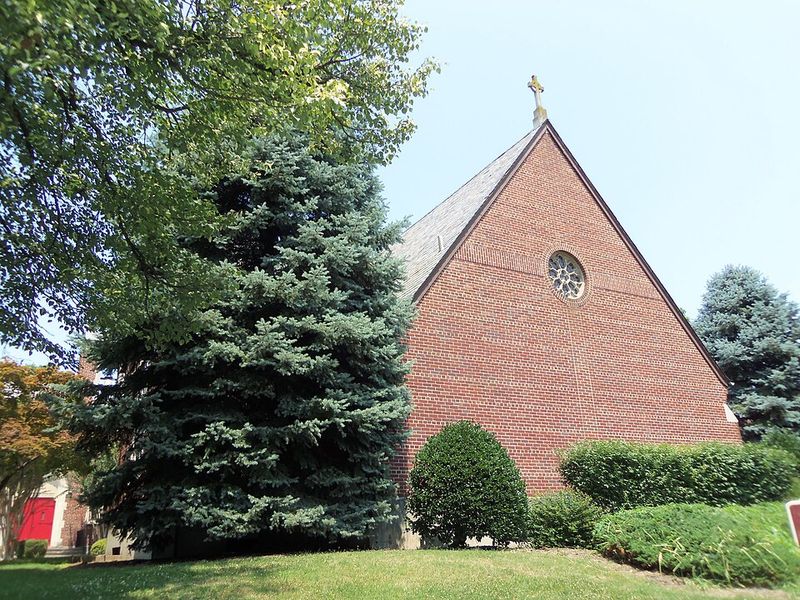
Mainline Protestants represent a group of older, established denominations that have been part of American religious life since the colonial era. This category includes groups like United Methodists, Presbyterians, Lutherans, Episcopalians, and the United Church of Christ.
Together, they account for roughly 15% of U.S. adults, making them a significant force in American Christianity.
These denominations are often known for their thoughtful approach to theology, social justice work, and engagement with modern culture. Many mainline churches have been at the forefront of movements for civil rights, gender equality, and environmental care.
While membership numbers have fallen since their peak in the mid-20th century, mainline Protestant churches still maintain a strong presence in communities across the country. Their rich traditions of music, liturgy, and service continue to attract worshippers who value both faith and social responsibility.
4. Historically Black Protestants
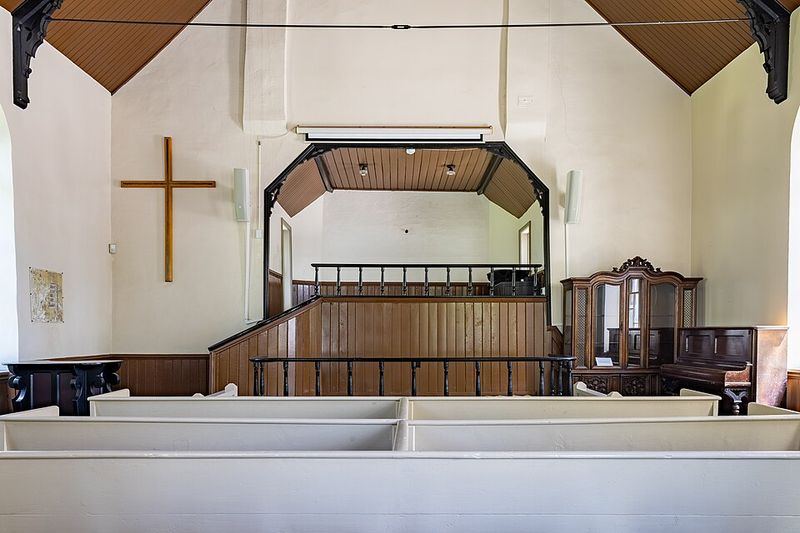
Historically Black Protestant churches hold a deeply important place in American history and culture. Denominations such as the African Methodist Episcopal Church, the National Baptist Convention, and the Church of God in Christ were founded by and for Black Americans during times of slavery and segregation.
Today, these churches collectively serve millions of worshippers and continue to be powerful centers of community life.
Gospel music, passionate preaching, and a strong commitment to social justice are hallmarks of the historically Black Protestant tradition. These churches played a central role in the Civil Rights Movement of the 1950s and 1960s, with leaders like Dr. Martin Luther King Jr. emerging from this tradition.
Beyond worship, they provide vital services including food programs, youth mentorship, and voter registration drives. Their legacy of resilience and advocacy remains as relevant and inspiring today as ever.
5. Latter-day Saints (Mormons)
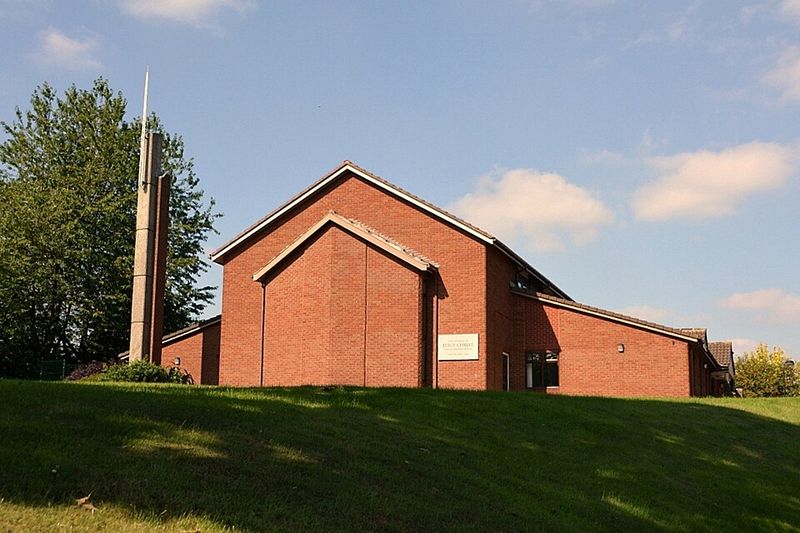
The Church of Jesus Christ of Latter-day Saints, often called the Mormon Church, was founded in the United States in 1830 by Joseph Smith. It has grown into one of the most recognizable American-born religions, with over 6 million members in the U.S. alone.
Members are known for their strong family values, commitment to community service, and active missionary program that sends young members around the world.
Latter-day Saints believe in additional scriptures beyond the Bible, including the Book of Mormon. Their faith emphasizes clean living, education, and self-reliance.
Utah is the heartland of the Church, where members make up a majority of the state’s population. The religion has spread globally, but its roots and headquarters remain firmly planted in the American West.
The Church also runs one of the largest private welfare systems in the country, helping members in need.
6. Orthodox Christians
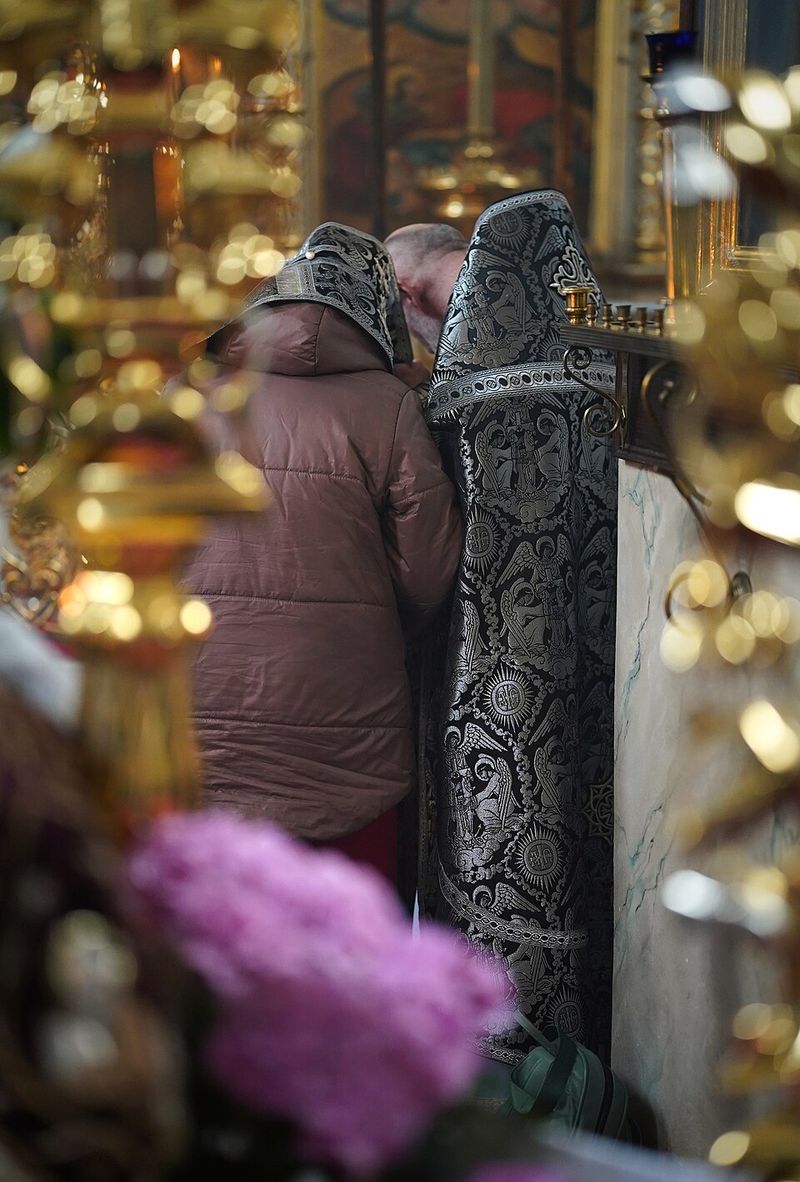
Orthodox Christianity is one of the oldest forms of the faith, tracing its roots back to the earliest Christian communities of the Middle East and Eastern Europe. In the United States, Orthodox Christians number around 1 to 2 million people, with communities organized under various national churches such as Greek Orthodox, Russian Orthodox, Antiochian Orthodox, and others.
Together, these groups share a common theology and worship style rooted in ancient tradition.
Orthodox worship is known for its beauty and reverence, featuring chanting, incense, elaborate icons, and liturgies that have changed little over centuries. The faith places great importance on the sacraments, the teachings of the early Church Fathers, and the rhythm of the liturgical calendar.
Immigrant communities from Greece, Eastern Europe, and the Middle East helped establish Orthodoxy in America, and today many converts are also drawn to its deep spiritual heritage.
7. Jehovah’s Witnesses

Jehovah’s Witnesses are one of the most recognizable Christian groups in America, partly because of their well-known door-to-door ministry. Founded in the late 19th century, the organization currently has about 1.3 million active members in the United States.
They are known for their thorough knowledge of the Bible and their commitment to sharing their beliefs with others at every opportunity.
Witnesses reject several mainstream Christian doctrines, including the Trinity, and they do not celebrate holidays like Christmas or birthdays, viewing these as having non-Christian origins. They also refuse blood transfusions on religious grounds, which has made them a subject of public debate.
Their places of worship, called Kingdom Halls, are simple and unadorned. The organization is highly centralized, with direction coming from their headquarters in Warwick, New York.
Members are known for their close-knit community bonds and strong moral standards.
8. Seventh-day Adventists
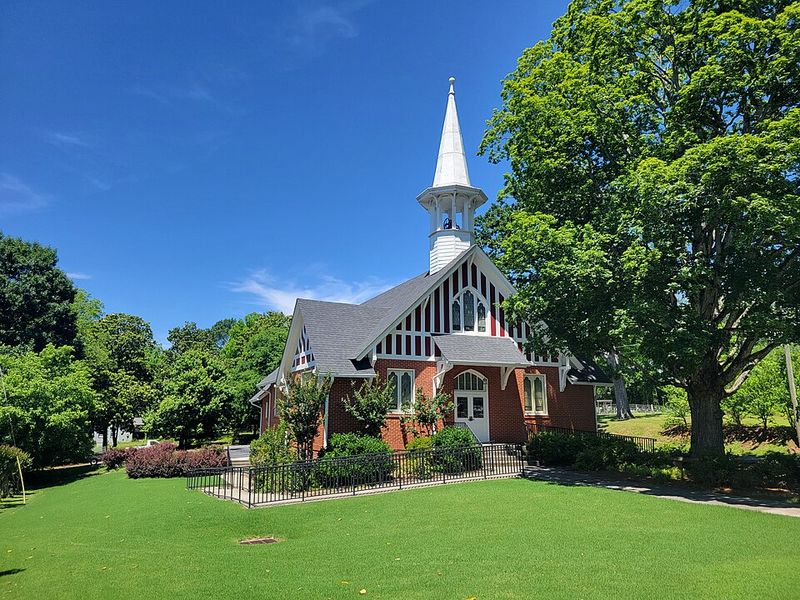
Seventh-day Adventists stand out among Christian groups for worshipping on Saturday, the seventh day of the week, which they believe is the biblical Sabbath. Founded in the mid-1800s in the United States, the denomination now has over 1 million members in America and millions more worldwide.
Adventists are known for their holistic approach to health, which often includes vegetarian diets, regular exercise, and avoiding tobacco and alcohol.
Their commitment to health has actually attracted scientific attention. Researchers studying communities of Adventists in Loma Linda, California, have found that members there live significantly longer than average Americans.
This community is famously known as one of the world’s Blue Zones. Adventists also operate a large network of hospitals and schools.
Their faith emphasizes preparation for the second coming of Christ, and they take their role as health ambassadors and educators very seriously.
9. Pentecostal Christians

Pentecostalism is one of the fastest-growing Christian movements in the world, and it has deep American roots. It is widely traced back to the Azusa Street Revival in Los Angeles in 1906, where worshippers reported dramatic spiritual experiences including speaking in tongues.
Today, Pentecostal Christians in the U.S. number in the millions, spread across denominations like the Assemblies of God and the Church of God in Christ.
Worship in Pentecostal churches tends to be energetic and emotionally expressive. Members believe in the active work of the Holy Spirit, which they say can manifest through healing, prophecy, and speaking in unknown languages.
Music plays a central role, with contemporary praise songs filling services that can last for hours. Pentecostalism has had a particularly strong impact among Latino and Black communities in America, and its influence on global Christianity is enormous and still growing rapidly.
10. Churches of Christ
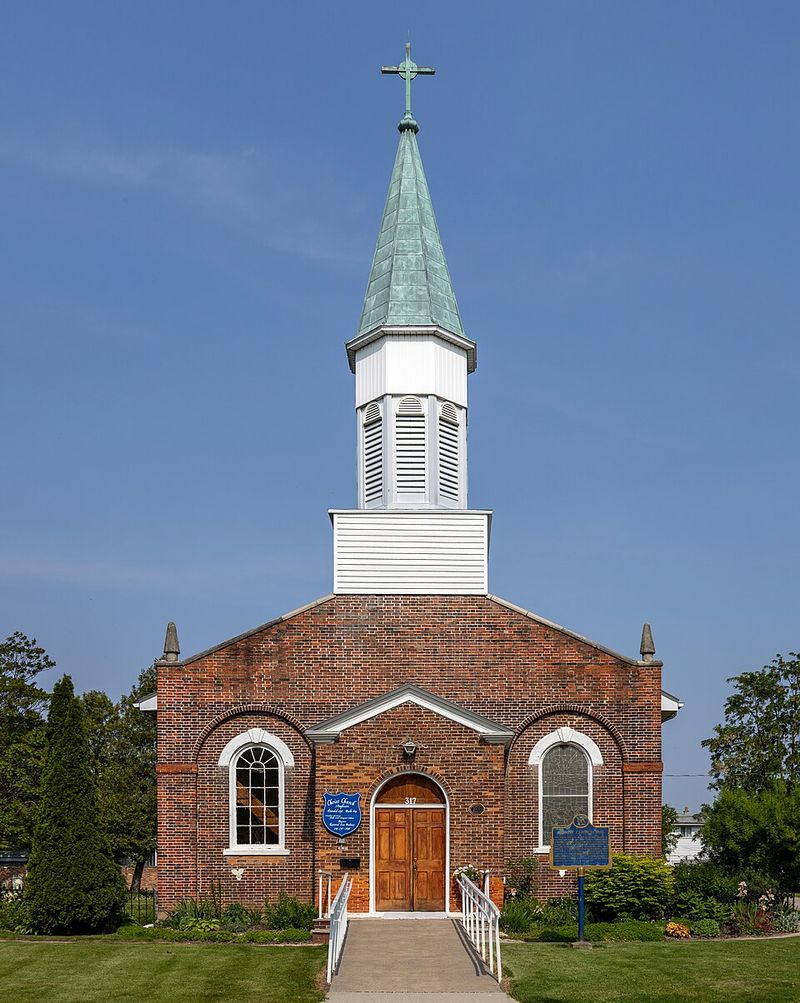
Churches of Christ are part of the Restoration Movement, a uniquely American effort in the 19th century to return Christianity to what its founders believed were its original New Testament roots. Today, there are roughly 12,000 Churches of Christ congregations across the United States, with a particularly strong presence in the South and parts of the Midwest.
Each congregation is independently governed, with no central denominational headquarters.
One of the most distinctive features of Churches of Christ worship is the absence of musical instruments. Members sing a cappella during services, believing this reflects the practice of the early church.
The group places a strong emphasis on studying the Bible closely and following its teachings as literally as possible. Churches of Christ also operate several universities, including Abilene Christian University in Texas and Pepperdine University in California, reflecting their deep commitment to Christian education.
11. Anabaptists
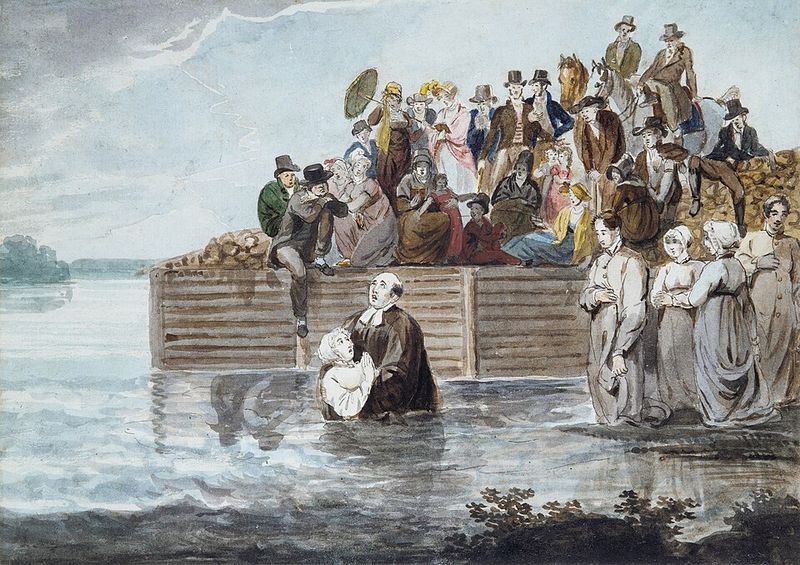
Anabaptists are a Christian tradition that began during the Protestant Reformation in 16th-century Europe, and their descendants in America include Mennonites, Amish, and Hutterites. While their total numbers are relatively small compared to other groups on this list, their cultural and historical impact on American life is significant.
The Amish communities of Pennsylvania, Ohio, and Indiana are among the most recognizable religious communities in the country.
Anabaptists are known for their commitment to pacifism, simplicity, and separation from the wider culture. They emphasize adult baptism, community accountability, and living out their faith in practical, everyday ways.
The Amish are famous for rejecting many modern technologies, while Mennonites tend to engage more broadly with contemporary society. Both groups are respected for their strong work ethic, close community ties, and long tradition of humanitarian service through organizations like Mennonite Central Committee.
12. Messianic Jewish Christians

Messianic Judaism is a movement that blends Jewish cultural and religious traditions with the belief that Jesus, known in Hebrew as Yeshua, is the promised Messiah. It emerged in the United States in the 1960s and 1970s and has grown to include hundreds of congregations across the country.
Members often observe Jewish holidays such as Passover and Hanukkah while also affirming core Christian beliefs about salvation.
Services in Messianic congregations typically feature Hebrew prayers, traditional Jewish music, and the reading of Torah portions alongside New Testament passages. The movement occupies a unique and sometimes controversial space, as many in both the Jewish and broader Christian communities debate how to categorize it.
Estimates suggest there are between 175,000 and 250,000 Messianic believers in the United States. Their communities are often vibrant and multicultural, welcoming both Jewish and non-Jewish believers who feel drawn to this distinctive expression of faith.
13. Christian Scientists
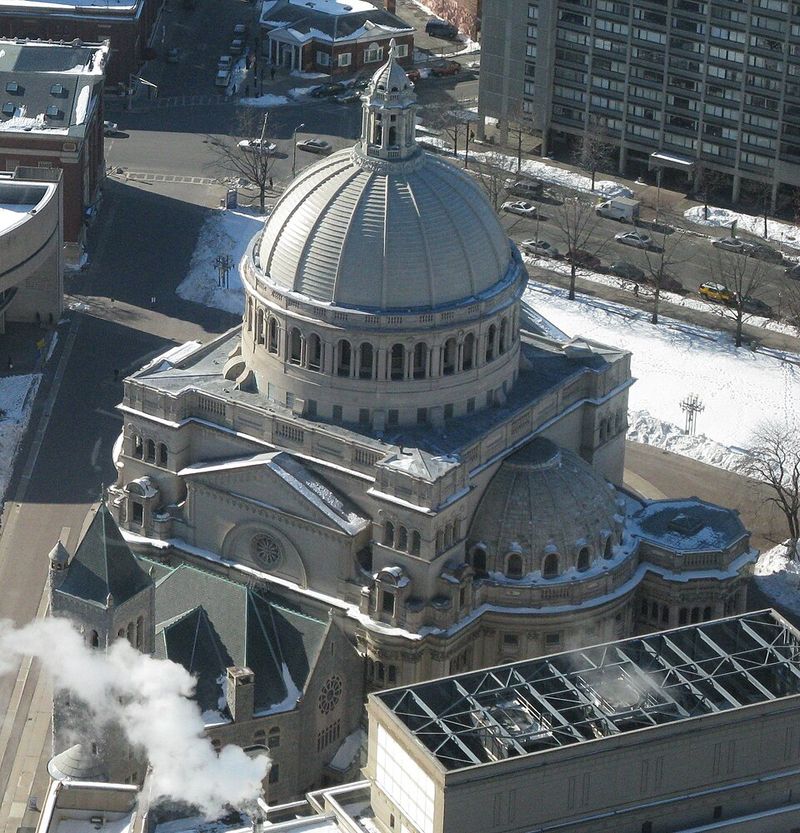
Christian Science was founded in 1879 by Mary Baker Eddy, making it one of the few major religions established by a woman. Eddy’s landmark book, “Science and Health with Key to the Scriptures,” remains the central text of the faith alongside the Bible.
The Church of Christ, Scientist, as it is formally known, has its headquarters in Boston, Massachusetts, where the famous Mother Church still stands as an impressive landmark.
Christian Scientists hold a distinctive belief that illness is primarily a spiritual problem that can be healed through prayer rather than medical treatment. This view has made the group the subject of legal and ethical debates over the years, particularly regarding the medical care of children.
Despite declining membership over recent decades, Christian Science still maintains Reading Rooms in cities across the country. The denomination is also known for founding The Christian Science Monitor, a respected international news publication.
14. Quakers (Religious Society of Friends)

Quakers, formally known as the Religious Society of Friends, have a history in America stretching back to the 17th century. William Penn, a Quaker, founded the colony of Pennsylvania as a place of religious freedom, and Quaker values of equality and conscience have shaped American ideals ever since.
Today, there are roughly 80,000 Quakers in the United States, a small but historically influential community.
What makes Quaker worship immediately distinctive is its silence. Most traditional Quaker meetings involve people sitting quietly together, waiting for the Holy Spirit to move someone to speak.
There are no clergy, no set liturgy, and no music in many branches of the faith. Quakers have a long record of social activism, including early opposition to slavery, advocacy for women’s rights, and work for peace.
Their commitment to following one’s inner conscience has made them respected voices for justice across generations.
15. Other Independent and Nondenominational Christians
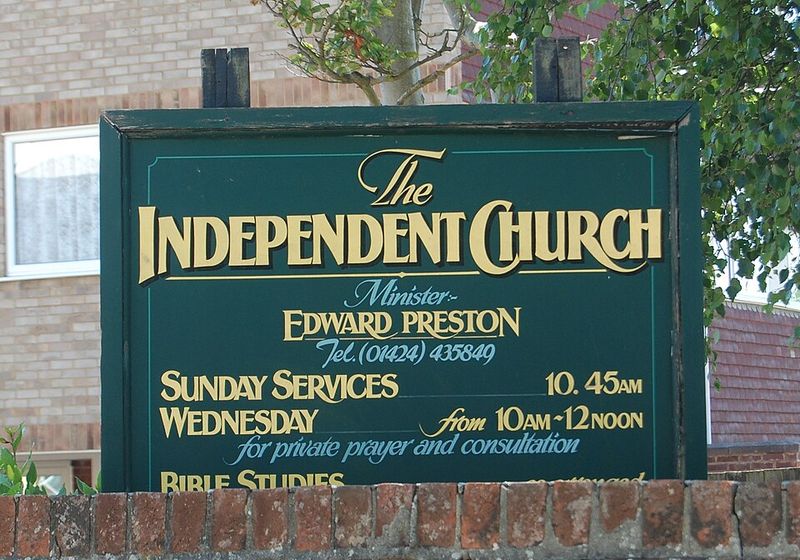
One of the fastest-growing segments of American Christianity is made up of people who do not identify with any specific denomination but simply call themselves Christians. Nondenominational and independent churches have exploded in number over the past few decades, with many of the largest churches in the country falling into this category.
These congregations typically focus on practical Bible teaching, contemporary worship music, and creating a welcoming atmosphere for people of all backgrounds.
Without ties to a larger denominational structure, these churches have the freedom to adapt quickly to the needs of their communities. Many run extensive programs for families, youth, addiction recovery, and community outreach.
Megachurches like Lakewood Church in Houston and Saddleback Church in California are examples of this trend. The appeal of nondenominational Christianity often lies in its accessibility, as it tends to avoid complex theological debates in favor of straightforward, relatable faith.
Share this story