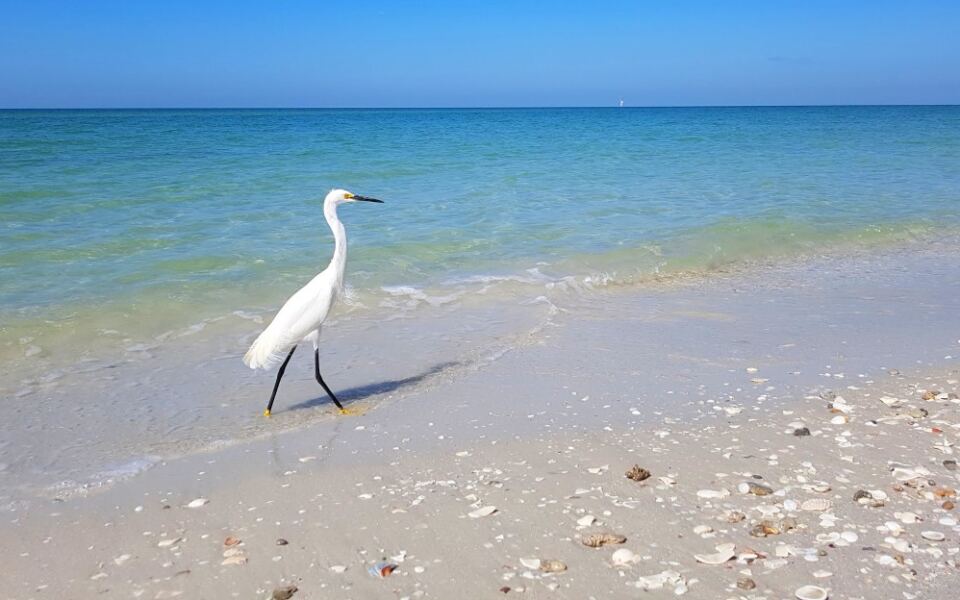
Not every beach visit ends with a sunburn and a sandwich. Some of them end with pockets full of whelks, conchs, scallops, and fossils that are older than most civilizations.
Beachcombing is one of those rare activities that requires zero equipment, zero experience, and absolutely zero shame about walking slowly with your eyes glued to the ground. The beaches on this list are not just pretty places to sit.
They are places where the shoreline itself gives you something to take home, whether that is a perfect lightning whelk, a calico scallop, or a shark tooth that has been buried since the Miocene era. From the shell-crazy shores of Sanibel Island to a Maryland cliff beach hiding millions of years of marine history, these 13 destinations make a compelling case that sometimes the best reason to visit a beach has nothing to do with the water.
1. Old Lighthouse Beach Access, Buxton, North Carolina
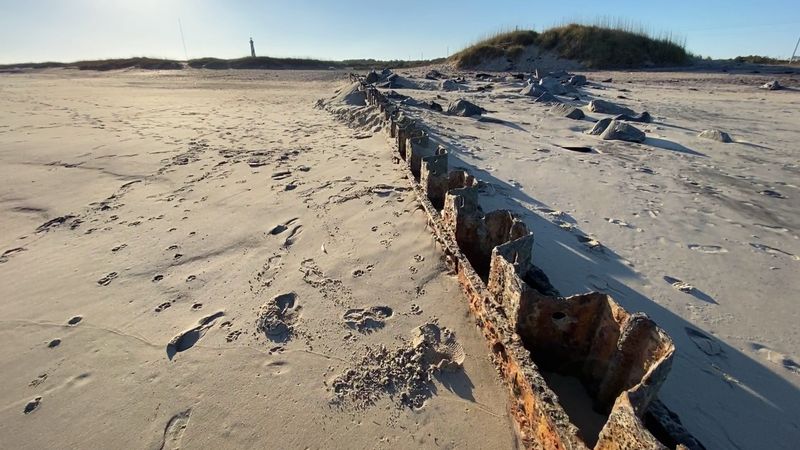
History and shell hunting do not always overlap, but at Old Lighthouse Beach Access in Buxton they make an unexpectedly good pair.
The beach sits in the area historically associated with the original location of the Cape Hatteras Lighthouse before it was famously relocated in 1999. Shell piles frequently build up around the jetties, and the variety of finds includes large clam shells, scallops, small olives, augers, and occasional whelks.
After storms, rarer discoveries like helmet conchs, Scotch bonnets, and sand dollars have been found by visitors willing to search carefully.
The Atlantic surf here is active enough to keep rearranging the sand on a regular basis, which means the beach looks different after every significant weather event. That unpredictability is part of what makes repeat visits worthwhile.
The historical connection to the lighthouse adds an extra layer of interest to what would already be a solid Outer Banks shelling stop on its own merits.
2. Bowman’s Beach, Sanibel, Florida
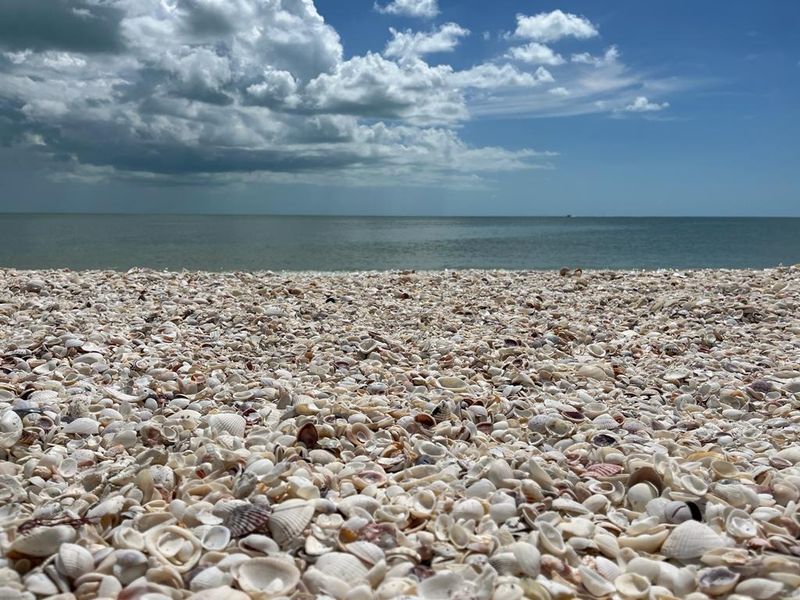
Beachcombers on Sanibel Island have a nickname for the way serious shell hunters walk: the Sanibel Stoop. Bowman’s Beach is where that posture gets its most rigorous workout.
The shoreline here is broad and relatively uncrowded compared to other Sanibel spots, partly because visitors reach it by crossing a footbridge through natural coastal landscape, which thins out the casual crowd quickly. Common finds include cockles, tulip shells, conch shells, and olives.
Lightning whelks and the legendary Junonia also turn up, though rarely enough to make each sighting feel like an event.
The best strategy is arriving at low tide, ideally on a winter morning after a Gulf front has pushed new material ashore. Live shells and marine animals must be left in place, so the hunt is strictly for empty treasures.
Bring a bag, lower your expectations for your posture, and plan to stay longer than you intended.
3. Lifeguarded Beach, Ocracoke, North Carolina
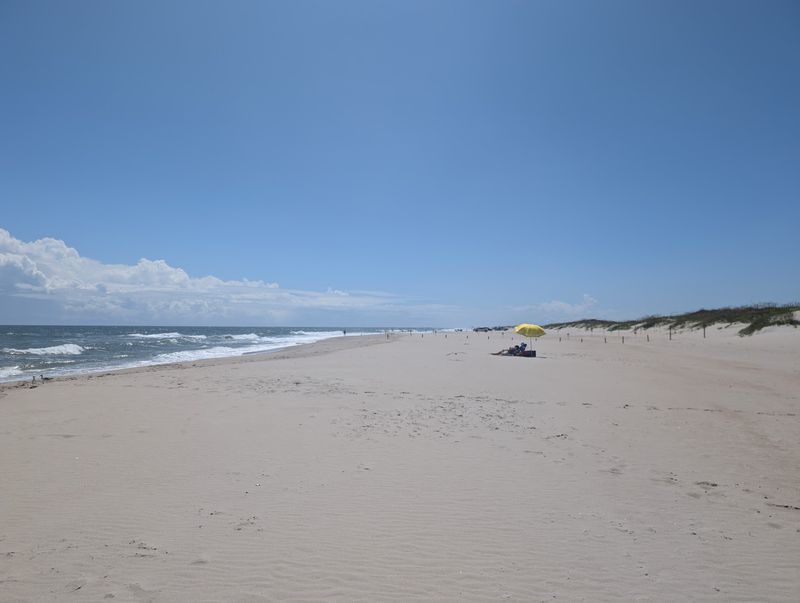
Cape Hatteras National Seashore covers a long stretch of the North Carolina coast, and Ocracoke’s oceanfront section has a quality that is genuinely hard to replicate: wide open sand with no resort development pressing in from behind.
The National Park Service identifies the seashore as an excellent place to search for shells and asks visitors to collect only empty ones. Finds here include whelks, olive shells, clam shells, scallops, moon snails, auger shells, and keyhole sand dollars.
Rarer species like Scotch bonnets, spiny murexes, and Florida fighting conchs also wash up here occasionally, making the search feel unpredictable in the best way.
Post-storm conditions and early spring visits tend to be the most productive. The open, undeveloped atmosphere of Ocracoke gives a shelling walk a character that is difficult to find elsewhere on the East Coast.
Getting to the island requires a ferry, which adds a bit of adventure before the beachcombing even begins.
4. Lighthouse Beach Park, Sanibel, Florida
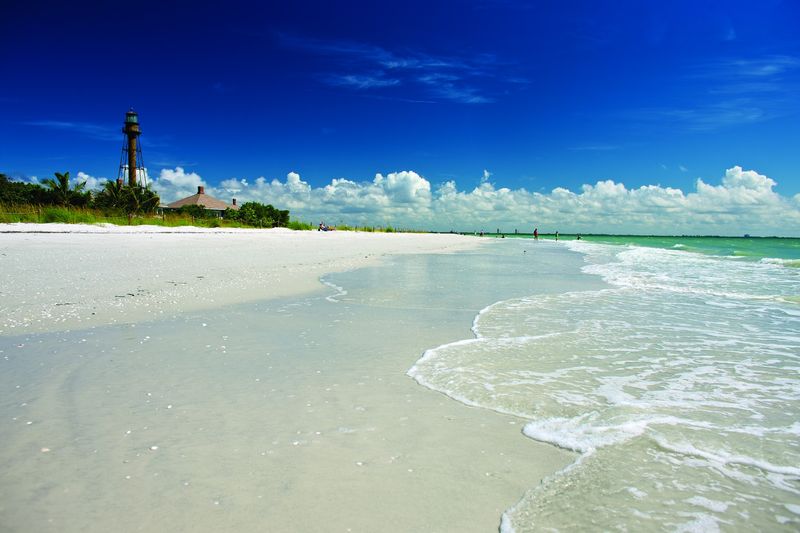
There are beaches where you hunt for shells, and then there are beaches where the backdrop makes the whole experience feel like something out of a postcard. Lighthouse Beach Park lands firmly in the second category.
Positioned at the eastern tip of Sanibel, the beach benefits from converging currents that funnel a steady variety of shells onto the sand. Conch, olive, scallop, whelk, cockle, and coquina shells are all regular finds.
The rare Junonia has been spotted here too, particularly after storms rearrange the sea floor and deposit fresh material along the tide line.
The 1884 lighthouse standing nearby is not just a pretty landmark. It is a reminder that people have been navigating and appreciating this stretch of coast for well over a century.
Early morning is the prime time to visit, before other shell hunters arrive and before the day heats up in the way only Florida can manage.
5. Turner Beach Park, Captiva, Florida
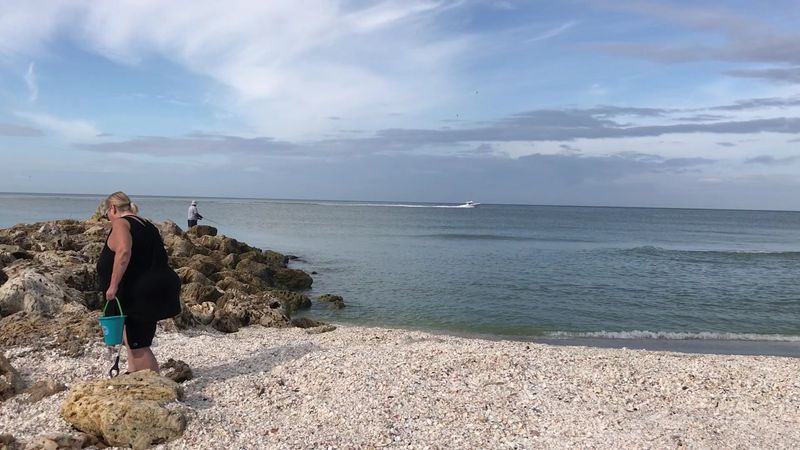
A jetty, a tidal pass, and strong currents working together create one of the most productive shell concentrations in all of Southwest Florida. Turner Beach, sitting near the Blind Pass bridge between Sanibel and Captiva, is where those forces do their best work.
Scallop shells, alphabet cones, corded olives, tulips, and horse conchs are among the regulars here. After storms, even rarer finds like Junonia and Scotch bonnets have turned up for lucky visitors.
The west-facing position also means the beach doubles as a reliable sunset spot for those who want to pair their shelling walk with some end-of-day scenery.
One important note: the pass current near the channel is strong enough to make swimming genuinely hazardous, so the focus really should stay on the sand. Low tide and post-storm mornings are the most rewarding times to visit.
Only empty shells may be collected, which keeps the ecosystem intact for future visitors.
6. Calvert Cliffs State Park, Lusby, Maryland
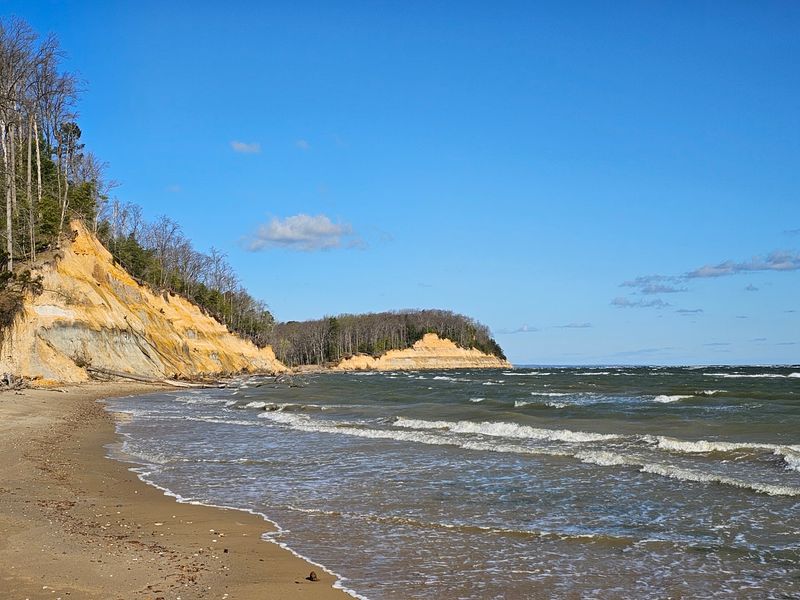
Every other beach on this list offers shells measured in months or years. Calvert Cliffs State Park offers shells measured in millions of years, which is a meaningful upgrade in terms of geological bragging rights.
The cliffs along this stretch of Chesapeake Bay contain over 600 fossil species from the Miocene era. Visitors searching the open beach area can find fossilized Chesapecten scallops, oyster shells, shark teeth, ray dental plates, gastropods, sand dollars, and corals.
Larger megalodon teeth are a rare but documented possibility, which gives every visit a low-key sense of suspense.
Reaching the beach requires a roughly 1.8-mile walk along the Red Trail, which makes the shoreline feel earned rather than simply convenient. Fossil hunting is permitted in the beach area, but visitors must stay away from the cliffs themselves due to the genuine danger of landslides.
The most productive visits tend to follow rough weather, when wave action exposes fresh material along the base of the cliffs.
7. Lovers Key State Park, Fort Myers Beach, Florida
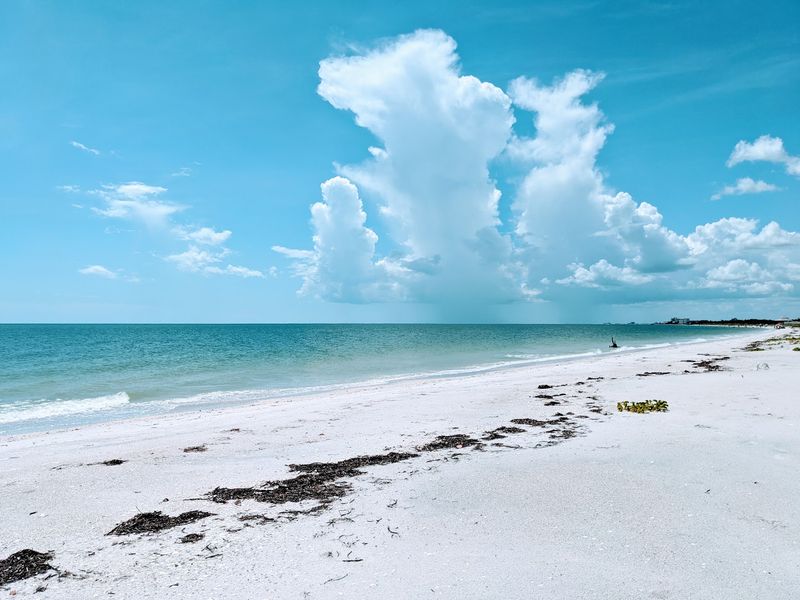
Florida State Parks does not hand out compliments lightly, which makes it notable that Lovers Key is specifically called out as offering some of the best shelling opportunities on the entire Lee County coast.
The park covers 2.5 miles of Gulf shoreline, with conchs, whelks, and scallops among the shells visitors regularly find along the wrack line. Mangroves and estuary waters surround the beach, creating a habitat that supports both wildlife and the kind of diverse marine ecosystem that keeps shell variety high.
The setting feels removed from the busy resort energy of nearby Fort Myers Beach, which adds to the appeal.
Ranger-led shell walks are offered on scheduled dates throughout the year, turning a casual beach trip into a guided natural history lesson. Those walks are worth checking in advance because they fill up.
Collecting live shells is not permitted, and the park’s natural character is much of what makes it worth the visit in the first place.
8. Honeymoon Island, Dunedin, Florida
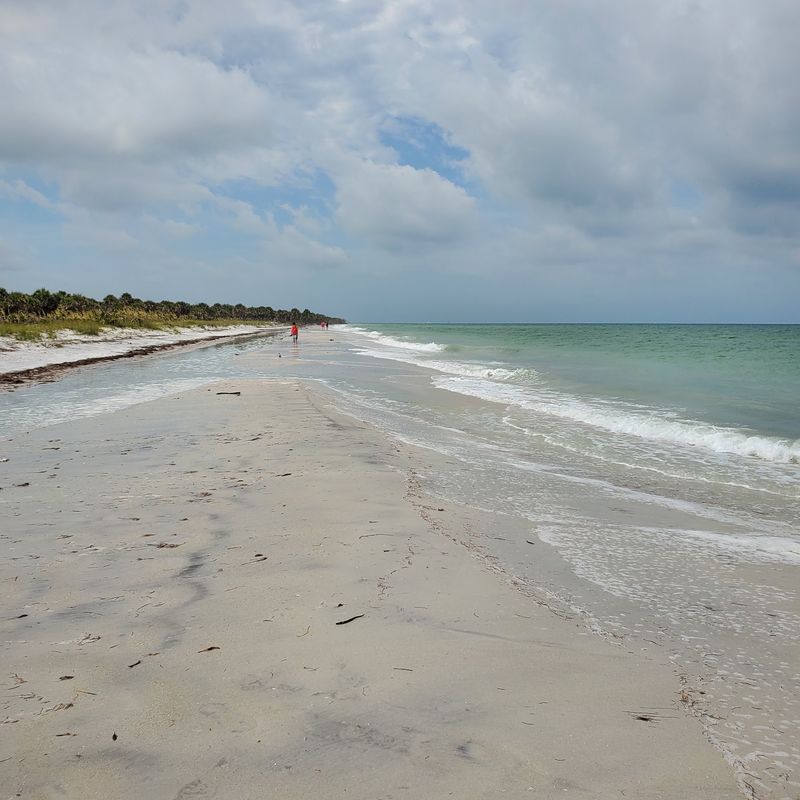
Four miles of beaches sounds like plenty of room to spread out, but at Honeymoon Island the real action happens at the northern end, where the shoreline extends into a long sand spit that concentrates shell deposits in a very satisfying way.
Florida State Parks describes the shelling at the north end as exceptional, and the variety backs that up. Cockles, scallops, lettered olives, fighting conchs, jingle shells, kitten paws, turkey wings, and sand dollars are among the shells visitors find here.
The pine flatwoods behind the beach add a different kind of scenery, and osprey nests are common enough that looking up occasionally is worth the distraction.
Shelling is most productive at low tide and after winter cold fronts push new material onto the beach. The walk to the northern spit takes some effort, but that is essentially the point.
Only empty shells should be collected, keeping the beach in good shape for the next person willing to make the walk.
9. Cumberland Island, St. Marys, Georgia
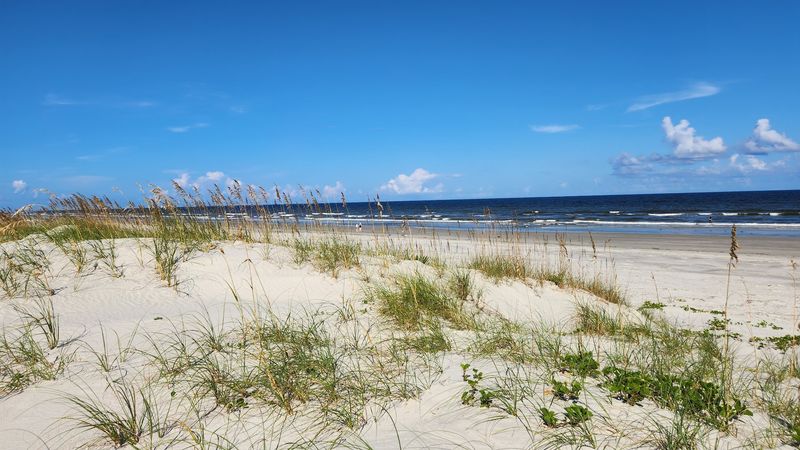
Cumberland Island is one of those places that requires some planning to reach, and that planning is absolutely worth it for beachcombers who prefer their shells without a side order of beach umbrellas and souvenir stands.
The island is part of a National Seashore, and its beaches are largely undisturbed by development. The National Park Service notes that shells can be found along the beach throughout the year, and that rough surf following storms can produce impressive concentrations of them along the tide line.
Empty, unoccupied seashells are among the very few natural objects visitors are permitted to take from the island.
Reaching Cumberland Island requires a ferry from St. Marys, Georgia, so day trip logistics need a bit of advance thought. The long beaches, coastal dunes, and sense of genuine isolation set this apart from most Atlantic Coast shelling destinations.
Wild horses also roam the island, which makes looking up from the sand occasionally a very good idea.
10. Caladesi Island State Park, Dunedin, Florida
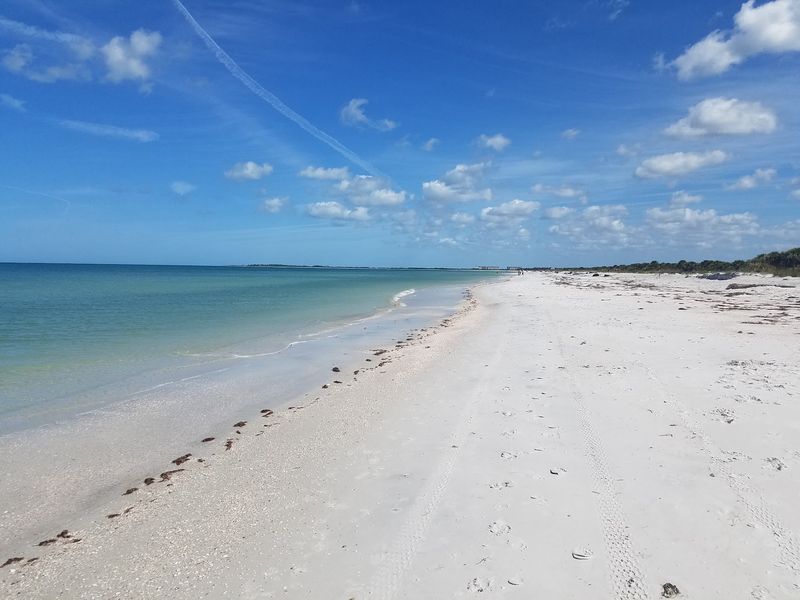
Most shell beaches are easy to reach, which is part of why they get crowded. Caladesi Island requires a boat or a ferry from Honeymoon Island, and that small barrier filters out a significant portion of the casual beach crowd.
As one of Florida’s few remaining undeveloped barrier islands, Caladesi offers a shelling experience that feels genuinely removed from the typical coastal tourism circuit. The shell list here is impressively long: augers, sand dollars, fighting conchs, whelks, Scotch bonnets, olives, jewel boxes, scallops, angel wings, tulips, and cockles are all documented finds.
Low tide exposes more beach and creates the best conditions for a thorough search. Ferry service from Honeymoon Island has resumed for day visitors, making the logistics manageable even without a private boat.
Live shells and sand dollars should be left in place. The undeveloped setting around the beach is a significant part of what makes this one of the more memorable shelling destinations on Florida’s Gulf Coast.
11. Stump Pass Beach State Park, Englewood, Florida
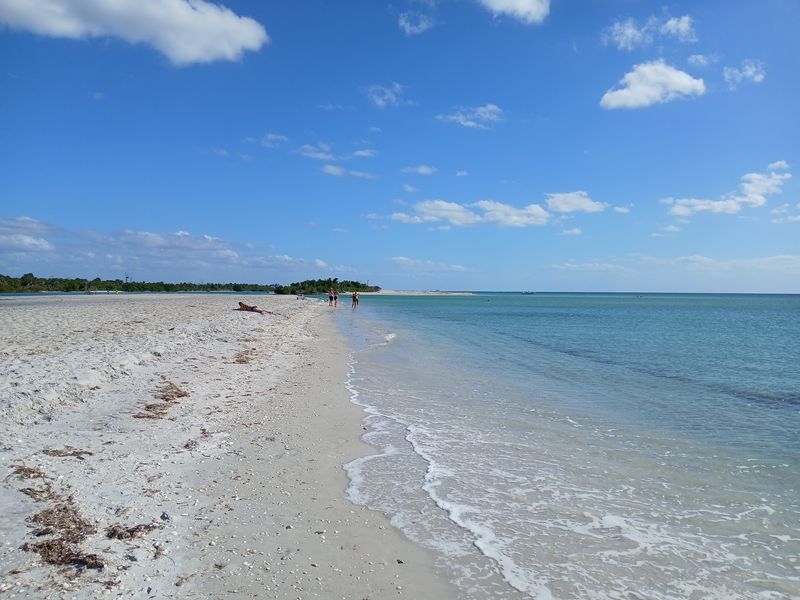
Shark teeth and seashells on the same beach is a combination that tends to keep people searching far longer than they planned. Stump Pass Beach State Park, at the southern end of Manasota Key, delivers both with some regularity.
The narrow barrier beach and the nearby pass work together to funnel material along the Gulf edge, and common finds include fighting conchs, lettered olives, whelks, and scallops alongside the occasional fossilized shark tooth. Hurricane Milton reshaped parts of the shoreline in October 2024, which led to fresh shell deposits that have made the beach particularly productive for visitors in the period since.
Winter is the most popular season for shelling here, with low tide mornings after cold fronts producing the best results. The beach remains comparatively secluded compared to busier Gulf Coast destinations, and shorebirds and other coastal wildlife are frequent company on the walk.
Live shells, sand dollars, and starfish must stay in place per Florida State Parks rules.
12. Delnor-Wiggins Pass State Park, Naples, Florida
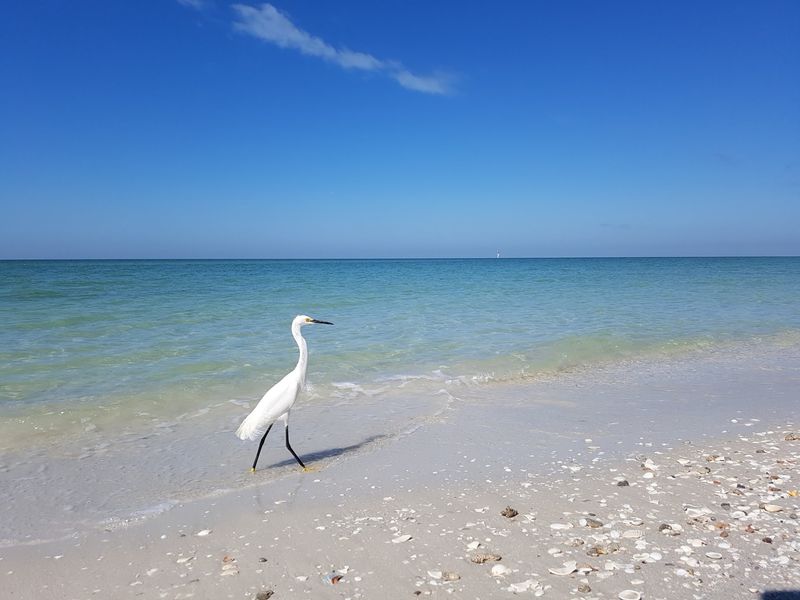
Among shell enthusiasts who live outside Southwest Florida, Sanibel gets most of the attention. Among those who actually live in Collier County, Delnor-Wiggins Pass is often the answer when someone asks where to find Sanibel-quality shelling without the drive.
The tidal pass at the northern tip of the park acts as a natural funnel, pushing a steady variety of shells onto the beach. The list of documented finds is long: fighting conchs, lettered olives, cockles, scallops, kitten’s paws, jingle shells, lightning whelks, knobbed whelks, sand dollars, coquinas, murex, alphabet cones, King’s Crown shells, and angel wing shells are all possibilities.
Best results come from visiting at low tide near the pass, particularly during and after winter cold fronts. The park’s setting remains refreshingly natural for the Naples area, with barrier island scenery and wildlife visible throughout.
Collecting live shells, sand dollars, or starfish is prohibited, keeping the ecosystem healthy for the shells still growing.
13. Tigertail Beach, Marco Island, Florida
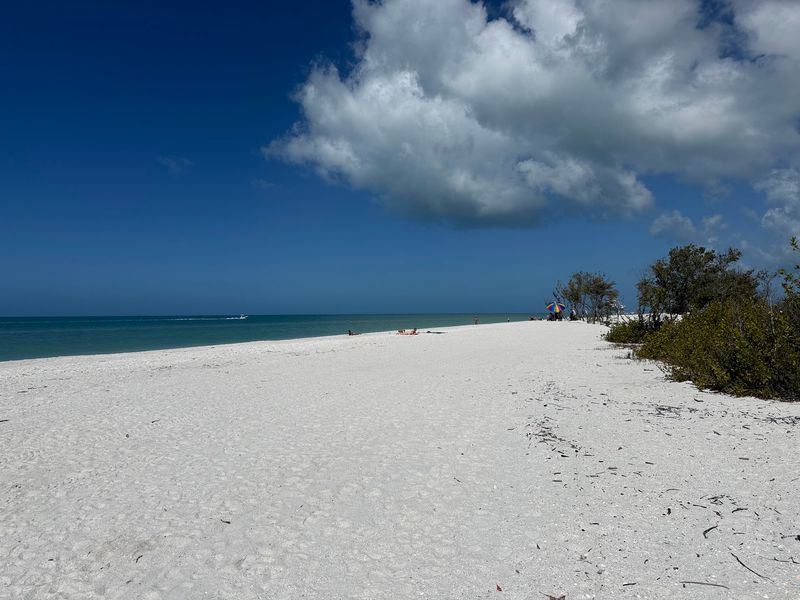
Getting to the best shelling at Tigertail Beach requires a short walk past a lagoon and over a dune, which is exactly the kind of minor obstacle that keeps crowds manageable and shells plentiful.
The outer beach beyond that lagoon is where things get interesting. Atlantic calico scallops, Florida fighting conchs, lightning whelks, horse conchs, lettered olives, moon snails, and sand dollars are all documented finds.
The area known as Sand Dollar Spit is a particularly notable spot, and the elusive Junonia has been found here too, though it remains an uncommon prize.
Tidal pools near the shoreline also offer a chance to observe small marine creatures up close, adding a wildlife element to the visit. The standard rules apply: empty shells are fair game, but living shells, sea stars, and sand dollars must stay where they are.
Early morning visits at low tide, especially after a cold front, consistently produce the best results.
Share this story