A rice ball can hide a plum that makes your lips pucker. A pink spring sweet can come wrapped in a salted leaf.
A cup of what looks like custard can hide a ginkgo nut at the bottom. Japanese cooking is full of little plot twists like these, and most of them are ordinary in Japan.
The surprise comes from how few visitors know about them before the first bite. Many people think of sushi, ramen, and tempura, and stop there.
The real story is much bigger and a lot more fun. This list covers 14 foods, each with something unexpected tucked inside, underneath, or right in the name.
Some are sweet, some are salty, and a few are downright bold. You will meet beans used as dessert, a plant that turns into jelly, and fish that ferments for years.
You will also find regional dishes made with insects. Each entry gives you plain facts, a bit of history, and a clue about what to look for on a menu.
Ready to find out what is hiding in your lunch?
1. Onigiri Can Hide a Whole Pickled Plum
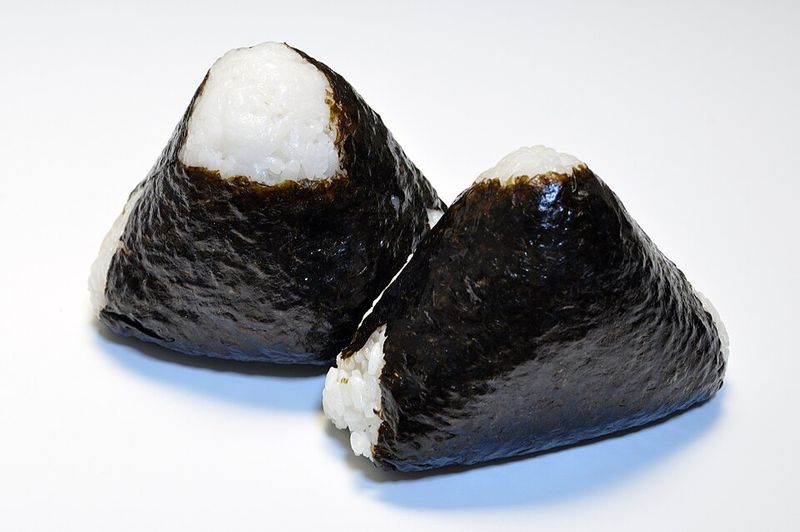
A plain rice triangle sounds like the safest snack in Japan. Then you bite into the center and meet the plot twist.
One classic filling is umeboshi, an ume fruit that has been salted and pickled. Its flavor is very salty and very sour, which makes the mild rice around it seem even softer.
Japan’s tourism organization lists umeboshi as a common onigiri filling. Other favorites include salted salmon, kombu, tuna with mayonnaise, and mentaiko.
Convenience stores in Japan label their rice balls by filling, so you can pick your surprise on purpose. Look for the word ume if you want the plum, or skip it if you prefer a calmer bite.
Anyone expecting plain rice may get a sharp jolt of sourness instead. That tiny plum does a lot of work for something so small.
Many locals eat one with tea, which balances the tang nicely.
2. Sakura Mochi Is Wrapped in a Salted Cherry Leaf
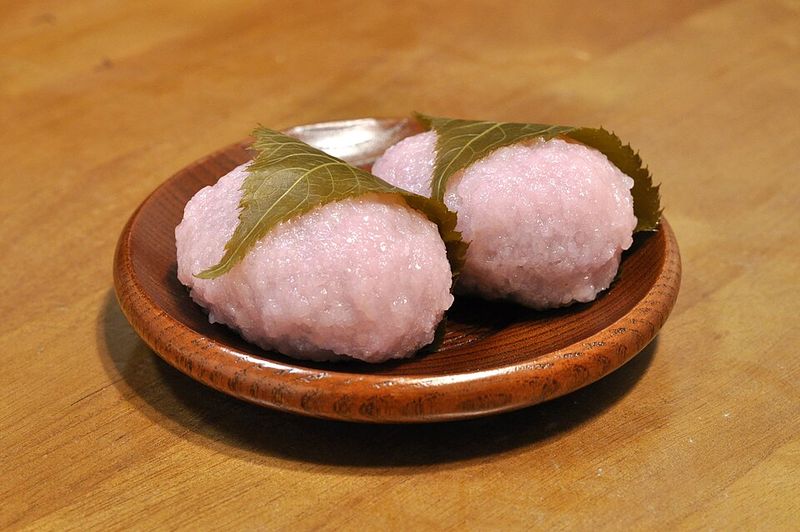
Spring in Japan has its own dessert, and it comes with a leaf attached. Sakura mochi pairs pink mochi with sweet azuki bean paste.
The green wrapper around it is a cherry leaf that has been pickled in salt. Many people eat it along with the sweet, and the salty edge cuts through the sugar.
Japan’s tourism organization describes the treat as sweet red bean paste wrapped in a pickled cherry leaf. Some people peel the leaf off, and that is fine too.
There are two main styles. The Kanto version uses a thin pancake-like wrapper, while the Kansai version uses a rice texture called domyoji.
Shops tend to sell it in March and April, around cherry blossom season.
Try one bite with the leaf and one without. You will quickly see how much that salty wrapper changes the flavor.
3. Chawanmushi Can Conceal Ginkgo Nuts
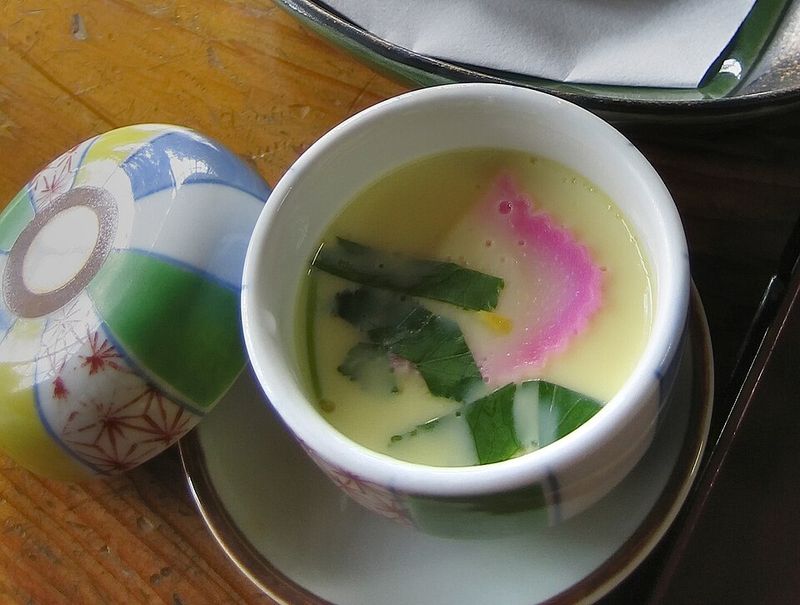
Spoon-first diners get a treasure hunt in this cup. Chawanmushi looks like dessert, but it is a savory steamed egg dish made with dashi broth.
Hidden below the smooth top, you may find chicken, shrimp, mushrooms, fish cake, or a ginkgo nut. The nut is pale green and a little chewy, with a mild bitter edge.
Ginkgo nuts show up in other steamed dishes too. Japan’s Ministry of Agriculture lists them with shrimp, white fish, mushrooms, and lotus root in Ishikawa’s hasu-mushi.
Chawanmushi is often served as a small starter in set meals. The cup usually has a lid, which keeps the contents a secret until you lift it.
Go slowly with the spoon and dig to the bottom. The best pieces tend to sit down there, waiting for you.
4. Mentaiko Is Made From Spicy Fish Roe
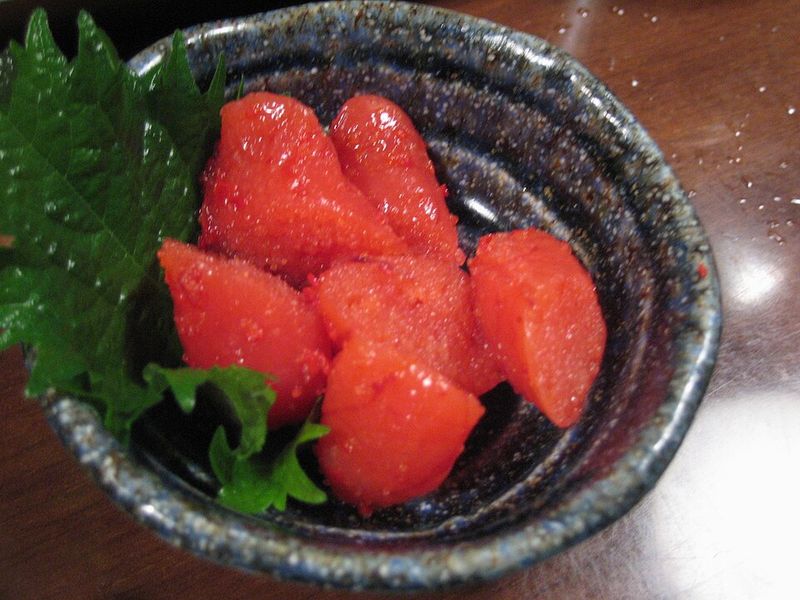
Pizza with fish eggs on top sounds like a dare, yet it exists. Mentaiko has a way of turning up in places nobody expects.
It is seasoned roe, usually from Alaska pollock, marinated with chili and other flavorings. Japan’s tourism organization notes its use in onigiri, sushi, spaghetti, and pizza.
The taste mixes salt, seafood, and a little chili heat. That combination makes it flexible enough for both classic and modern dishes.
Fukuoka is famous for it, and many shops there sell it as a gift. Cream pasta with mentaiko is a popular home meal across the country.
Its pinkish color can fool you into thinking it is tuna or a mild spread. The first bite proves otherwise.
If you like bold flavors, a mentaiko rice ball is an easy place to start.
5. Dorayaki Is Filled With Sweetened Beans
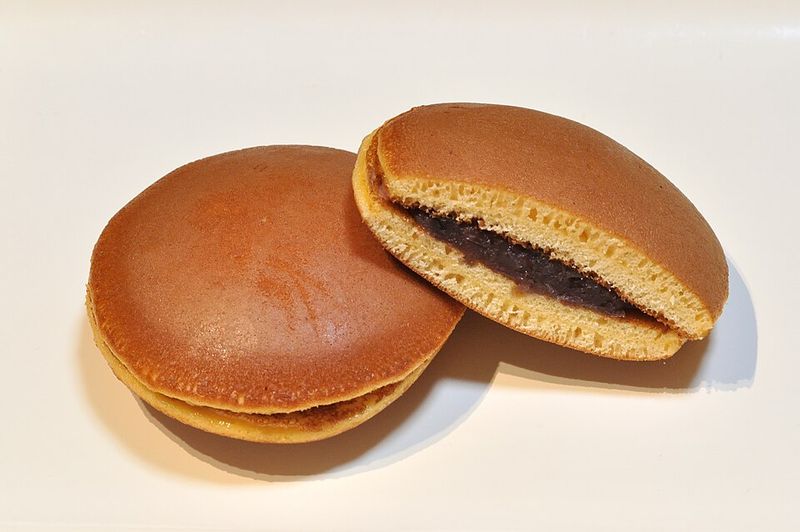
Two fluffy pancakes, a hearty middle, and not a drop of syrup in sight. Dorayaki looks familiar until you see what sits between the cakes.
The filling is anko, a paste of azuki beans cooked with sugar. It can be smooth, called koshi-an, or chunky with bean bits, called tsubu-an.
Japan’s tourism organization names red bean paste as a staple of Japanese sweets, including dorayaki. Beans as dessert are normal there and appear across the whole world of wagashi.
Dorayaki is also famous as the favorite snack of the cartoon cat Doraemon. That fame has made it recognizable to fans far beyond Japan.
Newer shops offer versions with chestnut, cream, or matcha fillings.
For a first try, pick the classic and decide which bean style you like best.
6. Konnyaku Comes From an Unlikely Plant
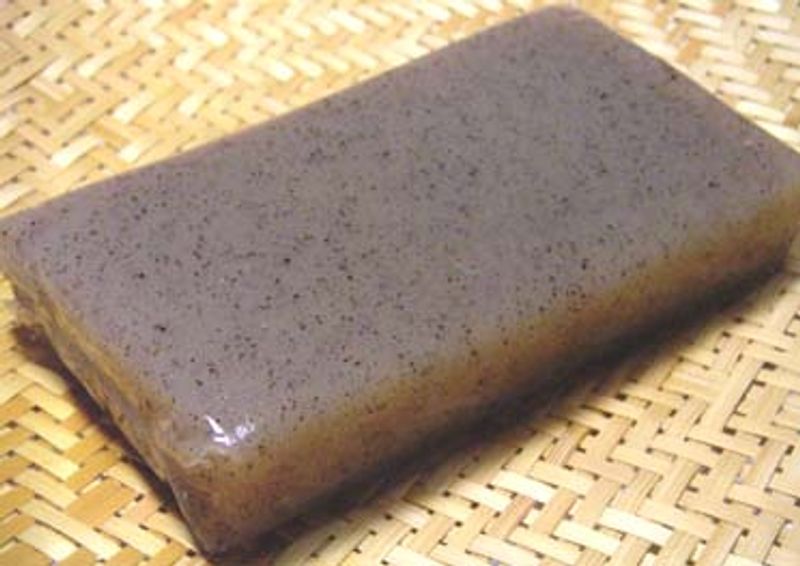
Guess the ingredient by looking and you will probably be wrong. Konnyaku can pass for gelatin, noodles, or even sliced seafood.
It comes from the corm of the konjac plant, sometimes called devil’s tongue. Japan’s Ministry of Agriculture describes it as a jelly-like food made from the dried, powdered corm, though fresh corm can be used too.
The flavor is very mild, so it soaks up whatever sauce or broth surrounds it. That is why it fits so well in hot pots and simmered dishes.
You can also find it as shirataki noodles and as sashimi konnyaku, served in thin slices with dipping sauce.
Gunma Prefecture is known as a major producer.
Go for a skewer of konnyaku at an oden stand if you want an easy first try.
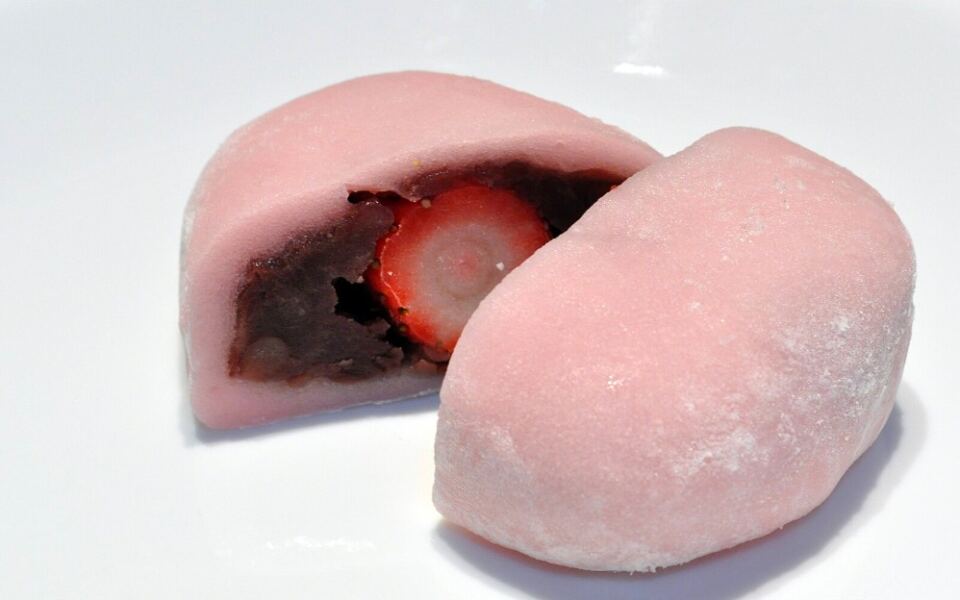
7. Ichigo Daifuku Hides an Entire Strawberry
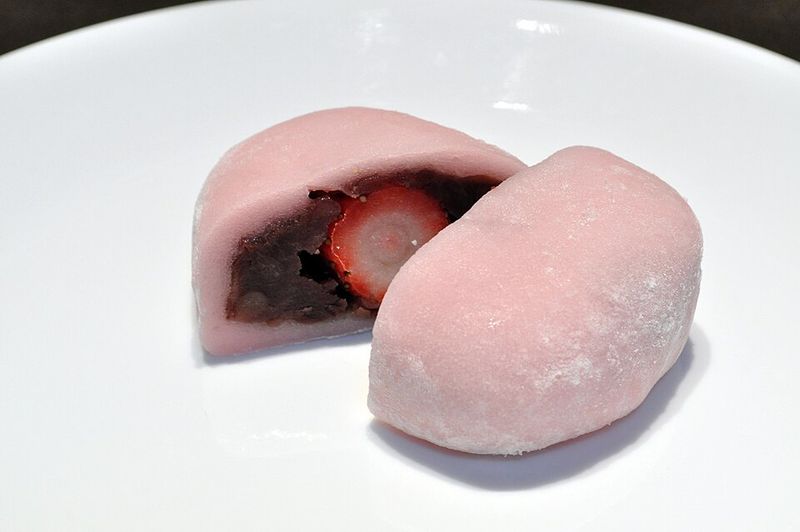
Cut this sweet in half and a red strawberry stares back at you. Ichigo daifuku packs a whole berry inside a soft mochi coat.
Daifuku already hides something, since the usual filling is anko made from azuki beans. This version adds fruit to the middle, so you get rice cake, bean paste, and berry in one bite.
Japan’s tourism organization describes it as daifuku with red bean paste and a whole strawberry. Winter and early spring are the best times to find it, when strawberries are in season.
Beans and fruit may sound like an odd team. Yet the tart juice of the berry balances the sweet paste well.
Wagashi shops often sell them individually, and they are best eaten the same day.
Cutting one open makes a great photo, so keep your phone ready.
8. Tororo Is Actually Raw Grated Yam
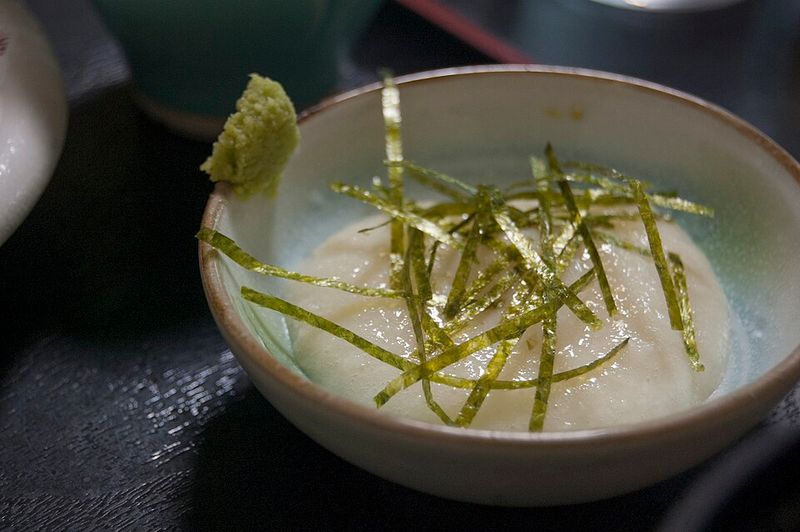
Ask a first-timer what is on top of the noodles, and expect a confused look. Tororo is simply raw Japanese yam that has been grated.
Varieties such as nagaimo turn thick and sticky once grated. Nothing else is added to create that texture, which is the part that surprises people most.
Japan’s tourism organization describes it as grated yam paste that may be seasoned with dashi, wasabi, and green onions. It often goes over soba, udon, or rice.
A dish of rice and barley topped with tororo is called mugitoro, and it is a familiar home meal.
The flavor is mild, so the main event is the sliding, clingy consistency.
Stir it well before eating and it coats the noodles evenly. That small step makes the bowl much easier to enjoy.
9. Shirako Is the Milt of Male Fish
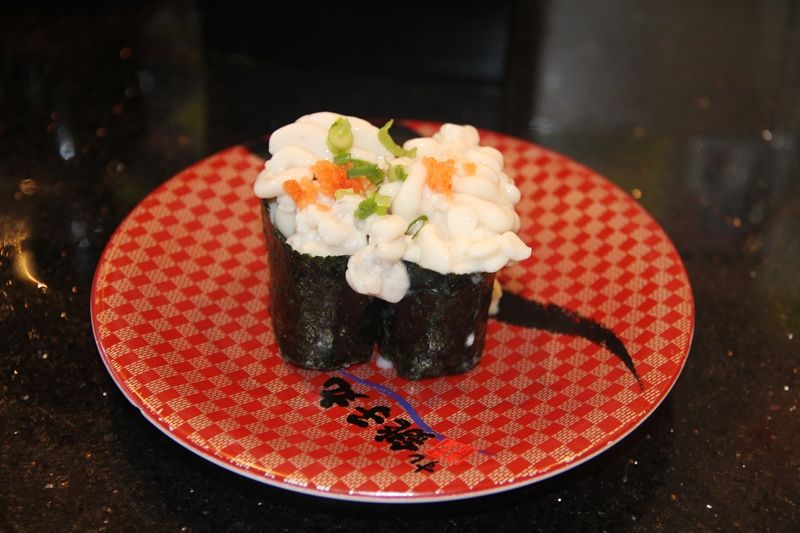
The name means white children, and the menu rarely explains more. Shirako is fish milt, the reproductive organ of male fish.
Cod is a common source, though anglerfish, salmon, and pufferfish can also provide it. It is a winter favorite in Japan.
Cooks serve it raw, lightly cooked, grilled, or in hot pot. It also turns up in chawanmushi.
Japan’s tourism organization notes that cooked shirako develops a creamy, custard-like texture.
Many izakaya style restaurants list it as a seasonal special, often with ponzu sauce on the side.
It shows how Japanese cooking values parts of an animal that many other cuisines skip. Adventurous eaters often try it once and then argue about whether they liked it.
Ordering a small portion is the wise way to start.
10. Uni Is Not Actually Sea Urchin Roe
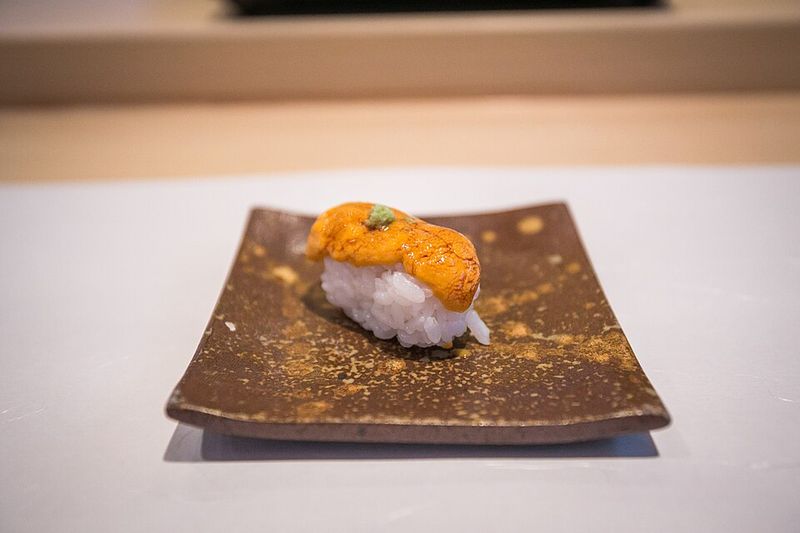
Here is a fact that would ruin a trivia night: uni is not roe. English menus often say sea urchin roe, but that is not accurate.
The soft orange or yellow part is the gonad, the organ that produces eggs or sperm. Most diners never notice the difference while eating it over sushi rice.
Japan’s tourism organization describes uni as the soft orange center of the sea urchin, often served with rice or wrapped with rice and seaweed.
Top quality uni is prized for its creamy body and a mix of sweet and briny notes. Prices can climb high, and Hokkaido is well known for its supply.
Fresh pieces are usually neat and firm, while tired ones fall apart.
Now you can correct your friends at the sushi counter, politely of course.
11. Kabura-zushi Has Fish Fermenting Between Turnip Slices
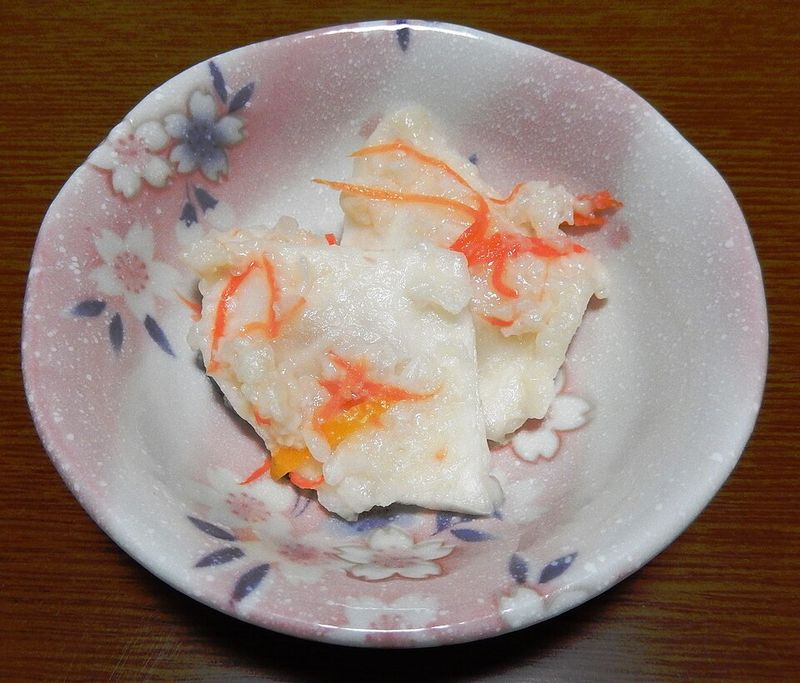
Sushi fans may be shocked to learn this one skips the vinegared rice. Kabura-zushi is a winter specialty tied to Ishikawa and Toyama.
Cooks slice a turnip, tuck salted yellowtail between the layers, and add rice koji. Then the whole thing ferments.
Japan’s Ministry of Agriculture explains that the turnip takes the place where rice would normally sit. The result belongs to the older tradition of narezushi.
Fermentation typically runs for several weeks and gives a balance of sourness and savory flavor.
Families in the region have often made it for the New Year season.
Modern sushi makes raw fish seem like the main idea. Earlier versions relied on fermenting to keep fish edible through long winters.
Kabura-zushi keeps that old method alive, one turnip sandwich at a time.
12. Funazushi Ferments Fish With Rice for Years
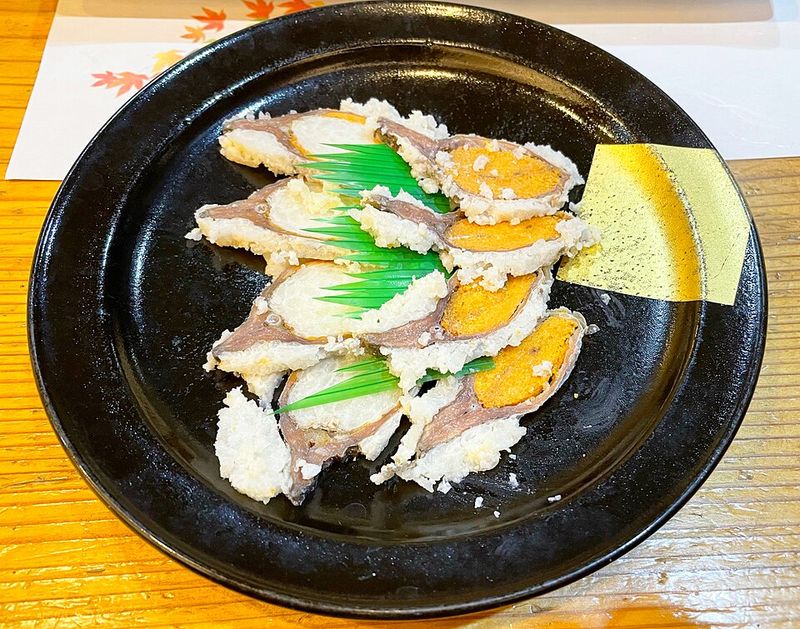
Some sushi takes years to make, and this is the proof. Funazushi is a specialty of Shiga Prefecture, made from crucian carp from Lake Biwa.
The fish is salted for about a year. It is then packed with cooked rice and left to ferment for around another three years.
The rice here is not the neat bed used in modern sushi. It acts as part of the fermenting process and is often not eaten in the same way.
The result has a strong aroma and a sharply sour flavor.
Funazushi belongs to the narezushi family, which is the ancestor of the sushi most people know today.
Restaurants near Lake Biwa serve thin slices, sometimes with tea poured over rice.
Salmon roll lovers may feel like they have found a different cuisine entirely.
13. Inago-no-Tsukudani Is Made With Locusts
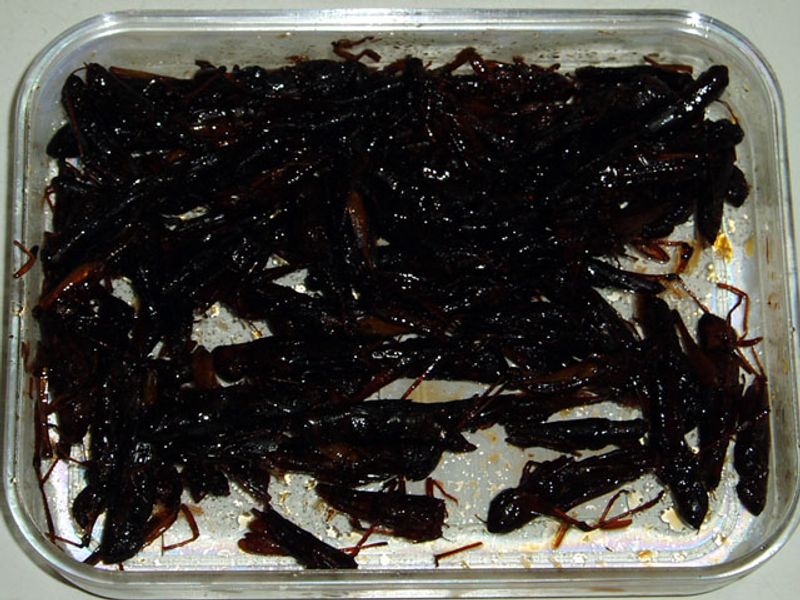
Look closely at that jar of glossy brown bits. Inago-no-tsukudani is made with locusts, often rice grasshoppers.
Cooks simmer them in soy sauce, sugar, sake, and mirin. The result is an intensely seasoned, firm snack.
Japan’s Ministry of Agriculture records the tradition in Nagano Prefecture, where insects long served as animal protein. Mountain communities had limited access to seafood, so locusts filled the gap.
It is also found in Fukushima.
The custom has not vanished. Roadside stations and souvenir shops in the region still sell prepared locusts.
Most people eat them alongside white rice, a bit like a salty condiment.
The legs and bodies are visible under the sauce, which can be quite a moment for first-timers.
Curious travelers often buy a small pack just for the story.
14. Hachinoko Rice Can Contain Bee Larvae
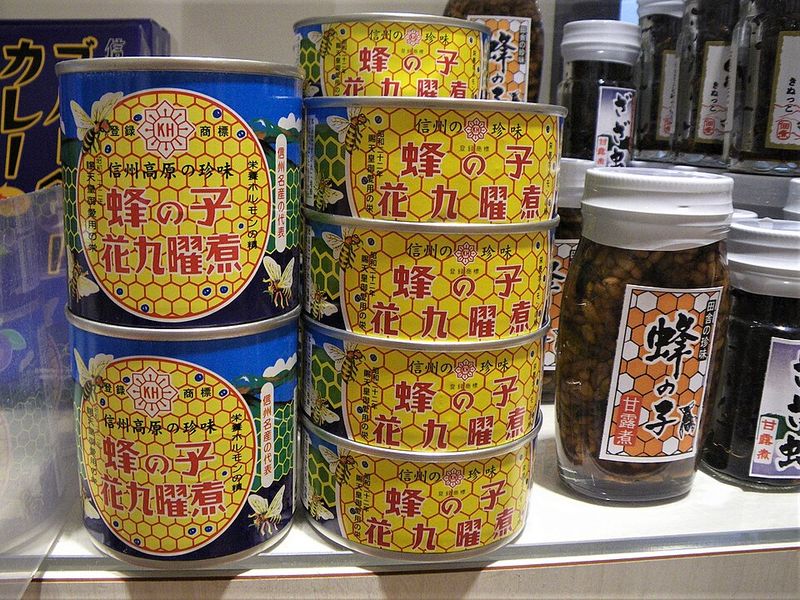
Nagano’s insect menu does not end with locusts. Hachinoko means bee children and refers to bee or wasp larvae and pupae used as food.
In mountain areas, cooks prepare them in sweet and salty simmered dishes. They also mix them into seasoned rice.
Japan’s Ministry of Agriculture documents both styles. A bowl that looks like ordinary rice may hold a few extra ingredients.
Like inago, hachinoko grew out of a local food culture. Protein was harder to come by in the hills, so people used what nature provided.
Today it is a regional specialty rather than an everyday meal, and some canned versions are sold as souvenirs.
That makes it less of a stunt and more of a living tradition. It survived while the wider Japanese diet changed around it.
Share this story