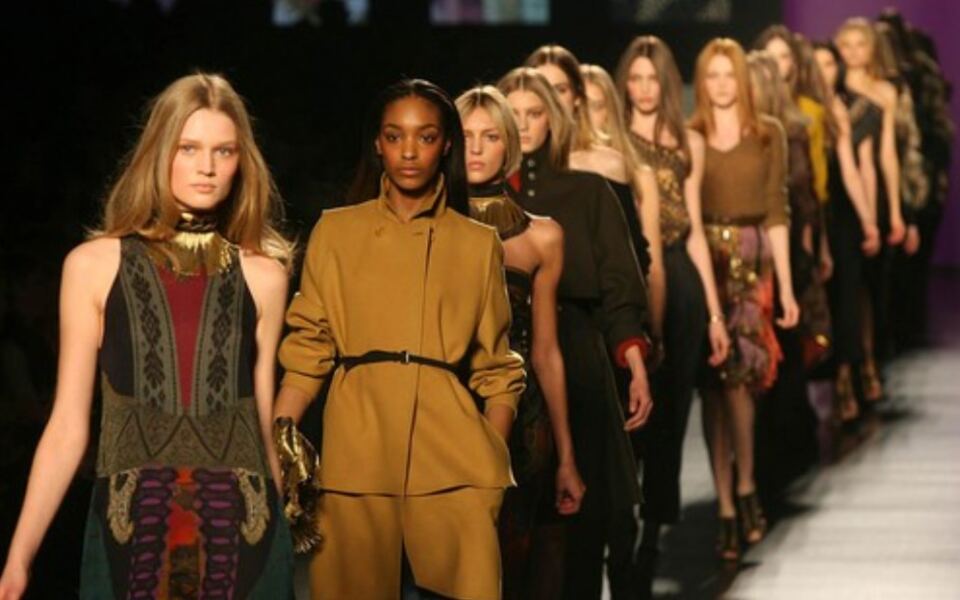
Fashion shapes how people see the world, and some countries leave a bigger mark than others. From grand runway shows to busy city streets, certain places spark trends that travel across the globe.
Here is a look at fifteen countries known for their style, their designers, and their creative spirit.
1. France
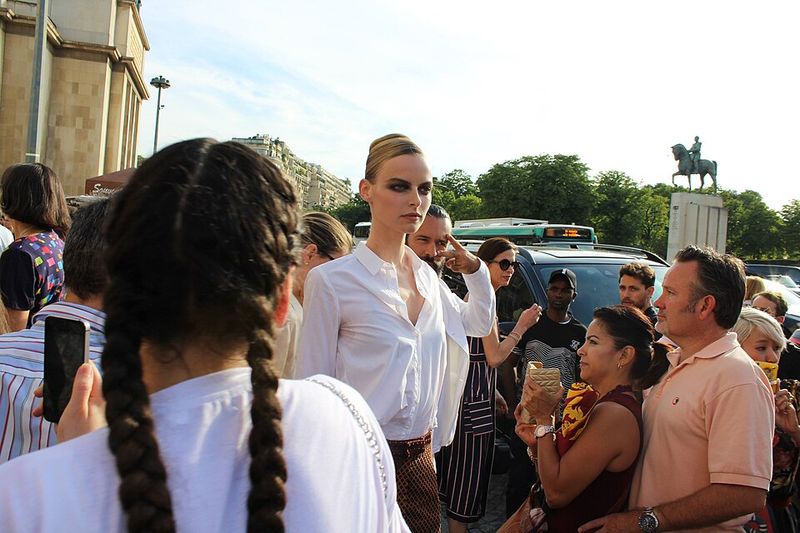
Few cities carry fashion history like Paris. The French capital is home to legendary houses such as Chanel, Dior, Louis Vuitton, and Saint Laurent, names that shoppers recognize on every continent.
French style is famous for haute couture, which means custom clothing made by hand with great care. Skilled workers spend many hours on tiny details like beading, stitching, and fine pleats.
That level of craftsmanship helps explain why Paris Fashion Week draws editors, buyers, and celebrities each year.
Everyday French style leans toward quiet elegance. Think a well-cut jacket, a simple scarf, and shoes that feel comfortable but polished.
The idea is to look put together without trying too hard.
A handy lesson from French fashion is to invest in a few high-quality pieces that last. Mixing them in new ways can keep a wardrobe fresh for many years.
2. Italy
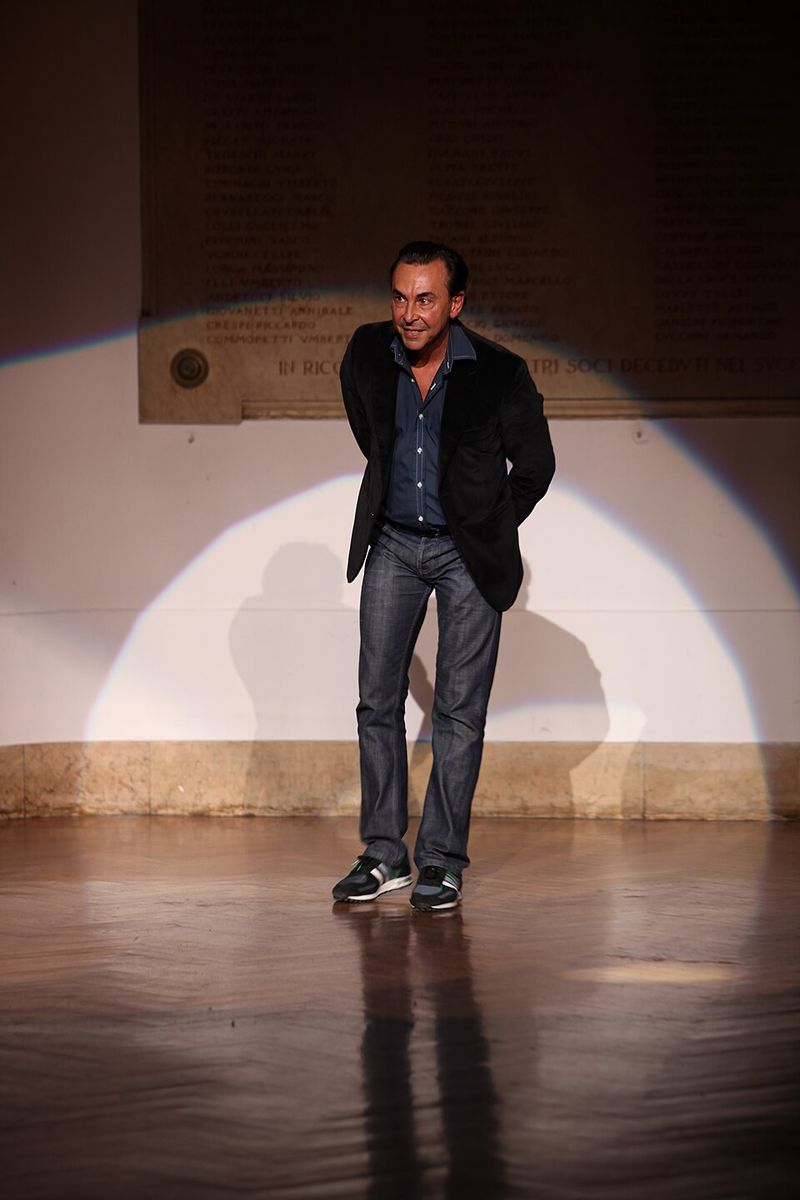
Walk through Milan on a busy fashion week and you will notice something right away: everyone seems dressed with purpose. Italy has long been tied to sharp tailoring and luxury goods, and its style reaches far beyond its borders.
Milan hosts one of the most influential fashion weeks in the world. Brands such as Gucci, Prada, Versace, Armani, and Dolce & Gabbana have helped define what Italian style means to people abroad.
Each one has its own personality, from bold prints to calm, clean lines.
Italian leather shoes, bags, and coats are admired for their quality. Many are made by small workshops that pass skills from one generation to the next.
For anyone building a wardrobe, Italy offers a simple tip. A jacket that fits well can make even a basic outfit look special.
3. Japan
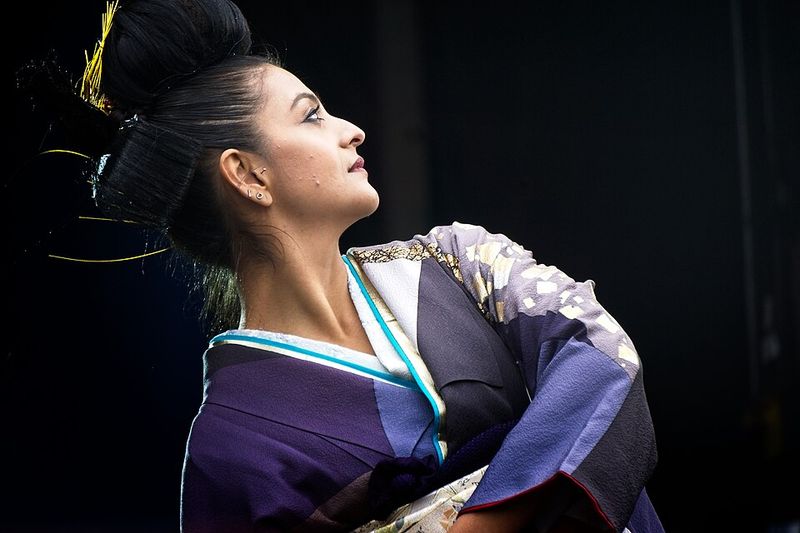
On a sunny weekend in Harajuku, a street in Tokyo, you might spot layered skirts, bright hair, and outfits that look like living art. Japan is known for mixing bold ideas with careful design.
Harajuku is recognized around the world for experimental looks created by young people who treat clothing as self-expression. Meanwhile, designers such as Yohji Yamamoto, Rei Kawakubo, and Issey Miyake have changed modern fashion with new shapes, folds, and fabrics.
Issey Miyake, for example, became famous for pleated pieces that move easily and hold their shape. Rei Kawakubo of Comme des Garcons often challenges what people expect clothing to be.
Japanese fashion shows that rules can be bent. Trying one unusual piece, like a sculptural jacket, is a fun way to borrow the idea.
4. United Kingdom
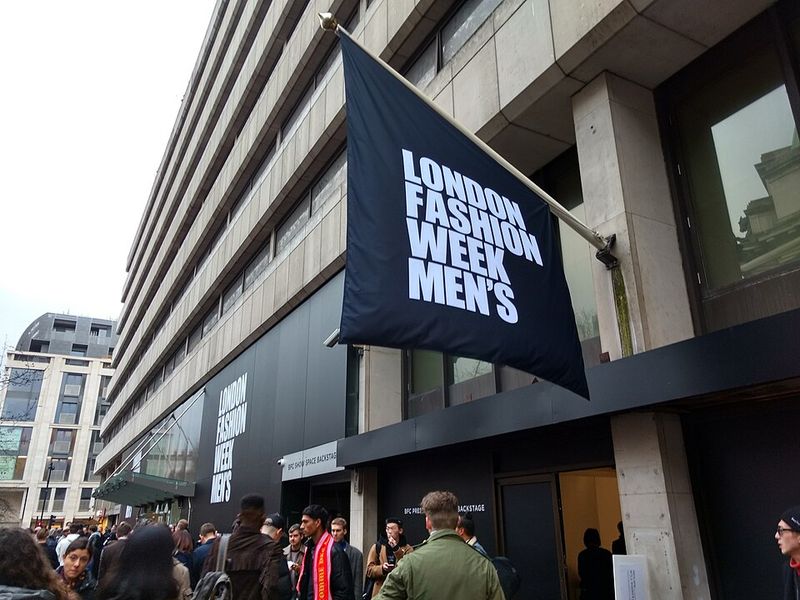
Britain has a talent for making tradition and rebellion work side by side. On London’s Savile Row, tailors still craft suits by hand, while a short ride away, punk style once shook up the fashion world.
That mix has shaped global fashion for generations. Burberry is known for its classic trench coat and checked pattern.
Vivienne Westwood brought punk attitude to the runway, and Alexander McQueen was praised for dramatic, imaginative shows.
Stella McCartney added another voice by focusing on designs that avoid leather and fur. Each of these names shows a different side of British creativity.
London Fashion Week also gives young designers a stage, which keeps new ideas coming. A good takeaway is that classic pieces and playful ones can happily share a closet.
5. United States
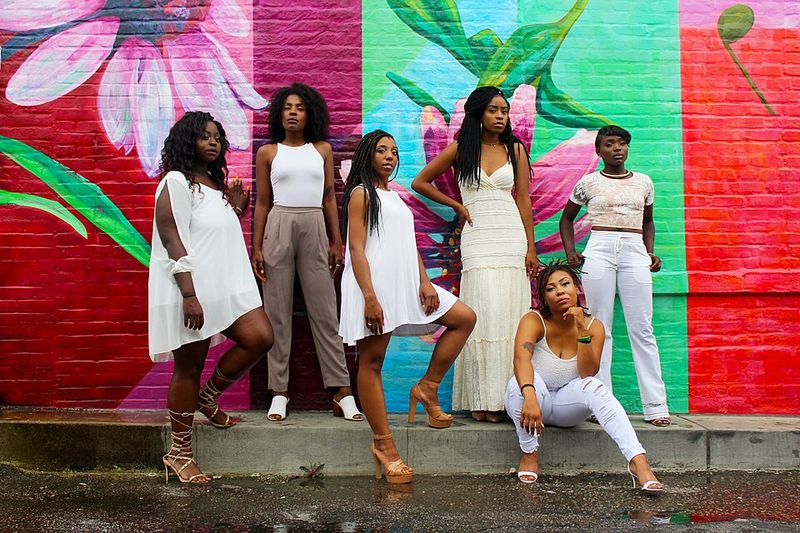
Blue jeans, sweatshirts, and polo shirts all feel ordinary today, yet American designers helped make them fashionable worldwide. The United States built its style around comfort, movement, and a relaxed attitude.
New York is a major fashion capital, with a busy fashion week twice a year. Ralph Lauren, Calvin Klein, Tommy Hilfiger, and Marc Jacobs are among the best-known names.
Lauren is linked to a polished, preppy look, while Klein became known for clean, modern basics.
American fashion also pioneered casual luxury, where soft fabrics and simple cuts feel upscale without being stiff. Sportswear influence shows up everywhere, from sneakers to hoodies.
If you like easy outfits, American style offers plenty of ideas. A great pair of denim and a crisp shirt can go almost anywhere.
6. South Korea
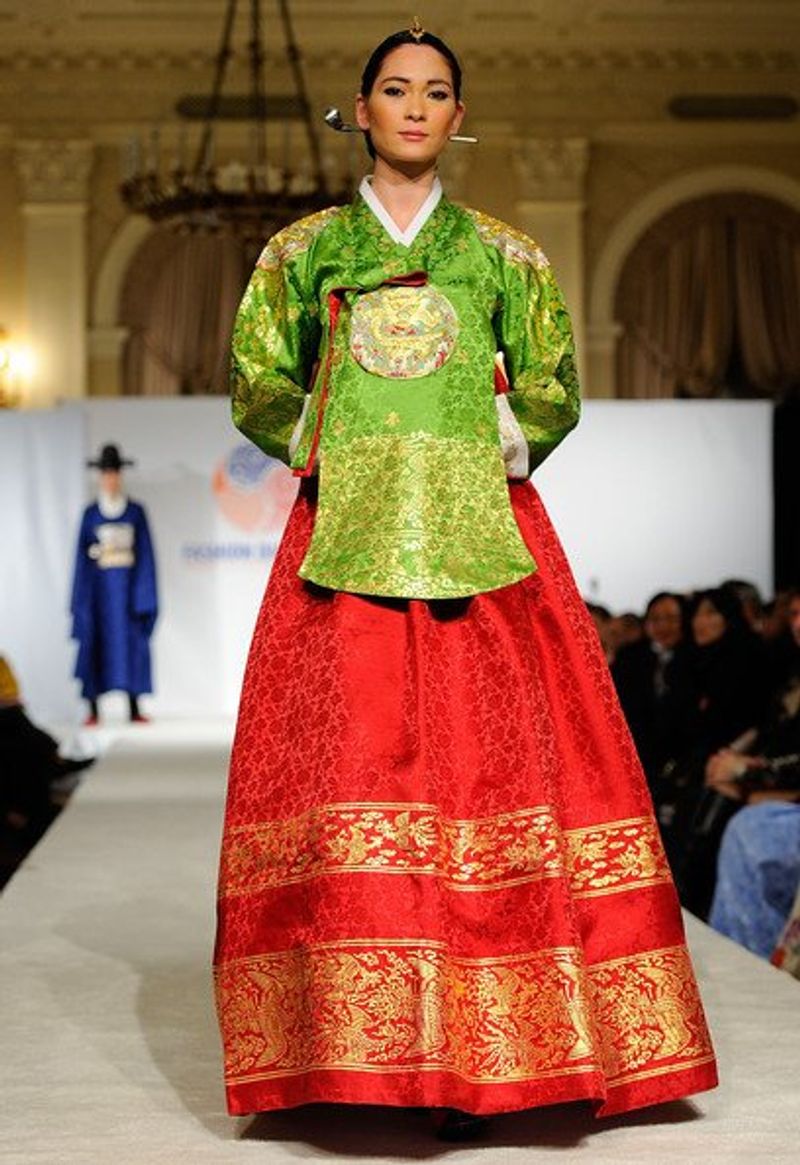
Turn on a K-pop video and you will likely see outfits that fans copy within days. South Korea has become a powerhouse in modern fashion, helped by music, television, and film.
Seoul has a lively streetwear scene, with trendy neighborhoods where young shoppers and local designers meet. Korean brands and designers increasingly shape youth fashion around the world, and the country’s beauty trends travel just as fast.
Layered looks, oversized jackets, clean sneakers, and neat color palettes are common sights. Seoul Fashion Week also gives emerging labels a chance to reach international buyers.
One fun lesson from Korean style is that small details matter. A simple accessory, such as a cap, bag, or pair of socks, can turn a plain outfit into something that feels fresh and personal.
7. Spain

Did you know that one of the world’s biggest clothing retailers started in a small Spanish town? Zara grew from Galicia into a global giant, showing how fast Spanish fashion can move.
Spain is strong in both everyday shopping and high-end design. Zara and Mango offer trendy pieces at accessible prices, while Loewe is respected for fine leather goods and artistic campaigns.
Balenciaga was founded by Spanish designer Cristobal Balenciaga, who was admired for sculpted shapes that changed how dresses were built. Today the house is based in Paris, yet its Spanish roots remain part of the story.
Spanish style often feels warm and confident. A bright color or a bold accessory is an easy way to bring that spirit into your own outfits.
8. Denmark
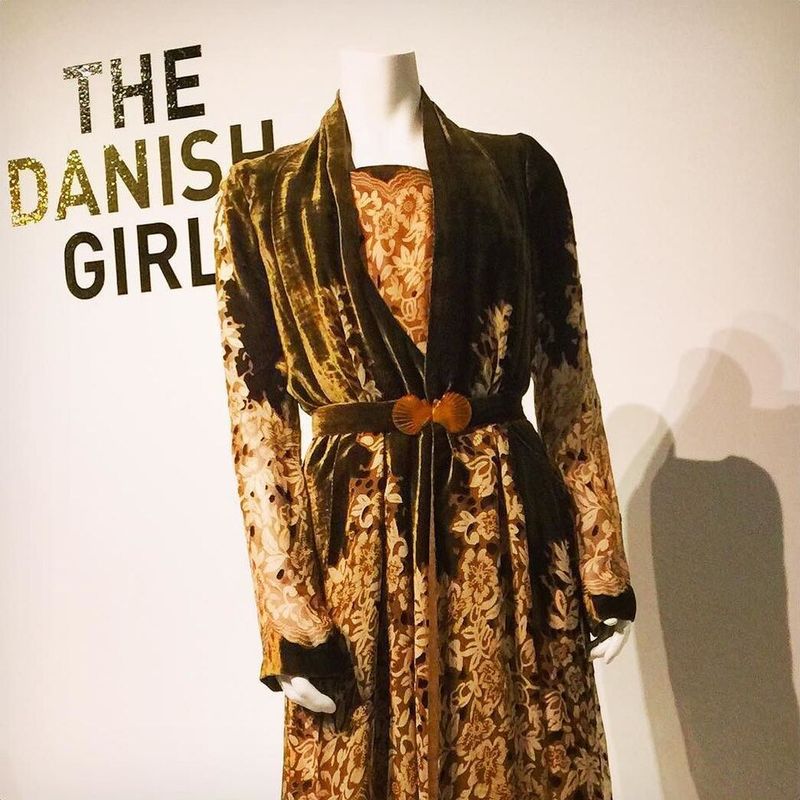
Picture a cool morning in Copenhagen, where cyclists zip by in bright knits and wide trousers. Danish style is playful yet practical, built for real life.
The city has become a leading center for Scandinavian fashion. Copenhagen Fashion Week attracts visitors who come to see what locals will wear next.
Brands such as Ganni, Cecilie Bahnsen, and Stine Goya are known for cheerful colors, soft shapes, and romantic details.
Layering is a big part of the look, since the weather can change quickly. A chunky sweater, a light jacket, and comfortable shoes make sense on a bike or at a cafe.
The lesson here is simple. Clothes can be fun and useful at once, so do not be afraid to add a pop of color.
9. Sweden
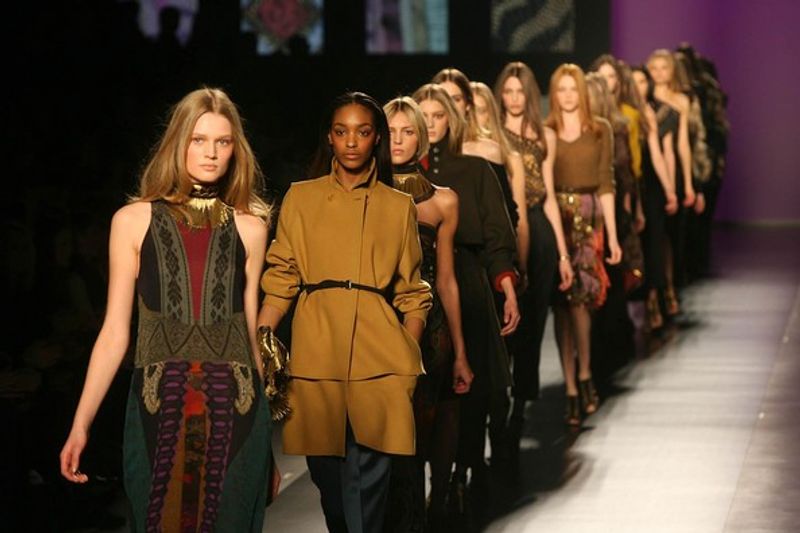
Simple does not have to mean boring, and Sweden proves it. Swedish fashion is built on clean lines, thoughtful function, and a modern, minimalist feel.
H&M, founded in Sweden, brought affordable trends to shoppers across the globe. Acne Studios and Toteme are known for refined, quiet designs in soft colors, while COS focuses on structured shapes and timeless pieces.
Together these brands helped spread Scandinavian style internationally. Their clothes often mix easily, which makes outfits simple to plan.
Stockholm also hosts events that highlight new talent and fresh ideas about sustainability. Many Swedish labels pay attention to materials and how long garments will last.
A smart tip from Sweden is to build a neutral base of coats, knits, and trousers. From there, you can add a single standout piece when you want something different.
10. Germany
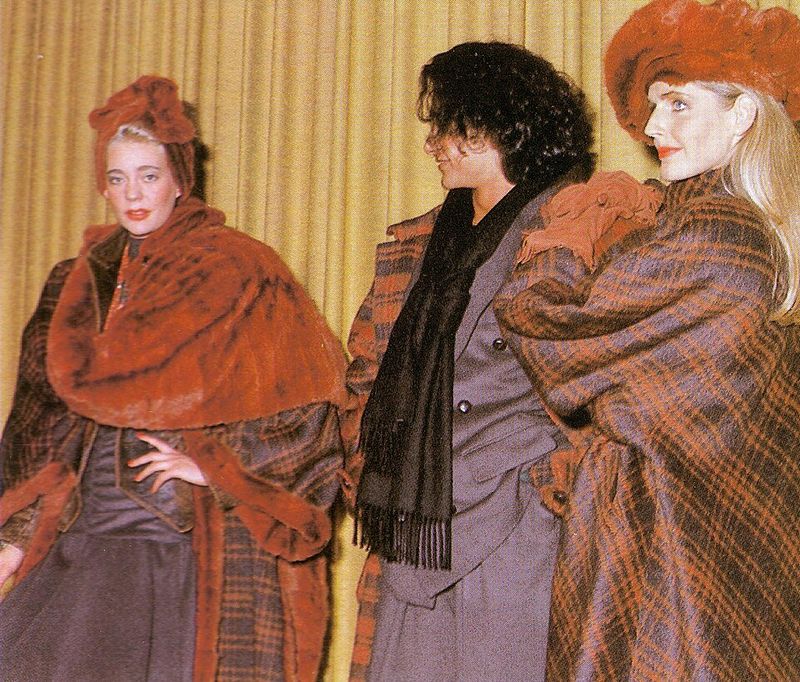
Sneakers on a runway used to be rare, but Germany helped change that. Known for engineering and precision, the country brings the same mindset to clothing.
Adidas and Puma, both founded in the same small town, shaped sportswear and streetwear worldwide. Jil Sander is admired for pure, minimalist tailoring, and Hugo Boss is a familiar name in business wear.
Berlin adds another layer. The city is known for experimental fashion, creative nightlife, and a free-spirited approach to dressing.
Berlin Fashion Week highlights independent designers who like to test new ideas.
German style shows that function and beauty can go hand in hand. A comfortable pair of sneakers, a clean coat, and well-made basics can create a modern look that works for school, work, or weekends.
11. Belgium
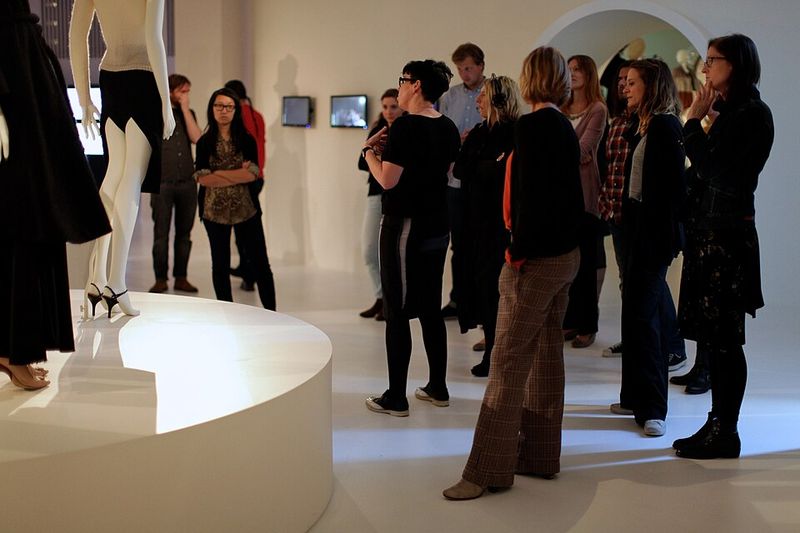
Small country, big ideas. Belgium has had an outsized effect on avant-garde fashion, especially thanks to the city of Antwerp.
In the 1980s, a group called the Antwerp Six helped transform European fashion. Their work showed that new ideas could come from outside the usual fashion capitals.
The city’s fashion academy continues to train young designers who go on to work around the world.
Dries Van Noten is admired for rich prints and layered colors, while Ann Demeulemeester is known for dark, poetic designs with a rock-and-roll edge. Both names are influential in the fashion world.
Belgian style often feels thoughtful and a bit mysterious. To try it, pick one interesting piece, like a long coat or textured shirt, and keep the rest of your outfit simple.
12. India
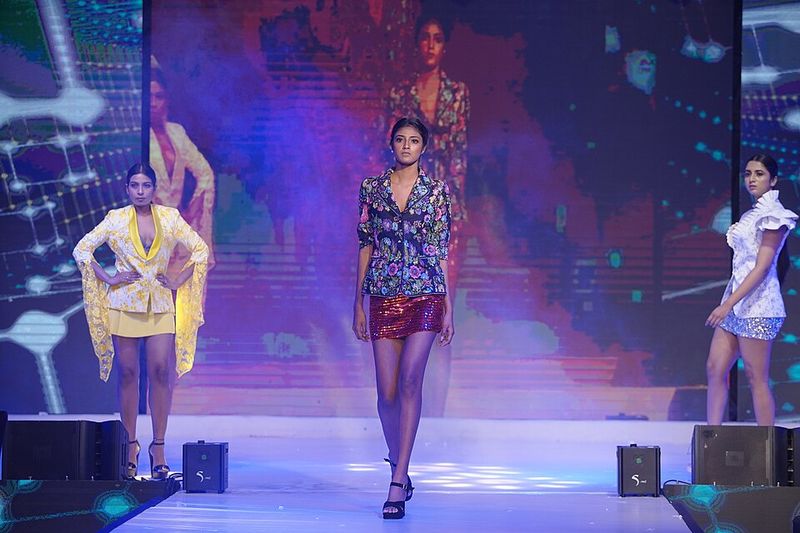
Every thread tells a story in Indian fashion. The country’s clothing traditions go back centuries, with weaving, dyeing, and embroidery skills passed down through families.
Designers such as Sabyasachi Mukherjee, Manish Malhotra, and Rahul Mishra have brought Indian craftsmanship to international audiences. Sabyasachi is known for rich bridal wear, Malhotra for glamorous celebrity looks, and Mishra for delicate embroidery that has appeared at Paris shows.
Distinctive silhouettes like the saree, lehenga, and sherwani remain popular and keep evolving. Fabrics such as silk, cotton, and handloom weaves add texture and color.
Many people now mix Indian pieces with Western outfits, like pairing a embroidered jacket with jeans. It is an easy way to enjoy centuries of skill while still looking current.
13. China
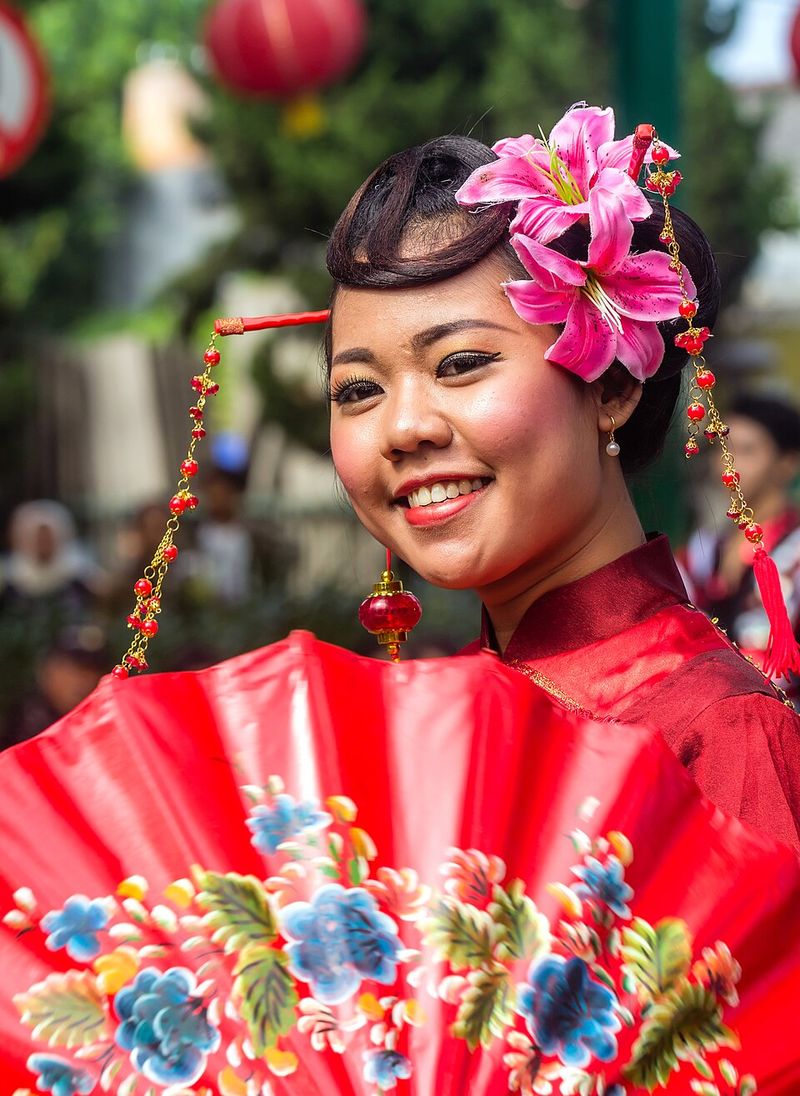
When it comes to shopping power, China is hard to ignore. It is a major fashion market, and it is also becoming a stronger source of fresh design.
Shanghai Fashion Week gives local and international labels a stage, and many emerging independent brands now draw attention beyond China. These young designers often blend traditional ideas with modern cuts.
Guo Pei is among the most recognized names. Her richly embroidered gowns, some taking thousands of hours to make, gained worldwide fame and show the country’s deep craft heritage.
Chinese designers also draw on history, such as classic collars and silk fabrics, then give them a modern twist. Looking at these ideas can inspire anyone to appreciate how old traditions and new fashion can blend into something creative.
14. Brazil
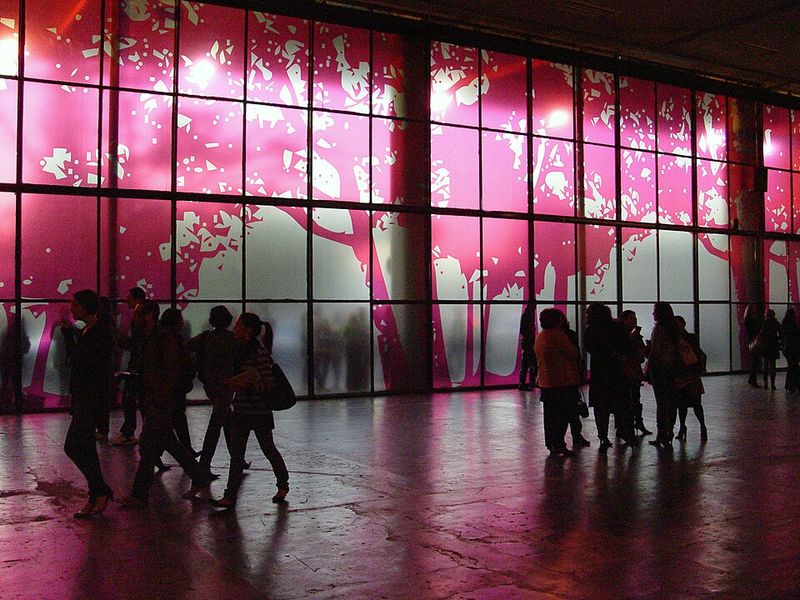
Sunshine seems to be stitched into every Brazilian outfit. The country is known for beachwear, vibrant colors, and relaxed shapes that feel made for warm days.
Sao Paulo Fashion Week is a major event in Latin America, offering a platform for both established and emerging designers. It helps new talent get noticed by buyers and the press.
Brands such as Farm Rio, with its tropical prints, and Havaianas, the famous flip-flops, have achieved international recognition. Many people around the world own a pair of Havaianas without thinking about where they began.
Brazilian style shows how color can lift your mood. If your wardrobe leans neutral, a bright print or a pair of cheerful sandals is an easy, low-pressure way to try it.
15. Nigeria
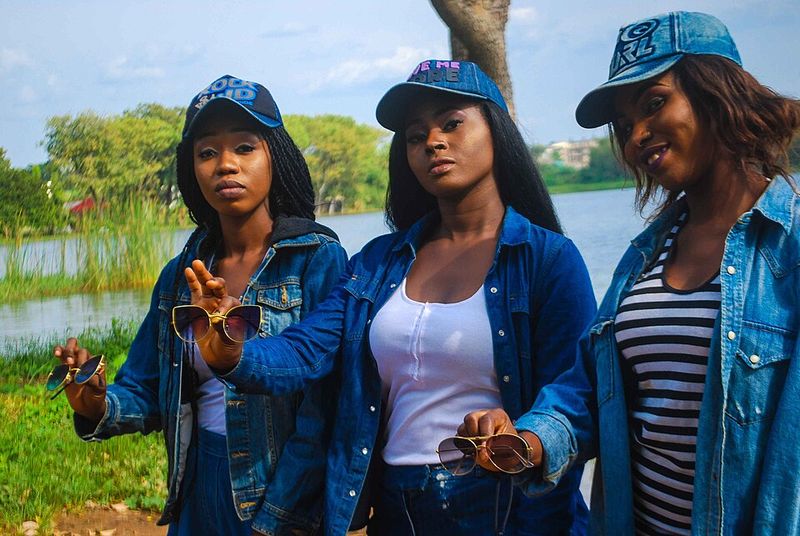
Nigeria brings energy, color, and pride to the global fashion conversation. It is considered one of Africa’s most influential fashion centers, and its creative scene keeps growing.
Lagos Fashion Week highlights designers who combine modern silhouettes with distinctive textiles, fine craftsmanship, and cultural influences. Fabrics like Aso Oke and adire, a hand-dyed cloth, often appear in new and surprising ways.
Lisa Folawiyo is known for adding beads and sequins to Ankara prints, and Orange Culture has drawn notice for gender-fluid menswear. Both brands have attracted international attention.
Nigerian fashion also shows up in music and film, which helps spread its style to new fans. A good way to appreciate it is to support designers who use local textiles and skilled artisans, and to look for pieces with a story behind them.
Share this story