Most museums are filled with ancient artifacts, famous paintings, or dinosaur bones. But scattered across the world are smaller, stranger institutions that have dedicated entire buildings to pencils, bobbleheads, dog collars, and corkscrews.
These places exist because someone, somewhere, decided that ordinary objects deserve a serious second look. And honestly, they were right.
Once you see a thousand miniature bottles arranged across three floors, or five centuries of dog collars lined up in a medieval castle, the everyday starts looking extraordinary. Each of these museums grew from one person’s obsession, expanded into a public collection, and ended up preserving details about fashion, technology, advertising, and daily life that larger institutions never bothered to save.
The result is a list of fifteen places that will make you reconsider every button, pencil, and lawnmower you have ever ignored.
1. Derwent Pencil Museum, Keswick, England
Graphite discovered near Keswick in the 1500s was so valuable that armed guards protected the mines, and a black market quickly formed around it. That dramatic origin story is where this Lake District museum begins its surprisingly gripping tour through pencil history.
Visitors walk through a recreation of a graphite mine before reaching displays of historic manufacturing machinery, unusual pencil varieties, and artifacts from the Cumberland Pencil Company, founded in 1832. Among the standout exhibits are World War II pencils secretly designed to hide tiny maps and compasses for Allied prisoners, created by Charles Fraser-Smith, widely believed to have inspired Ian Fleming’s fictional gadget designer.
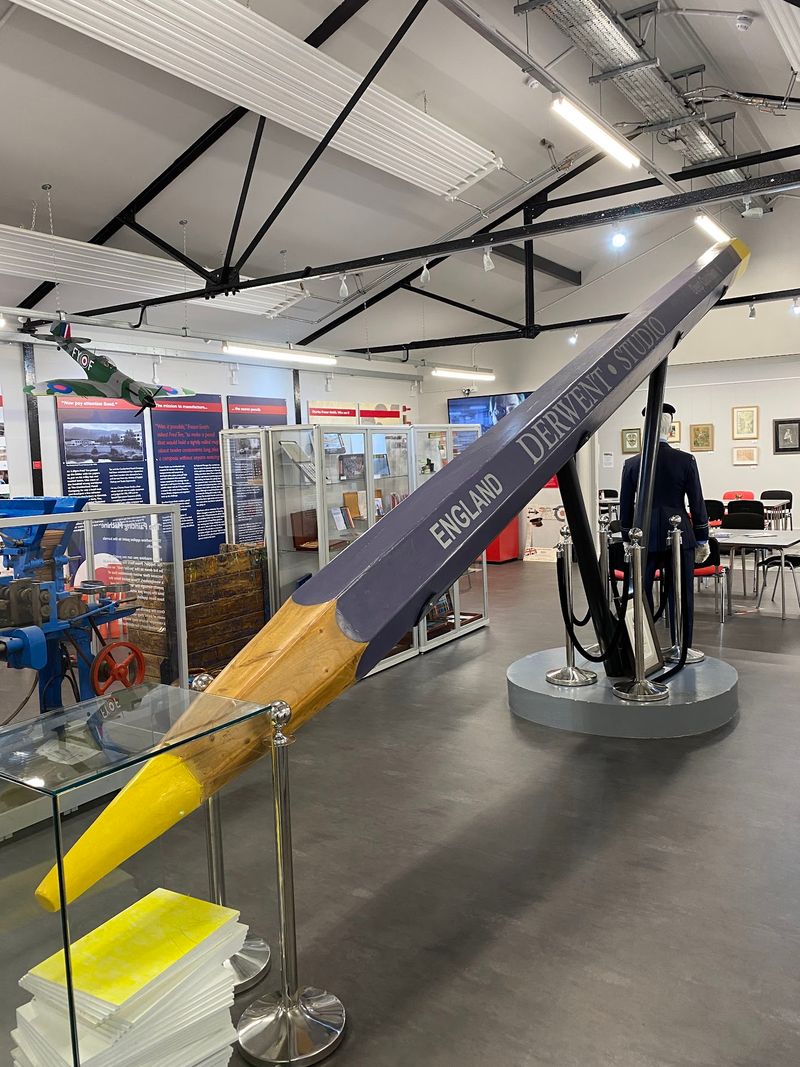
The museum also displays one of the world’s largest colored pencils, stretching nearly eight meters and weighing close to half a ton. Over 80,000 visitors arrive annually, and an on-site art shop and cafe round out the experience.
2. National Bobblehead Hall of Fame and Museum, Milwaukee, Wisconsin
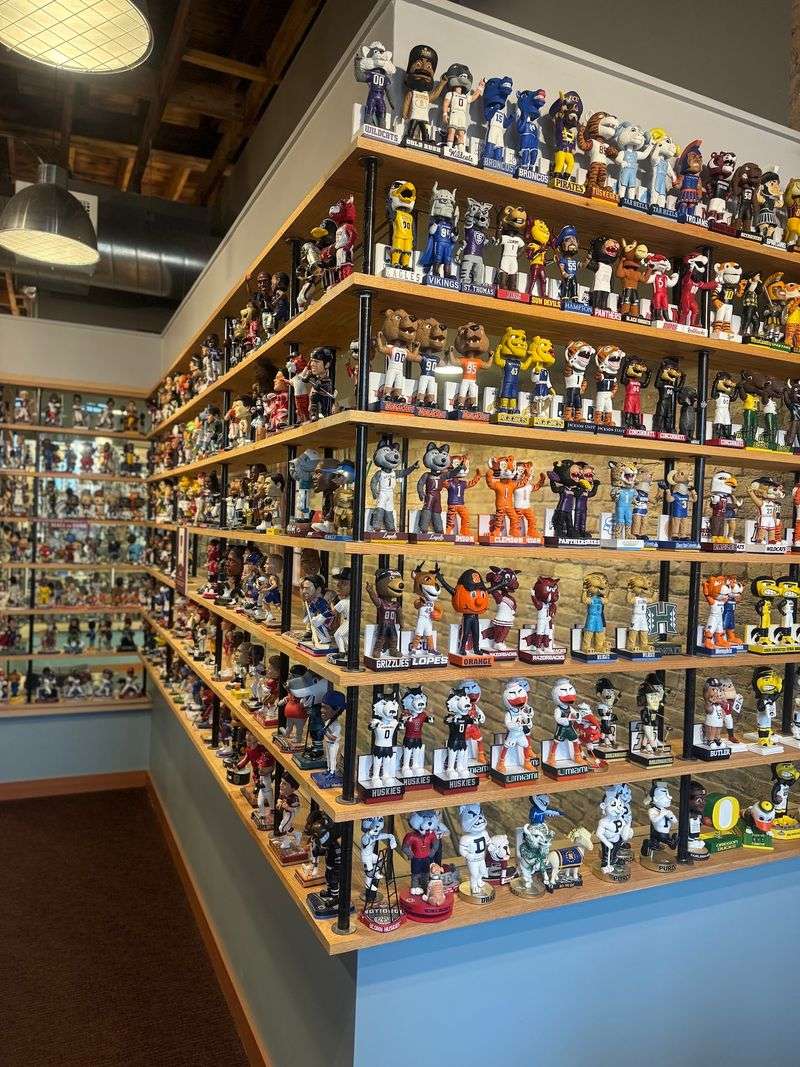
Over 10,000 tiny nodding heads stare back at visitors inside Milwaukee’s only museum dedicated entirely to bobbleheads, creating a display that is equal parts surreal and surprisingly informative. Co-founders Phil Sklar and Brad Novak began collecting these figures in the early 2000s before opening the museum officially in 2019.
The collection stretches far beyond sports, covering entertainment, advertising, historical figures, and political personalities. A three-foot-tall LeBron James bobblehead, figures from classic films, and a series honoring the Negro Leagues Centennial all have permanent spots here.
Each display also traces how bobblehead manufacturing has changed over the decades, turning what looks like a novelty shelf into a detailed record of American cultural obsessions. Sklar and Novak continue adding new figures tied to current events, keeping the collection as dynamic as the culture it documents.
Affordable admission and free parking make it an easy stop.
3. The Mini Bottle Gallery, Oslo, Norway
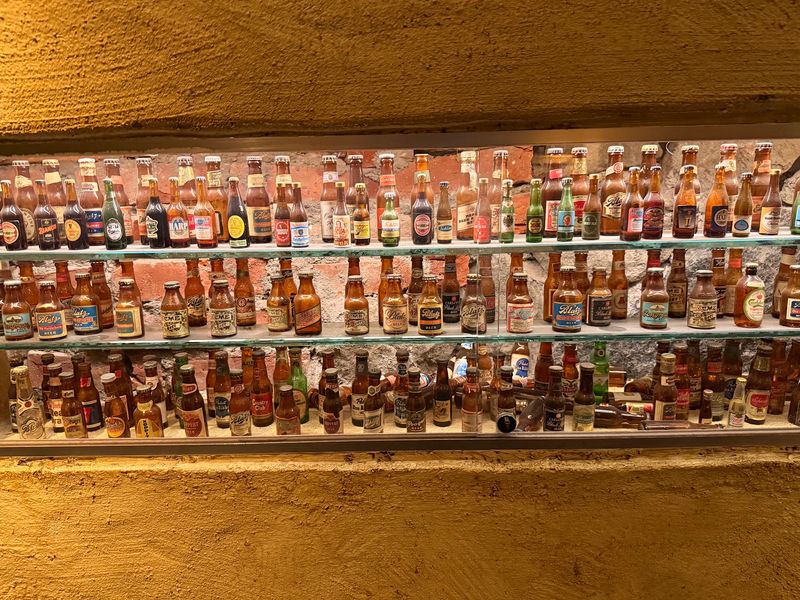
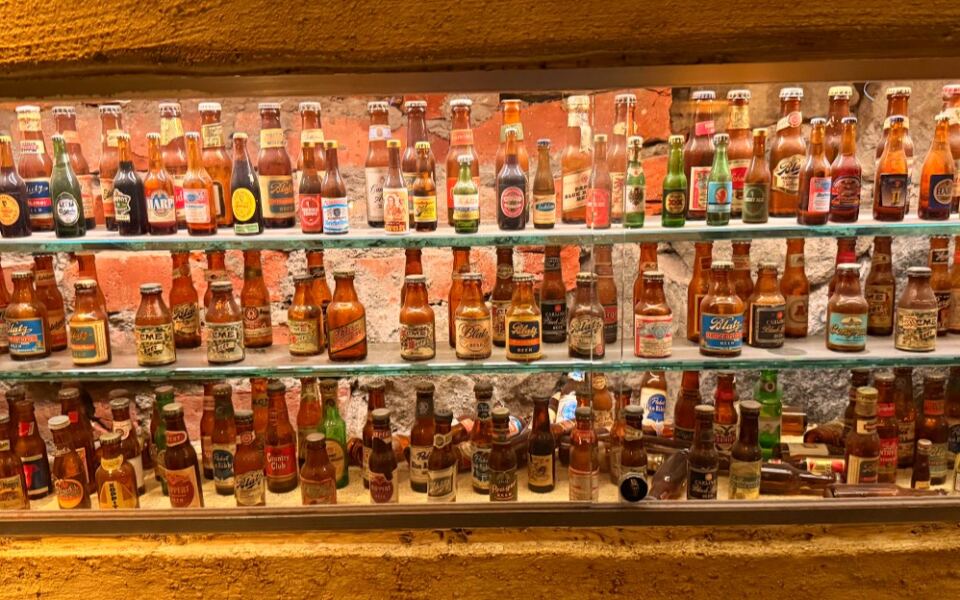
Christian Ringnes started collecting miniature bottles as a child, and what began as a personal habit eventually became the world’s largest collection of its kind, now open to the public in Oslo. The gallery houses a staggering 53,000 miniature bottles, with roughly 12,500 arranged across three floors in 50 distinct installations.
Bottles are not simply lined up on shelves here. They appear embedded in flooring, integrated into chandeliers, and arranged into elaborate table setups that reward careful looking.
The contents are equally unpredictable, ranging from fruits and spices to considerably stranger inclusions like worms and mice.
A playful indoor slide leads visitors to the so-called Horror Room, where the exhibits take a deliberately eccentric turn. Other installations promise unexpected reveals that add genuine humor to the experience.
The remaining 40,500 bottles are stored in a secured vault, suggesting the collection has plenty more surprises to come.
4. British Lawnmower Museum, Southport, England
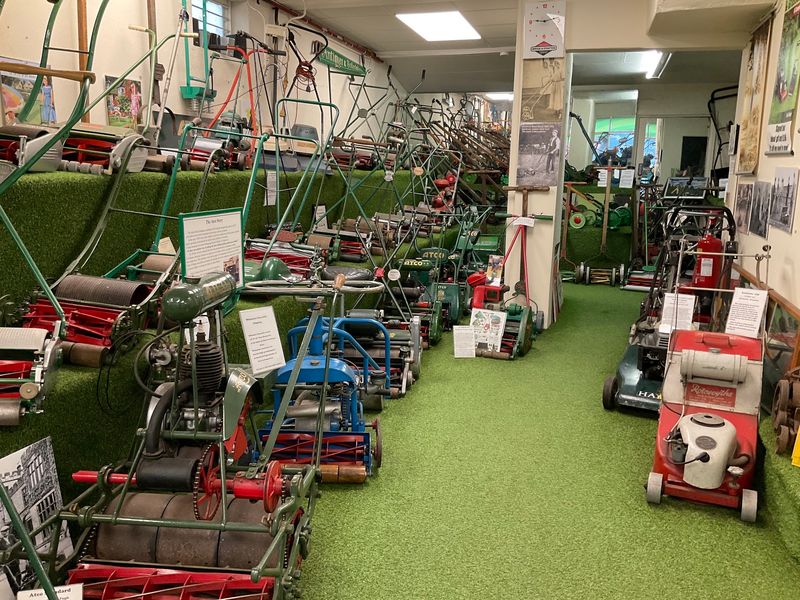
Edwin Beard Budding invented the lawnmower in 1830 after adapting a rotary cutter used to trim military uniform cloth, and his neighbors thought he was so strange that he tested his contraption exclusively at night. That anecdote alone sets the tone for Southport’s British Lawnmower Museum, opened in 1991 by ex-racing champion Brian Radam, whose family has been in the lawnmower business since 1945.
The collection includes over 300 fully restored exhibits, with some sources counting more than 600 rare machines total, tracing two centuries of grass-cutting innovation. Early patents dating back to 1799 sit alongside a celebrity section featuring machines once owned by Prince Charles, Princess Diana, and Queen guitarist Brian May.
Unexpected manufacturers like Rolls Royce and British Leyland appear in the displays, and early solar-powered robot mowers show how far the technology traveled. The museum even loans vintage mowers to film and television productions.
5. Museum of Brands, London, England
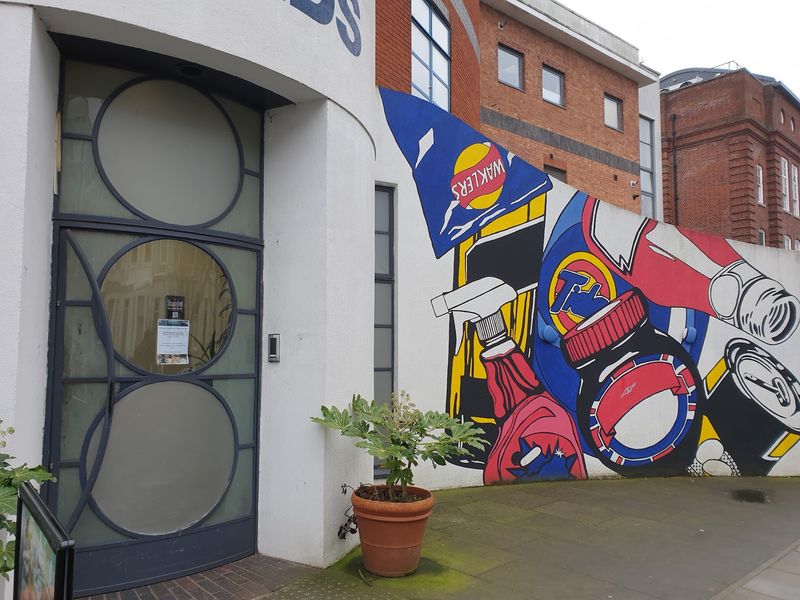
Robert Opie started saving packaging and advertisements in the 1960s because he noticed that nobody else was, and the objects he rescued from the bin eventually became a collection of over half a million items. The Museum of Brands in Notting Hill now displays between 12,000 and 15,000 of those pieces, organized into a chronological walk through consumer history.
The main attraction, called the Time Tunnel, guides visitors decade by decade through changing designs, wartime packaging, royal commemorations, and the gradual arrival of television advertising. Familiar product shapes shift and evolve in ways that trigger unexpected recognition, even for objects that predate the visitor by several generations.
Temporary exhibitions tackle current topics like sustainable packaging and inclusive branding, keeping the museum relevant beyond nostalgia. A subtropical garden and cafe are on site.
The museum operates as a registered charity and continues welcoming visitors daily in Notting Hill.
6. Button Museum, Tokyo, Japan
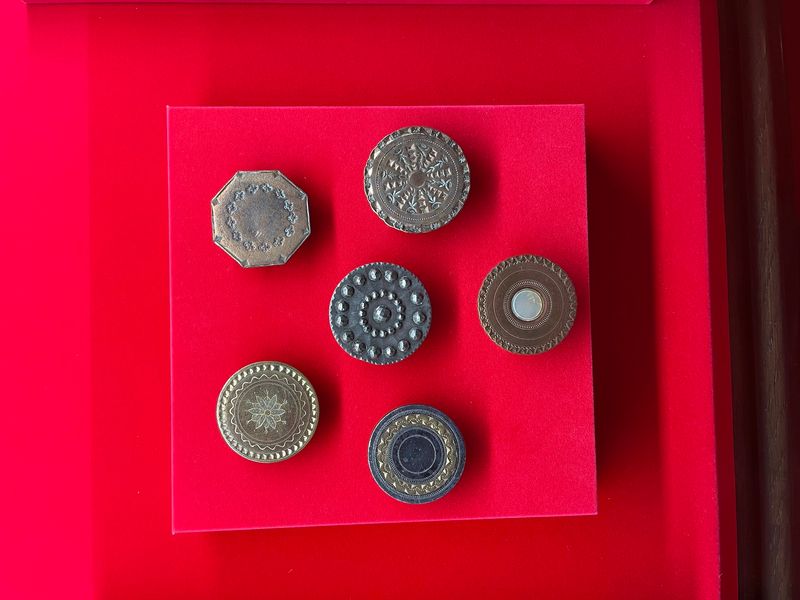
Japan celebrates an official Button Day on November 22nd, marking the 1870 moment when European-style metal buttons were adopted for the Japanese Navy uniform. That level of national seriousness about a fastener makes Tokyo’s Iris Button Museum feel entirely appropriate.
Operated by Iris, a clothing accessories manufacturer founded in 1946, the museum opened in 1988 in Nihonbashi Hamacho. Its permanent exhibition presents roughly 2,000 carefully chosen pieces from a broader collection of over 5,000 items, organized by material, design, age, and geographic origin.
Ancient Roman fibulae share space with 19th-century aristocratic glass buttons, Hungarian Turkish silver examples set with garnets, and wartime iron buttons produced under material restrictions. Visits are by reservation only, creating an intimate atmosphere quite unlike Tokyo’s larger national institutions.
Audio guides in English and Chinese are available, and an adjoining salon offers publications and an introductory video.
7. The Dog Collar Museum at Leeds Castle, Maidstone, England
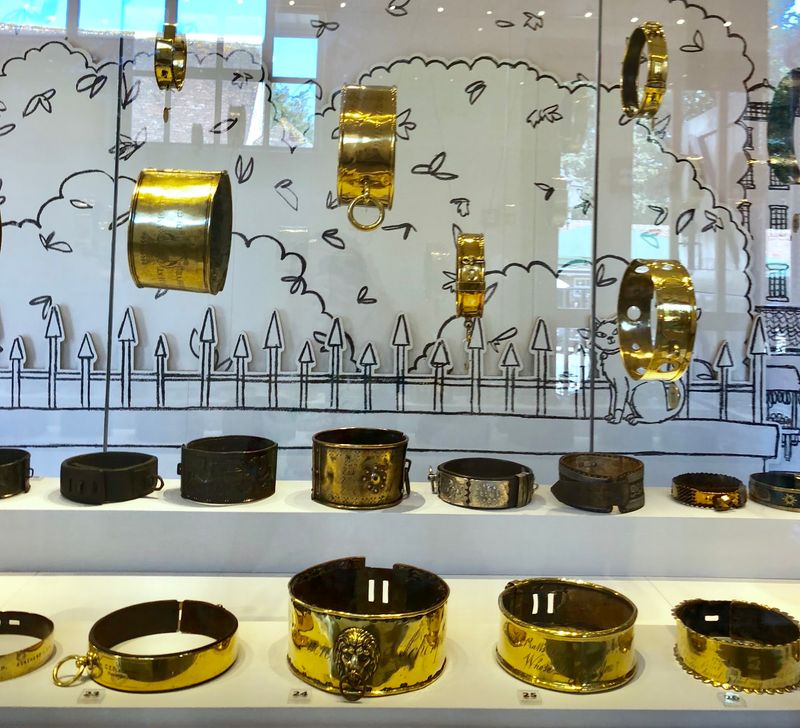
A medieval castle in Kent might seem like an odd place to encounter a dedicated collection of historic dog collars, but Leeds Castle has housed exactly that since 1977, when historian Gertrude Hunt donated over 60 pieces to the Leeds Castle Foundation in memory of her husband.
The collection now exceeds 130 rare items and spans roughly five centuries of canine neckwear. A Spanish iron herd mastiff collar from the late 1400s represents the protective end of the spectrum, designed to guard working dogs against wolves and bears.
Later pieces shift dramatically in character, with ornate gilt Baroque collars, intricately chased 19th-century silver examples bearing personalized inscriptions, and 20th-century creations made from tires, beads, and plastic.
Housed in the castle’s former stables, the museum is compact but carefully presented, offering an unexpectedly rich window into how the human-dog relationship has changed across the centuries. Children and adults both find it engaging.
8. Deutsches Knopfmuseum, Bärnau, Germany
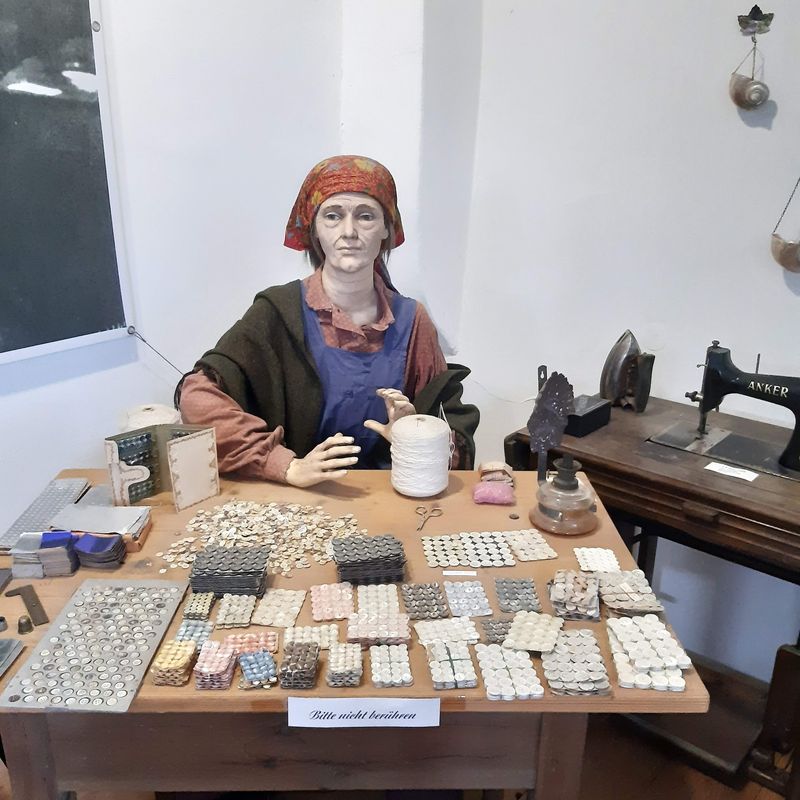
Bärnau once supported 32 active button companies, making this small Bavarian town an unlikely capital of the global fastener industry. The Deutsches Knopfmuseum, opened in 1975 and relocated to a former municipal brewery in 1998, preserves that history in remarkable depth.
Its collection displays buttons crafted from 26 different materials, spanning four centuries of fashion and manufacturing. Mother-of-pearl, a regional specialty tied to the town’s first button factory established in 1895, features prominently alongside examples in wood, horn, glass, plastic, and various metals.
Historical machinery and original workbenches show how each material was processed.
Among the highlights are the world’s largest and smallest mother-of-pearl buttons, displayed side by side for maximum contrast. Life-sized figures dressed in garments covered with over 18,500 buttons turn the collection into something genuinely theatrical.
Tapestries woven with hundreds of buttons and a documentary film titled “Mother of Pearl” round out the experience for visitors who want the full picture.
9. Museo dell’Ombrello e del Parasole, Gignese, Italy
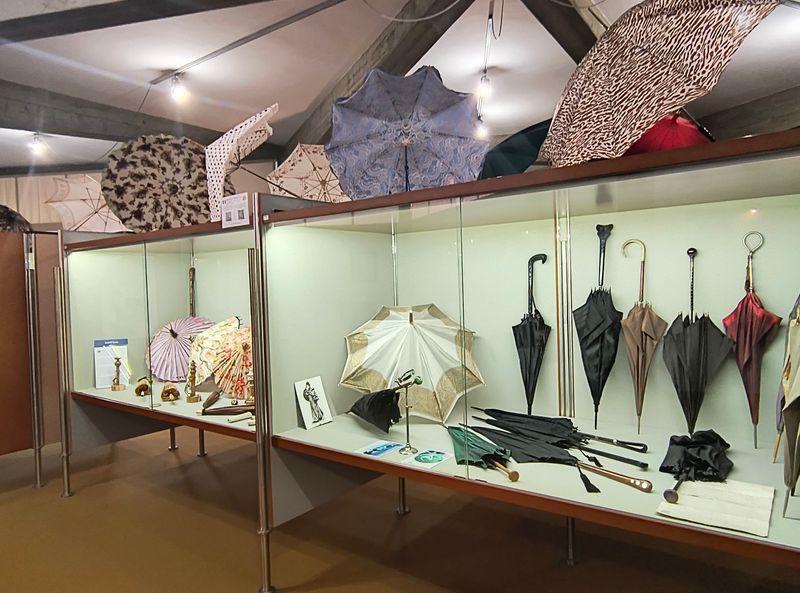
The roof of this museum near Lake Maggiore is designed to resemble three open umbrellas standing side by side, which immediately signals that Gignese takes its subject very seriously. The Museo dell’Ombrello e del Parasole, the only museum in the world solely dedicated to umbrellas and parasols, first opened in 1939 and moved into its current purpose-built home in 1976.
Around 1,500 objects fill the collection, including umbrellas, parasols, elaborate handles, walking sticks, and tools from traditional workshops. Ground floor displays trace parasol and umbrella fashion from the early 1800s to the present, with coverings in lace, silk, cotton, and synthetic fibers supported by frames in wood, bone, and metal.
Historically significant pieces include parasols belonging to Queen Margherita of Savoy and the patriot Giuseppe Mazzini. An upper floor documents the “ombrellai,” the itinerant umbrella makers from this region who spread their trade across Europe and South America, and even reveals the secret dialect they used among themselves.
10. Museo dei Cavatappi, Barolo, Italy
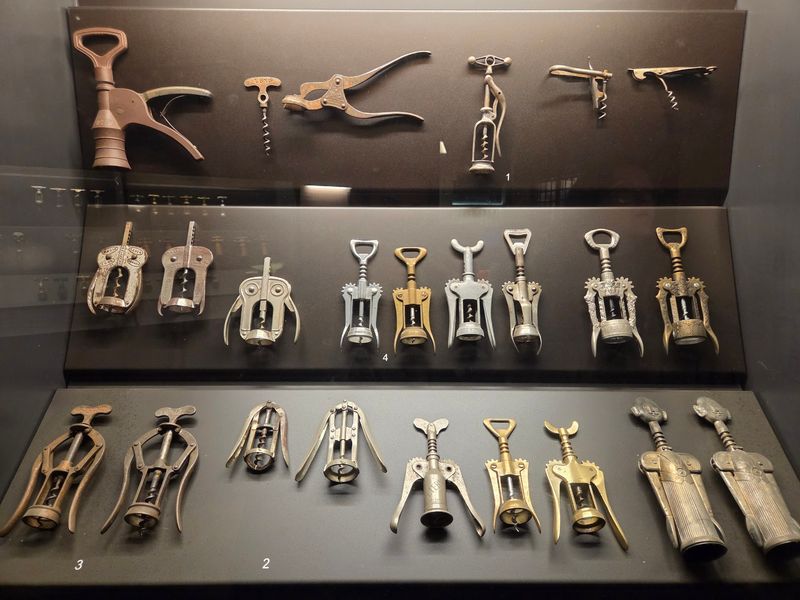
Local chemist Paolo Annoni spent years accumulating antique corkscrews before his collection of 500 to 600 specimens became the foundation of a dedicated museum in the heart of Italian wine country. The Museo dei Cavatappi opened in 2006 inside a beautifully restored former wine cellar adjacent to Barolo’s historic castle.
Nineteen sections trace the corkscrew from its possible origins as a military bullet-screw in the mid-1600s through increasingly inventive mechanical designs. Early T-shaped examples in wood, iron, brass, bone, horn, and mother-of-pearl sit alongside elaborate rack-and-cogwheel systems, single and double-levered mechanisms, and pocket-sized multi-tools.
A dedicated section covers miniature corkscrews commissioned by nobility specifically for perfume vials and medicine bottles, some bearing family crests. Decorative figurative examples, advertising pieces, and a collection of antique postcards featuring corkscrews show how this simple tool embedded itself into cultural history.
An on-site bookshop sells local wines and modern corkscrews for visitors wanting a practical souvenir.
11. Museum Brot und Kunst, Ulm, Germany
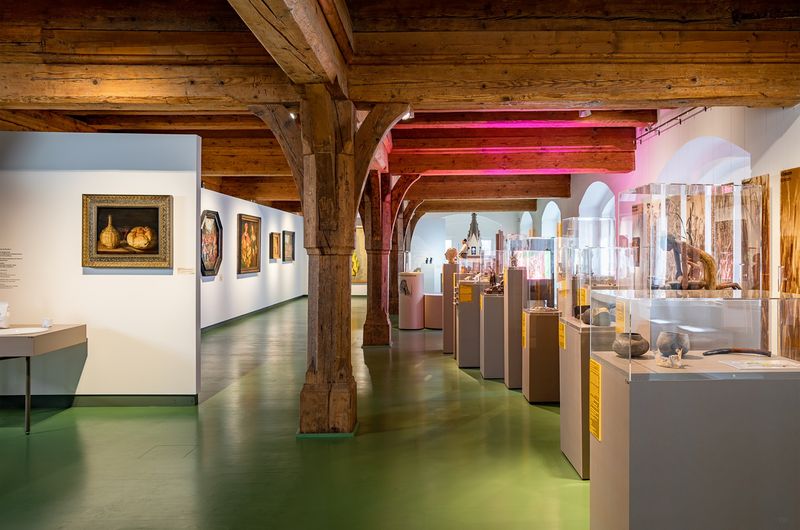
Not a single crumb of actual bread is on display here, which is exactly the point. The founders of Ulm’s Museum Brot und Kunst believed bread should be eaten fresh, not preserved behind glass, so instead they built a collection of 18,000 to 20,000 objects that explore everything bread has meant to human civilization across 6,000 years.
Founded in 1955 by Willy and Hermann Eiselen, father-and-son entrepreneurs from the bakery trade, this was the world’s first museum dedicated to bread. The building itself adds historical weight: a Renaissance-era Salzstadel constructed in 1592 that once stored salt and grain for the region.
The exhibition divides into two complementary sections. One showcases a fine art collection featuring works by Rembrandt, Picasso, and Chagall, all of whom engaged with bread as a subject.
The other presents 19 thematic installations covering ancient grain farming, milling, flatbreads versus leavened varieties, and a media installation on the future of global food security.
12. Clockarium, Brussels, Belgium
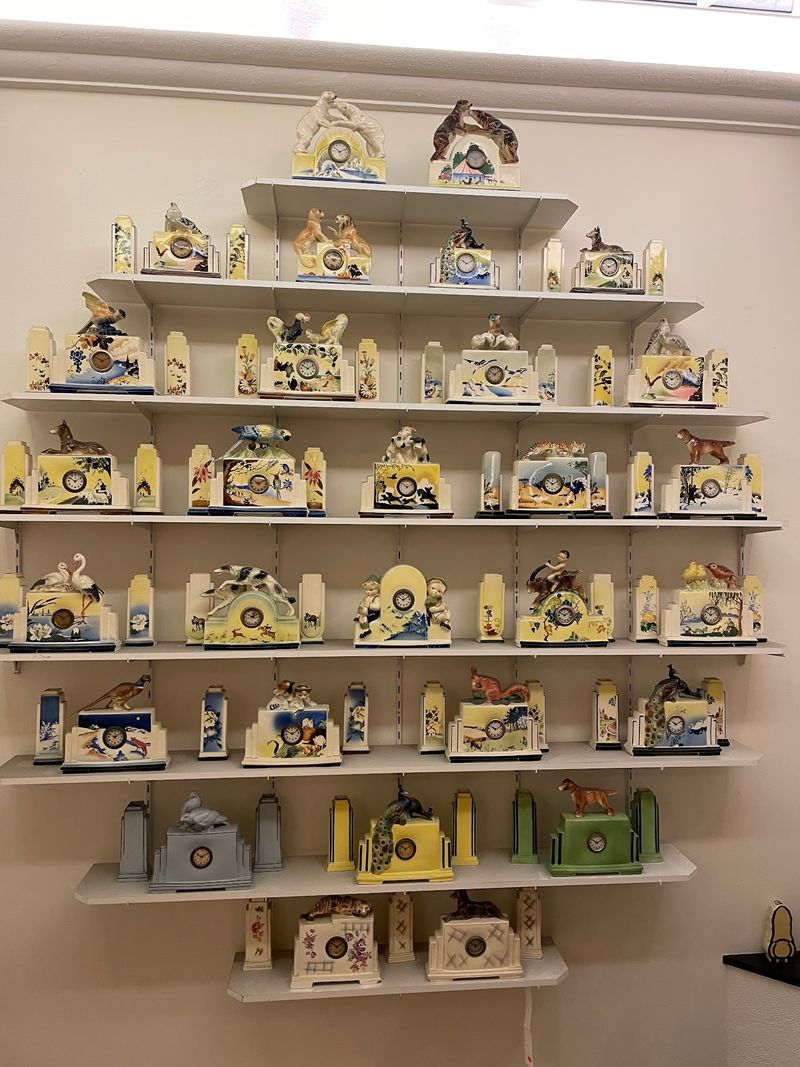
Around 4,000 brightly colored ceramic mantel clocks fill a 1935 Art Deco house in Brussels, with approximately 1,000 to 1,300 pieces arranged across three floors for visitors to examine. The building itself was designed by Belgian architect Gustave Bossuyt and features a decorative fountain in the entrance hall that sets the period mood immediately.
These faience clocks became enormously popular in Belgium and Northern France throughout the 1920s and 1930s because they were the first timepieces most ordinary households could actually afford. Manufacturers responded to that demand with millions of variations in shape, color, and decoration, creating an accidental archive of interwar domestic taste.
The Clockarium organizes its displays by country of origin, dedicating floors to French and Czech, Belgian, and other European examples, including a room devoted to later, more extravagant styles. Production of these clocks declined sharply after World War II as wristwatches captured public interest.
Guided tours reveal the social stories behind individual pieces.
13. National Playing Card Museum, Turnhout, Belgium
Turnhout earned its nickname as Belgium’s city of printers partly because of its long association with playing card production, making it the natural home for a museum that traces over 400 years of card-making history. The National Playing Card Museum opened in 1965 and settled into its current restored industrial building in 1988.
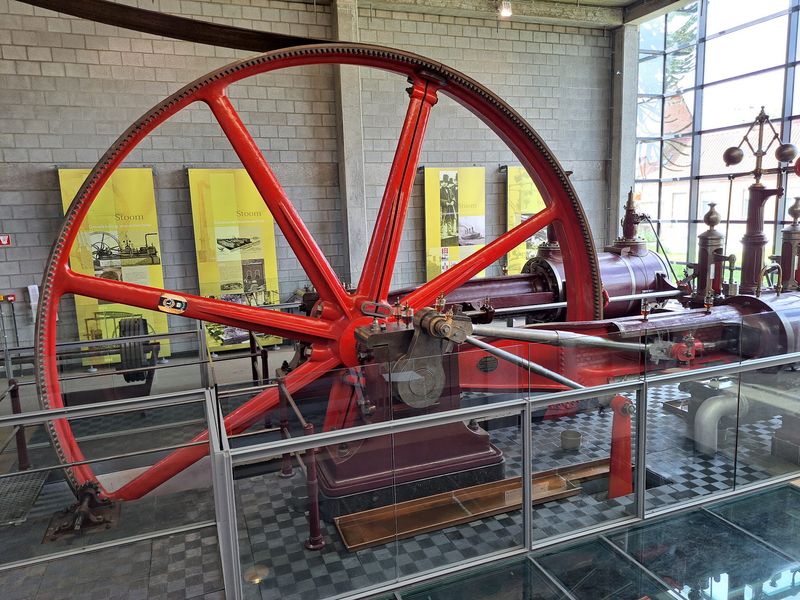
Original cards dating to the early 1500s anchor the permanent collection, while historical printing machinery brings the manufacturing process to life. The star exhibit is a 19th-century steam engine that operates during special demonstrations, showing visitors every step from shaping the paper to achieving a finished glossy surface.
Temporary exhibitions have covered the darker cultural history of cards, including religious controversies, fortune-telling practices, and fraud. A 1567 dragon-themed deck and World War I propaganda cards add quirky highlights.
The “Room of the Future,” created with global card manufacturer Cartamundi, explores digital gaming through interactive screens. Visitors leave with a complimentary card from Bin 60.
14. The Fan Museum, Greenwich, London, England
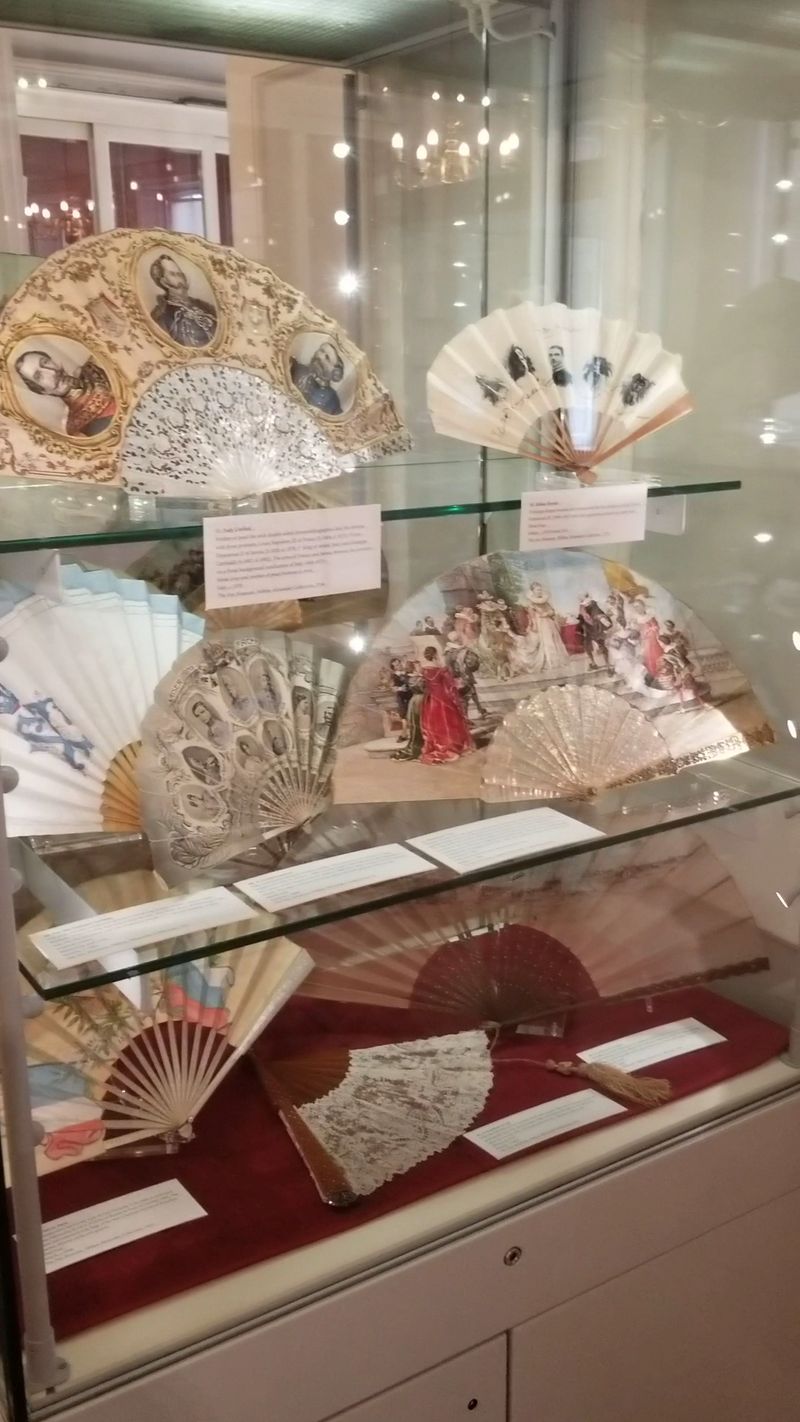
Hélène Alexander, a world authority on fans, and her husband Dicky opened this Greenwich museum in 1991 with a clear mission: to preserve objects that most fashion historians had overlooked entirely. The collection now spans more than 1,000 years of fan history and encompasses over 7,000 objects from around the world.
Housed inside two restored Grade II-listed Georgian townhouses built in 1721, the setting suits the collection perfectly. Fans crafted from vellum, exotic feathers, tortoiseshell, mother-of-pearl, and silverwork represent styles ranging from Renaissance formality to Art Nouveau fluidity and Art Deco geometry.
An exceptionally rare 11th-century Peruvian fan anchors the oldest end of the timeline.
Highlights include works by Paul Gauguin and Walter Sickert, a rare Elizabethan-period example, and practical novelty fans fitted with printed maps or tiny ear trumpets. Queen Camilla has lent items from her personal collection for special exhibitions.
A Japanese-style garden with a fan-shaped parterre and regular fan-making workshops complete the visit.
15. Lock Museum of America, Terryville, Connecticut
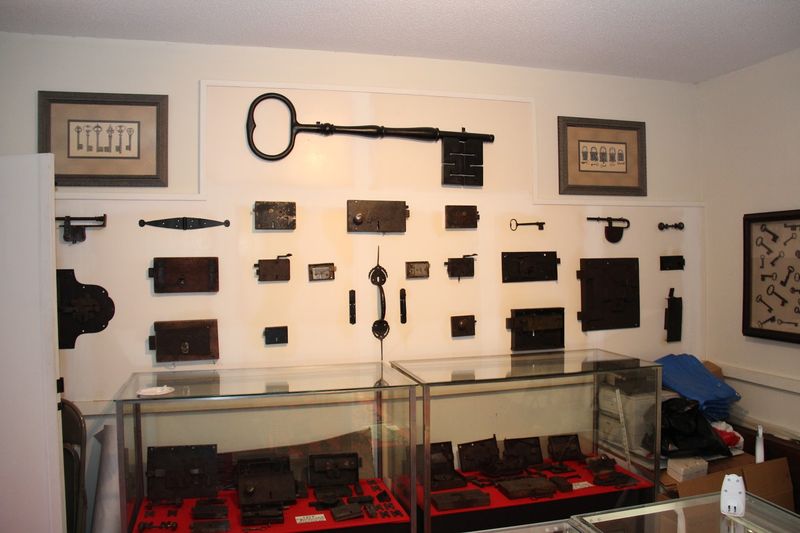
Locksmith Thomas F. Hennessy founded this museum in 1972 by merging his personal collection with artifacts from the Eagle Lock Company, which had operated directly across the street since 1854.
The building itself once served as the Eagle Lock Company headquarters and later as the town hall, complete with an original jail cell still visible on site.
Eight themed rooms cover an astonishing range of security history, from a 4,000-year-old Egyptian pin-tumbler lock to elaborate Victorian door hardware, some of it gold-plated and enameled. The Eagle Lock Room presents over 1,000 locally manufactured items.
The Bank Lock Room contains early time locks and a peculiar 1930 model designed to spray tear gas at would-be safecrackers.
A 7,000-pound cannonball safe, a 17th-century Armada trunk, Linus Yale Jr.’s original 1865 patent model for the Mortise Cylinder Pin Tumbler Lock, and antique handcuffs all appear across the displays. An on-site escape room uses real antique locks and safes to challenge visitors interactively.
Share this story