Soaking in warm, mineral-rich water is one of the oldest ways people relax, and it still draws travelers across the globe. Natural hot springs form when water is heated deep underground and rises to the surface.
From snowy mountains to tropical jungles, each spot on this list offers its own setting and style. Here are 15 places where you can see, and often enjoy, the earth’s natural warmth.
1. Blue Lagoon, Grindavík, Iceland
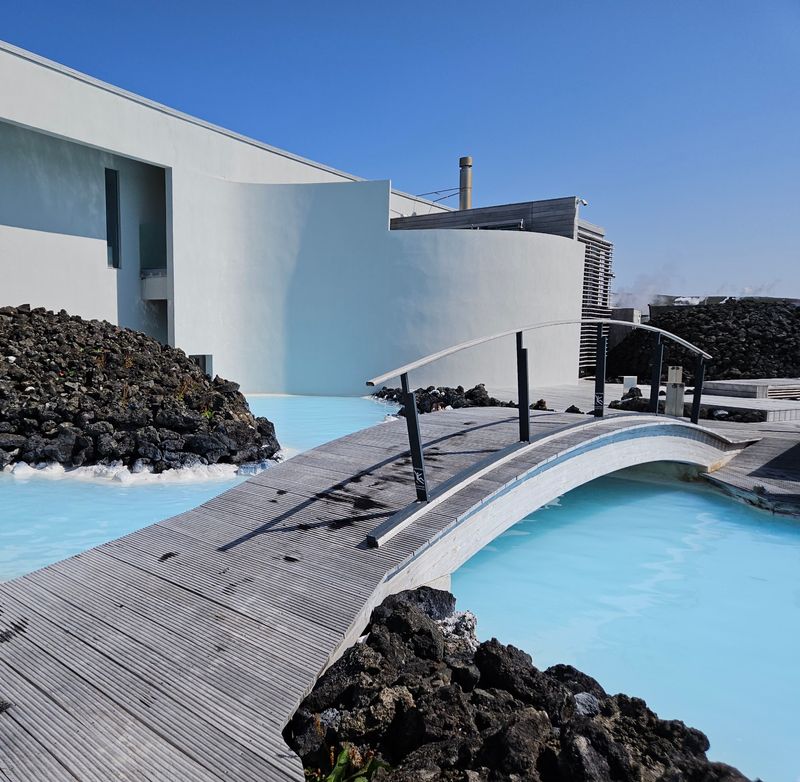
Picture warm, milky-blue water steaming against a field of black lava rock. That is the scene at the Blue Lagoon, one of Iceland’s best known stops.
The water gets its color from silica and other minerals.
The lagoon is man-made, but it is fed by geothermal water from a nearby power plant. The water stays at a comfortable temperature of about 37 to 39 degrees Celsius, even when the weather outside is cold.
Booking ahead is wise, since entry times often sell out, especially in summer. Many visitors scoop the white silica mud into their hands and spread it on their skin as a face mask.
The lagoon sits close to Keflavík Airport, so it works well as a first or last stop on a trip. Wear a swimsuit you do not mind getting a little dry afterward, because the minerals can leave hair feeling stiff.
2. Pamukkale, Denizli, Turkey
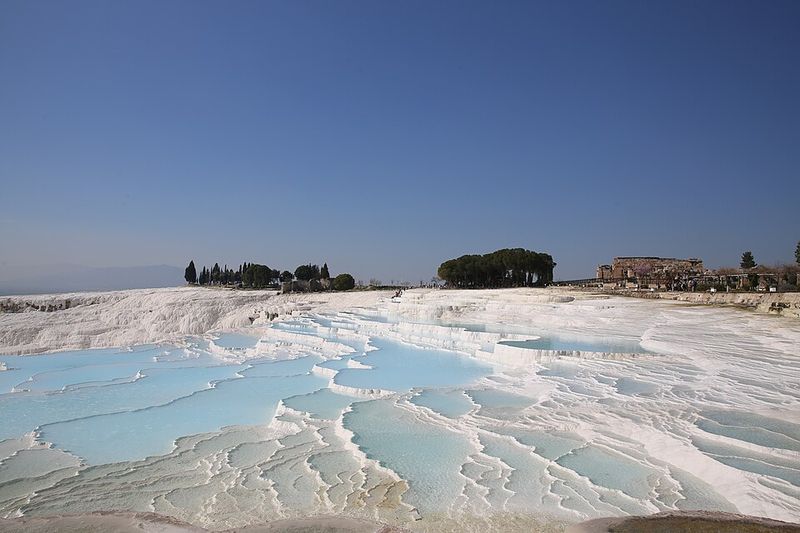
Pamukkale means cotton castle in Turkish, and one look at the hillside explains why. Bright white terraces step down the slope, each holding shallow pools of pale blue water.
The UNESCO World Heritage site was formed over thousands of years by mineral-rich thermal water.
Visitors walk barefoot on the terraces in areas where it is permitted, which helps protect the delicate stone. Sturdy shoes are still useful for the paths around the site.
Right above the terraces lie the ruins of Hierapolis, an ancient Greek and Roman spa city. You can swim among submerged marble columns in the Antique Pool, a popular spot for a warm dip.
Go early in the morning or near sunset to avoid the biggest crowds and the strongest heat. Bring sunglasses, since the white stone reflects sunlight brightly.
3. Jigokudani Monkey Park, Yamanouchi, Japan
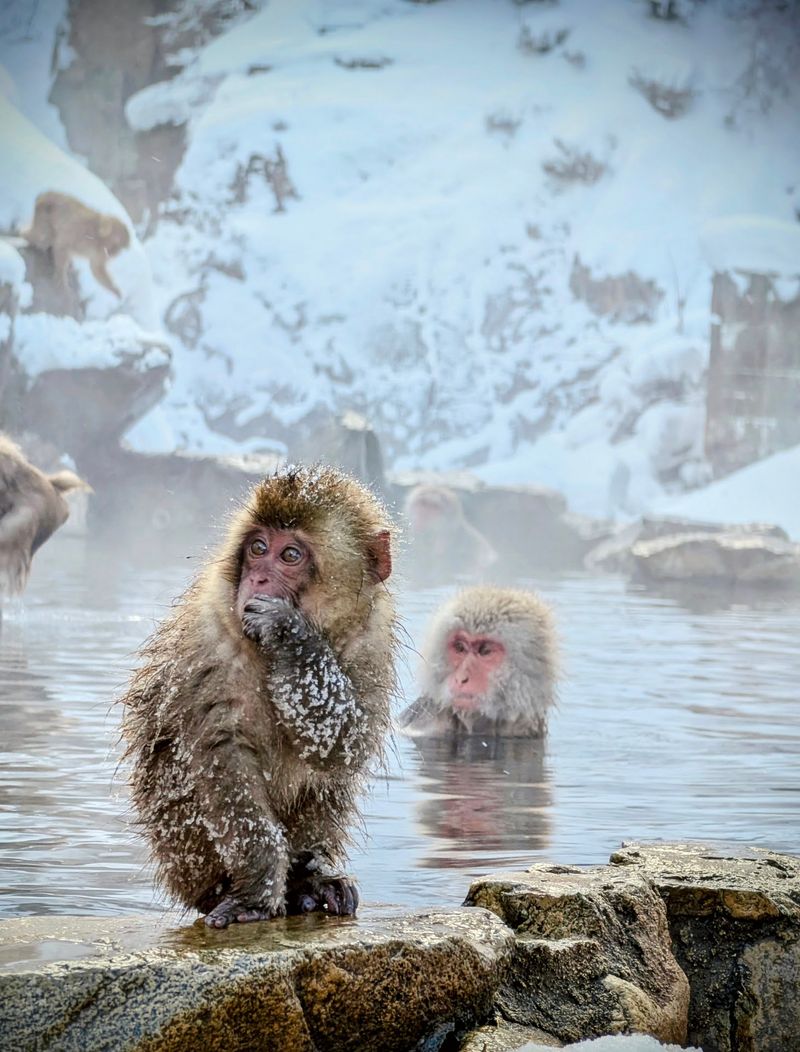
Few sights are as charming as a snow-dusted monkey with its eyes half closed in a steaming pool. At Jigokudani, wild Japanese macaques really do bathe in hot springs during winter.
The name means Hell’s Valley, a nod to the steam and rocky cliffs nearby.
Here the monkeys are the guests of honor. Visitors watch from a respectful distance and are not allowed to soak in the monkeys’ pool.
The park is reached by a walk of about 30 minutes through a forest trail, so wear warm, waterproof boots. The path can be icy in January and February.
For a soak of your own, nearby towns such as Shibu Onsen have traditional bathhouses. Keep food hidden and avoid eye contact with the animals, as park rules advise.
4. Terme di Saturnia, Saturnia, Italy
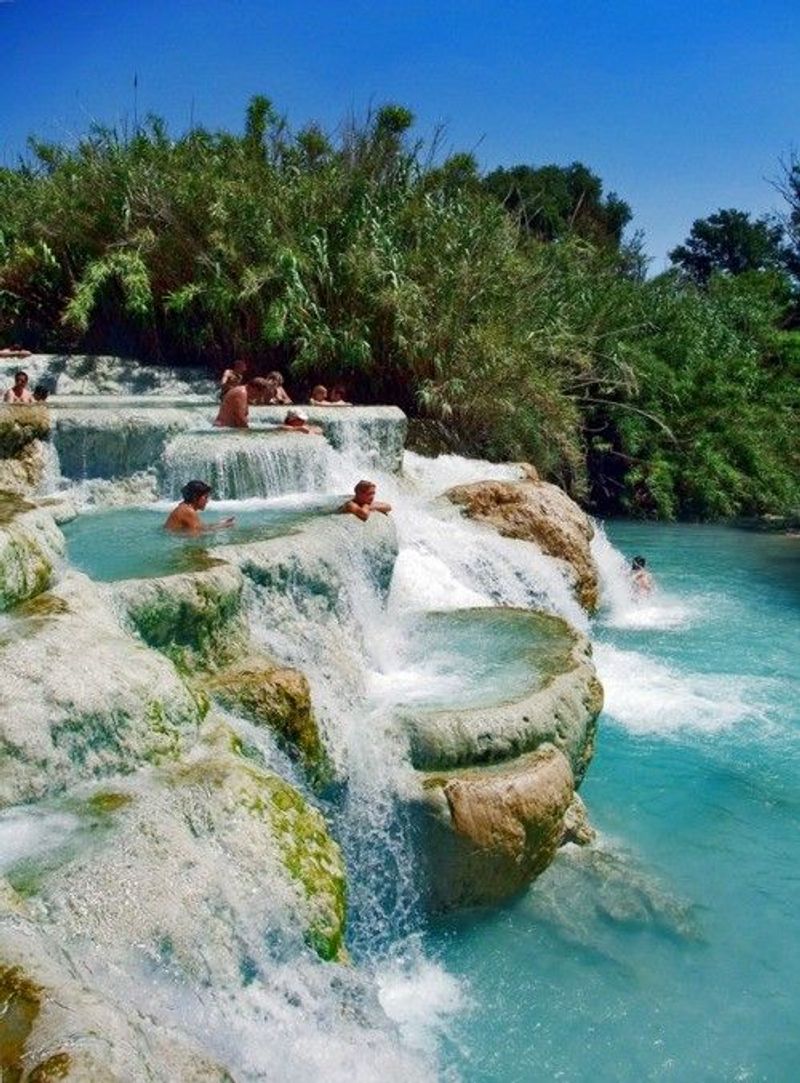
Tuscany is known for rolling hills and vineyards, but it also hides a steamy secret. Near the village of Saturnia, warm water tumbles over white limestone ledges and settles into natural pools.
This spot is called Cascate del Mulino.
The water stays around 37 degrees Celsius all year and carries a noticeable sulfur smell. Locals say that scent is a sign of the minerals the water is known for.
The falls are free to visit, which makes them popular with both travelers and locals. Arrive early or late in the day to find a quiet pool, and wear water shoes because the rocks can be slippery.
The nearby Terme di Saturnia resort offers a more polished experience, with spa services and changing rooms. Many visitors enjoy a sunset soak followed by a simple Tuscan dinner in the village.
5. Banjar Hot Springs, Bali, Indonesia
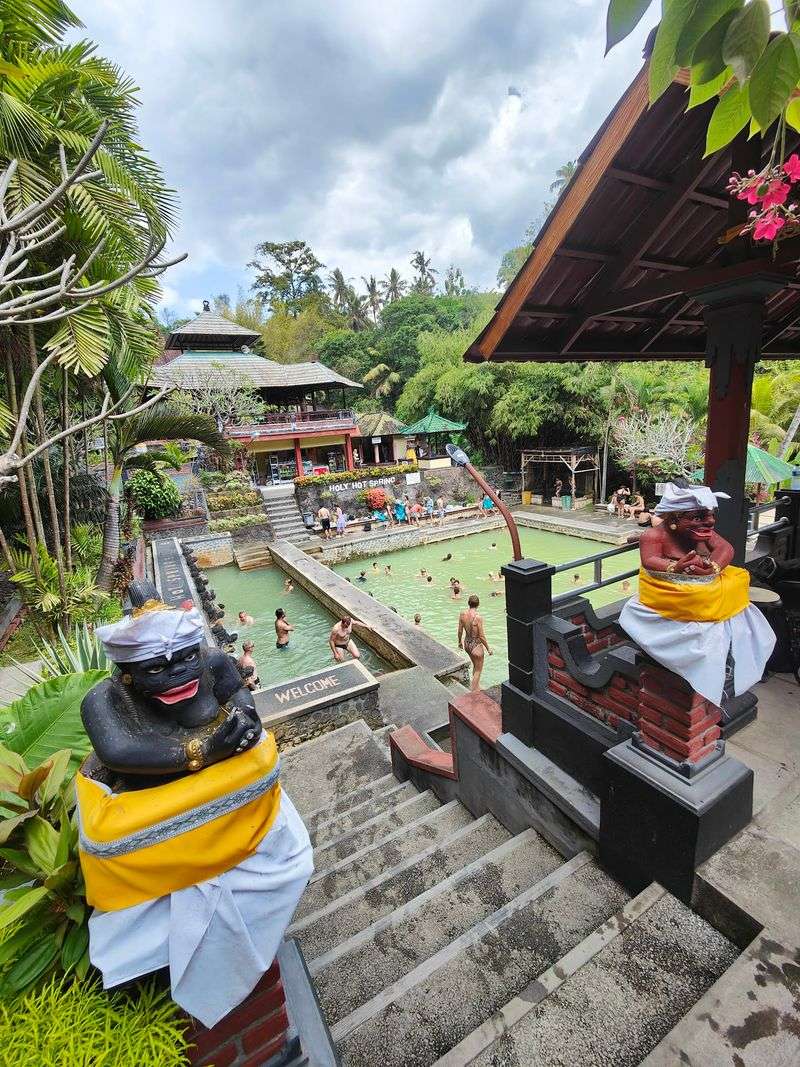
Tucked into the green hills of northern Bali, Banjar Hot Springs feels like a hidden garden. Warm mineral water pours from carved stone spouts into a series of tiered pools.
Tropical plants hang over the edges and birds call from the trees.
The water is rich in sulfur and is often described as soothing after a day of hiking or sightseeing. The pools are set at slightly different levels, so you can move around to find your favorite temperature.
Visit in the morning, when the air is cool and fewer people have arrived. Bring a towel and a change of clothes, though rentals are usually available on site.
The springs are close to Lovina Beach and Gitgit Waterfall, so they fit neatly into a day of exploring the north coast.
6. Polynesian Spa, Rotorua, New Zealand
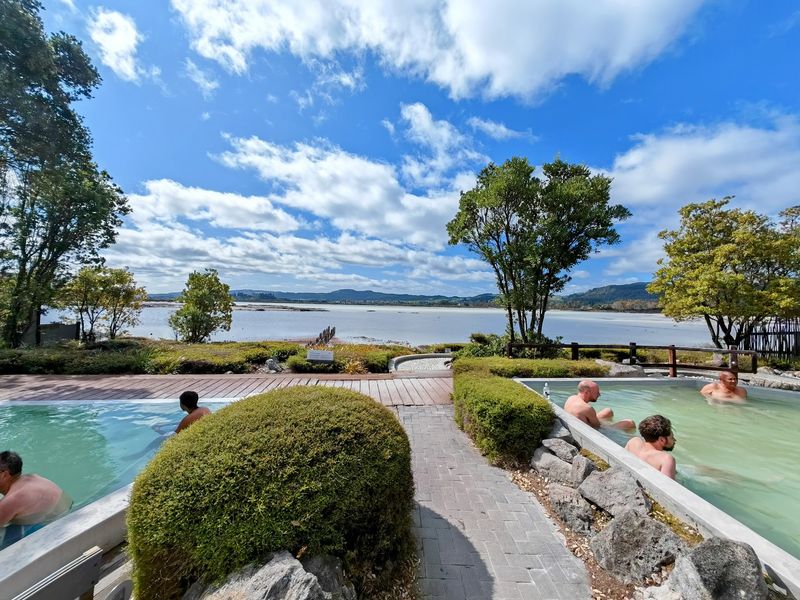
Rotorua is a city where steam drifts up from sidewalks and the air carries a faint egg-like scent. That is the sign of strong geothermal activity beneath the ground.
Polynesian Spa lets visitors enjoy that energy in comfort.
Its pools sit right on the shore of Lake Rotorua, so you can soak while watching the sky change colors. Waters come from two natural springs, one acidic and one alkaline, and each pool has a different temperature.
Sunset is a favorite time to visit, though it is also the busiest. Booking a time slot ahead of your trip helps you avoid disappointment.
The area also has rich Maori culture, and many local tours share stories about how Maori communities have used the thermal waters for generations.
7. Tabacón Hot Springs, La Fortuna, Costa Rica
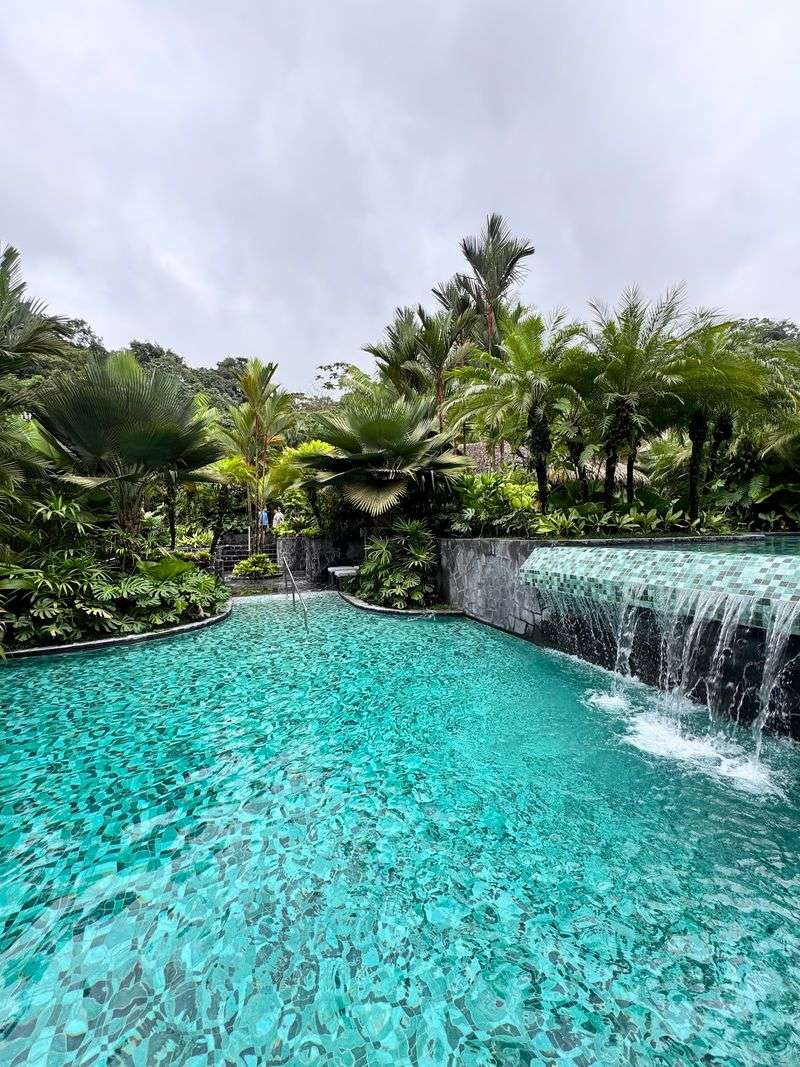
Costa Rica’s rainforest looks even more dramatic when you view it from a warm stream. At Tabacón, water heated by the Arenal Volcano winds through gardens full of ferns, palms, and bright flowers.
The air hums with insects and birdsong.
The thermal river is naturally heated and flows at temperatures that vary from gentle to quite hot. Several pools are placed along the stream, so you can choose a spot that suits you.
Many visitors go in the late afternoon and stay into the evening, when lanterns light the paths. Pack insect repellent and a light rain jacket, because showers are common in this region.
La Fortuna also offers waterfalls, hanging bridges, and wildlife tours, so the hot springs make a relaxing end to an active day.
8. Ma’in Hot Springs, near Madaba, Jordan
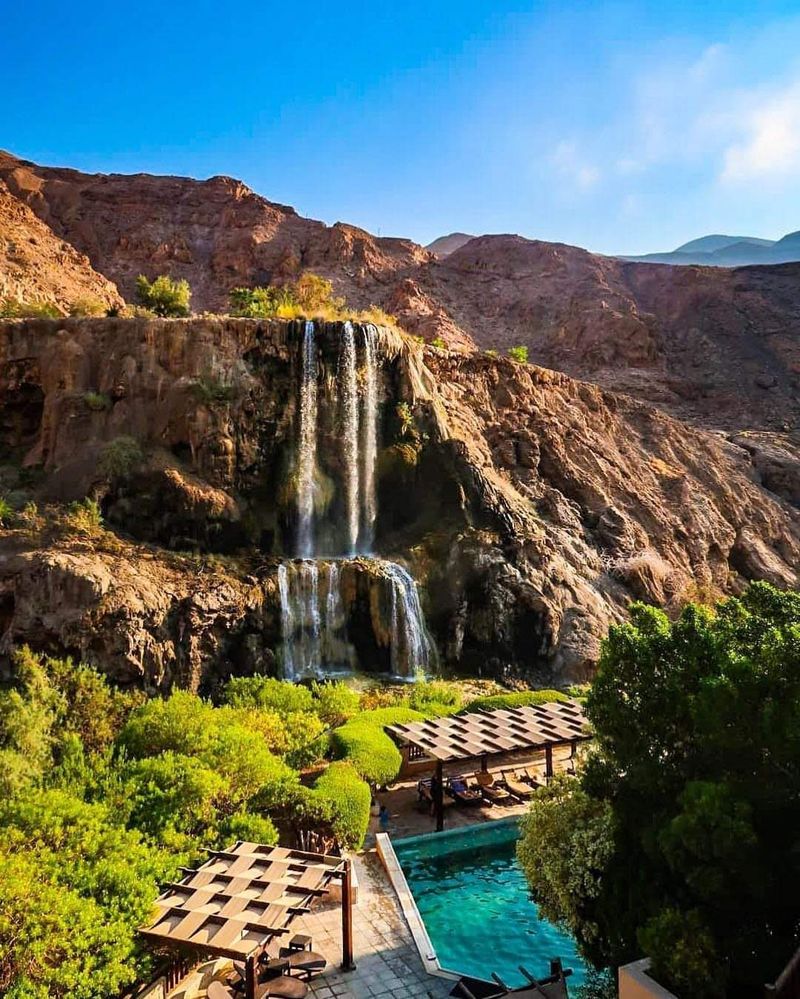
Deep in the Jordanian desert, a surprise waits at the bottom of a canyon. Hot water spills down rocky cliffs in steaming waterfalls, flowing into pools below.
Ma’in Hot Springs is a striking mix of dry landscape and warm, running water.
The springs are found about 264 meters below sea level, not far from the Dead Sea. Temperatures in some falls can reach around 60 degrees Celsius, so test the water carefully before stepping in.
A resort here has pools of more comfortable temperatures, along with spa treatments. Visitors often combine the springs with a float in the Dead Sea or a stop in nearby Madaba, famous for its ancient mosaics.
Wear modest swimwear, as is common in Jordan, and bring plenty of drinking water.
9. Széchenyi Thermal Bath, Budapest, Hungary
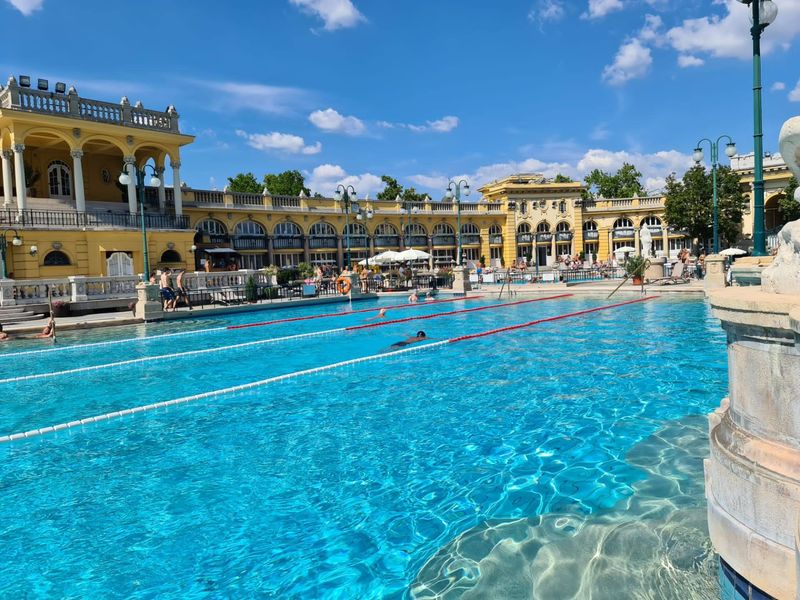
Budapest is sometimes called the City of Spas, and Széchenyi is its crown jewel. The bright yellow Neo-Baroque building opened in 1913 and still welcomes thousands of bathers each week.
It is among the largest medicinal bath complexes in Europe.
Inside you will find more than a dozen pools and several saunas. The outdoor pools are the stars, especially in winter, when steam curls up into the cold air.
A few older gentlemen playing chess in the water has become one of the bath’s best known sights. Bring flip-flops, a towel, and a swim cap if you plan to use the lap pool.
Weekday mornings are usually less crowded than weekends. Consider buying tickets online to skip the line at the entrance.
10. Termas Geométricas, near Coñaripe, Chile
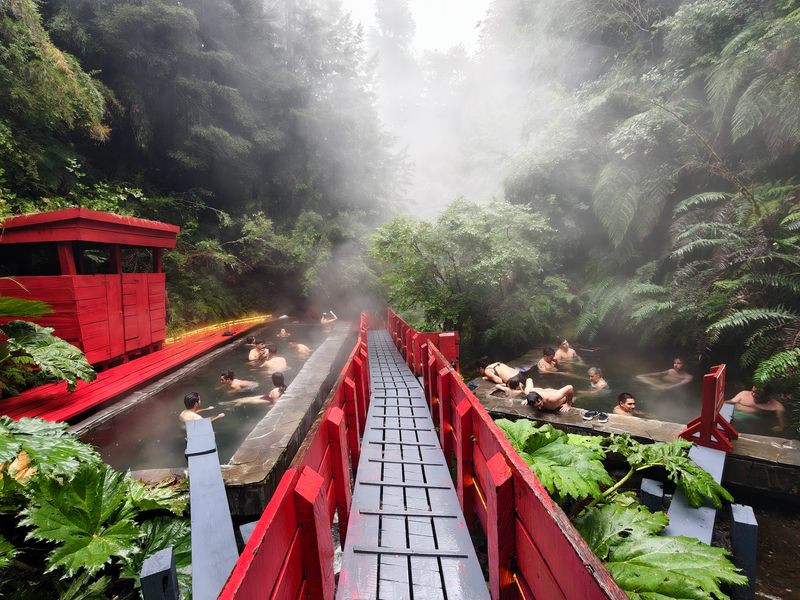
Bright red walkways cut through a green canyon like ribbons on a gift. That is the first view of Termas Geométricas, in the forests of southern Chile.
Twenty pools are placed along the stream, each one a short stroll from the next.
Hot spring water runs through the pools at different temperatures, from pleasantly warm to very hot. A few cold plunge spots are also available if you want to cool off.
The site is lit with candles and lanterns after dark, which gives it a calm, glowing feel. Bring a sturdy bag for your belongings, as there are few places to leave them dry.
Rain is common here, and soaking in warm water while it falls is a favorite local experience. The area is also close to volcanoes and hiking trails.
11. Beppu Onsen, Beppu, Japan
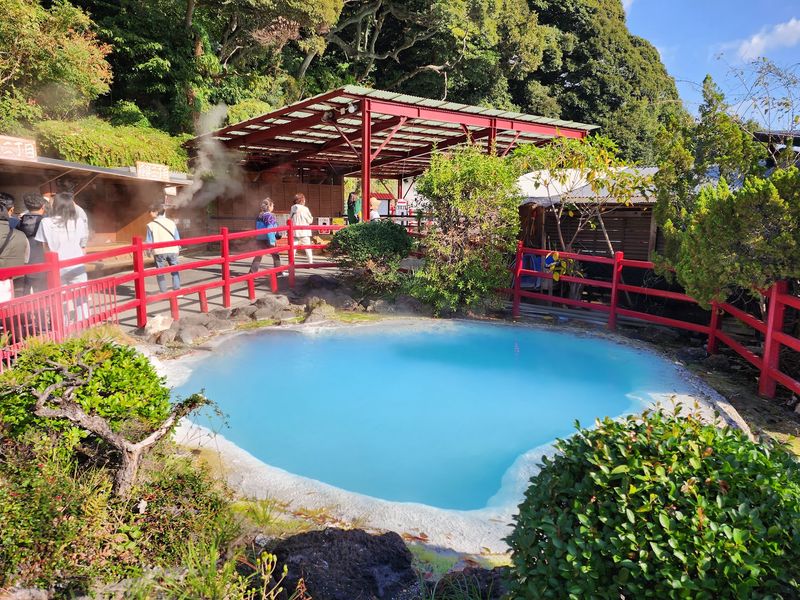
Steam rises from nearly every corner of Beppu, a seaside city on the island of Kyushu. It has more hot spring sources than almost anywhere else in Japan.
Walking its streets, you can see plumes drifting from drains, hotels, and hillsides.
Visitors can try several kinds of baths here. Options include traditional public bathhouses, mud baths, and even sand baths, where attendants bury you in warm, steaming sand along the beach.
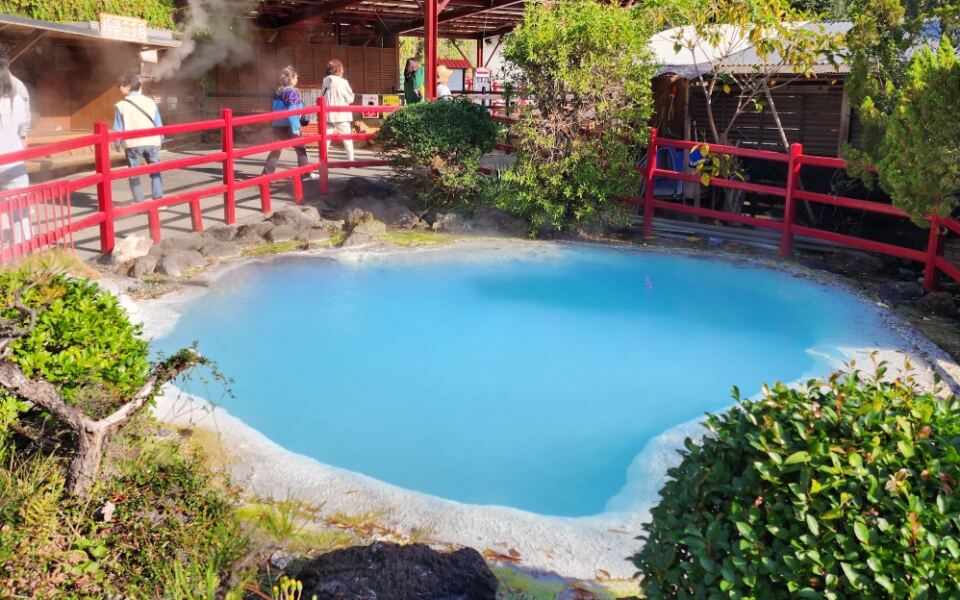
The famous Hells of Beppu are a group of dramatic geothermal ponds that are meant to be viewed, not entered. One is bright blood-red, while another is a vivid blue.
Many public baths cost only a few hundred yen. Remember to wash before entering any pool, as is the custom in Japan.
12. Termas de Papallacta, Papallacta, Ecuador
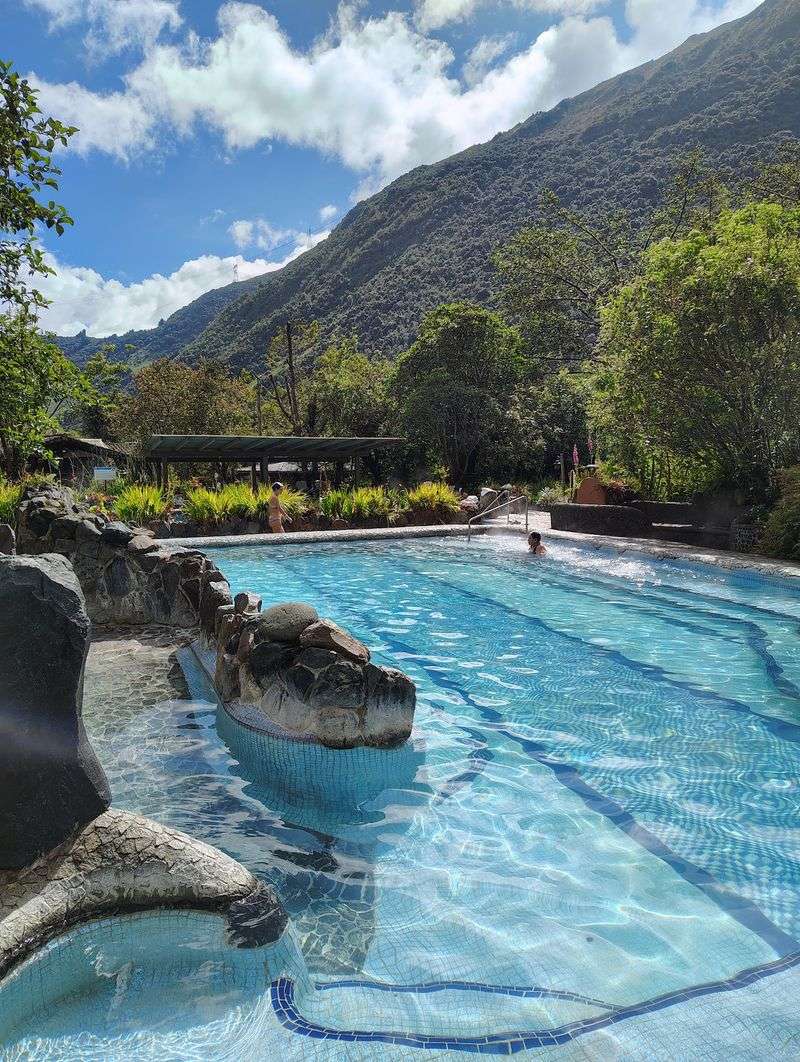
At around 3,300 meters above sea level, the air in Papallacta is thin and cool. That makes the warm pools feel even more welcoming.
Mist often hangs on the Andes peaks around the spa, adding to the dreamy mood.
The mineral water comes from the slopes of the Antisana and Cayambe volcanoes. Pools range from gently warm to very hot, and there are a few cold ones as well.
Because of the altitude, take it easy and drink lots of water. Heat and thin air can make some people dizzy, so limit your time in the hottest pools.
Papallacta is only about two hours from Quito, which makes it an easy day trip. Pack layers, since the weather in the mountains can change quickly.
13. Beitou Hot Springs, Taipei, Taiwan
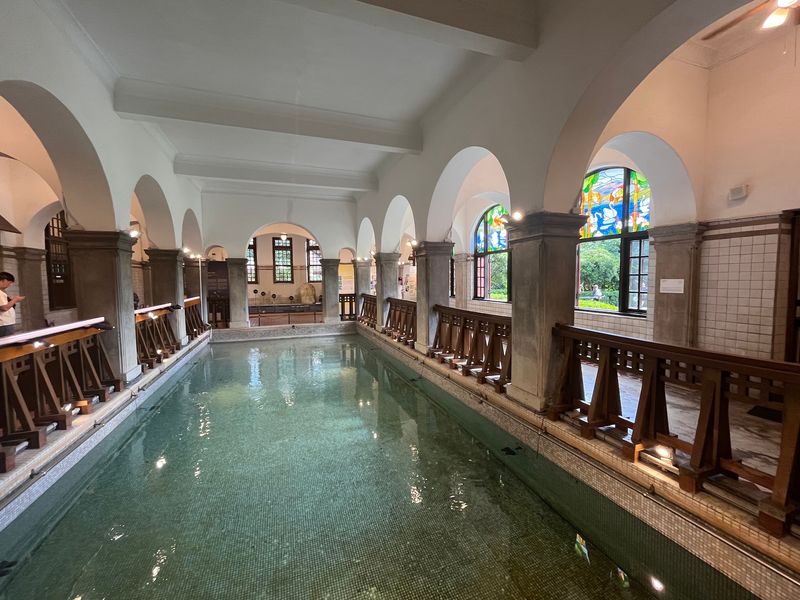
A short subway ride from downtown Taipei brings you to a district wrapped in steam. Beitou has been known for its hot springs since the early 1900s, when Japanese settlers built bathhouses here.
Some of those historic buildings are still open today.
At Thermal Valley, a green-blue pool gives off thick clouds of steam. The water there is far too hot for bathing, so it is a place to look and take photos only.
For a soak, you can choose between public pools and private rooms. Many hotels offer a private tub with views of the surrounding hills.
Visit the Beitou Hot Spring Museum to learn about the area’s history. Bring a small towel and arrive hungry, since nearby cafes serve tasty local snacks.
14. Terra Nostra Park, Furnas, São Miguel, Portugal
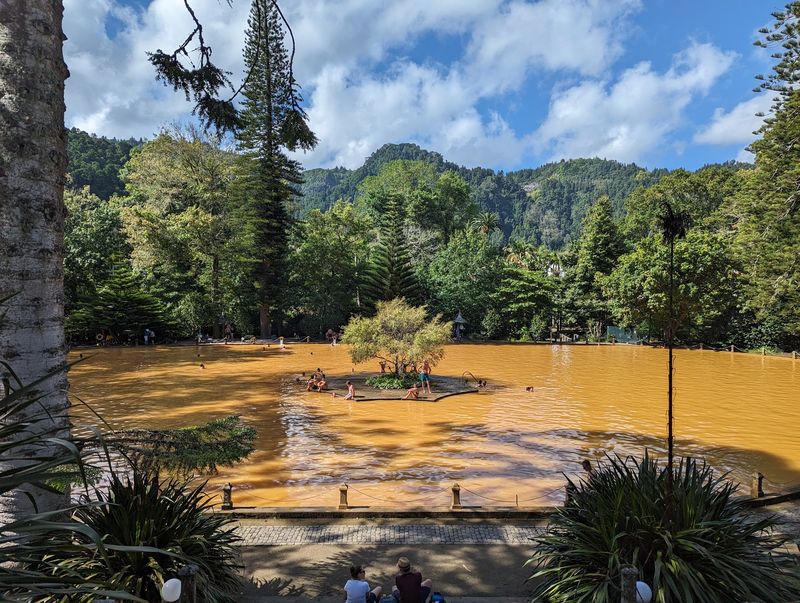
The water here is the color of strong tea, and that is no accident. High levels of iron give the big thermal pool at Terra Nostra Park its rusty orange-brown shade.
It sits in the middle of one of the Azores’ loveliest botanical gardens.
The water stays around 35 to 40 degrees Celsius. Because iron can stain, many visitors wear an older swimsuit that they will not mind losing color.
Walk through the gardens before or after your soak. Towering trees, camellias, and ferns from around the world grow along shaded paths.
The village of Furnas is also known for cozido, a stew cooked underground using volcanic heat. Many restaurants serve it at lunch, so it makes a tasty way to finish your visit.
15. Kusatsu Onsen, Gunma, Japan
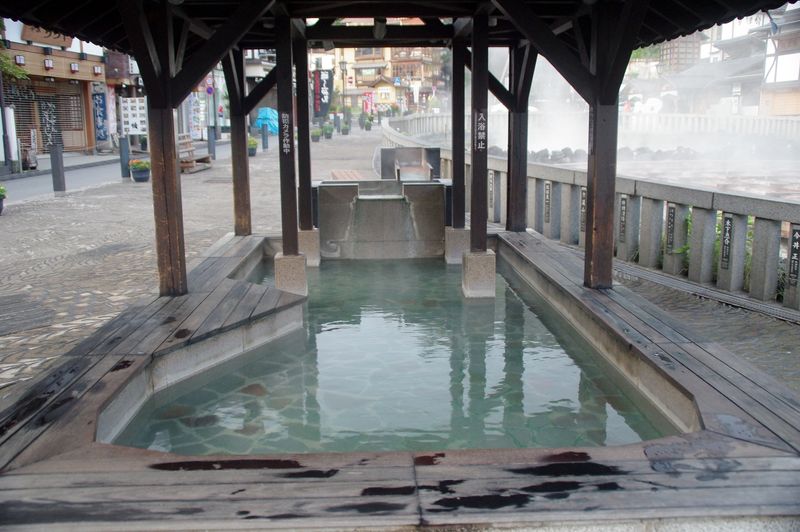
In the center of Kusatsu stands a sight that feels like a living landmark. The Yubatake, or hot water field, is a series of wooden channels that carry steaming, mineral-rich water through the middle of town.
The air smells slightly of sulfur, and the pale blue-green water glows in the evening.
Kusatsu is often ranked among Japan’s top hot spring towns. Its water is highly acidic, and for centuries people have visited to soak in it.
Try Sai-no-Kawara Park, a short walk away, where a stream of hot water runs through a wooded valley and an outdoor bath awaits.
Many visitors also watch a yumomi show, where performers stir the water with long boards to cool it. Pack a light jacket, since mountain evenings can feel cold.
Share this story