Grains and cereals fill plates, feed animals, and power industries on every continent. A handful of these crops supply most of the calories people eat each day.
Others are small but valued in certain regions for their flavor, resilience, or nutrition. Here is a look at fifteen grains that shape how the world eats.
1. Corn (Maize)
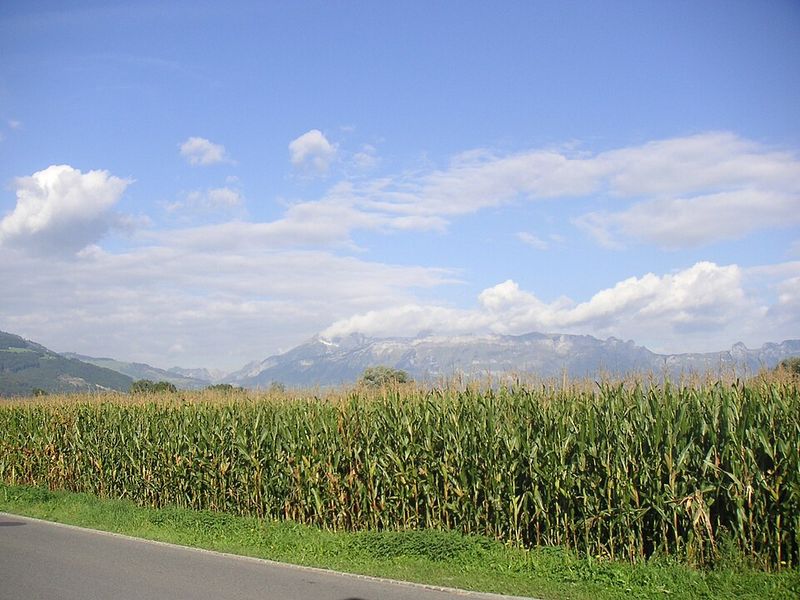
Few crops travel as far from the farm as corn. It becomes cereal, tortillas, cooking oil, animal feed, and even fuel for cars.
Corn is the largest cereal crop in the world by production volume.
The plant was first domesticated in southern Mexico thousands of years ago from a wild grass called teosinte. Early farmers slowly selected plants with bigger kernels, and the results are the ears we know today.
The United States, China, and Brazil lead global production.
Most corn does not end up on dinner plates as whole kernels. A large share goes to livestock feed, while another portion is turned into ethanol and food ingredients such as starch and syrup.
Sweet corn, the type people eat from the cob, is only a small slice of the total harvest.
2. Wheat
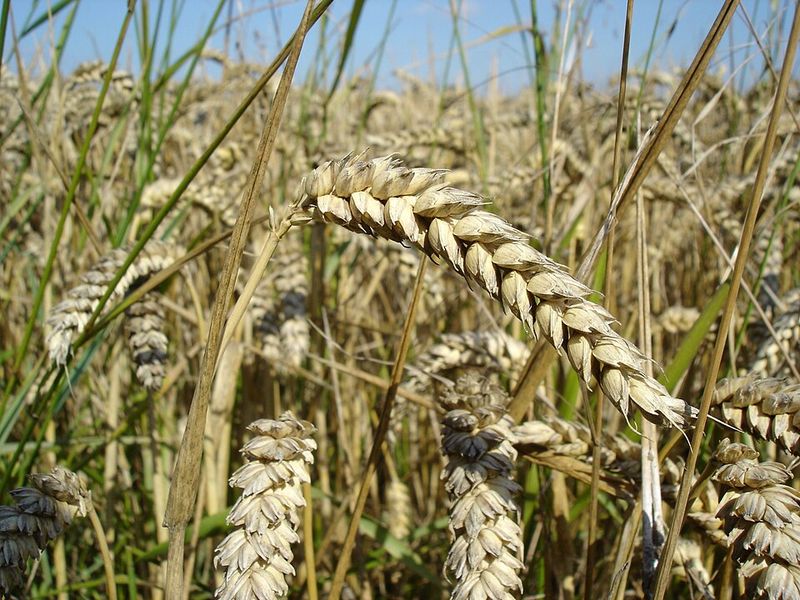
Picture a morning without toast, pasta, or noodles. For much of the world, that would be hard to imagine, because wheat is a daily staple on many continents.
Its flour makes bread, crackers, cakes, and countless other baked goods.
Wheat grows well in many climates, which helps explain its popularity. Farmers plant winter varieties in the fall and spring varieties after the last frost.
Major producers include China, India, Russia, and the United States.
The secret to wheat’s fame is gluten, a protein that gives dough its stretch and structure. Different types suit different foods.
Hard wheat works well for chewy bread, while soft wheat makes tender pastries. Durum wheat, the toughest of the group, is the classic choice for dried pasta.
3. Rice
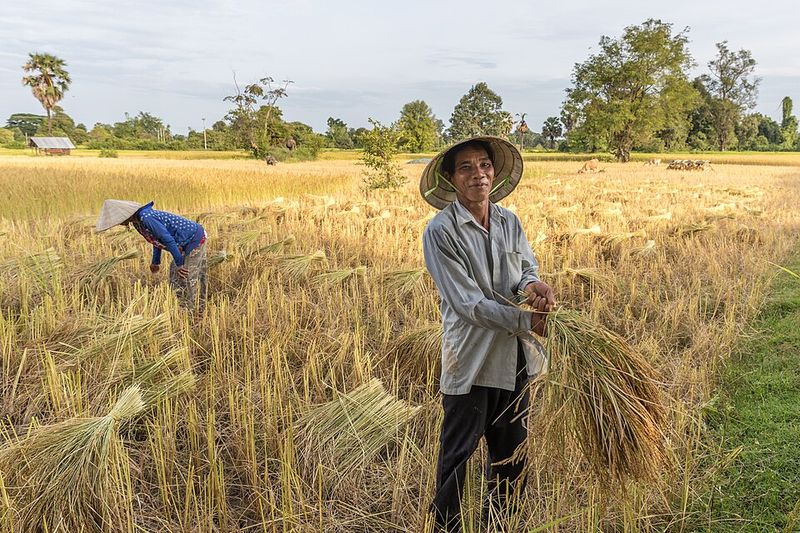
Billions of people sit down to a rice meal every single day. Across Asia especially, it is the center of the table, served plain, fried, steamed, or turned into noodles and sweets.
Rice is unusual because it often grows in flooded fields called paddies. The standing water helps control weeds and suits the plant well.
Farmers in places like China, India, Bangladesh, and Vietnam have shaped hillsides into terraces to grow it.
There are thousands of varieties, from long and fluffy basmati to short and sticky sushi rice. Brown rice keeps its outer bran layer, so it contains more fiber than white rice.
Rinsing rice before cooking can remove loose starch and give the grains a cleaner texture.
4. Barley
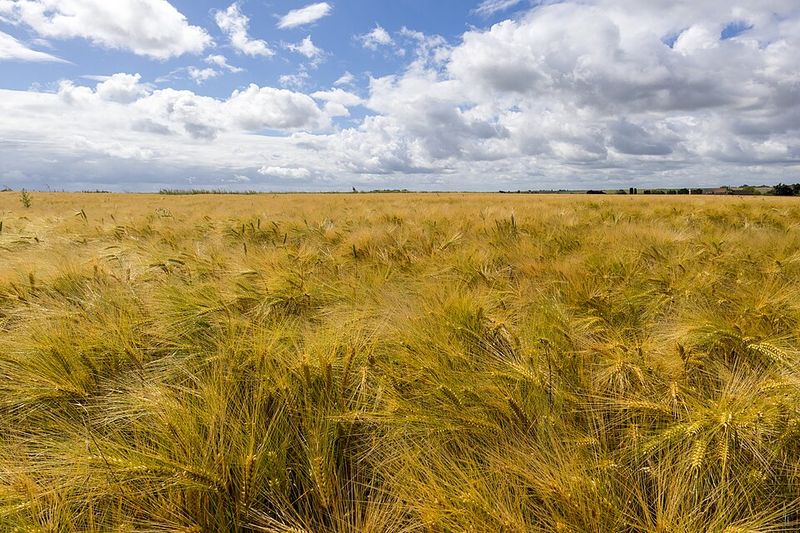
Raise a glass in a pub and you are probably toasting barley. Malted barley is the key ingredient in beer and whisky, and brewers have relied on it for thousands of years.
Brewing is only part of the story. A large portion of the world’s barley harvest feeds livestock, especially cattle and pigs.
People also eat it in soups, stews, and porridge, where pearled barley adds a chewy bite.
Barley is tough and adapts to cool, dry, and even slightly salty conditions, so farmers grow it in many regions. Ancient Egyptians and Greeks counted on it as a food source.
It is also rich in a fiber called beta-glucan, which studies link to heart health.
5. Sorghum
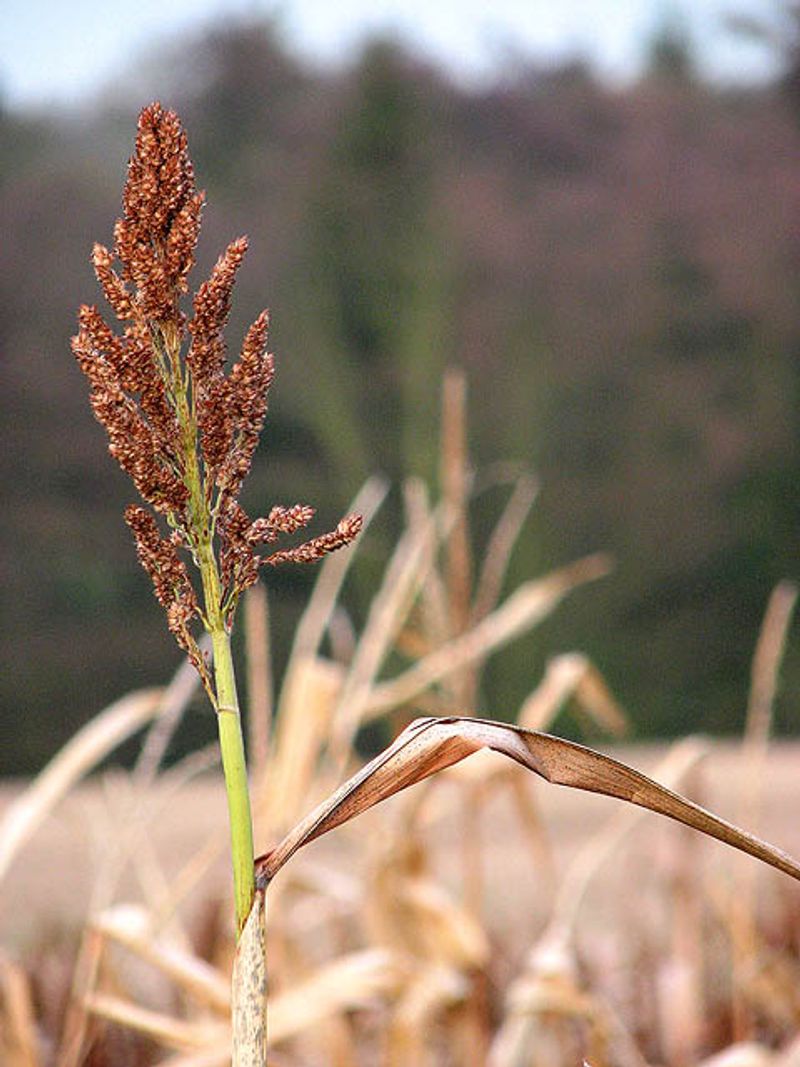
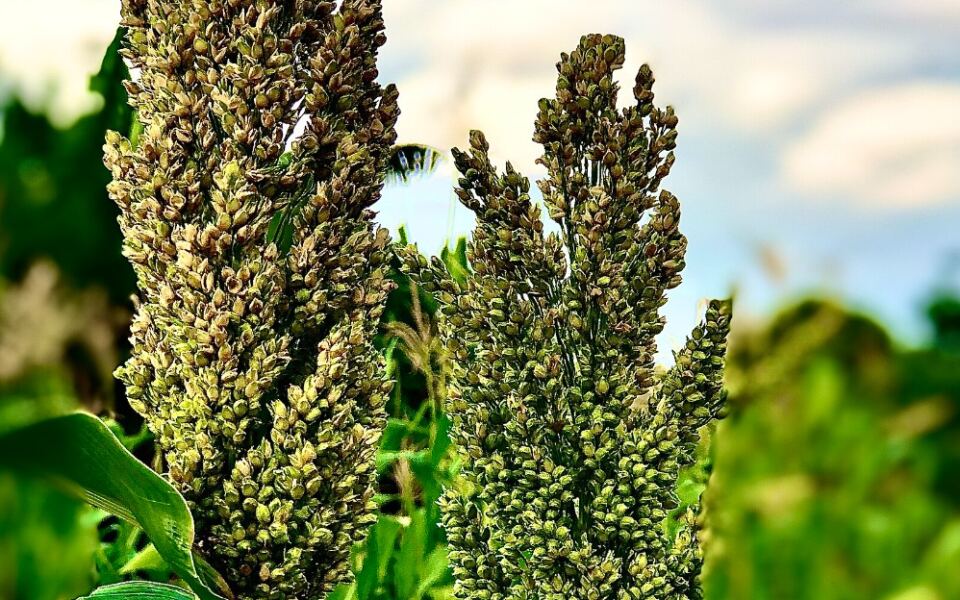
When rain is scarce, sorghum keeps growing. Its deep roots and waxy leaves help it survive heat and drought that would wither many other crops, which makes it a lifeline for farmers in dry areas.
Africa, Asia, and the Americas all grow it. In parts of Africa and India, people grind sorghum into flour for flatbreads and porridge.
In the United States, most of it goes to animal feed and some is used for ethanol.
Sorghum is naturally gluten-free, so it appeals to people who avoid wheat. Popped sorghum looks like tiny popcorn and makes a crunchy snack.
Some varieties have sweet stalks that are pressed to make syrup, similar to how sugarcane is processed.
6. Millet
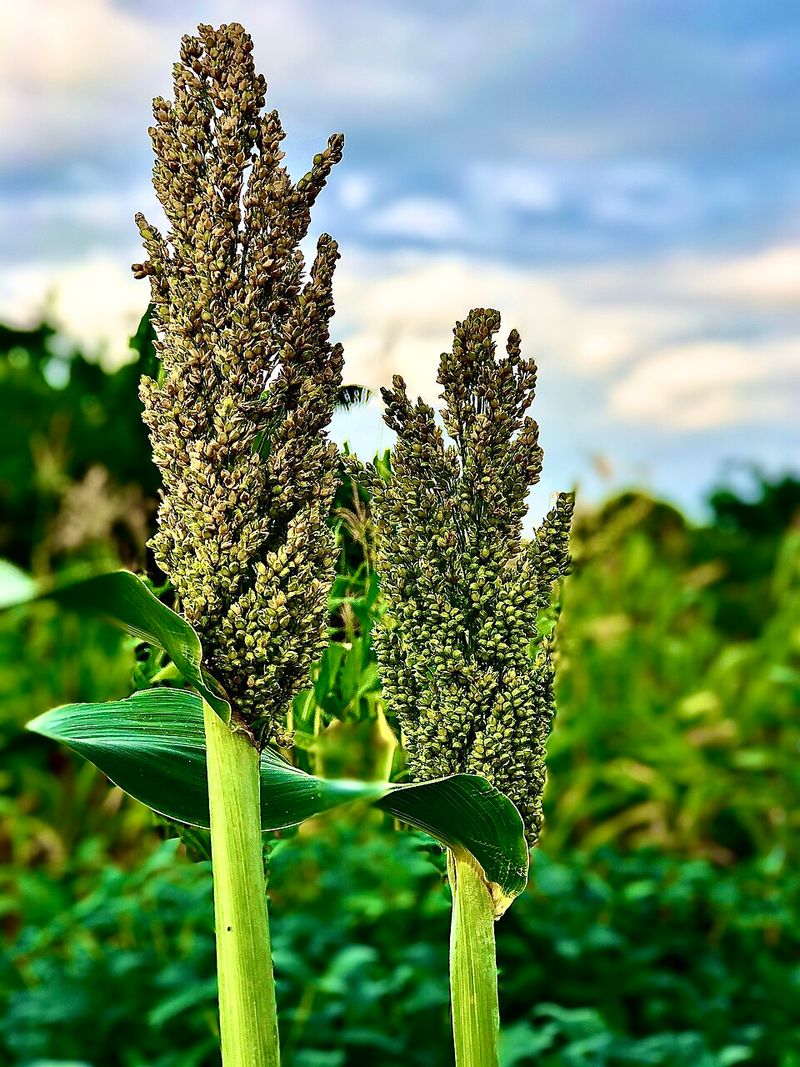
Millet is not one grain but a whole family of small-seeded grasses. Pearl millet, finger millet, and foxtail millet are among the best known, and each has its own regional following.
These crops thrive where rainfall is low and soils are poor. Farmers in India, Niger, Nigeria, and China depend on them for food security.
Many millets mature quickly, so a harvest can arrive in just a few months.
People cook millet as porridge, grind it into flour for flatbreads, or ferment it into drinks. It has been grown for thousands of years, and archaeologists have found it at ancient sites in China.
Today, interest is rising again because millet is gluten-free and handles a changing climate well.
7. Oats
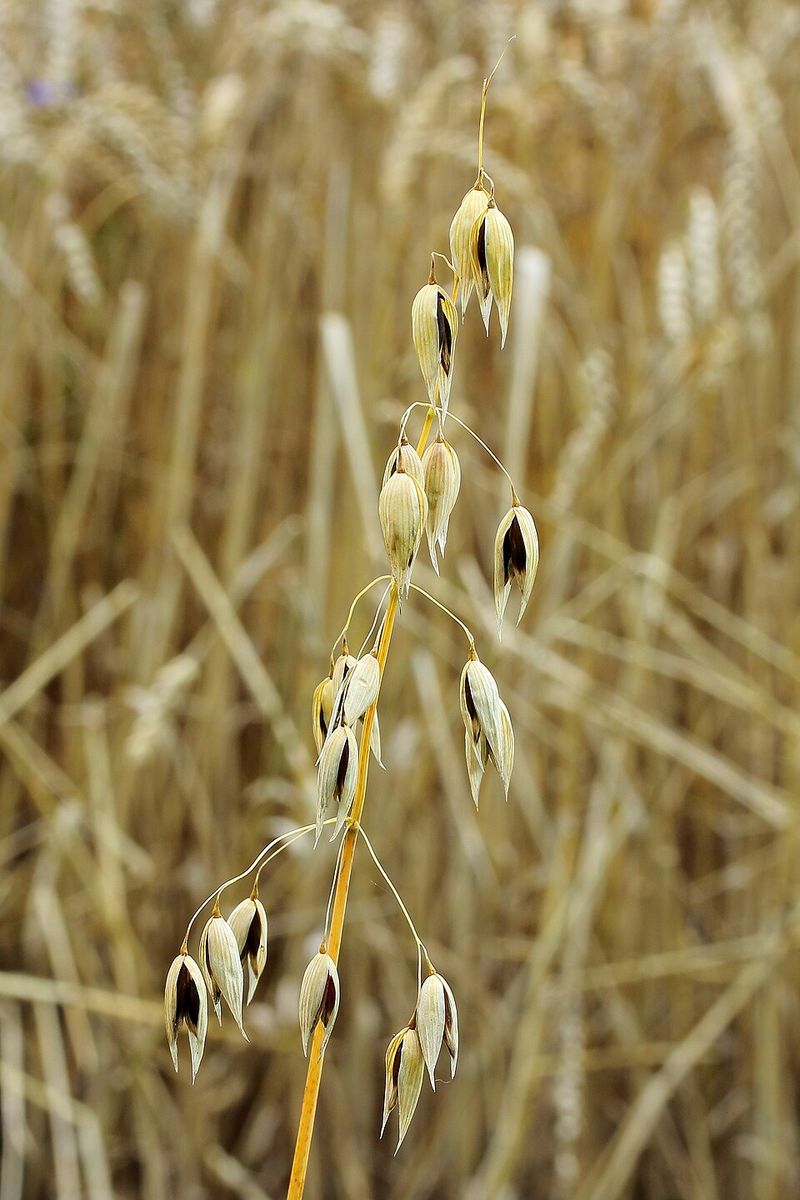
A warm bowl of oatmeal on a cold morning is a comfort for many families. Oats are best known for breakfast, but they also appear in granola bars, cookies, and bread.
Farmers grow oats in cool, damp climates such as Canada, Russia, and northern Europe. Horses and cattle eat plenty of them too, and oats have long been a traditional feed for working animals.
Rolled oats are steamed and flattened, while steel-cut oats are chopped into pieces and take longer to cook. Oats contain beta-glucan fiber, which can help lower cholesterol.
If you need gluten-free oats, look for packages labeled that way, since regular oats may be processed alongside wheat.
8. Rye
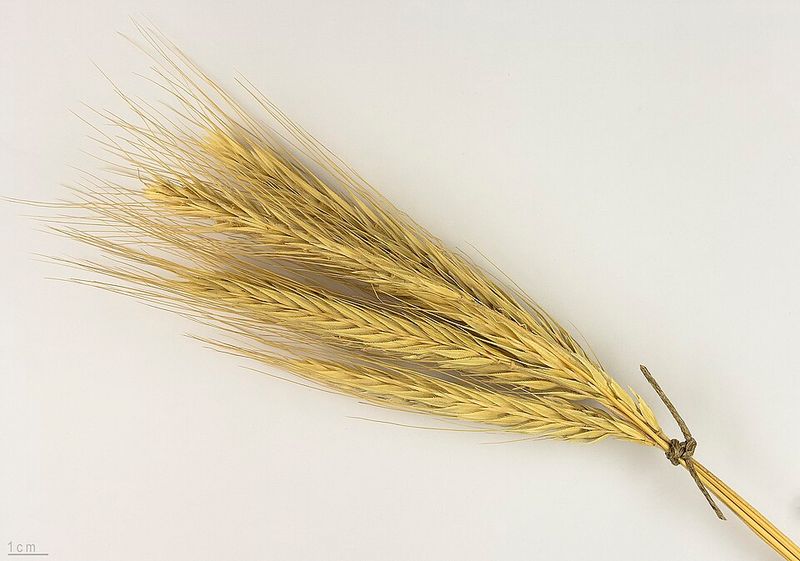
Dark, dense, and a little tangy, rye bread has a flavor all its own. Rye thrives in cold weather and poor soil, which is why it became a staple in Germany, Poland, Russia, and Scandinavia.
Bakers often use sourdough starter to raise rye dough because the flour has less gluten than wheat. The result is a heavy loaf that keeps well for days.
Crispbread is another popular rye product in northern countries.
Beyond bread, rye is used to make whiskey and vodka, and farmers sometimes plant it as a cover crop to protect soil in winter. Its roots hold the earth in place and help suppress weeds, giving the field a boost before the next planting season.
9. Triticale
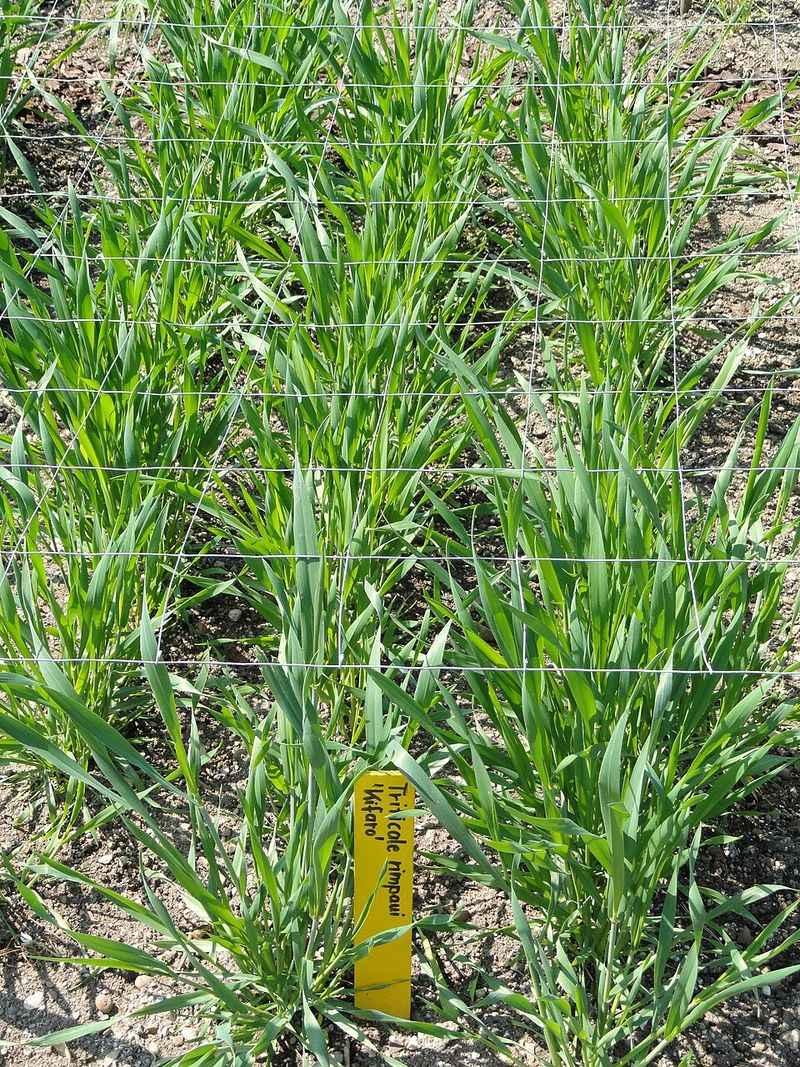
Sometimes, plant breeders decide to combine the best of two crops. Triticale, a cross between wheat and rye, was developed in the late 1800s and refined through the twentieth century.
Its name blends the Latin names Triticum and Secale.
The goal was to merge the high yield of wheat with the toughness of rye. The hybrid handles poor soils and cooler weather better than wheat alone.
Poland, Germany, France, and Belarus are among the main growers.
Most triticale ends up as feed for pigs, cattle, and poultry, or as forage. Some is milled into flour and mixed with other flours for bread.
It is rarely sold in stores as a stand-alone product, so many people eat it without knowing.
10. Buckwheat
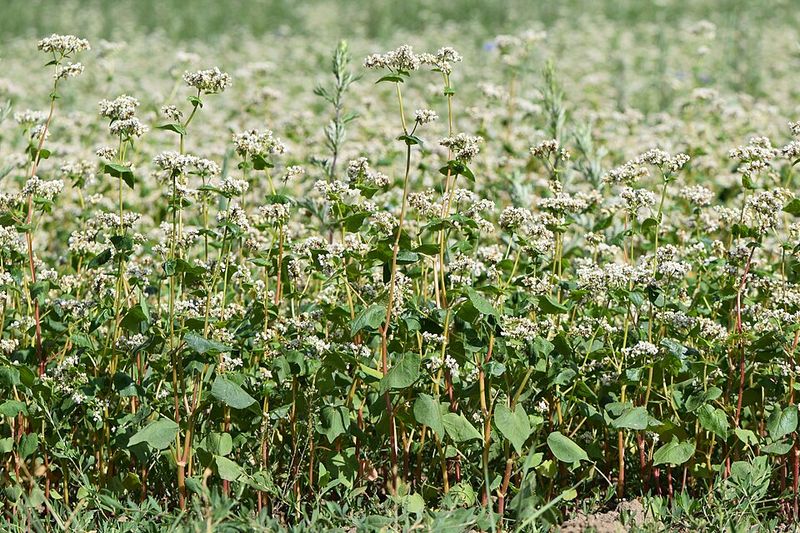
Despite its name, buckwheat has nothing to do with wheat. It is not even a grass.
The plant is related to rhubarb, and its triangular seeds are eaten like a grain, which is why it is called a pseudocereal.
Because it is naturally gluten-free, buckwheat flour works well for people who avoid gluten. It is the base of Japanese soba noodles, French savory crepes called galettes, and Russian kasha.
Eastern Europe and Asia are major growing areas.
Buckwheat grows fast and flourishes in poor soil. Bees love its white blossoms, and the dark honey made from them has a bold, malty taste.
Toasted groats, sold as kasha, add a nutty crunch to salads and side dishes.
11. Fonio
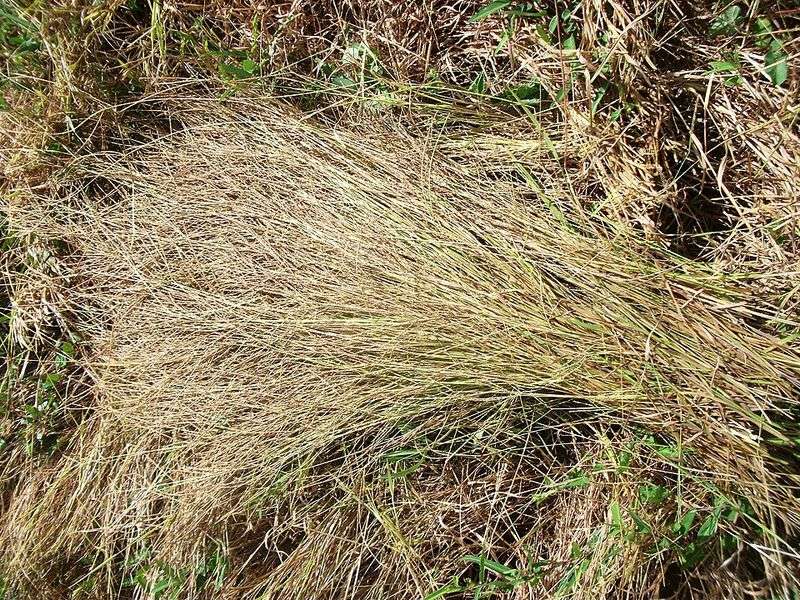
Some grains are so small that a spoonful holds thousands of seeds. Fonio is one of them, and it has been grown in West Africa for several thousand years.
Mali, Guinea, and Nigeria are among the main producers.
Farmers value fonio because it grows in sandy, poor soils and can be harvested in as little as six to eight weeks. That quick turnaround helps families bridge the hungry months before larger crops are ready.
Cooked fonio looks a bit like couscous and tastes mild and slightly nutty. It steams in minutes.
Traditionally, removing the husk was long and tiring work, but new machines are making it easier. Chefs worldwide are now adding fonio to salads, porridges, and pilafs.
12. Quinoa
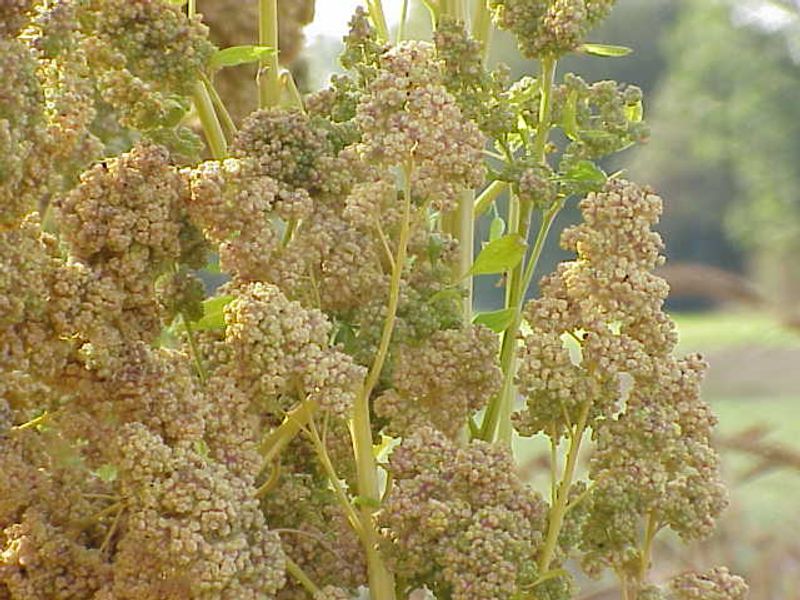
High in the Andes, farmers have grown quinoa for thousands of years at altitudes where many crops fail. The Inca reportedly called it the mother grain and held it in deep respect.
Quinoa is a pseudocereal, meaning it is a seed eaten like a grain. It stands out for its protein, and it contains all nine essential amino acids, which is uncommon in plant foods.
Peru and Bolivia remain the leading producers.
The seeds are coated with natural compounds called saponins that taste bitter, so rinse quinoa before cooking. It cooks in about fifteen minutes and turns fluffy with a little tail-like spiral.
Try it in soups, salads, or as a rice substitute.
13. Canary Seed
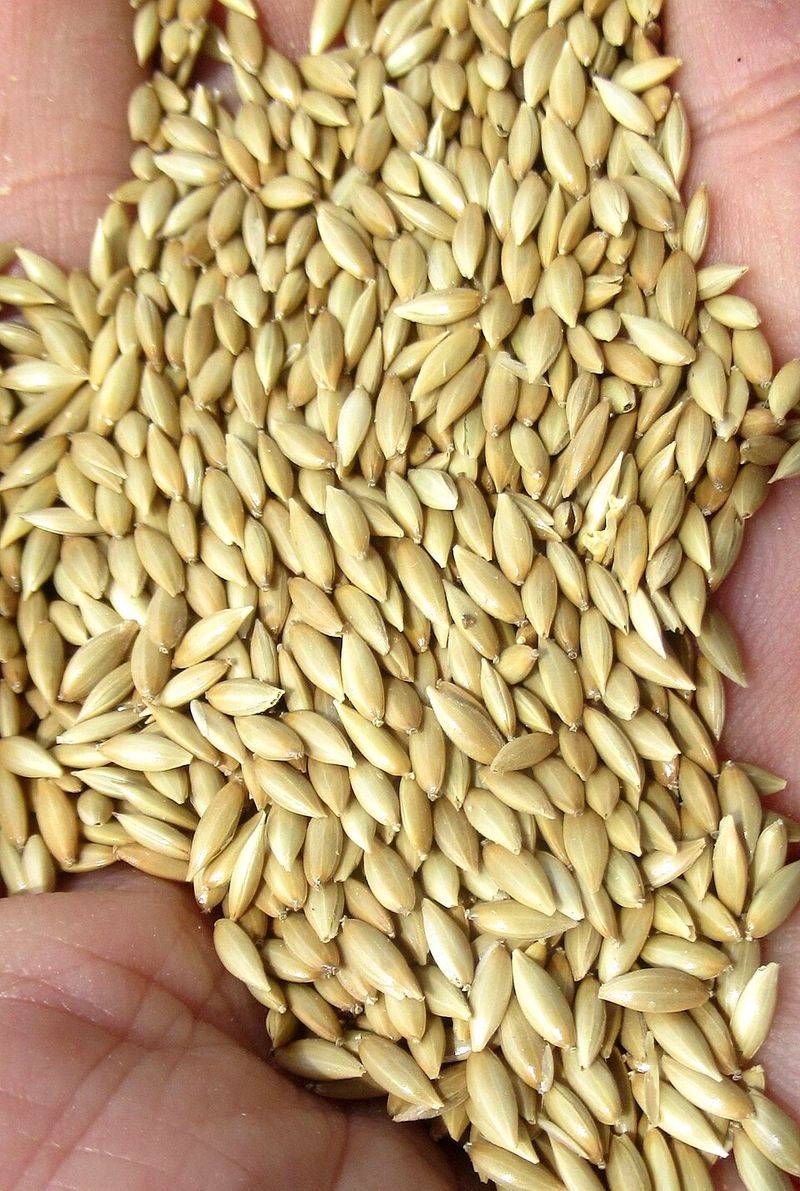
If you have ever kept a pet bird, you may have poured canary seed into a feeder. This small, shiny, pale yellow grain is grown mainly for bird food, and Canada produces most of the world’s supply, especially on the prairies of Saskatchewan.
The plant is a grass with a name that comes from the Canary Islands, where it was first widely cultivated by Europeans. It is a cool-season crop that fits well into rotations with wheat and pulses.
For many years, people could not eat it because tiny hairs on the seed hulls were irritating. Newer hairless varieties, often called glabrous canary seed, have been approved for human food in some countries.
They can be milled into flour or used in plant-based drinks.
14. Teff
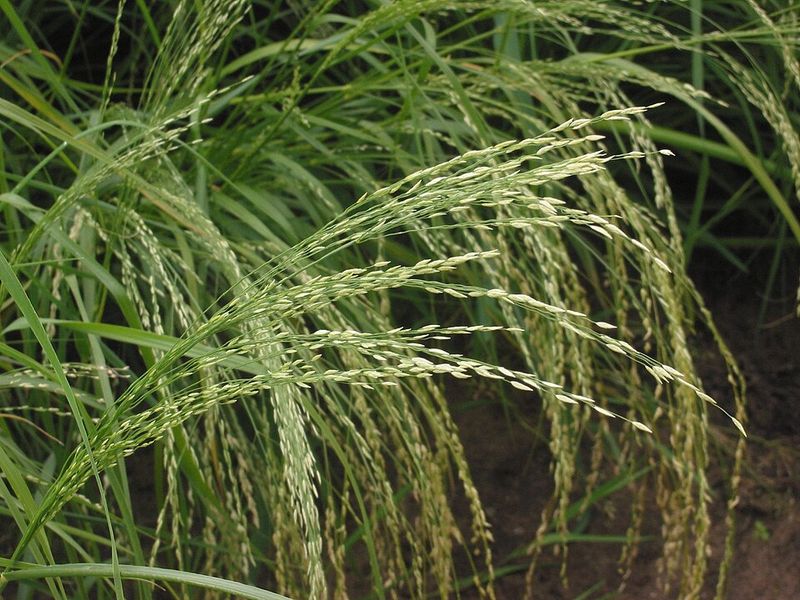
Teff seeds are about the size of a poppy seed, yet this tiny grain feeds millions. In Ethiopia and Eritrea, it is ground into flour and fermented to make injera, the spongy, sour flatbread that doubles as a plate and a utensil.
Farmers have grown teff in the Horn of Africa for thousands of years. It tolerates both drought and waterlogged soil, which makes it dependable in uncertain weather.
Because the seeds are so small, they are hard to harvest and handle.
Teff is naturally gluten-free and offers fiber, iron, and calcium. Because the whole grain is milled, nothing is stripped away.
Outside East Africa, cooks use it in porridge, pancakes, and baked goods for its mild, slightly sweet, earthy taste.
15. Amaranth
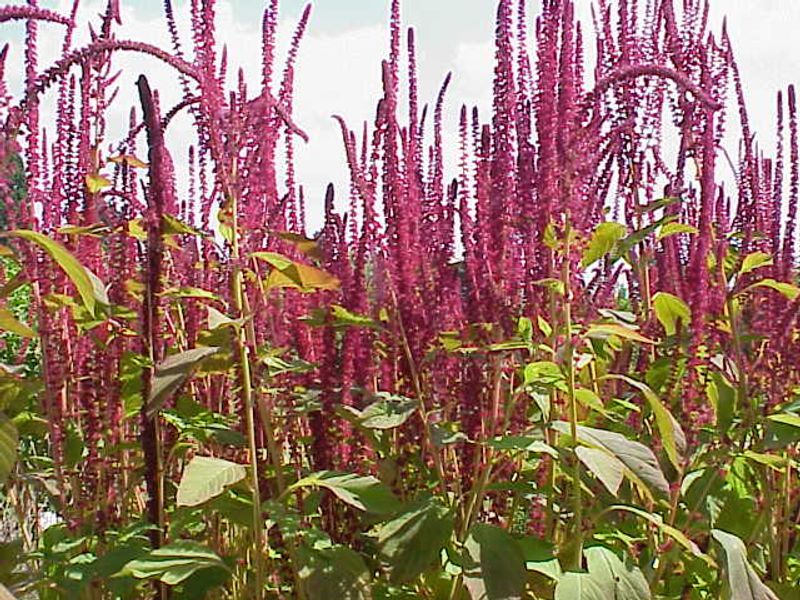
The Aztecs once grew amaranth on a grand scale, using it for food and in religious ceremonies. After the Spanish conquest, the crop was discouraged, yet it never fully disappeared and is again gaining attention.
Amaranth is a pseudocereal with bold, feathery flower heads in shades of red, purple, and gold. Each plant produces thousands of tiny seeds.
The leaves are edible too, and they are eaten as a leafy green in parts of Africa, Asia, and the Caribbean.
The seeds contain protein, fiber, and minerals such as magnesium and iron. Cooked, they turn soft and a bit sticky, so they work well as porridge.
In Mexico, popped amaranth is mixed with honey to make a traditional candy called alegria.
Share this story