America has a long and fascinating history, and some of its oldest stories are told through the walls of houses that have stood for centuries. From the rocky shores of New England to the sun-warmed streets of Florida, these remarkable homes have survived wars, storms, and the passage of time.
Walking through their doors feels like stepping into a different world. Here are 15 of the oldest houses in the United States that are still standing today.
1. Fairbanks House, Dedham, Massachusetts (c. 1637-1641)
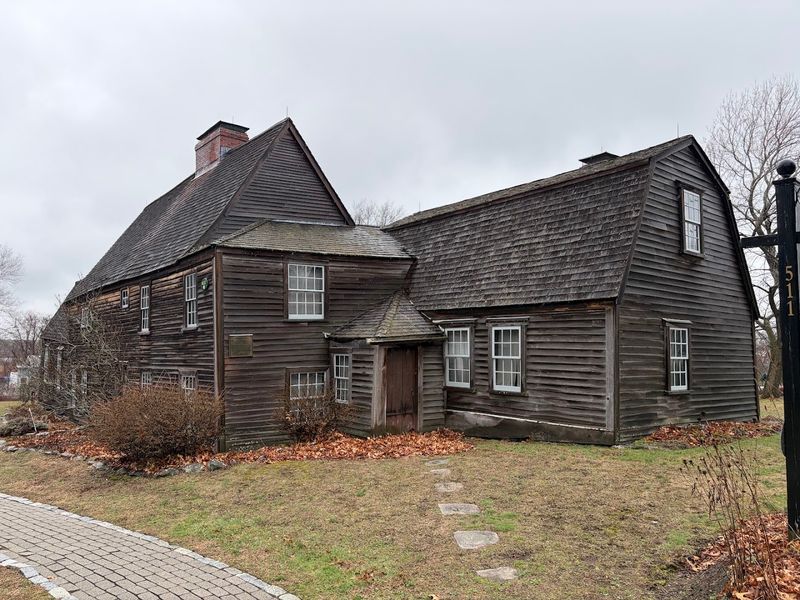
Built sometime between 1637 and 1641, the Fairbanks House in Dedham, Massachusetts is widely recognized as the oldest surviving wooden house in North America. Jonathan Fairbanks, an English settler, built this home for his family shortly after arriving in the New World.
The house stayed in the Fairbanks family for an extraordinary eight generations.
Today, visitors can tour the home and see how everyday colonial life looked centuries ago. The structure features a classic timber frame design with a massive central chimney, which was essential for heating and cooking during harsh New England winters.
Remarkably, much of the original wood and craftsmanship remains intact.
The Fairbanks House is now a National Historic Landmark and is open to the public. It offers a rare, firsthand look at early American domestic life that history books simply cannot match.
2. Henry Whitfield House, Guilford, Connecticut (1639)
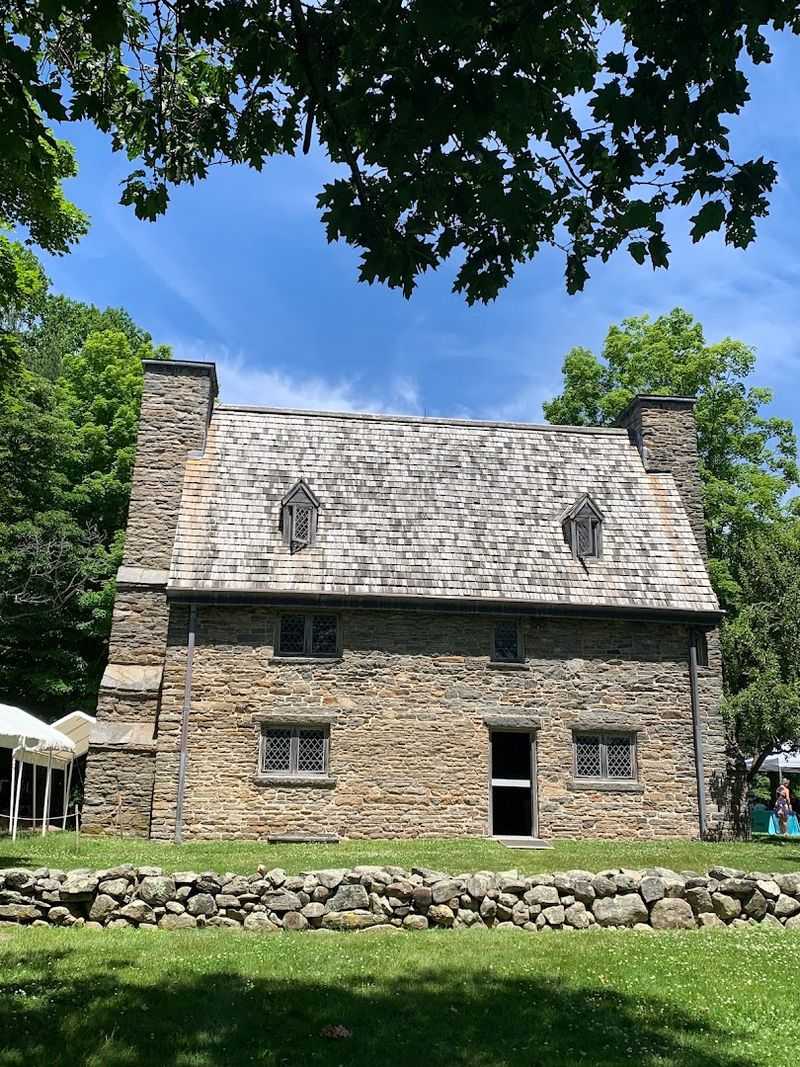
Henry Whitfield built this striking stone house in 1639, making it the oldest stone house in New England and one of the oldest surviving structures in the entire United States. Whitfield was a Puritan minister who led a group of settlers from England to what is now Guilford, Connecticut.
The house served not just as a home but also as a fortress and meeting place for the early community.
The thick stone walls were built to last, and they certainly have. Unlike most colonial homes of that era, which were made of wood, this structure was designed to withstand both harsh weather and potential attacks.
That choice of material is a big reason it still stands nearly 400 years later.
Now a state museum, the Whitfield House houses a collection of 17th and 18th-century artifacts. It gives visitors a vivid picture of what life looked like for early Connecticut settlers.
3. C.A. Nothnagle Log House, Gibbstown, New Jersey (c. 1638-1643)
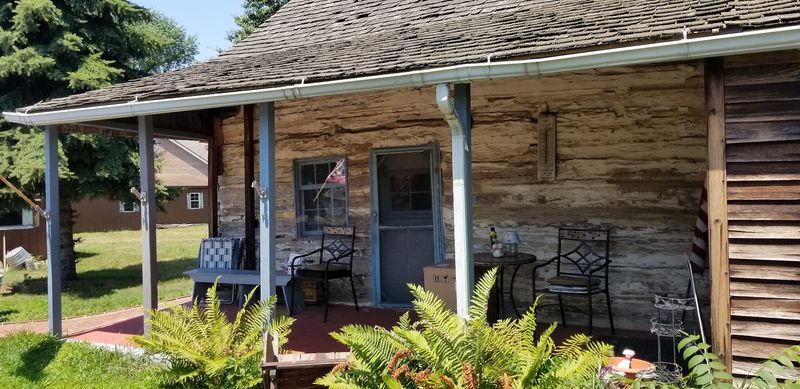
Tucked away in Gibbstown, New Jersey, the C.A. Nothnagle Log House is believed to be one of the oldest log structures still standing in the United States.
Built by Swedish settlers sometime between 1638 and 1643, this tiny cabin tells the story of early Scandinavian immigration to America. Swedish colonists brought the log cabin building technique with them from Europe, and this house is one of the last surviving examples.
The cabin is small by modern standards, with just one room and a loft. But for early settlers, it provided shelter, warmth, and a sense of home in an unfamiliar land.
The craftsmanship of the log joinery has held up surprisingly well over the centuries.
What makes this house especially special is that it is still privately owned. It is not a museum but a living piece of history that has been carefully preserved by generations of owners.
4. Richard Sparrow House, Plymouth, Massachusetts (1640)
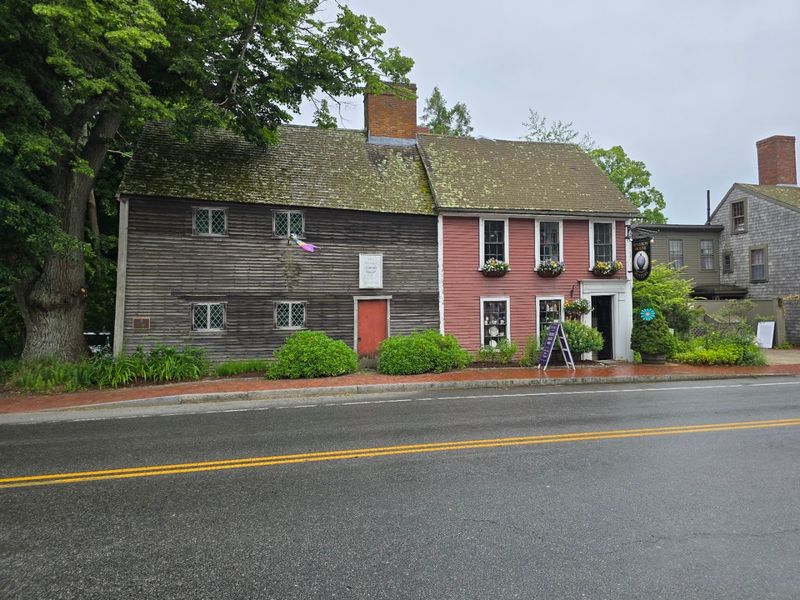
Built in 1640, the Richard Sparrow House holds the title of the oldest surviving house in Plymouth, Massachusetts, the very town where the Pilgrims first settled. Richard Sparrow was one of Plymouth’s early English settlers, and he constructed this modest home just two decades after the Mayflower arrived.
Standing near the heart of historic Plymouth, it connects visitors directly to the earliest days of English settlement in America.
The house is a classic example of early colonial architecture, featuring a steep roof, small windows, and a large central chimney. These design elements were practical choices made to survive cold New England winters rather than for decoration.
Over the years, the structure has been carefully restored while keeping its original character intact.
Today, the Richard Sparrow House operates as a pottery studio and museum, blending art with history in a charming and unexpected way. Visitors can shop for handmade pottery while exploring one of America’s oldest homes.
5. Gedney House, Salem, Massachusetts (1665)
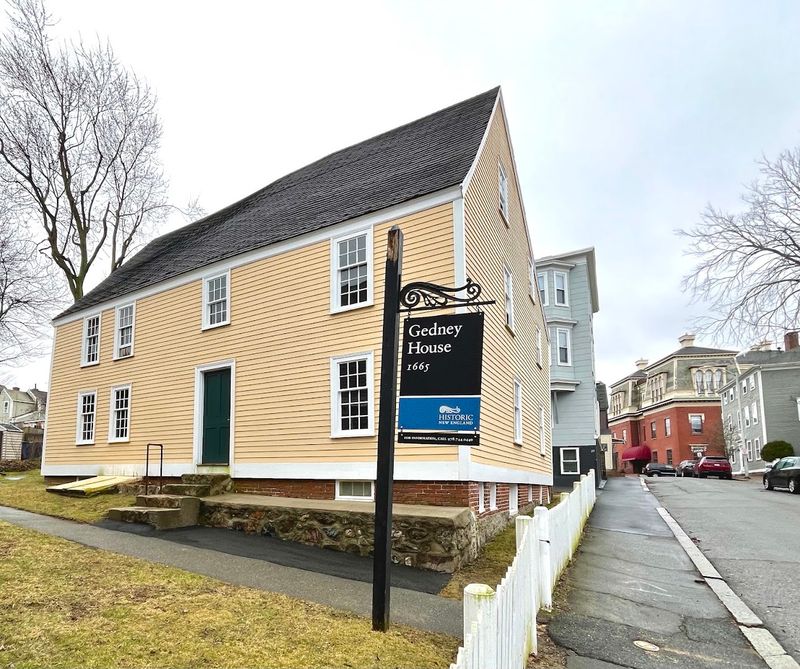
Salem, Massachusetts is famous for its 1692 witch trials, but the city’s history goes back even further. The Gedney House, built around 1665, is one of Salem’s oldest surviving structures and a quiet reminder of the town’s early colonial roots.
The Gedney family were prominent merchants in early Salem, and their home reflected the modest prosperity of the time.
Architecturally, the house is a strong example of 17th-century New England craftsmanship. Its dark clapboard exterior and steep roofline are typical of homes built in this era, designed more for durability than elegance.
The house has gone through various uses over the centuries but has managed to retain much of its historic character.
Walking past the Gedney House today, you might not immediately realize how old it is. But knowing it has stood for more than 350 years makes it one of Salem’s most understated yet remarkable historical treasures.
6. Jonathan Corwin House (The Witch House), Salem, Massachusetts (c. 1675)
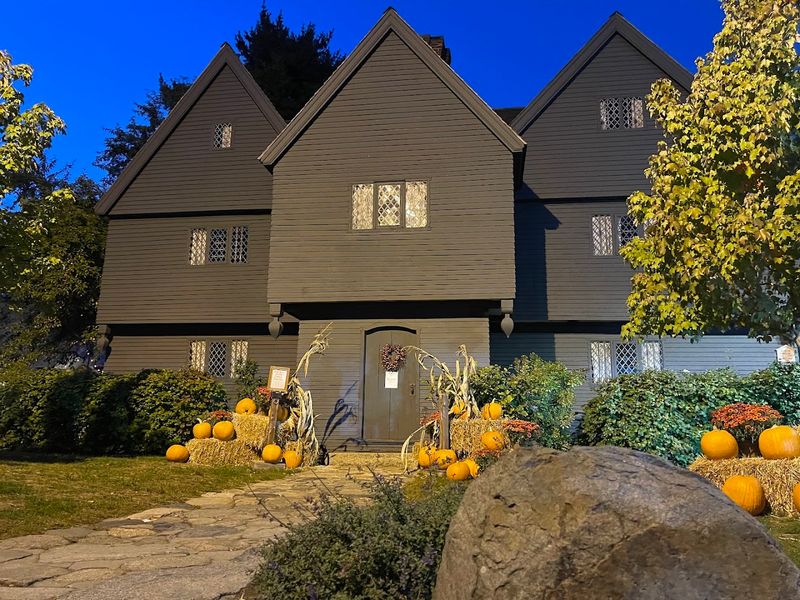
Few houses in America carry a name as memorable as the Witch House. Built around 1675, the Jonathan Corwin House in Salem, Massachusetts was home to Judge Jonathan Corwin, one of the magistrates who presided over the infamous Salem witch trials of 1692.
That dark chapter in American history gives this already ancient home an extra layer of historical weight.
The house is a dramatic example of late 17th-century Puritan architecture, with its overhanging second story and steeply pitched gabled roof. These features were not just stylistic but were practical design choices common to the period.
The dark exterior paint has become iconic, perfectly matching the house’s eerie reputation.
Today, the Witch House is Salem’s only remaining structure with a direct connection to the witch trials. It draws thousands of visitors each year, especially around Halloween.
Inside, exhibits explore the trials and the daily life of 17th-century Salem in rich, fascinating detail.
7. Hoxie House, Sandwich, Massachusetts (c. 1675)
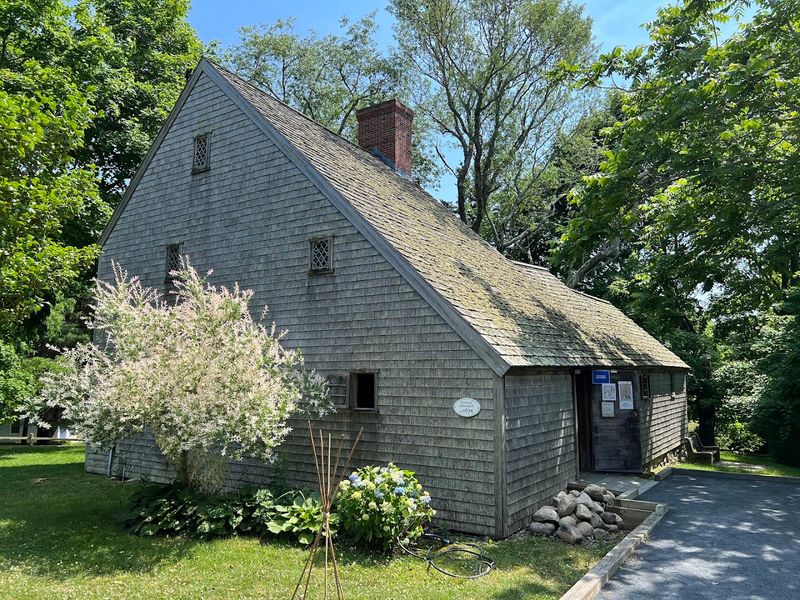
Perched beside a peaceful pond in Sandwich, Massachusetts, the Hoxie House is considered one of the oldest surviving saltbox-style homes in New England. Built around 1675, this house gets its name from Joseph Hoxie, a whaling captain who lived there in the 19th century, though the house itself is much older.
Its long, sloping rear roofline is the signature feature of the saltbox design, a style that was both practical and distinctive.
Sandwich is the oldest town on Cape Cod, and the Hoxie House fits right into that legacy. The house was built without many of the comforts we take for granted today, with no electricity, no running water, and no central heat.
Yet families lived full lives within its modest walls for generations.
Restored and furnished to reflect life in the 1680s, the Hoxie House is open to the public as a historic house museum. It offers one of the most authentic glimpses into early Cape Cod living available anywhere.
8. Narbonne House, Salem, Massachusetts (1675)
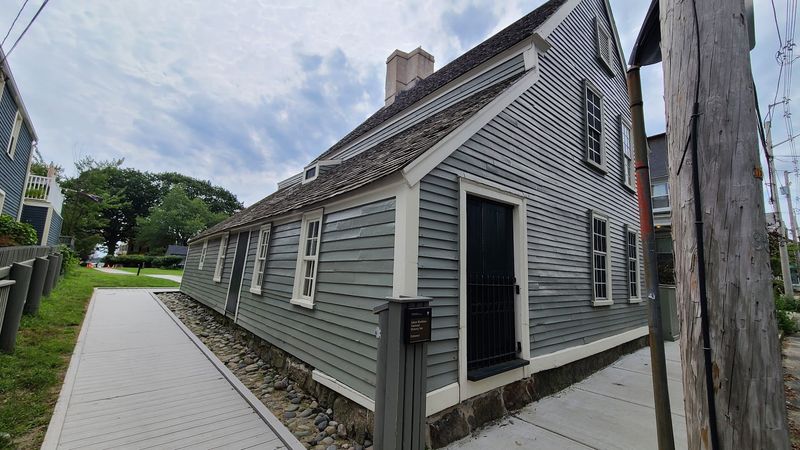
The Narbonne House in Salem, Massachusetts dates to around 1675 and stands as one of the city’s most enduring colonial structures. Named after a French family who owned it in the 19th century, the house has a layered history that spans more than three centuries.
It began as a modest home for a working-class family and changed hands many times over the years.
Archaeological excavations beneath and around the house have revealed fascinating details about the lives of ordinary Salem residents throughout the centuries. Researchers have found everyday objects like pottery, tools, and food remains that paint a vivid picture of colonial and post-colonial daily life.
This makes the Narbonne House valuable not just as a structure but as an archaeological site.
Now managed by the National Park Service as part of the Salem Maritime National Historic Site, the house is preserved for future generations. It is a quiet but important chapter in America’s early story.
9. Peter Tufts House, Medford, Massachusetts (1677)
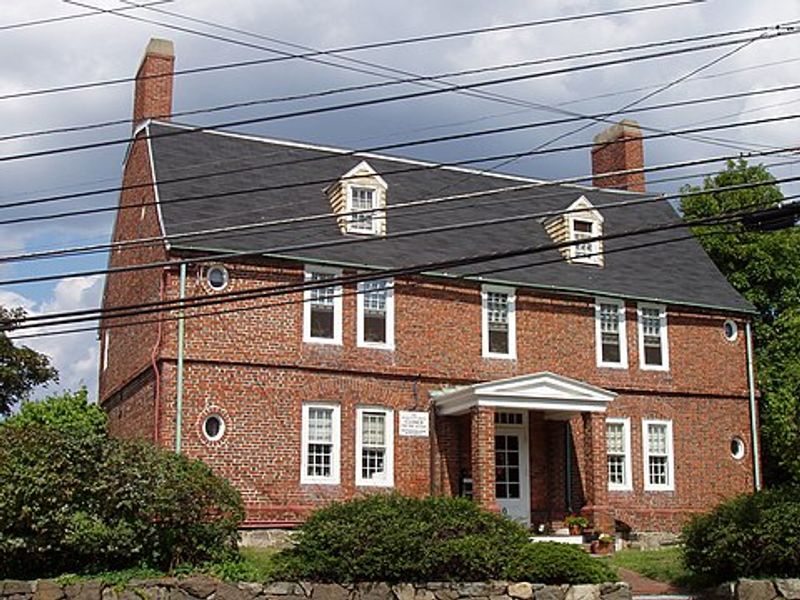
Built in 1677, the Peter Tufts House in Medford, Massachusetts stands out from most of its colonial-era neighbors for one simple reason: it is made of brick. At a time when nearly every house in New England was built from wood, Peter Tufts chose brick, a decision that has helped his home survive for nearly 350 years.
The house is now recognized as one of the oldest brick buildings in the United States.
Peter Tufts was a prosperous farmer and businessman, and the choice of brick was likely a statement of wealth and permanence. The house reflects a confident, ambitious spirit that is still visible in its solid, no-nonsense construction.
It features thick walls, small windows, and a large central chimney typical of the period.
Listed on the National Register of Historic Places, the Peter Tufts House is a remarkable survivor. It reminds us that some of the best building decisions made centuries ago are still paying off today.
10. Paul Revere House, Boston, Massachusetts (c. 1680)
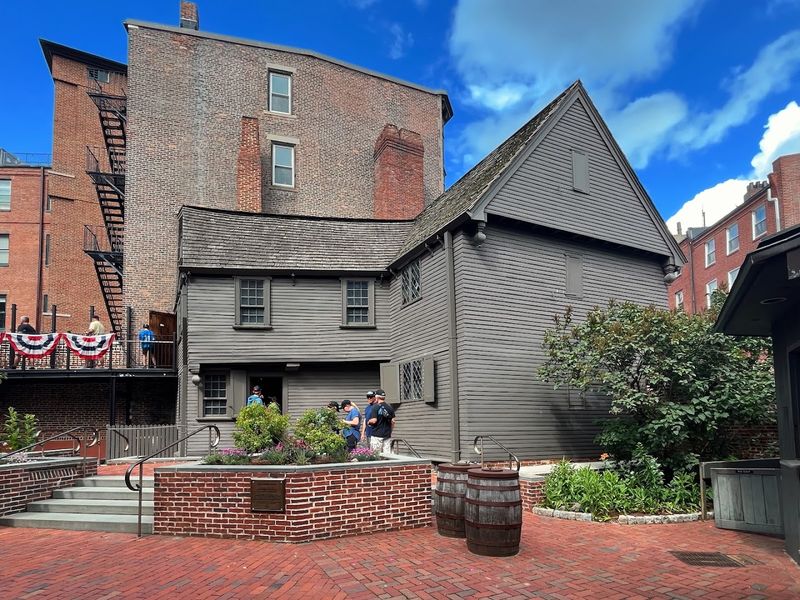
Most people know Paul Revere for his famous midnight ride in 1775, but his home in Boston’s North End has its own remarkable story. Built around 1680, the Paul Revere House is the oldest remaining structure in downtown Boston.
Revere purchased the house in 1770 and lived there with his large family during some of the most dramatic years in American history.
The house is a classic example of medieval-style colonial architecture, with an overhanging second floor and small, diamond-paned windows. It originally had more rooms than are visible today, as neighboring structures were demolished over time.
Remarkably, the core of the building has survived more than three centuries of Boston’s urban growth.
Now one of Boston’s most visited historic sites, the Paul Revere House offers guided tours that bring the Revolutionary era to life. Standing inside, it is easy to imagine the Revere family preparing for the events that would change a nation forever.
11. Jethro Coffin House, Nantucket, Massachusetts (1686)
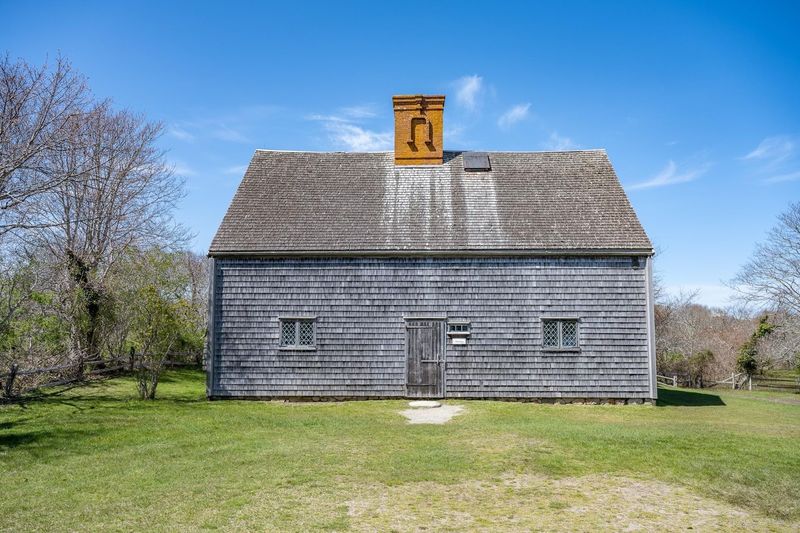
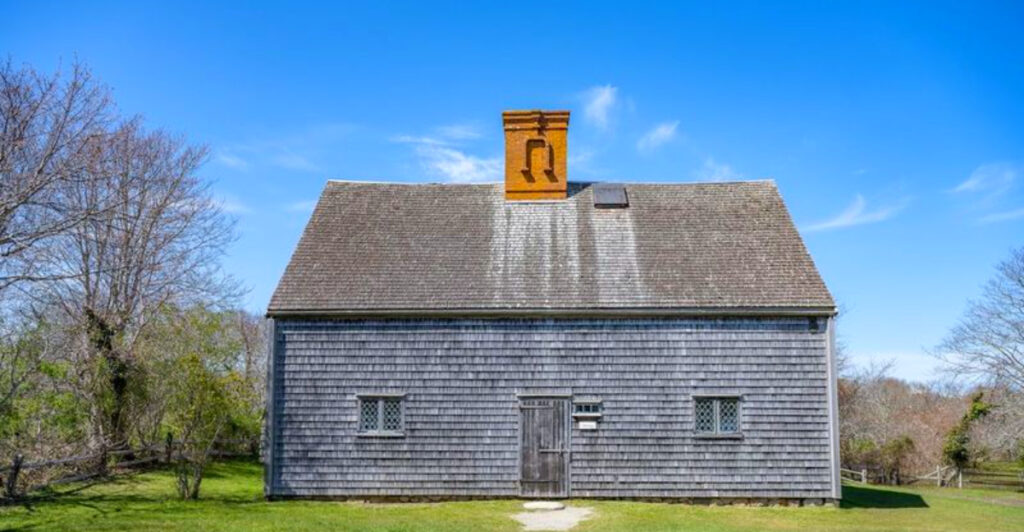
Out on the island of Nantucket, far from the mainland, the Jethro Coffin House has stood since 1686. It is the oldest surviving house on the island and a National Historic Landmark.
The house was built as a wedding gift for Jethro Coffin and his bride Mary Gardner, whose families were among Nantucket’s founding settlers. That romantic origin story adds a warm, human touch to its long history.
The house features a distinctive horseshoe-shaped design on the chimney, which some locals have called a witch’s mark, though historians believe it was simply a decorative flourish. Built in the saltbox style with weathered shingles, it blends seamlessly into Nantucket’s windswept landscape.
The island’s isolation likely helped protect the structure from urban development that destroyed so many other colonial homes.
Restored in the early 20th century, the house is now operated by the Nantucket Historical Association. Visitors can explore its carefully preserved rooms and learn about life on the island in the late 1600s.
12. Deacon John Graves House, Guilford, Connecticut (1681)
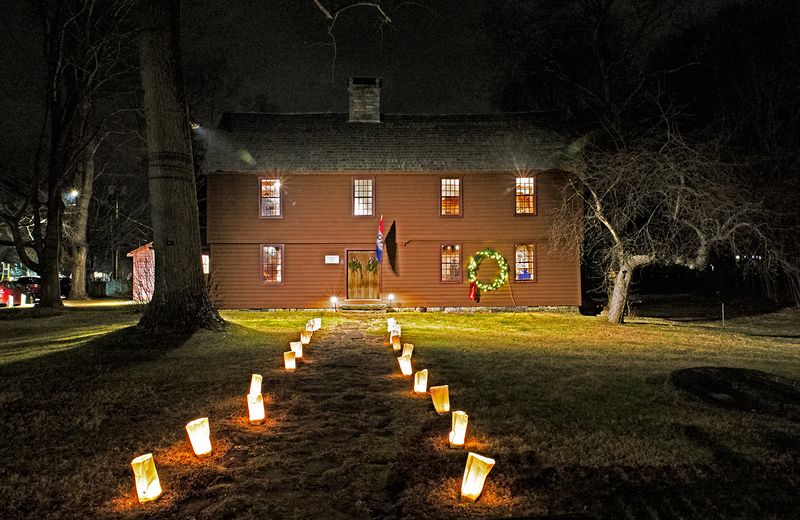
Guilford, Connecticut is home to not one but two remarkable 17th-century houses, and the Deacon John Graves House, built in 1681, is the second. John Graves was a deacon in the local church and a respected member of the Guilford community.
His house, a classic saltbox design, has survived more than three centuries in remarkably good condition.
What makes the Deacon John Graves House particularly interesting is the evidence of its original construction still visible today. Historians and preservationists have been able to study the building techniques used by colonial craftsmen, providing valuable insight into how early New England homes were made.
The hand-hewn timber frame is a standout feature.
The house is privately owned but has been recognized for its historical significance. It serves as a reminder that Guilford was one of Connecticut’s most important early settlements, home to a tight-knit community of English colonists who built to last.
13. Gonzalez-Alvarez House, St. Augustine, Florida (c. 1723)
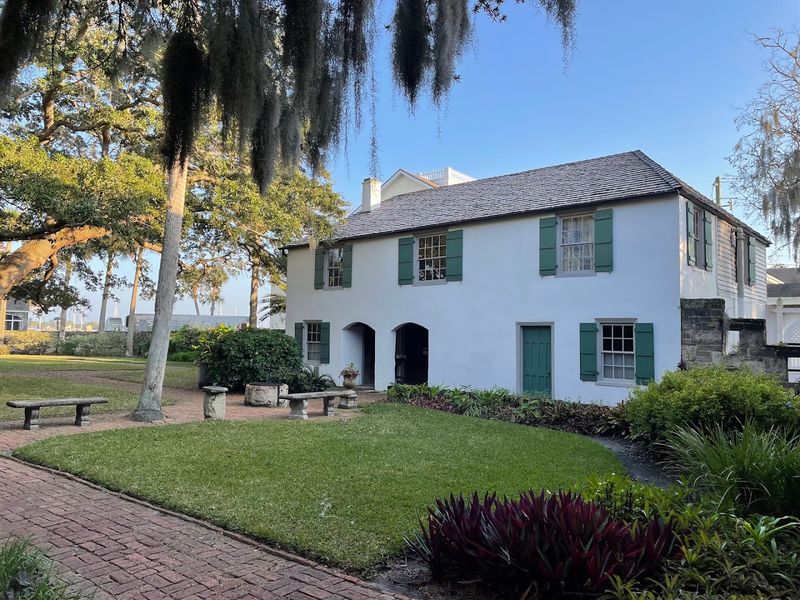
St. Augustine, Florida is the oldest continuously occupied European settlement in the United States, so it makes sense that one of the country’s oldest homes would be found here. The Gonzalez-Alvarez House, built around 1723 on an earlier foundation from the early 1700s, is the oldest surviving Spanish colonial structure in Florida.
Its thick coquina stone walls were built to handle Florida’s heat, humidity, and hurricanes.
The house changed hands many times over the centuries, passing through Spanish, British, and American ownership as Florida itself changed colonial rulers. Each family left its mark on the structure, and layers of history are literally built into its walls.
The name honors two of the families who lived there during the Spanish colonial period.
Now known as the Oldest House Museum, it is operated by the St. Augustine Historical Society. Exhibits inside trace the full sweep of St. Augustine’s history from its Spanish founding to the American period, making it one of the most educational historic homes in the South.
14. Powel House, Philadelphia, Pennsylvania (1765)
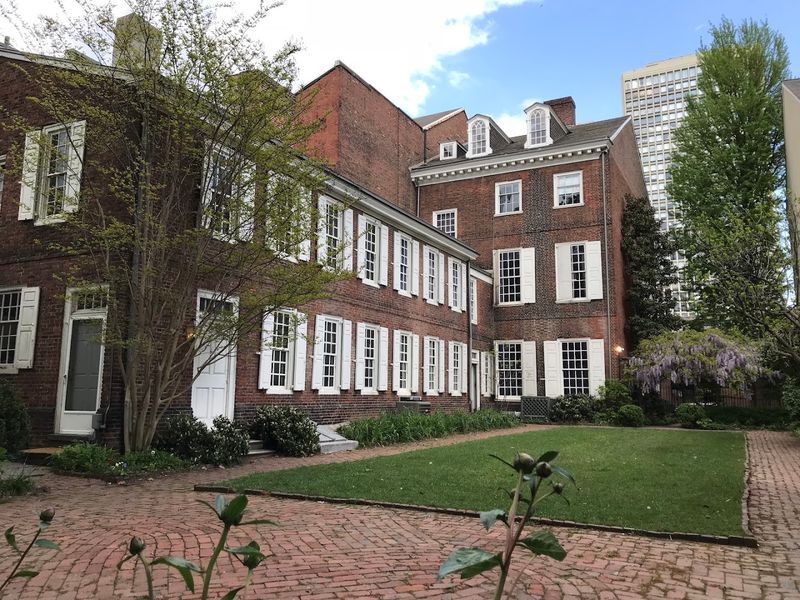
Not every old house tells a story of survival against the odds. The Powel House in Philadelphia, built in 1765, tells a story of elegance, influence, and political power.
Samuel Powel, the last mayor of Philadelphia under British rule and the first mayor after American independence, called this Georgian townhouse home. That dual identity makes it one of the most symbolically rich houses in American history.
The house was a center of Philadelphia’s social scene during the Revolutionary era. George Washington, John Adams, and Benjamin Franklin were among the notable guests who dined and conversed within its walls.
The interiors were among the finest in colonial America, featuring elaborate woodwork and imported furnishings.
Saved from demolition in the early 20th century, the Powel House is now a museum operated by the Philadelphia Society for the Preservation of Landmarks. Its beautifully restored rooms offer a window into the refined world of 18th-century American aristocracy.
15. Hammond-Harwood House, Annapolis, Maryland (1774)
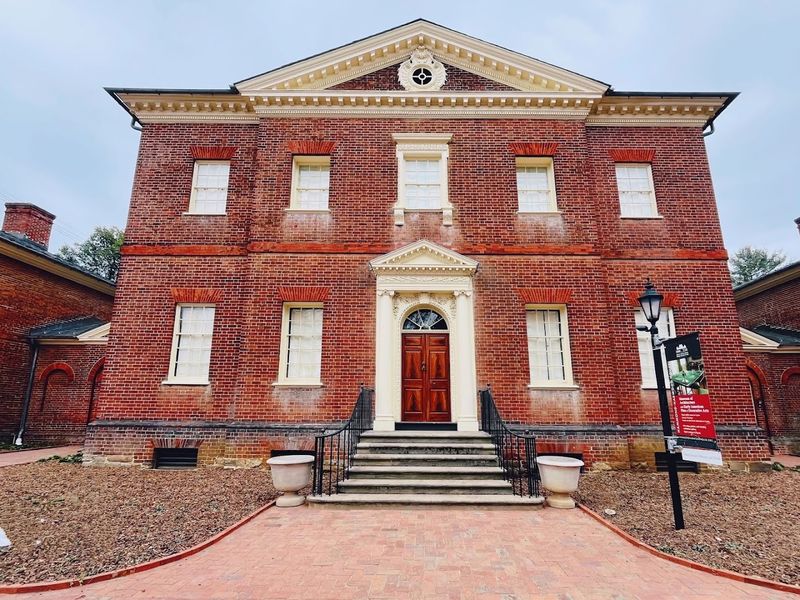
Designed by William Buckland, one of colonial America’s most celebrated architects, the Hammond-Harwood House in Annapolis, Maryland is widely considered a masterpiece of Georgian architecture. Completed in 1774, just two years before American independence, it was built for Matthias Hammond, a wealthy Maryland planter and patriot.
The timing of its construction, right on the eve of revolution, makes it a fascinating historical artifact.
The house is famous for its extraordinarily detailed five-part design and its breathtaking carved entrance doorway, which is often described as one of the finest examples of colonial craftsmanship in America. Buckland poured his greatest skills into this project, and it shows in every carved detail.
Sadly, Hammond never married the woman the house was reportedly built to impress, and he largely abandoned it.
Today the Hammond-Harwood House operates as a museum dedicated to colonial art and architecture. Its collection of 18th-century decorative arts rivals that of many larger institutions, making it a must-visit for history lovers.
Share this story