Some corners of our planet are home to plants you simply cannot find anywhere else on Earth. These places have been shaped by millions of years of isolation, unique climates, and extraordinary geography, producing flora that scientists are still working to fully understand.
From towering dragon trees to delicate silverswords, the plant life in these regions tells a story of survival and adaptation unlike anything else in the natural world. Exploring these botanical wonders helps us understand why protecting wild places matters so much.
1. Tropical Andes, South America
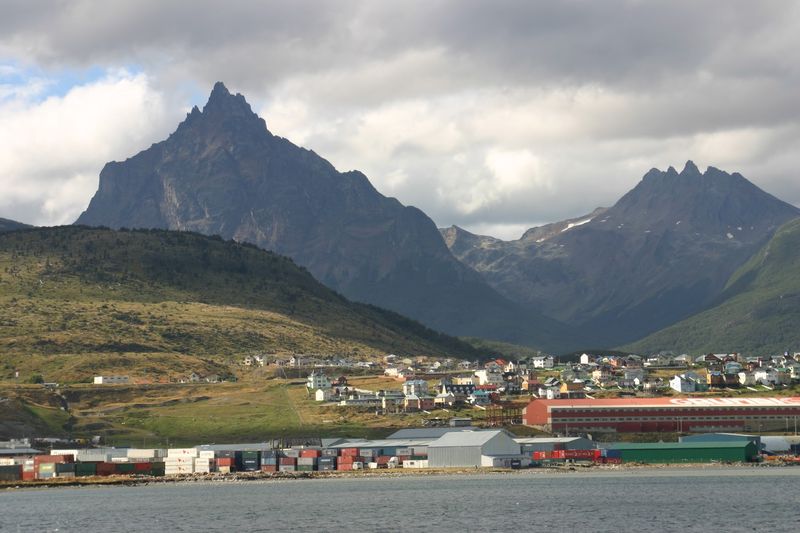
Stretching along the western edge of South America, the Tropical Andes is widely recognized as the single richest region for plant diversity on the entire planet. Scientists have catalogued around 30,000 vascular plant species here, a number that continues to grow as researchers explore deeper into remote valleys and cloud forests.
Much of this plant life exists nowhere else. Orchids, bromeliads, and mosses cling to mist-covered slopes at elevations that would seem inhospitable to most vegetation.
The sheer variety of microclimates, from lowland rainforests to high-altitude grasslands called paramos, gives plants room to evolve in remarkably different directions.
Sadly, agricultural expansion and deforestation threaten many of these species before they are even formally described by science. Conservation efforts in countries like Colombia, Peru, and Ecuador are working hard to protect what remains of this irreplaceable green treasure.
2. Madagascar
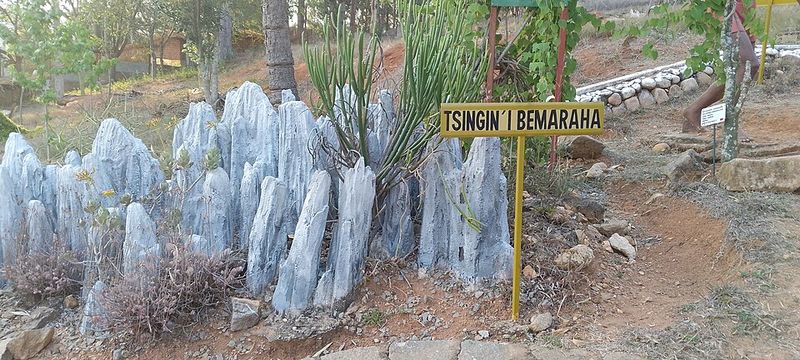
Sitting off the southeastern coast of Africa, Madagascar broke away from the rest of the world’s landmasses roughly 88 million years ago. That long isolation turned it into a living laboratory, producing plants found absolutely nowhere else on Earth.
About 82% of Madagascar’s native vascular plants are endemic, meaning they grow only on this island. The famous traveler’s palm, six of the world’s eight baobab species, and thousands of orchid varieties all call Madagascar home.
Roaming through its forests feels like stepping onto another planet entirely.
Habitat destruction has placed many of these species in serious danger. Slash-and-burn agriculture has already cleared a large portion of the island’s original forests.
International conservation organizations are partnering with local communities to restore degraded land and protect the remaining wild areas before irreplaceable plant species disappear forever.
3. New Guinea
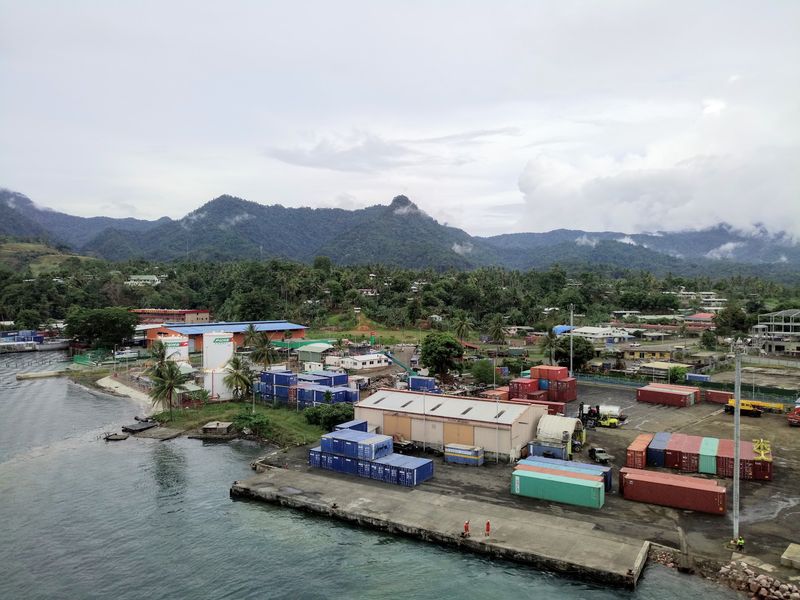
Research by Kew Gardens identified 13,634 plant species on the island of New Guinea, making it the most floristically diverse island anywhere in the world. That is an astonishing number packed into a single landmass, and approximately 68% of those species grow nowhere else.
The island’s dramatic landscape plays a major role in this diversity. Coastal mangroves, lowland rainforests, and snow-capped mountain peaks all exist within relatively short distances of each other.
Each zone supports its own specialized plant communities, including spectacular pitcher plants that trap insects for nutrients.
New Guinea remains one of the least explored regions on Earth in terms of scientific research, meaning new species are still being discovered regularly. Local indigenous communities have long understood and used many of these plants for medicine and food.
Their traditional knowledge is now being recognized as a valuable part of conservation planning across the island.
4. Cape Floristic Region, South Africa
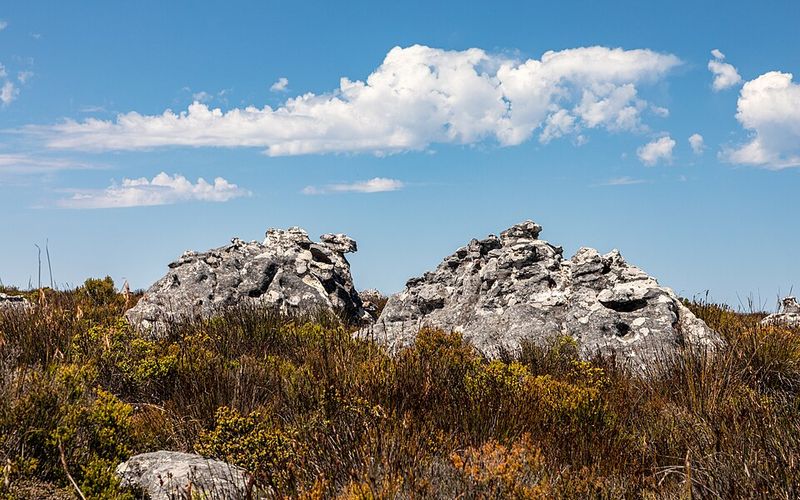
Packed into a relatively small area at the southern tip of Africa, the Cape Floristic Region punches far above its weight in terms of plant diversity. Roughly 9,000 plant species have been recorded here, and about 69% of them are endemic to this corner of the world.
The dominant vegetation type is called fynbos, a low-growing shrubland filled with proteas, restios, and ericas that thrive in the region’s nutrient-poor soils and dry summer climate. UNESCO has recognized this area as one of Earth’s great centers of terrestrial biodiversity, placing it alongside tropical rainforests in terms of ecological importance.
Fire actually plays a helpful role in keeping fynbos healthy, clearing old growth and triggering seed germination. However, invasive alien plants now pose one of the greatest threats to native species.
Conservation teams work year-round removing invasives to give the extraordinary native flora room to thrive.
5. New Caledonia
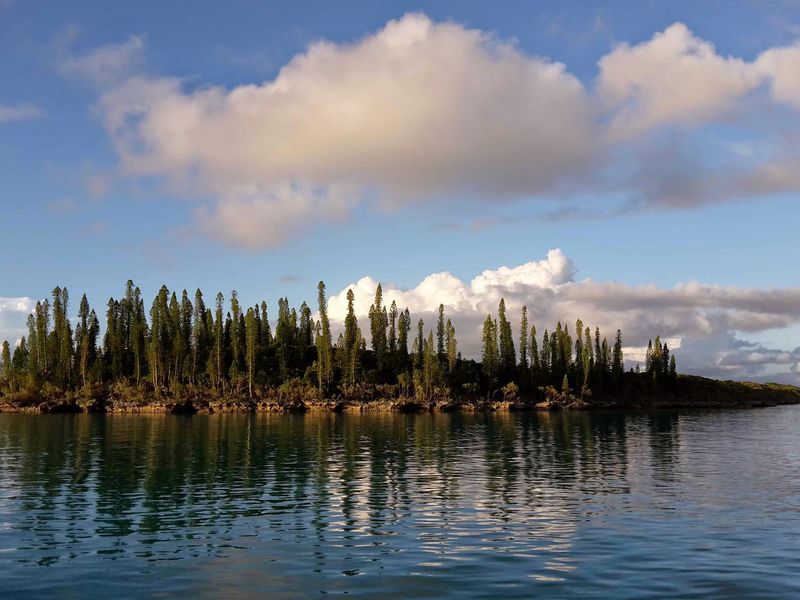
New Caledonia is a small French territory in the southwestern Pacific Ocean, but its plant life carries an outsized global importance. Of roughly 3,270 recorded plant species on the islands, an extraordinary 74% are endemic, making it one of the highest rates of plant endemism anywhere on Earth.
What makes New Caledonia especially remarkable is that it contains several plant families found nowhere else in the world. The amborella plant, which grows only on New Caledonia’s main island, is considered the closest living relative to the ancestor of all flowering plants.
That makes it scientifically priceless.
Mining operations for nickel, which is abundant in New Caledonian soils, have historically caused significant habitat damage. Many rare plant species grow only on ultramafic soils that are particularly rich in minerals.
Conservationists are pushing for stronger protections to ensure that economic development does not permanently erase these irreplaceable botanical treasures.
6. Southwest Australia
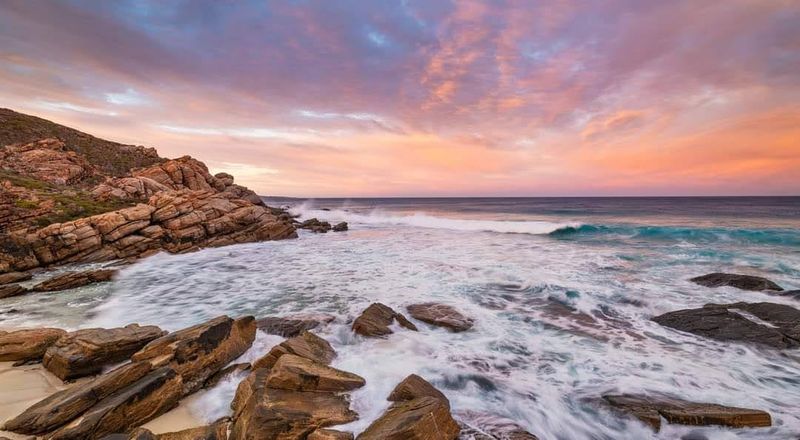
Southwest Australia has a botanical identity that feels entirely its own. More than half of the region’s approximately 5,570 vascular plant species occur nowhere else on the planet, giving this corner of the continent a level of endemism that rivals far larger tropical regions.
Banksias, with their unusual cone-like flower spikes, and kangaroo paws, with their velvety tubular blooms, have become symbols of the region’s quirky plant personality. Many of these species evolved in ancient, nutrient-poor soils and have developed remarkable strategies for surviving drought and periodic wildfires.
Their resilience is genuinely impressive.
Sadly, land clearing for agriculture over the past two centuries has dramatically reduced native bushland. Dieback disease caused by the water mold Phytophthora cinnamomi also threatens large numbers of native plants.
Restoration programs and seed banking efforts are now underway to safeguard this irreplaceable flora for future generations.
7. Hawaiian Islands, United States
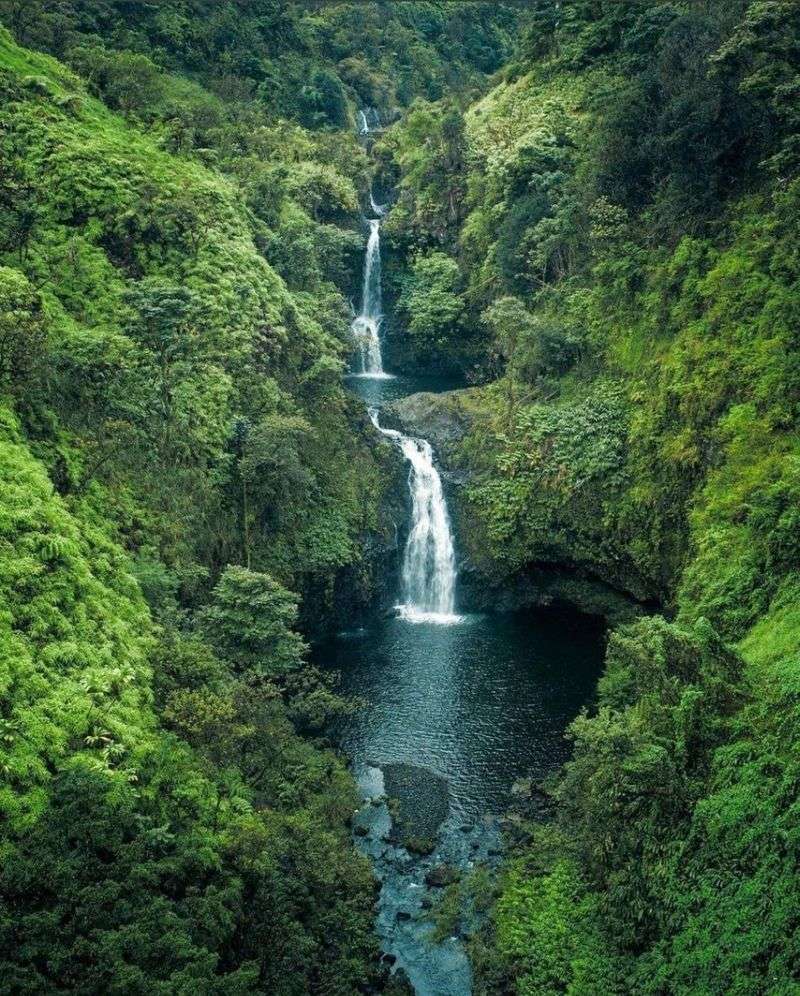
The Hawaiian Islands sit in the middle of the Pacific Ocean, farther from any continent than almost any other place on Earth. That extreme isolation, stretching back millions of years, allowed plants that arrived by chance to evolve in completely new directions, producing species unlike anything found on the mainland.
Hawaiian silverswords are perhaps the most dramatic example. These striking plants, covered in silvery hairs and producing a single spectacular flower spike before dying, are found only in Hawaii.
Lobelioids, a family of flowering plants, diversified into dozens of unique Hawaiian species from just one or two original ancestors.
Invasive species introduced by humans now represent the biggest threat to native Hawaiian plants. Feral pigs trample and uproot native vegetation, while introduced weeds outcompete fragile endemic species.
Conservation programs involving fencing, invasive plant removal, and captive propagation are helping native Hawaiian flora fight back against these pressures.
8. Atlantic Forest, Brazil and Neighboring Countries
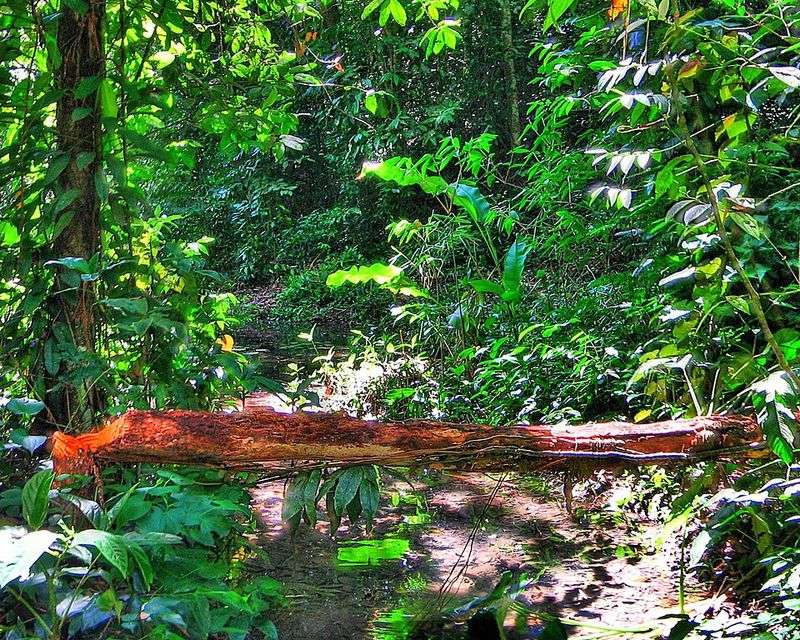
Once stretching along almost the entire eastern coast of Brazil and into Argentina and Paraguay, the Atlantic Forest is one of the most biodiverse places on Earth. CEPF data estimates roughly 8,000 endemic plant species in this region, a number that reflects millions of years of evolutionary creativity in a warm, wet environment.
Bromeliads, tree ferns, and a dazzling array of orchids fill every layer of the forest, from the dark understory to the sun-drenched canopy. Many of these plants have developed tight relationships with specific animals for pollination or seed dispersal, creating ecological webs that are delicate and easily disrupted.
Less than 12% of the original Atlantic Forest remains today, fragmented into patches surrounded by cities and farmland. Despite this, it still shelters more than half of Brazil’s threatened plant species.
Reforestation projects across the region are attempting to reconnect these fragments and give endemic species a fighting chance at survival.
9. Western Ghats and Sri Lanka
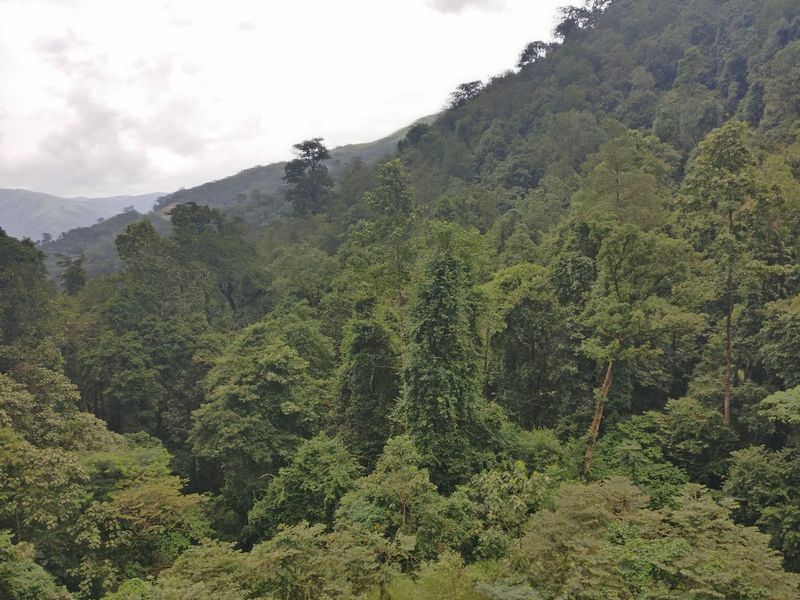
Stretching along the western edge of peninsular India and continuing across the water to Sri Lanka, this combined biodiversity hotspot is one of the most important plant regions in all of Asia. CEPF estimates more than 3,000 endemic plant species, including rare medicinal herbs, towering tropical trees, and delicate flowering plants found in no other part of the world.
The Western Ghats receive heavy monsoon rains each year, feeding dense evergreen forests that drip with moisture for months at a time. Sri Lanka’s central highlands add another layer of diversity, with cloud forests harboring plants adapted to cool, misty conditions rarely found elsewhere in the tropics.
Growing human populations, tea and coffee plantations, and dam construction have steadily reduced natural habitat across both regions. Conservation groups are working with local farmers to develop land-use practices that protect remaining forest patches while supporting the communities that depend on them for livelihoods.
10. Philippines
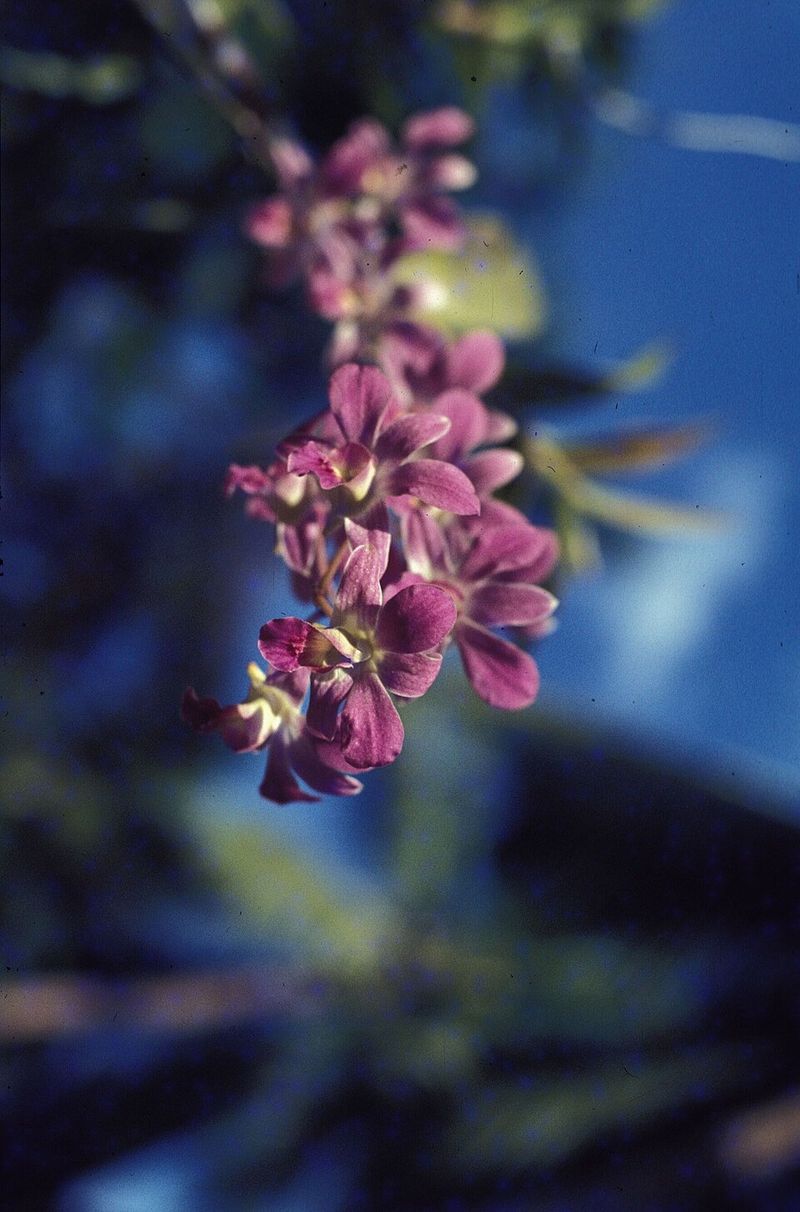
Scattered across more than 7,000 islands in Southeast Asia, the Philippines has spent millions of years developing plant life shaped by tropical heat, abundant rainfall, and geographic isolation. The result is a spectacular collection of endemic orchids, palms, and carnivorous pitcher plants that would surprise even experienced botanists.
Philippine pitcher plants, some large enough to trap small rodents, grow in nutrient-poor soils where other plants struggle to survive. Endemic palms tower above the forest floor in unique arrangements found on specific islands only, reflecting the way geographic barriers have pushed evolution in separate directions across the archipelago.
Rapid deforestation driven by logging and agricultural conversion has placed thousands of Philippine plant species at risk. The country has lost a large portion of its original forest cover, making habitat protection a pressing priority.
Botanical gardens and community-based conservation programs are now playing a growing role in keeping endemic species alive.
11. Socotra, Yemen
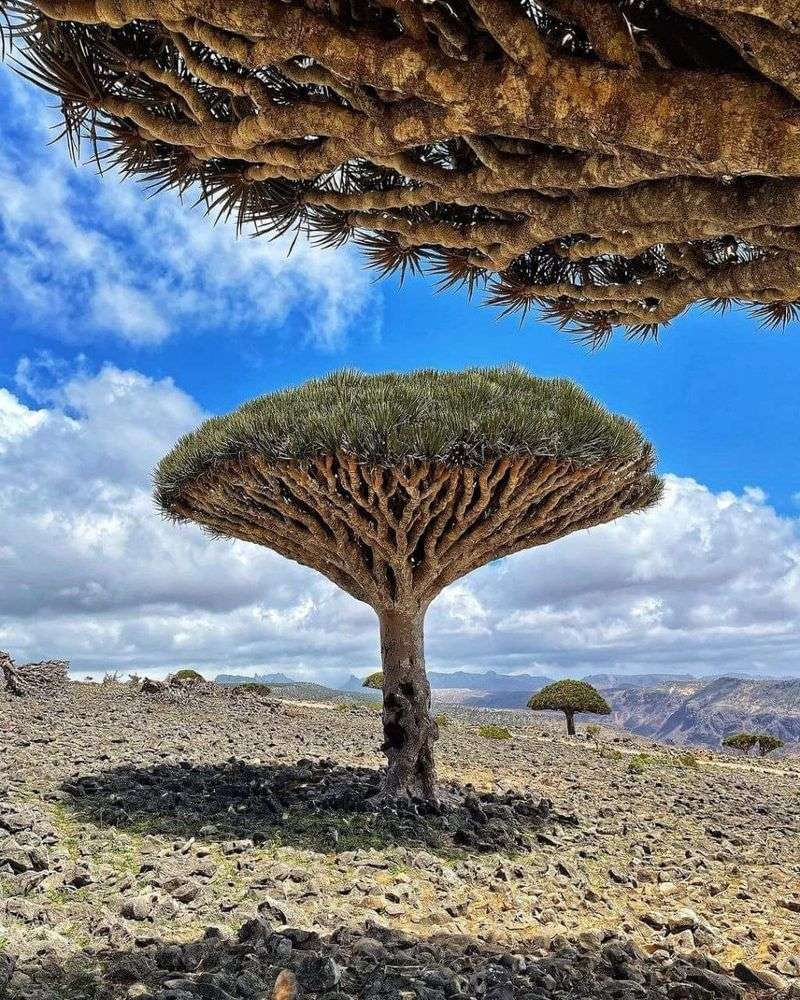
Few places on Earth look quite as alien as Socotra. This remote Yemeni island in the Arabian Sea has been isolated for so long that roughly 37% of its plant species grow nowhere else, including some of the most visually striking plants anywhere in the world.
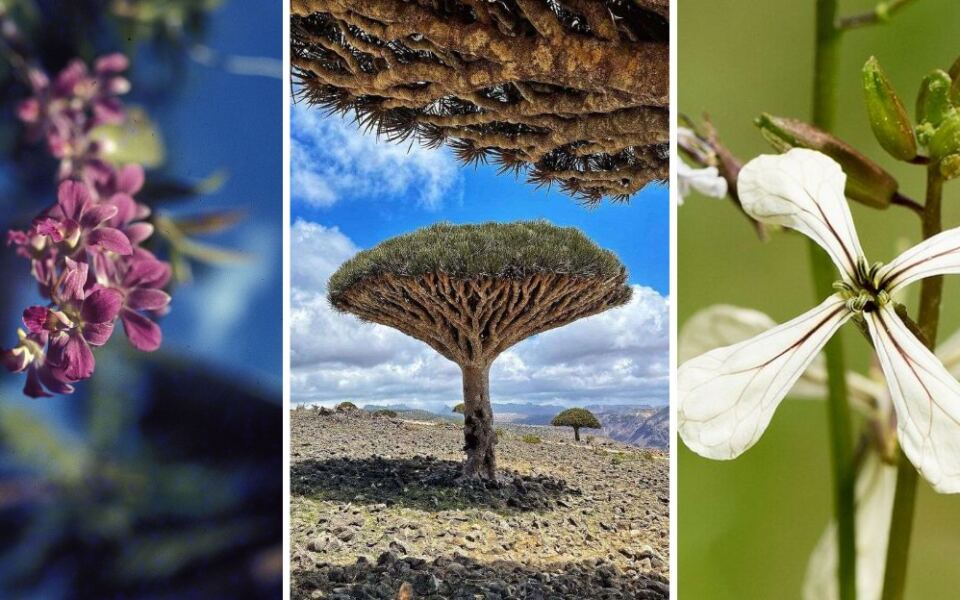
The dragon’s blood tree is Socotra’s most famous resident, with its perfectly umbrella-shaped canopy sitting atop a thick, pale trunk. Its name comes from the deep red resin that oozes from cuts in the bark.
Desert roses, giant succulents that look like inflated bottles, are equally bizarre and equally beautiful.
Socotra’s isolation has historically protected its unique flora, but climate change and increased human activity are now introducing new pressures. Cyclones, which have become more frequent in recent years, have caused significant damage to the island’s fragile ecosystems.
International conservation organizations are working with local authorities to monitor and protect this extraordinary botanical world.
12. New Zealand
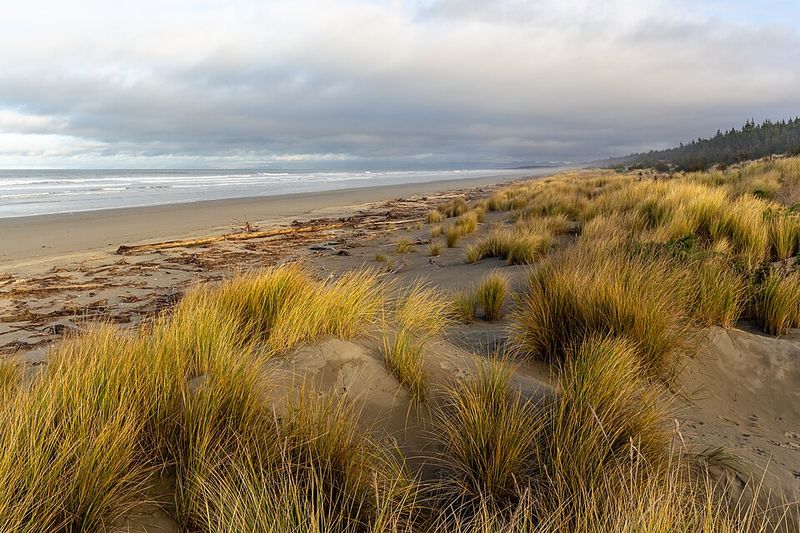
New Zealand separated from the ancient supercontinent Gondwana roughly 80 million years ago, giving its plant life an extraordinarily long time to develop in isolation. CEPF estimates around 1,865 endemic plant species, and the country is officially recognized as a global biodiversity hotspot for good reason.
Silver ferns, iconic kauri trees, and the unusual pohutukawa, which blooms brilliant red along coastal cliffs at Christmas time, all reflect a flora that developed without mammalian herbivores for most of its history. Plants evolved without the need for thorns or tough leaves, making them particularly vulnerable once humans introduced deer, possums, and other browsing animals.
Invasive species remain the single greatest threat to New Zealand’s native plants today. Government-funded predator control programs and community conservation initiatives are making a real difference, helping native forests recover in many areas.
New Zealand’s commitment to protecting its unique botanical heritage is widely respected around the world.
13. Mediterranean Basin
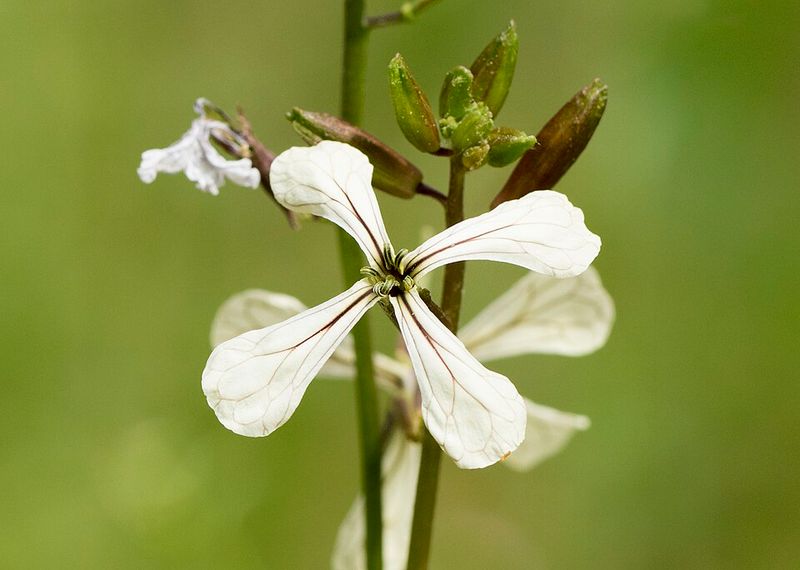
Wrapping around the shores of the Mediterranean Sea from Spain and Morocco to Turkey and Lebanon, the Mediterranean Basin is a recognized global biodiversity hotspot with a plant richness that consistently surprises people unfamiliar with the region. Thousands of endemic species are spread across southern Europe, North Africa, and western Asia.
The Mediterranean climate, with warm dry summers and mild wet winters, has driven plants to develop remarkable adaptations. Aromatic herbs like wild thyme, rosemary, and lavender are famous examples, but the region also shelters rare tulip species, unique orchids, and dozens of endemic plant families less familiar to the general public.
Agriculture dating back thousands of years has shaped the landscape significantly, and modern urbanization continues to put pressure on wild plant habitats. Conservation efforts across multiple countries are now coordinating to protect remaining wild areas, particularly in coastal zones and mountain ranges where endemic species remain most concentrated.
14. California Floristic Province, United States and Mexico
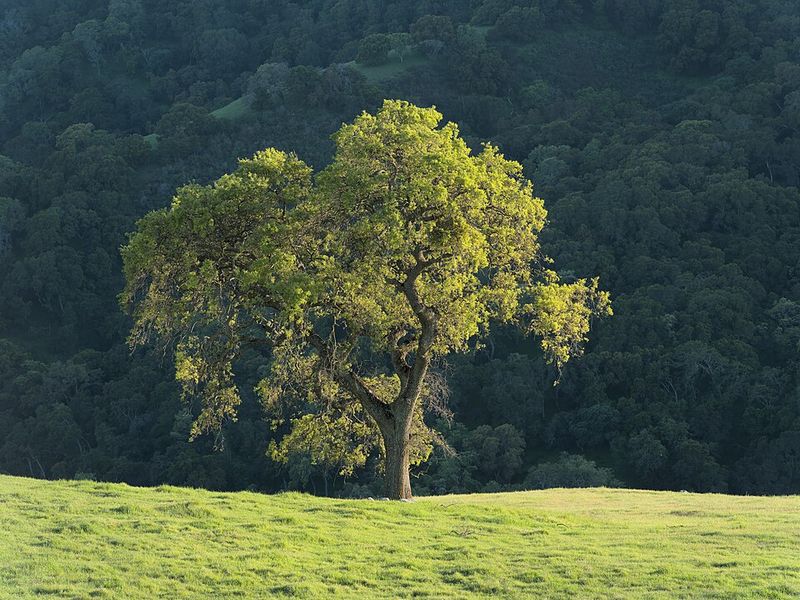
California and a slice of Baja California together form a globally recognized biodiversity hotspot known as the California Floristic Province. The region’s combination of a Mediterranean-type climate, varied topography, and ancient geological history has produced exceptional plant diversity and a high rate of endemism.
California poppies, coast redwoods, and giant sequoias are among the most celebrated endemic and near-endemic species, but the real story is in the thousands of less famous plants found only here. Chaparral shrublands, serpentine grasslands, and coastal scrub each support distinct plant communities that have adapted to local soil and climate conditions over long periods.
Wildfires, invasive grasses, and urban sprawl all threaten native California plants. Some species survive in only a handful of locations, making them extremely vulnerable to any disturbance.
The California Native Plant Society and other organizations are actively working to document, protect, and restore the province’s remarkable botanical heritage.
15. Canary Islands, Spain
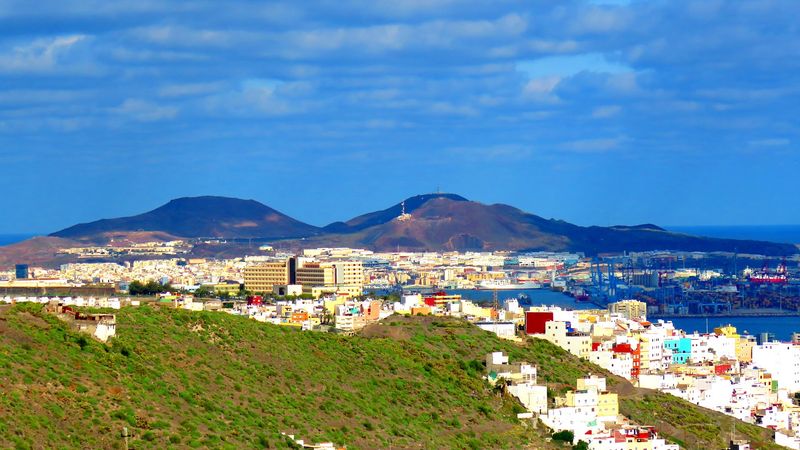
Perched in the Atlantic Ocean off the northwest coast of Africa, the Canary Islands are technically part of Spain but botanically belong to a world all their own. Geographic isolation combined with dramatic differences in elevation, from sea-level beaches to volcanic peaks above 3,700 meters, has created a stunning variety of plant habitats within a relatively compact area.
The Canary Island dragon tree, with its thick trunk and spreading canopy, looks like something from a fantasy story. Giant Echium species send up towering flower spikes covered in blue or red blooms, attracting pollinators from a surprising distance.
Distinctive spurges adapted to arid conditions add yet another layer of botanical character.
Introduced plants and changing land use patterns have put pressure on native Canarian flora over the centuries. Conservation programs across the islands are working to remove invasive species and restore native laurel forest, a habitat that once covered much larger areas and shelters some of the most specialized endemic plants found anywhere in the region.
Share this story