
Some countries have cracked the code when it comes to education, producing students who consistently score at the top of global rankings. From strong math and science results to high literacy rates and innovative learning methods, these nations set the standard for what great schooling looks like.
Organizations like the OECD track student performance worldwide through tests like PISA, giving us a clear picture of where education truly thrives. Here are the 15 smartest countries in the world, based on education performance.
1. Singapore

Singapore sits at the very top of nearly every global education ranking, and it has earned that spot through decades of serious investment in learning. Students here consistently score the highest marks in math, science, and reading on the PISA assessment, which measures academic performance across dozens of countries.
The secret behind Singapore’s success is a mix of high expectations, well-trained teachers, and a curriculum that emphasizes deep understanding over memorization. Parents and schools work closely together, creating a culture where education is genuinely valued.
Singapore also invests heavily in teacher training, making sure educators are among the best-prepared in the world. Class sizes are manageable, and students receive strong support from an early age.
For a small island nation, Singapore punches far above its weight when it comes to producing some of the world’s most academically prepared young people.
2. Japan
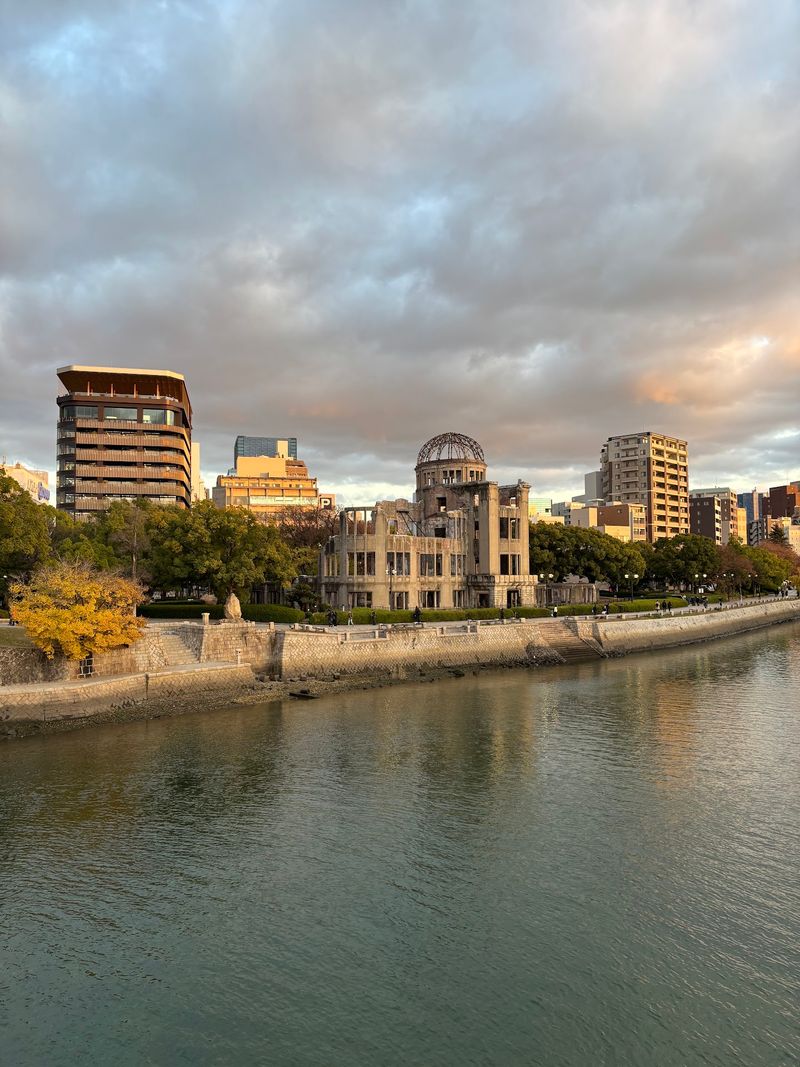
Japan has long been recognized as one of the world’s education powerhouses. Students here regularly achieve outstanding scores in mathematics and science, reflecting a school culture built on discipline, hard work, and mutual respect between students and teachers.
One interesting aspect of Japanese education is the concept of “cleaning time,” where students tidy their own classrooms and school buildings. This practice teaches responsibility and community values from a young age, shaping students into thoughtful citizens as well as strong academics.
Japan’s schools also benefit from a highly consistent national curriculum, meaning students across the country receive a similar quality of education regardless of where they live. Teachers in Japan are well-respected professionals who undergo rigorous preparation.
The combination of cultural values, structured learning, and national standards makes Japan one of the most academically accomplished nations on the planet.
3. South Korea

South Korea’s rise as an education superpower is one of the most remarkable stories of the modern era. Just a few generations ago, the country was rebuilding after war.
Today, it boasts one of the highest rates of university graduates and some of the strongest PISA scores in the world.
Korean students are known for their incredible dedication to studying. Many attend regular school during the day and then head to private tutoring academies called “hagwons” in the evenings.
This intense commitment reflects a deep cultural belief that education is the key to a better future.
South Korea also invests significantly in technology and digital learning tools, keeping classrooms modern and effective. Teacher salaries are competitive, which helps attract talented professionals into the field.
The country’s relentless focus on academic achievement has made it a true global leader in education performance.
4. Estonia
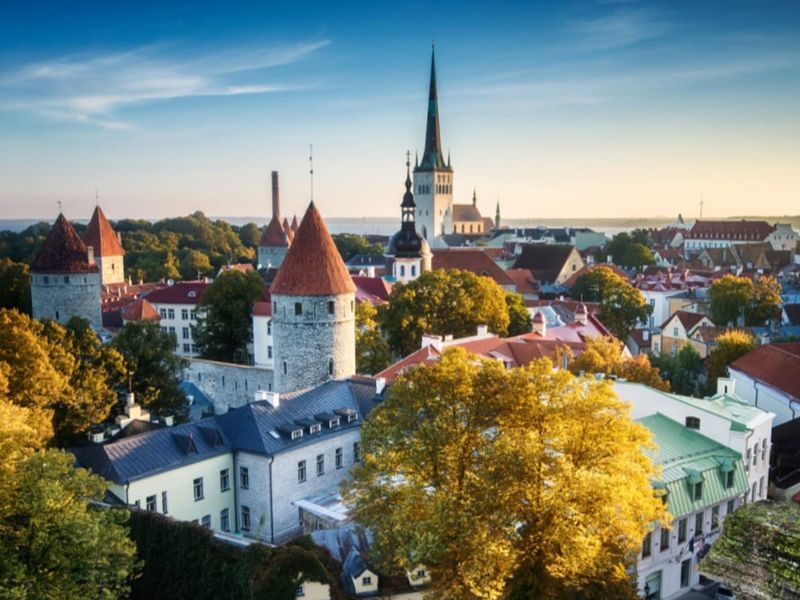
Estonia might be a small country in Northern Europe, but its education system is one of the most impressive in the world. Consistently ranking at the top among European nations on PISA tests, Estonia has built a school system that focuses on critical thinking, digital literacy, and student independence.
What makes Estonia especially fascinating is its commitment to technology in education. The country introduced computer programming as part of the school curriculum back in the 1990s, long before most other nations considered it important.
Today, Estonian students are among the most digitally skilled young people anywhere.
Despite strong academic results, the Estonian school day is actually quite balanced. Students are not overloaded with homework, and there is a real emphasis on well-being alongside learning.
Estonia proves that you do not need to sacrifice student happiness to achieve outstanding academic results on the world stage.
5. Canada

Canada consistently earns high marks in global education rankings, and it is easy to see why. The country combines a strong public school system with a deeply multicultural society, creating classrooms where students learn from a wide range of backgrounds and perspectives.
This diversity is widely seen as a strength rather than a challenge.
Canadian students perform especially well in reading and science, and the country’s education system is known for being inclusive and supportive. Schools across provinces work hard to make sure every student, regardless of background or ability, has access to quality learning opportunities.
One standout feature of Canadian education is the emphasis on teacher quality. Educators here are well-trained and highly regarded, which contributes directly to strong student outcomes.
Canada also benefits from generous public funding for schools. All of these factors combine to make Canada one of the most reliably excellent education systems in the world.
6. Ireland

Ireland has quietly built one of the strongest education systems in Europe, earning impressive scores across reading, math, and science in international assessments. The country places a high value on literacy, and Irish students consistently perform above the global average in language-based subjects.
A key part of Ireland’s educational success is its well-structured national curriculum and strong focus on teacher preparation. Irish teachers go through thorough training programs before entering classrooms, and ongoing professional development is encouraged throughout their careers.
Ireland also benefits from a culture that genuinely prizes learning and intellectual achievement. The country has a rich literary tradition, and that love of language and storytelling filters into how schools approach reading and communication skills.
Class sizes in Irish schools are generally manageable, allowing teachers to give students more individual attention. These combined strengths have helped Ireland earn its place among the world’s top-performing education systems.
7. Switzerland
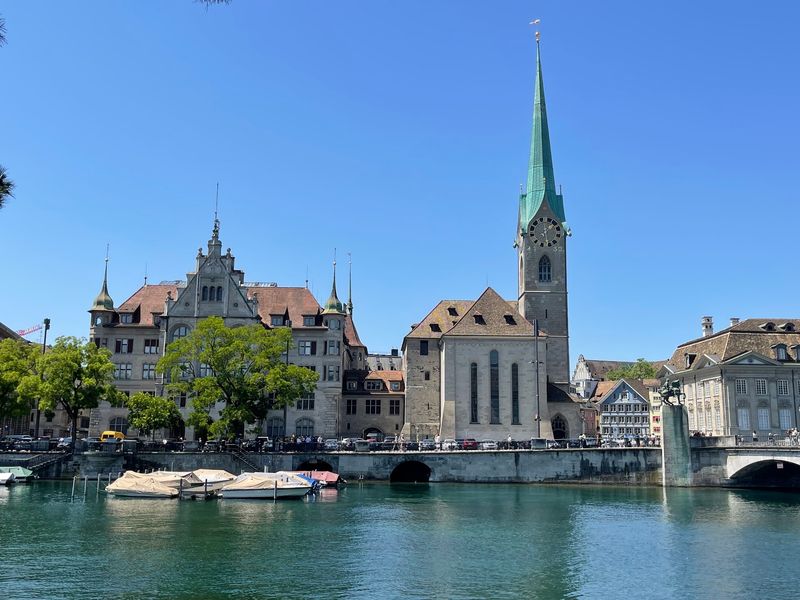
Switzerland takes a refreshingly practical approach to education, blending strong academic learning with real-world skill development. The country is well known for its dual education system, which allows students to pursue either a traditional academic path or a highly respected vocational training route.
Both tracks lead to meaningful, well-paying careers.
Swiss students score highly in math and science, and the country consistently ranks among the best in Europe on international education assessments. Schools are well-funded, and teachers are considered highly skilled professionals who receive strong support from the government.
Switzerland’s multilingual environment also plays an interesting role in education. With four national languages, students are often exposed to multiple languages from a young age, which research shows can boost cognitive flexibility and problem-solving skills.
This combination of academic rigor, vocational excellence, and linguistic diversity makes Switzerland a genuinely unique and high-performing education nation.
8. Australia

Australia has built a solid reputation as a high-performing education nation, with students regularly scoring above the global average in reading, math, and science on international tests. The country’s school system is known for being inclusive, innovative, and student-centered, focusing on nurturing individual potential alongside academic skills.
Australian schools place a strong emphasis on critical thinking and creativity, encouraging students to ask questions, explore ideas, and develop their own perspectives. This approach helps produce graduates who are not just knowledgeable but also adaptable and independent in their thinking.
Geography plays a unique role in Australian education, with the country using distance education programs to reach students in remote outback regions. These programs ensure that even children living far from major cities have access to quality schooling.
Australia’s commitment to educational equity, combined with strong academic outcomes, firmly places it among the world’s smartest and most forward-thinking education systems.
9. Finland
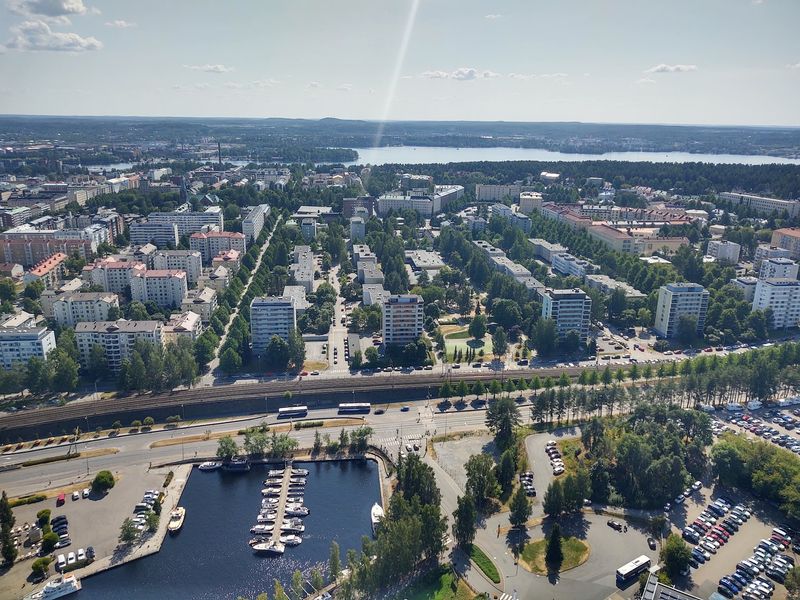
Finland is practically the poster child for progressive, student-friendly education, and the results speak for themselves. Finnish students consistently score near the top of global rankings, yet they spend fewer hours in school than students in many other high-performing countries.
The emphasis here is on quality over quantity.
One of Finland’s most talked-about education features is the near-total absence of standardized testing until the end of high school. Instead of drilling students with exams, Finnish teachers focus on nurturing curiosity, creativity, and a genuine love of learning.
Homework is minimal, and play is considered an essential part of child development.
Teachers in Finland are among the most respected and well-trained professionals in the country. Only top university graduates are accepted into teacher education programs, making teaching a highly competitive and prestigious career.
Finland’s model shows the world that student well-being and academic excellence are not opposites but can go hand in hand.
10. New Zealand

New Zealand brings a warm and student-centered philosophy to education that has earned it consistent recognition in global rankings. The country performs strongly across reading, science, and math, with a school system that values both academic achievement and the holistic development of each child.
One of the most distinctive aspects of New Zealand’s education system is its commitment to honoring Maori culture and the indigenous language, Te Reo Maori. Many schools offer bilingual programs, and Maori traditions are woven into the fabric of everyday school life.
This cultural integration makes New Zealand’s approach to education genuinely unique.
New Zealand also encourages student voice and participation, meaning children have a say in how their learning is shaped. Teachers are trained to build strong relationships with students, creating environments where young people feel safe, respected, and motivated to learn.
This blend of culture, inclusion, and academic quality keeps New Zealand firmly on the global education map.
11. United Kingdom

The United Kingdom has one of the most well-established and internationally recognized education systems in the world. Home to some of the oldest and most prestigious universities on earth, including Oxford and Cambridge, the UK has a long and storied tradition of academic excellence that continues to shape global education today.
British students perform competitively on international assessments, particularly in reading and science. The school system places a strong emphasis on structured learning, critical analysis, and written communication, skills that serve students well throughout their academic and professional lives.
England, Scotland, Wales, and Northern Ireland each manage their own education systems, which allows for some regional flexibility while maintaining broadly high standards across the board. The UK also attracts students from around the world, drawn by the reputation of its universities and schools.
This international influence keeps the education system dynamic, diverse, and consistently forward-looking.
12. Poland

Poland’s education story is one of the most impressive turnarounds in recent history. Just a few decades ago, the country’s school system was considered average at best.
Then came a series of bold education reforms in the late 1990s, and the results were remarkable. Poland’s PISA scores shot up dramatically, placing the country among Europe’s top academic performers.
Polish students now score particularly well in math and reading, reflecting a curriculum that challenges students to think deeply and develop strong foundational skills. The reforms focused on raising standards, improving teacher training, and creating clearer academic pathways for students of all abilities.
Poland also has a strong cultural respect for education and intellectual achievement, which motivates students and families to take schooling seriously. The country’s ability to transform its education system through smart policy decisions makes it a fascinating case study and a genuinely impressive entry on this global list.
13. Czech Republic
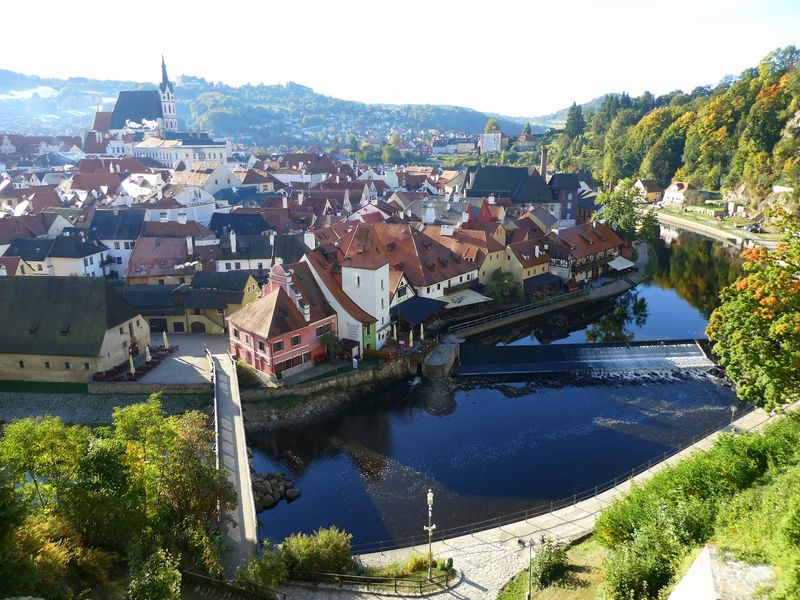
The Czech Republic has long maintained a strong education tradition rooted in Central European academic culture. Czech students consistently perform above the international average on PISA assessments, particularly in math and science, making the country one of the steadiest academic performers in the European Union.
Czech schools place a high value on structured learning and subject mastery, with a curriculum that covers a broad range of disciplines from an early age. Students are expected to develop strong analytical and problem-solving skills throughout their schooling, which contributes to the country’s solid international results.
The country also has a well-established network of universities and higher education institutions, many of which have roots going back centuries. Charles University in Prague, founded in 1348, is one of the oldest in the world.
This deep academic heritage influences the values and expectations within the Czech education system, giving it a rich and enduring foundation.
14. Denmark

Denmark takes a refreshingly human approach to education, prioritizing student happiness, creativity, and personal development alongside academic learning. Danish schools are known for their relaxed, democratic atmosphere, where students are encouraged to voice opinions, question ideas, and take ownership of their own learning journeys from a very young age.
Despite this laid-back style, Danish students perform solidly on international assessments, scoring above the global average in reading and science. The school system is well-funded and universally accessible, meaning all children regardless of family income have access to high-quality education without tuition fees.
A concept central to Danish education is “dannelse,” roughly translated as the all-round formation of a person. Schools aim to develop students as complete human beings, not just academic achievers.
This philosophy creates graduates who are confident, curious, and socially aware. Denmark shows that nurturing the whole student can still produce genuinely strong academic outcomes.
15. Sweden
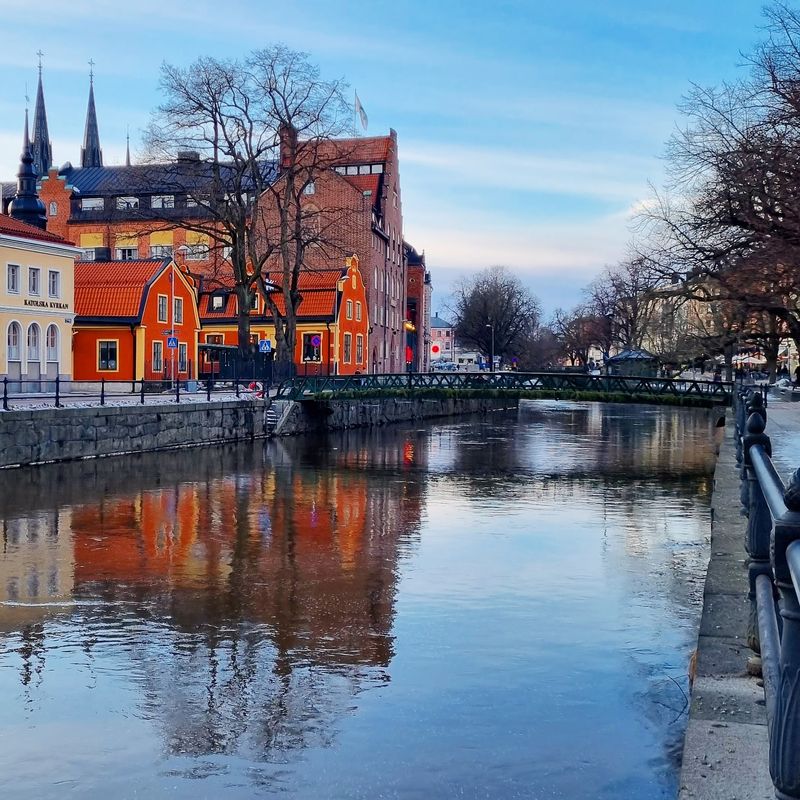
Sweden has long been associated with progressive values, and its education system reflects that reputation. Swedish schools emphasize equality, student autonomy, and a supportive learning environment, aiming to make every student feel valued and capable.
The country provides free schooling from preschool through university, making education one of its most cherished public services.
Swedish students perform above the global average on PISA tests, with particular strengths in reading and collaborative problem-solving. In recent years, Sweden has worked to improve its math scores by reintroducing more structured teaching methods, showing a willingness to adapt and refine its approach based on evidence.
Sweden was also an early adopter of digital technology in classrooms, integrating computers and tablets into everyday learning long before it became common elsewhere. However, the country continues to balance screen time with traditional reading and writing to maintain core literacy skills.
Sweden’s blend of innovation and equity makes it a standout education system worldwide.
Share this story