In 1966, popular music was moving faster than almost anyone could track. Motown was releasing chart-topping singles nearly every month, British bands were still commanding American radio, and a new wave of American garage rock was pushing back with raw energy and attitude.
Television was connecting teenagers to their favorite artists in ways that felt genuinely new, while transistor radios carried the same songs from bedroom to bus stop to school dance. The variety on offer was remarkable.
Within a single hour of radio, a listener might hear a lush vocal ballad, a primitive three-chord rocker, a Motown soul classic, and something that barely resembled anything recorded before it. What follows is a look at 15 songs that defined that year, each one representing a different corner of what teenage music had become.
Whether you lived through 1966 or are discovering it now, these records reveal just how much was happening all at once.
1. Good Vibrations by The Beach Boys
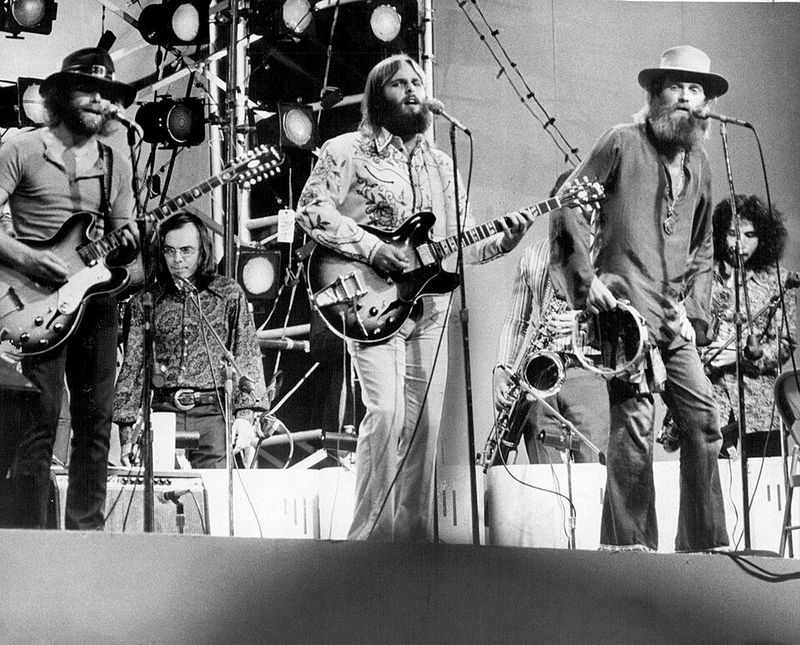
Brian Wilson spent more time and money recording this single than almost any pop record that had come before it. Sessions ran from February to September 1966 across four Hollywood studios, consuming over 90 hours of tape and costing an estimated $50,000 to $75,000.
Wilson used a “modular” approach, recording short musical fragments separately and then assembling them like puzzle pieces. Carl Wilson handled the lead vocal in the verses, while an Electro-Theremin provided the song’s eerie, wavering sound.
Good Vibrations reached No. 1 on the Billboard Hot 100 in December 1966. It became the Beach Boys’ first million-selling single and proved that a pop record could be genuinely experimental without losing mass appeal.
The phrase “good vibes” entered everyday conversation largely because of this song.
2. You Can’t Hurry Love by The Supremes
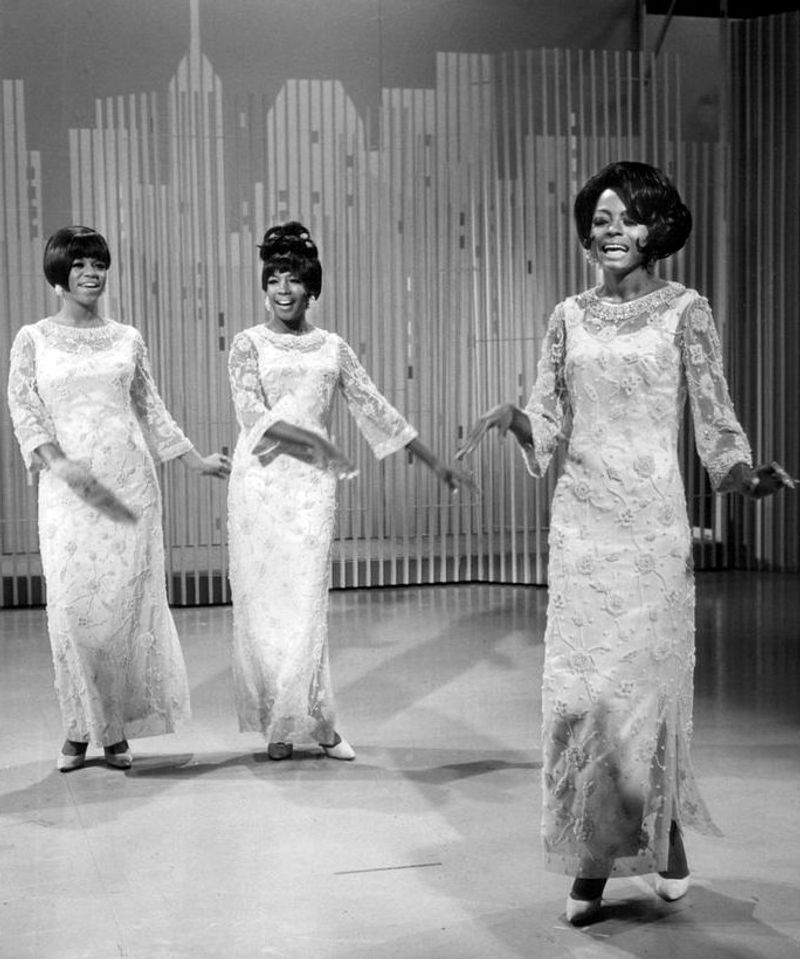
Holland-Dozier-Holland wrote this song with a lyric built around a simple idea: patience is required when it comes to romance, and no amount of wishing will speed the process up. Diana Ross delivered that message with a vocal warmth that made the advice feel genuine rather than preachy.
Released in the summer of 1966, the record reached No. 1 on the Billboard Hot 100. The Supremes had already accumulated a remarkable string of chart-toppers by this point, and You Can’t Hurry Love added another to a list that was becoming genuinely historic.
Motown had developed a formula for radio-ready pop that worked on tiny transistor speakers as well as full stereo systems. This record was one of the label’s most effective demonstrations of exactly that skill.
3. Last Train to Clarksville by The Monkees
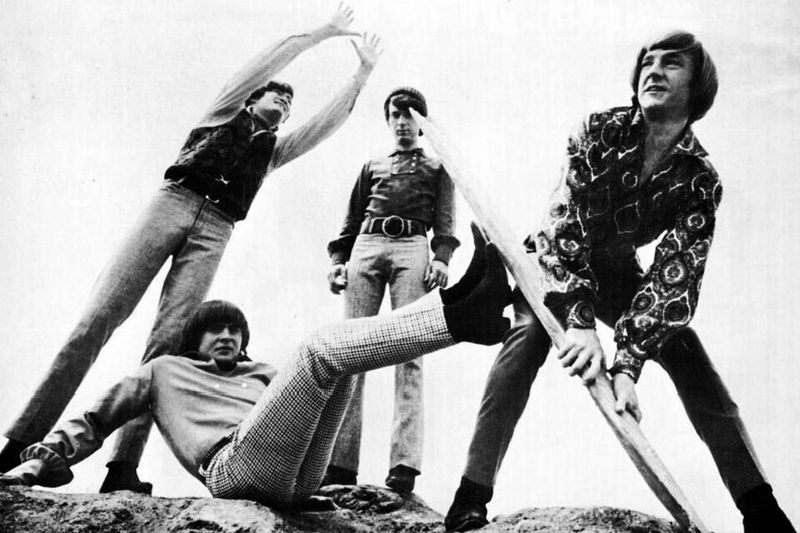
Tommy Boyce and Bobby Hart wrote this brisk, guitar-driven debut single for the Monkees, and it reached No. 1 on the Billboard Hot 100 shortly after the group’s television series premiered in September 1966. The timing could not have been better arranged.
The lyrics describe a narrator urgently asking someone to meet him before he has to leave town, with the destination and circumstances left deliberately vague. That ambiguity gave the song a slightly unsettled undercurrent beneath its energetic surface.
Teenagers who heard the single on the radio could then watch the same band creating comic chaos on television the same week. Few new acts in 1966 received a more effective introduction to the American public, and the chart result reflected just how well that strategy worked.
4. Wild Thing by The Troggs
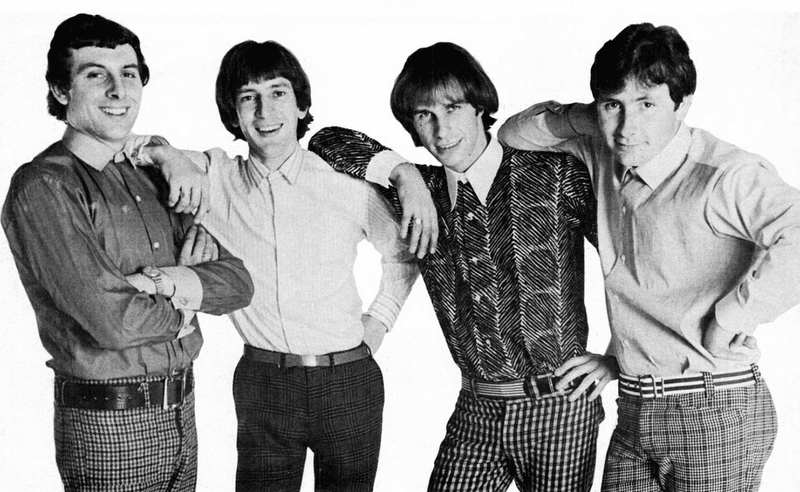
Chip Taylor wrote this song, but it was the Troggs who turned it into a garage-rock landmark. Reg Presley’s vocal is deliberately unpolished, the guitar chords are about as basic as rock allows, and the rhythm section makes no attempt at subtlety.
Wild Thing reached No. 1 in the United States in 1966 and became the kind of record that teenage garage bands across the country could imagine playing themselves. That accessibility was central to its appeal.
The song did not require elaborate equipment or professional production.
At a moment when some rock music was becoming increasingly sophisticated and studio-dependent, Wild Thing pointed in the opposite direction. It demonstrated that raw simplicity, delivered with enough conviction, could still produce one of the year’s biggest hits and inspire thousands of young musicians to pick up instruments.
5. Paint It, Black by The Rolling Stones
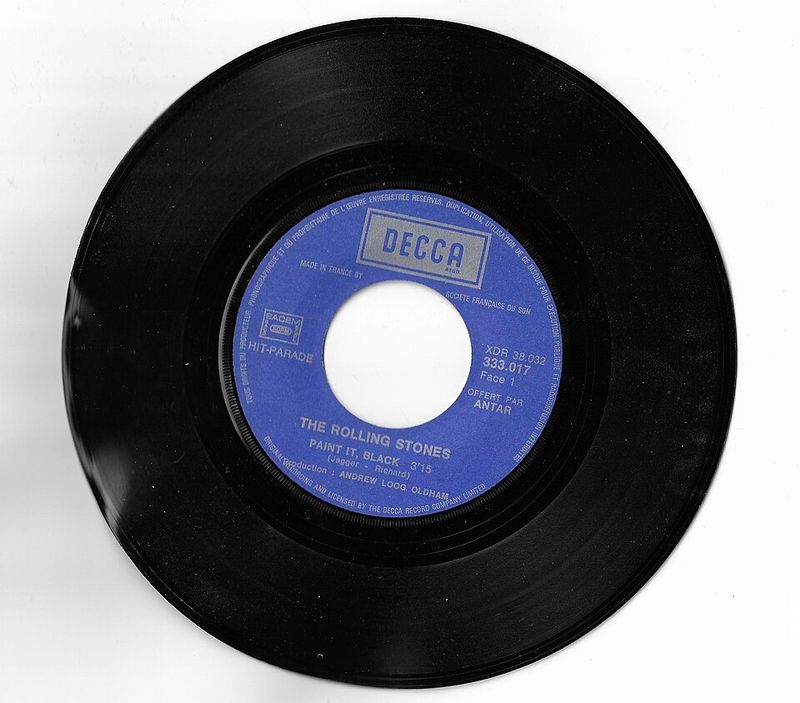
Brian Jones brought a sitar into the recording session, and that single instrument gave this Rolling Stones single a sound that immediately stood apart from anything else on pop radio in 1966. The instrument had been associated with Eastern music and was still genuinely unusual in Western pop recordings.
The lyrics dealt with grief and a desire to see the world drained of color, which was considerably darker than the average teenage hit. None of that prevented Paint It, Black from reaching No. 1 on the Billboard Hot 100.
The record was significant beyond its chart position. It signaled that rock music aimed at young audiences no longer had to revolve around romance or dancing.
A song this unsettling could become one of the biggest records in America, and that shift opened new creative territory for the artists who followed.
6. Reach Out I’ll Be There by Four Tops
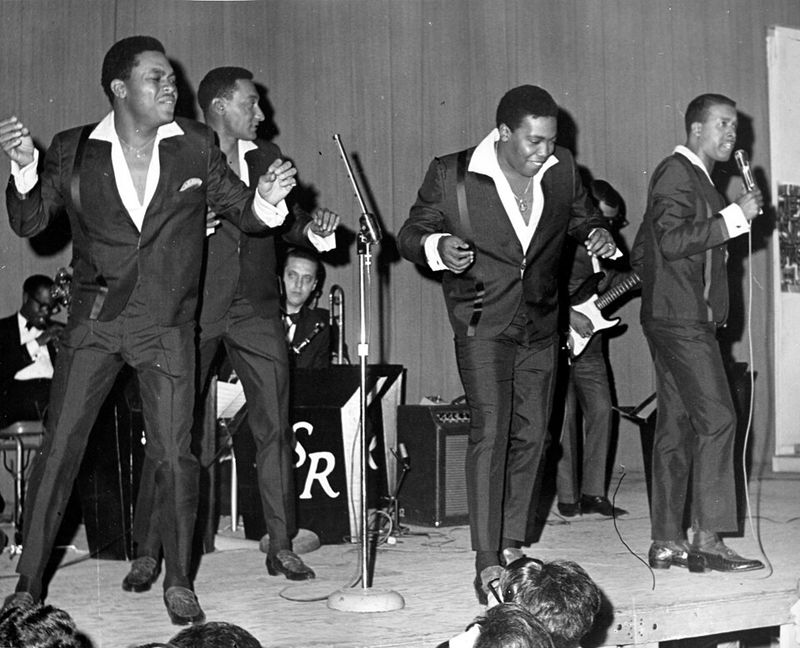
Holland-Dozier-Holland wrote this one with a sense of urgency that the Four Tops delivered in full. Levi Stubbs did not approach the lyric as a gentle reassurance.
He pushed his vocal to its limits, making the promise to show up for someone in need sound almost desperate in its sincerity.
Released in 1966, Reach Out I’ll Be There topped the Billboard Hot 100 and became a major international hit as well. The production was built to cut through any radio signal, with a dramatic opening that grabbed attention before the first verse arrived.
Motown had become expert at crafting records that worked on the smallest, cheapest speakers available. This song was one of the label’s finest achievements in that regard.
Its intensity and precision made it stand out even in a year crowded with remarkable Motown releases.
7. 96 Tears by ? and the Mysterians
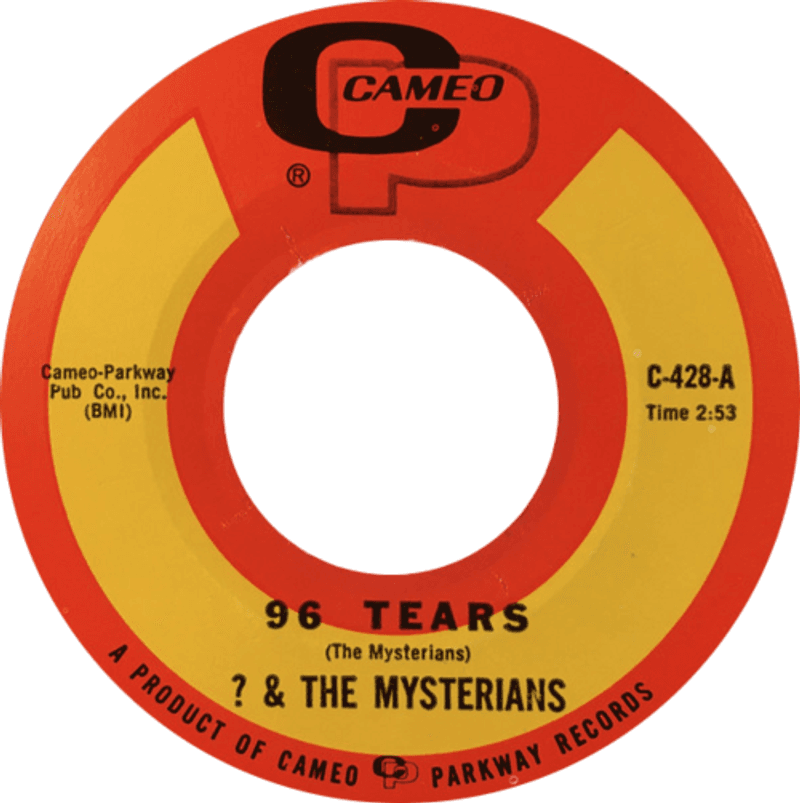
A Vox organ riff is essentially the entire foundation of this record, and it was enough to carry a Michigan garage band to the top of the Billboard Hot 100 in 1966. The frontman, known only as Question Mark, maintained a deliberately mysterious public image that added curiosity to an already distinctive record.
Released nationally in 1966 after gaining regional traction, 96 Tears represented the do-it-yourself spirit that was spreading through American rock at the time. Teenagers in garages across the country were forming bands, and suddenly a group that sounded raw and regional could reach the top of the national charts.
The gap between playing local dances and having a No. 1 single had become surprisingly narrow. That possibility made 96 Tears more than just a hit.
It became a symbol of what independent-minded rock could achieve with the right hook and enough momentum.
8. I’m a Believer by The Monkees
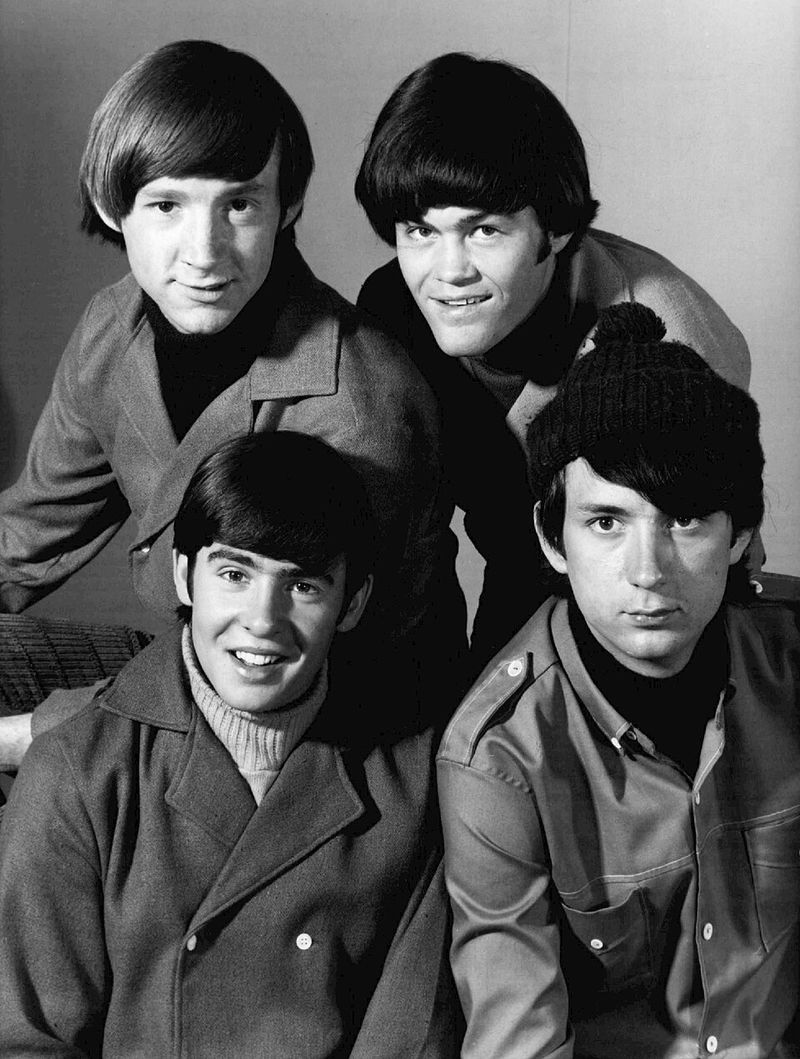
Neil Diamond wrote this song, and when the Monkees recorded it in 1966, they turned it into one of the fastest-selling singles in Columbia Records history at that time. Micky Dolenz sang the lead vocal with a directness that made the chorus impossible to ignore after a single listen.
The single reached No. 1 on the Billboard Hot 100 and stayed there for seven weeks, carrying into early 1967. For teenagers watching the Monkees’ television series each week, the group had already become familiar personalities before the song even arrived.
That combination of weekly television exposure and a perfectly constructed pop single was nearly impossible to resist. I’m a Believer became one of the clearest examples of how entertainment platforms in 1966 could work together to create an enormous hit.
9. Summer in the City by The Lovin’ Spoonful
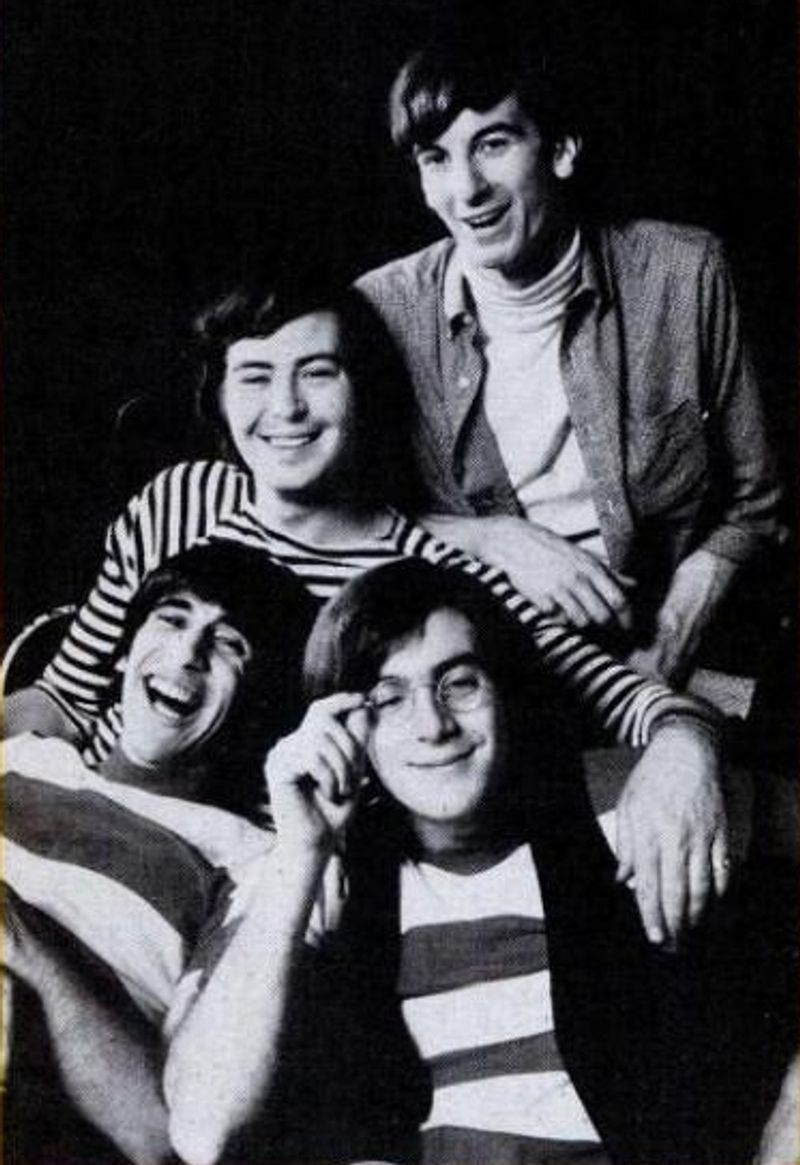
Rather than presenting summer as a season of beaches and carefree leisure, this Lovin’ Spoonful hit focused on the less comfortable version. Hot sidewalks, traffic, and oppressive daytime heat are the opening setting, with relief arriving only after the sun goes down.
The production incorporated actual city sounds, including car horns and a pneumatic drill, into the arrangement. That was an unusual choice for a pop single in 1966, and it gave the record a texture that separated it from most of what was on the radio that summer.
Summer in the City reached No. 1 on the Billboard Hot 100. The Lovin’ Spoonful had built their reputation on bright, folk-influenced pop, and this record showed they could work in a tougher, more urban register.
Teenagers who spent summers in cities found the song particularly easy to recognize as their own experience.
10. Sunshine Superman by Donovan
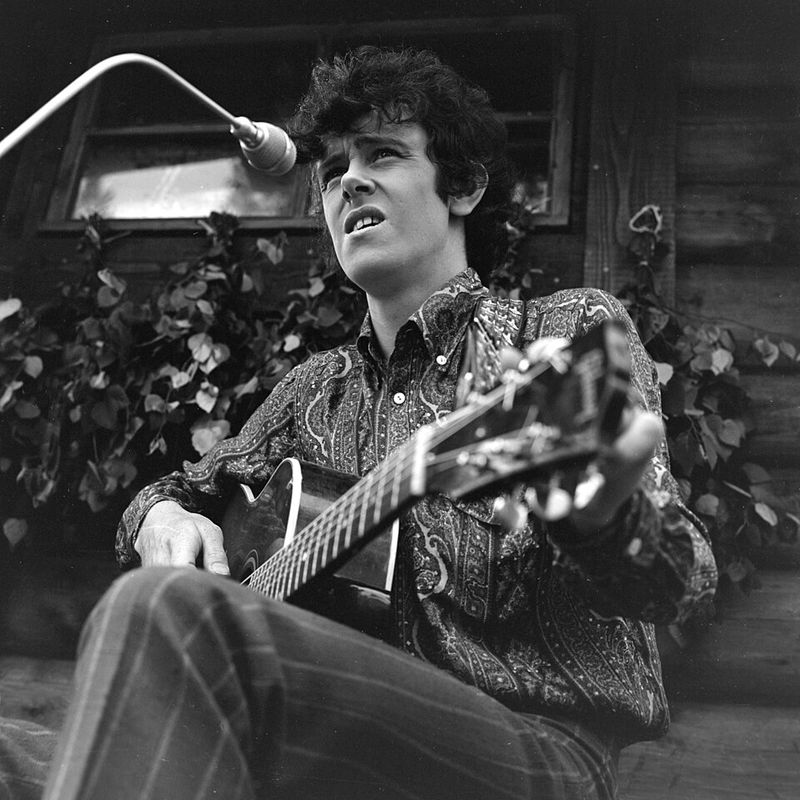
The musicians on this recording session included Jimmy Page and John Paul Jones, both of whom would later form Led Zeppelin. That lineup alone made the track historically interesting, but what teenagers heard in 1966 was simply a pop record that sounded unlike Donovan’s earlier folk work.
Released in the United States in 1966, Sunshine Superman reached No. 1 on the Billboard Hot 100. Its relaxed vocal, unusual arrangement, and imagery placed it at the early edge of psychedelic pop just as that movement was beginning to reach mainstream radio.
Donovan had been associated with acoustic folk, and this record marked a clear shift. For teenagers paying attention, it offered a preview of how dramatically rock music would continue to change over the next two years.
The song arrived at precisely the right moment to feel like something genuinely new.
11. Monday, Monday by The Mamas & the Papas
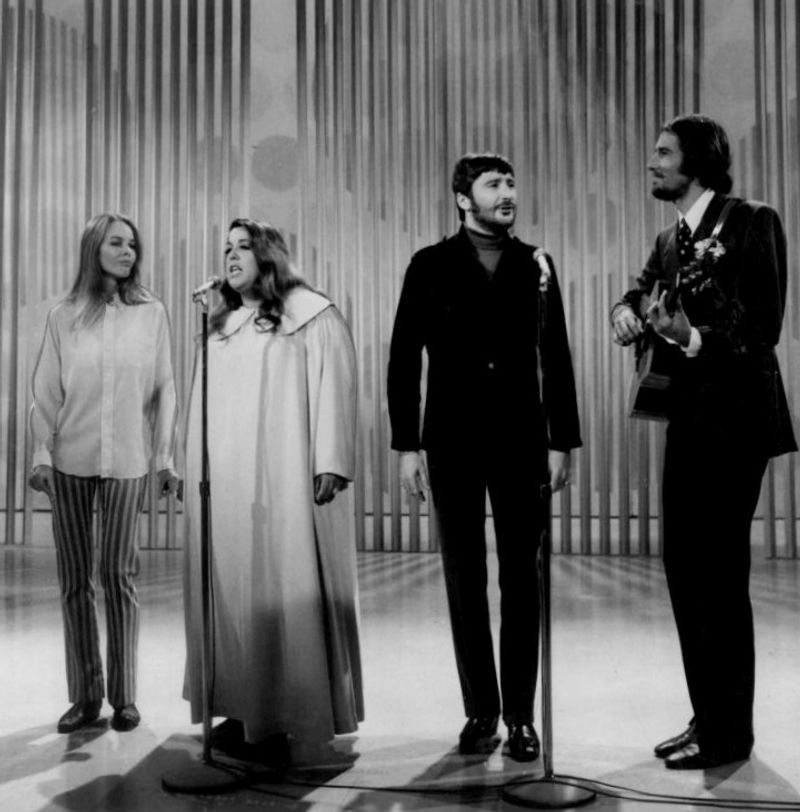
John Phillips wrote this song and the Mamas and the Papas recorded it as one of the defining examples of the California harmony sound that was developing on the West Coast in the mid-1960s. No single lead voice dominates.
The four members blend together in a way that was immediately recognizable.
Monday, Monday reached No. 1 on the Billboard Hot 100 in 1966. The lyric is straightforward, describing the particular frustration of a week starting badly, and that relatability helped the song connect with teenagers across the country regardless of where they lived.
The group’s sophisticated vocal arrangements set them apart from most of their contemporaries. While other acts relied on production effects or instrumental gimmicks to stand out, the Mamas and the Papas let their voices carry the work.
That approach produced one of the year’s most enduring records.
12. Kicks by Paul Revere & the Raiders
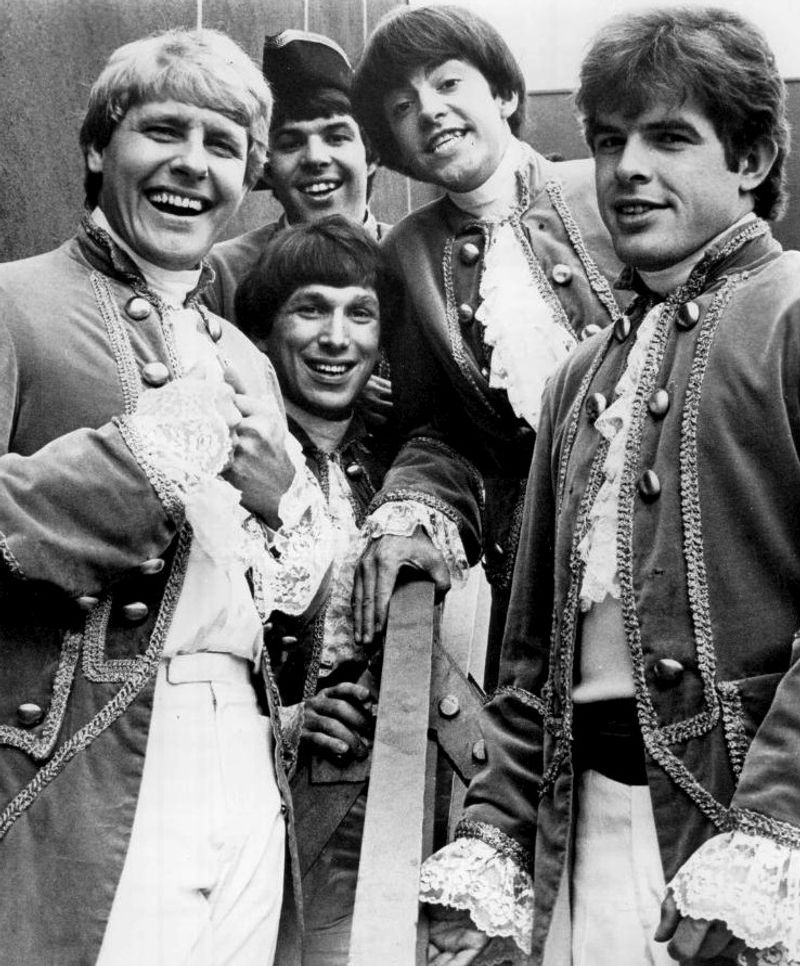
Barry Mann and Cynthia Weil wrote this song with a message that could have easily felt heavy-handed. Instead, Paul Revere and the Raiders delivered it with enough garage-rock energy that the cautionary content arrived inside a genuinely entertaining package.
The band had enormous visibility among younger audiences through their appearances on television programs, particularly Where the Action Is. That platform put them in front of millions of teenagers on a regular basis, which made Kicks especially well positioned to reach its intended audience.
The single became one of the group’s biggest hits in 1966. Their distinctive colonial-era stage costumes, combined with their television presence and consistent chart success, made them one of the most recognizable American rock acts of the period.
Kicks proved that a song with a serious message could still be genuinely fun to listen to.
13. Devil with a Blue Dress On & Good Golly Miss Molly by Mitch Ryder and the Detroit Wheels
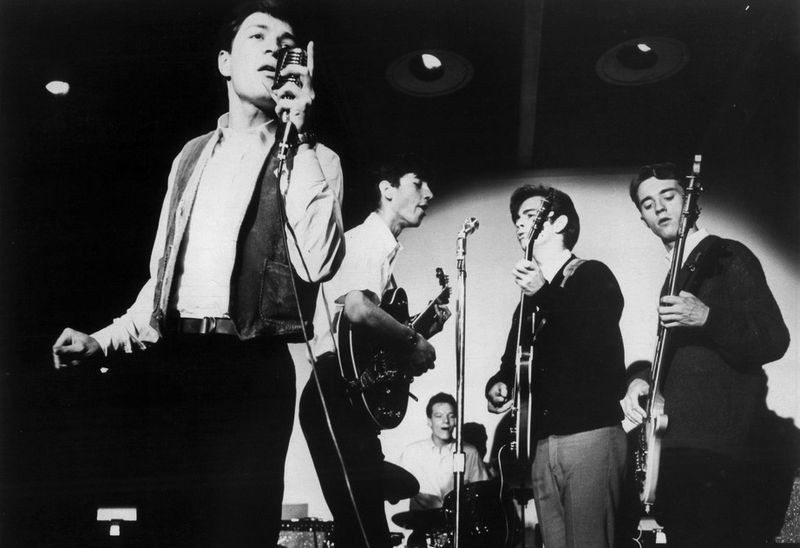
Two songs for the price of one was the basic concept, and Mitch Ryder and the Detroit Wheels executed it with a physical intensity that made the medley feel like it was barely under control. Devil with a Blue Dress On leads directly into Little Richard’s Good Golly Miss Molly with almost no pause between them.
The Detroit band’s rhythm section pushes relentlessly, and Ryder’s vocal sounds like he is competing with the musicians rather than simply singing over them. The single reached the Top 5 on the Billboard Hot 100 in 1966.
At a time when rock production was becoming increasingly layered and studio-polished, this record represented a different tradition entirely. It was rock and roll understood as raw physical performance rather than careful craft.
Volume and energy were the point, and the record delivered both without apology.
14. Cherish by The Association
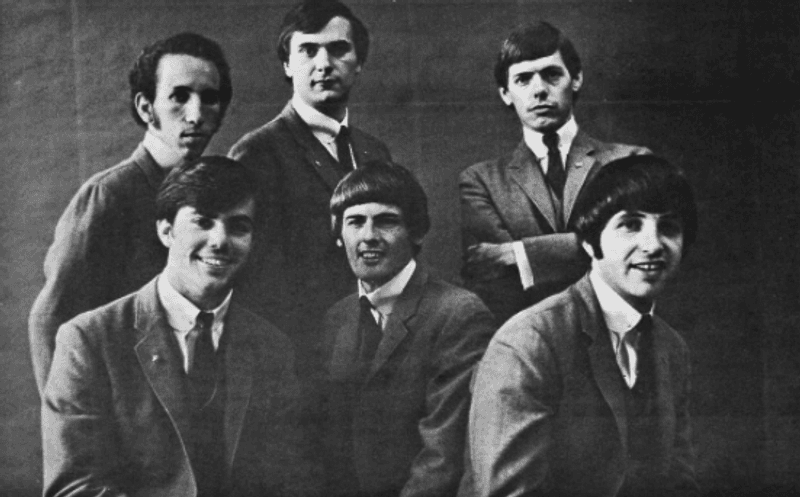
Terry Kirkman wrote this ballad for the Association, and its lush vocal harmonies placed it at the opposite end of the sonic spectrum from the garage rock also dominating radio in 1966. The vulnerability in the lyric was direct and uncomplicated, which made it easy to connect with.
Cherish reached No. 1 on the Billboard Hot 100 and remained there for three weeks. Its success demonstrated how wide the range of teenage taste actually was that year.
A listener who loved Wild Thing could also have Cherish at the top of their list without any contradiction.
The coexistence of records this different on the same charts is part of what made 1966 so musically interesting. For many teenagers, Cherish became permanently attached to specific memories of school dances and early romances in ways that more aggressive records rarely managed to achieve.
15. Good Lovin’ by The Young Rascals
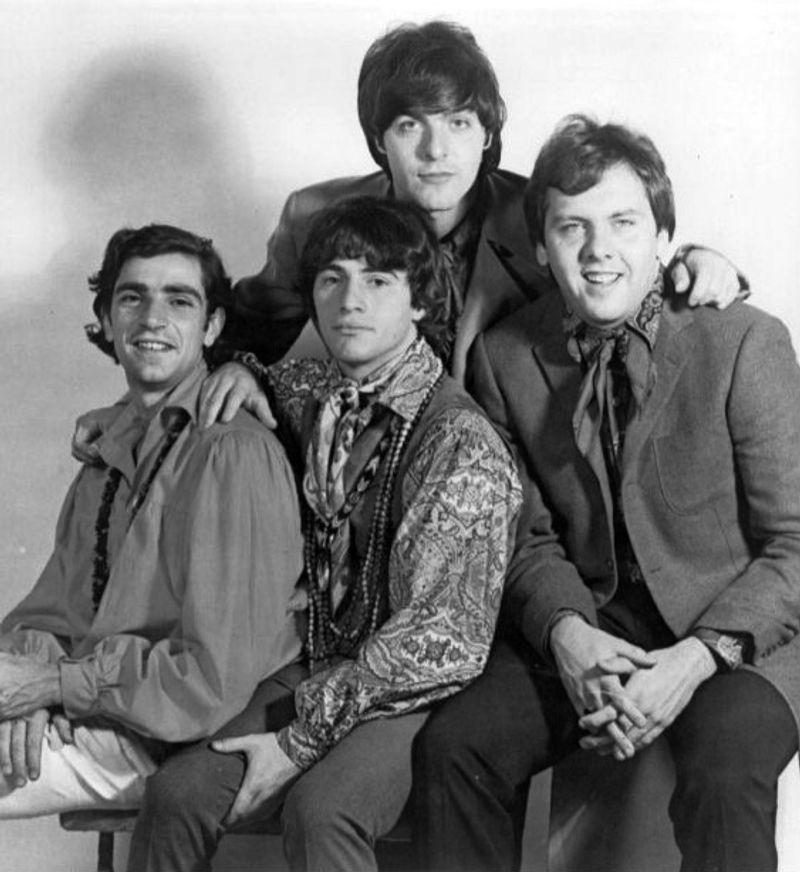
Felix Cavaliere’s opening shout sets the pace immediately, and Dino Danelli’s drumming makes sure it never lets up. The Young Rascals released their version of Good Lovin’ in 1966, transforming a song previously recorded by other artists into their first No. 1 hit on the Billboard Hot 100.
The group brought a blue-eyed soul energy to the record that felt genuinely connected to the rhythm and blues tradition rather than simply borrowing its style. That authenticity came through clearly, even on AM radio with limited audio quality.
Good Lovin’ was the kind of record that filled a dance floor before the first verse finished. The Young Rascals would develop considerably as songwriters in the years that followed, but this debut No. 1 captured them at their most immediate and direct.
Loud, energetic, and built for teenagers who wanted the volume turned up.
Share this story