Hollywood’s Golden Age produced some of the most captivating women ever to appear on screen. Many of their names still ring familiar, but a surprising number of genuinely gifted actresses have quietly slipped out of the spotlight over the decades.
Some were typecast, some clashed with studio bosses, and some simply had the bad luck of living in a world that was not ready to appreciate everything they had to offer. This list brings sixteen of those women back into focus, celebrating their beauty, their talent, and the fascinating stories that made each of them far more than just a pretty face from a black-and-white movie.
Gene Tierney
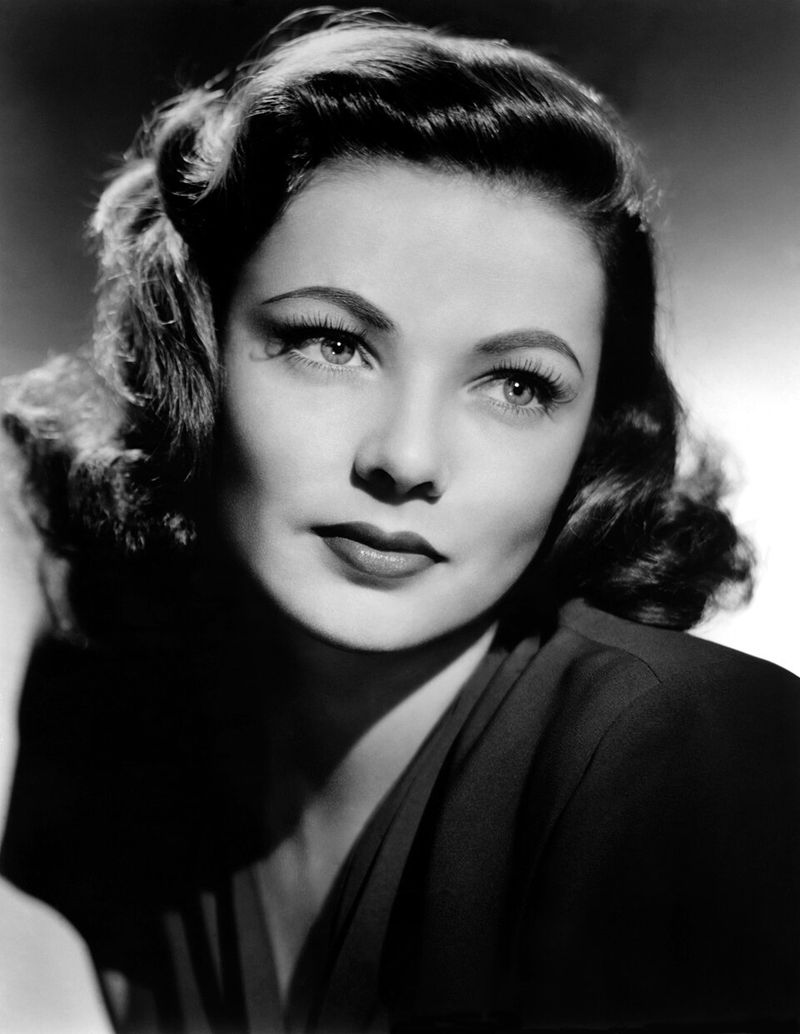
Few faces in classic Hollywood carried the kind of haunting, almost otherworldly quality that Gene Tierney brought to every role she played. Her performance in the 1944 film Laura turned her into a genuine star almost overnight, with audiences mesmerized by a character they barely see but never forget.
Her Oscar-nominated role in Leave Her to Heaven proved she could do much more than look beautiful on camera. She played a woman driven by obsession, and she made every moment feel completely believable and genuinely unsettling.
Tierney’s personal life involved serious mental health challenges, which eventually pulled her away from the heights of stardom she had reached. When modern audiences rediscover her films, the reaction is often immediate: they want to know why no one told them about her sooner.
Her quiet intensity still holds up perfectly today.
Ann Dvorak
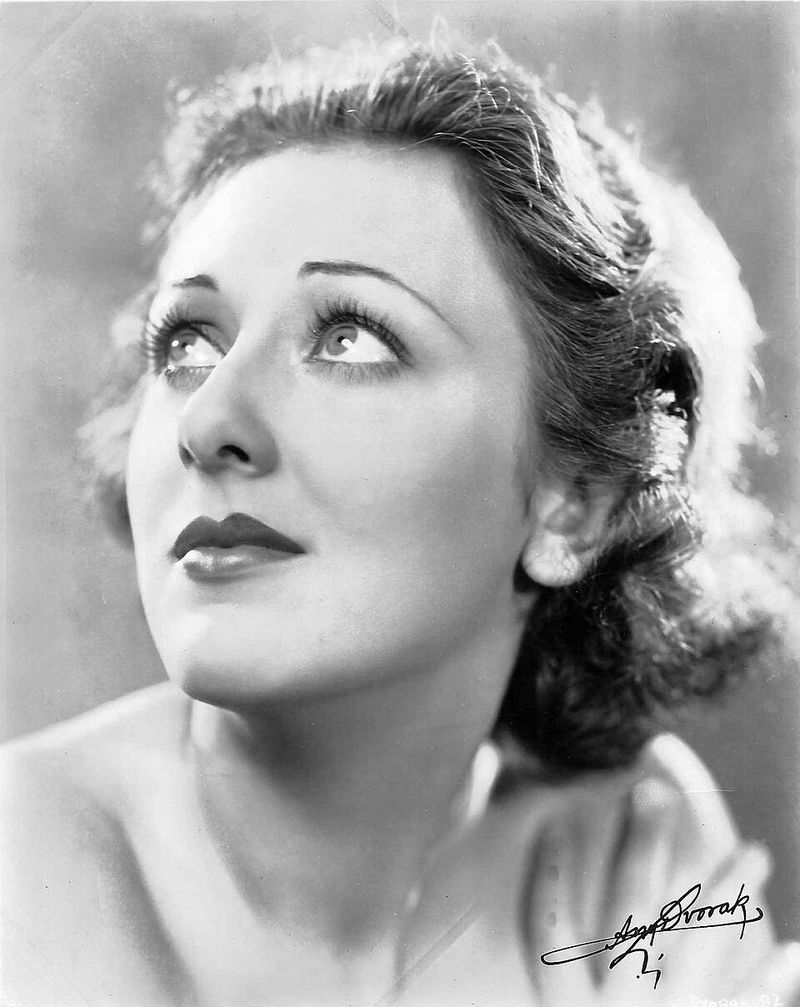
Ann Dvorak had a rawness on screen that set her apart from the carefully polished studio stars surrounding her during the early 1930s. She appeared in Scarface alongside Paul Muni and brought an emotional urgency to her scenes that felt genuinely modern, even by today’s standards.
Her work in Three on a Match is another standout, where she played a woman whose life unravels in ways that felt bold and uncomfortably real for a mainstream Hollywood film of that period. The pre-Code era gave her room to take those kinds of risks.
Studio conflicts and her own independent streak kept her from reaching the level of fame many felt she deserved. Classic film circles still talk about Dvorak as one of the era’s great underused talents.
She had the ability to disappear completely into a character, which is a rarer gift than it sounds.
Ida Lupino
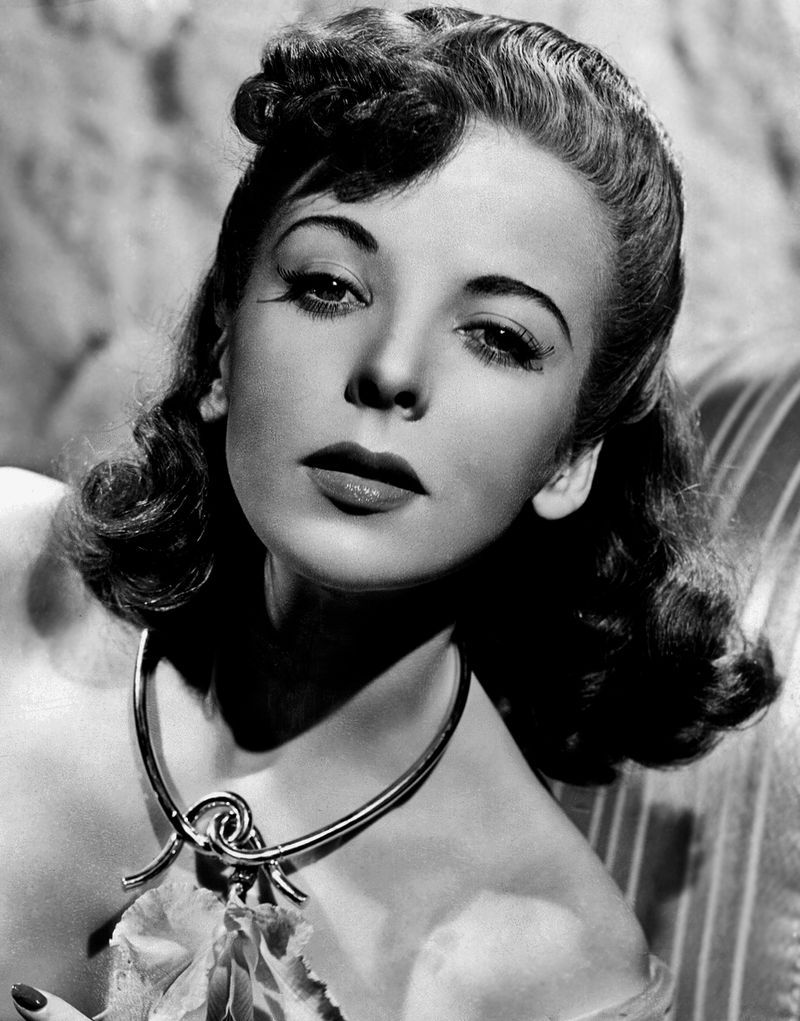
Ida Lupino wore two hats in Hollywood when almost no women were allowed to wear either one comfortably. As an actress, she brought genuine grit to films like High Sierra, holding her own alongside Humphrey Bogart without ever feeling like a supporting player in her own scenes.
Her move into directing was even more remarkable. During the late 1940s and 1950s, she became one of the only women directing studio-era films, tackling subjects like bigamy, rape, and disability that most studios would not touch with a standard production.
Lupino understood the industry from both sides of the camera, and that knowledge made her fearless. She did not wait for permission to tell the stories she believed in.
Film historians increasingly recognize her as one of Hollywood’s most significant and forward-thinking figures, a legacy that stretches well beyond any single performance.
Dorothy Dandridge
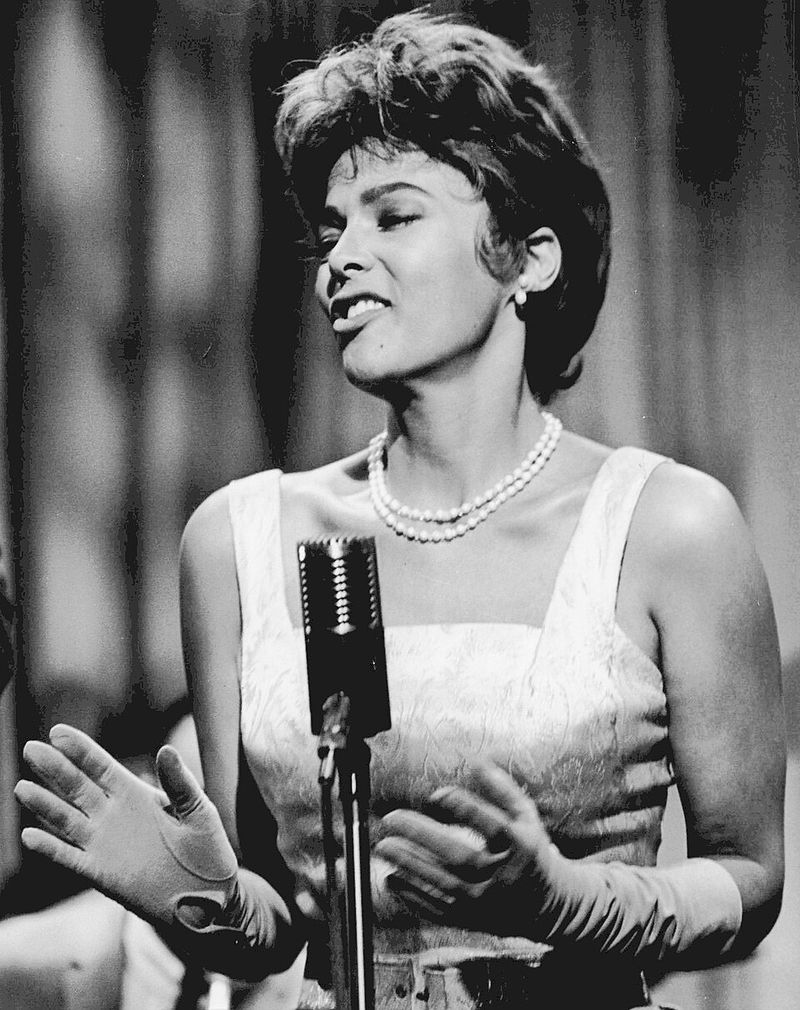
Dorothy Dandridge made history in 1954 when her performance in Carmen Jones earned her an Academy Award nomination for Best Actress, making her the first African American performer to receive that recognition in a leading role. That achievement alone would secure her place in film history.
But the full story of her career is complicated by the racism that shaped Hollywood during her lifetime. Even after proving she could anchor a major film, the industry failed to offer her the kind of consistent leading roles that white actresses with similar talent and star power received without question.
Her story carries both inspiration and real frustration. She had the presence, the skill, and the beauty of a true leading lady, but she was forced to fight for opportunities that should have come naturally.
Remembering Dorothy Dandridge honestly means recognizing both her brilliance and the barriers that limited her unfairly.
Lupe Velez
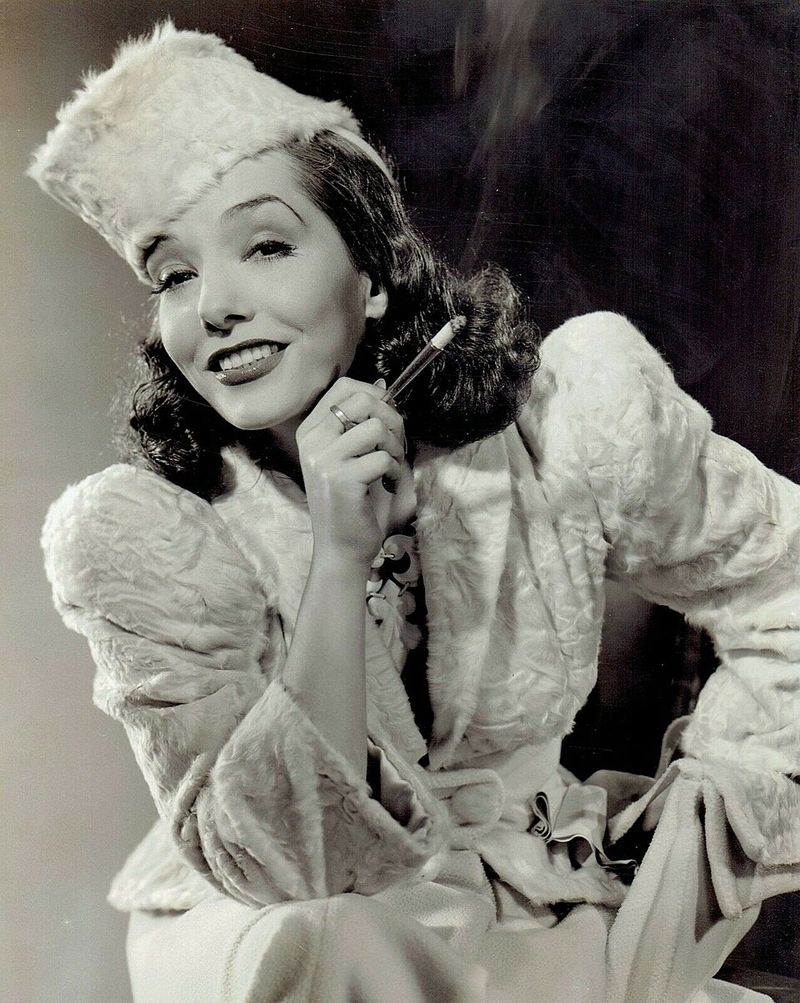
Born in San Luis Potosí, Mexico, Lupe Velez became one of the first Mexican actresses to build a genuine star career in Hollywood during the late silent and early sound era. Her energy on screen was immediate and impossible to ignore, filling every frame she appeared in.
She became closely associated with the Mexican Spitfire comedy series at RKO, a popular franchise built around her personality and comic timing. Those films made her famous, but the “spitfire” label also locked her into a narrow, stereotyped version of Latina identity that the industry refused to move beyond.
Velez passed away in 1944, and for years her story was told more through tabloid headlines than through her actual film work. That imbalance is worth correcting.
She was a performer with rare physical comedy skills and a screen charisma that belongs in any serious conversation about early Hollywood stardom.
Gail Russell
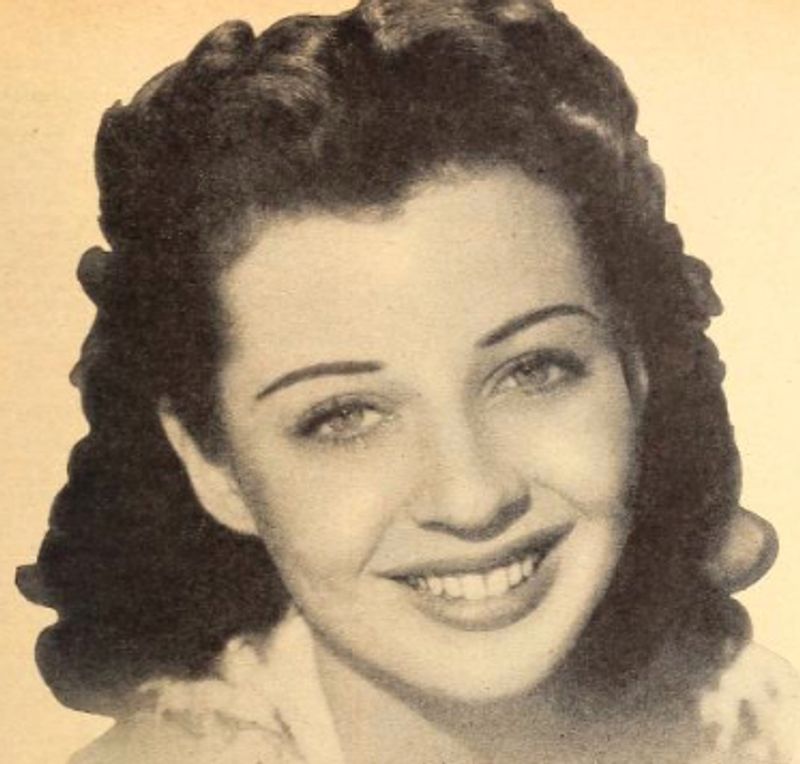
There was something genuinely fragile and atmospheric about Gail Russell’s screen presence, and the 1944 supernatural film The Uninvited made full use of it. Her soft features and quiet delivery gave the film a melancholy beauty that audiences found hard to shake after leaving the theater.
She also appeared in the John Wayne western Angel and the Badman, where her gentleness created an interesting contrast with the film’s rougher edges. That ability to bring softness to genre pictures without disappearing into the background was a real skill.
Off screen, Russell struggled with severe shyness and personal difficulties that Hollywood’s pressures only worsened over time. Her career never reached the full potential many saw in her early work.
Still, the films she left behind show a performer of real sensitivity, someone whose best moments on screen carry an emotional weight that still registers clearly today.
Linda Darnell
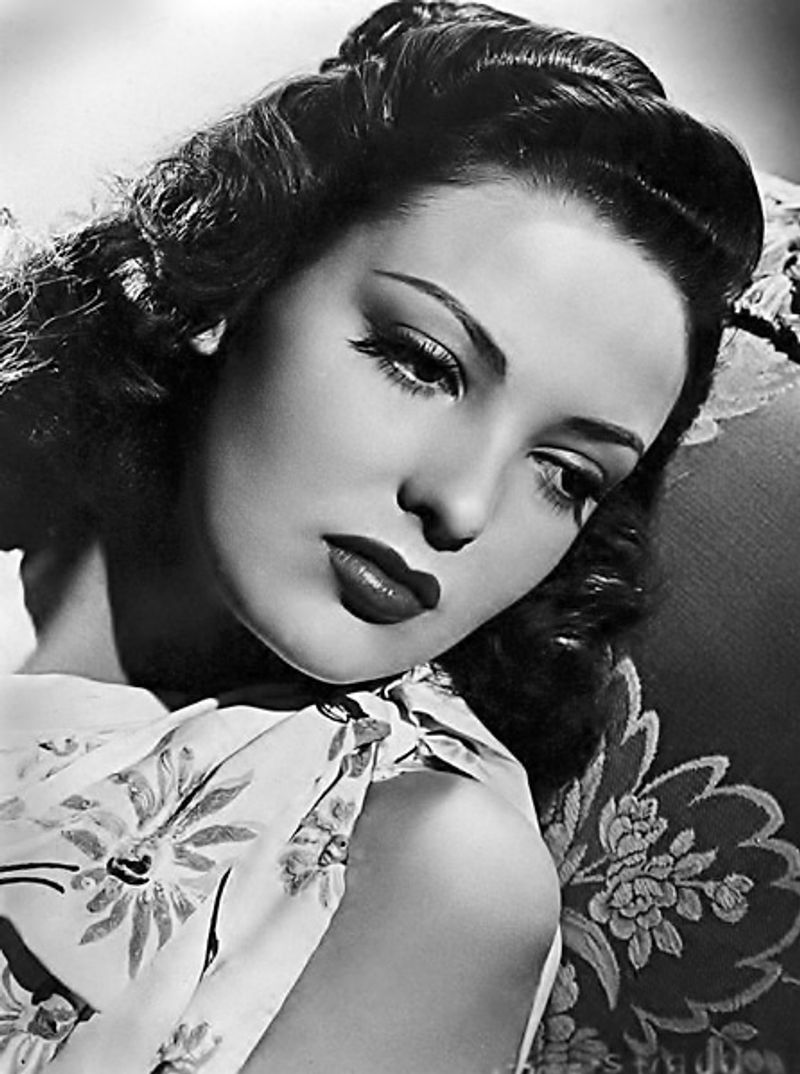
Linda Darnell signed her first major studio contract as a teenager, and 20th Century Fox quickly recognized that her dark, striking beauty was the kind that photographed beautifully under any lighting. But she was always more than a studio’s idea of a glamour asset.
Her performance in A Letter to Three Wives showed real dramatic range, and her work in Unfaithfully Yours alongside Rex Harrison proved she could handle sophisticated, witty material without missing a beat. Film noir also suited her well, giving her characters with edges that her publicity image never quite captured.
Her life ended far too early in 1965 following a house fire, cutting short any chance at a later-career rediscovery. Classic film fans who find her through her best work are often genuinely surprised by how sharp and emotionally alive she is on screen, nothing like the simple glamour queen her old fan magazines described.
Teresa Wright
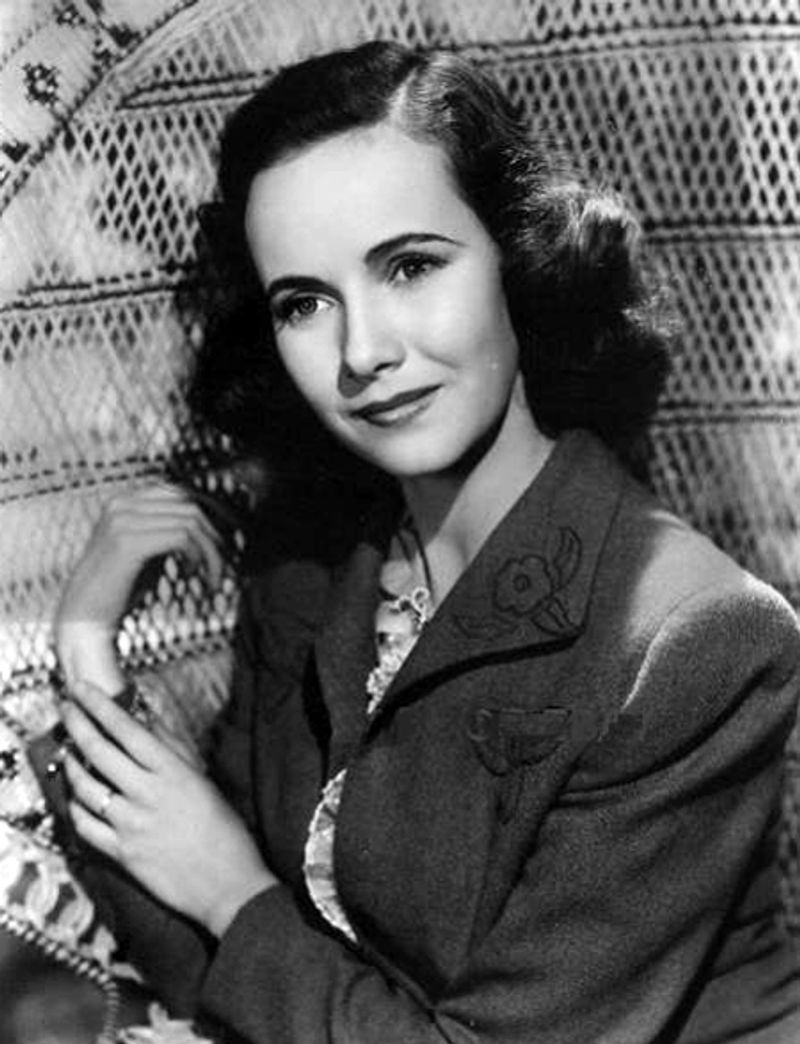
Teresa Wright won an Academy Award for Mrs. Miniver in 1942, and her performance in Alfred Hitchcock’s Shadow of a Doubt the following year remains one of the most quietly chilling turns of the entire decade. She had a naturalism that felt completely at odds with the more theatrical acting styles common at the time.
What makes her story especially interesting is that she pushed back against the Hollywood publicity machine in ways that most actresses simply did not. She objected to promotional demands she found demeaning, and her conflict with producer Samuel Goldwyn eventually cost her career momentum at a critical point.
Wright was not sidelined because she lacked ability. Her talent was never in question.
She was partly pushed aside because she refused to play along with expectations that had nothing to do with acting. Her career stands as a clear example of how much integrity could cost in the studio era.
Merle Oberon
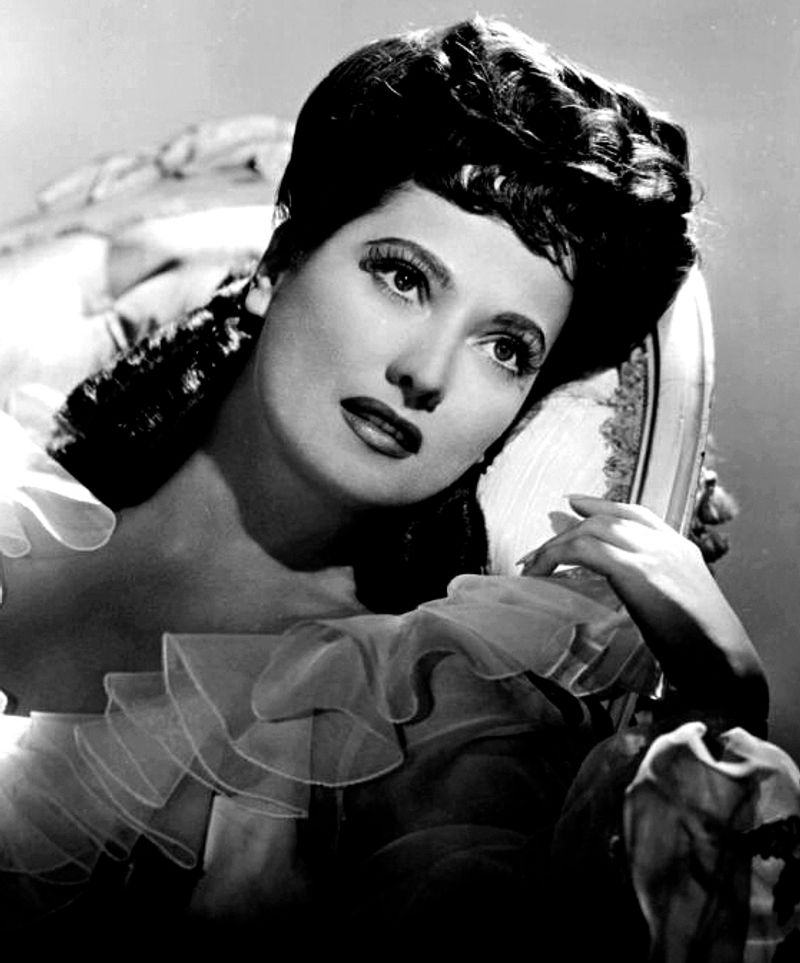
Merle Oberon’s performance opposite Laurence Olivier in the 1939 film Wuthering Heights is the role most people associate with her name, and it is easy to see why. Her beauty was genuinely striking, and the film gave her a romantic intensity that connected with audiences around the world.
But the story behind her public image is far more complicated. Oberon concealed her Anglo-Indian heritage and constructed a different narrative about her background, a decision shaped entirely by the racial prejudices that governed Hollywood at the time.
The Smithsonian has documented this aspect of her life as a survival strategy within a deeply unequal industry.
Her success came with a personal cost that most of her fans never knew about. Oberon’s story is not simply a glamour tale.
It is about navigating an industry that celebrated beauty while punishing difference, a tension she managed with remarkable skill for most of her career.
Eleanor Parker
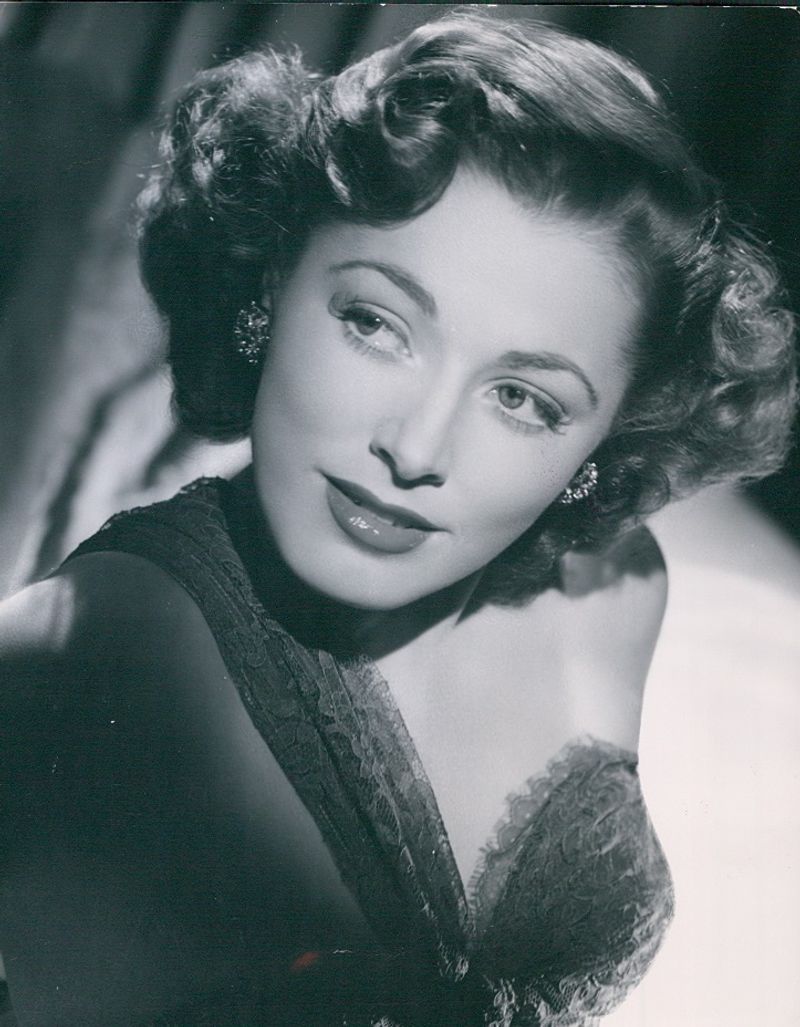
Eleanor Parker earned the nickname “the woman of a thousand faces” during her peak years at Warner Bros., and that label was not just studio marketing. She received three separate Academy Award nominations across three very different films: Caged, Detective Story, and Interrupted Melody, each showcasing a completely different side of her ability.
Later generations may know her best as the cool Baroness Elsa Schraeder in The Sound of Music, a role that gave her a whole new audience without fully capturing the range she had demonstrated across her earlier career.
Parker’s relative obscurity today is partly a result of her greatest strength. She was too adaptable to become a fixed image in the public imagination, the way stars with a narrower but more consistent screen persona often do.
Versatility made her exceptional as a performer but harder to pin down as a cultural icon, which is a genuinely unfortunate trade-off.
Jean Arthur
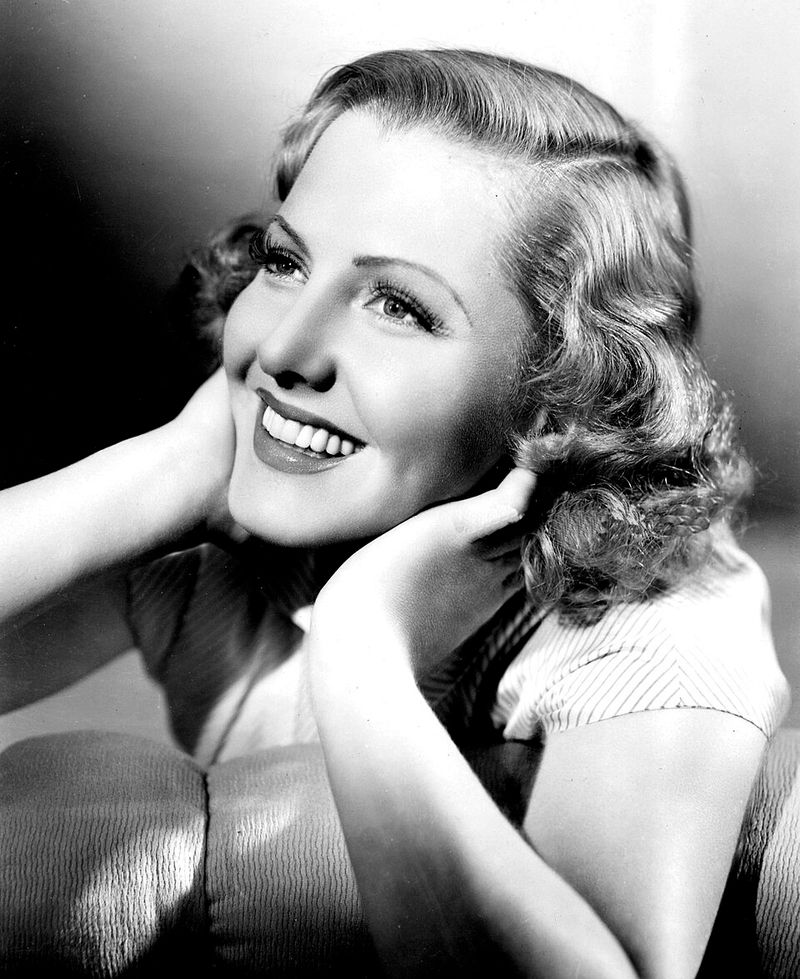
Jean Arthur had one of the most immediately recognizable voices in all of classic Hollywood: husky at the low end, bright when excited, and always carrying a nervous, sparkling energy that no other actress of the era quite replicated. That voice alone could make a scene feel alive before she delivered a single punchline.
Her work in Mr. Smith Goes to Washington opposite James Stewart showed how well she could anchor a political comedy with intelligence and warmth. Her final film, the 1953 western Shane, gave her a quieter and more emotionally restrained role that some consider her most underappreciated performance.
Arthur genuinely disliked the loss of privacy that came with fame, and she spoke openly about it in interviews over the years. Her gradual withdrawal from Hollywood only deepened the mystique around her.
Watching her films today, it is easy to understand why audiences loved her so completely and so quickly.
Hedy Lamarr
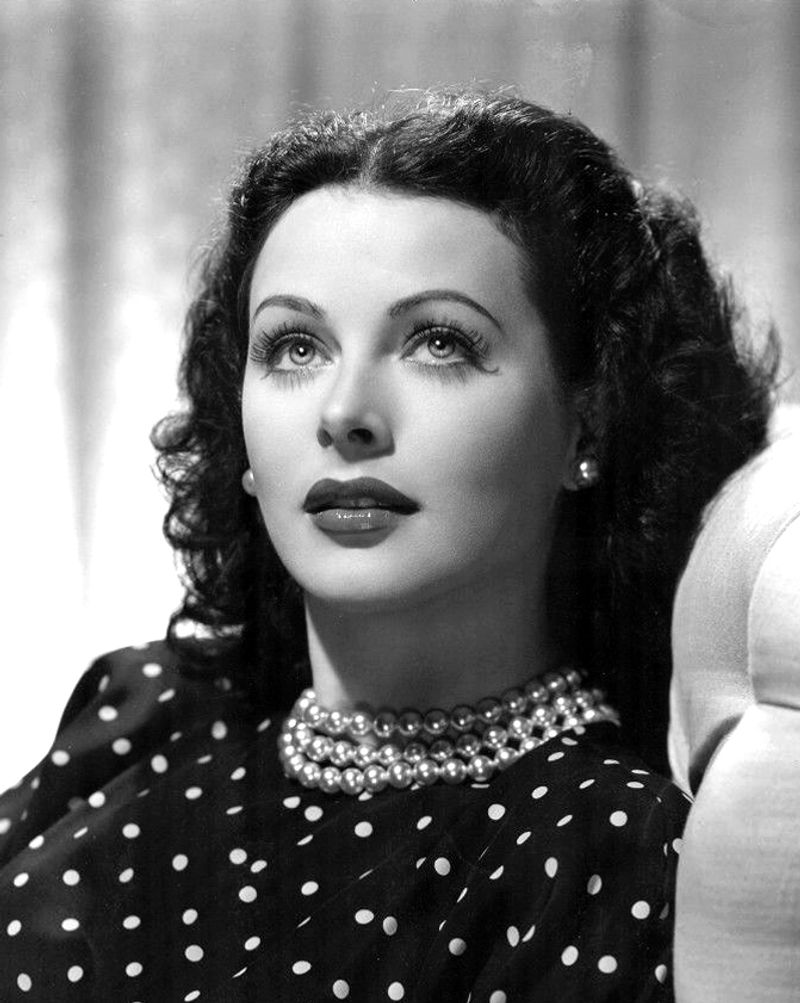
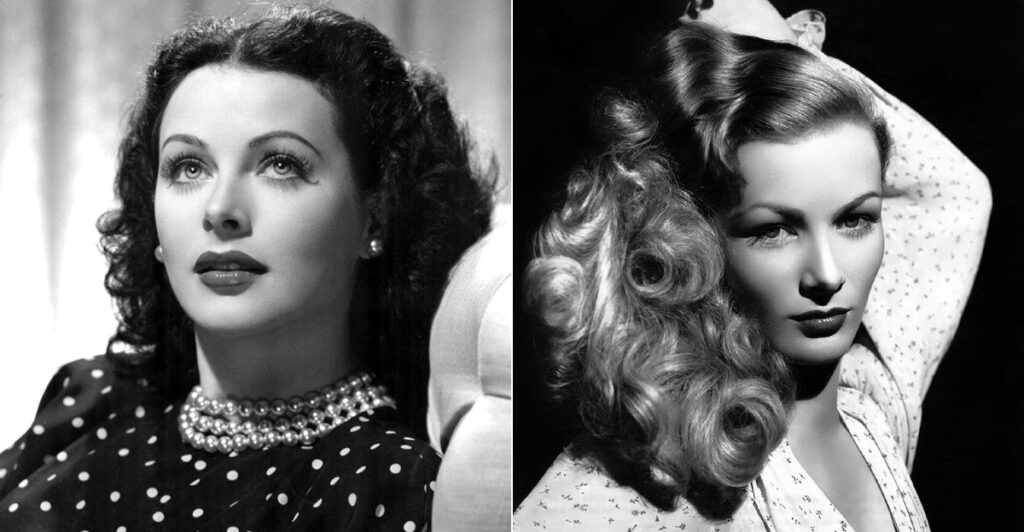
Hedy Lamarr was marketed by Hollywood almost entirely on the basis of her appearance, and she was undeniably stunning on screen in films like Algiers and Samson and Delilah. But reducing her to a beautiful face misses one of the more remarkable stories in entertainment history.
During World War II, Lamarr worked with composer George Antheil on a frequency-hopping communication system originally intended to help guide torpedoes without enemy interception. The National Inventors Hall of Fame recognizes this work as an important early development in what would eventually contribute to wireless communication technologies.
The accurate version of her legacy avoids the oversimplification that she “invented Wi-Fi,” but her contribution to the foundational ideas behind spread-spectrum technology is real and documented. Hollywood gave her fame.
Her own curiosity and technical intelligence gave her something far more lasting. She was genuinely two remarkable people living inside one extraordinary life.
Veronica Lake
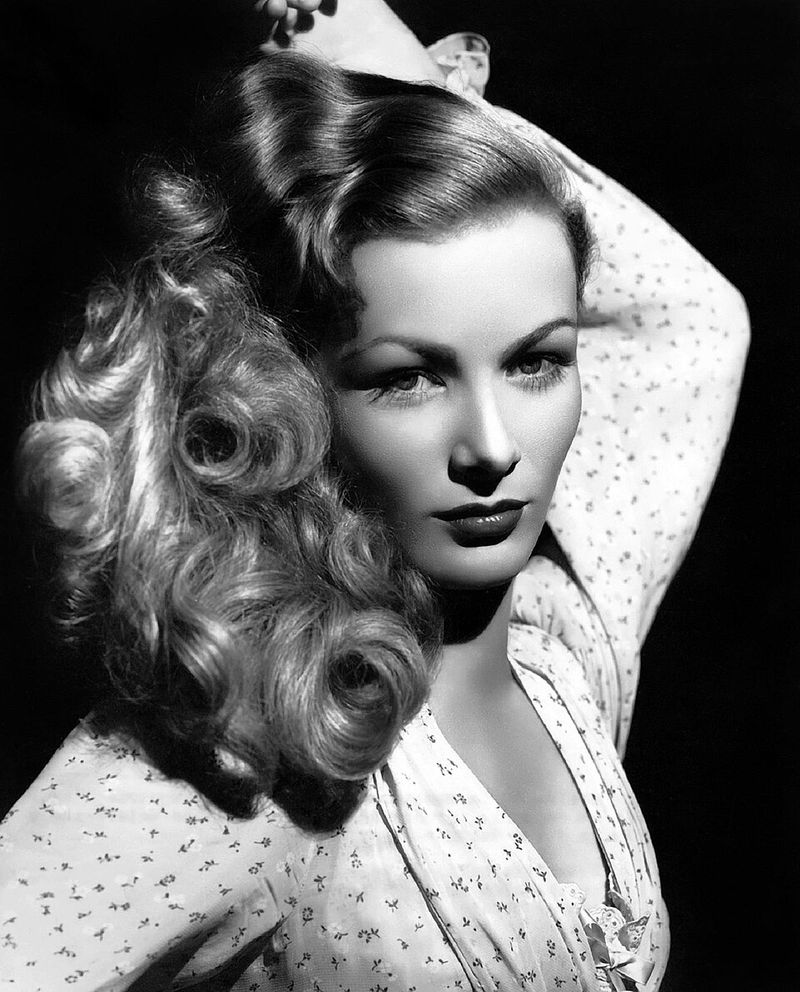
Veronica Lake’s peekaboo hairstyle became so famous during the early 1940s that it reportedly caused safety concerns among women working in wartime factories, where long hair falling over one eye posed a genuine hazard near machinery. Few actresses in Hollywood history have had a hairstyle influential enough to affect workplace safety policy.
But Lake was more than a signature look. Her cool, detached screen presence worked beautifully in film noir, and her pairing with Alan Ladd in This Gun for Hire created one of the decade’s most memorable on-screen partnerships.
Preston Sturges also used her deadpan quality brilliantly in Sullivan’s Travels.
Her stardom faded faster than almost anyone predicted, and her later years were difficult. Still, within a very short window of peak popularity, Lake created one of the most instantly recognizable images in classic Hollywood.
That kind of cultural impact does not happen by accident or by looks alone.
Joan Bennett
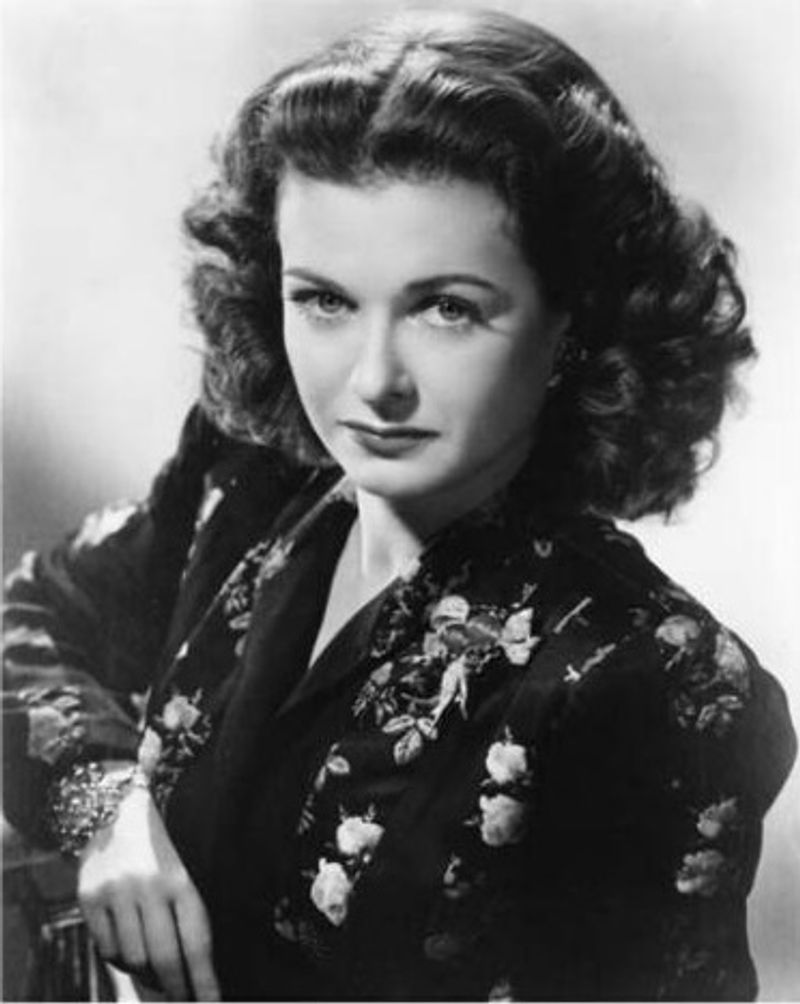
Joan Bennett’s career had two completely distinct chapters, and both are worth knowing. She started as a blonde ingénue in the late 1920s and 1930s, then reinvented herself as a dark-haired femme fatale in the mid-1940s under director Fritz Lang.
That reinvention produced some of the sharpest noir performances of the entire decade.
Her work in The Woman in the Window and Scarlet Street showed a cool, calculating screen presence that made her one of film noir’s most compelling figures. She could suggest danger without raising her voice, which is a harder trick than it looks.
A scandal involving her husband Walter Wanger in 1951 damaged her career significantly, as Vanity Fair has documented. She later found a new audience through the television series Dark Shadows.
Bennett deserves to be remembered primarily for those outstanding noir performances, not for the offscreen drama that overshadowed them for too long.
Ann Sheridan
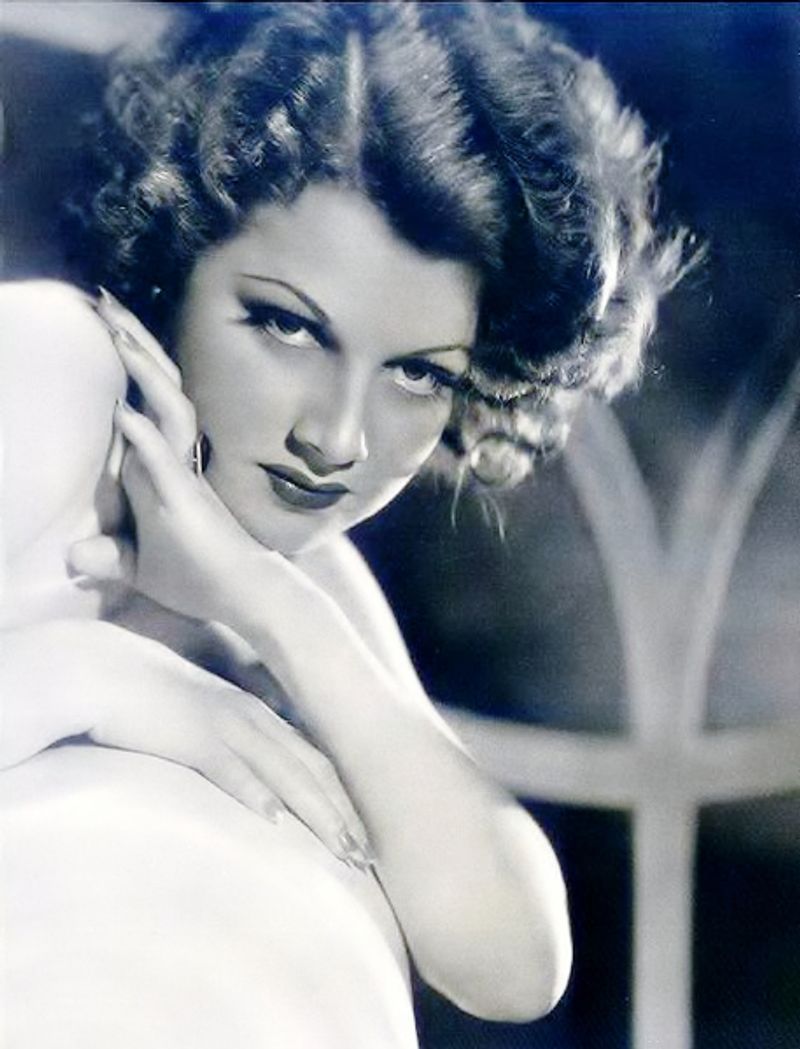
Warner Bros. gave Ann Sheridan the promotional label “Oomph Girl” in the late 1930s, and the nickname stuck in ways that both helped and complicated her career. It brought her attention and fan mail, but it also made it harder for audiences and critics to take her seriously as an actress capable of real dramatic range.
She was genuinely funny in The Man Who Came to Dinner and genuinely moving in Kings Row, a film that also featured Ronald Reagan in one of his most serious dramatic performances. Her relaxed confidence on screen made her easy to watch across very different kinds of material.
Sheridan had warmth and wit that translated naturally to both comedy and drama, which is not a combination every actress can pull off convincingly. The “Oomph Girl” label followed her for years, but anyone who watches her best work quickly realizes the tagline was always selling her short.
Lizabeth Scott
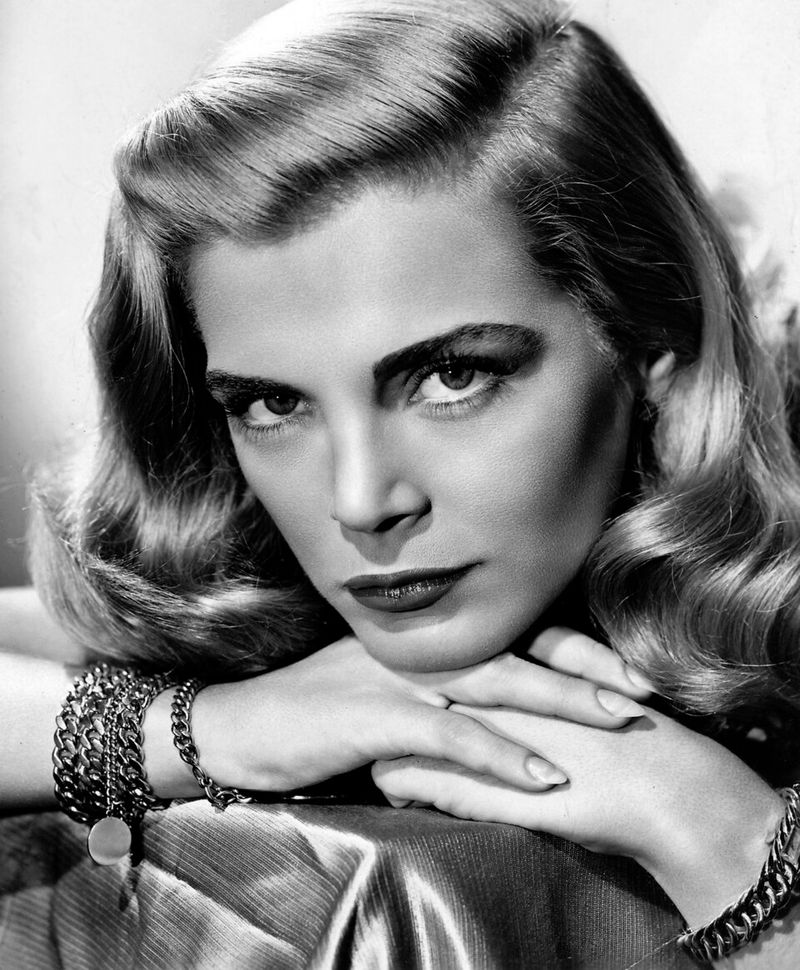
Lizabeth Scott had a voice that seemed designed specifically for film noir: low, controlled, and carrying just enough warmth to keep you uncertain about her intentions. She appeared in several of the genre’s most interesting productions during the late 1940s, including Dead Reckoning, Pitfall, and The Strange Love of Martha Ivers.
Her performance in Too Late for Tears from 1949 is the one that noir fans consistently single out as her finest work. She plays a woman who pursues money and self-preservation with a cold focus that is genuinely chilling.
The film sat in relative obscurity for decades before being restored and re-released, introducing her to a new generation of viewers.
Scott’s screen persona was frequently compared to Lauren Bacall’s, but her best performances have their own specific tension. She stepped away from Hollywood after gossip and scandal affected her public standing.
Among dedicated noir fans, her reputation has only grown stronger with time.
Share this story