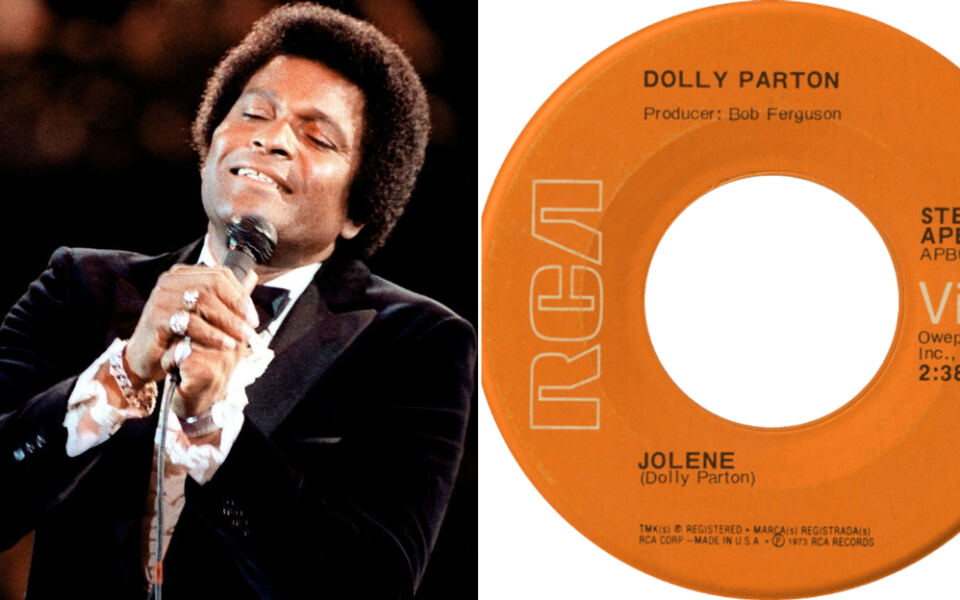
Country music has a way of reaching straight into your chest and squeezing. The songs on this list were not just chart hits.
They became part of American life, the kind of tracks that play at weddings, road trips, and quiet evenings when you need something real. These 16 artists built careers that outlasted trends, and the recordings they left behind still hold up decades later.
Whether you grew up with these songs or discovered them later, there is something in each one that feels personal, even if you never lived the story being told. From heartbreak ballads to road-trip anthems, from Bakersfield grit to Nashville polish, this list covers the full range of what classic country music can do when the right voice meets the right song.
Patsy Cline – “Crazy”
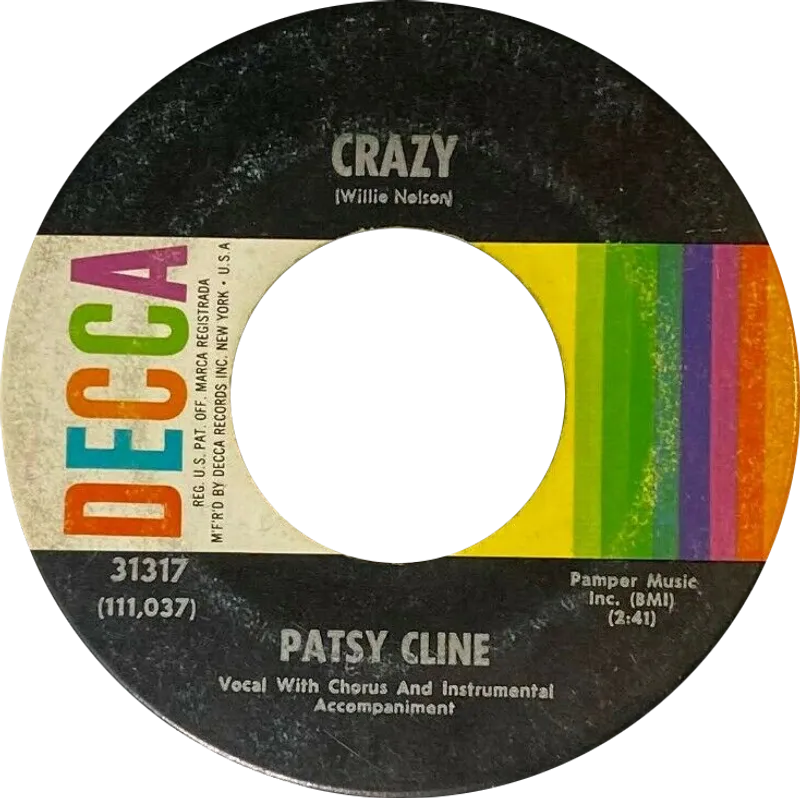
Willie Nelson wrote “Crazy,” but Patsy Cline made it sound like something she had been carrying inside her for years. Released in 1961, the recording became the centerpiece of one of the most celebrated careers in country music history, even though Cline would only have a short time left to build on it.
Her vocal control is what separates this performance from the dozens of covers that followed. She moves through vulnerability and quiet resignation without ever pushing too hard or pulling the listener out of the moment.
The Country Music Hall of Fame describes “Crazy” as an enduring landmark, and it is easy to understand why. The arrangement is elegant, the lyric is honest, and Cline’s voice gives every line exactly the right amount of feeling.
It remains a standard that vocalists across every genre have studied and returned to again and again.
George Jones – “He Stopped Loving Her Today”
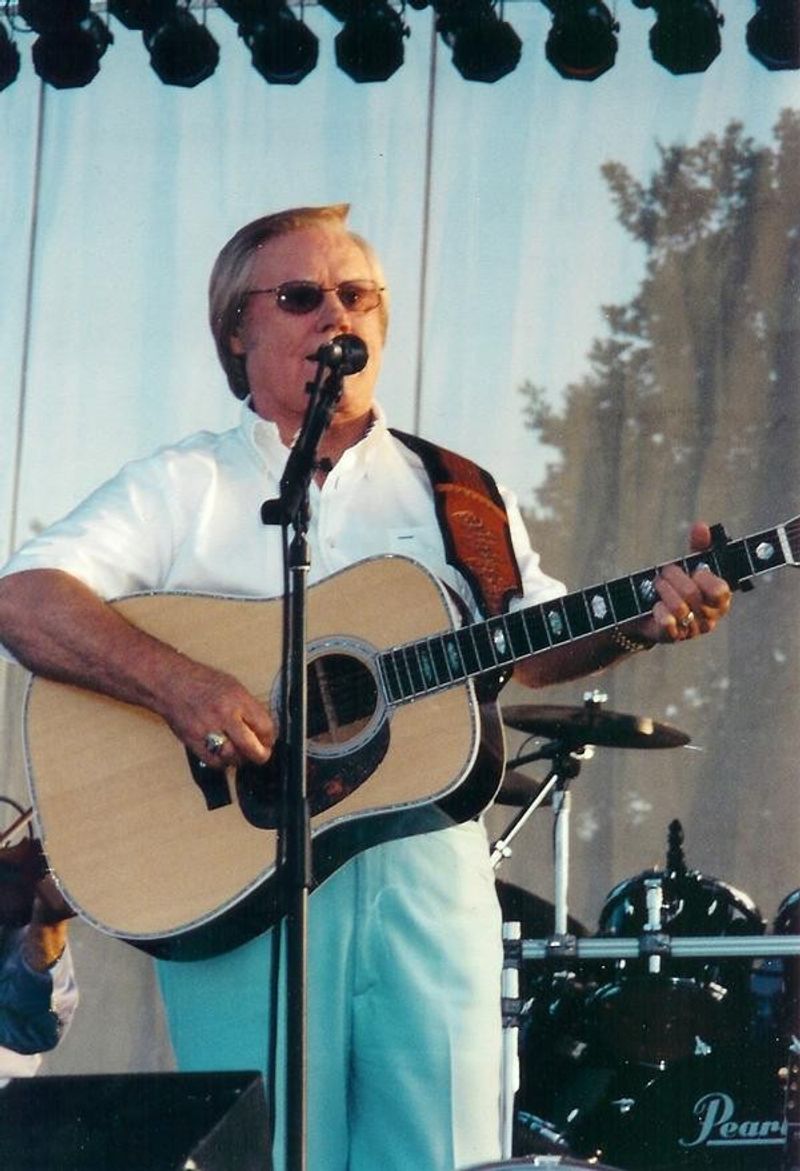
George Jones recorded “He Stopped Loving Her Today” during one of the harder stretches of his personal life, which may explain why the performance sounds so completely lived-in. Released in 1980, the song tells the story of a man who never stopped loving someone, right up until the very end.
That final realization gives the track its devastating power, and Jones delivers every verse like he understands exactly what the narrator is carrying. The song reached No. 1 and became his first million-selling single, earning Jones a Grammy for Best Male Country Vocal Performance.
Many critics and fans consider it the greatest country song ever recorded, and the argument is not hard to follow. The combination of the narrative’s structure, the arrangement’s restraint, and Jones’ vocal commitment creates something that feels less like a studio recording and more like a confession delivered in real time.
Dolly Parton – “Jolene”
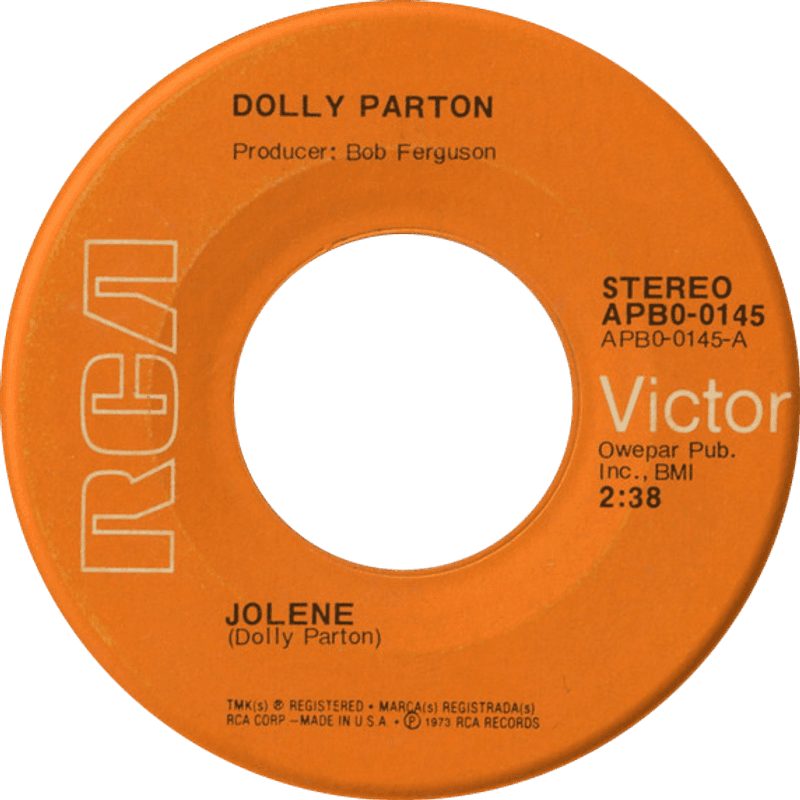
That opening guitar pattern is four notes, and most people recognize the song before the fifth arrives. “Jolene” was released in 1973, and Dolly Parton wrote it from a place of genuine vulnerability rather than anger or confrontation. The narrator is pleading, not threatening, which gives the song a kind of emotional honesty that is surprisingly rare.
Parton fills the performance with a quiet desperation that makes the listener root for her even when the outcome feels uncertain. The song reached No. 1 on the country chart and grew into one of her most recognized compositions.
Its influence stretches well beyond country music. Artists across rock, pop, folk, and indie have recorded their own versions over the decades, drawn to the song’s hypnotic structure and the emotional clarity of its central request.
Few compositions from any era have inspired as many covers while the original version still holds its ground so convincingly.
Willie Nelson – “On the Road Again”
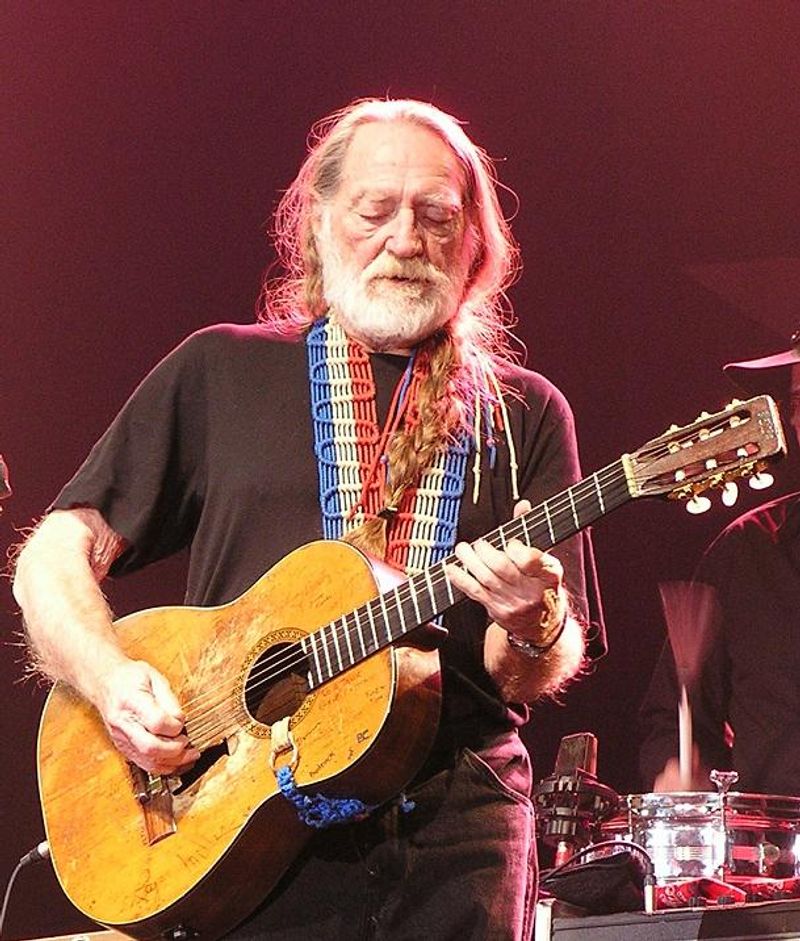
Written for the 1980 film “Honeysuckle Rose,” this song took about fifteen minutes for Willie Nelson to compose, according to various accounts of its creation. The speed of its writing has never made it feel throwaway.
If anything, “On the Road Again” sounds like something that was always true and simply needed someone to say it out loud.
Nelson’s phrasing is relaxed in a way that few singers can replicate without sounding careless. He stretches syllables and bends phrases in ways that feel completely natural, matching the song’s subject matter perfectly.
The Country Music Hall of Fame places it alongside “Blue Eyes Crying in the Rain” and “Always on My Mind” as one of the essential recordings in Nelson’s enormous catalog. Its opening lines still conjure highways and tour buses and the particular kind of freedom that comes from heading somewhere new with a guitar in the back seat.
Loretta Lynn – “Coal Miner’s Daughter”
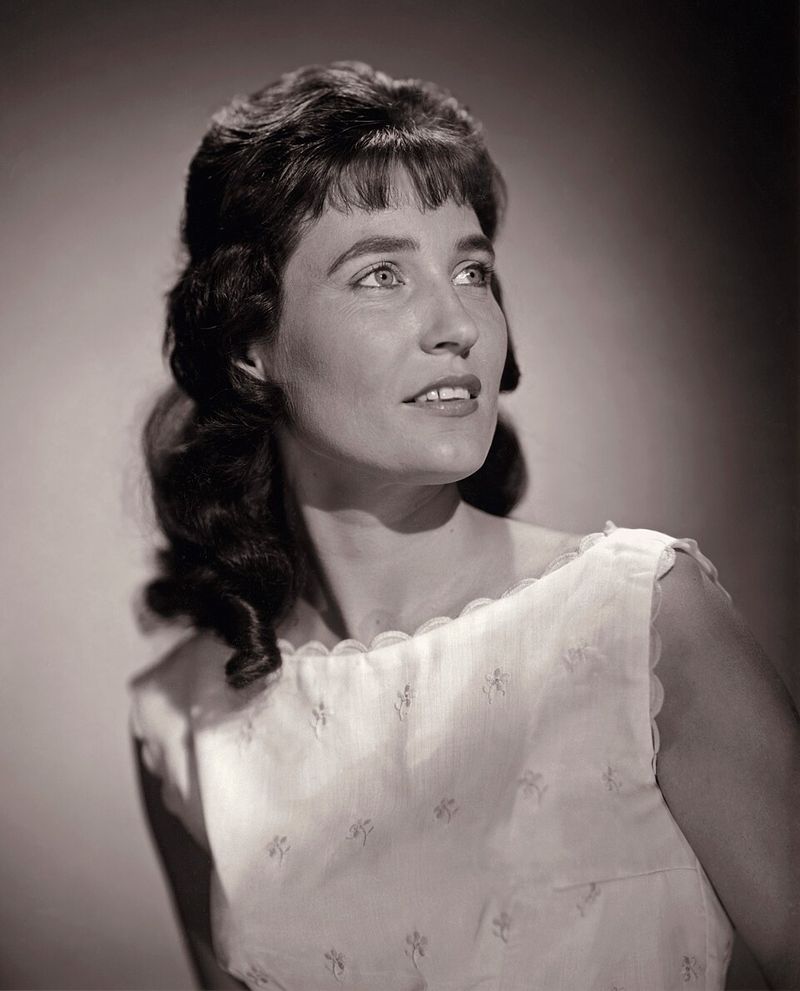
Loretta Lynn grew up in Butcher Hollow, Kentucky, and she did not soften the details when she wrote about it. “Coal Miner’s Daughter” describes a childhood shaped by hard work, crowded rooms, and a father who came home covered in the dust of the mines. The song does not ask for sympathy.
It simply tells the truth.
That directness is what makes it so compelling. Lynn’s voice carries both affection and realism in equal measure, honoring her upbringing without romanticizing what was genuinely difficult about it.
The song became so closely tied to her identity that it eventually lent its title to the acclaimed 1980 biographical film starring Sissy Spacek. Lynn’s willingness to write from personal experience rather than from a polished, manufactured perspective helped establish her as one of country music’s most authentic storytellers.
Few artists have mapped their own life onto a song with such lasting effect.
Tammy Wynette – “Stand by Your Man”
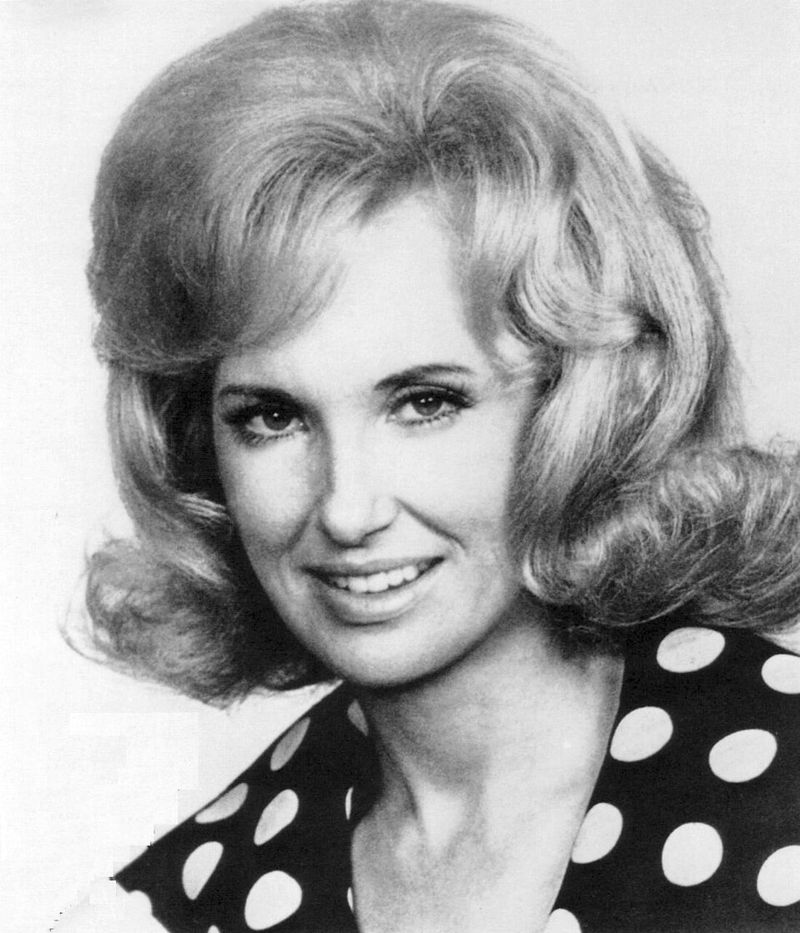
Released in 1968, “Stand by Your Man” became one of the fastest-selling singles in country music history at the time, and it has generated conversation ever since. Tammy Wynette co-wrote the song with producer Billy Sherrill in about 45 minutes, which makes its staying power all the more remarkable.
The song crossed from country to pop charts and brought Wynette a level of mainstream recognition that few country artists of her era achieved. Its lyrics drew significant criticism during the women’s liberation movement, but the song’s cultural presence only seemed to grow with each new round of debate.
The Country Music Hall of Fame describes it as Wynette’s signature recording, and her dramatic, soaring vocal delivery is the primary reason it still resonates. She earned the nickname the First Lady of Country Music through recordings like this one, where her voice transforms a simple sentiment into something that feels genuinely grand.
Merle Haggard – “Mama Tried”
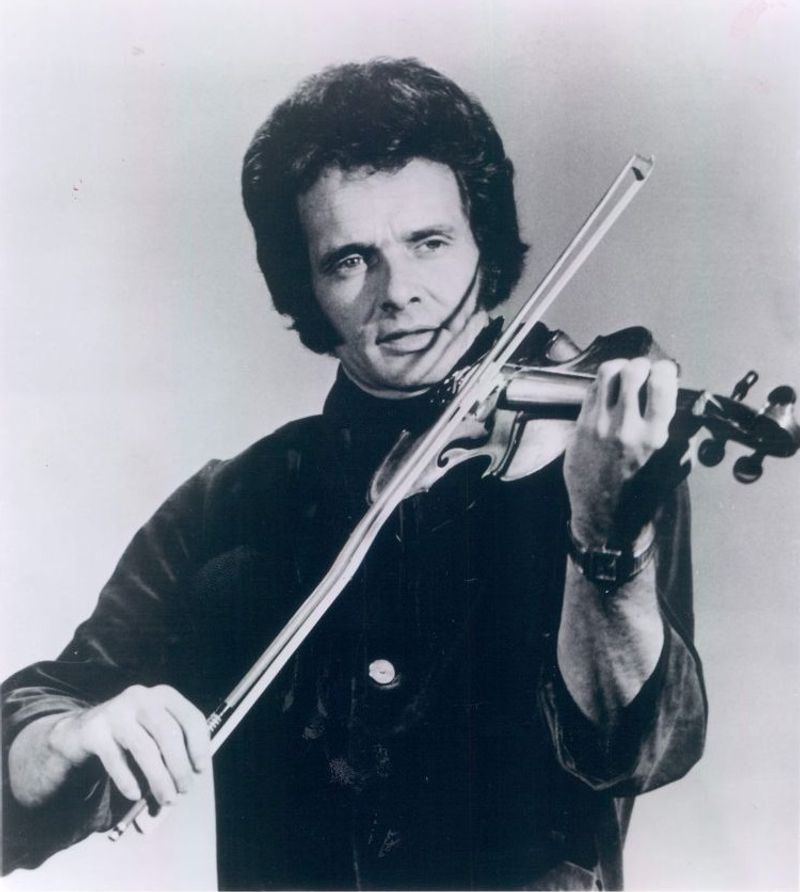
Merle Haggard did not write from a comfortable distance. He wrote from experience, and “Mama Tried” is one of the clearest examples of that approach.
The narrator acknowledges that he turned out wrong despite having a mother who gave everything she had to guide him in the right direction.
That kind of honest self-accounting was not always common in country music, and it gave Haggard a credibility that studio-polished performers simply could not match. The Bakersfield sound driving the track, built on electric guitars and a propulsive rhythm, keeps the song from ever feeling like self-pity.
The Country Music Hall of Fame describes it as one of Haggard’s semi-autobiographical works, reflecting a personal storytelling style that influenced generations of outlaw and traditional country artists. Haggard released the song in 1968, and it has remained a fixture of classic country radio and live performance sets ever since.
Waylon Jennings – “Luckenbach, Texas”
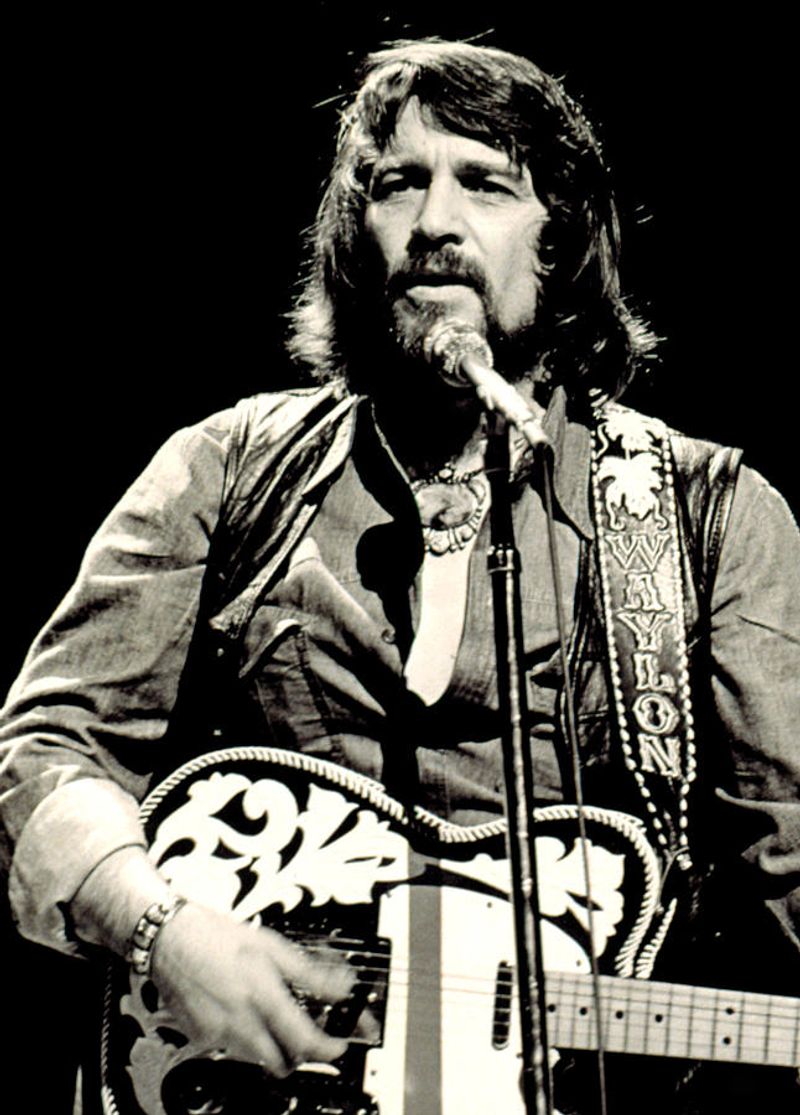
Luckenbach, Texas is a real place, and a small one at that. The town had a population of three people at the time the song was written, which makes the idea of escaping there to get back to basics feel both absurd and completely appealing.
“Luckenbach, Texas (Back to the Basics of Love)” became a major crossover hit in 1977, perfectly capturing a cultural mood that was tired of complication and hungry for simplicity. Waylon Jennings’ relaxed but commanding vocal delivery made that desire feel completely genuine.
The Country Music Hall of Fame identifies the recording as one of the major successes that helped Jennings and fellow Outlaw Country artists challenge Nashville’s traditional production system. Willie Nelson appears on the track as well, adding to its credibility within the movement.
The song remains one of the most evocative recordings to come out of the Outlaw Country era.
Kenny Rogers – “The Gambler”
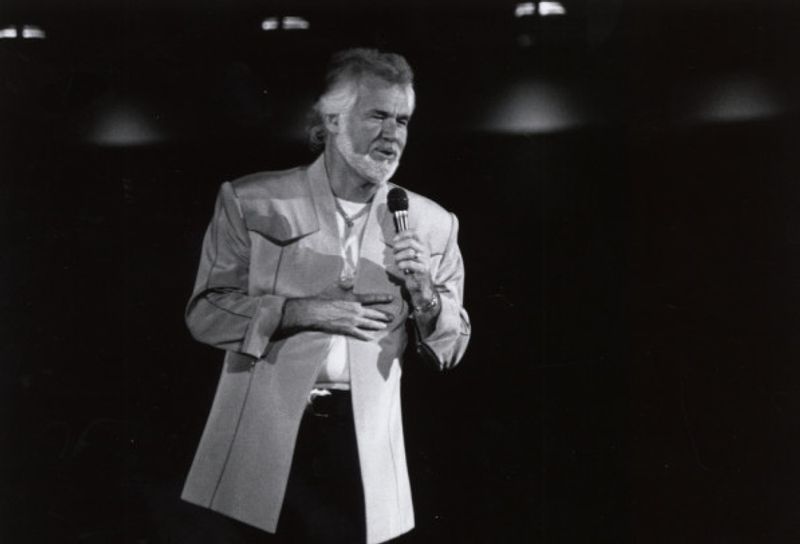
Don Schlitz wrote “The Gambler” and recorded his own version before Kenny Rogers took it to the top of the country chart in 1978. Rogers understood exactly what the song needed: a voice that sounded weathered enough to be believable as the old gambler dispensing advice on a late-night train.
The chorus became one of the most quoted lines in country music history, but the verses do just as much work. The story structure, a chance encounter that leads to a piece of hard-won wisdom, gives the song a narrative weight that holds up long after the first listen.
The Country Music Hall of Fame calls it Rogers’ career song, and it eventually inspired a series of television movies built around the gambler character. Rogers also earned a Grammy for the recording.
Few songs in any genre have managed to deliver practical life advice through a card game metaphor quite so effectively.
Hank Williams – “I’m So Lonesome I Could Cry”
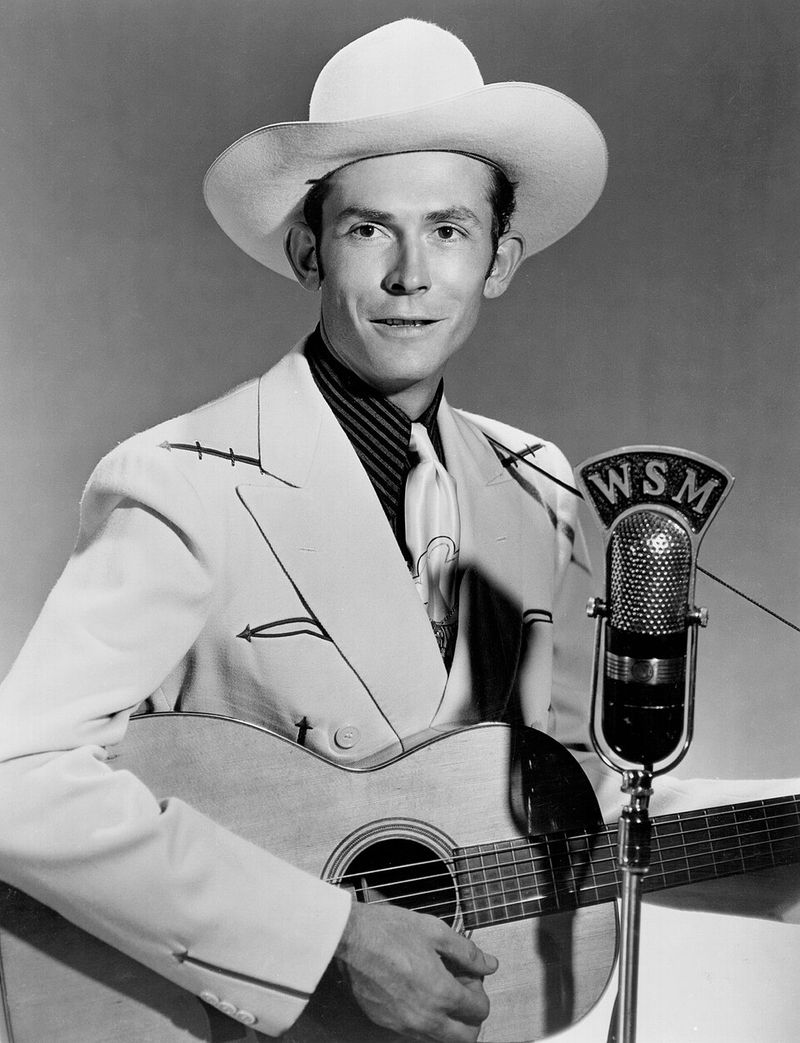
Bob Dylan once called “I’m So Lonesome I Could Cry” the greatest country song ever written, and the case is not difficult to understand. Hank Williams built the lyric from a series of natural images, a train whistle, a whippoorwill, a falling star, and let each one carry a specific shade of loneliness.
There is no elaborate arrangement to hide behind. Williams delivers the song with just enough instrumentation to support his voice, and that voice does the rest.
His ability to make an emotion sound almost physical, like something pressing against the chest, was what separated him from his contemporaries.
Williams recorded the song in 1949, and it has influenced country, folk, and rock songwriters ever since. The songwriting approach, finding universal feelings in simple, concrete images, became a standard that generations of writers would study.
Few recordings from any era feel quite as timeless or as quietly devastating.
Glen Campbell – “Wichita Lineman”
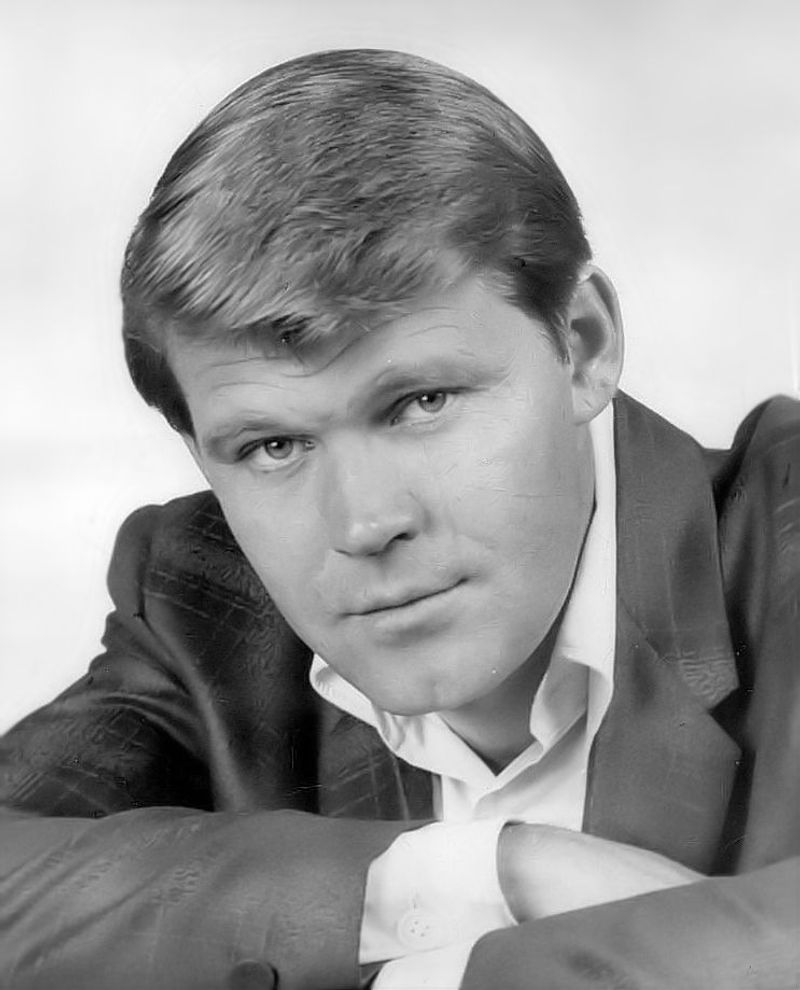
Jimmy Webb wrote “Wichita Lineman” in 1968 and described it as an unfinished song, which may explain why it feels so open and searching. The lyric follows a utility worker maintaining telephone lines across a vast Kansas landscape while thinking about someone far away.
It is a quiet, unusual premise for a country-pop song.
Glen Campbell’s smooth tenor fits the material perfectly. He does not push the emotion outward.
Instead, he lets the longing sit inside the vocal, which makes the listener lean in rather than pull back.
The song became one of Campbell’s defining recordings and one of the most critically praised country-pop crossovers of its era. Its orchestral arrangement, built around sweeping strings and a subtle electric guitar line, still sounds cinematic without feeling overdone.
Webb and Campbell created something that resists easy categorization, which is probably why it has remained so durable across so many decades.
Conway Twitty – “Hello Darlin'”
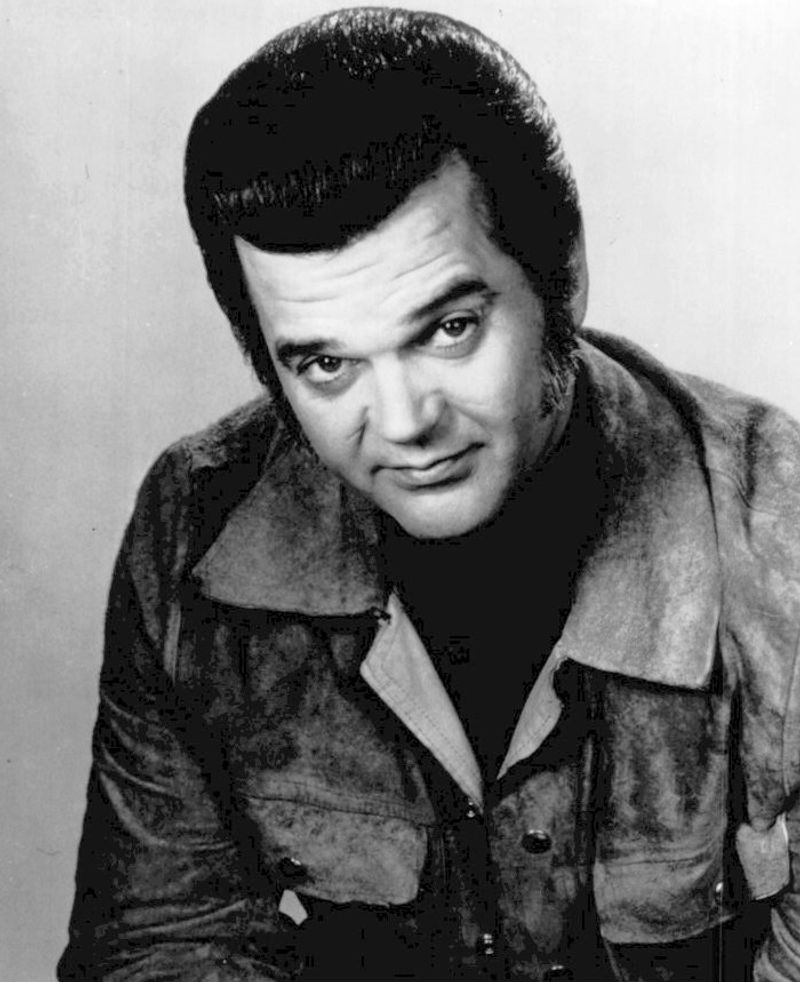
Two spoken words were enough to build an entire reputation. Conway Twitty’s “Hello, darlin'” introduction became one of the most recognized openings in country music, and the song it begins is just as carefully constructed as that first moment suggests.
Released in 1970, the song places its narrator in an unexpected encounter with a former love. He tries to appear composed, but the lyric makes clear that nothing has really changed for him.
Twitty’s rich, intimate baritone makes the internal conflict feel completely convincing.
The recording reached No. 1 on the country chart and established the romantic ballad as Twitty’s signature territory. He would return to that style repeatedly throughout his career, but “Hello Darlin'” remained the clearest example of what he did best.
The combination of a relatable emotional situation and a voice built for close-range intimacy gave the song a staying power that still holds up in classic-country listening.
Reba McEntire – “Fancy”
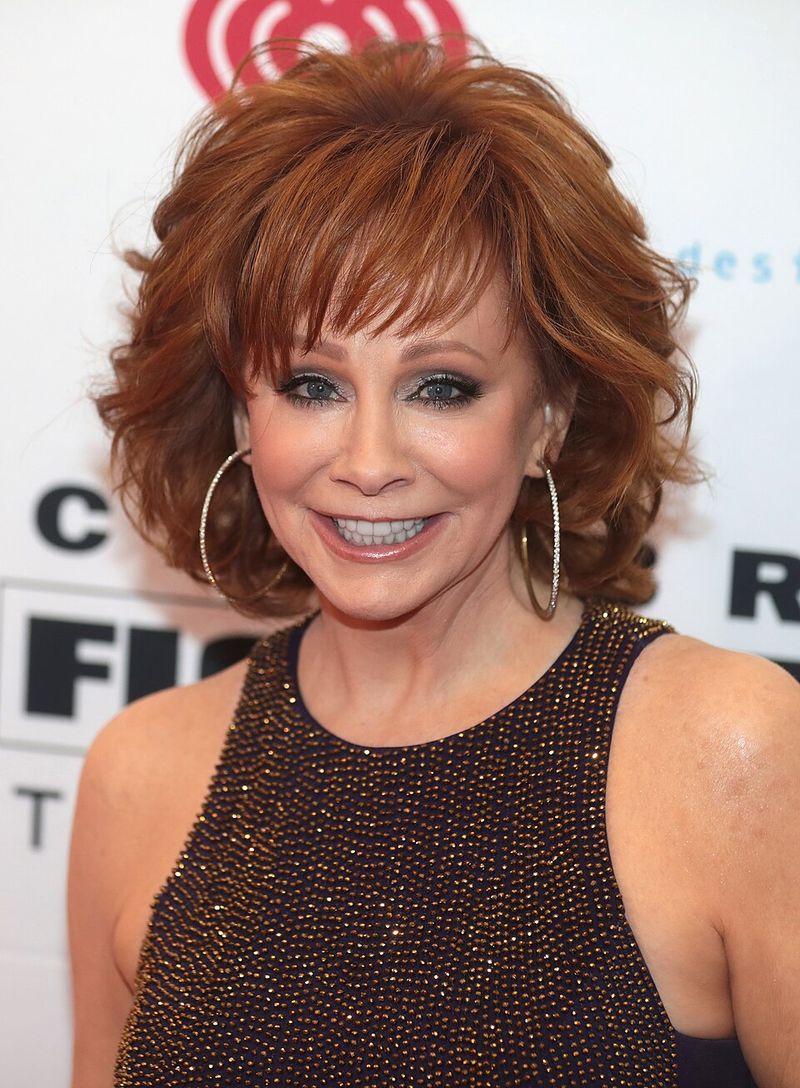
Bobbie Gentry wrote and recorded “Fancy” in 1969, but Reba McEntire’s 1991 recording turned it into something closer to a theatrical event. The song tells the story of a young woman from poverty whose mother makes a desperate decision to give her a chance at a better life.
McEntire attacks every verse with a performer’s instinct for drama, emphasizing the narrative turns that give the story its momentum. Her version feels less like a cover and more like a complete reimagining of the material.
The recording became one of her signature performances and a centerpiece of the storytelling style that distinguished her career from many of her contemporaries. McEntire’s ability to inhabit a character without losing her own vocal identity is what makes “Fancy” work as well as it does.
Country music has a long tradition of narrative songs, and this one sits near the top of that particular category.
George Strait – “Amarillo by Morning”
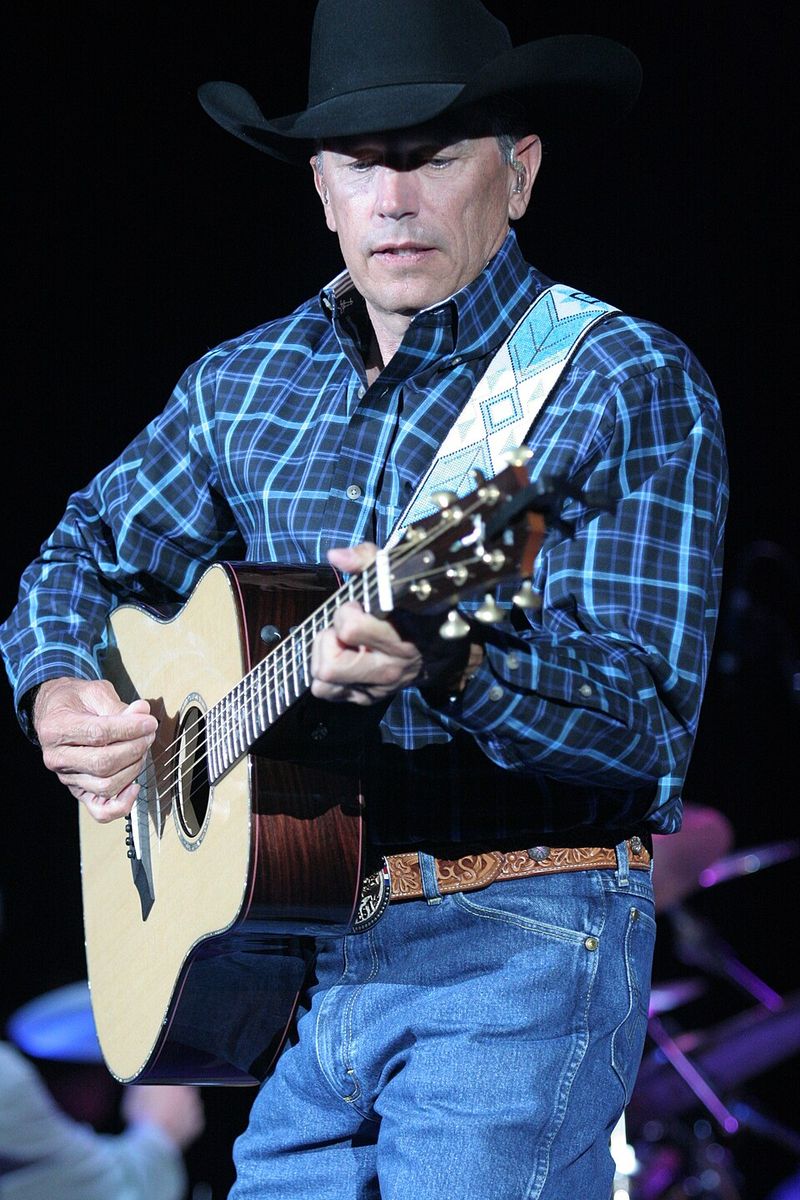
George Strait had a gift for understatement that was almost counterintuitive in a genre that often rewarded big gestures. “Amarillo by Morning” is built on that restraint. The song follows a rodeo cowboy driving toward another competition after losing nearly everything except his willingness to keep going.
Originally recorded by Terry Stafford in 1973, Strait’s 1982 version became the definitive reading. His voice carries the narrator’s quiet determination without dramatizing it, which makes the performance feel honest rather than performed.
The fiddle arrangement and western imagery give the track a classic country sound that Strait would become closely associated with throughout his career. He built one of the genre’s most successful recording runs by staying close to traditional foundations at a time when country music was pulling in several different directions. “Amarillo by Morning” remains one of the clearest examples of why that approach worked so consistently for him.
Randy Travis – “Forever and Ever, Amen”
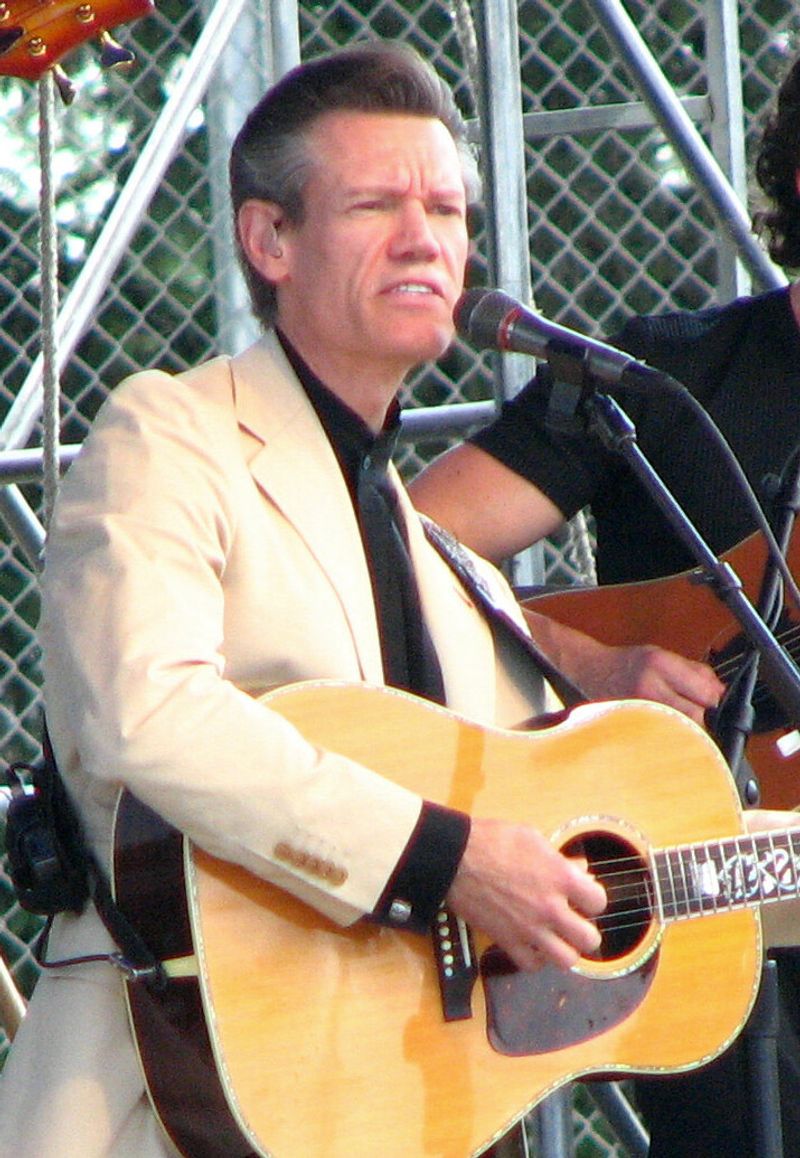
When Randy Travis released “Forever and Ever, Amen” in 1987, country radio had been drifting toward pop-crossover sounds for several years. Travis pulled the genre back toward something more traditional, and this song was the clearest statement of that intention.
Written by Don Schlitz and Paul Overstreet, the lyric builds its romantic promise out of conversational language rather than grand metaphors. The narrator acknowledges that time changes people but insists his feelings will not follow.
The chorus is immediate and memorable in a way that does not require any setup to land.
Travis’ deep baritone gave the recording a gravity that matched the song’s subject perfectly. It became one of the defining recordings of country music’s neotraditional movement and remains a standard at weddings and on classic-country playlists.
The song earned a Grammy for Best Country Song and helped establish Travis as one of the decade’s most important country voices.
Charley Pride – “Kiss an Angel Good Mornin'”
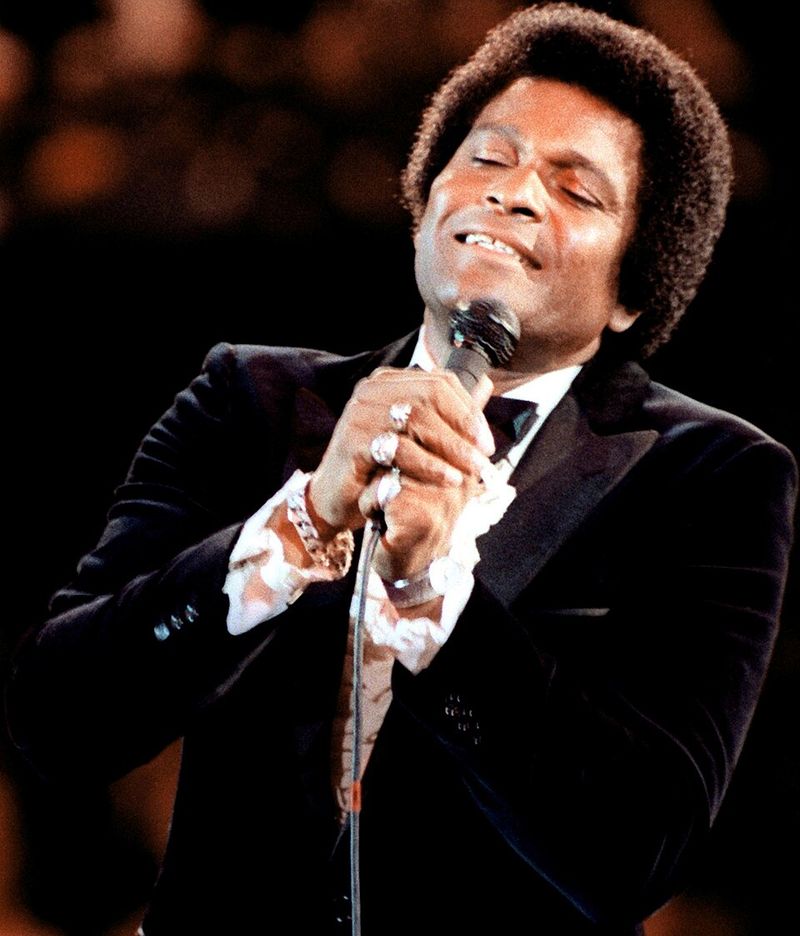
Charley Pride built his career against considerable resistance and became one of country music’s most successful artists by simply continuing to make great records. “Kiss an Angel Good Mornin'” was released in 1971 and became one of the warmest, most easygoing hits the genre produced during that decade.
The song’s message is straightforward: appreciate the person you love every single day, and the rest tends to work itself out. Pride’s smooth, reassuring voice fits that message perfectly, delivering the lyric with a conviction that never tips into sentimentality.
The recording crossed beyond country audiences and helped cement Pride’s position as one of the genre’s major stars during an era when that achievement carried particular significance. He eventually became the first Black artist to receive the Country Music Association’s Entertainer of the Year award. “Kiss an Angel Good Mornin'” remains one of the most recognizable and warmly received recordings of his long career.
Share this story