A comeback sounds wonderful on paper: the old lineup reunites, a famous singer returns, and fans line up for tickets. From the 1970s rock scene to the reunion boom of the 1990s and 2000s, many legendary acts tried to recapture their glory years.
Some sold millions of records anyway, while others barely made a dent on the charts. Nostalgia, it turns out, is a very tough opening act.
Keep reading to learn why these returns stumbled, what changed behind the scenes, and what each one teaches us about fame, chemistry, and fan expectations.
1. Guns N’ Roses, Chinese Democracy, 2008
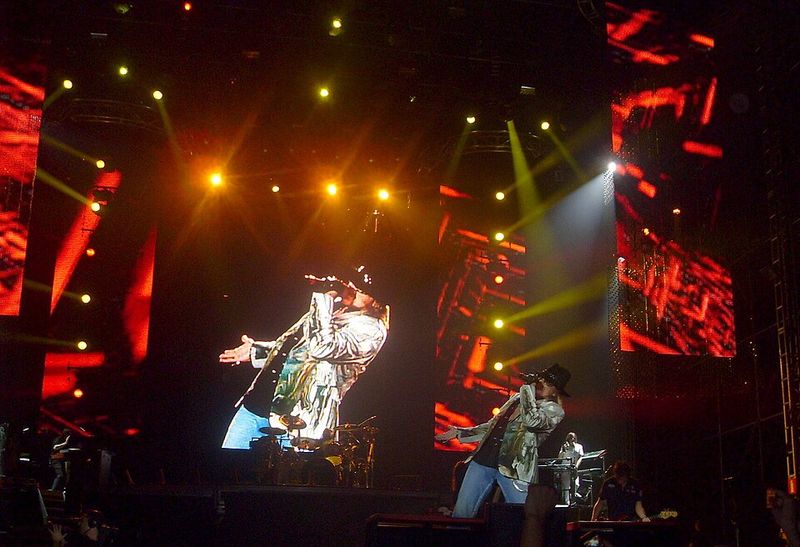
Fifteen years is a long time to make people wait for an album. Chinese Democracy finally arrived on November 23, 2008, the first set of original Guns N’ Roses songs since the Use Your Illusion records of 1991.
Axl Rose was still in charge, but Slash and Duff McKagan had left in the mid-1990s. A rotating group of musicians and producers filled the gap.
Recording reportedly cost more than $13 million. The album debuted at No. 3 on the Billboard 200, yet sales dropped quickly after the first week.
Fans wanted a cultural event and got a polished, very different record. Happily, the 2016 Not in This Lifetime tour reunited Rose, Slash, and McKagan and became one of the highest-grossing tours ever.
2. The Beach Boys, Summer in Paradise, 1992
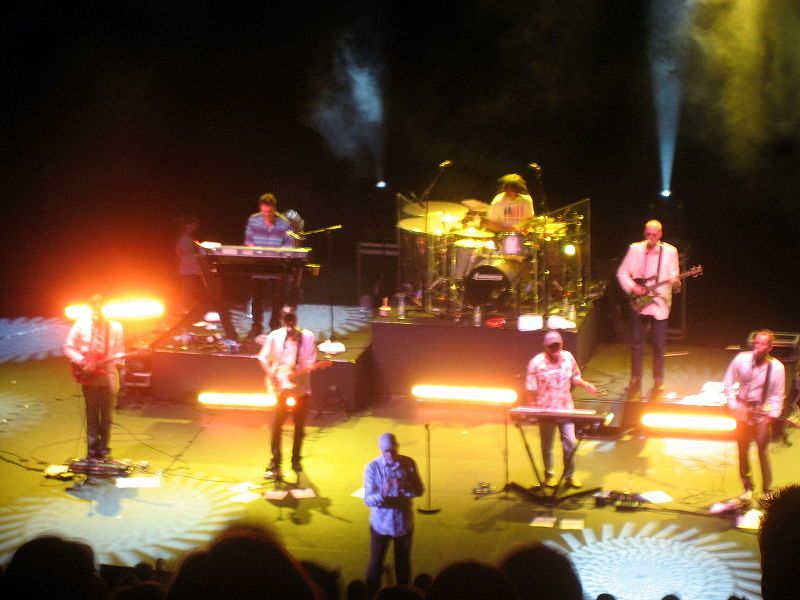
Surf, sunshine, and drum machines made an odd mix in 1992. Summer in Paradise was meant to bring back that classic Beach Boys feeling.
Brian Wilson, the genius behind Pet Sounds, was not involved at all. Mike Love led the creative direction instead.
The album used electronic drums and shiny early-1990s production. Those choices made it sound dated almost as soon as it hit stores.
Sales were weak, and critics were harsh. Today it often appears on lists of the band’s weakest releases.
Fans still packed concerts to hear the old hits, which says plenty. The lesson here is simple: a famous sound depends on the people who created it, not just the band name on the cover.
3. Van Halen, Van Halen III, 1998
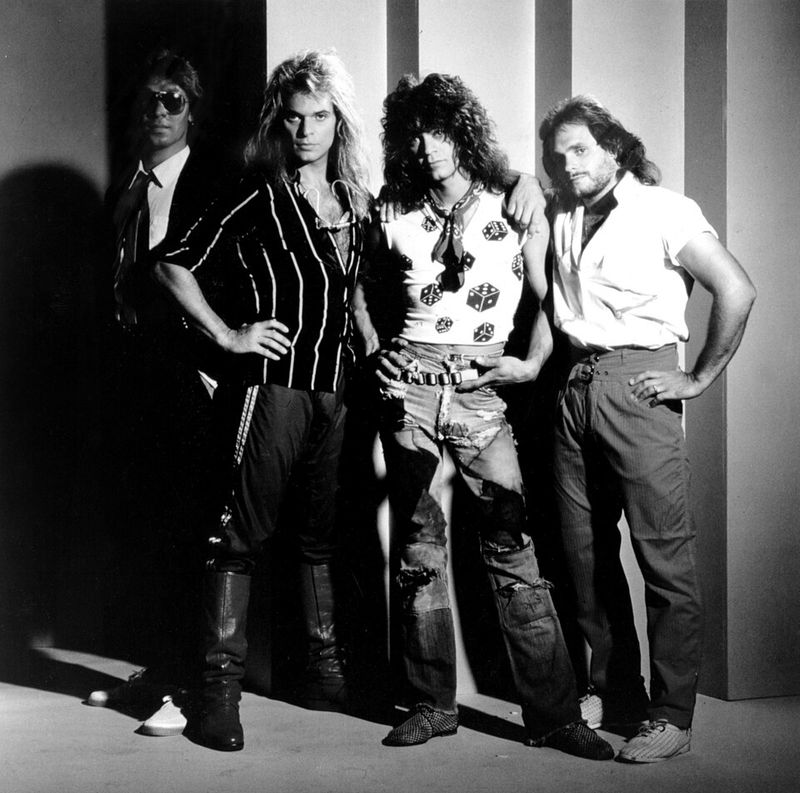
Lightning struck twice for Van Halen in 1985, when Sammy Hagar smoothly replaced David Lee Roth. The band kept selling millions of albums with its new voice.
Third time, however, was not the charm.
In 1998, former Extreme singer Gary Cherone stepped up for Van Halen III. He was a skilled performer, but the songs were longer, slower, and more experimental than the party anthems fans loved.
Reviews ranged from mixed to rough. Sales fell far below earlier records.
Cherone left the next year, and a planned follow-up album never appeared. Some listeners still defend the record, but most agree it proved one thing clearly: talent alone cannot build band chemistry overnight.
4. The Doors, Full Circle, 1972
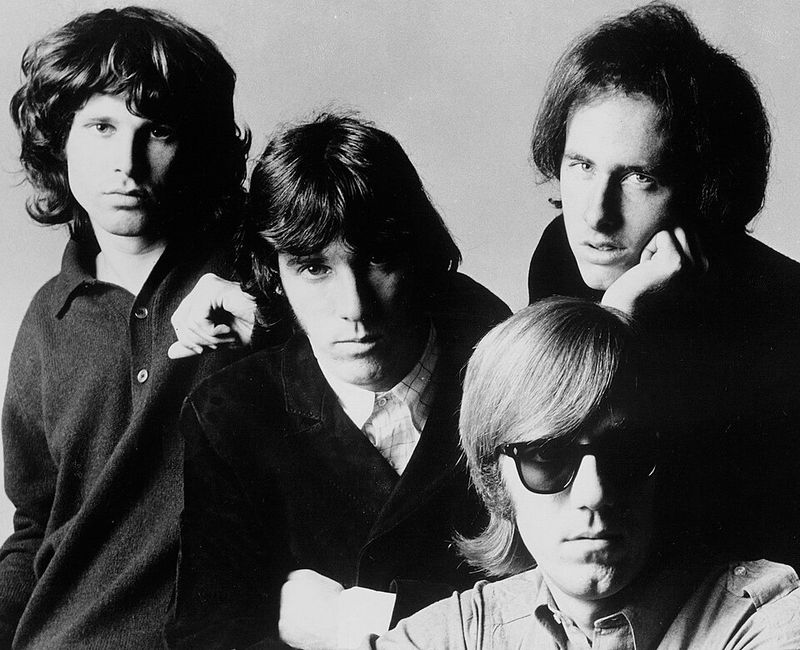
Can a band keep going when its singer was the whole show? The Doors faced exactly that question after Jim Morrison was gone in 1971.
Keyboardist Ray Manzarek and guitarist Robby Krieger split vocal duties. They released Other Voices in 1971, then Full Circle the following year.
Full Circle mixed rock with jazz and other styles. The playing was skilled, yet the record lacked Morrison’s deep voice and dramatic stage personality.
The response was lukewarm at best. It became the final studio album by the trio under The Doors name.
Each musician stayed respected for his own talent. Fans, though, learned that some bands are built on a mix of personalities that cannot simply be rearranged.
5. The Monkees, Justus, 1996
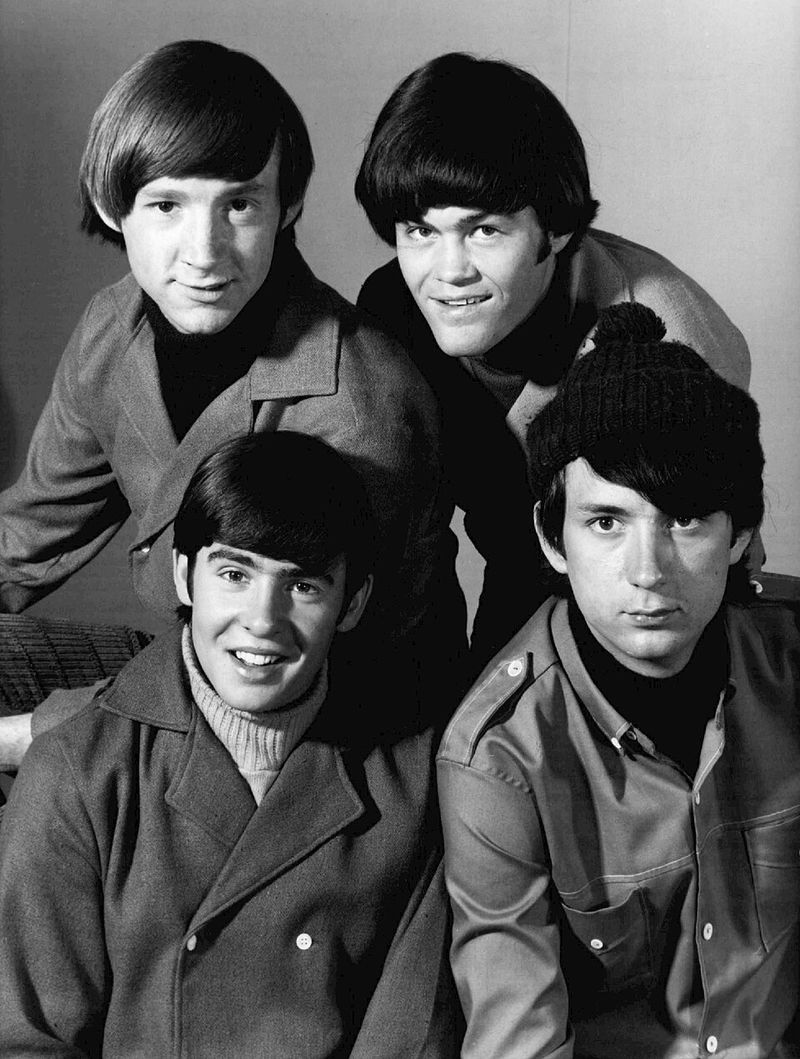
All four original Monkees together again sounded like a dream in 1996. Micky Dolenz, Davy Jones, Michael Nesmith, and Peter Tork reunited for Justus.
The goal was bold. They wrote, played, and produced everything themselves to prove they were a real band, not just a TV creation.
That independence earned respect. Unfortunately, the guitar-heavy sound felt far from cheerful hits like I’m a Believer and Last Train to Clarksville.
Justus never entered the Billboard 200.
Loyal fans liked the effort, and the group kept drawing crowds on nostalgia tours. Later recordings did much better.
Justus remains a reminder that creative freedom and what audiences want do not always point the same way.
6. KISS, Psycho Circus, 1998
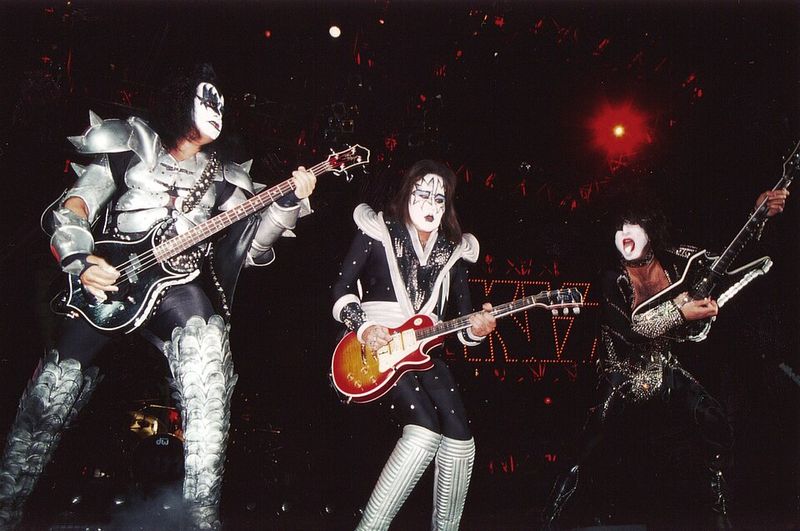
Face paint, platform boots, and fireworks returned in a big way when the original KISS lineup reunited in the mid-1990s. The reunion tour was a giant moneymaker.
Psycho Circus followed in 1998. It was promoted as the first studio album from Gene Simmons, Paul Stanley, Ace Frehley, and Peter Criss in nearly two decades.
It debuted at No. 3 on the Billboard 200, so sales were fine. The trouble came later.
Reports showed session musicians played parts on several tracks. Not all four members contributed equally.
Fans who pictured a true team effort felt let down. Reviews were mixed, and the songs rarely matched the 1970s classics that made the makeup famous.
7. Black Sabbath, Forbidden, 1995
Heavy metal basically owes its birth certificate to Black Sabbath. By 1995, though, the band had changed members so often that fans needed a scorecard.
Forbidden featured Tony Martin on vocals, Tony Iommi on guitar, Neil Murray on bass, Cozy Powell on drums, and Geoff Nicholls on keyboards.
The surprising part was the producer. Ernie C, guitarist for the rap-metal group Body Count, handled the sound.
Critics disliked the songwriting and production, and sales were weak. Some fans still argue the songs deserved better treatment.
Happily, the story improved. Black Sabbath later reunited with Ozzy Osbourne and released 13 in 2013, a strong comeback that made Forbidden look even more out of place.
8. The Rolling Stones, Dirty Work, 1986
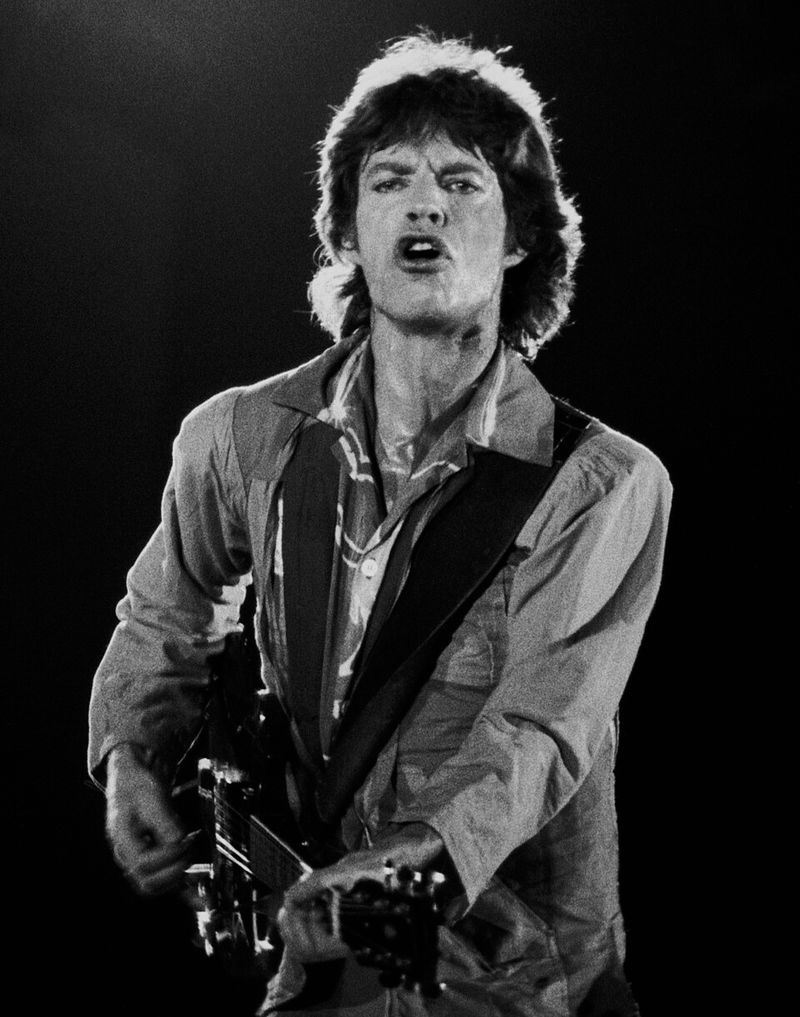
Even the biggest bands have rough patches. For the Rolling Stones, 1986 was one of the bumpiest.
Mick Jagger was focused on his solo career. Keith Richards wanted the Stones working full time, and the two clashed.
Dirty Work came out in the middle of that tension. Its cover of Harlem Shuffle did well on the charts.
Many critics, however, called the production harsh and the songs less inspired than usual. The band did not even tour to support it, which fueled rumors of a breakup.
By 1989, Jagger and Richards had patched things up. Steel Wheels and a huge tour followed.
Dirty Work sold decently, but it remains tied to the Stones’ most troubled era.
9. Fleetwood Mac, Time, 1995
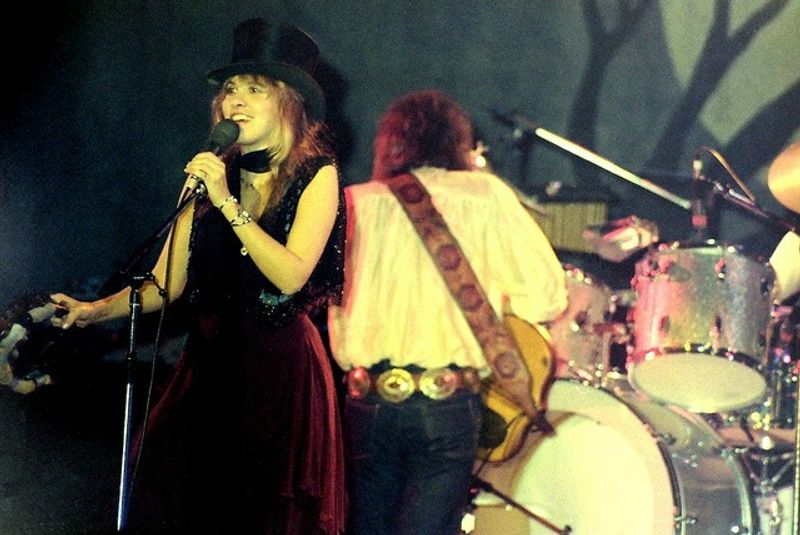
Here is a fun trivia question: which Fleetwood Mac album failed to reach the Billboard 200 at all? The answer is Time, released in 1995.
Lindsey Buckingham and Stevie Nicks were both missing. Christine McVie stayed, along with Mick Fleetwood, John McVie, Billy Burnette, Bekka Bramlett, and Dave Mason.
The music blended pop, rock, and a touch of country. Still, many listeners could not connect it to the band behind Rumours.
That lineup broke apart soon after. Then, in 1997, the classic five reunited for The Dance, a huge live album and concert special.
Time stands as proof that a famous name on the cover does not guarantee the sound fans expect inside.
10. David Bowie, Never Let Me Down, 1987
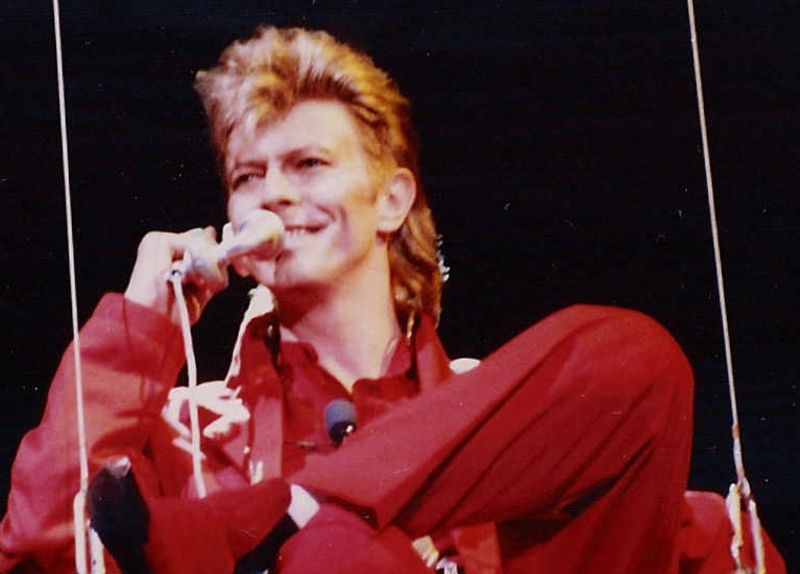
It is rare for an artist to become the loudest critic of his own album. David Bowie did exactly that with Never Let Me Down.
Fresh off the massive success of Let’s Dance in 1983, Bowie was a global pop star. His 1987 follow-up leaned hard into big drums, synthesizers, and busy arrangements.
Fans and critics were unimpressed. Bowie himself later said he was unhappy with how it turned out.
The Glass Spider Tour featured a giant spider stage and dancers. It made money but earned mixed reviews.
Bowie bounced back with bold projects in the following decades. Never Let Me Down shows that even creative giants sometimes follow trends instead of instincts.
11. The Who, It’s Hard, 1982
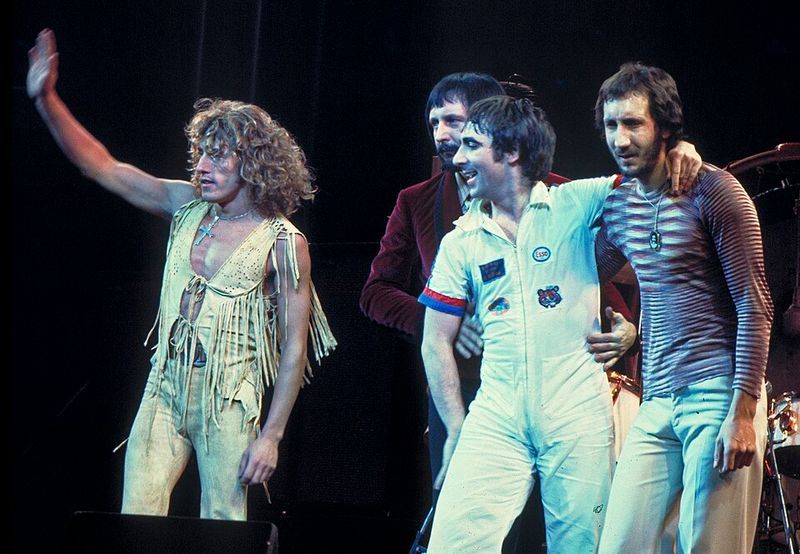
Measuring up to Tommy, Who’s Next, and Quadrophenia is a tall order for anyone. The Who faced that challenge in 1982.
Kenney Jones had replaced Keith Moon on drums in 1978. Meanwhile, band members were drifting toward separate interests.
It’s Hard did include Eminence Front, which became one of the group’s best-known later songs. The album also reached No. 8 on the Billboard 200.
Critics were split, and some fans missed the wild energy of earlier years. The 1982 tour was billed as a farewell.
It became their last studio album for more than two decades, though reunions came later. Sometimes a band’s biggest rival is its own glorious past.
12. Mötley Crüe, Generation Swine, 1997
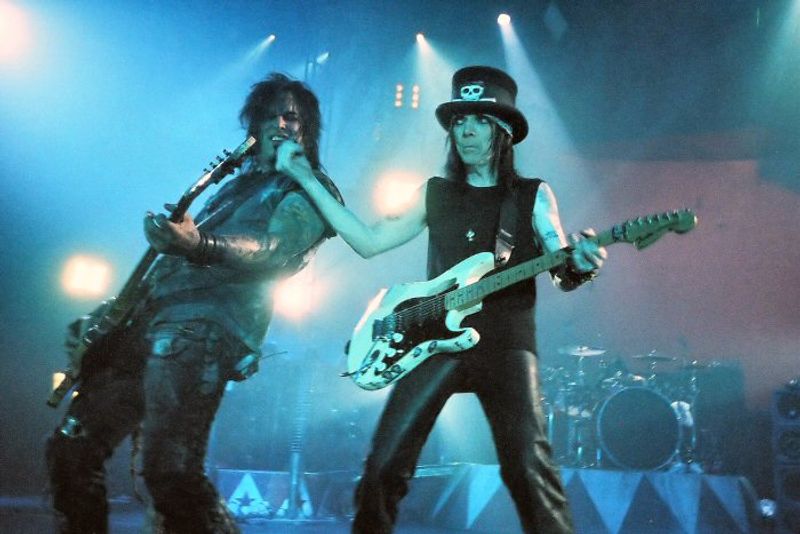
Vince Neil’s return to Mötley Crüe in 1997 should have meant big hair and bigger choruses. He had left in 1992, and John Corabi sang on the band’s self-titled album in the meantime.
Fans expected a return to the glam-metal glory days. They got something else entirely.
Generation Swine borrowed from industrial music and alternative rock. Some listeners admired the risk.
Others asked why reuniting with the classic singer sounded so unfamiliar. The album debuted at No. 4 on the Billboard 200, but sales faded fast.
The band later returned to a more familiar hard-rock style. Generation Swine shows how chasing new trends can confuse the audience that made a band famous.
13. The Smashing Pumpkins, Zeitgeist, 2007
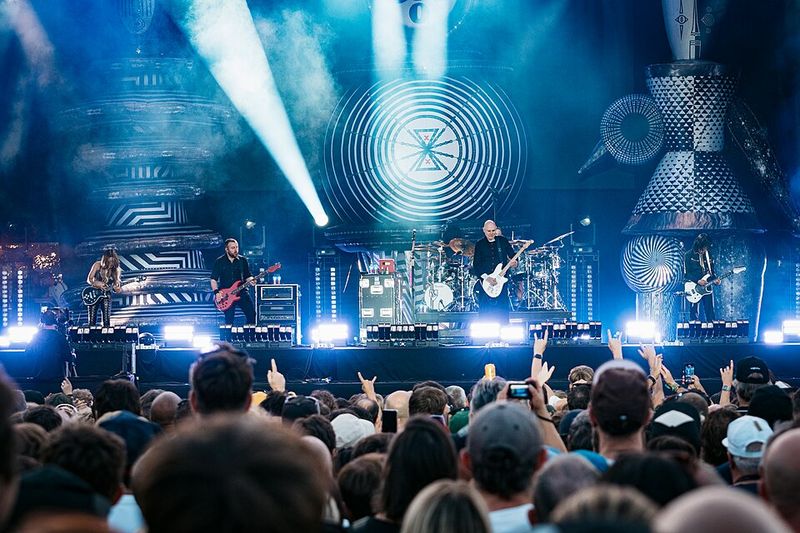
Only half of the famous lineup showed up when the Smashing Pumpkins returned in 2007. Billy Corgan and drummer Jimmy Chamberlin recorded Zeitgeist without James Iha or D’arcy Wretzky.
The album hit No. 2 on the Billboard 200. Commercially, that was a solid win.
Reviews were mixed, though. Many longtime listeners felt the heavy guitar sound lacked the range of Siamese Dream and Mellon Collie and the Infinite Sadness.
Over the years, some fans have warmed to its aggressive edge. Iha eventually rejoined the band as well.
Still, the 2007 revival made one thing clear. A beloved band name can sell tickets, but it cannot automatically bring back the experience fans remember.
14. Creed, Full Circle, 2009
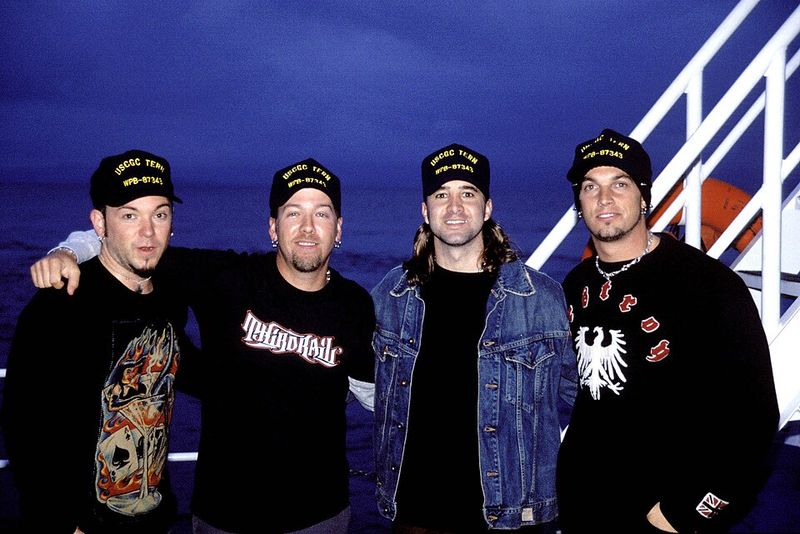
Few bands ruled rock radio around 2000 like Creed. Higher and With Arms Wide Open seemed to play everywhere.
The group split in 2004, and several members formed Alter Bridge. In 2009, Creed reunited and released Full Circle, its first studio album in eight years.
It debuted at No. 2 on the Billboard 200. Even so, it never came close to the band’s earlier sales numbers.
Reviews were mixed, and the songs did not stick around. The reunion slowly lost steam.
Here is the twist: years later, Creed found a fresh wave of popularity, partly from younger fans discovering the old hits. Full Circle just was not the triumphant return everyone imagined.
15. Queen + Paul Rodgers, The Cosmos Rocks, 2008
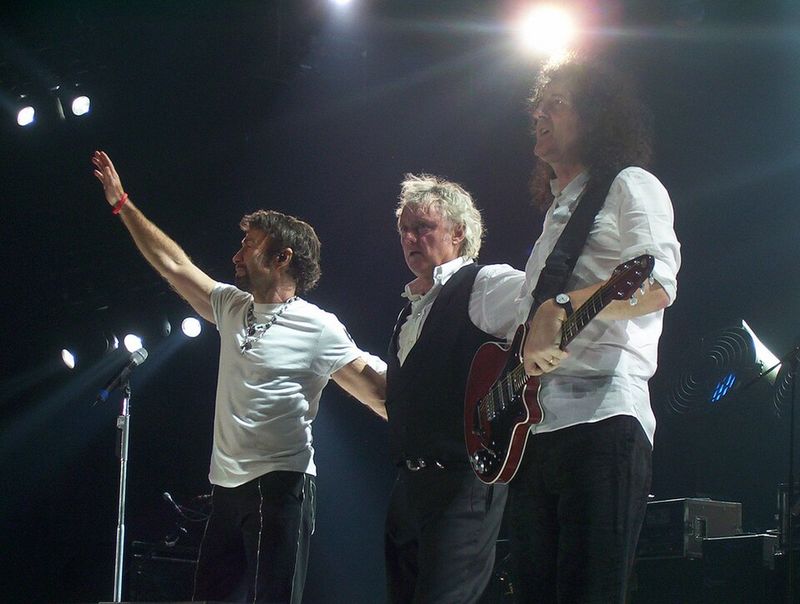
Freddie Mercury left shoes nobody could fill. After 1991, Brian May and Roger Taylor faced a tough choice about Queen’s future.
They eventually teamed up with Paul Rodgers, famous for Free and Bad Company. The tours went well, and in 2008 they released The Cosmos Rocks.
Rodgers had a powerful blues-rock voice. It just sounded very different from Mercury’s theatrical style.
Reviews were mixed, and bassist John Deacon was not part of the project. The partnership ended in 2009.
May and Taylor later found big success touring with Adam Lambert. The Cosmos Rocks proves that great musicians can still struggle under the weight of a legendary band’s identity.
16. The Jacksons, 2300 Jackson Street, 1989
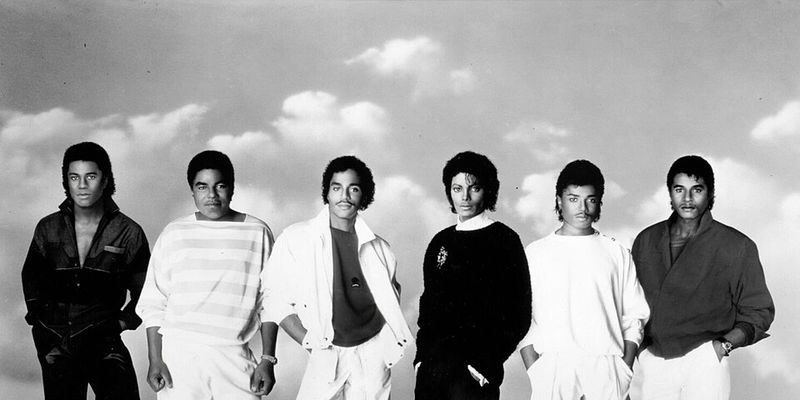
The address 2300 Jackson Street is a real home in Gary, Indiana, where the Jackson family grew up. Naming a 1989 album after it was a sweet tribute.
The title track featured several family members, including Michael and Janet Jackson. Michael, however, was busy with his record-breaking solo career and was not a regular part of the group.
The album peaked at only No. 59 on the Billboard 200. Its modern production put it up against younger acts that ruled the late 1980s.
Fans who loved the Jackson 5 found little of the old spark. It became the group’s final studio album, a quiet ending for a family that shaped pop history.
17. The Velvet Underground, Live MCMXCIII, 1993
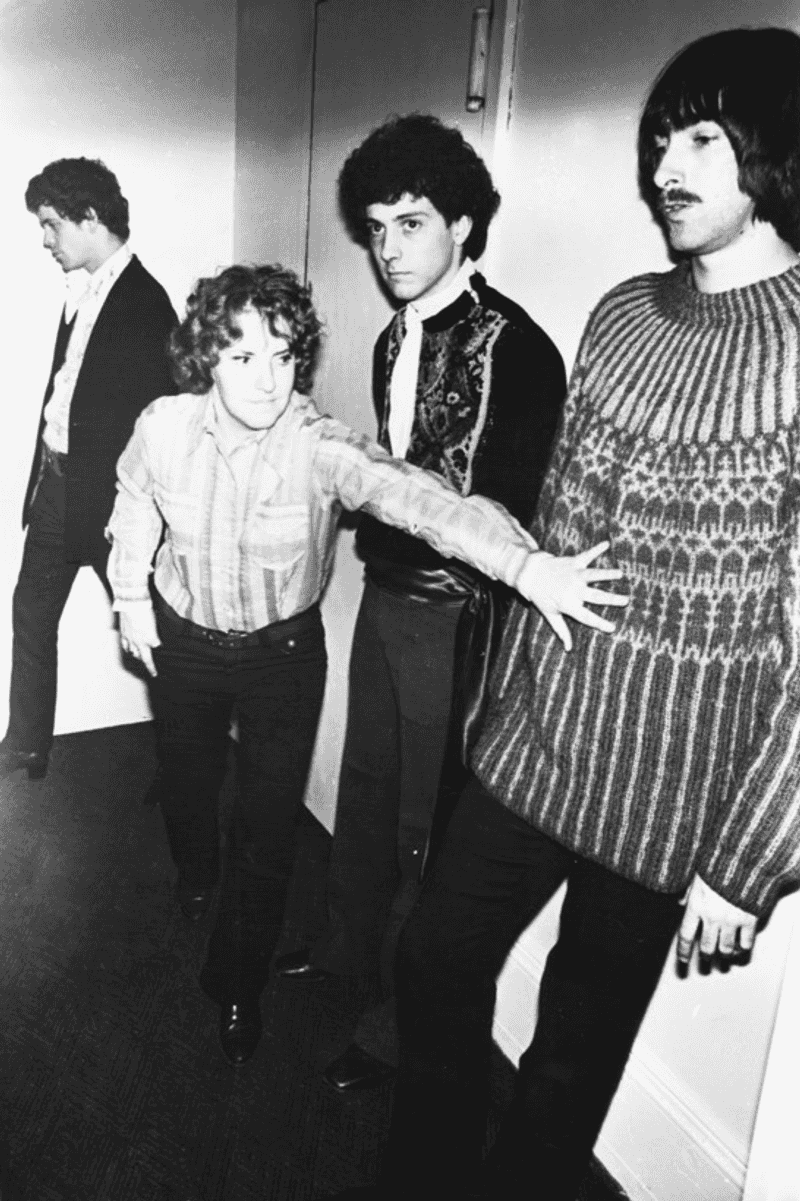
A famous saying claims that few people bought the first Velvet Underground album, but everyone who did started a band. That influence grew huge after the group broke up.
In 1993, Lou Reed, John Cale, Sterling Morrison, and Maureen Tucker reunited for a European tour. Interest was enormous.
Old tensions between Reed and Cale quickly returned. The live album Live MCMXCIII earned mixed reviews.
Some critics enjoyed hearing the originals together again. Others missed the edgy, unpredictable spirit of the early records.
Plans for more music fell apart, and no new studio album came. For fans, the reunion was both a rare treat and a reminder that some chapters stay closed.
Share this story