Some things that once felt completely essential have quietly faded into the background of everyday life. For Baby Boomers, a generation that grew up with landlines, printed encyclopedias, and cassette tapes, the pace of change has been striking.
Technology, shifting habits, and new conveniences have replaced many products that once seemed impossible to live without. This list takes a look at 18 of those products, exploring what made them so important, what took their place, and why their grip on daily life has loosened over time.
Landline Phones
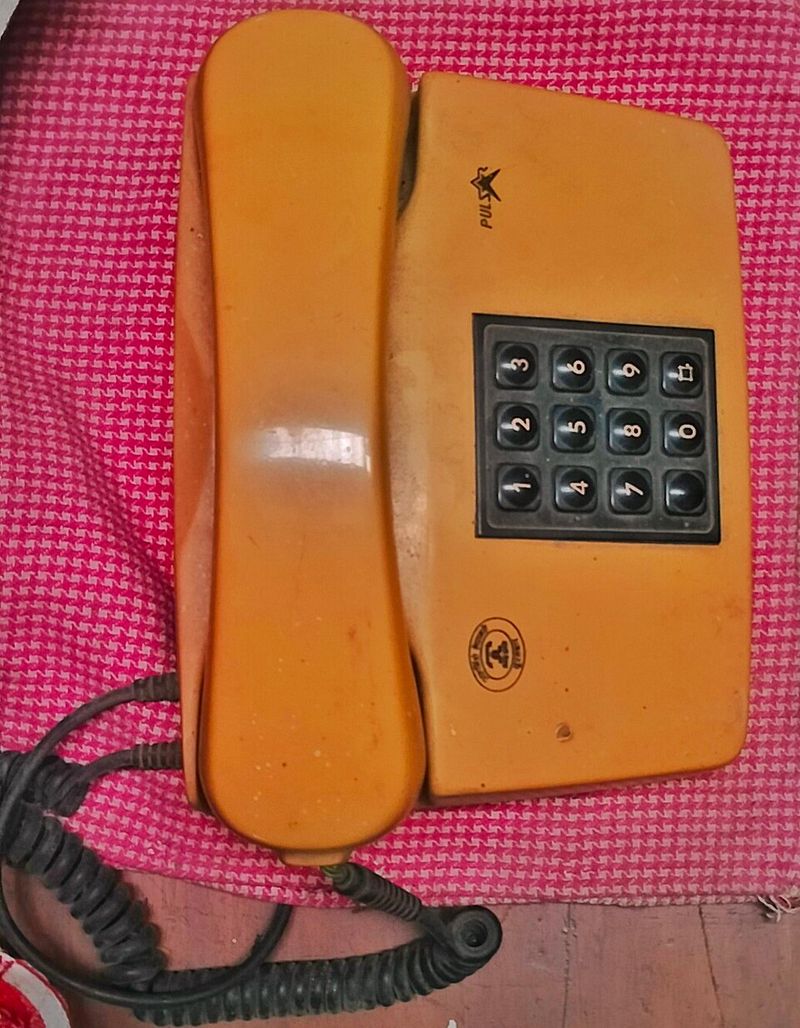
For most of the 20th century, a home telephone was not optional. It was the only way to reach family, schedule appointments, and handle emergencies from your own living room.
The landline was so central to daily life that many families had multiple extensions throughout the house. Children grew up memorizing phone numbers the way people today memorize passwords.
Cell phones changed everything. Modern smartphones handle calls, texts, video chats, photos, banking, and navigation from a single pocket-sized device.
The convenience made it difficult to justify paying for a separate home line.
Federal data shows that wireless-only households have grown steadily for years. Many Boomers who once considered a home phone non-negotiable have quietly disconnected their landlines.
The familiar ring of a wall-mounted telephone is increasingly a sound reserved for older movies and childhood memories rather than everyday life.
Cable TV
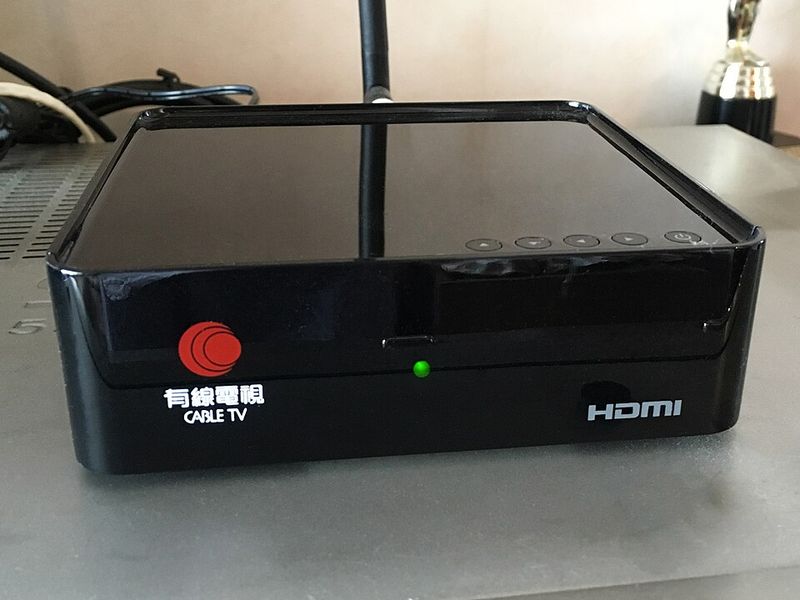
Cable television once held an almost unbreakable grip on American households. Families planned their evenings around the TV schedule, and missing a favorite show meant missing it entirely.
For Boomers, cable represented a major upgrade from the days of three broadcast channels and rabbit-ear antennas. Dozens of channels felt like an extraordinary luxury at the time.
Streaming services rewrote that relationship. Platforms like Netflix, Hulu, and Amazon Prime let viewers watch what they want, when they want, without commercials interrupting every few minutes.
Smart TVs made the switch easier than most people expected.
The cost difference also became hard to ignore. Monthly cable bills climbed steadily while streaming subscriptions offered more flexibility at lower price points.
Many Boomers who once would never have considered cutting the cord have done exactly that, trading the cable box for a streaming stick and never looking back.
Printed Encyclopedias
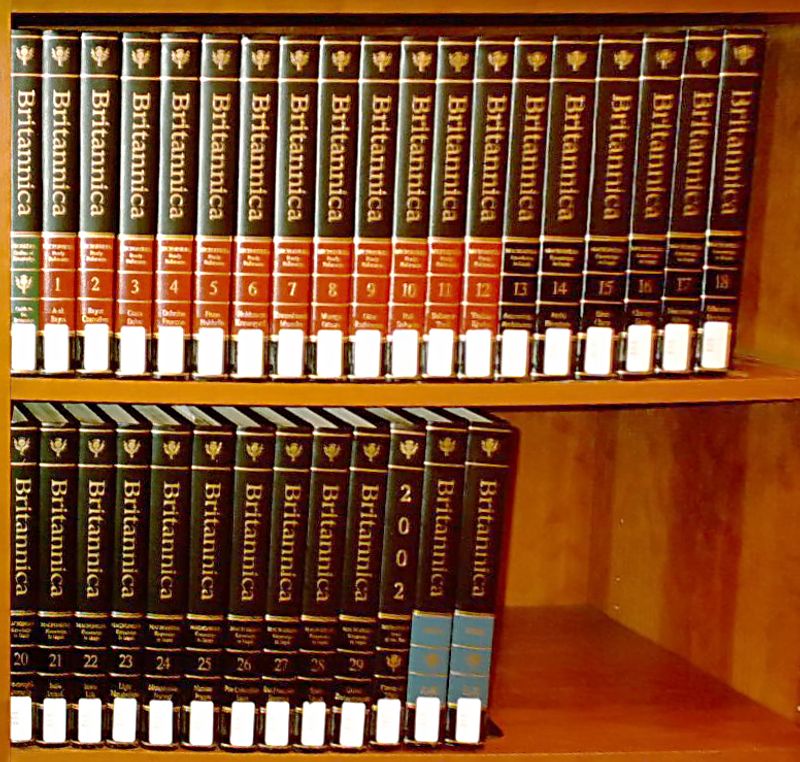
Owning a full set of encyclopedias once signaled something about a household. Parents invested in those heavy volumes because they represented knowledge, opportunity, and a serious commitment to education.
Encyclopedia Britannica, World Book, and Compton’s were household names. Kids used them for school reports, curious adults browsed them on rainy afternoons, and the books stayed on shelves for decades as a kind of permanent reference library.
Search engines changed the value equation almost overnight. Google can return millions of results in less than a second, covering topics that no printed volume could match in depth or currency.
Wikipedia alone covers more than 60 million articles across multiple languages.
Printed encyclopedias still attract collectors and nostalgia lovers who appreciate their craftsmanship. Some libraries still maintain older sets for historical reference.
But for most households, those shelves have long since been cleared for other things, and the volumes have quietly moved on to thrift stores.
Fax Machines
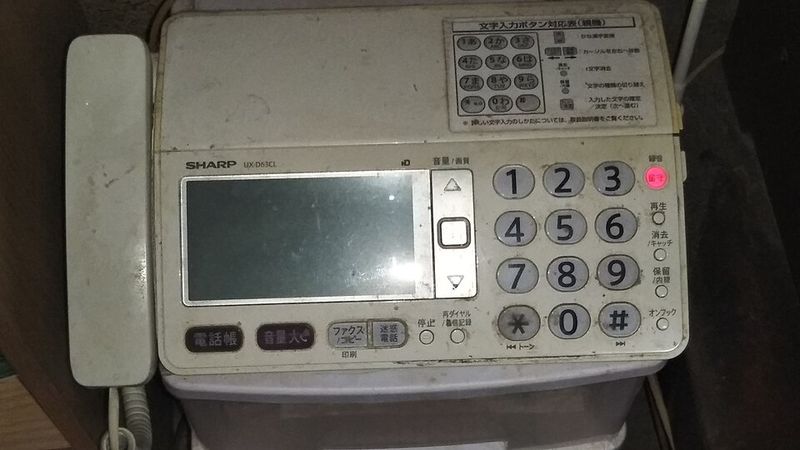
At its peak, the fax machine felt genuinely impressive. Sending a signed document to someone across the country in a matter of minutes was a real technological achievement that changed how businesses operated.
Medical offices, law firms, real estate agencies, and government departments all relied heavily on fax. For Boomers who built careers during the fax machine’s golden era, it was as essential as the telephone or the photocopier.
Email attachments began chipping away at that dominance in the late 1990s. Cloud storage, electronic signature platforms, and secure document-sharing apps finished the job.
Sending a PDF now takes seconds from any smartphone.
Fax machines have not completely disappeared. Some industries, particularly healthcare and legal services, still use them for compliance reasons.
But owning a personal fax machine at home is now a rare choice rather than a standard one, a shift that would have seemed unlikely to most office workers just 30 years ago.
DVD Players
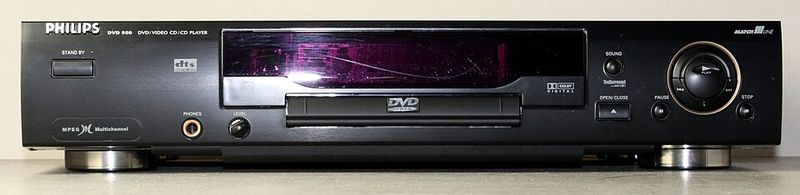
When DVD players arrived in American living rooms during the late 1990s, they felt like a genuine leap forward. The picture was sharper than VHS, the menus were interactive, and bonus features made favorite movies feel brand new.
Boomers who had already upgraded from vinyl to cassettes, then from cassettes to CDs, embraced DVDs as the natural next step in home entertainment. Shelves filled with movie cases became a point of pride in many households.
Streaming quietly made those collections feel like storage problems. Why maintain hundreds of discs when a monthly subscription provides access to thousands of titles?
The physical media started moving toward closets, donations, and yard sales.
DVD and Blu-ray formats still attract dedicated collectors and people who prefer owning a permanent copy of their favorite films. But the standalone DVD player as a household centerpiece has clearly stepped aside, replaced by smart TVs and streaming devices that need no physical media at all.
Physical Maps
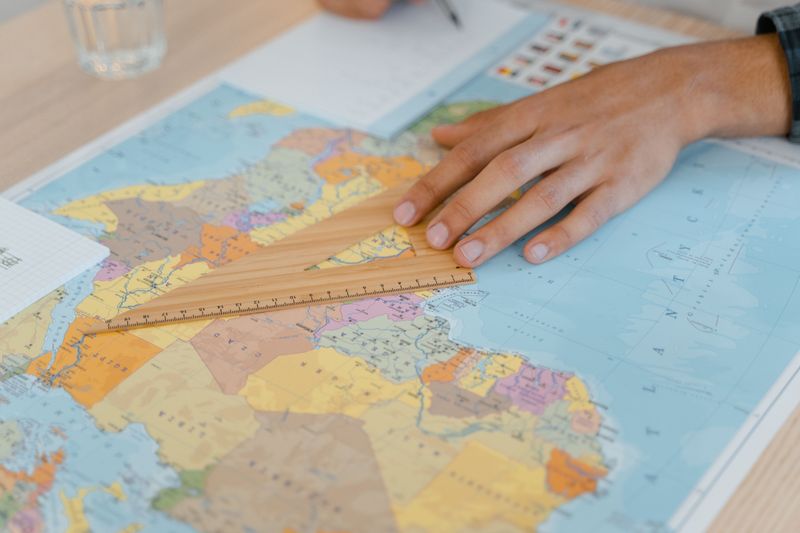
Road trips used to begin with a stop at the gas station to grab a new map. Navigating meant reading the legend, tracing routes with a finger, and occasionally arguing about which exit came next.
For Boomers who grew up before GPS, map-reading was a practical skill. Glove compartments were stuffed with folded state maps, AAA trip planners, and handwritten directions on scraps of paper.
Getting somewhere unfamiliar required genuine preparation.
GPS changed road travel fundamentally. Smartphone navigation apps now provide real-time traffic updates, lane-by-lane guidance, estimated arrival times, and automatic rerouting when something goes wrong.
The process requires almost no preparation beyond entering a destination.
Paper maps still have genuine uses. Hikers, campers, and backcountry travelers often rely on them where cell service disappears.
Emergency preparedness kits frequently include them. But for everyday driving, the folded road map has moved from the front seat to the back of a drawer, if it exists in the household at all.
Checks
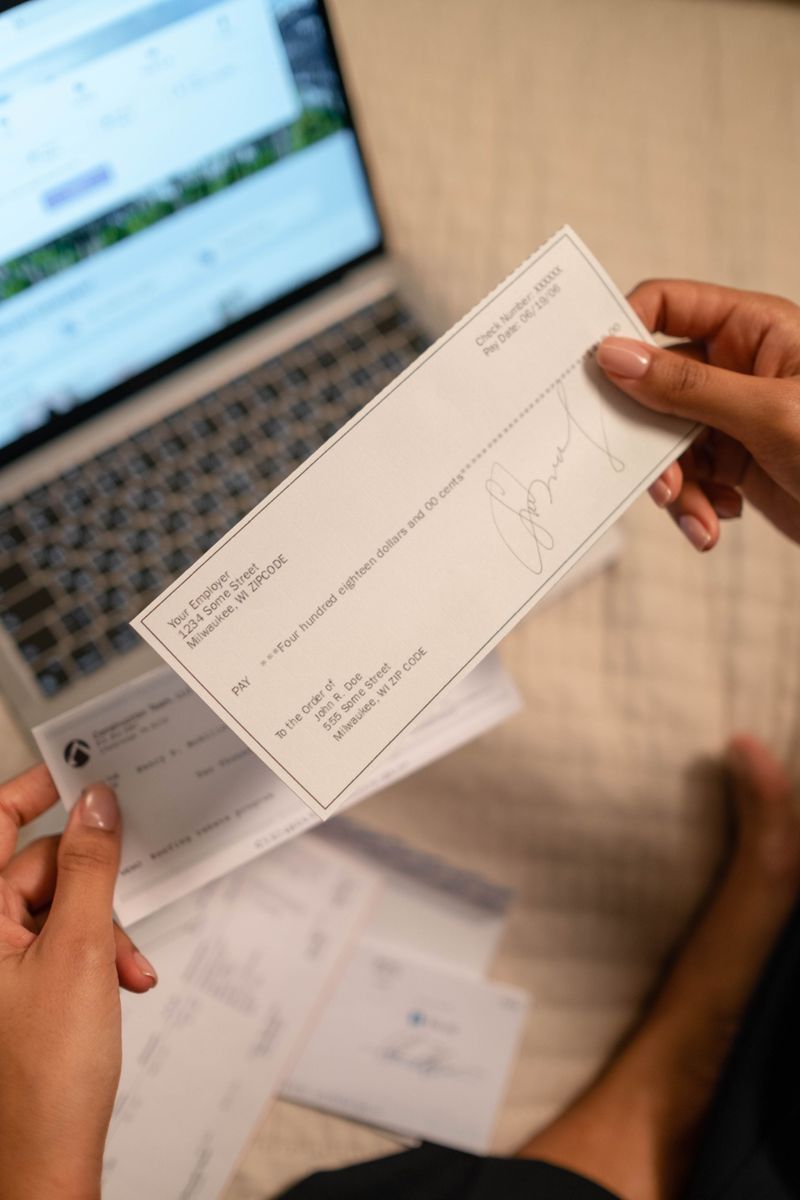
Writing a check was once a completely ordinary part of adult life. Paying rent, splitting bills, donating to a charity, or buying something from a neighbor all commonly involved pulling out the checkbook and filling in the blanks.
Boomers grew up in a world where check-writing was a basic financial skill taught alongside balancing a register and keeping records. Banks even offered personalized checks as a small point of individual expression.
Digital payment options have steadily taken over. Debit cards, credit cards, mobile payment apps, and online bill pay handle most transactions faster and with less paperwork.
Many younger adults have never owned a checkbook at all.
Federal Reserve data confirms a long-term decline in check usage, though billions of checks are still processed annually. Older adults and certain business transactions still rely on them.
But the checkbook that once sat permanently near the phone has largely been replaced by apps that settle payments in seconds.
Alarm Clocks
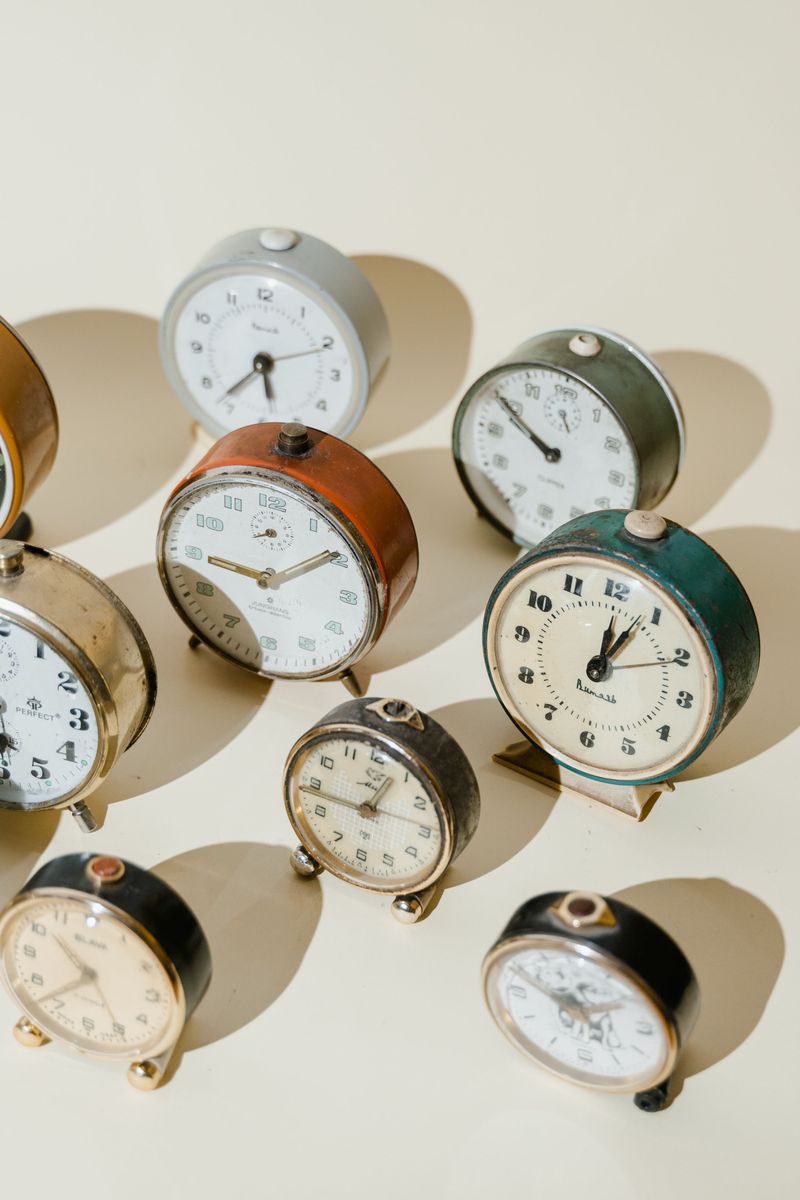
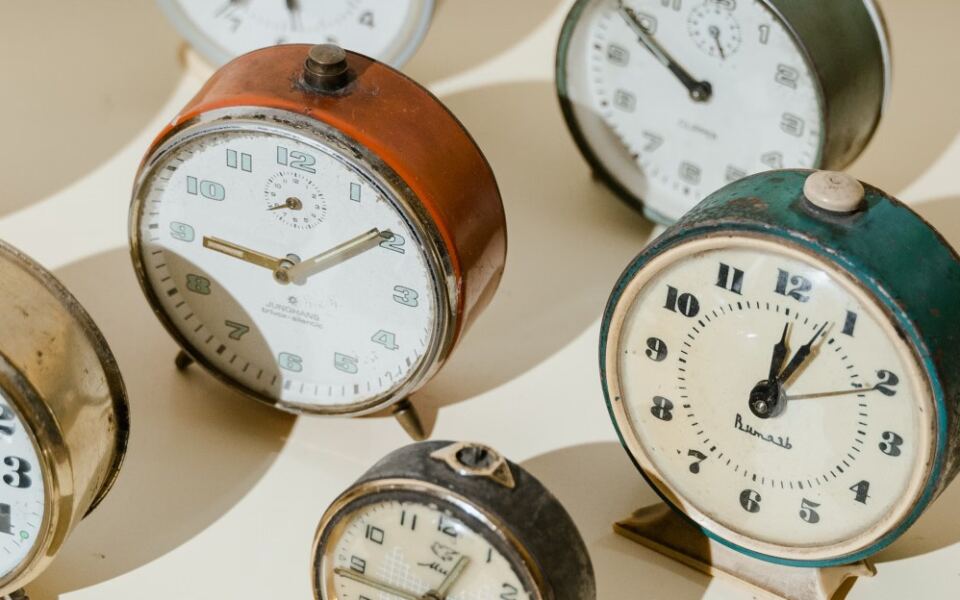
Before smartphones existed, the bedside alarm clock had one job and it did it reliably. The mechanical ring or buzzer pulled millions of people out of sleep every morning, and the snooze button became a universal symbol of early-morning reluctance.
Boomers grew up with wind-up clocks, then moved to electric models with glowing red digits that blinked after every power outage. Alarm clocks were a fixture of every bedroom, dorm room, and hotel nightstand for decades.
Smartphones absorbed that role almost without anyone noticing. Built-in alarm apps allow multiple alarms, custom sounds, gradual wake settings, and scheduling flexibility that no bedside clock could match.
Many people charge their phones on the nightstand and use them as their primary alarm by default.
Traditional alarm clocks are still sold and used, particularly by people who prefer to keep phones out of the bedroom. But their role has shifted from necessity to personal preference, a quiet retirement for a product that served faithfully for generations.
Film Cameras
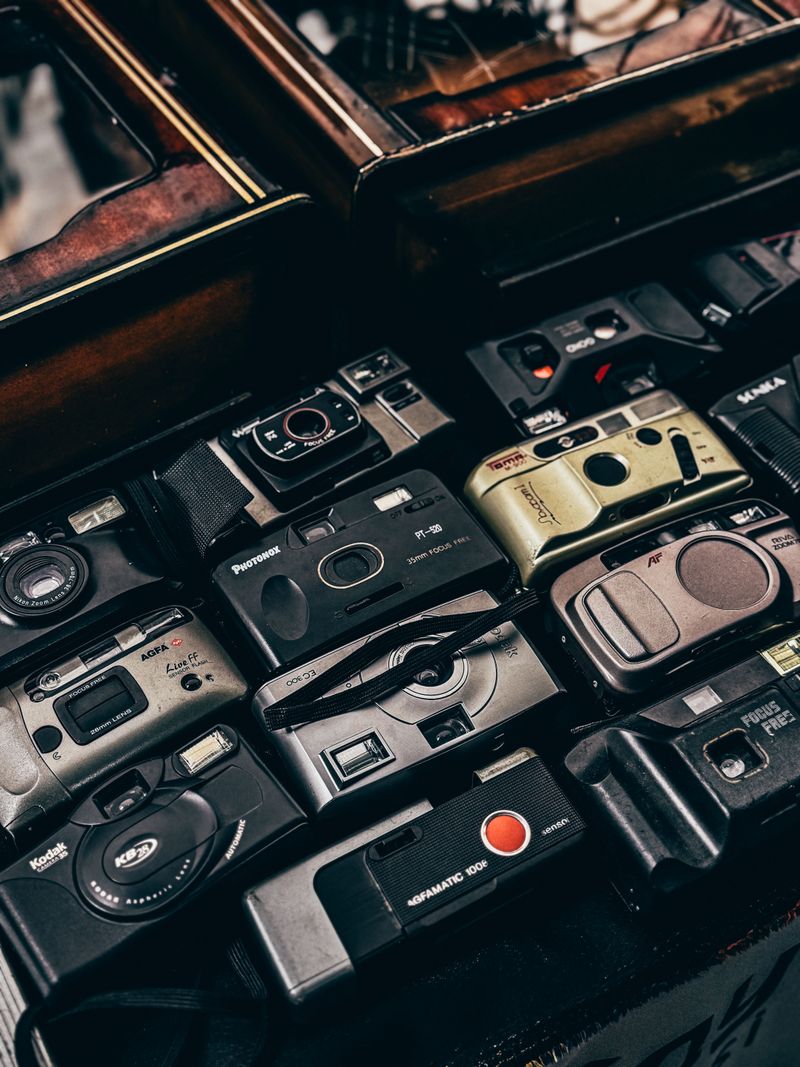
There was real anticipation involved in film photography. You took your shots, finished the roll, dropped it off at the photo lab, and then waited days to find out whether the pictures actually turned out.
Boomers documented their lives on film in a way that felt permanent and deliberate. Every frame cost money, which meant you thought carefully before pressing the shutter.
Family photo albums from that era have a particular quality that digital snapshots rarely match.
Digital cameras reduced the cost of photography to nearly zero per image, and smartphones pushed the transformation even further. Today, a single phone can hold thousands of high-resolution photos taken instantly, edited on the spot, and shared within seconds.
Film photography has experienced a genuine revival among younger enthusiasts who appreciate its texture and intentionality. But for everyday use, the 35mm camera and its rolls of Kodak film have been replaced by devices that fit in a pocket and never run out of exposures.
Yellow Pages
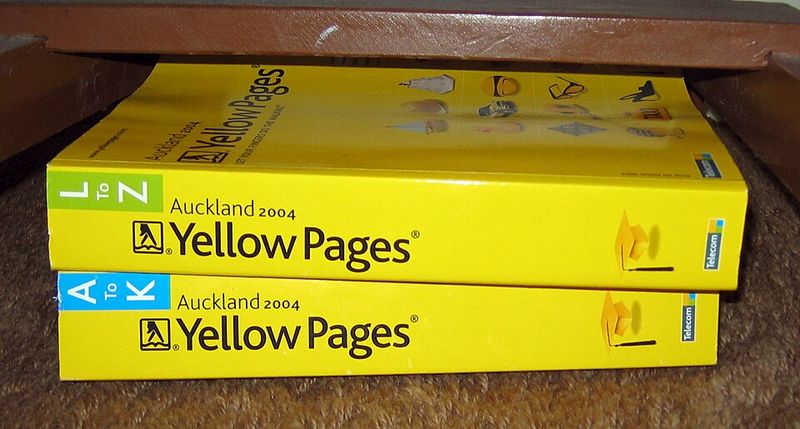
The Yellow Pages was the original search engine, just printed on paper and delivered annually to every doorstep in America. Need a plumber, a florist, or a local restaurant?
The answer was somewhere in those thin, closely printed pages.
For Boomers, flipping through the Yellow Pages was a completely normal part of handling daily life. Businesses competed for larger display ads because visibility in the directory translated directly to phone calls and customers.
Search engines made that process almost laughably faster. A quick Google search now returns local business listings, hours, reviews, photos, and directions within seconds.
Online maps add another layer by showing exactly where a business is located relative to your current position.
The Yellow Pages still exists in digital form and some print directories continue in certain markets. But the massive annual volume that once anchored kitchen counters and office desks has largely disappeared, replaced by a search bar that fits on any screen.
Cassette Tapes
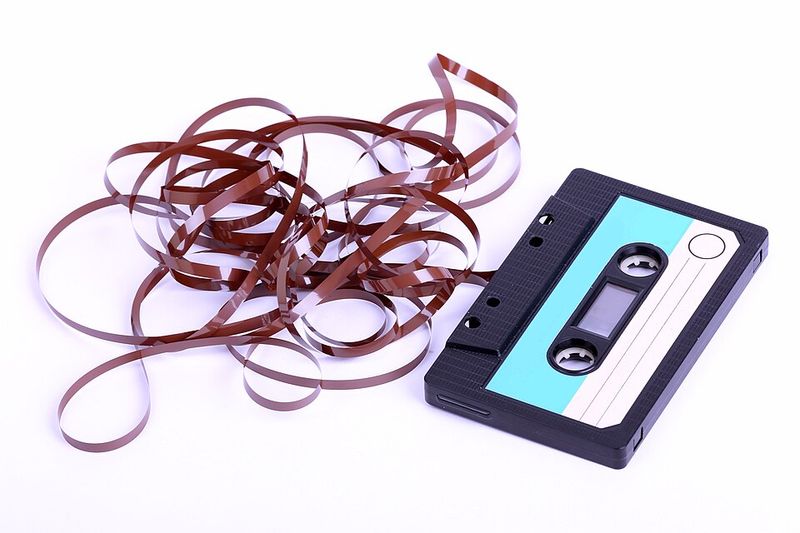
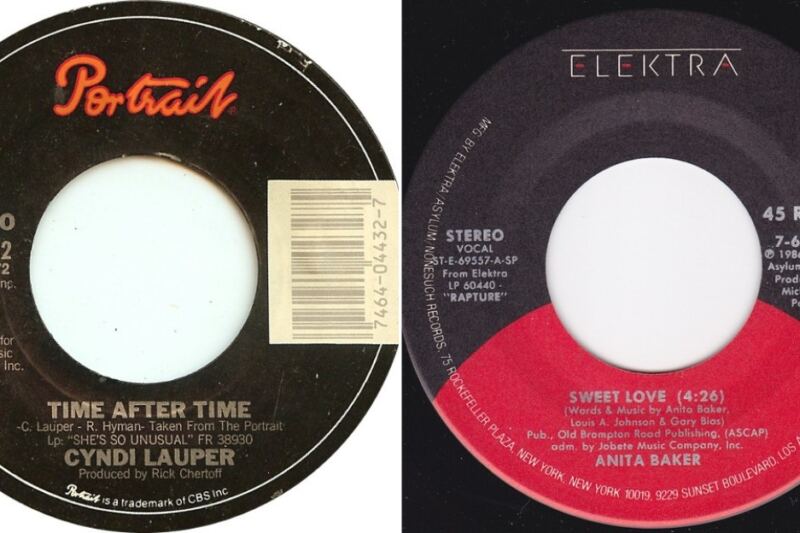
Making a mixtape was a genuine act of creativity and care. Selecting the right songs, timing each side perfectly, and writing track listings by hand in neat block letters turned a cassette tape into something personal and meaningful.
Boomers who came of age in the 1970s and 1980s built their music collections on cassettes. The Walkman made music portable in a way that had never existed before, letting people carry their favorite albums through daily life without being tethered to a stereo.
CDs offered better sound quality and eventually replaced cassettes as the dominant format. MP3 players then removed the need for physical media entirely.
Streaming services completed the shift by making virtually every recording ever made available on demand.
Cassettes have seen a small but genuine nostalgia-driven comeback in recent years, with some artists releasing music on tape for collectors. But as everyday listening format, they exist mostly as a fond memory of afternoons spent rewinding with a pencil.
Stationery and Handwritten Letters
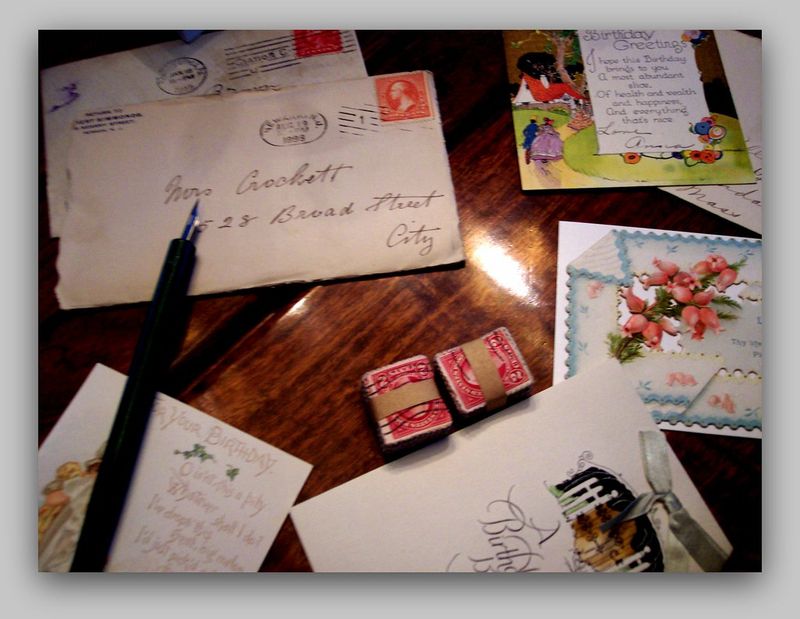
Receiving a handwritten letter used to feel like a small event. Someone had taken the time to sit down, choose their words carefully, and commit them to paper in a way that felt permanent and personal.
Boomers grew up writing thank-you notes, birthday letters, and correspondence to distant relatives as a standard social expectation. Good stationery was a household staple, and penmanship was taught seriously in schools across the country.
Email arrived and handled most of those conversations faster and more conveniently. Text messages and social media accelerated the shift further.
Communication that once took days to travel now arrives in seconds, at no cost, from anywhere in the world.
Handwritten notes have not disappeared entirely. Many people still send personal cards for weddings, funerals, and major milestones because a written note carries a weight that a text message does not.
But the daily habit of sitting down to write a letter has faded into something closer to a special occasion than a routine.
Newspaper Subscriptions
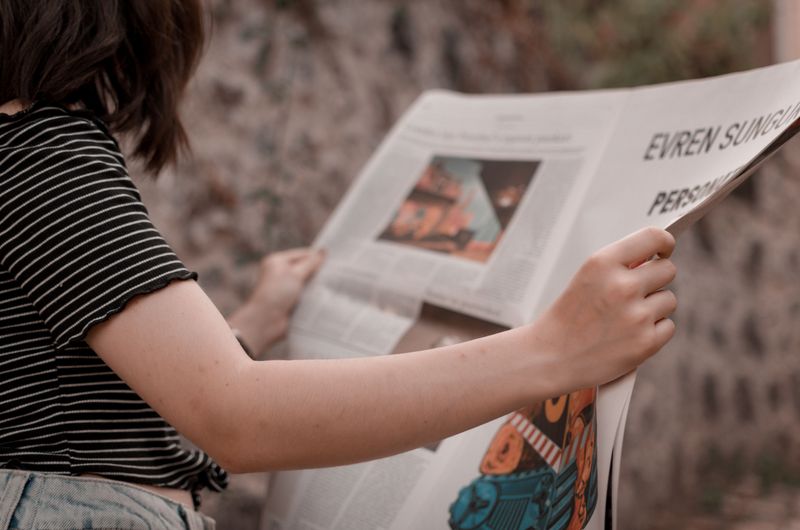
The morning newspaper was a ritual for millions of American households. It arrived before most people were awake, and reading it over breakfast was a way of orienting yourself to the world before the day began.
Boomers grew up in households where the newspaper was as expected as the morning coffee. Local papers covered city council meetings, high school sports, obituaries, and classified ads in ways that felt genuinely connected to the community.
Digital news changed the timing and format of information entirely. Stories now update continuously throughout the day, and readers can access national and international coverage from their phones before they get out of bed.
The printed edition, by the time it arrives, often carries news that is already hours old.
Print newspapers still serve millions of loyal readers, and many local papers remain important community resources. But daily print subscriptions have declined steadily for decades, and the ritual of the morning paper has become less universal than it once was.
Traditional Wristwatches
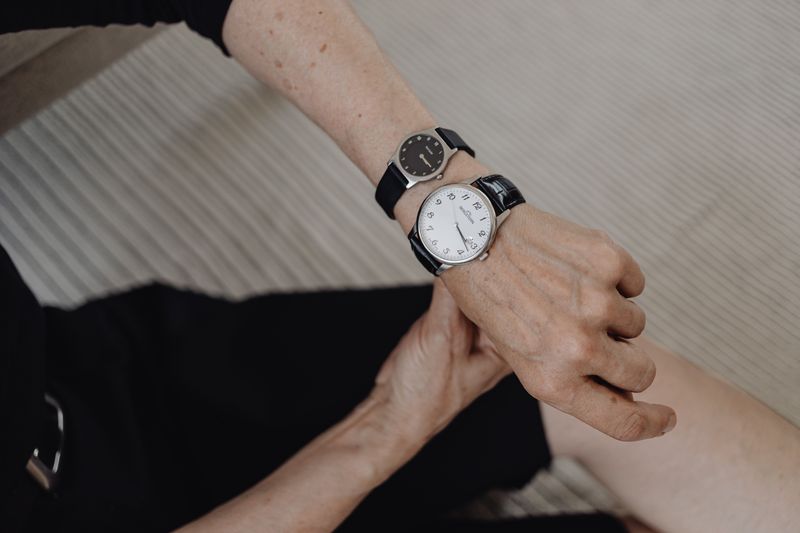
Checking the time used to mean glancing at your wrist. A watch was one of the first meaningful gifts many people received, often marking a graduation, birthday, or professional milestone with something intended to last for years.
For Boomers, a good watch carried real significance. It was part of getting dressed properly, a signal of reliability and attention to detail.
Watch brands built their identities around precision, craftsmanship, and the idea that a quality timepiece would outlast its owner.
Smartphones made the functional argument for wearing a watch harder to maintain. Most people now carry a device that displays the time on a screen they already check dozens of times a day for other reasons.
Traditional watches have adapted by leaning into their strengths as fashion accessories, luxury goods, and collectibles. The watch industry remains substantial and creative.
What has changed is not the watch itself but the assumption that wearing one is necessary rather than simply a choice.
Home Phones With Answering Machines
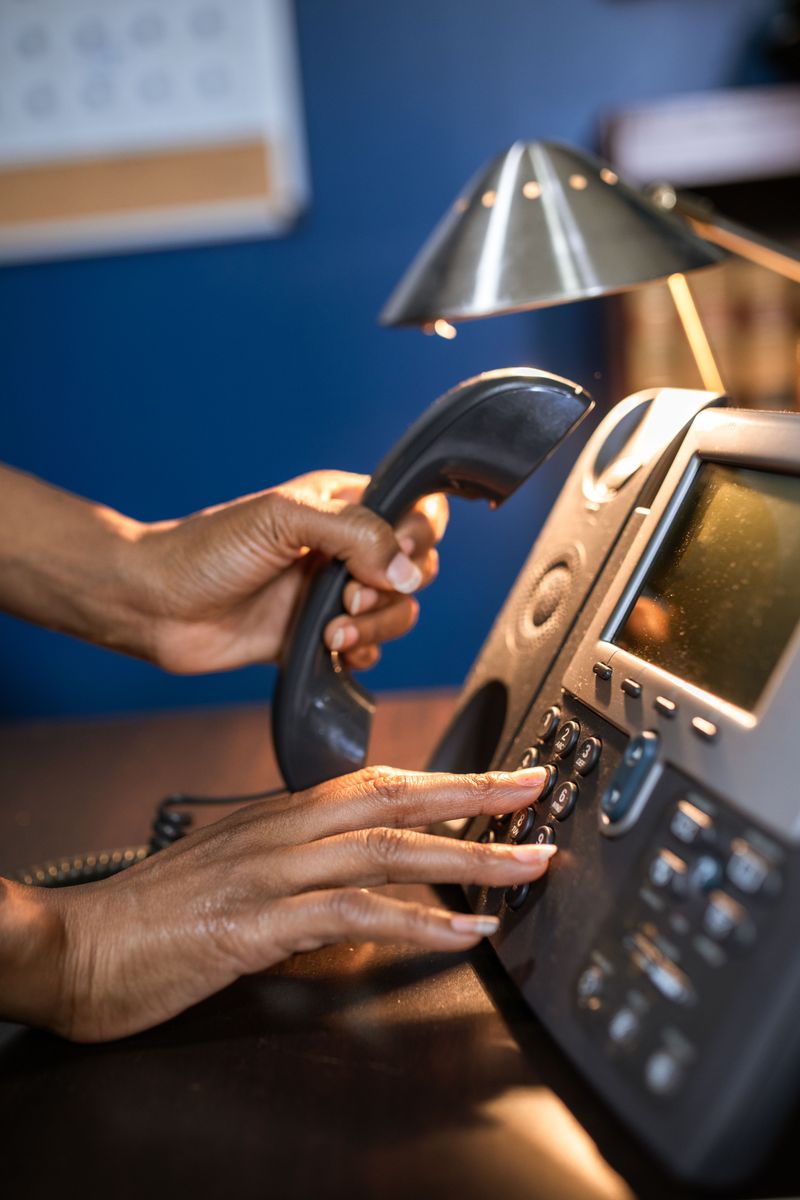
Coming home to a blinking light on the answering machine created a specific kind of anticipation. Someone had called while you were out, and now you had to rewind the tape and listen to find out who and why.
The answering machine was a genuine technological breakthrough when it arrived in American homes during the 1970s and 1980s. Before it existed, a missed call was simply a missed call, with no way of knowing what had been needed or who had tried to reach you.
Mobile phones eliminated the problem the answering machine was designed to solve. Voicemail follows the caller’s target rather than waiting at a fixed location.
Missed calls, texts, and notifications now arrive directly on a device that most people keep within arm’s reach throughout the day.
The combination of a home phone and a dedicated answering machine now reads as a period detail from a specific era of American domestic life, recognizable and fondly remembered but no longer necessary in most households.
Desktop Computers
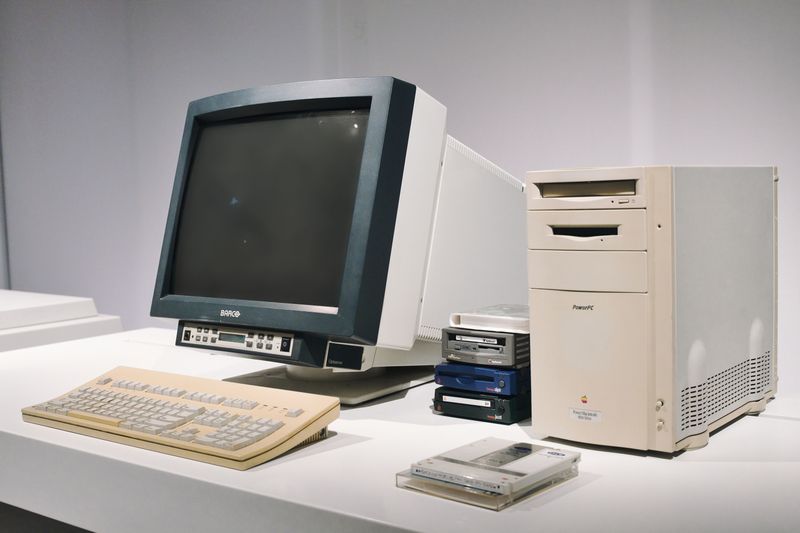
The home desktop computer was a major purchase and a major commitment. It sat in a dedicated spot, required its own desk, hummed when it was working hard, and became the center of a new kind of home productivity during the 1990s and early 2000s.
For Boomers who adopted home computing during those early years, the desktop represented a significant shift in how households managed information, communication, and entertainment. Learning to use one felt like acquiring a genuinely valuable skill.
Laptops made computing portable without sacrificing much power. Tablets made it even more casual.
Smartphones put a capable computer in every pocket. For everyday tasks like browsing, emailing, video calls, and streaming, a desktop is simply more than most people need.
Desktop computers remain important for gaming, video editing, graphic design, and other demanding work where raw performance matters. But the idea that every household needs one has faded significantly, replaced by lighter, more flexible devices that move with their users rather than anchoring them to a single room.
Manual Typewriters
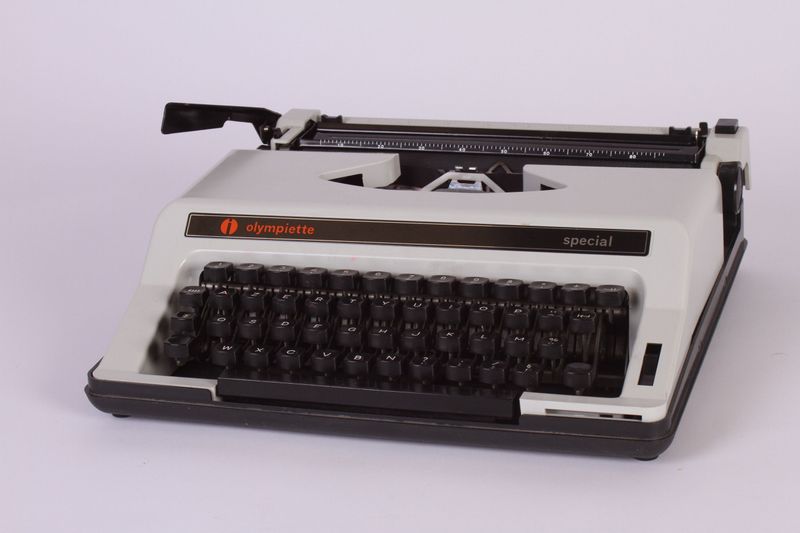
The sound of a manual typewriter in use is immediately recognizable: keys striking paper with satisfying mechanical force, the carriage return bell marking the end of each line, and the rhythmic clatter of someone genuinely working.
Boomers who learned to type in school or on the job developed real skill with these machines. Office correspondence, school reports, business letters, and creative writing all passed through typewriter ribbons before word processors arrived to change the workflow entirely.
Word processors made editing practical for the first time. Correcting a mistake no longer required whiteout or retyping a full page.
Computers added spell-checking, formatting controls, document storage, and the ability to share files instantly without printing anything at all.
Manual typewriters now occupy an affectionate niche. Collectors, writers who appreciate the focused simplicity of the format, and artists drawn to their mechanical character keep them relevant.
But as working tools for everyday writing, they stepped aside decades ago and show no signs of reclaiming their former role.
Incandescent Light Bulbs
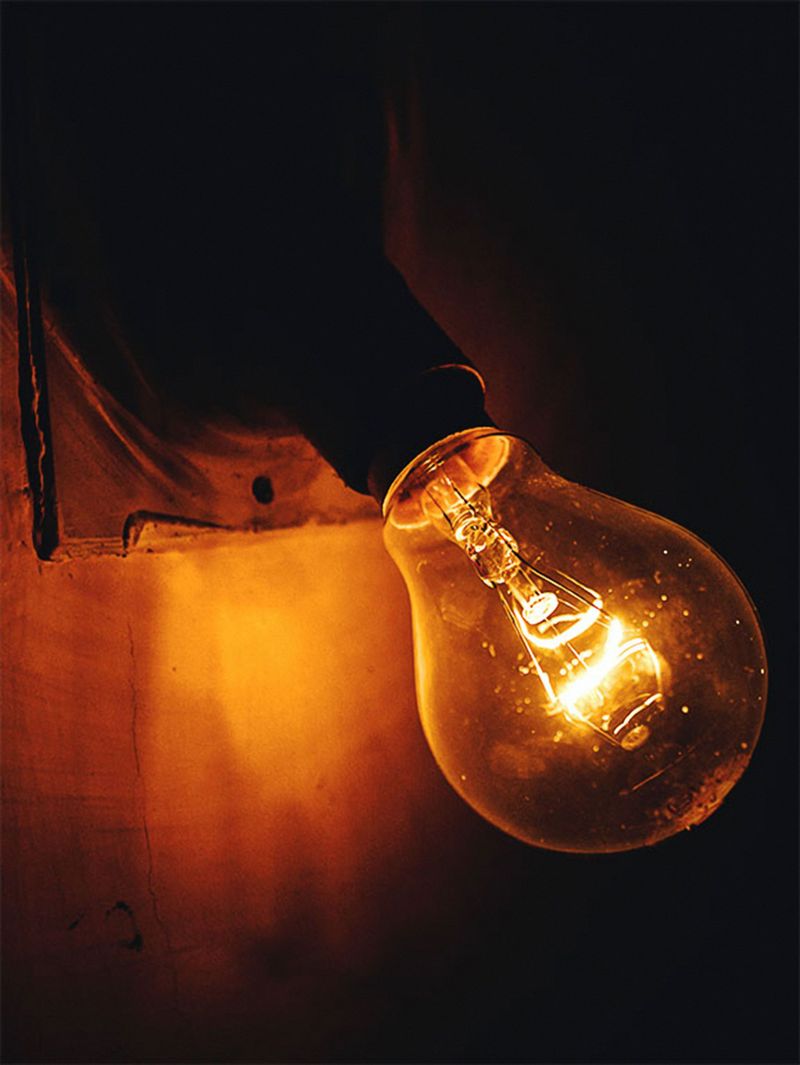
For more than a century, the incandescent bulb was simply what a light bulb looked like. Thomas Edison’s original design evolved over decades, but the basic principle stayed the same: run electricity through a filament, generate heat, produce light.
Boomers grew up in homes lit entirely by incandescent bulbs. They came in standard shapes and wattages, cost very little, and burned out predictably after a few hundred hours of use.
Replacing them was a routine household chore that nobody gave much thought to.
LED technology changed the calculation in nearly every direction. LED bulbs use roughly 75 percent less electricity than incandescent equivalents, according to the U.S.
Department of Energy, and they can last 25 times longer. The upfront cost is higher, but the long-term savings are significant.
Federal energy efficiency regulations have phased out most standard incandescent bulbs for general use in the United States. The lighting aisle looks completely different than it did 20 years ago, and the familiar warm glow of an incandescent has become increasingly rare in modern homes.
Share this story