Hollywood’s golden age produced some of the most iconic stars the world has ever seen. But behind the carefully crafted images, studio-approved smiles, and glamorous premieres, many of those beloved performers were living through hardships that most fans never knew about.
The studio system was powerful, controlling, and often ruthless when it came to protecting its investments. These are the real stories behind 22 classic movie stars whose private lives were anything but the fairy tales their films promised.
Judy Garland – The Child Star Pressured by MGM
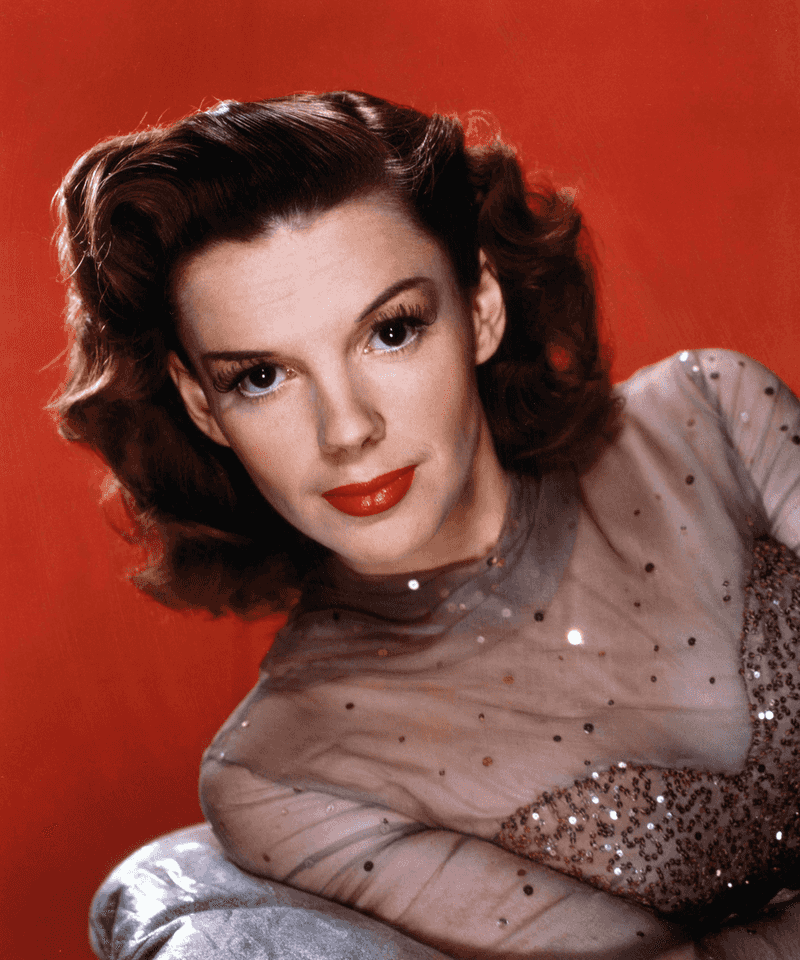
Few careers in Hollywood history carry as much heartbreak as Judy Garland’s. She became a global icon after The Wizard of Oz in 1939, but the years leading up to and following that film were shaped by a studio system that treated young performers as valuable products rather than as people.
MGM pushed Garland through punishing schedules that left little room for rest or a normal childhood. Reports about that era describe how performers were sometimes given pills to keep them alert during long shooting days, to manage their weight, or to help them sleep when the work finally stopped.
Garland later became one of the most widely discussed examples of how that system could damage a young life permanently.
Her talent was extraordinary, and her voice moved audiences for decades. But her story is also a sobering reminder that the brightest lights in Hollywood sometimes came at the highest personal cost.
Rock Hudson – The Leading Man Forced to Hide His Identity
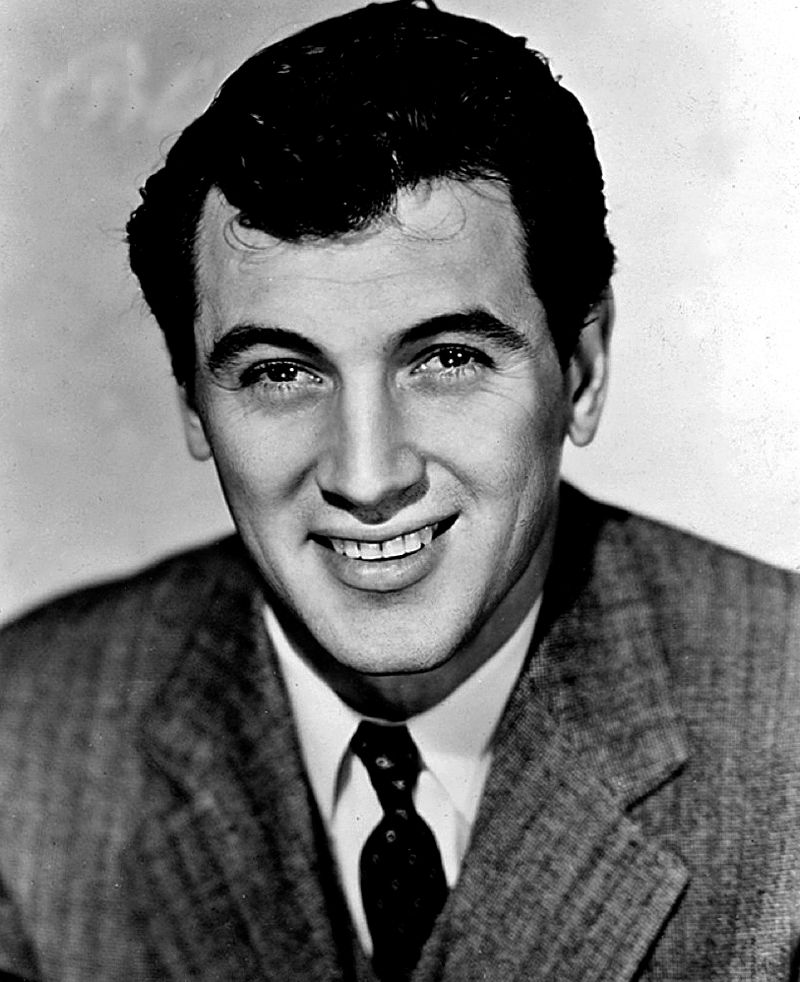
Rock Hudson was sold to American audiences as the ideal romantic hero, tall and charming and effortlessly appealing on screen. Studios knew exactly what they were marketing, and they were very good at keeping the public image polished and protected.
What lay beneath that image was a private life Hudson was not free to share openly. In a Hollywood era that depended on carefully constructed fantasy, gay stars faced enormous pressure to conform to expectations that had nothing to do with who they actually were.
His marriage to Phyllis Gates has been discussed for decades as part of the machinery used to protect his public persona, though accounts of that relationship vary considerably depending on the source.
Hudson continued working and remained popular for years. His story, however, is an important part of understanding how the studio system controlled not just careers but the personal identities of the people who built Hollywood’s golden age.
Shirley Temple – The Child Star Hollywood Packaged for Adults
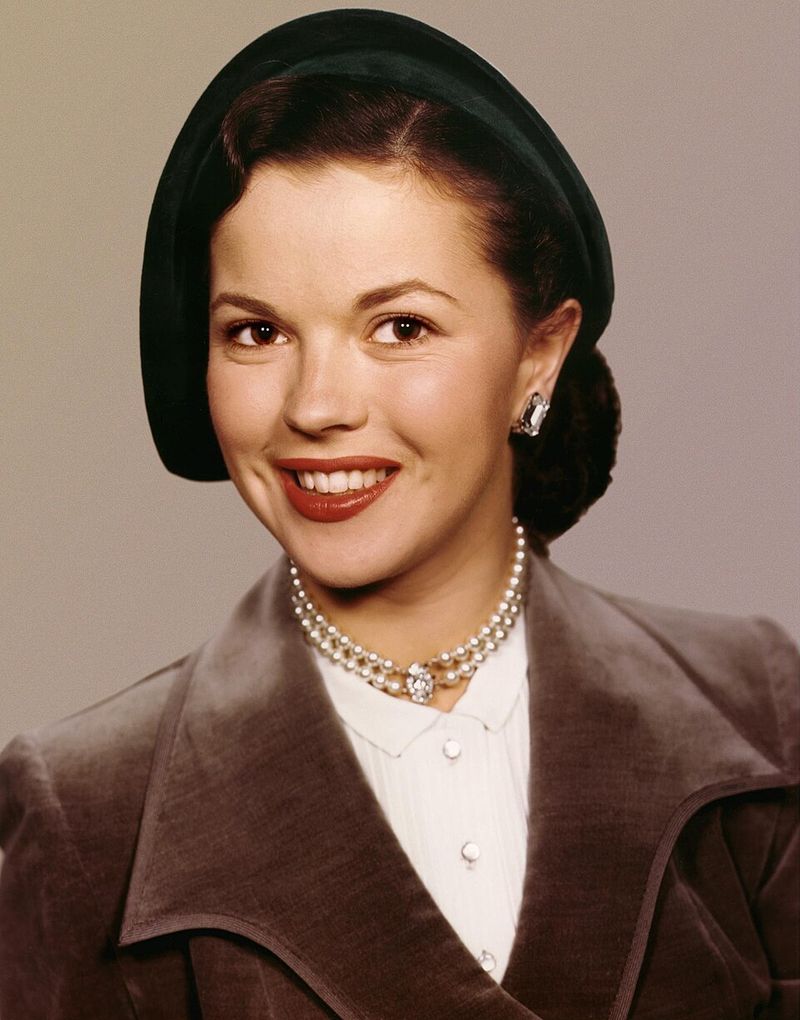
Shirley Temple was one of the most recognized faces on earth during the 1930s, a curly-haired child whose films helped audiences escape the hardships of the Great Depression. Studios understood her value and worked hard to keep her image perfectly packaged for public consumption.
Her autobiography and later interviews revealed how much control adults exercised over every part of her work and appearance. The decisions about her roles, her look, and her public persona were made by grown-ups operating within an industry that saw child performers primarily as revenue.
Temple herself navigated that environment with remarkable resilience, going on to build a respected career in diplomacy as an adult.
Her story stands as one of the clearest examples of what child stardom in early Hollywood actually looked like beneath the ringlets and tap shoes. The pressure was real, even if the public rarely saw it through the carefully arranged smiles on screen.
Errol Flynn – The Scandal That Nearly Destroyed a Swashbuckling Image
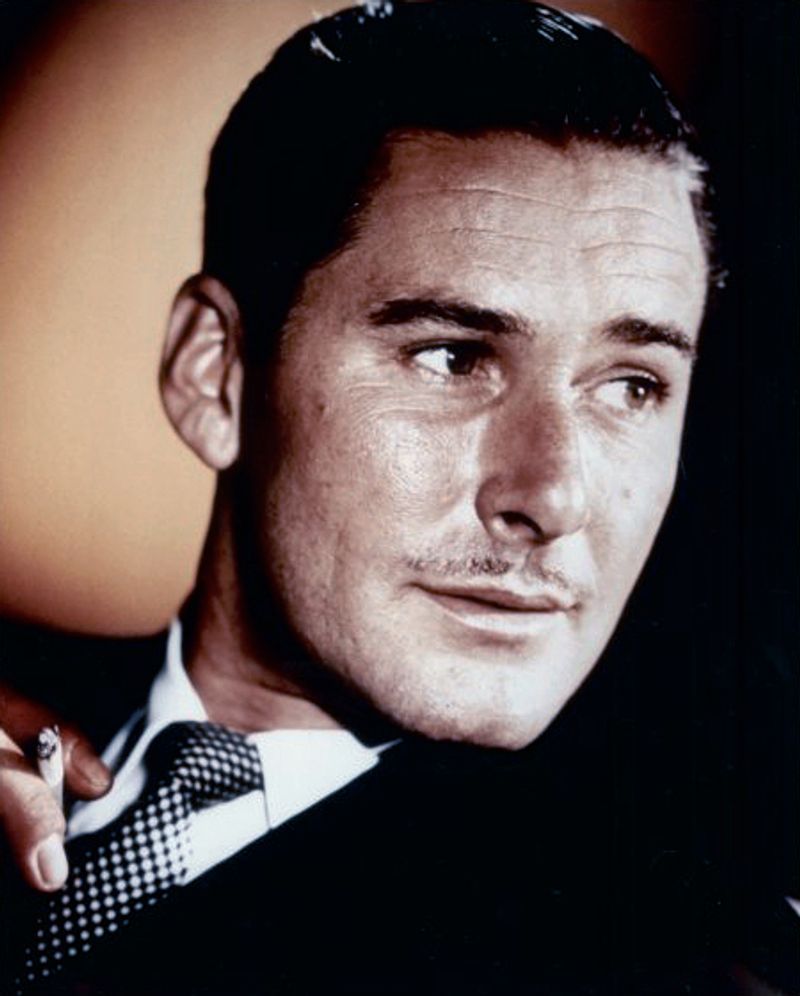
Errol Flynn built his career on charm and daring, playing heroes and adventurers who leapt from ships and crossed swords with effortless style. Off screen, the reality was considerably messier and ultimately far more damaging to his reputation.
In 1942, Flynn was accused of rape involving two teenage girls. The trial that followed in early 1943 became a national spectacle, covered relentlessly by the press and followed by the public with an intensity that matched any of his films.
He was acquitted on all charges, but the case permanently attached controversy to his name in a way that no swashbuckling role could fully erase.
The scandal also revealed something about how Hollywood operated. Studios had financial reasons to manage the story carefully, and the courtroom drama itself became a kind of publicity.
Flynn continued making films, but the gap between his heroic screen image and his real reputation had become impossible to ignore.
Joan Crawford – The Family Allegations That Changed Her Legacy
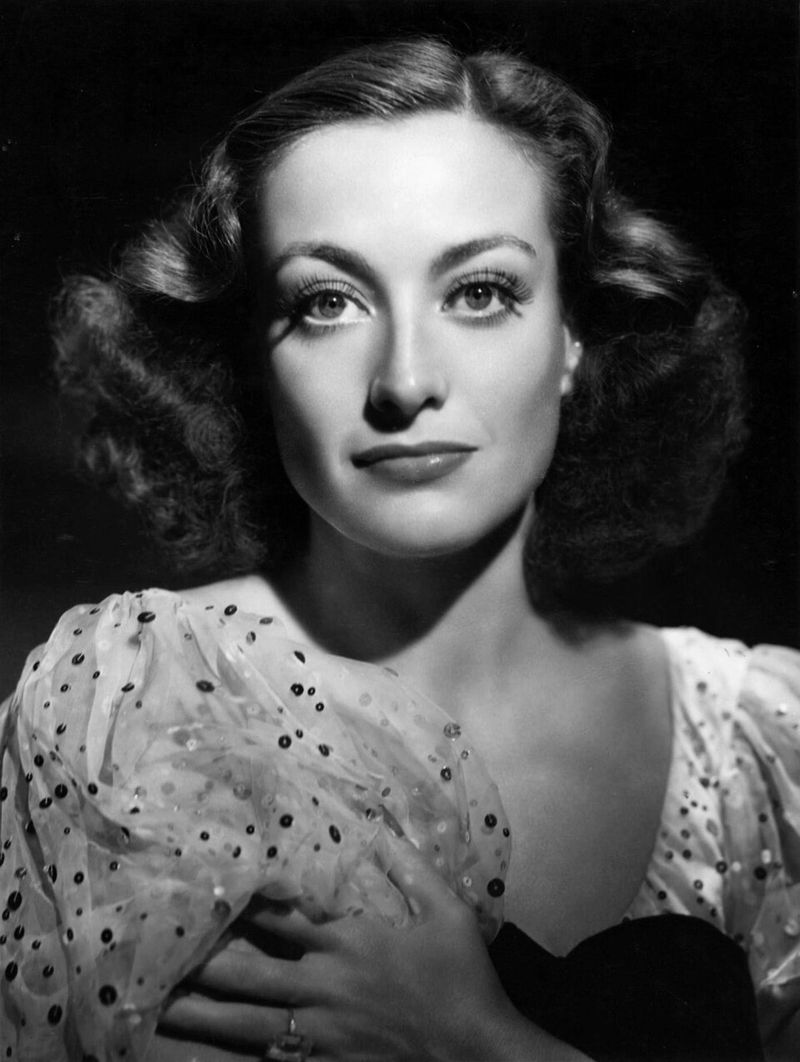
Joan Crawford spent decades building one of Hollywood’s most formidable careers. She reinvented herself multiple times, survived the studio system’s shifting tastes, and remained a bankable star long after many of her contemporaries had faded.
Her public image was disciplined, polished, and fiercely maintained.
That image took a significant blow in 1978 when her adopted daughter Christina Crawford published Mommie Dearest, a memoir accusing Joan of emotional and physical abuse. The book became a bestseller, and the 1981 film adaptation made certain scenes permanently unforgettable in popular culture.
The allegations remain disputed. Some family members and people who knew Crawford personally challenged Christina’s account, while others found it credible.
What is beyond debate is that the book permanently reshaped how many people think about Crawford’s private life. Her professional legacy remains real and substantial, but her name now carries a complicated weight that no amount of on-screen work can fully separate from those contested family allegations.
Montgomery Clift – The Accident Hollywood Could Not Fully Hide
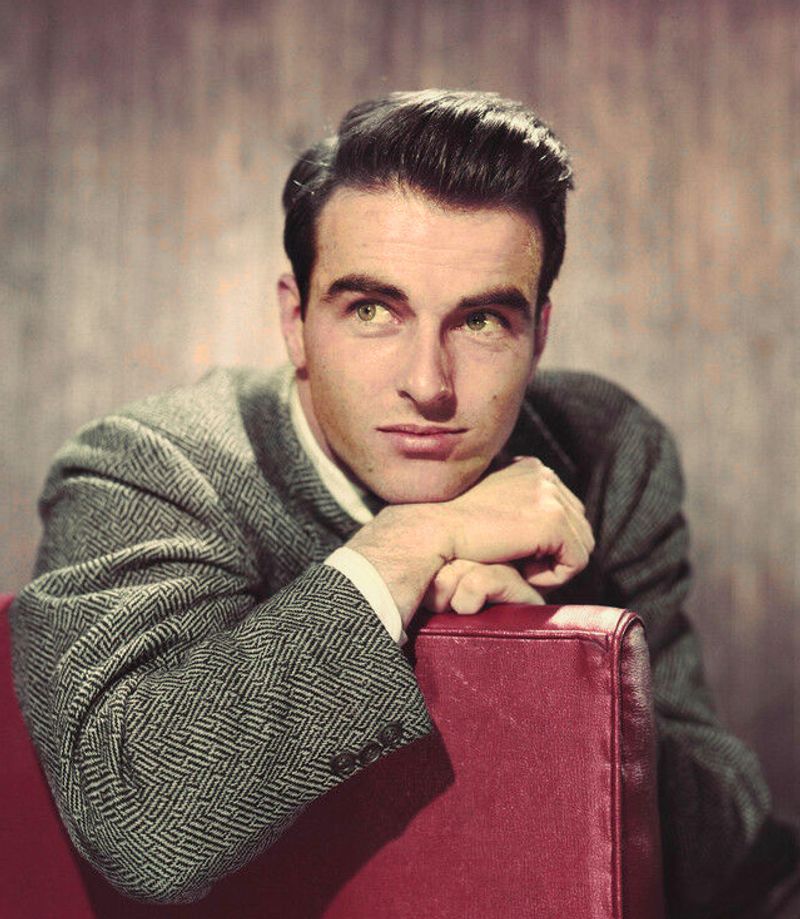
Montgomery Clift arrived in Hollywood carrying a reputation as one of the most naturally gifted actors of his generation. His performances in films like A Place in the Sun and From Here to Eternity earned him enormous critical respect and a devoted following that recognized something genuinely different in the way he worked on screen.
In May 1956, Clift was involved in a serious car crash while leaving a dinner party at Elizabeth Taylor’s home in the Hollywood Hills. The accident caused significant facial injuries, and the recovery was long and difficult.
Later biographical accounts connected his post-crash years with chronic pain, dependence on medications, and emotional deterioration that those close to him found heartbreaking to witness.
He kept acting, and some of his later performances are still considered remarkable. But the man who emerged from that crash was visibly changed, and the private suffering that followed him through his remaining years was something the studio system could manage but never truly conceal.
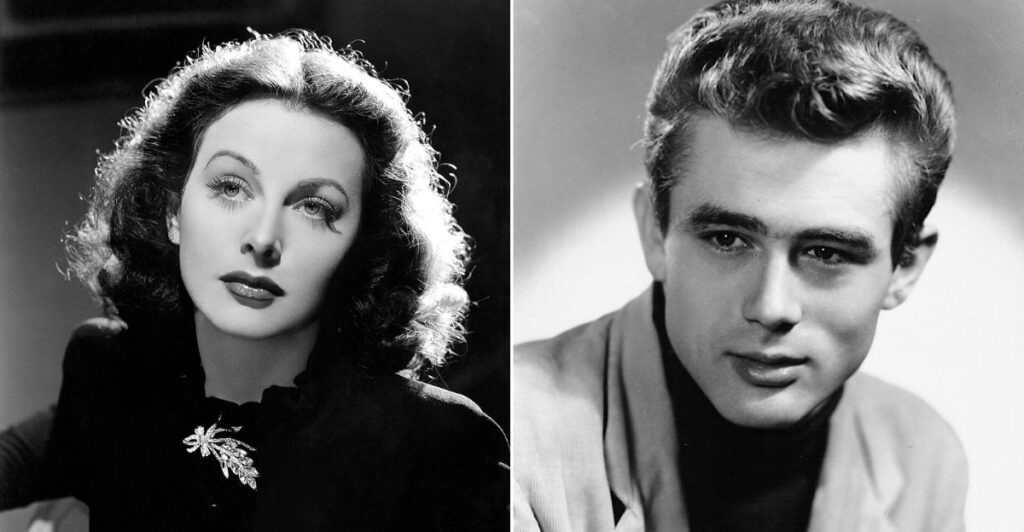
Hedy Lamarr – The Inventor Hollywood Treated Like Only a Beauty
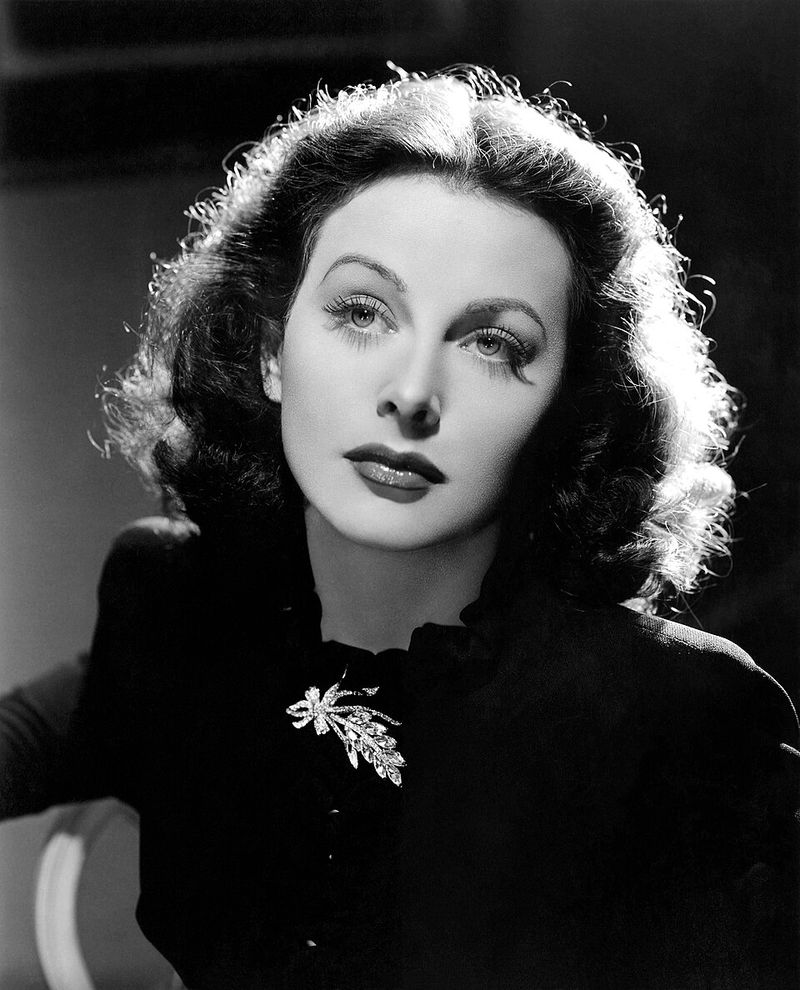
Hollywood marketed Hedy Lamarr as one of the most beautiful women in the world, and the publicity machine around her was relentless in reducing her to that single quality. Glamour portraits, magazine covers, and studio profiles focused almost entirely on her appearance while almost completely ignoring what was happening in her mind.
During World War II, Lamarr co-developed a frequency-hopping spread-spectrum communication system with composer George Antheil. The idea was intended to help guide torpedoes without enemy interference, and the patent was filed in 1942.
The concept was ahead of its time, and the technology later became a foundational reference point in the development of modern wireless communication, including Bluetooth and Wi-Fi.
She received no financial compensation from the patent during her lifetime, and recognition came very late. In 1997, she and Antheil were awarded the Electronic Frontier Foundation Pioneer Award.
Lamarr’s story is a striking example of how Hollywood’s obsession with image could completely obscure a person’s most remarkable contributions.
Clark Gable – The King of Hollywood With a Complicated Private Reputation
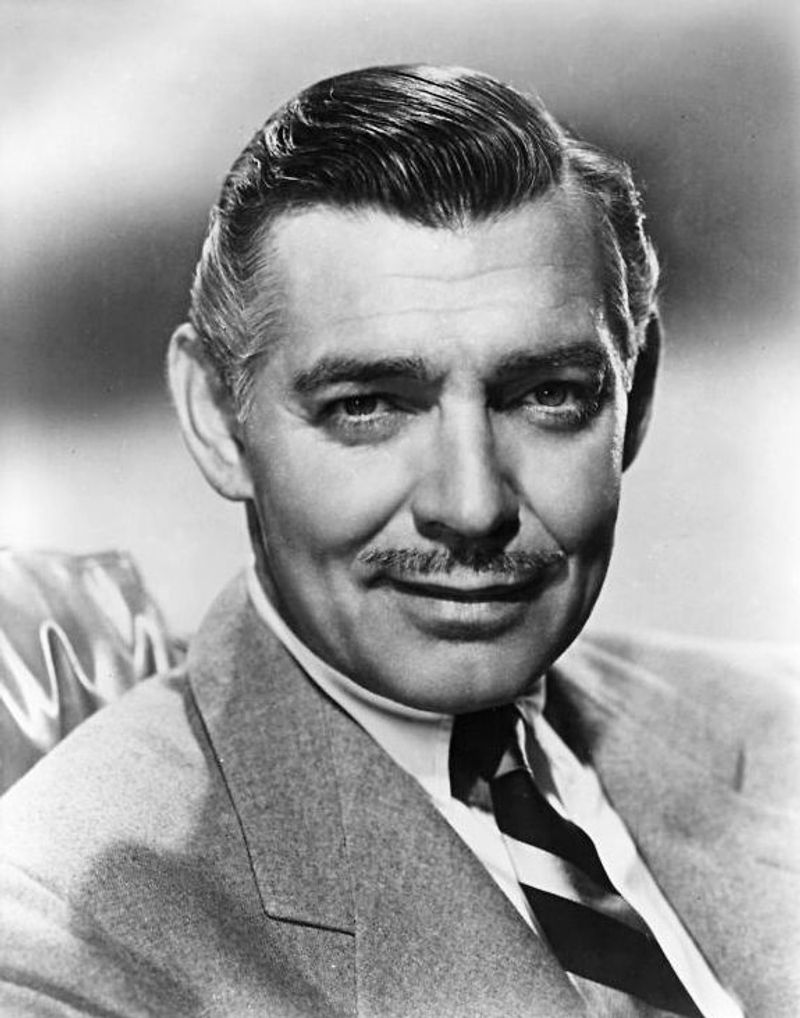
Clark Gable carried the title ‘King of Hollywood’ with the kind of effortless confidence that made audiences believe every role he played. MGM built enormous promotional machinery around him, and for years it worked exactly as intended, turning him into one of the studio era’s most bankable and beloved stars.
Like many figures from that period, Gable’s private life existed largely in the space the studio system allowed, which meant carefully managed narratives and protective publicity. Some darker claims about his personal history circulate online, but a number of those stories are difficult to verify through reliable historical sources and deserve careful handling rather than straightforward repetition.
What is solidly documented is that Gable’s public image was shaped by a studio apparatus designed to protect profitable stars from anything that could damage their commercial appeal. The real man behind the King of Hollywood title was, like most human beings, considerably more complicated than the roles he played and the legend that outlasted him.
Marilyn Monroe – The Star Surrounded by Power, Rumor, and Mystery
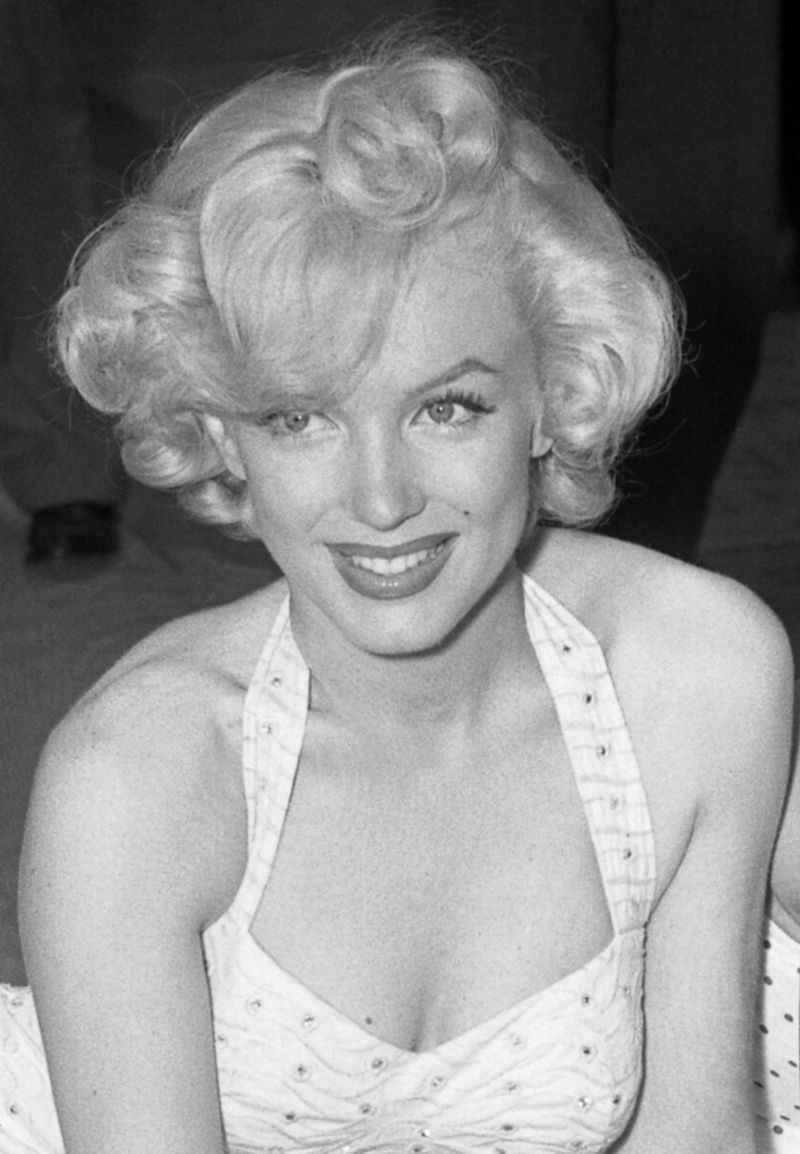
Marilyn Monroe is one of those rare figures whose life has been studied so thoroughly and mythologized so heavily that separating verified fact from legend requires real patience. Her talent, her vulnerability, and her complicated relationships with power have kept her story alive in books, documentaries, and public debate for more than six decades.
Her reported connection to President John F. Kennedy has been widely covered in mainstream historical sources.
Claims involving Robert Kennedy and theories about the circumstances of her passing in August 1962 are far more disputed and vary dramatically depending on the source’s reliability. Officially, Monroe’s death was ruled an accidental overdose of barbiturates.
What is clear is that Monroe navigated an industry and a social world that gave enormous power to the men around her while offering her comparatively little protection. Her fame was immense, but the support structures around her were fragile, and her story remains one of Hollywood’s most genuinely haunting legacies.
Charlie Chaplin – The Comic Genius Watched by the FBI
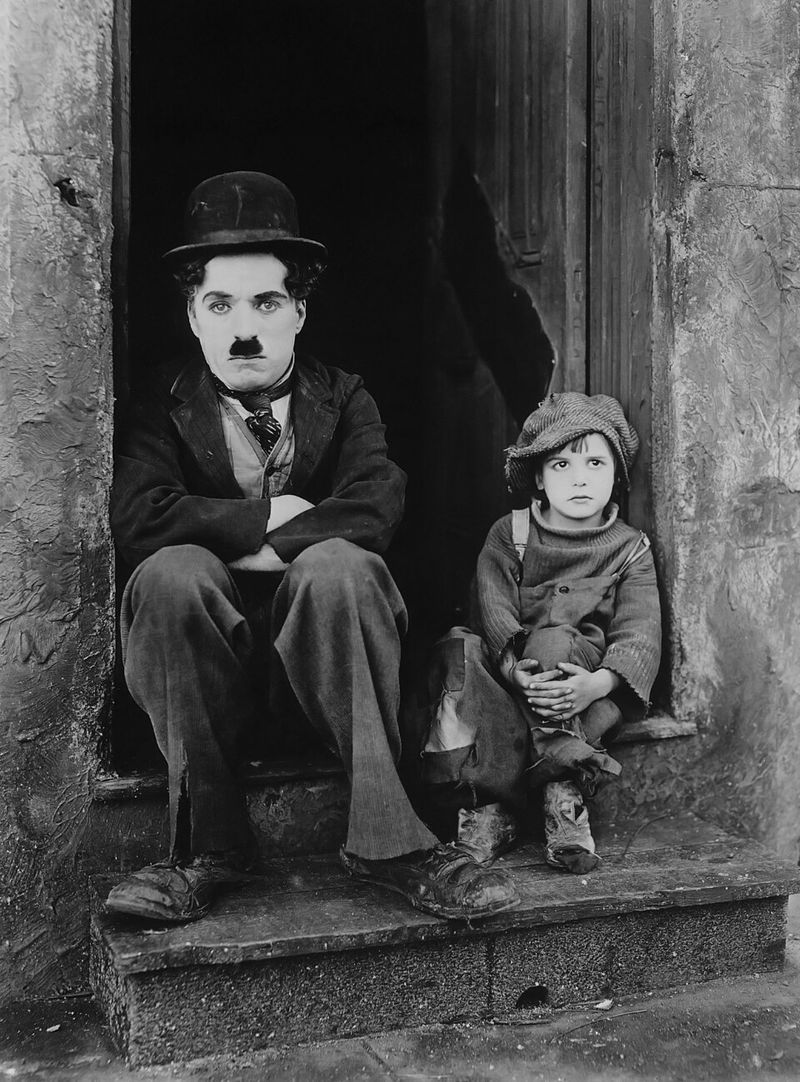
Charlie Chaplin helped invent cinema as we know it. His Little Tramp character became one of the most recognized images in the world, and his ability to mix comedy with genuine emotional depth made him a figure unlike almost anyone else in the history of film.
His influence on the medium is essentially impossible to overstate.
Away from the screen, Chaplin’s politics and personal life drew intense scrutiny from American authorities. The FBI maintained files on him, driven by concerns about his political sympathies during a period when the United States was deeply anxious about communist influence in the entertainment industry.
His personal life, including his relationships and marriages, also generated significant public controversy.
In 1952, while Chaplin was traveling to London, his re-entry permit to the United States was revoked. He settled in Switzerland and did not return to the U.S. for two decades.
His honorary Academy Award in 1972 brought a standing ovation, but the exile had already made its point about how quickly celebrity and political suspicion could collide.
Rita Hayworth – The Pain Behind the Screen Goddess Image
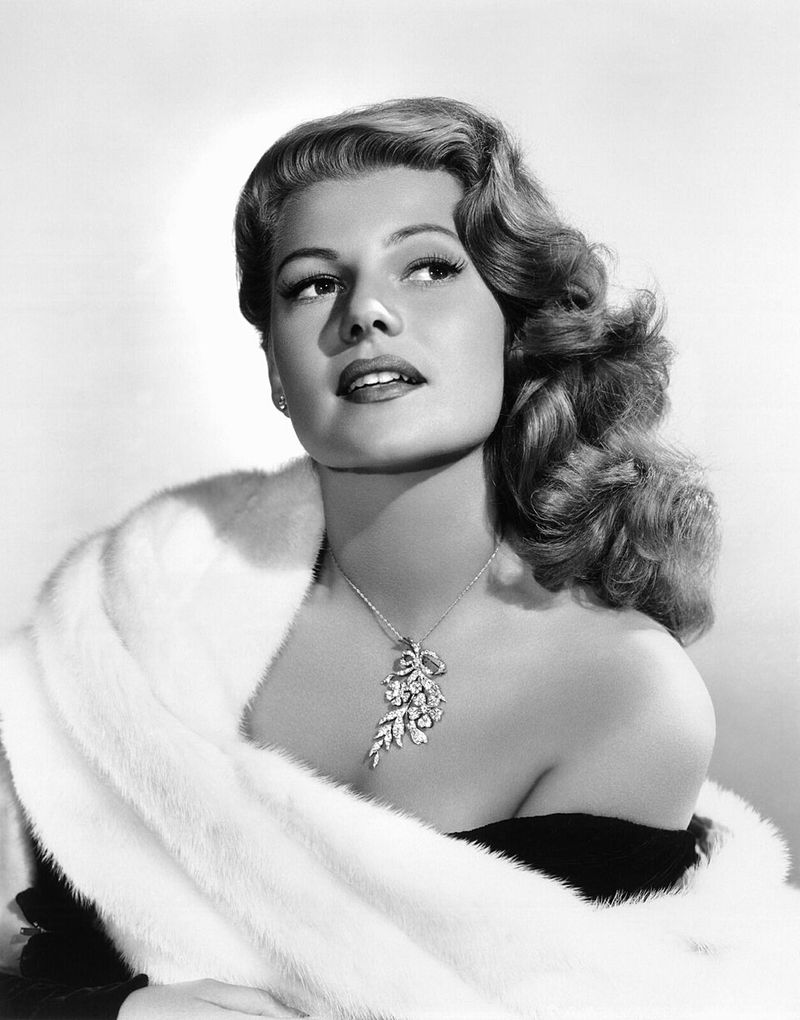
Rita Hayworth became one of Hollywood’s most celebrated screen goddesses, and her image in Gilda made her a symbol of glamour that the studio system was eager to package and sell worldwide. The public version of Rita Hayworth was all elegance and magnetism, carefully constructed for maximum commercial appeal.
The private reality was far more painful. Biographical accounts, including information Hayworth shared with Orson Welles, indicate that she endured sexual abuse by her father during her childhood years when she was performing as part of the Dancing Cansinos, a family act that toured extensively.
That history shaped her in ways that fame and success could not simply erase.
Her story is a difficult reminder that Hollywood’s transformation of vulnerable young performers into polished icons often came with no acknowledgment of what those performers had already survived before the cameras ever turned on them. The image the studio sold bore almost no resemblance to the life behind it.
John Wayne – The Western Icon With Troubling Public Views
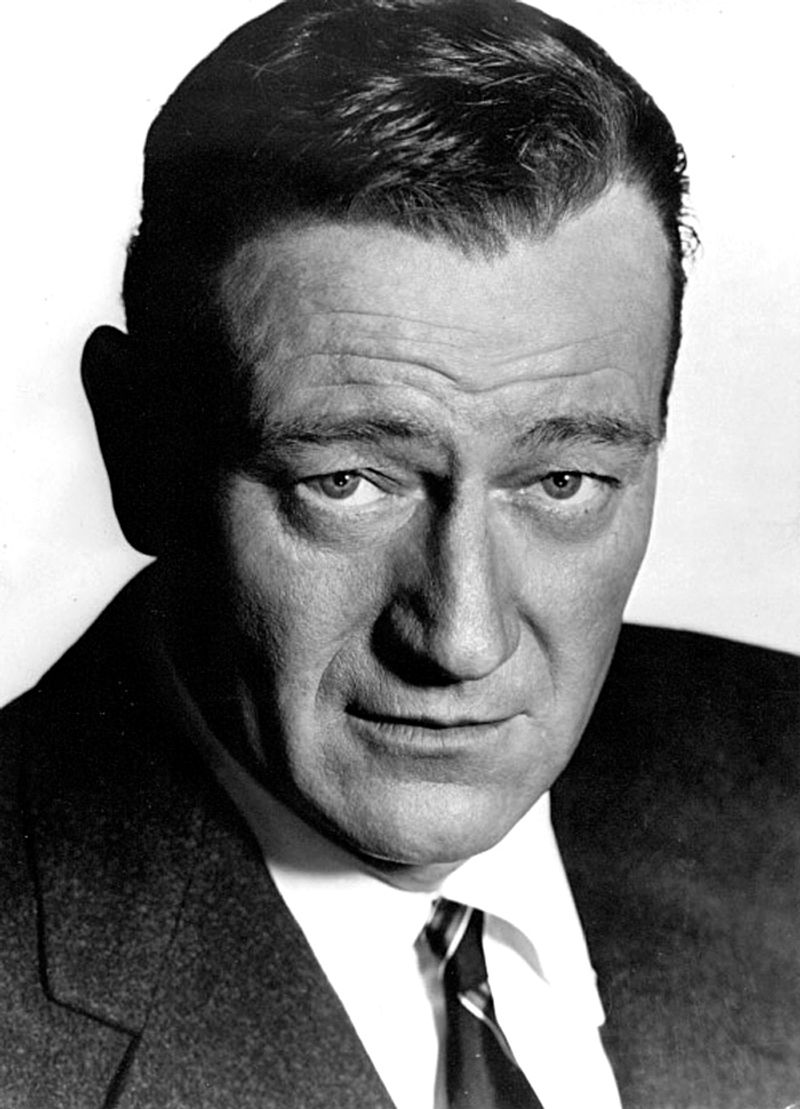
John Wayne became one of the defining symbols of American cinema, and his Western roles gave him an image built on toughness, honor, and frontier values. For millions of fans, Wayne represented a particular idea of American strength that felt uncomplicated and reassuring.
A 1971 interview published in Playboy introduced a very different side of that image. In the interview, Wayne made remarks about race, Native Americans, and sexuality that were widely condemned at the time and have drawn renewed attention in the decades since.
The comments did not disappear quietly with the magazine issue.
In 2016, California lawmakers considered a proposal to establish a John Wayne Day in the state. The proposal was rejected after the interview’s contents were raised during the legislative debate.
The controversy surrounding Wayne is a useful illustration of how a carefully maintained screen persona and a performer’s actual recorded views can diverge in ways that become impossible to ignore over time.
Lana Turner – The Family Tragedy That Became Hollywood Scandal
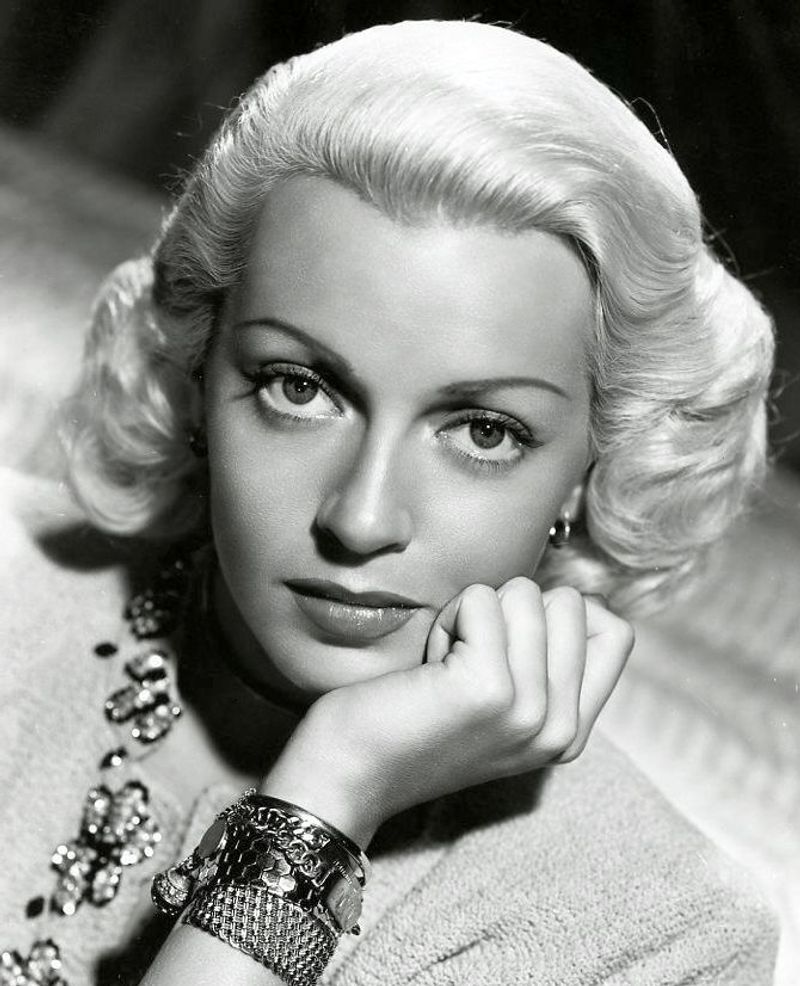
Lana Turner was one of Hollywood’s most photographed and celebrated blondes, a star whose image the studio system kept carefully polished through multiple films and decades of publicity. Her personal life, however, repeatedly found its way into headlines that no studio publicist could fully manage.
The most shocking moment came in April 1958, when Turner’s 14-year-old daughter Cheryl Crane fatally stabbed Turner’s boyfriend, Johnny Stompanato, at their home in Beverly Hills. Stompanato had a documented history of threatening behavior, and testimony during the inquest described a violent confrontation that Cheryl intervened to stop.
The killing was ruled justifiable homicide.
The case became one of the most sensational celebrity scandals of the 1950s, covered obsessively by newspapers and magazines across the country. Turner’s career survived, and she continued working for years afterward, but the tragedy remained permanently attached to her public story, a reminder that fame offers very little shelter from real-life violence and loss.
Cary Grant – The Star Who Publicly Discussed LSD Therapy
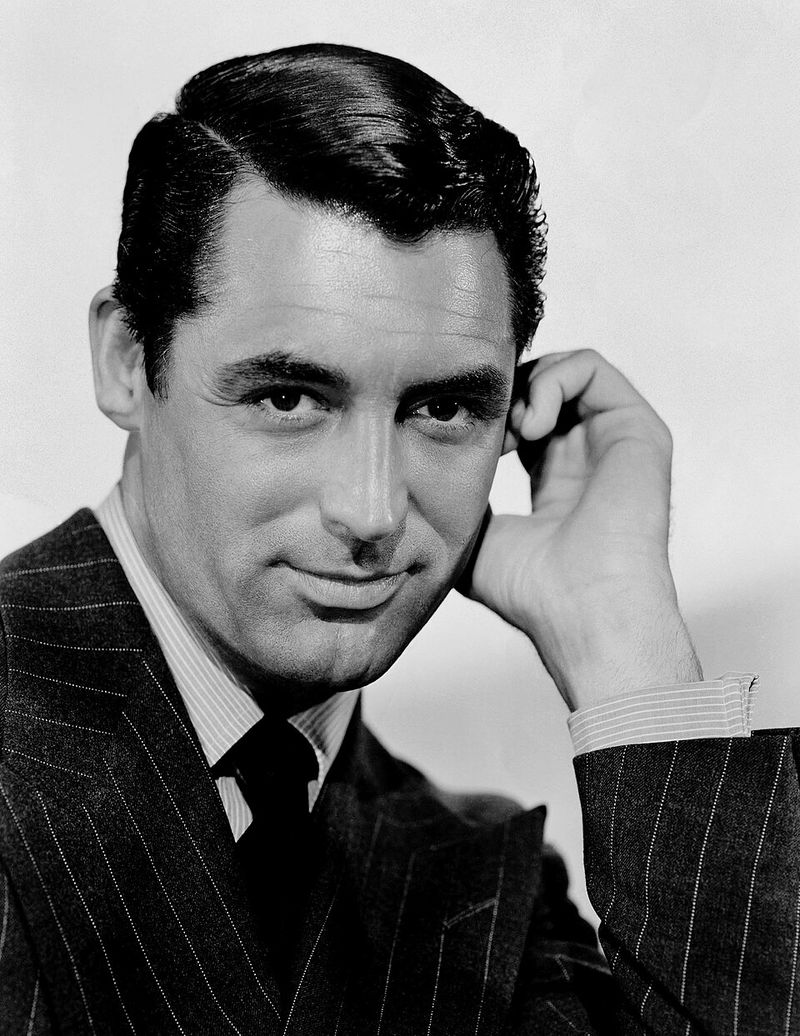
Cary Grant spent decades as one of Hollywood’s most effortlessly appealing stars, the kind of actor who made sophistication look completely natural. His screen presence was polished to a degree that seemed almost impossible to achieve, and audiences trusted him in a way that very few performers ever managed to earn.
Away from the screen, Grant participated in LSD-assisted psychotherapy sessions during the late 1950s and into the early 1960s. At that time, researchers and therapists were actively exploring LSD as a therapeutic tool in controlled clinical settings, well before the drug became illegal and culturally controversial.
Grant later spoke openly and positively about the experience in interviews, describing it as personally transformative.
This chapter of his life is sometimes sensationalized in online retellings, but the documented version is more straightforward. Grant was exploring a form of therapy that was legal and medically supervised at the time.
It is a genuinely unusual footnote in a remarkable career, and one that Grant himself never tried to hide.
Bela Lugosi – The Horror Legend Who Battled Addiction
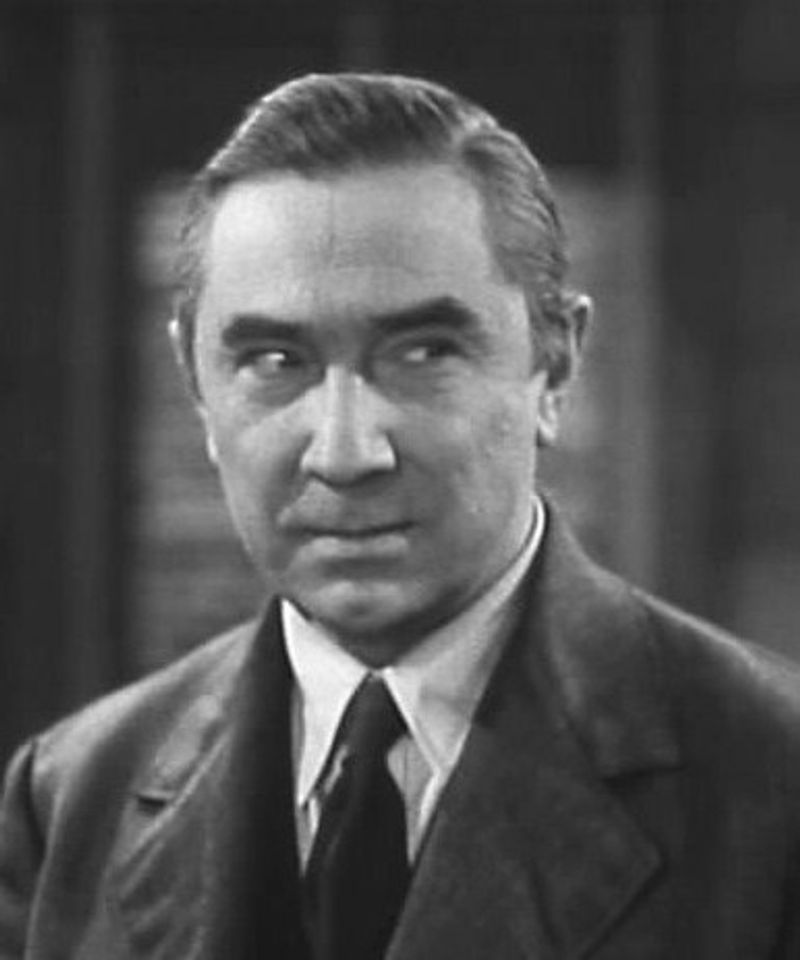
Bela Lugosi created one of cinema’s most enduring characters when he played Dracula in 1931, and his portrayal set a template for screen vampires that filmmakers are still working with nearly a century later. The role made him famous in a way that very few horror performances ever achieve.
The decades that followed were considerably harder. Lugosi struggled to escape the shadow of Dracula, and the roles available to him became less prestigious over time.
By the 1950s, he was appearing in low-budget productions that bore little resemblance to the Universal horror films that had made his name.
In 1955, Lugosi publicly checked himself into a California state hospital to seek treatment for addiction to Demerol and morphine. The decision to go public with that struggle was unusual for the era, when studios and stars typically worked hard to keep such problems hidden from the press.
He passed away in 1956, and his iconic image outlived the painful reality of his final years by a very wide margin.
Jean Harlow – The Blonde Bombshell Who Died at 26
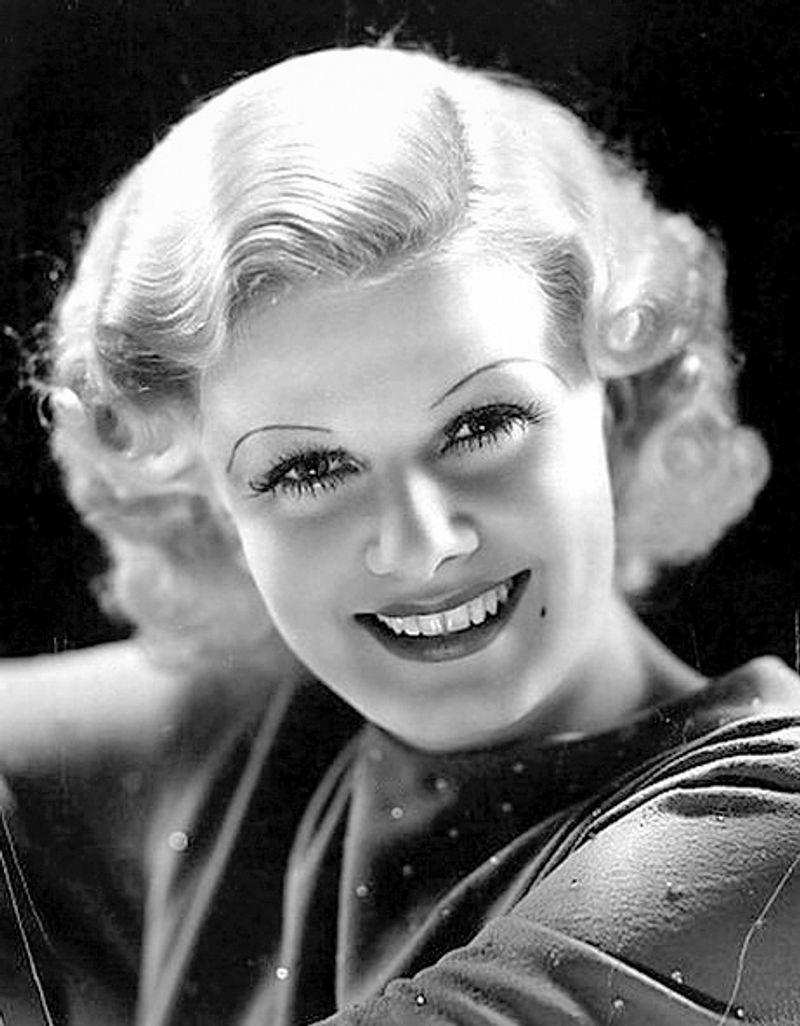
Jean Harlow was one of the most electric presences in 1930s Hollywood, a performer whose combination of comic timing and undeniable screen magnetism made her one of MGM’s most valuable assets. She had a quality on screen that felt genuinely rare, and her films with Clark Gable and Spencer Tracy showed a range that went well beyond the platinum bombshell image the studio promoted.
Her passing in June 1937 was sudden and shocking. Harlow was 26 years old and still actively working when she became seriously ill.
She passed away from acute kidney failure and uremic poisoning, conditions that proved fatal despite medical intervention. Rumors about the cause and circumstances of her illness circulated for years afterward, fueled in part by the speed and unexpectedness of her decline.
Historical accounts have largely settled on the medical explanation, but the loss remained a profound one for Hollywood and for audiences who had no reason to expect that one of the industry’s brightest performers would be gone so young and so suddenly.
Rudolph Valentino – The Silent Idol Targeted by Rumor
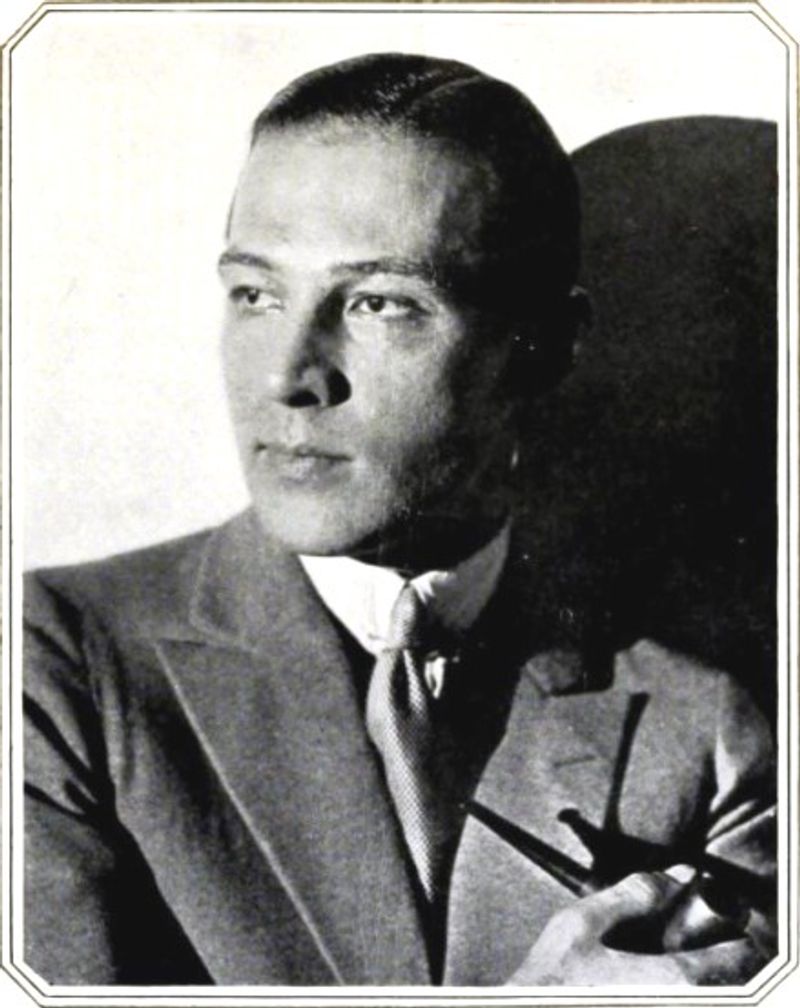
Rudolph Valentino was one of the first genuine movie stars in the modern sense, a performer whose face on a poster could fill a theater and whose personal appeal crossed cultural and language barriers in ways that the early film industry had never quite seen before. Women adored him, studios promoted him relentlessly, and his name became synonymous with romantic fantasy.
That level of fame came with a particular kind of scrutiny. Valentino’s masculinity and private life were subjects of constant press speculation, and some of the stories that circulated about him were more a product of gossip culture than verified reporting.
Later claims about his sexuality remain disputed among historians, and many of the most dramatic stories from that era are considered unreliable by serious researchers.
What is well documented is that Valentino’s image was shaped by a Hollywood press machine that rewarded romantic mystery and punished anything that threatened a star’s marketability. He passed away in 1926 at just 31, and the public mourning that followed was extraordinary even by Hollywood standards.
Clara Bow – The ‘It Girl’ Damaged by Scandal Culture
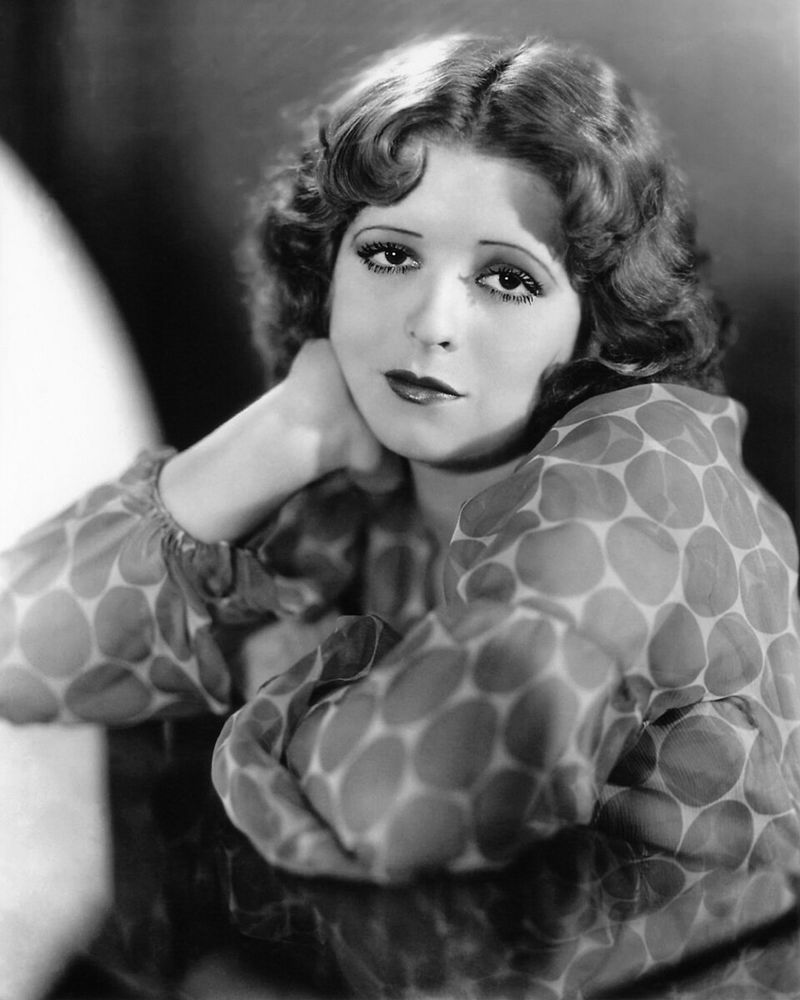
Clara Bow defined a generation’s idea of modern femininity when she became the original ‘It Girl’ in 1927, and her energy on screen was unlike anything audiences had seen before. She was funny, bold, and completely natural in front of the camera at a time when many performers were still adjusting to the demands of film acting.
That same fame that elevated her also made her a target. Tabloids and gossip columnists of the era treated Bow’s private life as public property, and the rumors that spread about her were often cruel, frequently false, and deliberately designed to be sensational.
The cumulative effect on her mental health was serious and well documented in accounts from people who knew her during that period.
Bow retired from films in 1931 at just 26, citing health reasons that included anxiety and exhaustion. Her story is less about one defining scandal and more about how early Hollywood’s celebrity machinery could build a person into an icon and then allow the same press culture to methodically dismantle them.
Wallace Reid – The Silent Star Destroyed by Pain and Addiction
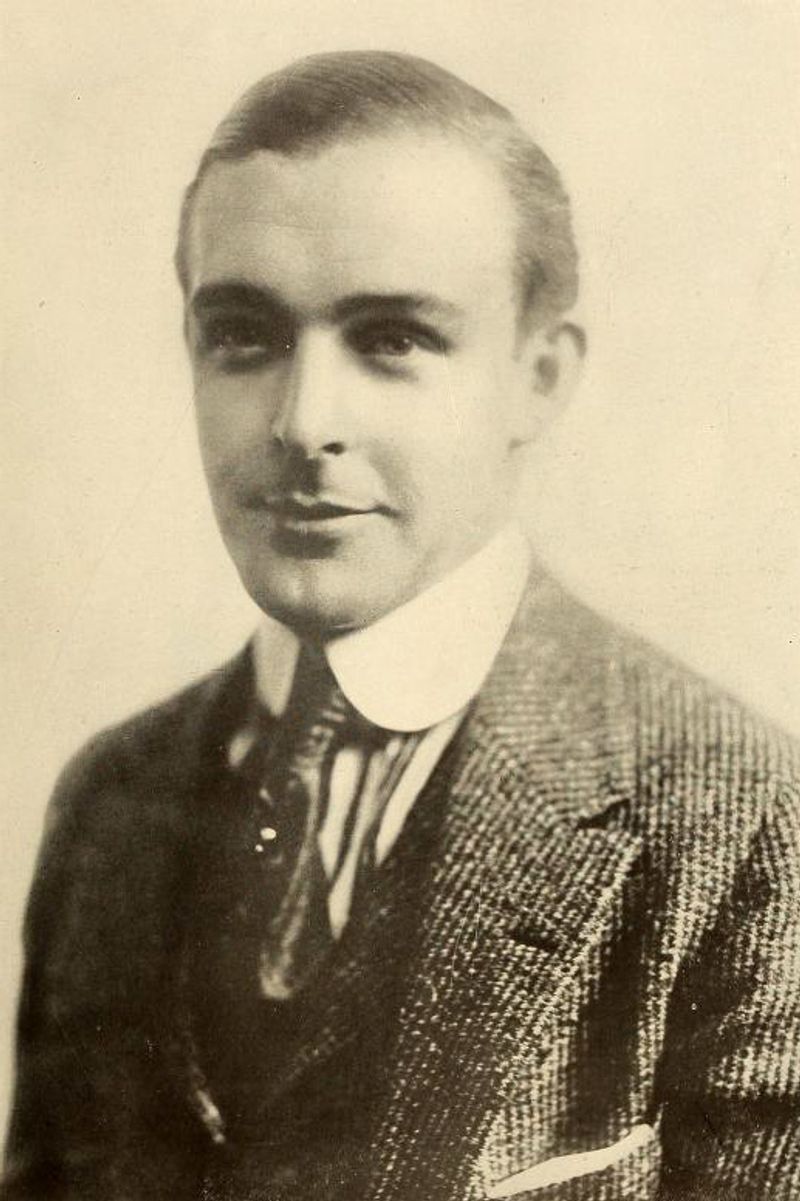
Wallace Reid was one of silent Hollywood’s most popular leading men, an actor whose good looks, natural charm, and athletic screen presence made him a reliable box office draw for Paramount Pictures during the late 1910s and early 1920s. His career was built on heroic roles that matched the image of the healthy, vigorous American male.
The reality behind that image was far more troubling. After being injured in a train accident while traveling to a film location, Reid was administered morphine to manage his pain and keep him working.
The studio’s priority was the production schedule, and the human cost of that decision was catastrophic. Reid became dependent on morphine, and his health deteriorated rapidly over the following years.
He entered a sanitarium in late 1922 in an attempt to recover, but he passed away in January 1923 at just 31 years old. His story became one of early Hollywood’s most sobering cautionary tales about what happened when a system valued output over the wellbeing of the people producing it.
Fatty Arbuckle – The Star Acquitted but Never Fully Restored
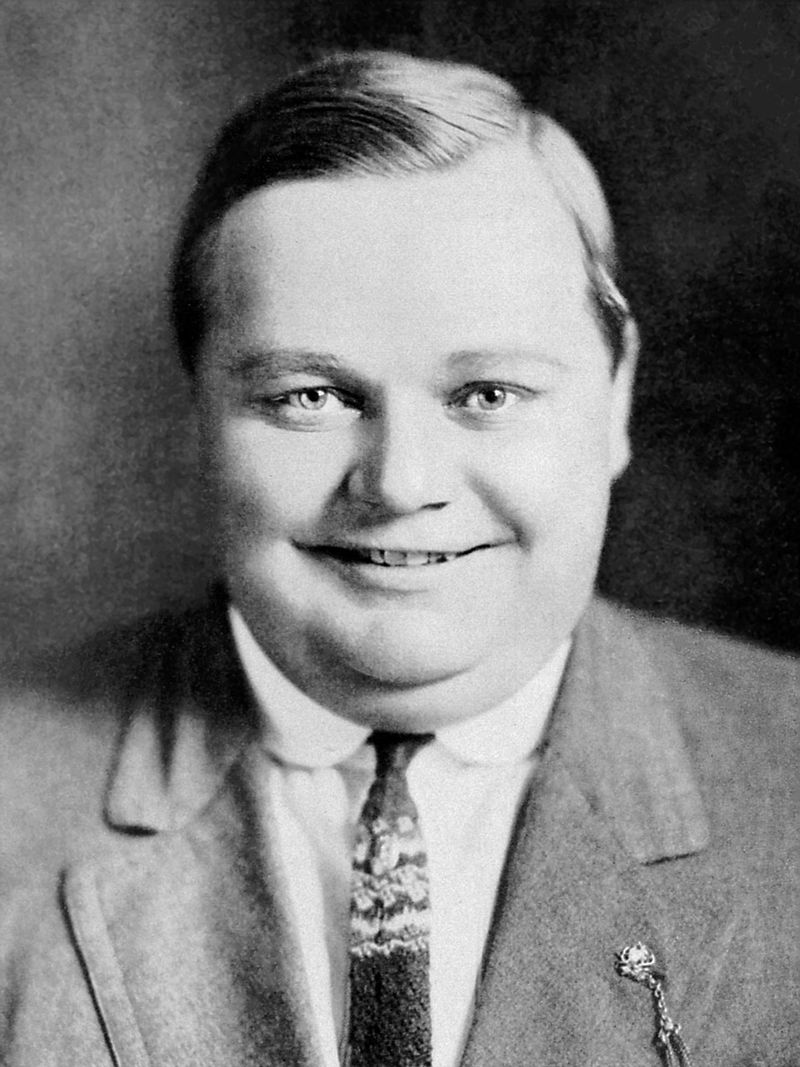
Roscoe ‘Fatty’ Arbuckle was among the most successful comedians in silent film, a performer whose physical comedy and genuine screen warmth had made him one of Hollywood’s highest-paid stars by the early 1920s. His popularity was enormous, and his career seemed entirely secure before a single weekend changed everything.
In September 1921, actress Virginia Rappe became seriously ill at a party hosted by Arbuckle in San Francisco and passed away days later. Arbuckle was charged in connection with her death, and what followed was a series of three trials that captivated the country and dominated newspaper coverage for months.
He was acquitted in the third trial, with the jury issuing a formal written statement of apology.
Despite the acquittal, the damage to his career was permanent. His films were pulled from distribution, and his name became a cultural shorthand for Hollywood excess.
His case helped push the industry toward creating its own internal censorship structure, making Arbuckle’s story one of the most consequential in early Hollywood history.
Ingrid Bergman – The Actress Punished for a Private Romance

Ingrid Bergman arrived in Hollywood with a reputation for a kind of natural, unaffected beauty that set her apart from the more heavily manufactured glamour of many of her contemporaries. Her performances in Casablanca and Notorious earned her the kind of critical and public admiration that studios spent fortunes trying to manufacture artificially.
In 1949, Bergman began an affair with Italian director Roberto Rossellini while still married to her first husband. She became pregnant, and the story became international news almost immediately.
The response in the United States was extraordinary in its ferocity. She was publicly condemned in newspapers, from pulpits, and most remarkably, on the floor of the U.S.
Senate, where a senator called her an instrument of evil.
She spent years working primarily in Europe before her American career gradually recovered. She won an Academy Award for Anastasia in 1956.
Her experience remains one of the starkest illustrations of the double standard applied to women in Hollywood whose private lives fell outside the boundaries the industry and the public had decided were acceptable.
James Dean – The Tragic Rebel Surrounded by Myth
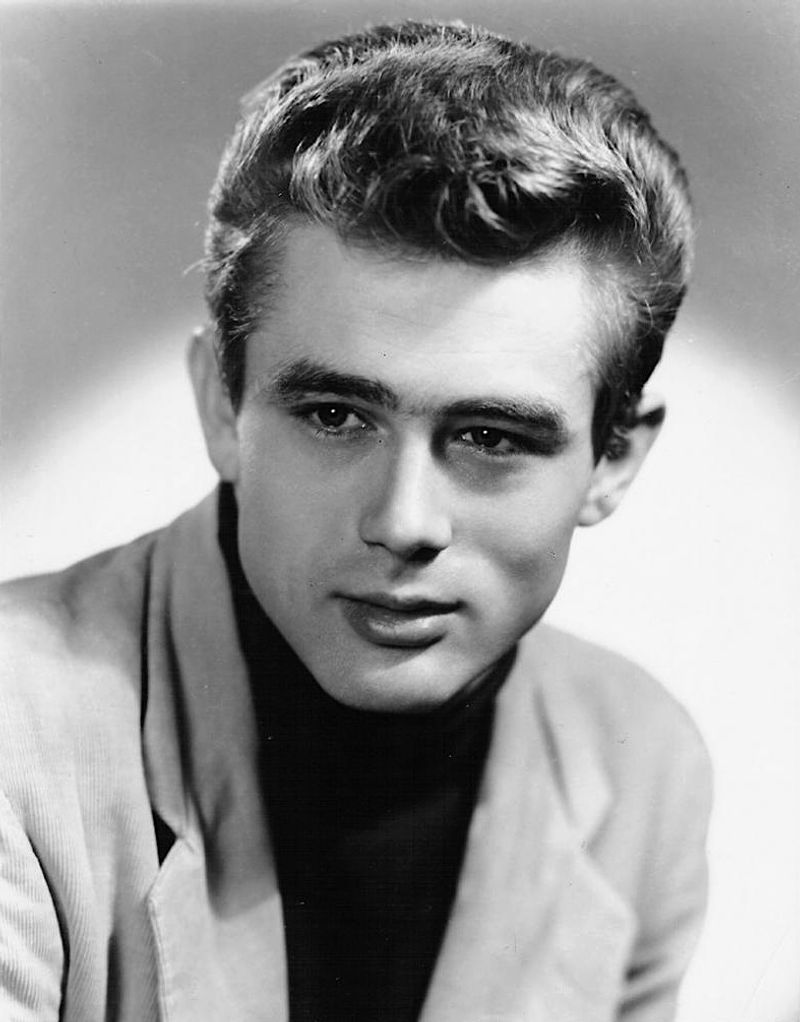
James Dean made only three major films before his life ended in a car crash in September 1955, but those three films were enough to make him one of the most enduring cultural symbols of the twentieth century. East of Eden, Rebel Without a Cause, and Giant captured something about youth, restlessness, and emotional intensity that resonated with audiences in a way that felt entirely new.
He was 24 years old when he passed away on a California highway, and the speed with which Hollywood transformed his memory into myth was remarkable even by industry standards. His image became a commercial product almost immediately, appearing on posters, merchandise, and magazine covers in ways that would have been difficult to anticipate during his brief working life.
Some conspiracy theories developed around the crash over the years, but the documented record describes a straightforward and devastating road accident. The real tragedy needs no embellishment.
A genuinely talented young actor’s life ended before he had the chance to show the full range of what he might have become.
Share this story