The Academy Awards have been around since 1929, and every year, Hollywood holds its breath waiting to see who takes home a golden statuette. But here is a surprising truth: some of the greatest performers in film history never won a competitive Oscar, not even once.
These are actors and actresses whose work shaped cinema, inspired generations, and packed theaters for decades. Whether they were passed over, overlooked, or simply never caught the right wave at the right time, their legacies speak louder than any trophy ever could.
This list covers 24 legendary performers who gave everything to their craft and earned a permanent place in movie history, all without a competitive Academy Award win to their name.
Peter O’Toole
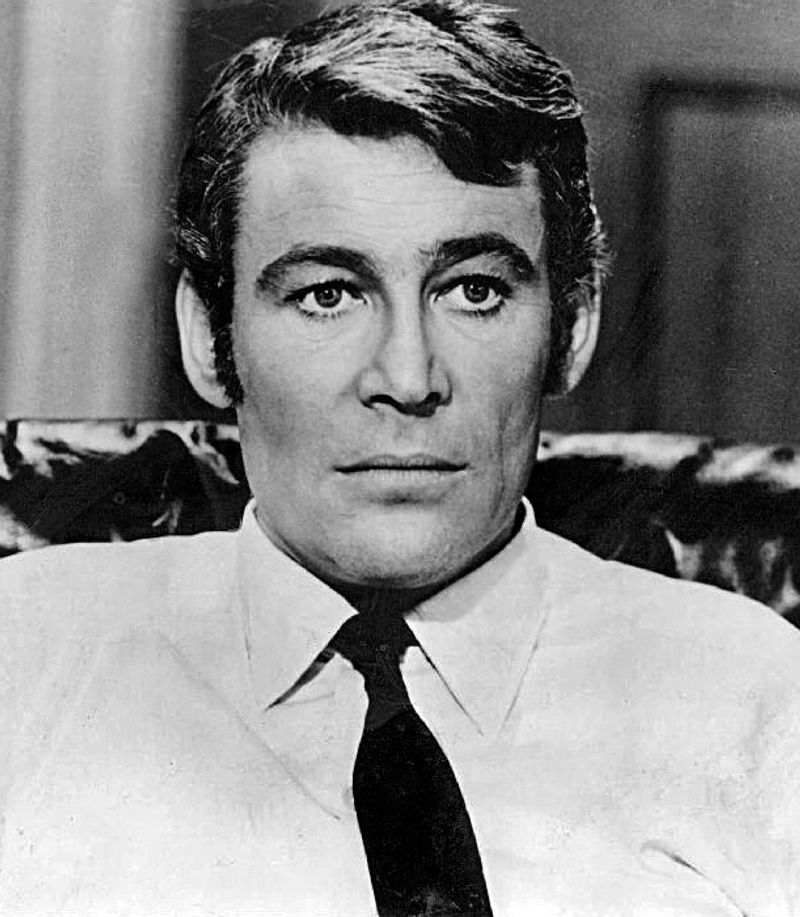
Peter O’Toole holds a record that is both remarkable and bittersweet: he received eight Academy Award nominations for Best Actor without ever winning competitively. His performance in “Lawrence of Arabia” (1962) is widely considered one of the greatest in screen history, yet the Oscar went elsewhere that year.
He also earned nominations for films like “Becket,” “The Lion in Winter,” and “My Favorite Year,” showing a range that few actors could match. The Academy eventually gave him an Honorary Oscar in 2003, though O’Toole reportedly tried to decline it at first, saying he still hoped to win competitively.
That combination of pride and humor tells you everything about the man. His work in “The Lion in Winter” alone could fill a masterclass in screen acting.
Eight nominations, zero competitive wins, and a career that still stands as a gold standard for British performance.
Richard Burton
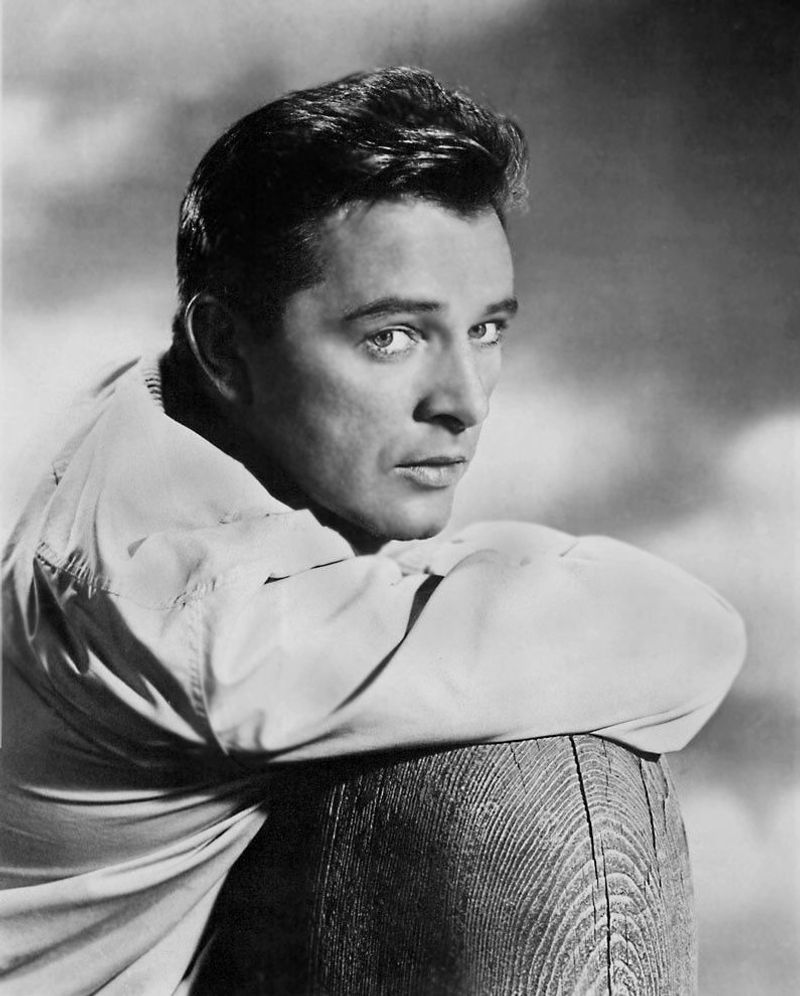
Richard Burton had a voice that could fill a cathedral and a screen presence that made audiences forget to breathe. He received seven Academy Award nominations across his career, including nods for “Who’s Afraid of Virginia Woolf?” and “The Spy Who Came in from the Cold,” yet he never once took home a competitive Oscar.
Born in Wales, Burton brought a theatrical depth to film that came straight from his stage roots. He was nominated alongside Peter O’Toole for “Becket” in 1965, a year when two of the greatest actors alive split the vote and neither won.
His personal life often overshadowed his professional achievements, but the work itself was undeniable. Seven nominations place him among the most recognized actors in Oscar history.
The fact that he left empty-handed every time remains one of the Academy’s most debated oversights.
Cary Grant
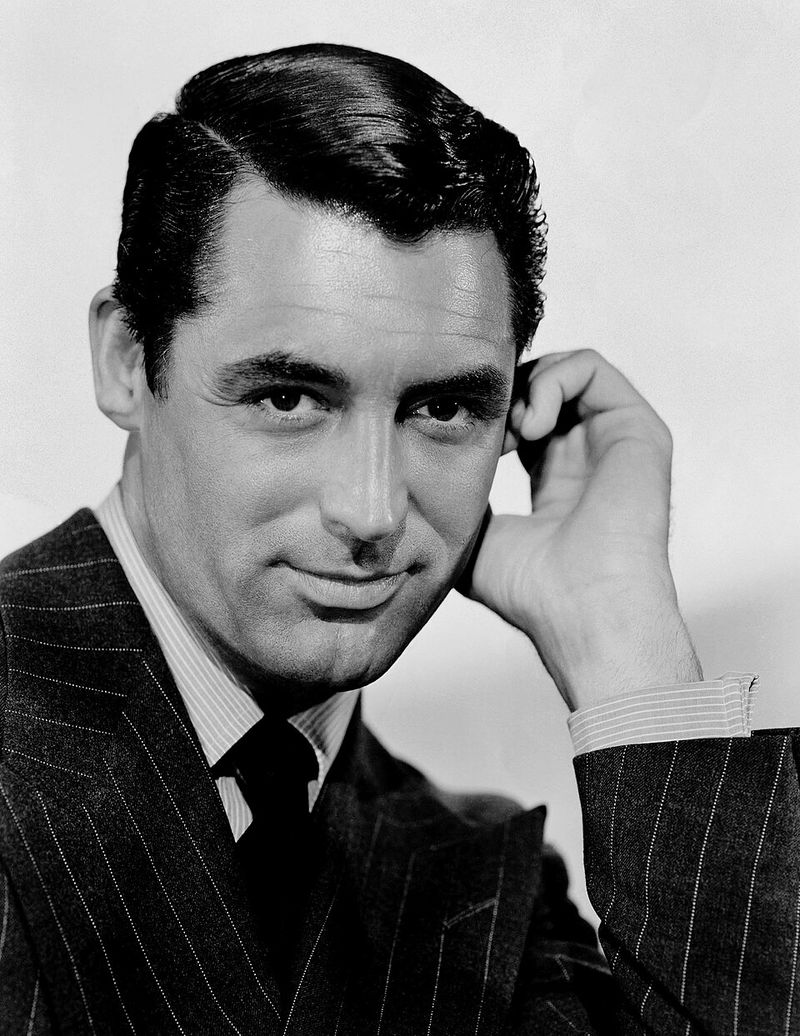
Cary Grant never won a competitive Oscar, and for a long time, he was not even nominated. That is one of the more stunning blind spots in Academy history, given that Grant defined the concept of movie star charisma for nearly three decades.
Films like “His Girl Friday,” “North by Northwest,” “Notorious,” and “Bringing Up Baby” showcased a performer who made impossibly difficult work look effortless. He received exactly two acting nominations during his career, for “Penny Serenade” in 1941 and “None but the Lonely Heart” in 1944, and lost both times.
The Academy gave him an Honorary Oscar in 1970, acknowledging his unique mastery of film comedy and drama. Grant was reportedly moved to tears.
His influence on actors from George Clooney to Hugh Grant is well documented. No statuette could fully measure what he gave to cinema.
Marilyn Monroe
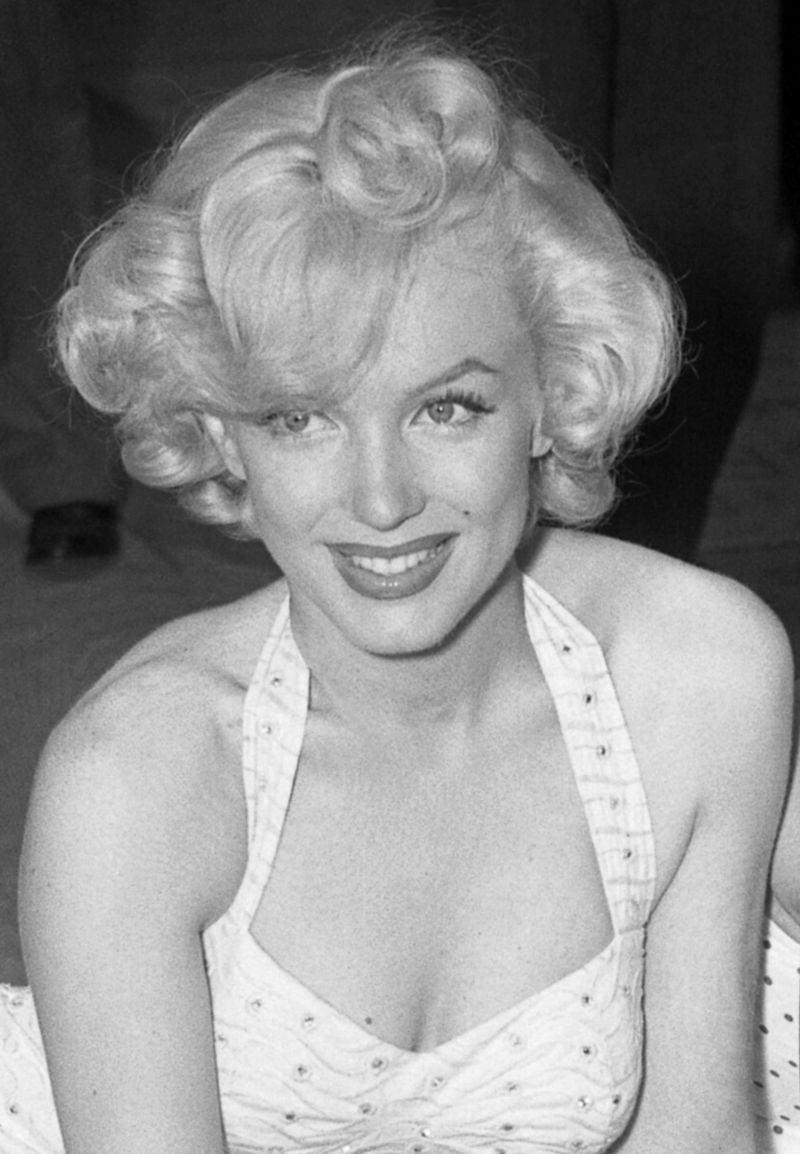
Marilyn Monroe never received a single Academy Award nomination, which feels almost impossible given how thoroughly she dominated popular culture during the 1950s. Her comedic timing in “Some Like It Hot” is studied in film schools to this day, and her dramatic work in “Bus Stop” drew genuine critical praise at the time.
The Academy tended to dismiss performers who were primarily known as sex symbols, even when their actual craft was exceptional. Monroe worked hard to be taken seriously, studying at the Actors Studio and pushing against the studio system that preferred to keep her in a box.
Her legacy has only grown since her passing in 1962. The Golden Globe awarded her a comedy performance prize for “Some Like It Hot,” but the Oscars never came calling.
That absence says more about the Academy’s blind spots than it does about Monroe’s talent.
Alfred Hitchcock
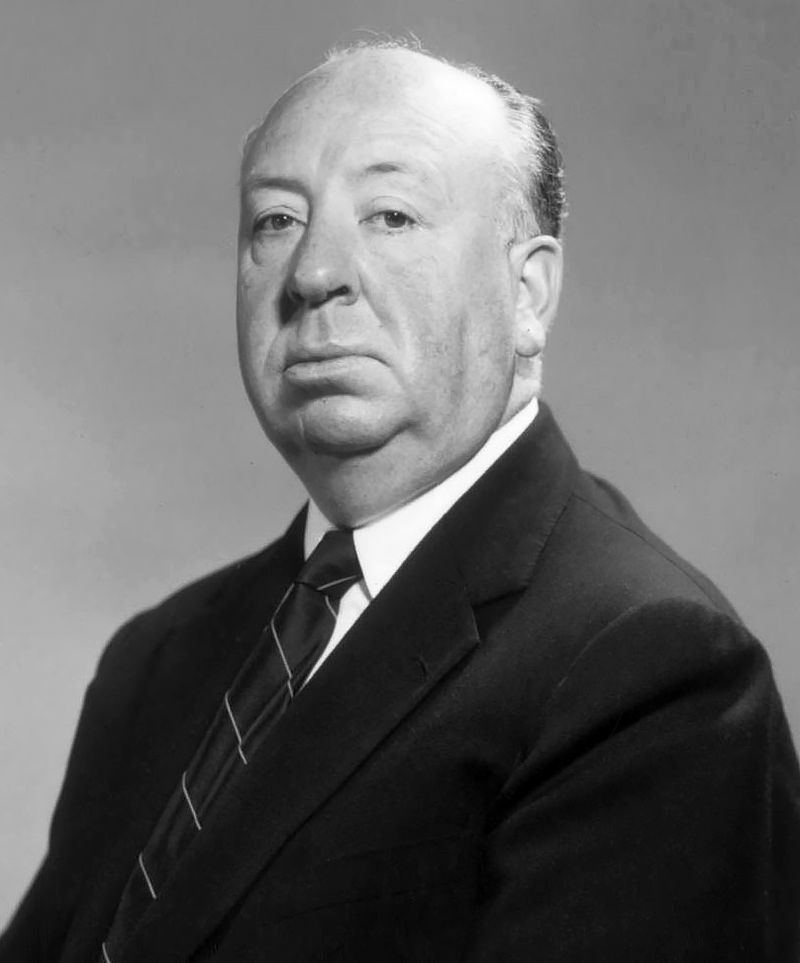
Alfred Hitchcock directed some of the most influential and widely watched films in cinema history, including “Psycho,” “Rear Window,” “Vertigo,” and “North by Northwest.” He received five nominations for Best Director at the Academy Awards and never won once.
His first nomination came for “Rebecca” in 1940, which won Best Picture but gave the directing prize to John Ford for “The Grapes of Wrath.” Subsequent nominations for “Lifeboat,” “Spellbound,” “Rear Window,” and “Psycho” all ended the same way. The Academy gave him the Irving G.
Thalberg Memorial Award in 1968, a career honor rather than a competitive prize.
Many film historians consider “Vertigo” the greatest film ever made, based on the British Film Institute’s polling. Hitchcock shaped how movies tell stories through camera, editing, and tension.
That he never won a competitive Oscar is one of Hollywood’s most discussed ironies.
Glenn Close
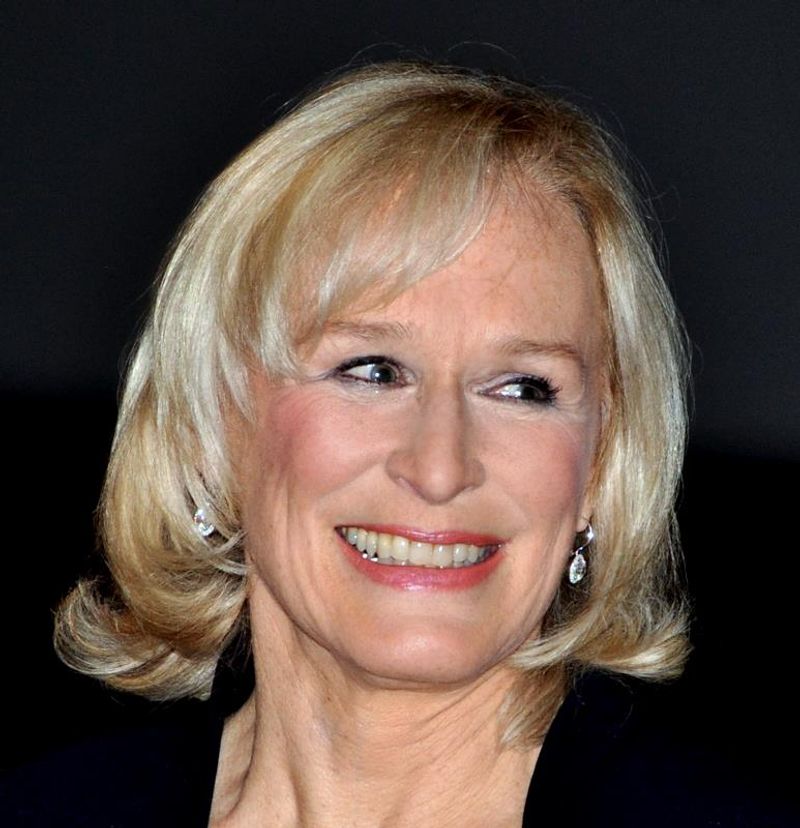
Glenn Close has been nominated for the Academy Award eight times, making her the most nominated living actress without a win. Her nominations span decades and genres, from “The World According to Garp” and “Fatal Attraction” to “Albert Nobbs” and “The Wife.”
She came closest to winning in 2019 for “The Wife,” a role that many critics and industry observers considered her strongest work. When Olivia Colman won for “The Favourite” instead, the camera cut to Close and the moment became one of the most discussed in recent Oscar history.
Close has never been bitter publicly, and she continues to work at a high level. She is also a celebrated stage actress with multiple Tony Awards to her credit.
The Oscar has simply never come through for her competitively, despite a body of work that rivals anyone in her generation.
Edward Norton

Edward Norton announced himself to the world with a jaw-dropping performance in “Primal Fear” (1996), earning a Best Supporting Actor nomination right out of the gate. Two years later, his work in “American History X” earned him a Best Actor nomination.
He has not been nominated since, though he has continued to produce serious, committed work.
Norton is known for being selective and exacting about his projects, which has sometimes put him at odds with studios. His performances in films like “Fight Club,” “25th Hour,” and “Knives Out” are consistently praised, yet none resulted in nominations.
He is also a co-founder of CrowdRise, a fundraising platform, and is active in environmental causes. Norton is the kind of actor who disappears completely into a role, which is the highest compliment you can pay a screen performer.
Two nominations, zero wins, and a reputation that keeps growing.
Annette Bening
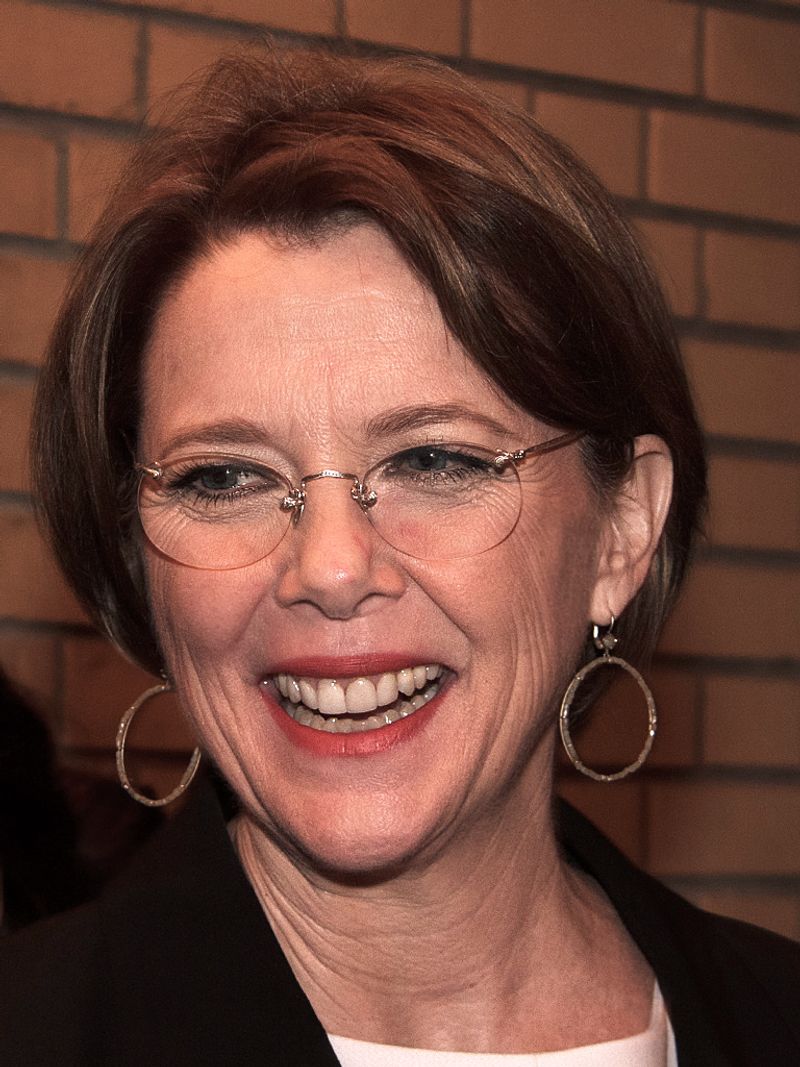
Annette Bening has received four Academy Award nominations over the course of her career, and each time the Oscar went to someone else. Her nominations came for “The Grifters,” “American Beauty,” “Being Julia,” and “The Kids Are All Right.”
Her loss for “American Beauty” is the one most people remember. Hilary Swank won that year for “Boys Don’t Cry,” a result that split audiences and critics at the time.
Many felt Bening’s performance as Carolyn Burnham was the year’s best work from any performer.
She has remained a consistently working actress of the highest order, appearing in films and stage productions that keep adding to an already impressive resume. Bening is married to Warren Beatty, who has his own complicated Oscar history.
Four nominations across four different decades show how durable her talent has been. The competitive win has simply never aligned.
Sigourney Weaver
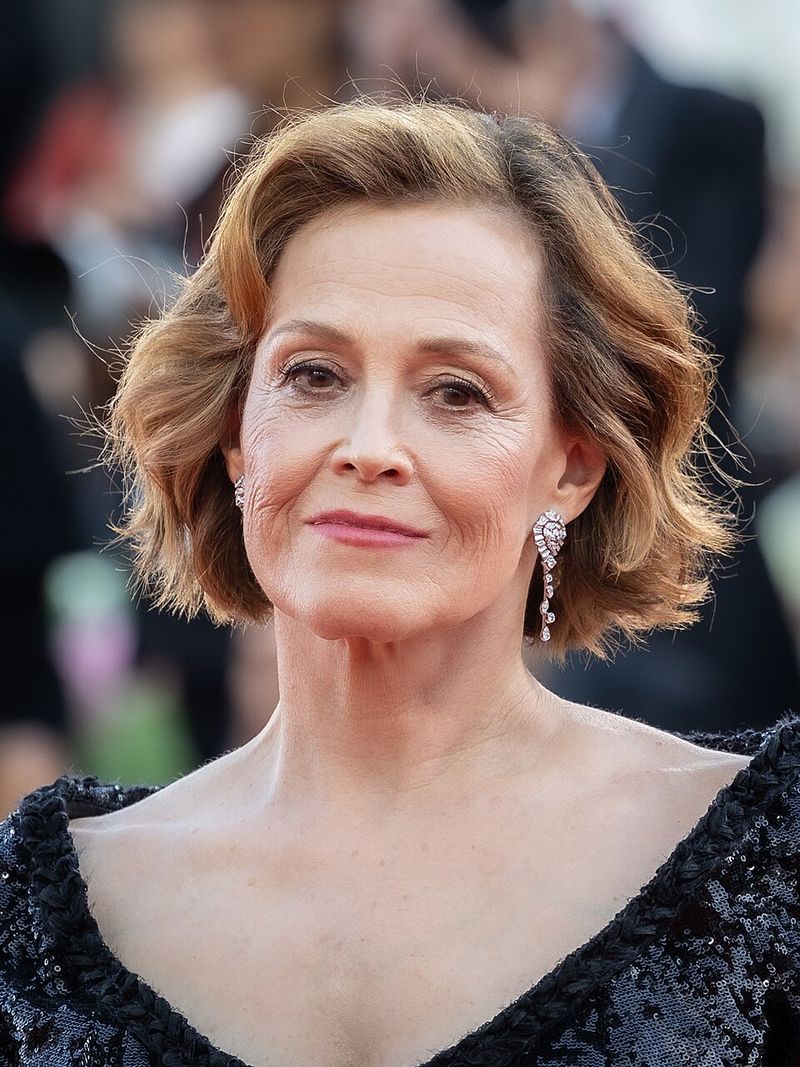
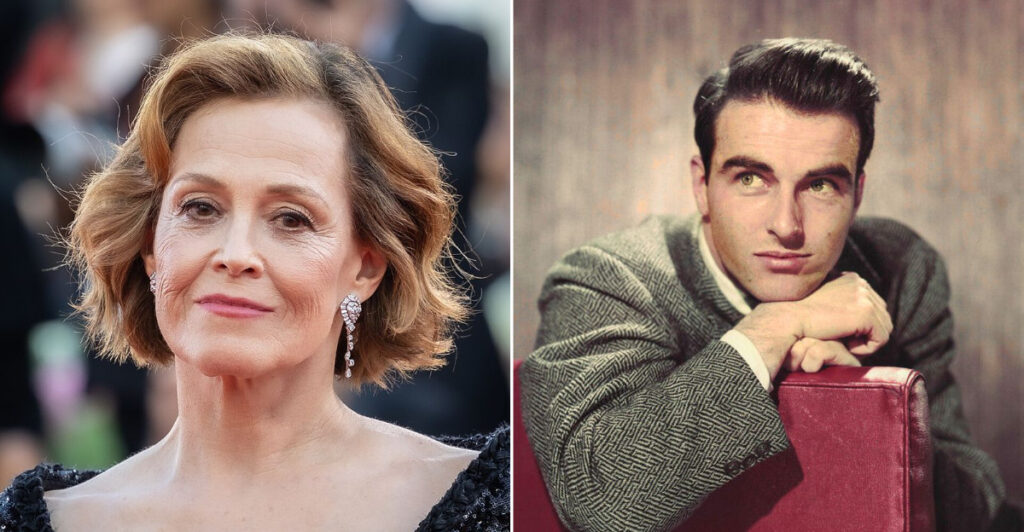
Sigourney Weaver earned three Academy Award nominations in a span of just two years, which is one of the more remarkable runs in Oscar history. She was nominated for Best Actress for “Gorillas in the Mist” and Best Supporting Actress for “Working Girl,” both in 1989.
A year earlier she had been nominated for “Aliens.”
She did not win any of them. Jodie Foster took Best Actress for “The Accused” that year, and Geena Davis won Supporting Actress for “The Accidental Tourist.”
Weaver created one of cinema’s most iconic action heroes with Ellen Ripley in the “Alien” franchise, a role that changed what audiences expected from female characters on screen. Her range across drama, comedy, and science fiction is genuinely unusual.
Despite never winning competitively, she holds a permanent place in film history that no award could make more secure.
Robert Mitchum
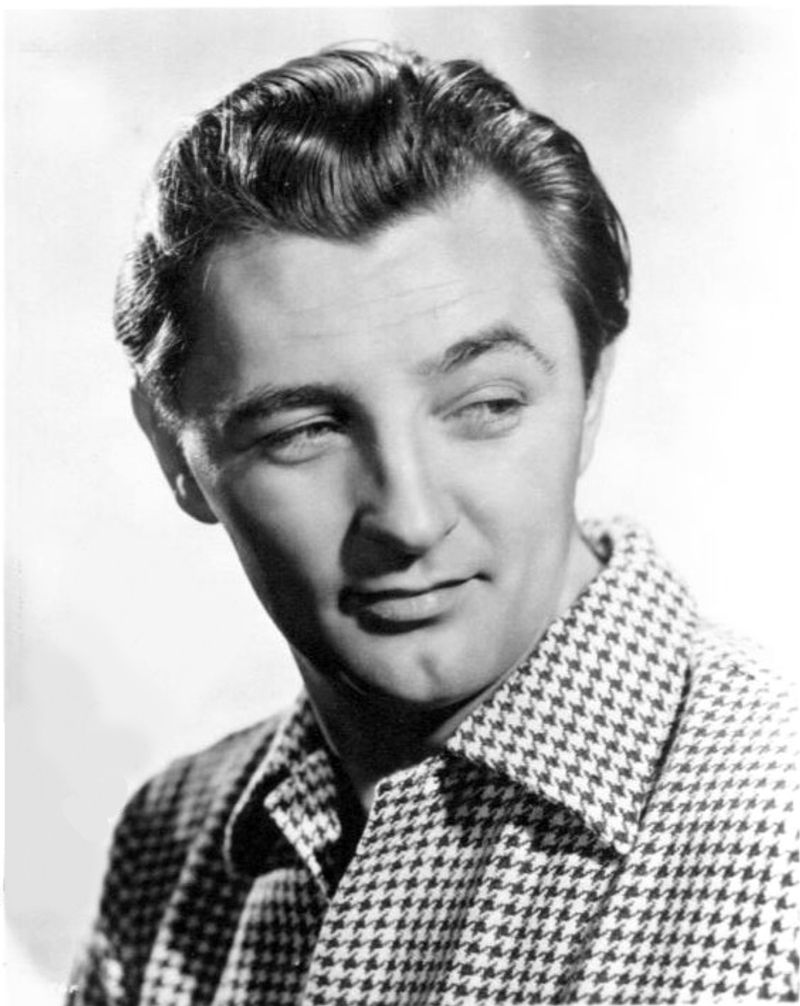
Robert Mitchum received exactly one Academy Award nomination in his entire career, a Best Supporting Actor nod for “The Story of G.I. Joe” in 1946.
He did not win. After that single nomination, the Academy essentially ignored one of Hollywood’s most distinctive and durable performers for the next four decades.
Mitchum appeared in classics like “Out of the Past,” “The Night of the Hunter,” “Cape Fear,” and “Ryan’s Daughter,” none of which earned him a nomination. His work in “The Night of the Hunter” is particularly stunning, a film that is now considered a masterpiece of American cinema.
He was famously indifferent to awards and Hollywood politics, which may have worked against him with voters. Mitchum had a screen presence that was almost impossible to describe but immediately recognizable.
One nomination across a 50-year career is one of the Academy’s most glaring omissions.
Judy Garland
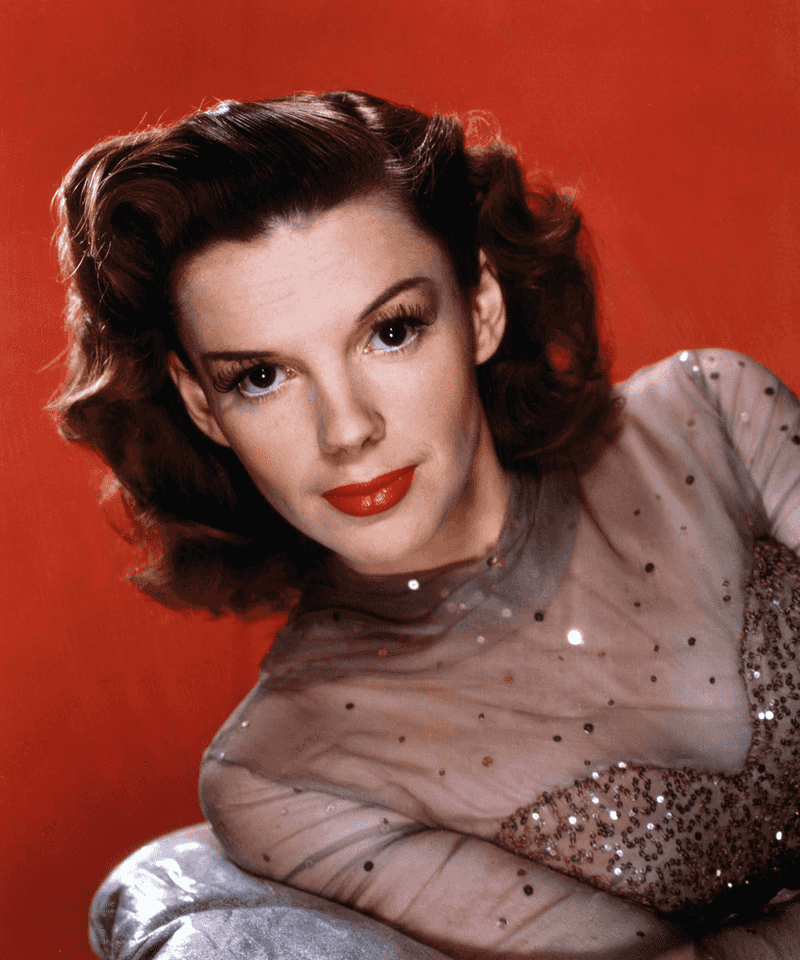
Judy Garland received two Academy Award nominations during her career: Best Actress for “A Star Is Born” in 1955 and Best Supporting Actress for “Judgment at Nuremberg” in 1961. She did not win either.
The loss for “A Star Is Born” is still considered one of the most controversial in Oscar history.
Grace Kelly won that year for “The Country Girl,” and the backlash was immediate. Many in Hollywood felt Garland’s performance was not only the year’s best but one of the greatest in the history of the medium.
Garland received a Juvenile Honorary Oscar in 1940 for “The Wizard of Oz,” but that was not a competitive award.
Her influence on popular music and film is impossible to overstate. Performers from Liza Minnelli to Lady Gaga have cited her as a foundational inspiration.
Two nominations, zero competitive wins, and an enduring legacy that shows no signs of fading.
James Dean
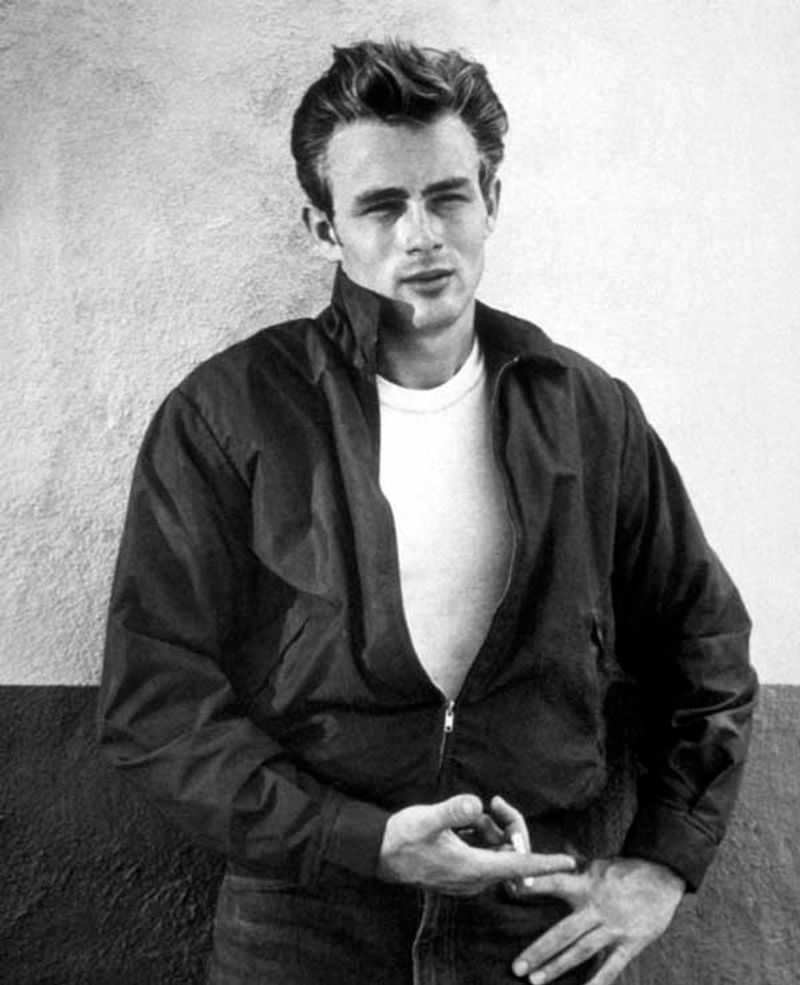
James Dean made only three feature films before his passing in 1955 at age 24, and he received two posthumous Academy Award nominations: Best Actor for “East of Eden” and Best Actor for “Giant.” He is the only actor in Oscar history to receive two posthumous acting nominations.
Dean did not win either time. Ernest Borgnine won for “Marty” the year Dean was nominated for “East of Eden,” and Yul Brynner won for “The King and I” the year of the “Giant” nomination.
In just three films, Dean created a template for screen acting that influenced virtually every male performer who followed him, from Paul Newman to Johnny Depp. His work in “Rebel Without a Cause” did not even earn a nomination, which adds another layer to the oversight.
Two nominations, zero wins, and a cultural footprint that has only grown larger with time.
Deborah Kerr
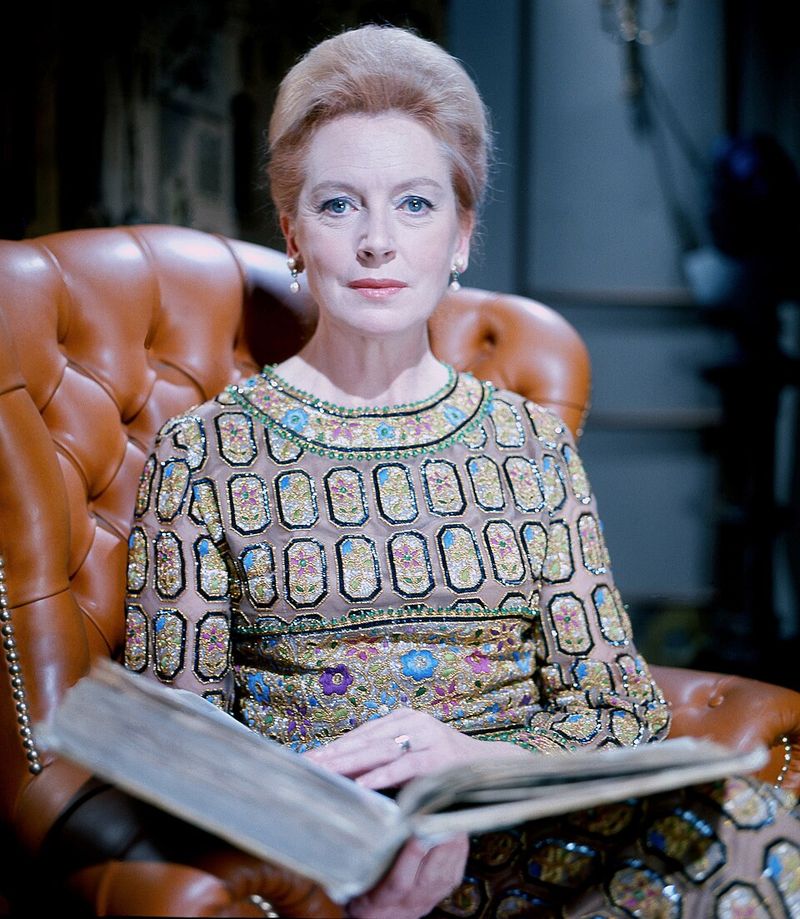
Deborah Kerr received six Academy Award nominations for Best Actress across her career, beginning with “Edward, My Son” in 1949 and ending with “The Sundowners” in 1960. She never won a single one.
The Academy gave her an Honorary Oscar in 1994, acknowledging what the competitive process had failed to recognize.
Her nominations included performances in “From Here to Eternity,” “The King and I,” “Heaven Knows, Mr. Allison,” and “Separate Tables.” Each of those films represented serious, demanding work that held up to the best of any era.
Kerr was known for her poise and her ability to bring emotional depth to roles that could have been played more superficially. She is also remembered for the iconic beach scene in “From Here to Eternity” with Burt Lancaster.
Six nominations and zero wins is a record that still surprises people when they first learn about it.
Kirk Douglas
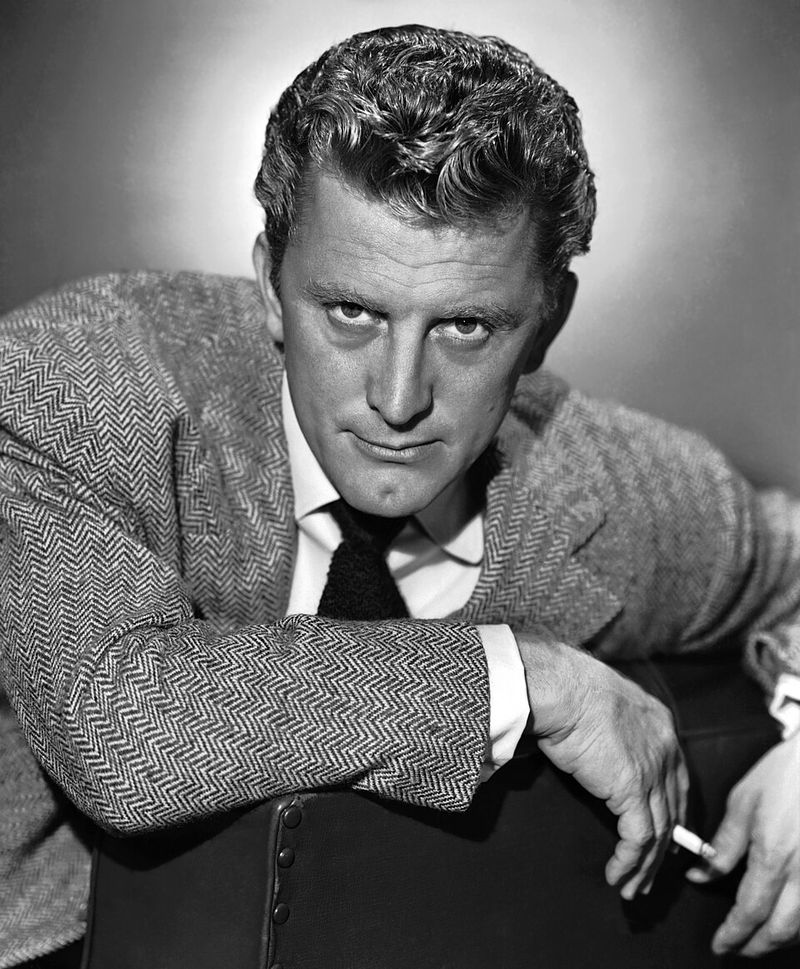
Kirk Douglas received three Academy Award nominations over his career: for “Champion” in 1949, “The Bad and the Beautiful” in 1952, and “Lust for Life” in 1956. He never won competitively.
The Academy gave him an Honorary Oscar in 1996, recognizing his creative and humanitarian contributions to filmmaking.
His performance as Vincent van Gogh in “Lust for Life” is particularly celebrated, described by many critics as one of the finest biographical performances in Hollywood history. His role as Spartacus in the 1960 epic he also produced helped break the Hollywood blacklist by crediting screenwriter Dalton Trumbo openly.
Douglas was a force in Hollywood as both a performer and a producer, and his behind-the-scenes influence shaped the industry in ways that go beyond any single film. He passed away in 2020 at age 103.
Three nominations, zero competitive wins, and a legacy that is genuinely hard to contain in a paragraph.
Montgomery Clift
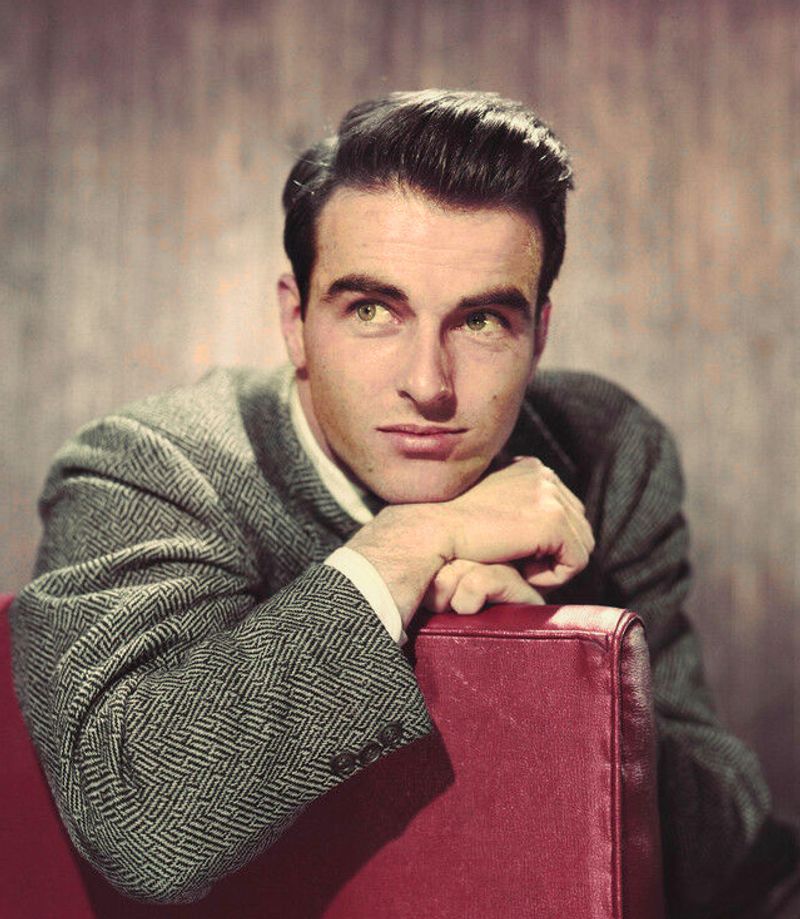
Montgomery Clift received four Academy Award nominations: for “The Search,” “A Place in the Sun,” “From Here to Eternity,” and “Judgment at Nuremberg.” He never won. Clift, Marlon Brando, and James Dean formed an unofficial triumvirate of method-influenced acting in 1950s Hollywood, and Clift was arguably the first of the three to emerge.
His performance in “A Place in the Sun” alongside Elizabeth Taylor is considered one of the great romantic screen pairings in American cinema. A serious car accident in 1956 affected his health and career significantly, but he continued working and continued earning recognition.
Clift died in 1966 at age 45, leaving behind a relatively small filmography that carries enormous weight. His influence on how film actors approach emotional truth is well documented by performers who followed him.
Four nominations across a shortened career make the absence of a win feel particularly sharp.
Thelma Ritter
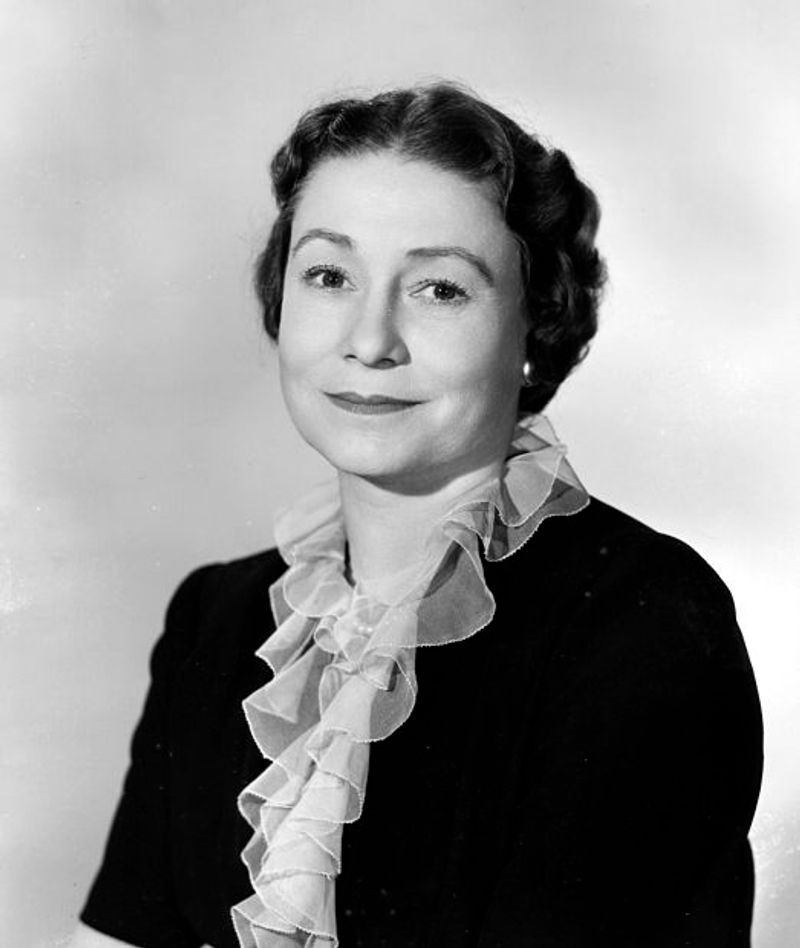
Thelma Ritter earned six Academy Award nominations for Best Supporting Actress, which at the time set a record for the most nominations in that category. She never won.
Her nominations came for “All About Eve,” “The Mating Season,” “With a Song in My Heart,” “Pickup on South Street,” “Pillow Talk,” and “Birdman of Alcatraz.”
Ritter was the kind of character actress who could steal a scene without trying, bringing a working-class wit and warmth to every role she played. She was often cast as maids, nurses, and wise-cracking sidekicks, and she elevated every single one of those parts.
Her role in “All About Eve” as Birdie, Margo Channing’s sardonic dresser, is a clinic in how to make a small part unforgettable. Six nominations and zero wins is a record that speaks to both how consistently she was recognized and how consistently the prize slipped away.
Tom Cruise
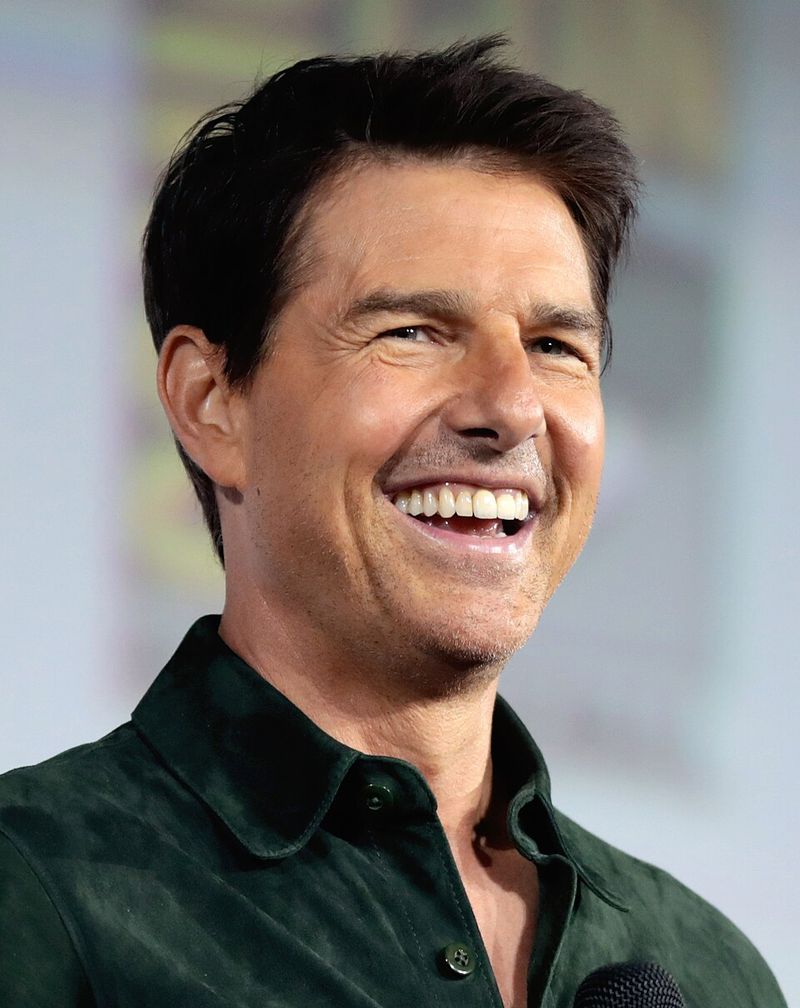
Tom Cruise has been one of the biggest box office draws in Hollywood for over four decades, and he has received three Academy Award nominations: for “Born on the Fourth of July,” “Jerry Maguire,” and “Magnolia.” He has never won a competitive Oscar.
His nomination for “Born on the Fourth of July” was particularly strong, earning him a Golden Globe win and widespread critical praise for his portrayal of Vietnam veteran Ron Kovic. Many expected an Oscar to follow, but Daniel Day-Lewis won that year for “My Left Foot.”
Cruise has since shifted toward action-driven blockbusters, most notably the “Mission: Impossible” series and “Top Gun: Maverick,” which earned a Best Picture nomination but no acting nod for him. His commitment to practical stunts and physical filmmaking is well documented.
Three nominations from his dramatic years, zero wins, and a career that keeps redefining what a movie star can be.
Whoopi Goldberg
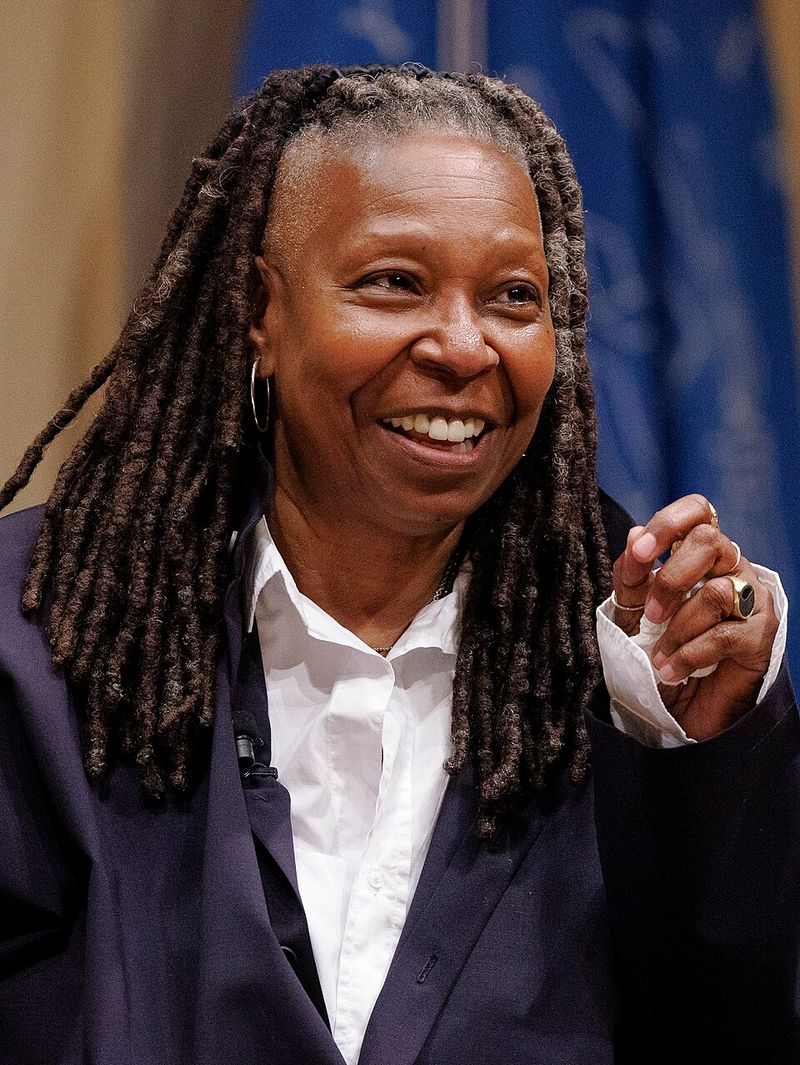
Whoopi Goldberg won the Academy Award for Best Supporting Actress for “Ghost” in 1990, making her one of the few performers on this list to have an Oscar. However, her nomination for Best Actress for “The Color Purple” in 1985 is the one that stings, because she gave what many consider a once-in-a-generation performance and did not win.
Geraldine Page won that year for “The Trip to Bountiful.” Goldberg’s portrayal of Celie in “The Color Purple” was raw, precise, and emotionally devastating in a way that rarely appears on screen.
Her career after that has been wide-ranging, covering comedy, drama, television, and Broadway. She is one of the rare EGOT winners, holding Emmy, Grammy, Oscar, and Tony Awards.
But the competitive Oscar for her defining dramatic role never came. That 1985 nomination remains the most discussed near-miss of her career.
Harrison Ford
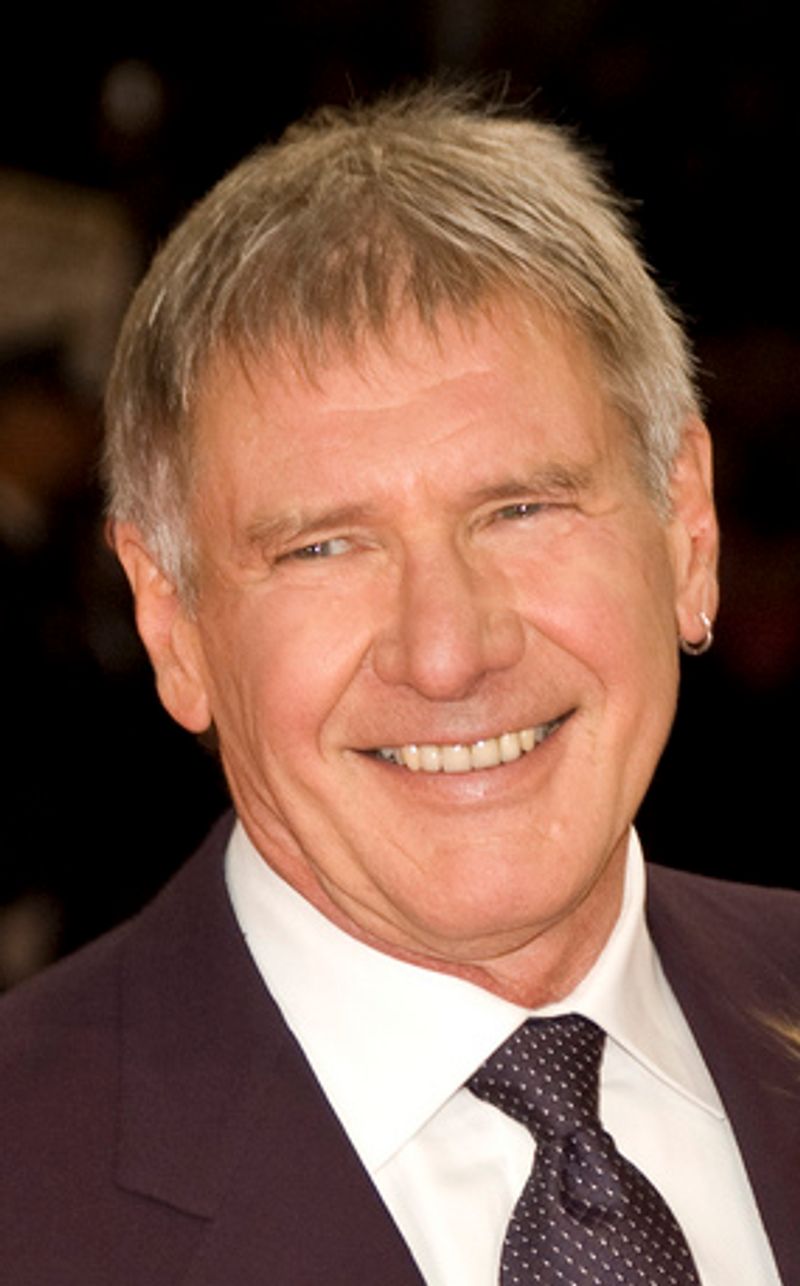
Harrison Ford has appeared in some of the highest-grossing films in cinema history, including the “Star Wars” and “Indiana Jones” franchises, yet he has received exactly one Academy Award nomination in his career. That nomination came for Best Actor for “Witness” in 1985.
He did not win; William Hurt won for “Kiss of the Spider Woman.”
Ford’s lack of Oscar recognition has long puzzled observers, given the cultural weight of his most famous roles. Han Solo and Indiana Jones are two of the most beloved characters in film history, yet neither performance generated serious awards consideration.
He received the Cecil B. DeMille Award from the Golden Globes in 2023, a lifetime achievement recognition.
Ford has also been outspoken about environmental causes and serves on the board of Conservation International. One nomination across a 50-plus year career is a number that surprises most people when they hear it.
Stanley Kubrick
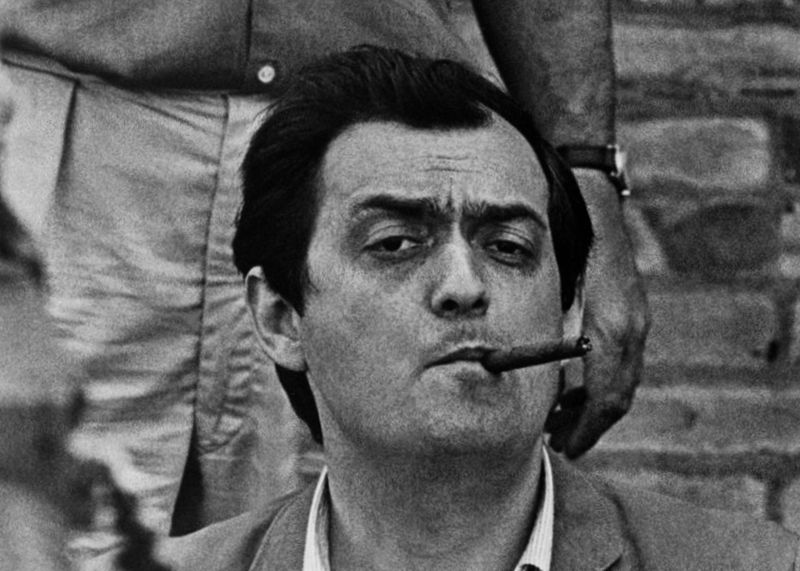
Stanley Kubrick directed thirteen feature films and received four Academy Award nominations for directing: for “Dr. Strangelove,” “2001: A Space Odyssey,” “A Clockwork Orange,” and “Barry Lyndon.” He never won a competitive directing Oscar. He did win a technical Oscar for his visual effects work on “2001.”
Films like “The Shining,” “Full Metal Jacket,” and “Eyes Wide Shut” did not earn him directing nominations, which adds to the sense that the Academy and Kubrick were never quite on the same wavelength.
Kubrick is now widely regarded as one of the most technically innovative and artistically ambitious directors in the history of the medium. His influence on cinematography, production design, and narrative structure is discussed in virtually every serious film program in the world.
Four nominations and zero competitive wins for a director of his stature is a gap between reputation and recognition that the Academy never closed.
Amy Adams
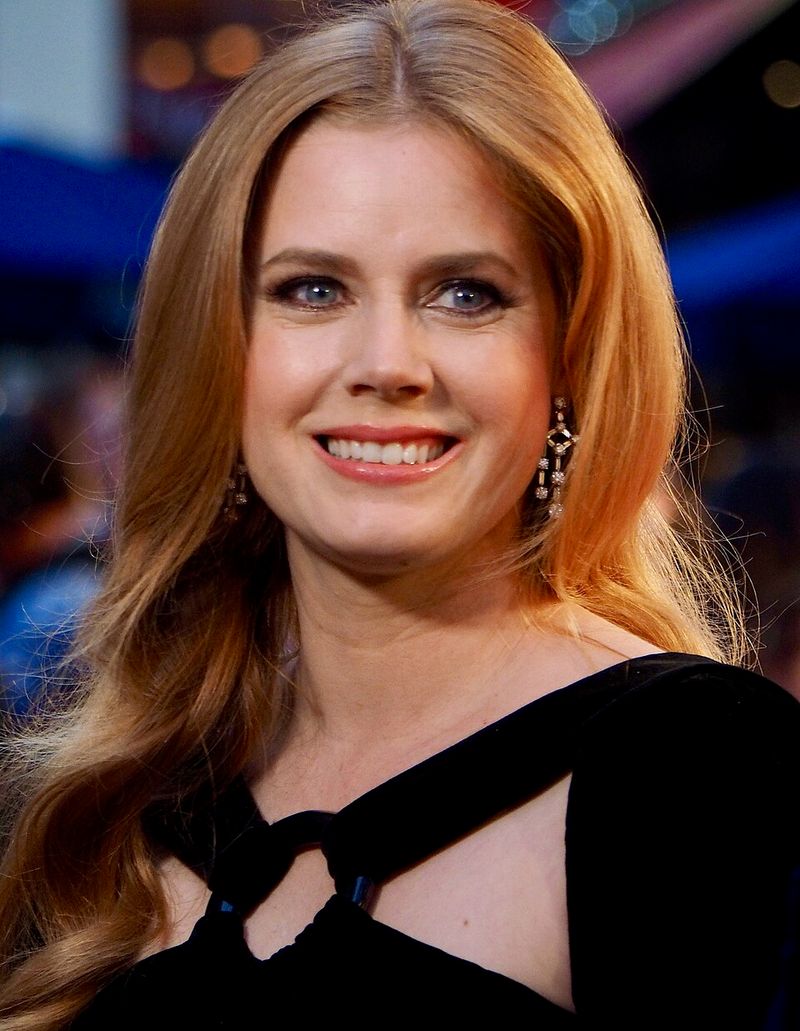
Amy Adams holds six Academy Award nominations without a single win, putting her in rare and frustrating company. Her nominations came for “Junebug,” “Doubt,” “The Fighter,” “The Master,” “American Hustle,” and “Vice.” Each nomination represented a genuinely strong performance, and several were considered frontrunners at various points during their awards seasons.
Her loss for “American Hustle” is particularly discussed, as she had won multiple precursor awards leading up to Oscar night. Cate Blanchett won that year for “Blue Jasmine.”
Adams has shown a remarkable range across her career, moving comfortably between comedy, drama, and musical performance. Her work in “Arrival” (2016) is considered by many critics to be her finest, and the fact that it did not generate a nomination remains a point of debate.
Six nominations and zero wins make her one of the most recognized actresses in Oscar history without a trophy.
Orson Welles
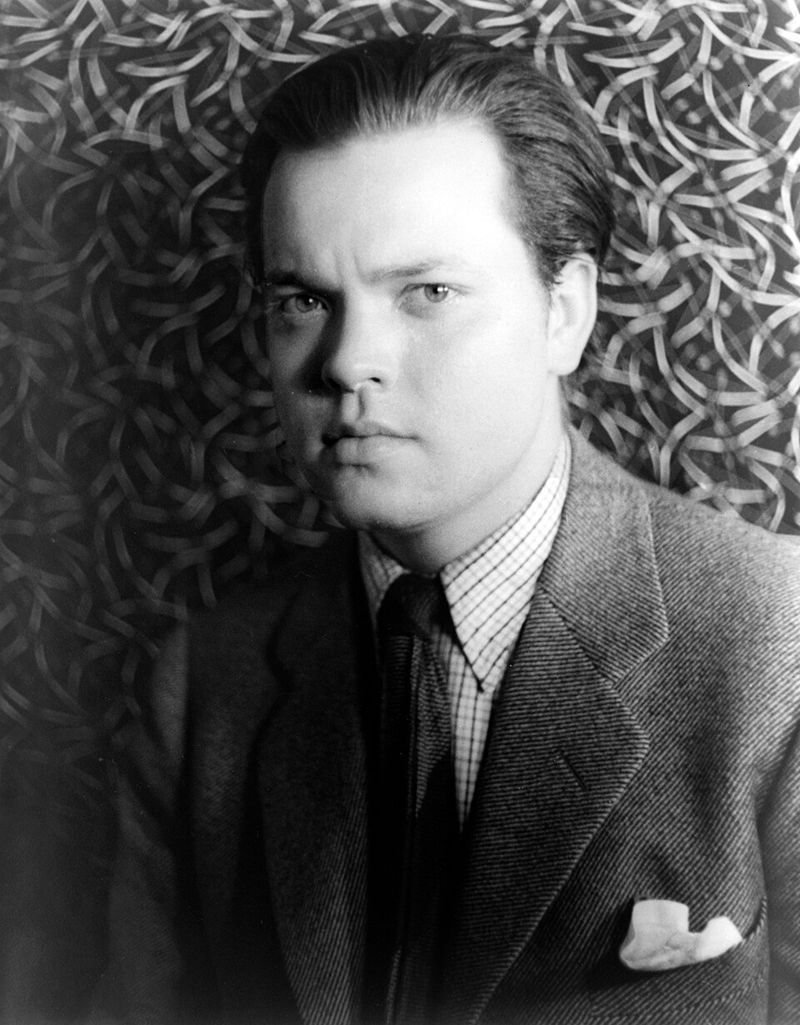
Orson Welles co-wrote, directed, produced, and starred in “Citizen Kane” (1941), a film that regularly tops lists of the greatest movies ever made. He received Academy Award nominations for Best Actor and Best Director for that film.
He won only one Oscar competitively, the Best Original Screenplay award shared with Herman J. Mankiewicz.
His acting nomination was beaten by Gary Cooper in “Sergeant York,” and his directing nomination lost to John Ford for “How Green Was My Valley.” The loss stung at the time and has been debated ever since.
Welles went on to direct films like “The Magnificent Ambersons,” “Touch of Evil,” and “Chimes at Midnight,” none of which earned him additional acting or directing nominations. He received an Honorary Oscar in 1971.
For a figure who fundamentally changed what cinema could do, his competitive Oscar record is almost shockingly thin.
Greta Garbo

Greta Garbo received three Academy Award nominations during her career: for “Romance” in 1930, “Camille” in 1937, and “Ninotchka” in 1939. She never won a competitive Oscar.
The Academy gave her an Honorary Oscar in 1954, citing her unforgettable screen performances.
Garbo was one of the biggest stars of the 1930s and successfully navigated the transition from silent films to sound, which was a career-ending challenge for many of her contemporaries. Her work in “Camille” is considered one of the finest performances of the studio era.
She retired from acting in 1941 at age 36 and spent the rest of her life intensely guarding her privacy, rarely making public appearances. That deliberate withdrawal from the spotlight made her legend grow rather than fade.
Three nominations, zero competitive wins, and a mystique that has outlasted virtually every other star of her generation.
Bill Murray
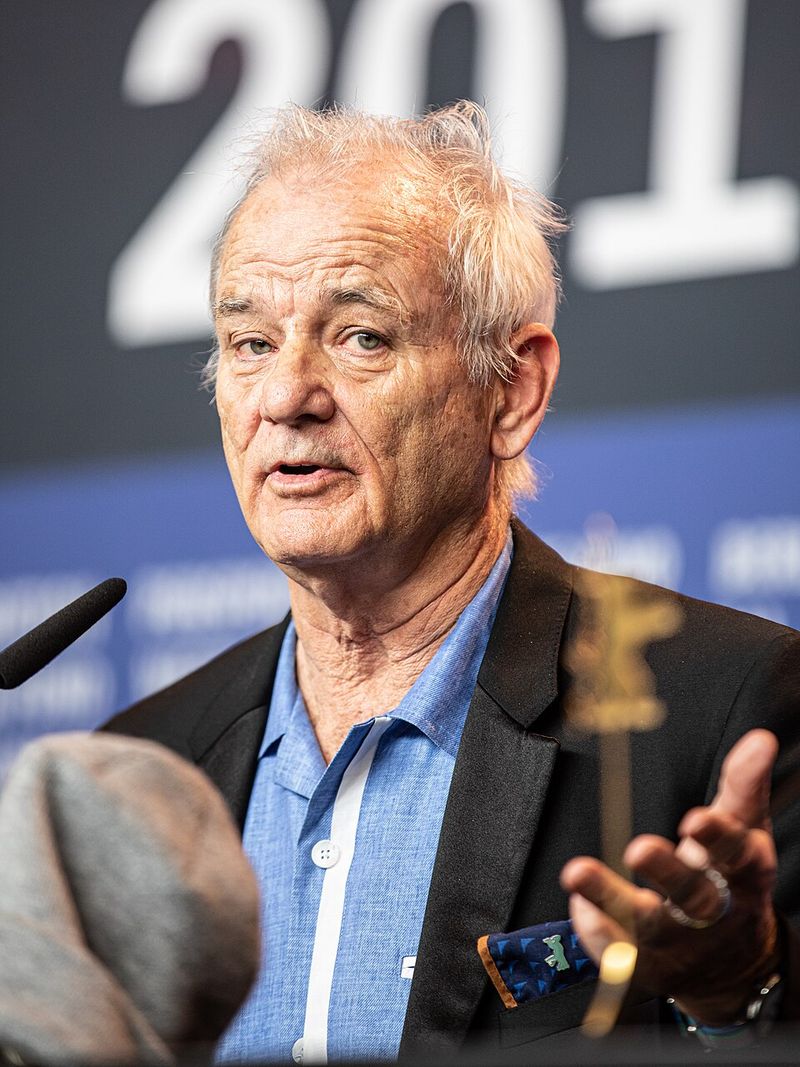
Bill Murray spent decades as one of Hollywood’s most beloved comedic performers before earning a Best Actor nomination for “Lost in Translation” in 2003. He did not win; Sean Penn took the prize for “Mystic River.” That remains his only Academy Award nomination.
Murray’s comic work in films like “Ghostbusters,” “Groundhog Day,” “Rushmore,” and “The Life Aquatic with Steve Zissou” never generated Oscar nominations, which reflects the Academy’s historical difficulty in recognizing great screen comedy.
His later career has been marked by a series of unexpected, often deeply felt dramatic turns in films by Wes Anderson and Sofia Coppola. Murray is also famous for his unpredictable public behavior and his habit of appearing at random events without explanation, which has become part of his cultural identity.
One nomination, zero wins, and a reputation as one of the most original screen personalities of his generation.
Share this story