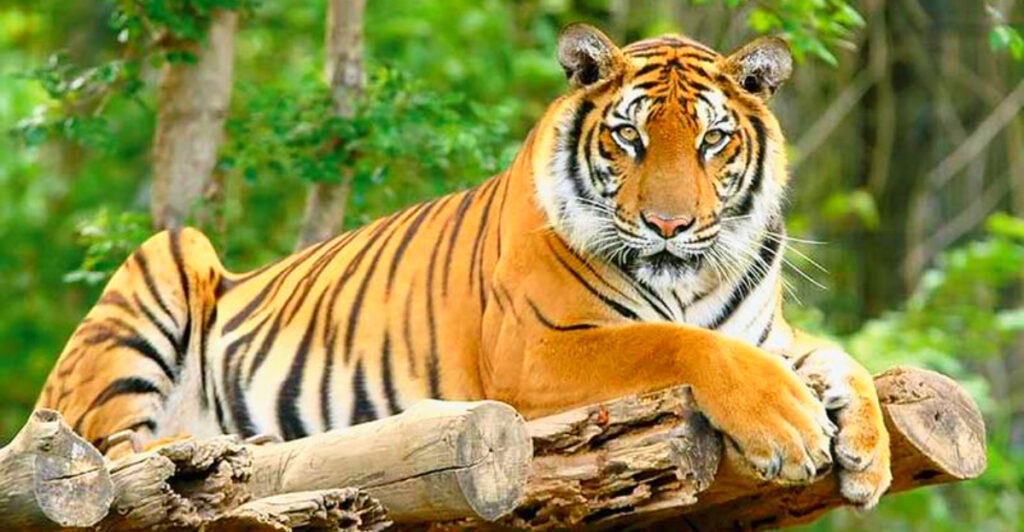
India is home to more than 70 percent of the world’s wild tigers, yet seeing one in its natural habitat remains an unforgettable rarity. From mangrove swamps to Himalayan foothills, the country’s tiger reserves offer vastly different experiences.
The 14 regions on this list stand out for their remote, rugged landscapes, where tigers are elusive and every sighting feels hard-earned. Whether you’re an experienced wildlife photographer or a first-time safari traveler, these destinations showcase both the challenge and excitement of tracking one of the planet’s most iconic predators.
1. Sundarbans, West Bengal, India
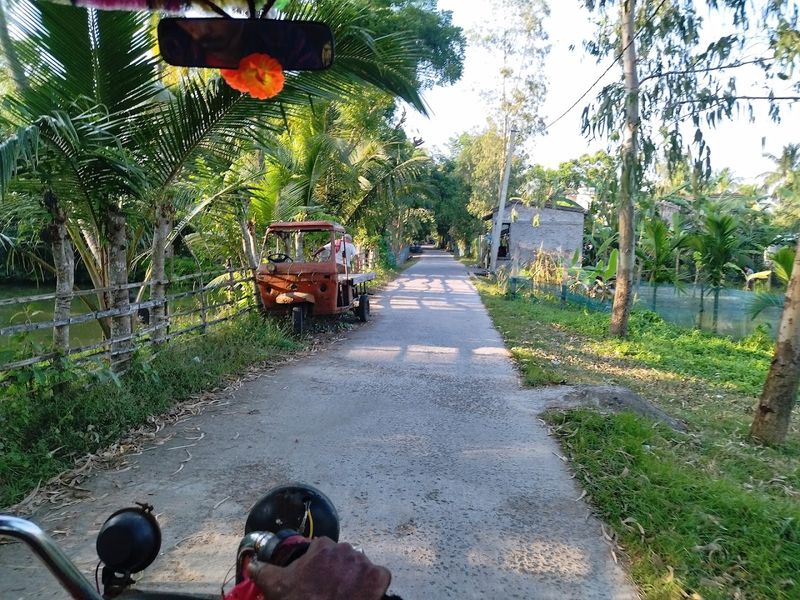
No other tiger habitat on Earth looks quite like this one. The Sundarbans is the world’s largest continuous mangrove forest, spread across the Ganges Delta between India and Bangladesh, and it operates entirely on tidal logic.
Tigers here have evolved to swim between islands, stalk prey through chest-deep water, and disappear into a wall of roots and mud in seconds. That makes spotting one from a boat almost laughably difficult, but also incredibly exciting when it happens.
Most safaris are conducted by boat through narrow waterways, giving visitors a unique perspective that no jeep safari can replicate. The forest is a UNESCO World Heritage Site and home to an estimated 100 tigers, though actual numbers are hard to confirm given the terrain.
Conservation here focuses heavily on reducing conflict between tigers and local fishing communities. A visit to the Sundarbans is less about guarantees and more about accepting that nature is in charge.
2. Namdapha National Park, Arunachal Pradesh, India
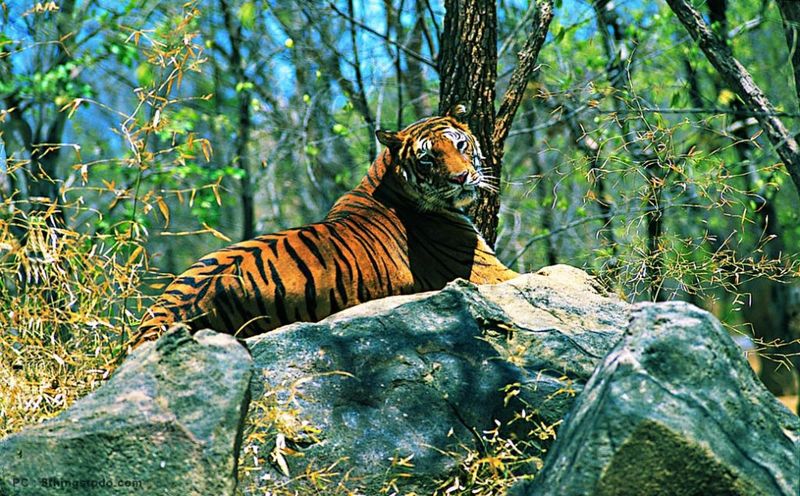
Getting to Namdapha is half the adventure. Located in the far eastern corner of Arunachal Pradesh, this park borders Myanmar and sits within one of the most biodiverse corners of Asia.
It is one of only four places in the world where four big cat species, including tigers, leopards, snow leopards, and clouded leopards, are all confirmed residents. That alone should make every wildlife enthusiast’s jaw drop.
The terrain is rugged, the trails are limited, and tourist infrastructure is minimal by design. Tigers are present but rarely seen, partly because the forest is so dense that even experienced naturalists struggle to track movement effectively.
Visitor numbers remain very low compared to mainstream Indian parks, which means those who do make the journey get a genuinely raw wilderness experience. Namdapha rewards curiosity, physical effort, and a healthy tolerance for uncertainty.
3. Dampa Tiger Reserve, Mizoram, India
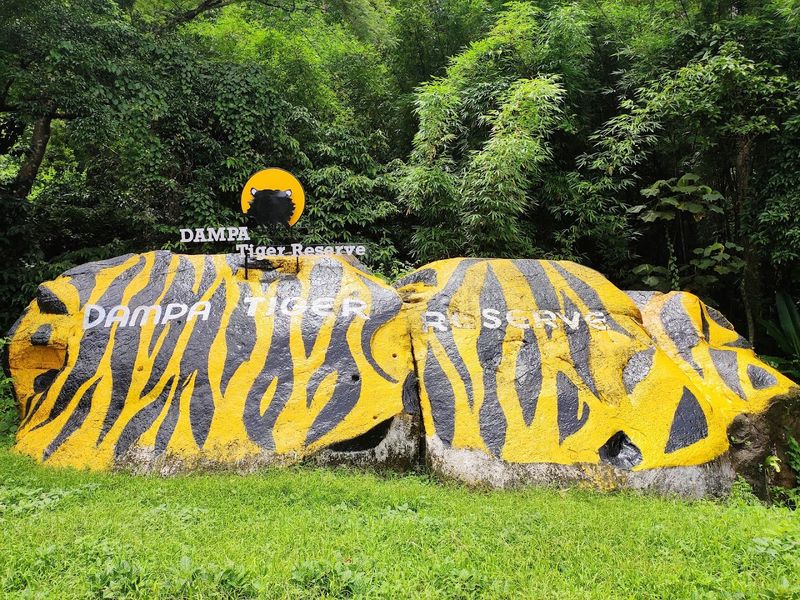
Tucked into the hills of Mizoram near the Bangladesh border, Dampa is the kind of place that serious wildlife travelers mention in hushed tones. It is India’s westernmost tiger reserve, and most people outside the northeast have never heard of it.
The reserve covers about 500 square kilometers of thick tropical forest, and tiger sightings here are genuinely rare even by the standards of this list. Camera trap images confirm tigers are present, but direct encounters during safaris are exceptional events.
What Dampa lacks in tiger visibility, it more than makes up for in atmosphere and exclusivity. Visitor numbers are extremely low, which means the forest feels untouched and the wildlife behaves naturally.
The reserve also supports populations of leopards, clouded leopards, and a range of primate species. For adventurous travelers willing to go well off the beaten path, Dampa offers something most Indian wildlife reserves simply cannot: genuine solitude.
4. Similipal Tiger Reserve, Odisha, India
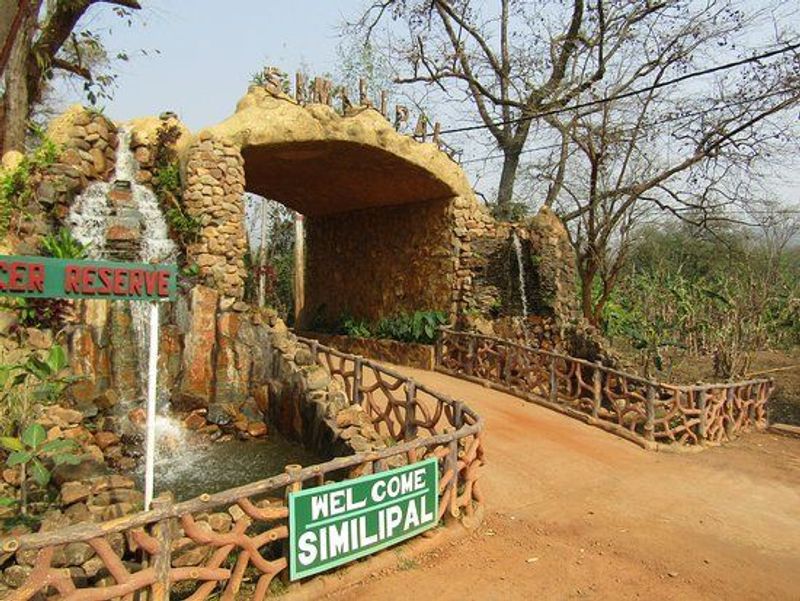
Similipal is Odisha’s pride and one of the largest biosphere reserves in India, covering more than 2,750 square kilometers of hills, forests, and seasonal rivers. The name comes from the silk cotton trees, called simul, that bloom dramatically across the landscape each spring.
Tigers roam freely here, but the vegetation is so dense that most visitors leave with spectacular scenery rather than a tiger photograph. The park is also home to the rare melanistic tiger, a dark-coated variant found almost exclusively in this region, which adds an extra layer of fascination to any visit.
Two major waterfalls, Barehipani and Joranda, sit inside the reserve and draw visitors for reasons beyond wildlife alone. The park operates a limited number of safari vehicles, which keeps the experience from feeling crowded.
Conservation efforts at Similipal have faced challenges over the years, but the tiger population remains stable. Patient visitors who spend multiple days inside the reserve have the best chance of a sighting.
5. Valmiki Tiger Reserve, Bihar, India
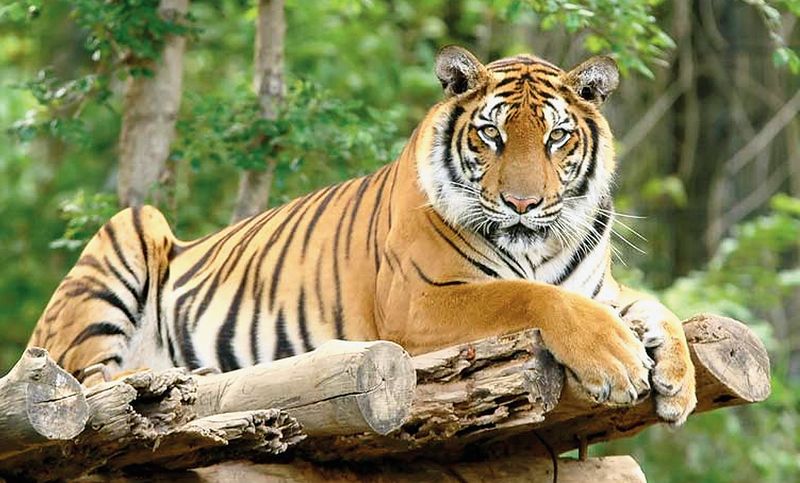
Bihar is not a state most people associate with tiger safaris, but Valmiki Tiger Reserve quietly holds its own against far more famous parks. Situated along the India-Nepal border in the West Champaran district, the reserve forms part of a larger transboundary forest corridor that extends into Nepal’s Chitwan National Park.
Tigers move freely across this corridor, which means the population is healthier than the reserve’s low profile might suggest. Sightings are less frequent than in Madhya Pradesh’s top parks, but they do happen, and the experience carries none of the tourist pressure found in busier destinations.
The reserve supports elephants, leopards, deer, and a healthy bird population alongside its tigers. Jeep safaris are available, and the local tourism infrastructure has improved significantly in recent years.
Valmiki is named after the ancient sage Valmiki, who is said to have composed the Ramayana in this very forest. That historical connection gives the reserve a cultural depth that few wildlife destinations can match.
6. Pakke Tiger Reserve, Arunachal Pradesh, India
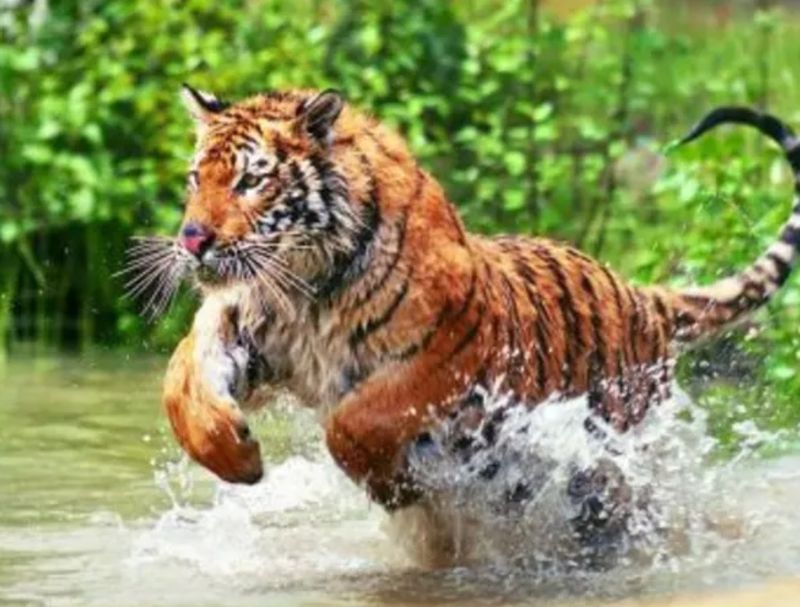
Pakke has a well-deserved reputation as one of northeast India’s finest rainforest reserves, but it is hornbills rather than tigers that usually steal the headlines here. The reserve is a stronghold for the Great Hornbill and several other hornbill species, making it a top destination for birdwatchers from around the world.
Tigers are confirmed residents of Pakke, but the dense forest canopy makes sightings exceptionally rare. Camera traps have documented their presence regularly, and conservationists consider the population healthy relative to the reserve’s size.
The Pakke River flows through the reserve and provides a natural corridor for wildlife movement. Jeep safaris and nature walks are both available, giving visitors different ways to explore the landscape.
One of Pakke’s most notable achievements is its community-based conservation model, which involves local Nyishi tribal communities in protecting hornbill nests. That partnership has become a model for wildlife conservation across India’s northeastern states.
7. Buxa Tiger Reserve, West Bengal, India
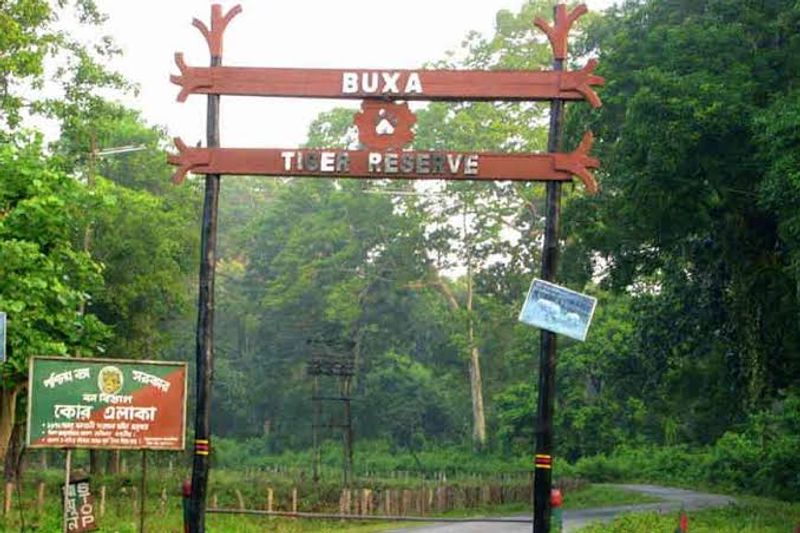
Buxa sits in the Alipurduar district of West Bengal, tucked into the foothills of the eastern Himalayas where the forest meets the plains. It shares borders with Bhutan to the north and connects to Manas National Park through a forest corridor, making it an important piece of a much larger conservation puzzle.
The reserve has faced challenges with tiger numbers over the years, but recent camera trap surveys have confirmed that tigers are actively using the habitat. Sightings during safaris remain rare, partly because the forest is thick and partly because the tigers here tend to stay well away from tourist zones.
Buxa also holds historical significance as the site of a colonial-era fort that was used as a political prison during British rule. Visitors can combine wildlife exploration with a short trek to the ruins, which adds a genuinely interesting dimension to any trip.
Elephants, leopards, and gaur are more reliably spotted here, but the possibility of a tiger encounter keeps wildlife enthusiasts coming back.
8. Kawal Tiger Reserve, Telangana, India
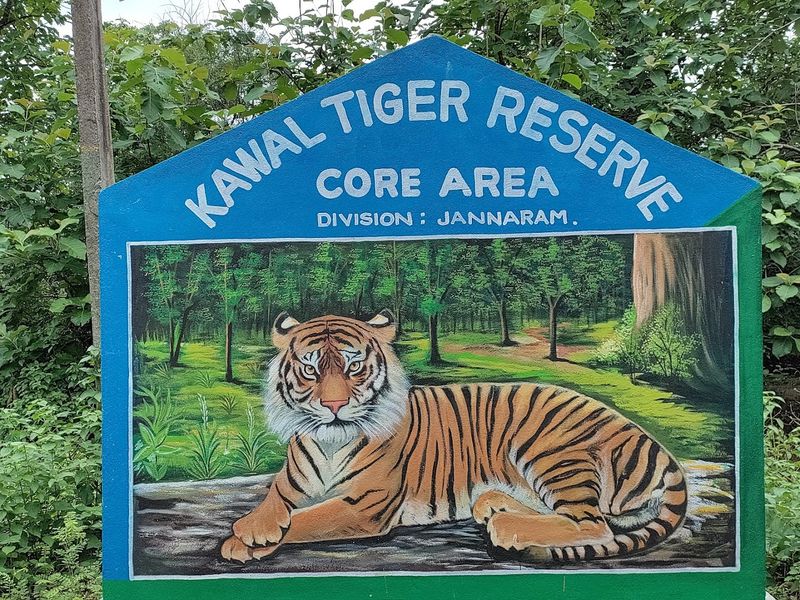
Kawal holds the distinction of being Telangana’s only tiger reserve, and it plays a role that goes well beyond its own boundaries. The reserve sits at the center of a critical forest corridor connecting Pench in Madhya Pradesh to Nagarjunsagar-Srisailam in the south, acting as a vital passage for tigers moving between these larger protected areas.
The landscape is classic central Indian dry deciduous forest, dominated by teak, bamboo, and seasonal streams. Tiger sightings do occur, though they are less frequent than in the well-known parks of Madhya Pradesh or Maharashtra.
Kawal’s relative obscurity works in its favor for visitors seeking a quieter safari experience. The reserve receives far fewer tourists than comparable destinations, which means wildlife encounters feel more natural and less staged.
Conservation work at Kawal has focused on reducing human-wildlife conflict in surrounding villages and maintaining the integrity of the forest corridor. Those efforts have helped stabilize the tiger population over the past decade.
9. Satkosia Tiger Reserve, Odisha, India
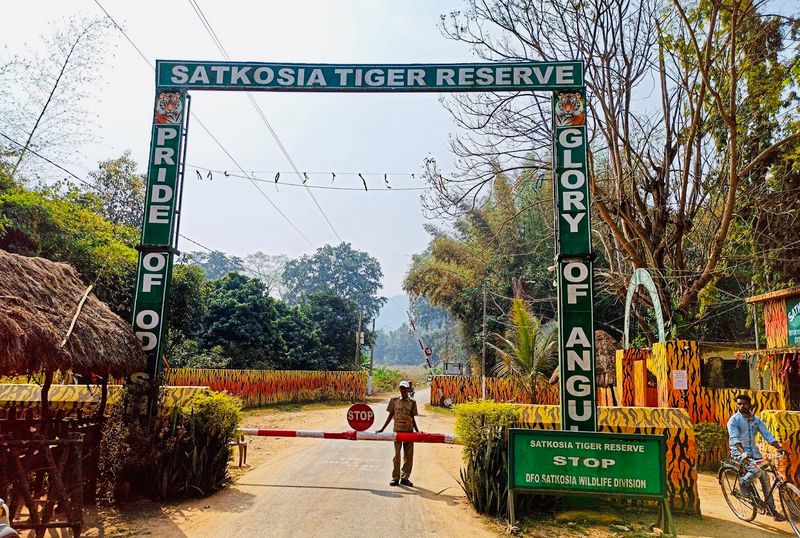
The Mahanadi River cuts through Satkosia in a dramatic gorge that stretches for about 22 kilometers, creating one of Odisha’s most striking natural features. The reserve takes its name from this gorge, and the combination of river, forest, and steep rocky walls gives the landscape a character unlike any other tiger reserve in India.
Tigers are present throughout the reserve’s forests, but confirmed sightings during safaris are uncommon. The terrain offers plenty of cover, and the tigers here are not accustomed to regular vehicle presence the way tigers in busier parks sometimes become.
Satkosia is also notable for its gharial and mugger crocodile conservation program along the Mahanadi River. Boat safaris on the river offer a completely different kind of wildlife encounter and are a highlight of any visit.
10. Palamau Tiger Reserve, Jharkhand, India
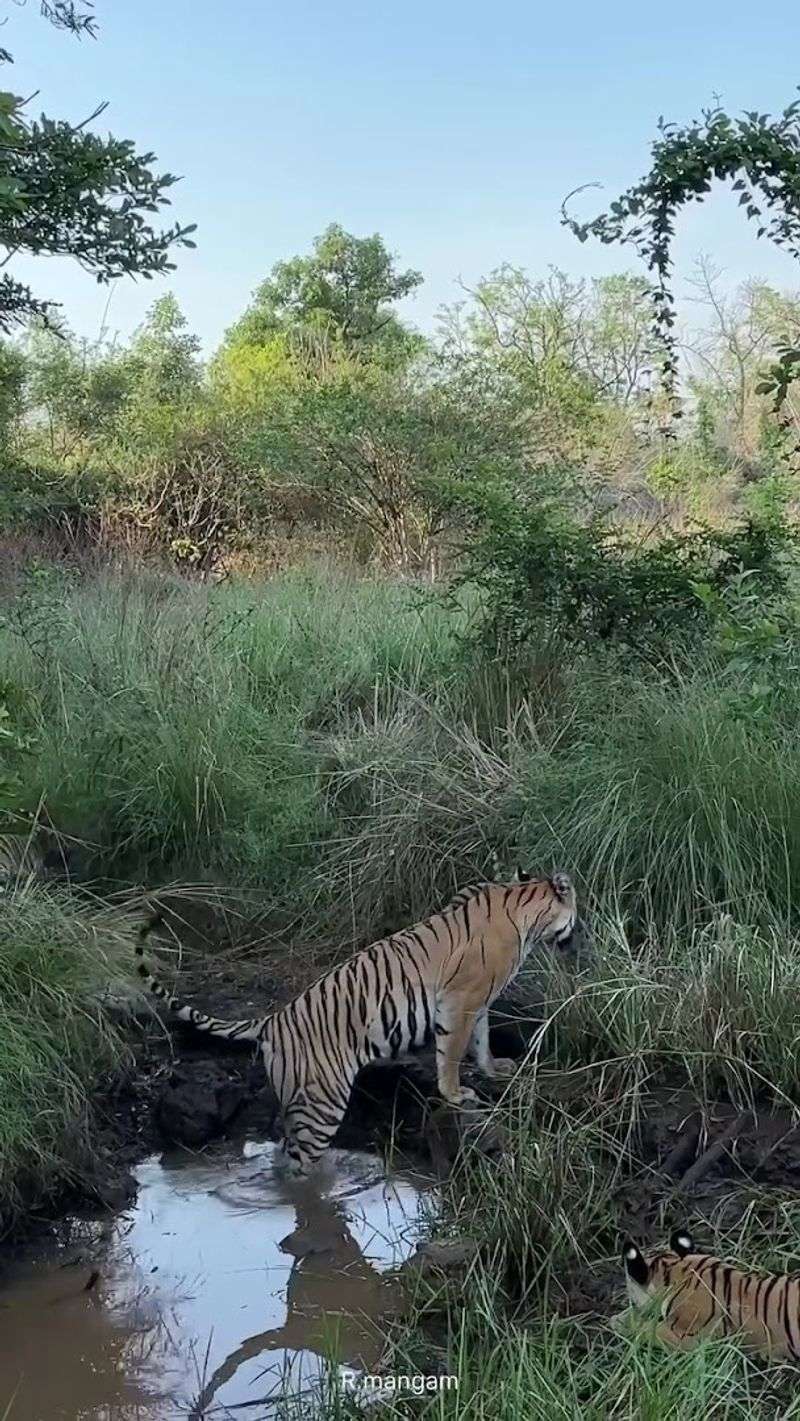
Palamau has a claim to fame that no other Indian tiger reserve can match: it was one of the nine original reserves selected when Project Tiger launched in 1973, making it a founding pillar of India’s entire tiger conservation program. That historical weight adds a meaningful layer to any visit.
Tiger sightings at Palamau are rare today, and the reserve has faced significant conservation challenges over the decades. However, recent surveys have confirmed that tigers continue to use the landscape, and efforts to strengthen protection are ongoing.
The reserve contains two historic forts built by the Chero dynasty, which sit within the forest and can be visited during safari drives. That combination of wildlife and history makes Palamau genuinely distinctive among India’s protected areas.
11. Nagarjunsagar-Srisailam Tiger Reserve, Andhra Pradesh and Telangana, India
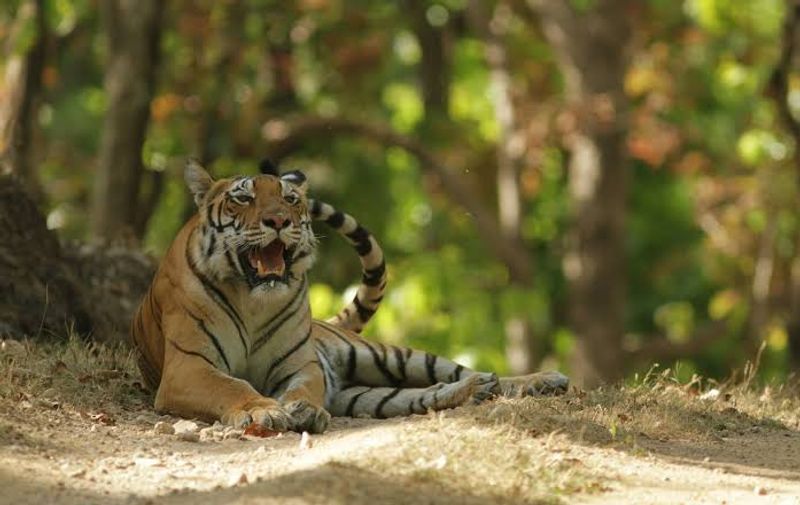
By sheer size alone, this reserve commands respect. Nagarjunsagar-Srisailam is one of India’s largest tiger reserves, covering roughly 3,568 square kilometers across two states, Andhra Pradesh and Telangana, with the Krishna River running through its core.
The landscape is a mix of deep gorges, rocky hills, and dense forests that give tigers enormous space to roam without ever coming close to a safari vehicle. That vastness is precisely why sightings are rare, but it is also what makes the ecosystem so healthy and self-sustaining.
The reserve is divided into multiple zones, and access for tourists is restricted to certain areas. Jeep safaris operate in the buffer zones, where encounters with leopards, sloth bears, and wild dogs are more common than tiger sightings.
12. Indravati Tiger Reserve, Chhattisgarh, India
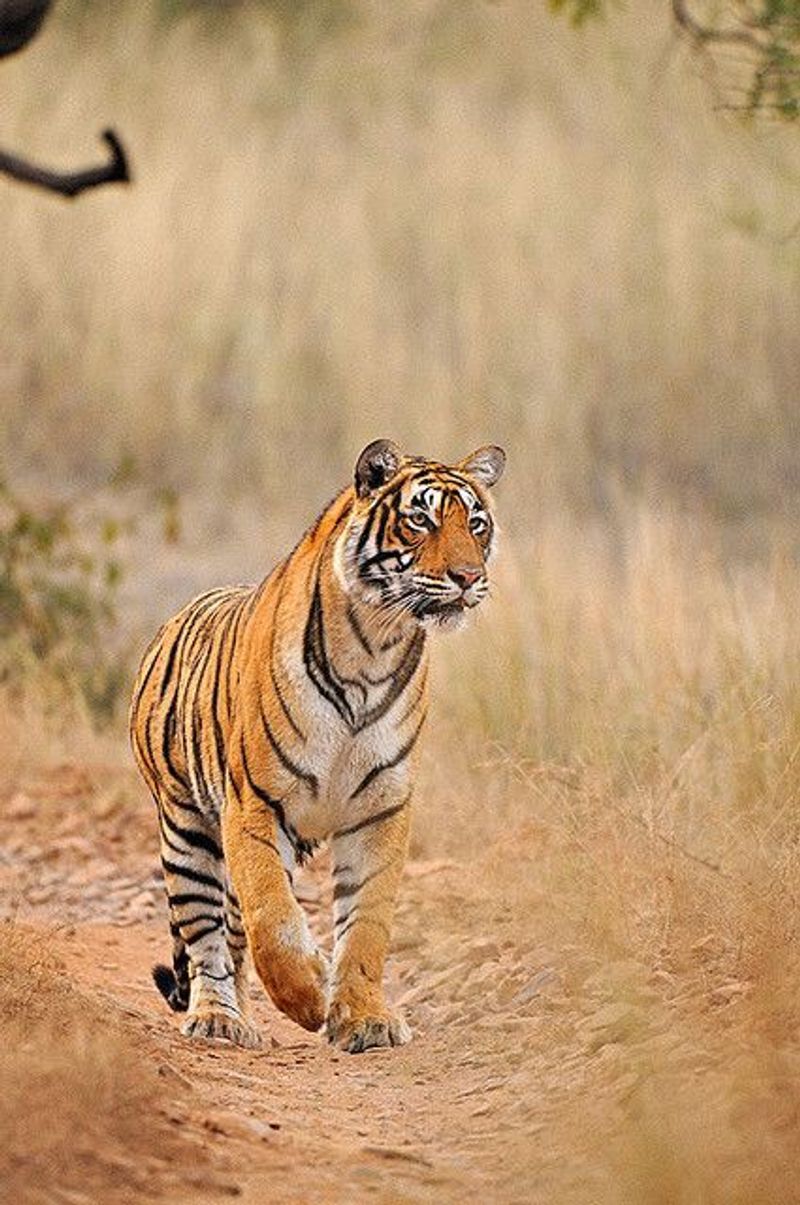
Indravati sits in the Bastar region of Chhattisgarh, one of the most remote and least-visited corners of central India. The reserve takes its name from the Indravati River, which forms its northern boundary and supports a rich riparian ecosystem within the broader forest landscape.
The park once held a significant tiger population, but numbers declined sharply due to various pressures over the years. Conservation efforts have continued, and camera trap evidence confirms that tigers still inhabit the reserve, though direct sightings during safaris are genuinely uncommon.
Indravati is also important for its wild buffalo population, one of the last significant populations of this species in India. That alone gives the reserve a conservation value that extends well beyond its tiger numbers.
13. Periyar Tiger Reserve, Kerala, India
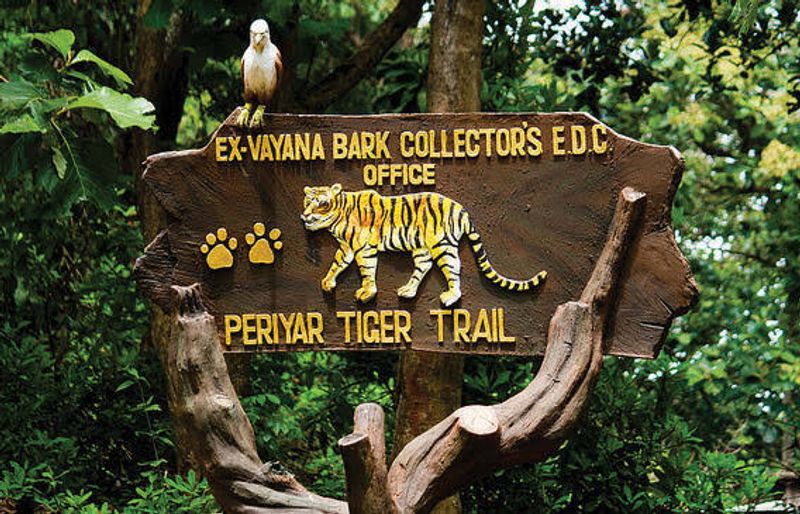
Periyar is probably the most visually dramatic reserve on this entire list. Built around an artificial lake created by the Mullaperiyar Dam in 1895, the reserve offers boat safaris across the water with forested hills rising on every side, and elephants frequently wading along the shoreline.
Tigers live within Periyar’s forests, but the dense Western Ghats vegetation makes them exceptionally difficult to spot. Most visitors come primarily for the elephant sightings and the boat safari experience, with any tiger encounter being a rare and celebrated bonus.
The reserve covers about 925 square kilometers and is one of the most biodiverse protected areas in South Asia. It falls within the Nilgiri Biosphere Reserve, which connects several major protected areas across Kerala, Tamil Nadu, and Karnataka.
14. Anamalai Tiger Reserve, Tamil Nadu, India
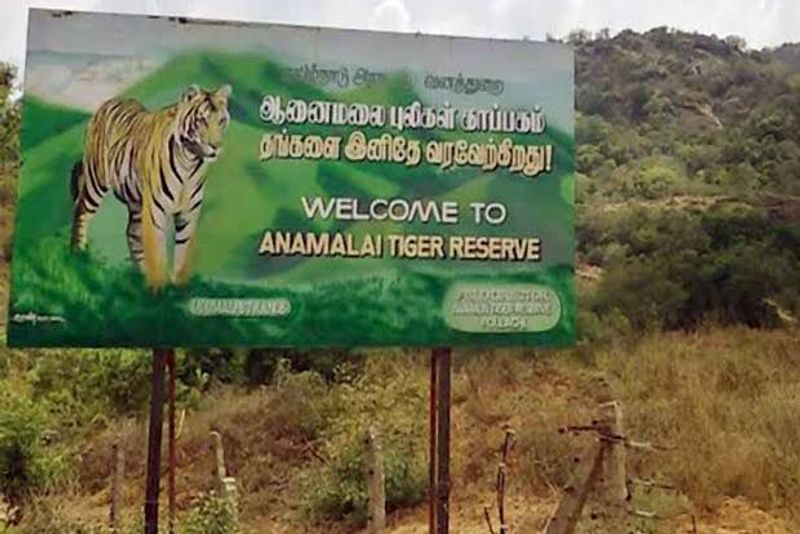
Formerly called the Indira Gandhi Wildlife Sanctuary and National Park, Anamalai protects a significant stretch of the Western Ghats in the Coimbatore and Tiruppur districts of Tamil Nadu. The name Anamalai means Elephant Mountain in Tamil, which gives you a reasonable indication of what you are most likely to encounter here.
Gaur, Asian elephants, leopards, and a remarkable variety of bird species are all regularly spotted during safaris. Tigers inhabit the reserve too, but they tend to stay well within the core forest zones that are off-limits to tourist vehicles, making sightings genuinely exceptional.
The reserve encompasses several elevation zones, from tropical dry forests at lower altitudes to shola grasslands at higher elevations, which supports an unusually wide range of species within a single protected area.
Share this story