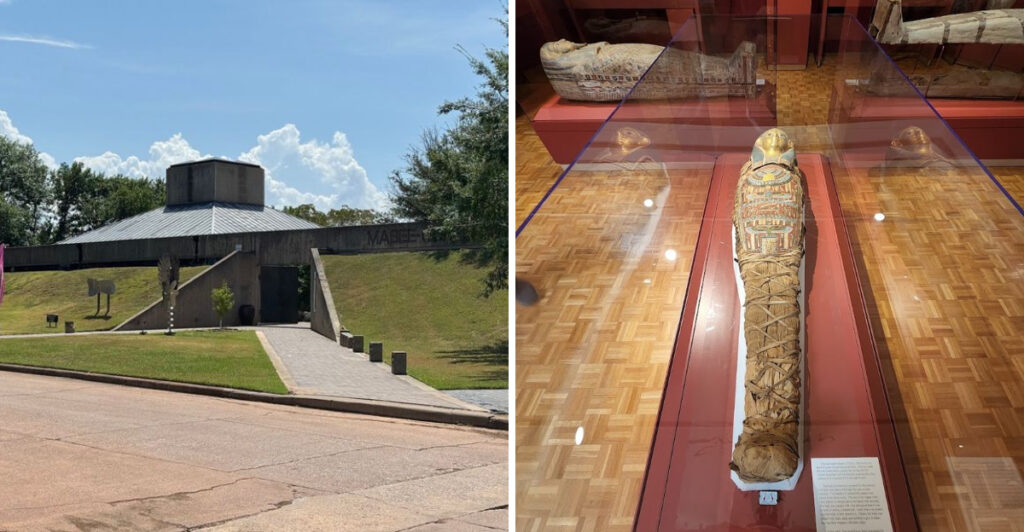
There is a small museum tucked away in central Oklahoma that holds artifacts most people would expect to find only in major cities like New York or Chicago. Real Egyptian mummies, Amazonian shrunken heads, Greco-Roman pottery, Native American cultural objects, and oil paintings by a Benedictine monk all share the same roof.
The collection spans thousands of years and dozens of cultures, yet the building itself is modest and welcoming. Once you step through the doors, you quickly realize this place is unlike anything else in the state.
Where You Will Find This Extraordinary Place
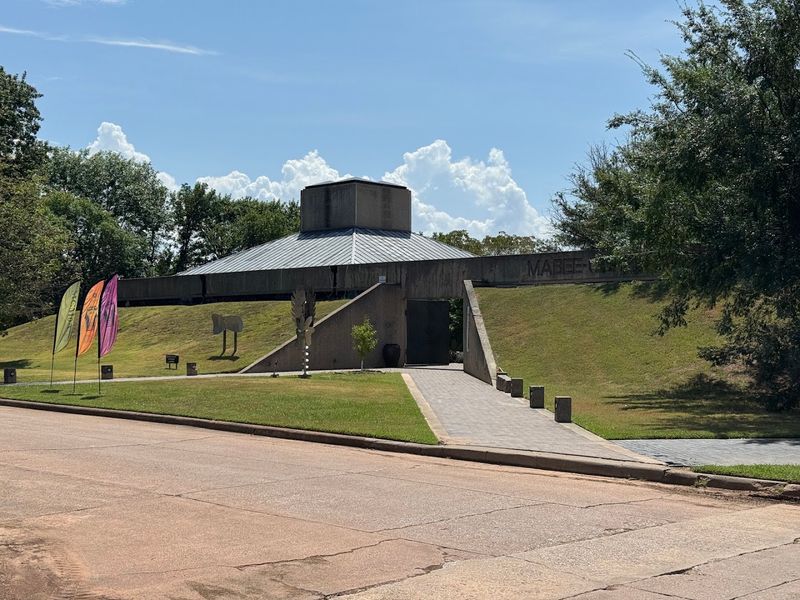
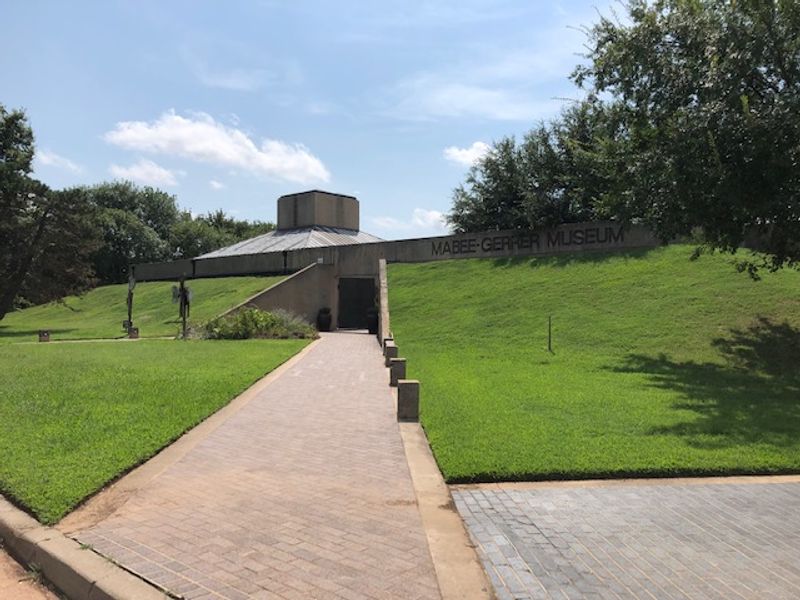
The address is 1900 W MacArthur St, Shawnee, Oklahoma 74804, and the museum sits on the campus of St. Gregory’s University, a Benedictine institution with deep roots in the region. Shawnee is about 35 miles east of Oklahoma City, making this a very manageable day trip from the metro area.
The museum is named after the Mabee Foundation, which provided critical funding, and Father Gregory Gerrer, the Benedictine monk who spent decades building the collection from scratch. Gerrer traveled internationally, acquiring art and artifacts with a scholar’s eye and a collector’s passion.
The front courtyard is peaceful and well-kept, offering a calm transition from the parking lot into the museum experience. Many visitors mention how the quiet grounds set a reflective tone before they even reach the front door.
Hours run Tuesday through Saturday from 10 AM to 5 PM and Sunday from 1 to 4 PM, with Monday closures. The phone number is +1 405-878-5300, and the website is https://www.mgmoa.org/ for event updates and exhibit news.
The Egyptian Mummy That Started It All
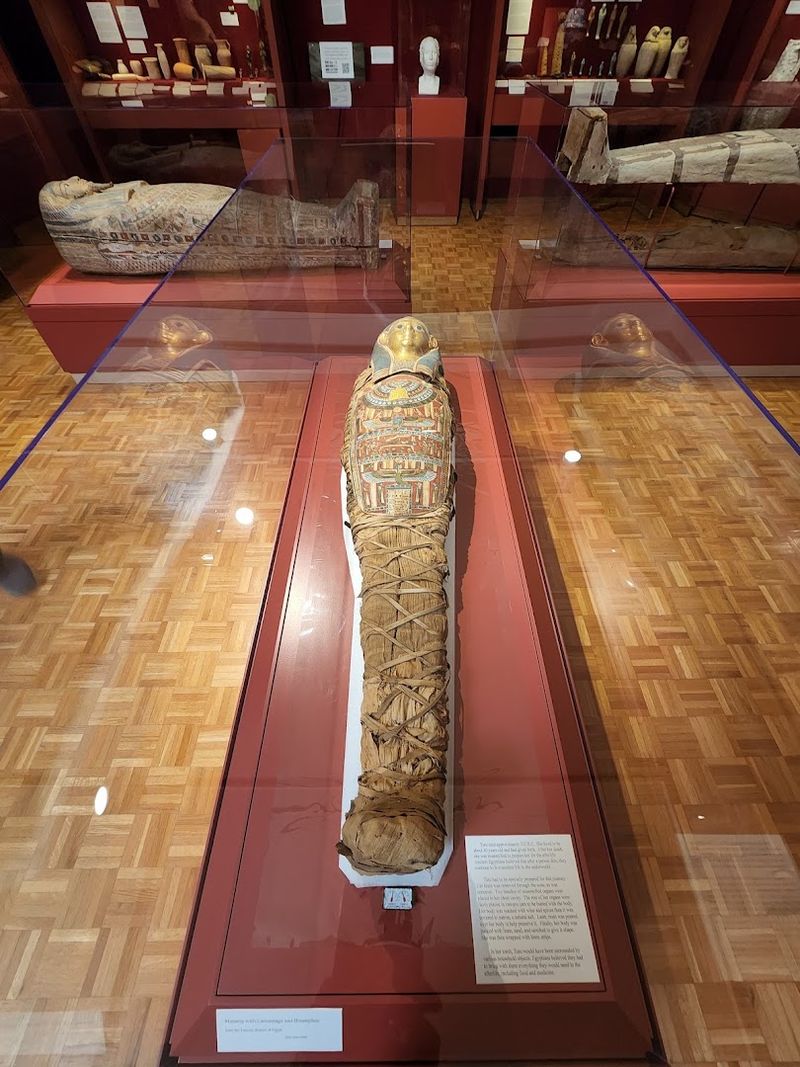
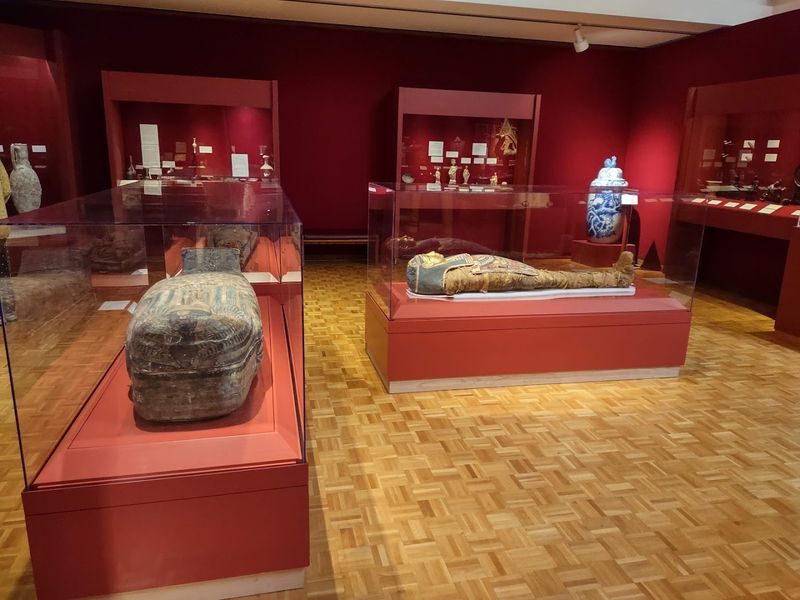
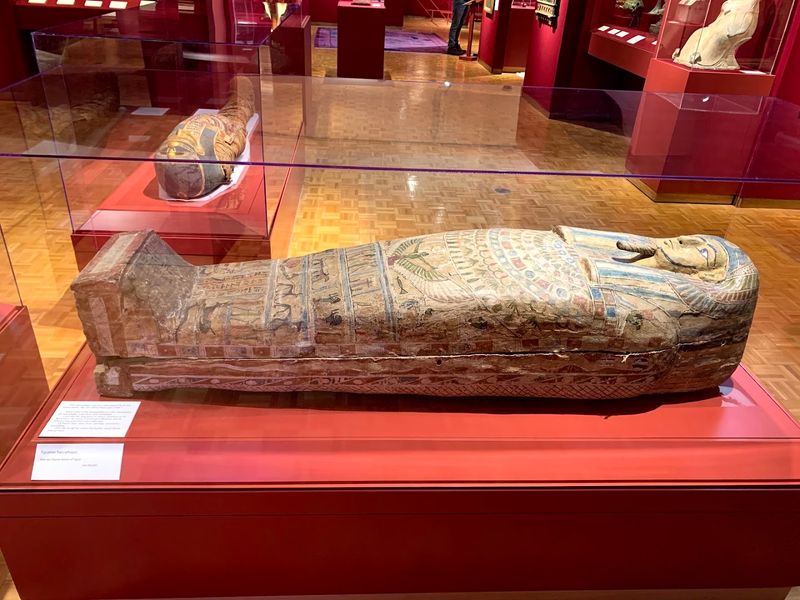
For many first-time visitors, the Egyptian mummy is the reason they walk through the door, and it absolutely delivers. The mummy on display at this museum is a genuine ancient Egyptian human remain, not a replica or a reproduction, which makes standing in front of it a genuinely surreal experience.
The museum provides contextual information around the display so visitors can understand who these individuals might have been, how mummification worked, and what ancient Egyptians believed about the afterlife. That educational framing turns what could be a shock-factor exhibit into something genuinely thought-provoking.
Younger visitors tend to have very different reactions to the mummy. Some are completely fascinated, while others prefer to move on quickly, which is a perfectly reasonable response to seeing a preserved human body thousands of years old.
The mummy is a permanent part of the collection, so it is reliably there on any visit. Special programming, like the popular Mummy Day events, brings in extra activities and knowledgeable staff who can answer detailed questions about the artifact and its historical context.
It is the kind of exhibit that stays with you long after you leave.
Amazonian Shrunken Heads and the Story Behind Them
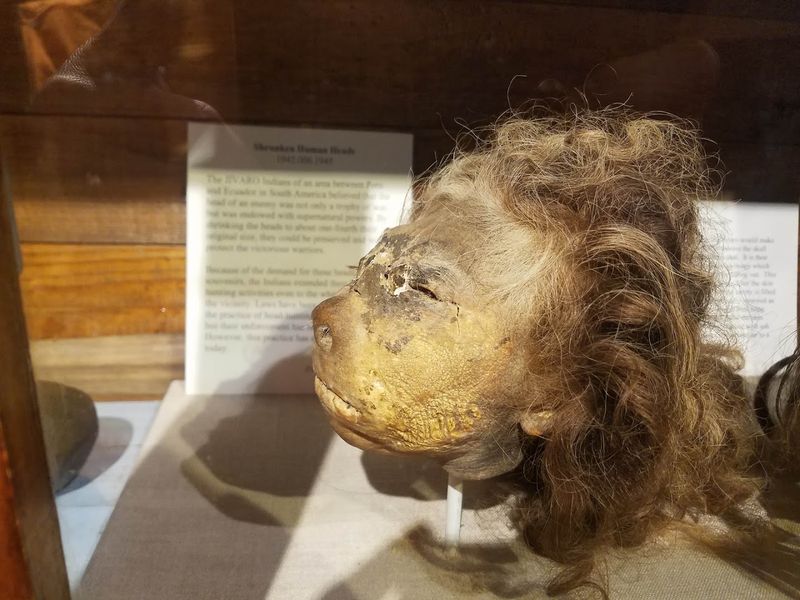
Few museum exhibits in the entire country can claim to have shrunken heads on display, and this one in Shawnee, Oklahoma does exactly that. The shrunken heads in the collection are genuine tsantsa, created by indigenous Amazonian peoples, and they represent one of the most talked-about displays in the entire museum.
The museum does not simply put these objects behind glass and leave visitors to wonder. Informational materials explain the cultural and ritual context behind tsantsa creation, including the specific process involved, which gives visitors a much deeper understanding of why these objects existed in the first place.
Reactions to this exhibit tend to be strong. Some visitors describe it as one of the most memorable things they have ever seen in any museum, anywhere.
Others appreciate how the museum handles the display with a balance of honesty and respect for the cultures involved.
The shrunken heads are part of a broader anthropological section that includes artifacts from Africa, Asia, and the Americas, so the Amazonian objects sit within a larger conversation about human culture across continents. That context makes the exhibit feel like education rather than spectacle, which is a meaningful distinction for a collection of this nature.
Father Gregory Gerrer and the Vision Behind the Collection
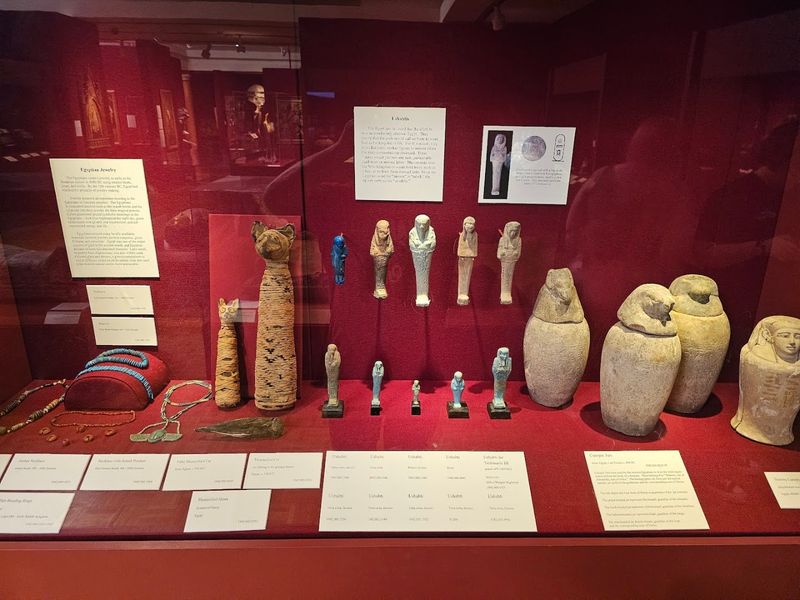
The entire museum owes its existence to one remarkably driven individual. Father Gregory Gerrer was a Benedictine monk, a trained painter, and an obsessive collector who spent the late 19th and early 20th centuries acquiring art and artifacts from around the world with a seriousness of purpose that would impress any museum professional today.
Gerrer studied painting in Europe and became skilled enough that his portraits attracted serious attention. His oil paintings are part of the permanent collection, and seeing his own work displayed alongside the pieces he collected creates a fascinating dual portrait of the man himself.
What makes Gerrer’s story even more compelling is the sheer range of his collecting interests. He did not focus on one culture or one time period.
He pursued ancient Egyptian objects, Greco-Roman pottery, Native American artifacts, European religious art, and much more, often during the same era when many of these objects were just becoming available to Western collectors.
Only about 4% of Gerrer’s total collection is on display at any given time due to building size limitations, which means the museum rotates exhibits regularly. That single fact transforms the museum from a one-time visit into a recurring destination worth returning to across different seasons.
Greco-Roman Pottery, Coins, and Ancient Artifacts
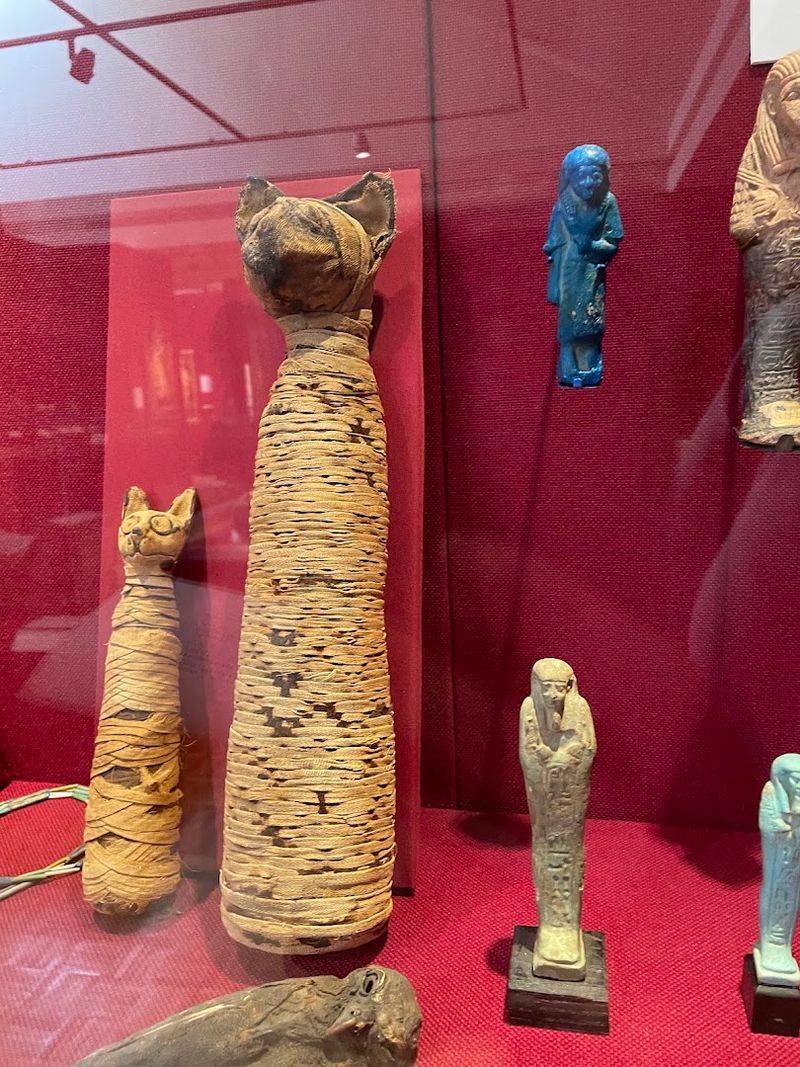
Ancient Greek and Roman objects are not something most people expect to find in a small Oklahoma museum, but the collection here includes genuine Greco-Roman pottery, coins, and ollas that span centuries of Mediterranean history. These pieces have real age and real provenance, which makes browsing the cases feel more like a history lesson than a casual afternoon out.
The pottery section is particularly strong, with pieces that show a range of styles and functions from ancient daily life. Seeing a clay vessel that a person in ancient Greece might have used for storing oil or grain creates a surprisingly personal connection across thousands of years.
The coins are another highlight in this section. Ancient currency from the classical world carries a tactile history that photographs simply cannot replicate, and the museum displays them with enough context to help visitors understand their place in the broader ancient economy.
This part of the collection tends to appeal to visitors who come in expecting the mummy and shrunken heads, then find themselves lingering much longer than planned over pottery and coinage from civilizations they studied in school. The Greco-Roman section is a quiet reminder that this museum has genuine depth beyond its most headline-grabbing exhibits.
African Tribal Masks and Cultural Artifacts
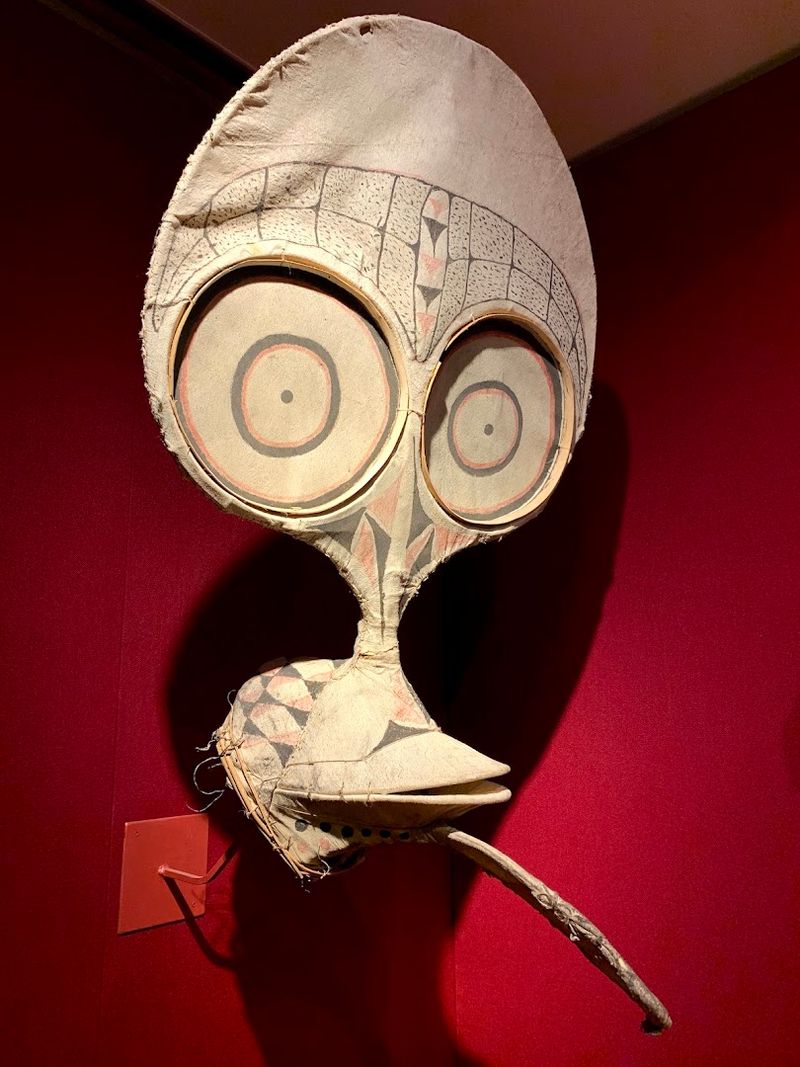
The African collection at this museum is one of its most visually striking sections. Dogon masks from Mali and other ceremonial objects from across the African continent are displayed with care, and the visual impact of seeing these pieces up close is immediate and powerful.
Dogon masks in particular carry enormous cultural weight. They were created for specific ceremonial purposes within the Dogon community of West Africa, and their geometric designs and layered symbolism reward close attention.
The museum provides enough background information to help visitors appreciate what they are looking at rather than simply reacting to the visual surface.
Beyond the Dogon pieces, the African collection includes objects from multiple cultural traditions, reflecting the continent’s enormous diversity. The variety alone challenges the tendency to think of African art as a single unified category rather than the product of hundreds of distinct cultures and traditions.
Visitors who spend time in this section often note how it changes their sense of the museum’s overall scope. What starts as a trip to see a mummy gradually reveals itself as a genuinely global collection, and the African artifacts play a central role in making that point.
Each mask seems to have its own personality, which keeps the browsing experience fresh from case to case.
Native American Art and Cultural Objects
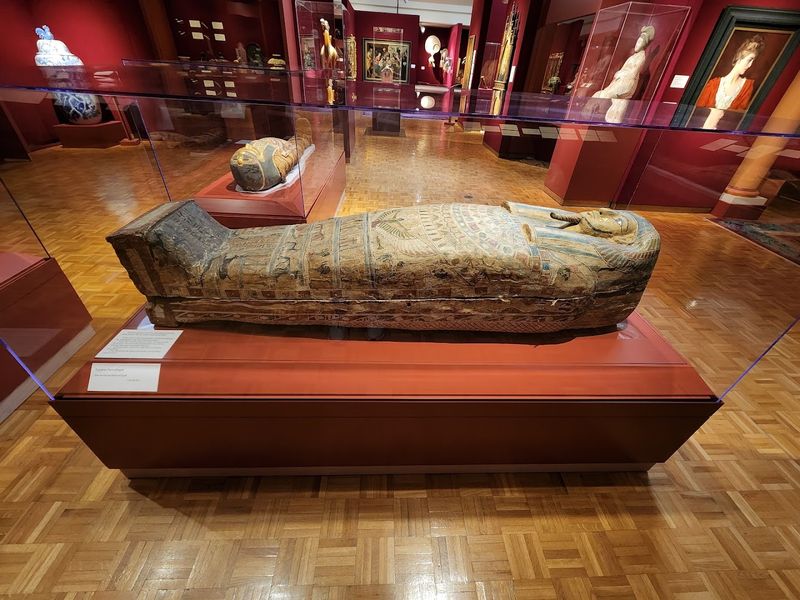
Oklahoma has one of the most significant Native American cultural histories of any state in the country, and this museum honors that context with a dedicated section of indigenous art and cultural objects. The collection includes clothing, tools, and other items from various tribal traditions, presented with the kind of respect and context the subject deserves.
The geographic location of the museum adds meaning to this part of the collection. Shawnee, Oklahoma sits in a region with deep Native American heritage, and the museum’s commitment to representing indigenous cultures feels both appropriate and important given that setting.
The clothing on display is particularly impressive. Beadwork, textile construction, and decorative elements from various tribal traditions demonstrate a level of craftsmanship that takes time to fully appreciate.
These are not simple objects but complex expressions of cultural identity and artistic tradition.
Visitors who come primarily for the Egyptian and Amazonian exhibits often find the Native American section to be an unexpected highlight of their visit. The combination of geographic relevance and artistic quality makes this part of the collection feel grounded in a way that complements the more internationally focused sections of the museum.
It is a strong reminder that remarkable cultural heritage exists right here in Oklahoma.
The Madonna and Child Collection and Religious Art
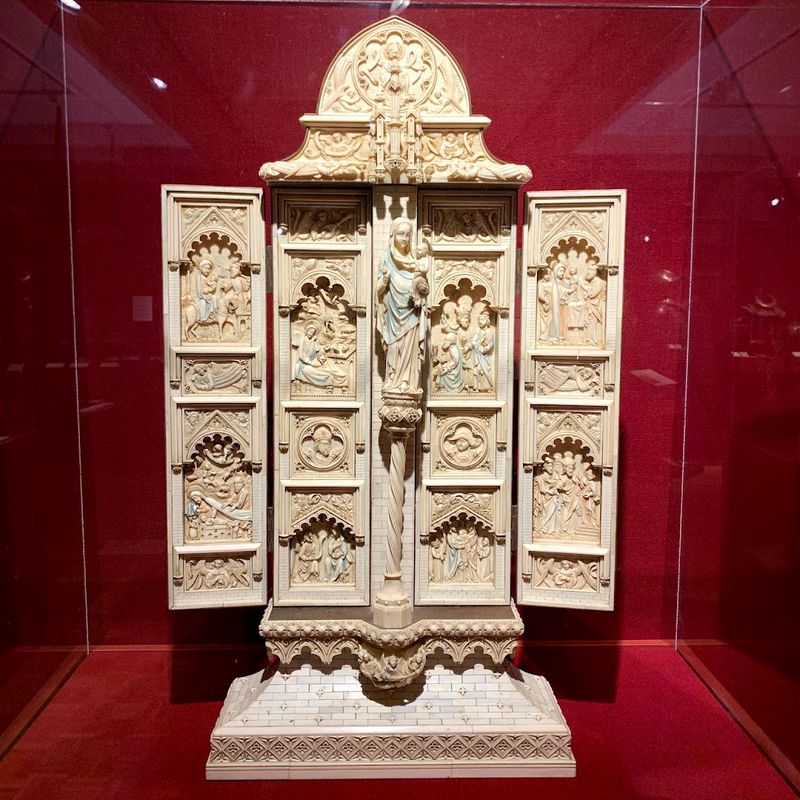
One of the more unexpected highlights for many visitors is the Madonna and Child collection, which features a rotating display of works depicting this subject across different artistic traditions and time periods. The range of styles represented is genuinely impressive, from Renaissance-influenced oil paintings to more contemporary interpretations.
The religious art section reflects Father Gerrer’s background as a Benedictine monk, and his personal investment in this part of the collection is visible in its quality and breadth. These are not generic devotional images but carefully selected works that represent real artistic achievement across centuries of Christian art history.
Tutu, a permanent resident of the museum referenced affectionately by regular visitors, remains on display while the broader Madonna and Child exhibit rotates around special occasions like Valentine’s Weekend. That rotating schedule gives the religious art section a dynamic quality that rewards repeat visits at different times of year.
The stained glass windows within the museum building add another dimension to the religious art experience. Several visitors specifically mention the beauty of the interior windows, which filter light in ways that enhance the atmosphere of the entire space.
The combination of paintings, sculpture, and architectural detail makes this section feel complete rather than fragmentary.
A Scavenger Hunt That Keeps Kids Fully Engaged
Bringing children to a museum and keeping them genuinely interested for more than twenty minutes is a challenge most parents know well. The scavenger hunt program at this museum solves that problem with real elegance, sending kids through the galleries with a mission that turns passive observation into active discovery.
The hunt leads children through multiple sections of the museum, which means they end up seeing far more of the collection than they might have on their own. By the time they reach the treasure chest at the end and open it with a special key, they have covered Egyptian artifacts, cultural objects, paintings, and more without ever feeling like they were being lectured.
Parents consistently report that their children come away from the scavenger hunt with genuine enthusiasm about specific things they discovered. One child might fixate on the mummy while another becomes fascinated by a piece of pottery, and the hunt creates space for both of those individual interests to develop naturally.
The activity is well-designed for multiple age groups, which means families with children at different developmental stages can all participate without anyone feeling left out or bored. The museum clearly understands that a child’s first positive experience with art and history can shape a lifetime of curiosity, and the scavenger hunt delivers on that understanding consistently.
Admission, Hours, and What to Expect on Arrival
One of the most pleasant surprises about this museum is its admission policy. The museum has offered free admission during certain periods, including summer months, and even when a fee applies, it is consistently described by visitors as very reasonable for the quality and quantity of what is on display inside.
The operating hours are Tuesday through Saturday from 10 AM to 5 PM, and Sunday from 1 to 4 PM. The museum is closed on Mondays, so planning around that detail will save a wasted trip.
Arriving with enough time to spend at least an hour is strongly recommended, because the collection rewards slow browsing rather than quick walkthroughs.
The staff and volunteers at the front desk are frequently praised for being friendly, knowledgeable, and genuinely helpful. The museum has a welcoming atmosphere that makes first-time visitors feel comfortable asking questions and lingering over exhibits that catch their interest.
The building is clean and well-maintained, which matters more than it might seem when you are spending time studying detailed artifacts and artworks up close. Good lighting and clear labeling throughout the galleries make the experience accessible to visitors of all backgrounds and knowledge levels, whether they are seasoned art enthusiasts or complete newcomers to museum culture.
The Gift Shop and Souvenirs Worth Taking Home
The gift shop at this museum has earned its own reputation among visitors, which is not something every small museum can claim. The selection of items is described as unique and varied, with options that go beyond the typical postcard-and-magnet assortment found in most museum stores.
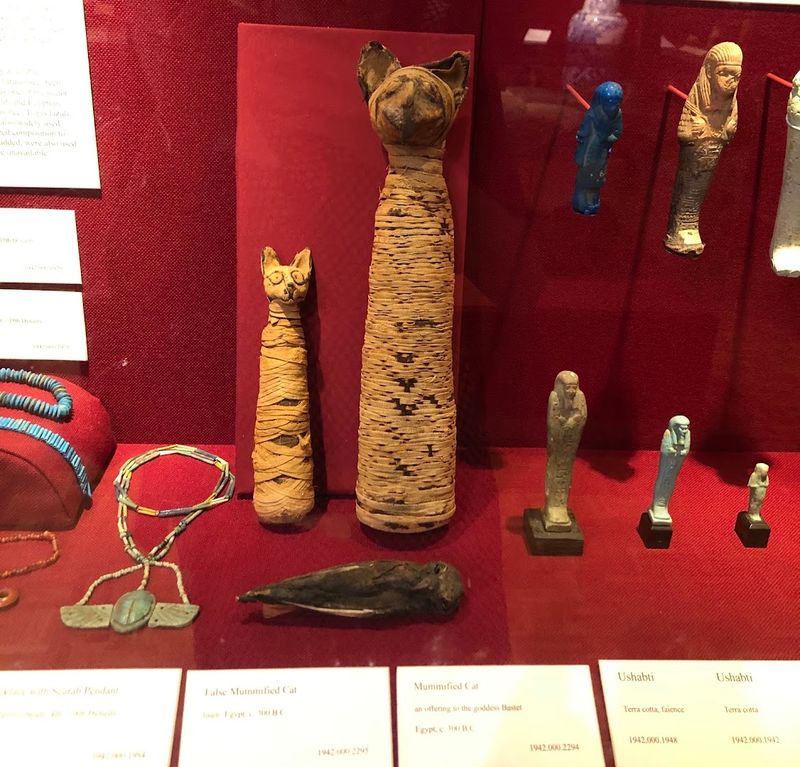
Egyptian-themed items are naturally popular given the mummy exhibit, and small figurines like an Egyptian cat statue make for memorable and affordable souvenirs that connect directly to what visitors just experienced inside the galleries. The price points are reasonable enough that picking up a few items does not require a difficult budget decision.
Beyond the Egyptian items, the shop carries a broader range of art-related merchandise, books, and cultural objects that reflect the diverse nature of the collection itself. Browsing the gift shop after a tour of the museum feels like a natural extension of the experience rather than a commercial afterthought.
The shop is also a good place to find something meaningful for a friend or family member who could not make the trip. Because the items skew toward the specific and the unusual rather than the generic, they tend to spark conversations and tell a story about where they came from.
A souvenir from this museum is genuinely harder to find anywhere else, which gives it lasting value beyond its price tag.
Why This Museum Deserves a Spot on Your Oklahoma Itinerary
A museum that holds only 4% of its full collection on display at any given time and still manages to pack Egyptian mummies, Amazonian shrunken heads, Greco-Roman pottery, African masks, Native American artifacts, and European religious paintings into one building is doing something genuinely remarkable. The Mabee-Gerrer Museum of Art in Shawnee, Oklahoma earns its 4.8-star rating across hundreds of reviews through consistent quality and genuine curatorial ambition.
The rotating exhibit schedule means that no two visits are exactly alike, which transforms this from a check-it-off-the-list destination into a place worth returning to across different seasons and years. Regular visitors confirm that they keep finding new things to notice even in sections they have seen before.
The museum works equally well for solo visitors, couples, school groups, and families with children of various ages. The scavenger hunt engages younger visitors, the depth of the collection satisfies serious art enthusiasts, and the overall atmosphere is calm and inviting enough that no one feels out of place.
Central Oklahoma has plenty of things to do, but very few experiences offer this particular combination of world-class artifacts, local history, and genuine surprise. A Saturday morning drive to Shawnee for a few hours at this museum is the kind of outing that tends to become a regular habit once you have made the trip once.
Share this story