Growing up in the ’90s meant living in a world that looked completely different from today. There were no smartphones, no streaming services, and no cloud storage.
Instead, everyday life was filled with gadgets, toys, snacks, and habits that felt totally normal back then but seem almost unbelievable now. From carrying coins for payphones to waiting for dial-up internet to connect, the decade had its own rhythm and rules.
If you hand a ’90s relic to a kid today, you might get a blank stare or a confused laugh. That reaction is actually a pretty good reminder of how fast technology and culture can change.
Whether you lived through it or just heard about it, this list brings back the everyday objects that defined a generation and shaped what growing up in that decade actually felt like.
Pagers
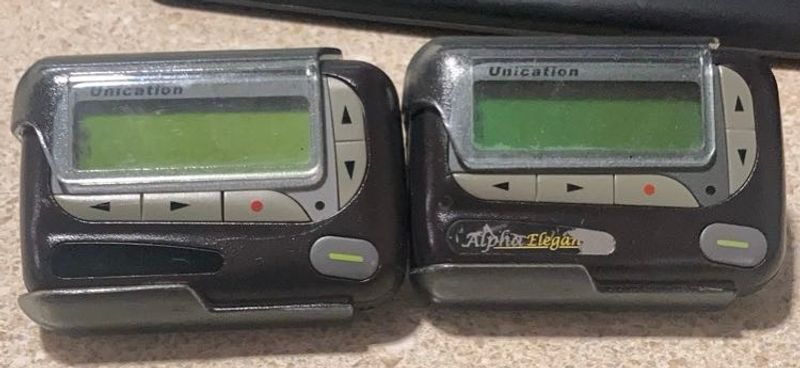
Before anyone had a cell phone clipped to their ear, a buzzing pager on your belt was the signal that someone needed you. Pagers, also called beepers, were small devices that received numeric messages, usually a phone number, telling you to call someone back.
They did not send words. They sent urgency.
The system required trust and a nearby payphone. You saw the number, found a quarter, and made the call.
There was something almost theatrical about the whole process, like being part of a network only certain people could access. Doctors used them.
Business people used them. And then, somehow, teenagers started using them too.
Today, explaining a pager to someone who has never seen one is genuinely difficult. The idea of a device that only tells you to call someone back feels like a riddle.
But in the ’90s, that little buzz meant everything.
Rotary Phones
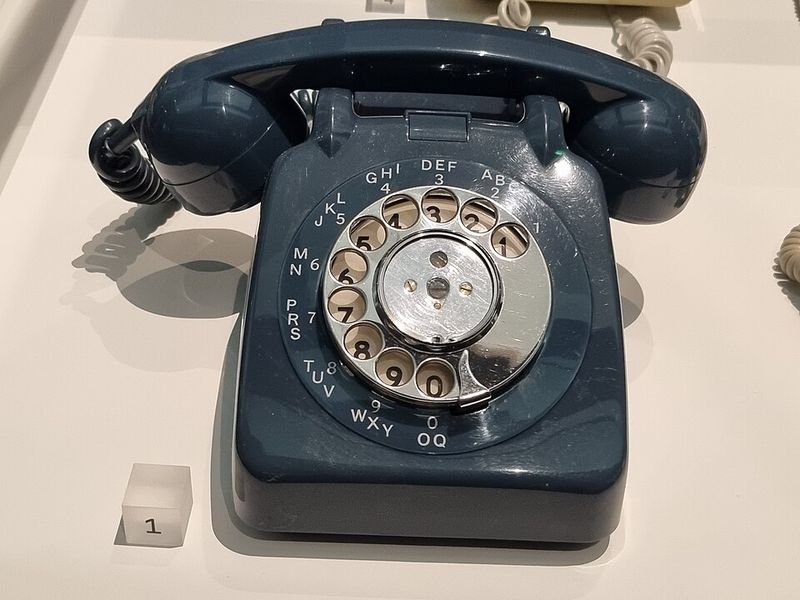
Making a phone call used to require patience before the first word was even spoken. Rotary phones worked by placing your finger into a numbered hole on the dial, turning it clockwise, and waiting for it to spin back before moving to the next digit.
Dialing a number with several nines was a genuine test of willpower.
By the ’90s, push-button phones had mostly taken over, but rotary models were still hanging on in older homes, particularly in kitchens and hallways where they had lived for decades. They were heavy, loud, and completely without any modern features.
No hold button. No caller ID.
No speaker mode.
What they did have was a certain gravity. Picking up that thick receiver and hearing a clear dial tone felt deliberate.
Today, rotary phones mostly appear as vintage decor or conversation pieces, quietly reminding people that calling someone once required actual effort and mechanical patience.
Payphones
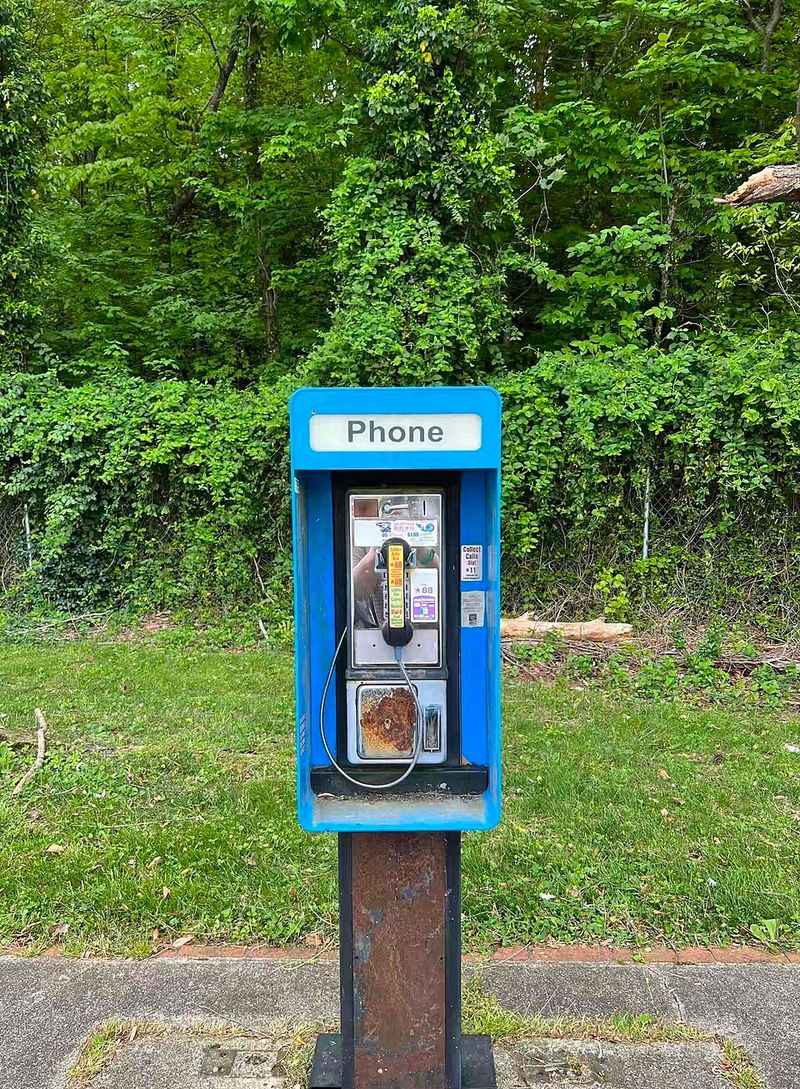
Payphones were everywhere in the ’90s. Shopping malls, gas stations, school lobbies, bus stops, airport terminals, and street corners all had them.
If you needed to reach someone, you found a payphone, checked your pockets for coins, and hoped the line was not busy.
The experience was completely public. Anyone nearby could hear your conversation, which made some calls feel rushed and others feel oddly dramatic.
If someone was waiting behind you, the pressure was real. The calls were short, purposeful, and usually necessary rather than casual.
Mobile phones slowly made payphones obsolete, and most disappeared without any formal goodbye. Seeing one now feels genuinely strange, like spotting an artifact from a world that moved on without looking back.
For anyone who grew up searching for a working payphone with a handful of change, they represent something specific: a time when leaving home meant being truly unreachable unless you planned ahead.
Floppy Disks
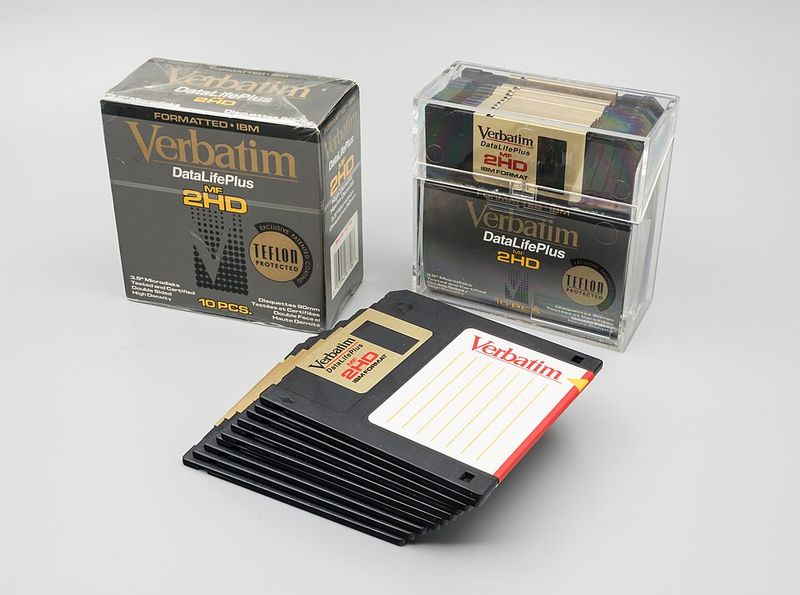
Floppy disks were the portable hard drives of the ’90s, except they could hold only a tiny fraction of what modern storage handles in seconds. The standard 3.5-inch disk, despite being encased in hard plastic, was surprisingly fragile.
A scratch, a magnet, or a bad day could wipe everything you had saved.
Students carried them between home and school to transfer assignments. Computer labs had stacks of them near every machine.
Writing your name on the label with a marker felt like an important act of ownership. Losing a disk before a big project was due was a legitimate crisis.
The most enduring part of the floppy disk’s legacy is the save icon still used in nearly every software program today. Younger users click that little square without knowing it represents a physical object.
The floppy disk is gone, but its image keeps showing up everywhere, which is a strange kind of immortality for a piece of outdated technology.
VHS Tapes
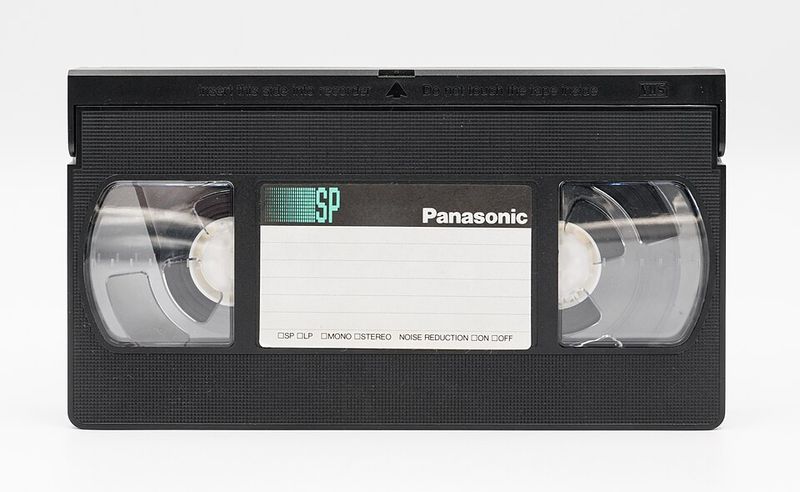
VHS tapes turned movie night into a physical experience. You picked the tape off the shelf, slid it into the VCR, sat through previews you had memorized, and hoped the picture did not go fuzzy.
If someone forgot to rewind, the whole evening started with a delay and maybe a mild argument.
Families built entire shelves of tapes over the years. Blockbuster runs were weekend rituals.
Some tapes held recorded TV specials, birthday parties, or holiday gatherings that nobody could ever recreate. The handwritten labels on those homemade recordings carry more emotional weight than most digital files ever will.
Streaming made VHS look bulky and inconvenient almost overnight. But the tapes represent something streaming cannot fully replicate: commitment.
You chose one movie, you stayed with it, and you rewound it when finished. That small act of responsibility feels almost quaint now.
For anyone who grew up with a VCR humming in the living room, VHS tapes are pure comfort wrapped in black plastic.
CD Walkmans
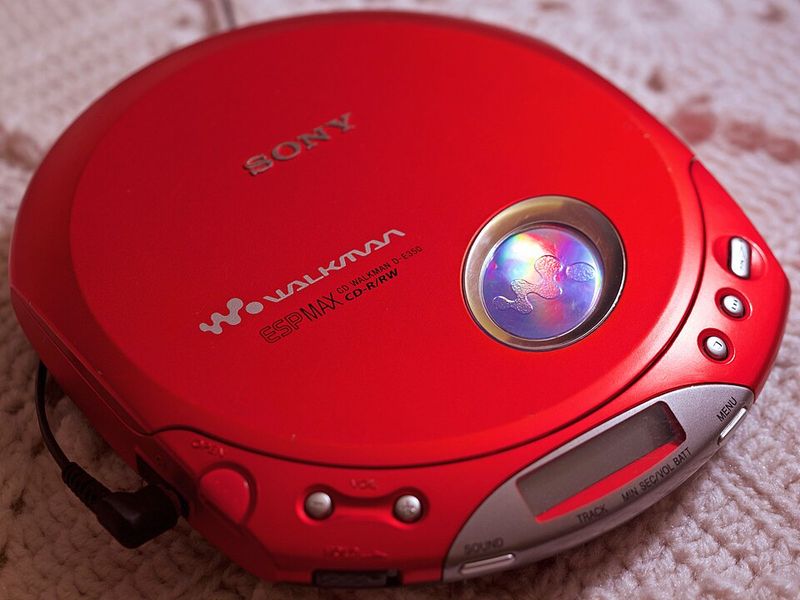
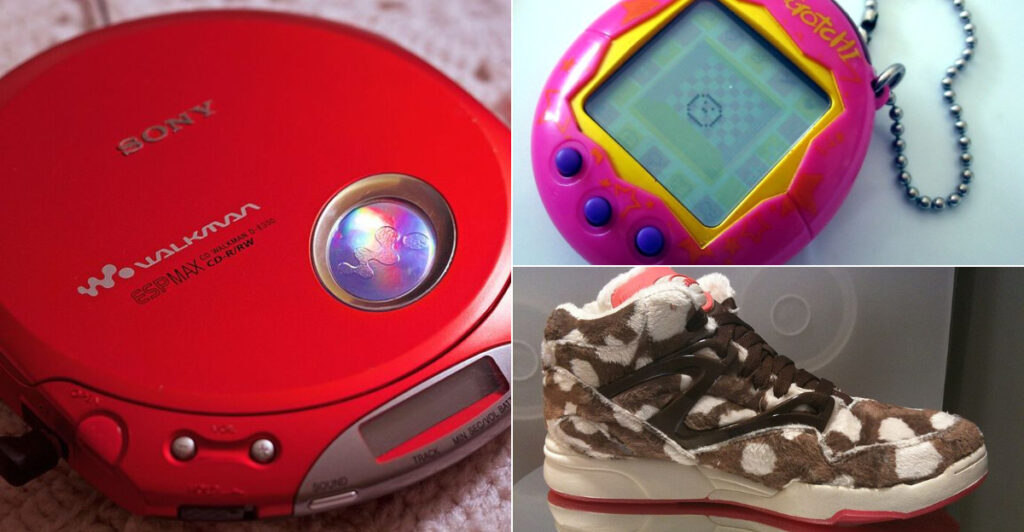
The CD Walkman represented personal freedom for an entire generation of music fans. You could take your favorite album anywhere, from the school bus to the backyard, as long as you had batteries and the right CDs packed into a zippered wallet.
For a while, that felt like everything.
The skip problem was real and constant. Walking too fast, hitting a bump on the bus, or jogging without the anti-skip feature activated could interrupt a song mid-chorus.
Some models handled movement better than others, and comparing skip protection was a legitimate conversation among ’90s kids.
Choosing which CDs to carry was its own ritual. Space was limited, so every selection mattered.
Today, carrying a separate device, a case full of discs, and spare AA batteries sounds exhausting when an entire music library fits in a phone. But at the time, loading up a CD Walkman before a long trip felt like packing exactly what you needed for the journey ahead.
TV Guide Magazine
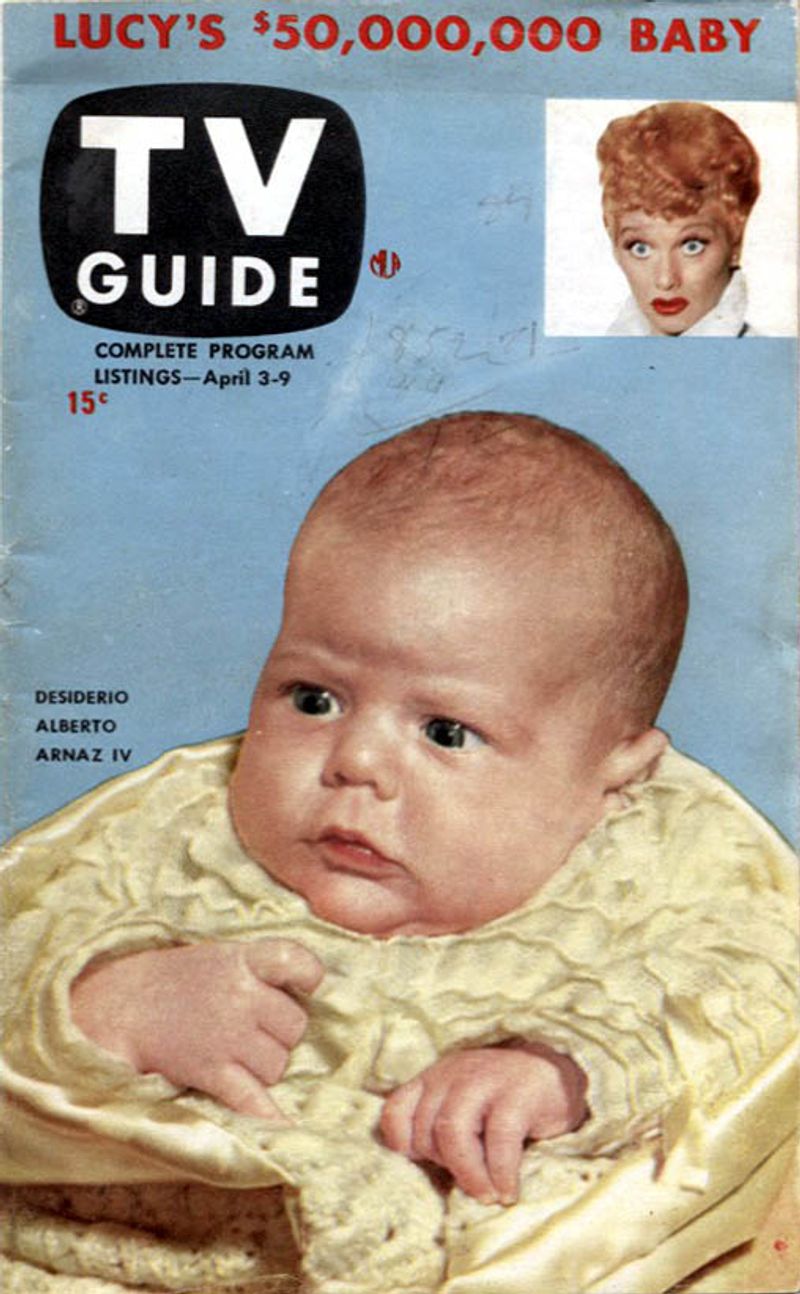
TV Guide was the original streaming menu, except it came once a week, fit in a magazine rack, and required a pen to mark what you planned to watch. Before digital cable guides and on-screen menus, knowing what was on television meant flipping through printed listings and planning your evenings accordingly.
Missing a show had real consequences. There was no catch-up service, no on-demand option, and no way to pause live television unless someone had set the VCR correctly.
TV Guide helped families coordinate around programming schedules the way a calendar organizes appointments today.
Beyond the listings, the magazine included celebrity interviews, show previews, and behind-the-scenes features that made it genuinely worth reading. It was part schedule, part entertainment news, and part weekly tradition.
Today, the idea of buying a magazine just to know what is on television sounds almost absurd. But for ’90s households, checking TV Guide before settling on the couch was simply part of the routine.
Cassette Tapes
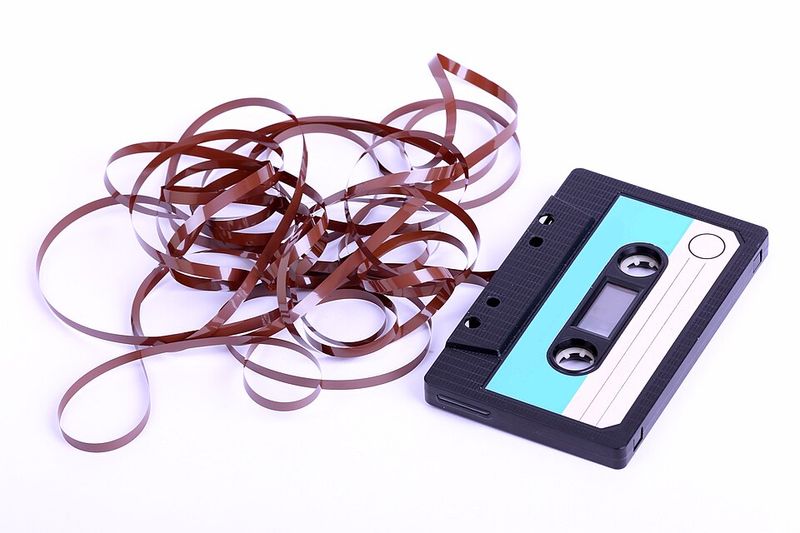
Cassette tapes were the format that made music personal in a way digital files rarely replicate. Albums came on tape, radio stations could be recorded, and the mixtape became one of the most meaningful gestures a person could make.
Giving someone a carefully assembled cassette said more than a playlist link ever could.
The mechanics were part of the charm and part of the frustration. Fast-forwarding to a specific song was guesswork.
Rewinding too far meant starting over. When the tape got tangled and spilled out in a ribbon of magnetic film, a pencil through the spool could sometimes save it.
That repair trick was passed down like practical wisdom.
Today, cassette tapes have found a small revival among collectors and independent musicians who appreciate the format’s warmth and tactile quality. But their real legacy belongs to the ’90s, when they carried everything from chart-topping albums to late-night radio recordings to handmade mixes that nobody else in the world had.
Dial-Up Internet
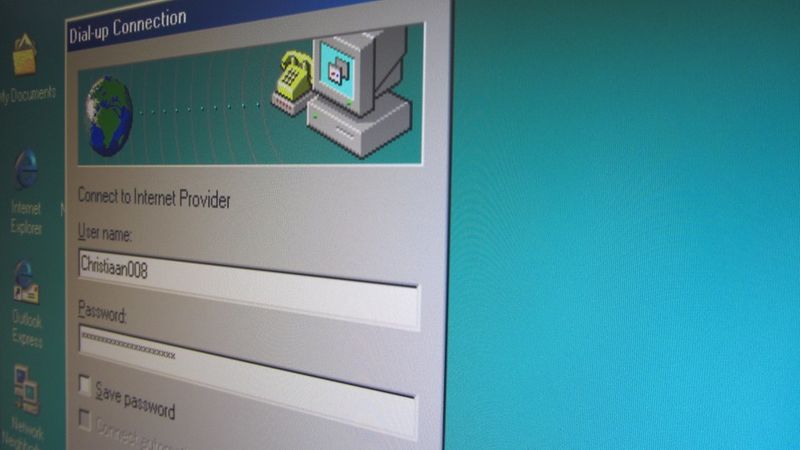
That screeching, buzzing, whistling sound was the soundtrack of the internet arriving in your home. Dial-up connected through the phone line, which meant nobody could make a call while you were online, and anyone who picked up the receiver by accident could knock you offline entirely.
The tension was real.
Pages loaded in sections, images appeared line by line, and downloading a single song could take the better part of an hour. Despite all of that, going online in the ’90s felt genuinely exciting.
Chat rooms, early email, basic fan sites, and rudimentary search engines opened up something that felt enormous, even at a crawl.
Today, internet speeds are measured in gigabits, and a two-second delay feels like a problem worth complaining about. In the ’90s, waiting several minutes for a webpage to fully load was simply the cost of access, and the novelty made every successful connection feel like a small but real achievement worth celebrating.
Film Cameras
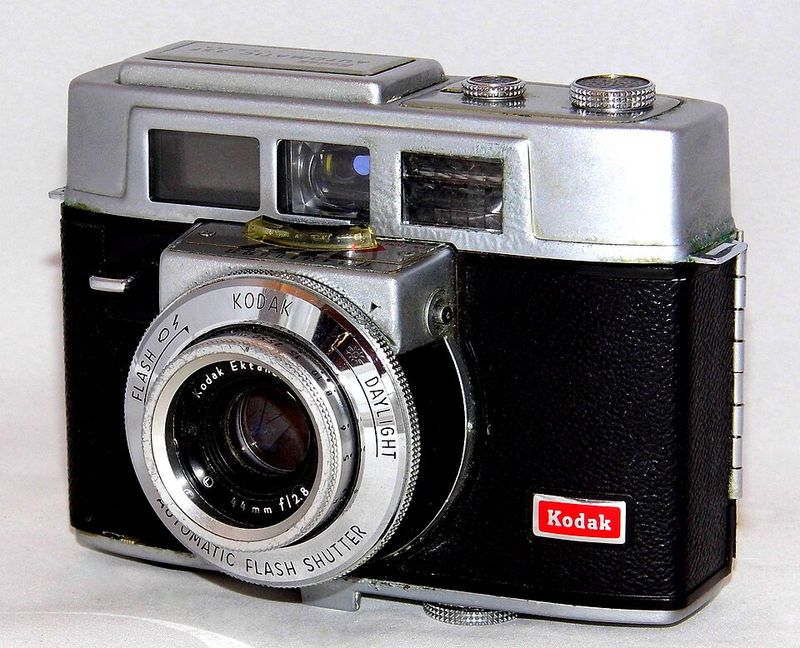
Film cameras made photographers think before pressing the shutter. Each roll held a limited number of exposures, developing cost money, and the results were not visible until days later when prints came back from the photo lab.
That delay changed how people approached taking pictures entirely.
Vacation rolls were precious. School events got a few careful shots.
Birthday parties used up film quickly, and someone always ended up blinking in the best group photo. The envelope of developed prints, handed over the counter at a drugstore or one-hour photo lab, carried genuine anticipation inside it.
Doubles were ordered so friends could each have copies. Albums were assembled by hand.
Blurry or overexposed shots got tossed, but the good ones were kept for years. Today, phone cameras make every moment instantly reviewable and endlessly editable.
Film cameras remind people of a slower, more deliberate era when a photograph was something you waited for and then held carefully in your hands.
Tamagotchis
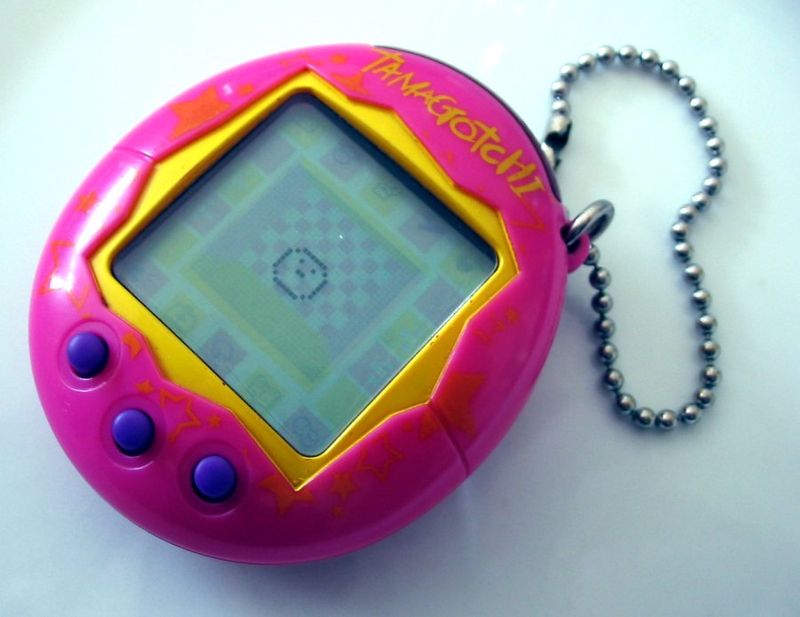
Few things in the ’90s caused as much anxiety as a beeping Tamagotchi in the middle of a quiet classroom. These tiny egg-shaped digital pets needed constant attention: feeding, playing, cleaning up after, and checking on throughout the day.
Neglect them too long and the little pixelated creature would get sick or worse.
The attachment kids felt toward their Tamagotchis was surprisingly strong for something with a screen the size of a postage stamp. Losing one at recess or having the battery die unexpectedly felt like a genuine setback.
Some kids passed them to friends between classes just to keep the virtual pet alive.
Tamagotchis were part toy, part game, and part early lesson in responsibility. The concept was simple but deeply effective.
Today, the graphics look extremely primitive compared with modern mobile games, but nothing has quite replicated that specific low-stakes panic of realizing your digital pet needed something and you were not paying attention.
Skip-Its
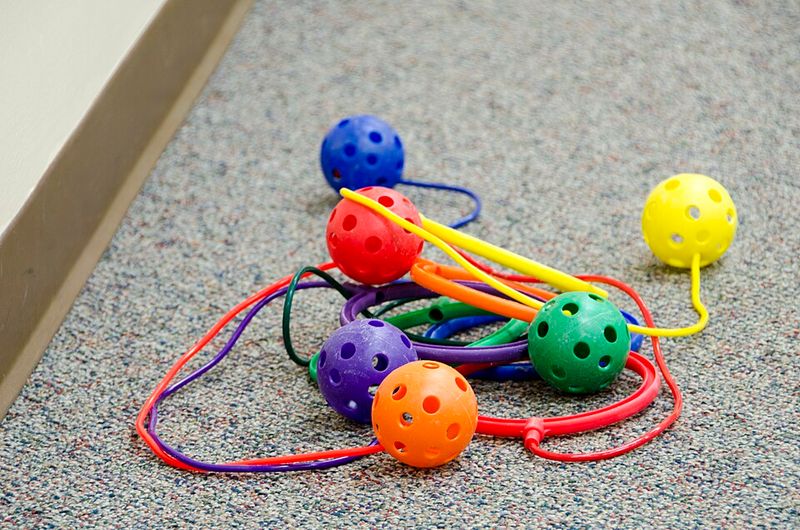
Skip-Its were one of those playground toys that looked simple from a distance but required real coordination up close. The plastic loop went around one ankle, the ball swung in a circle along the ground, and the other foot had to jump over it continuously without breaking rhythm.
Easier said than done.
Some versions included a counter that tracked jumps, which instantly turned recess into a competition. Kids challenged each other, tried to beat their own records, and occasionally sent the plastic ball crashing into their own ankles in very unpleasant ways.
The bruises were almost a badge of effort.
Skip-Its required nothing but outdoor space, one player, and determination. No batteries, no screen, no instructions beyond the basic loop-and-jump concept.
Today, that kind of simple, physical, repetitive play feels almost refreshingly low-tech. For anyone who spent entire recesses trying to hit a new jump record, the clacking sound of that plastic ball on pavement is instantly and completely unforgettable.
Reebok Pumps
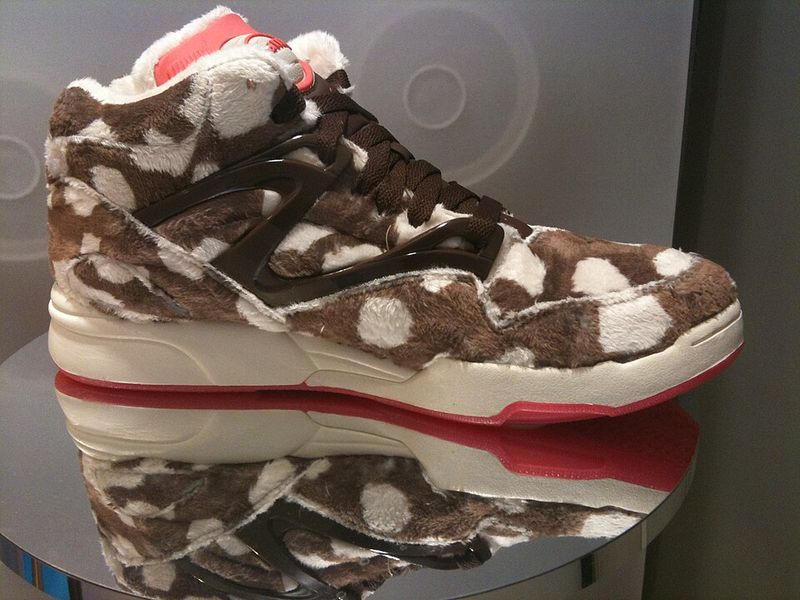
Reebok Pumps turned a sneaker into a gadget, and in the early ’90s, that combination was nearly impossible to resist. The small pump button on the tongue allowed wearers to inflate the shoe’s internal bladder for a customized, snugger fit.
Whether the technology made a practical difference or not, pressing that button felt significant every single time.
On basketball courts and playgrounds, Pumps carried serious status. They fit into a decade that was rapidly turning athletic shoes into cultural statements, where the right pair of sneakers said something specific about who you were and what you cared about.
Reebok leaned into that energy completely with the Pump’s futuristic design and interactive feature.
Today, the shoes hold a respected place in sneaker history and still appear in limited reissues for collectors. But their original moment belongs to the early ’90s, when a shoe with an inflatable interior and a pump button felt less like a gimmick and more like a genuine glimpse of what footwear could become.
Pogs
Pogs were proof that a small cardboard disc could generate enormous playground drama. The game involved stacking a pile of Pogs, then using a heavier slammer to flip as many as possible face-up, keeping the ones that turned over.
Simple rules, fast rounds, and surprisingly high stakes for something made of cardboard.
Collecting was just as important as playing. Designs ranged from cartoon characters and sports logos to abstract patterns and brand imagery.
Trading Pogs between friends was a whole economy unto itself, and rare slammers made of metal or heavy plastic became prized possessions. Disputes over game rules were frequent and passionate.
Like many ’90s fads, Pogs spread through schools with remarkable speed and then faded almost as quickly. Finding a dusty tube of them in a closet or old toy box today feels like rediscovering a small piece of a very specific era.
They were cheap, colorful, endlessly collectible, and completely tied to the social world of elementary school recess.
Lunchables
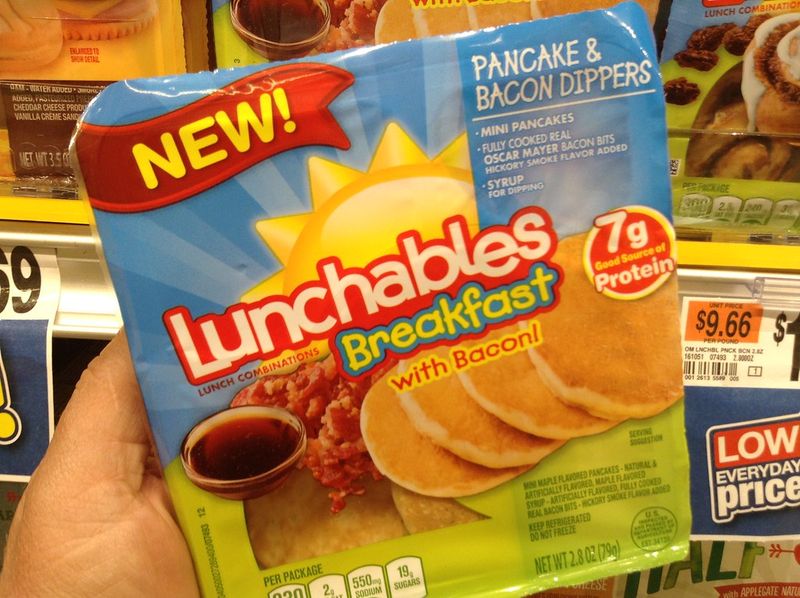
Lunchables made cafeteria lunch feel like an activity rather than a meal. The divided tray held crackers, cheese, and meat in separate compartments, and the entire point was assembling it yourself.
That small element of control made the food feel more exciting than whatever was in the regular lunch line.
In the cafeteria economy of the ’90s, Lunchables carried real social value. Kids compared what version they had, traded components, and generally treated the little plastic tray as something worth discussing.
Pizza versions, nachos versions, and dessert add-ons expanded the lineup and kept the concept fresh throughout the decade.
Parents may have had nutritional reservations, but children understood the appeal immediately and completely. Today, Lunchables are still sold in stores, but their cultural peak belongs to the ’90s lunchroom.
They represent a specific kind of childhood joy: the feeling of building your own tiny meal from scratch while sitting at a long cafeteria table surrounded by equally enthusiastic classmates doing exactly the same thing.
Share this story