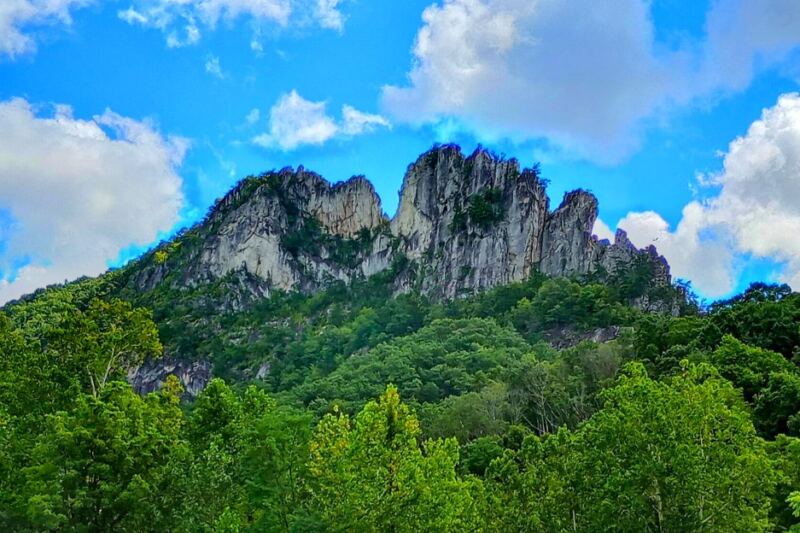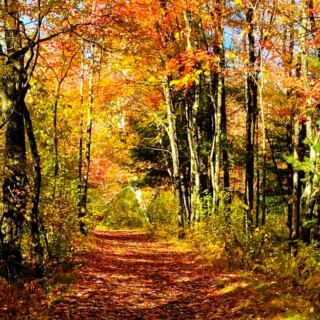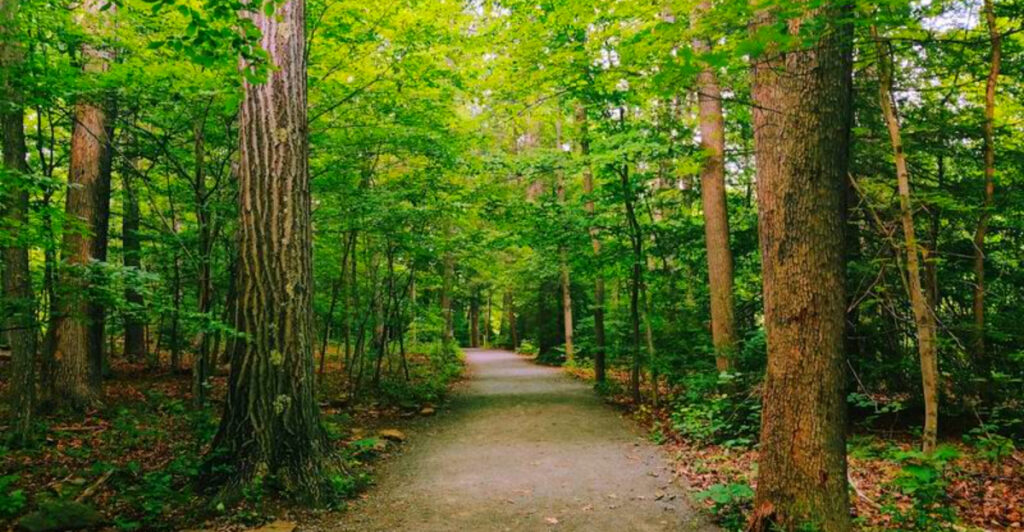
Just outside Morgantown, the West Virginia Botanic Garden offers 85 acres of gardens, forest trails, and peaceful natural beauty. Built around a former city reservoir, it invites visitors to explore native Appalachian landscapes, scenic boardwalks, colorful gardens, and family-friendly attractions in a tranquil setting.
Beyond its walking trails, the garden features themed plant collections, abundant birdlife, relaxing hammocks, and seasonal events that celebrate nature and conservation. Whether you’re planning a quiet afternoon or a family outing, it’s one of West Virginia’s best places to experience the beauty of the Appalachian region.
From Reservoir to Refuge: The Remarkable Origin Story
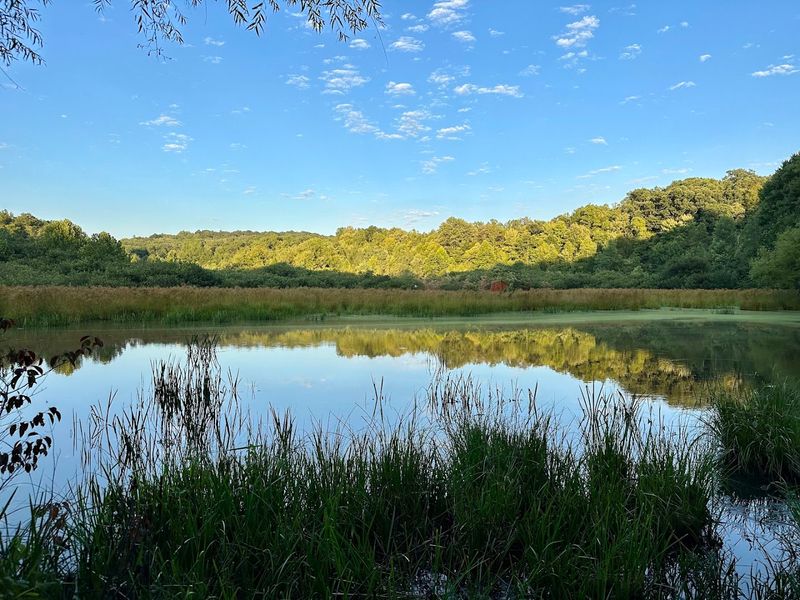
Few botanical gardens in America can claim they were once responsible for keeping a city alive, but this one can. The land at 1061 Tyrone Road, Morgantown, WV 26508, served as the Tibbs Run Reservoir from 1912 until 1969, supplying drinking water to generations of Morgantown residents before a newer system made it obsolete.
After the reservoir was decommissioned, the area briefly became a swimming and picnic destination. Then, in 1980, the basin was drained, and nature quietly began reclaiming the land with grasses, sedges, and seasonal pools.
A group of determined volunteers, led by West Virginia University professor George Longenecker, saw something extraordinary in that overgrown basin. They incorporated the West Virginia Botanic Garden in 1983, secured a lease from the City of Morgantown in 1999, and officially took over management on June 13, 2000. The old dam, spillway, and outlet tower still stand as reminders of the site’s original purpose, now framed by wildflowers instead of utility fencing.
The Trail Network That Keeps You Guessing Around Every Bend
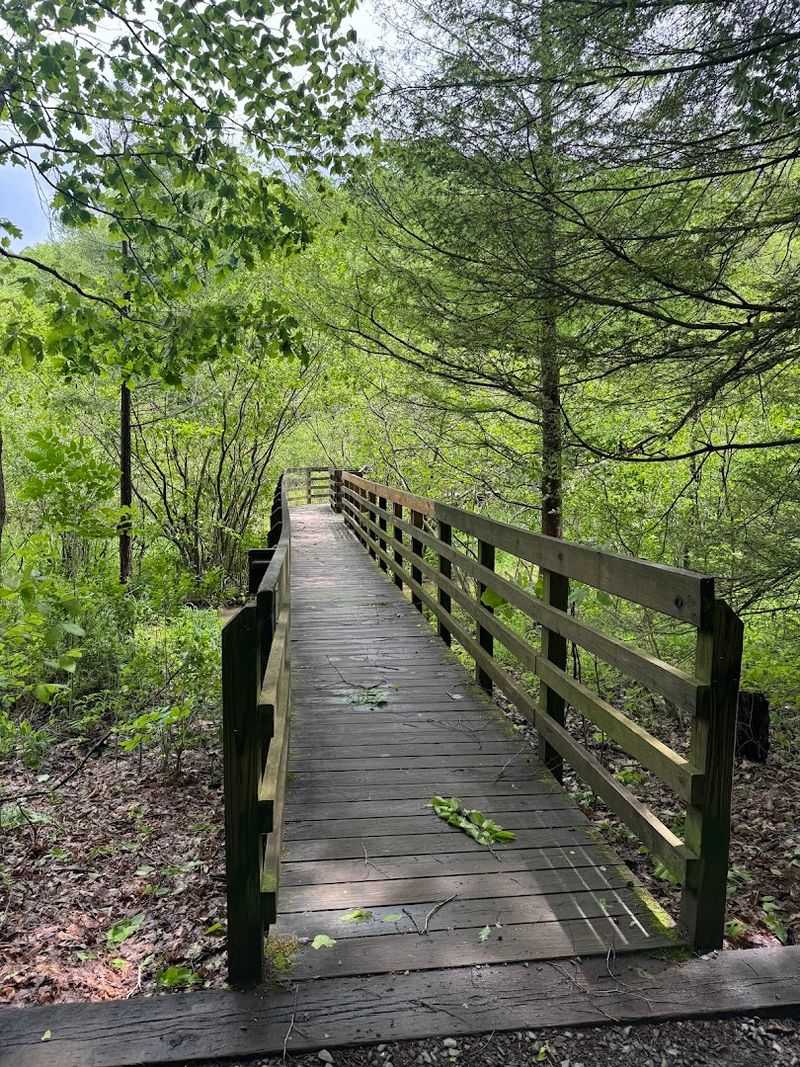
Four to five miles of trails and boardwalks crisscross the garden’s 85 acres, and the smart design means you can tailor your walk to exactly how much energy you brought with you that day. The central Reservoir Loop Trail follows a crushed stone path around the former basin, offering wide, easy walking with panoramic views of the garden’s heart.
The Hillside Trail takes a more dramatic route, descending a south-facing slope from the upper parking lot through the George W. Longenecker Shade Garden before arriving at the Rhododendron Garden. It earns a modest sweat but rewards you with some of the most striking topography on the property.
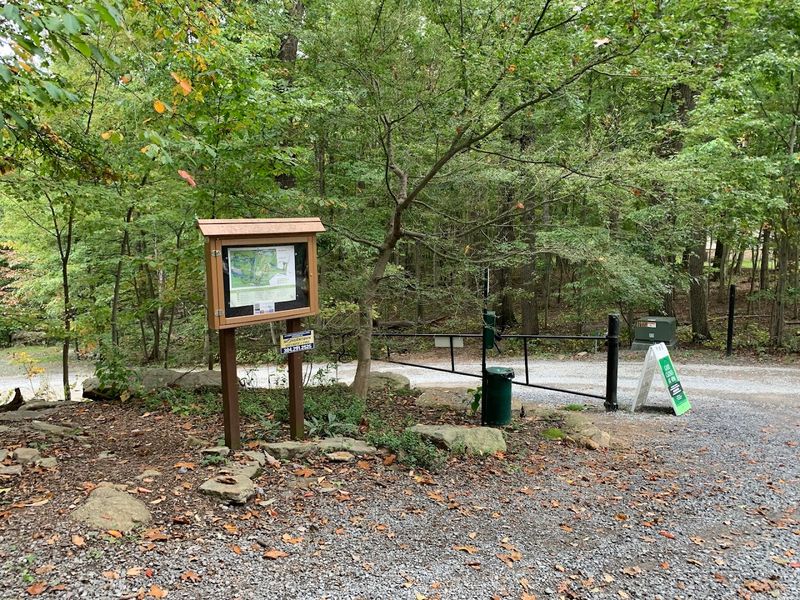
Then there is the Pixie Cup Trail, which winds through sourwoods and alders and features a custom-designed bird blind where you can quietly watch the garden’s feathered residents without disturbing them at all. Grab a printed map from the kiosk near the lower parking lot before you head out, because the wooded sections have a delightful habit of making you forget which direction you came from.
Eight Distinct Gardens, Each With Its Own Personality
One of the most enjoyable surprises about this garden is how dramatically the scenery shifts as you move from one cultivated space to the next. Eight distinct gardens are scattered across the property, each designed around a different plant community or aesthetic vision, connected by the main entrance road and the Reservoir Loop Trail.
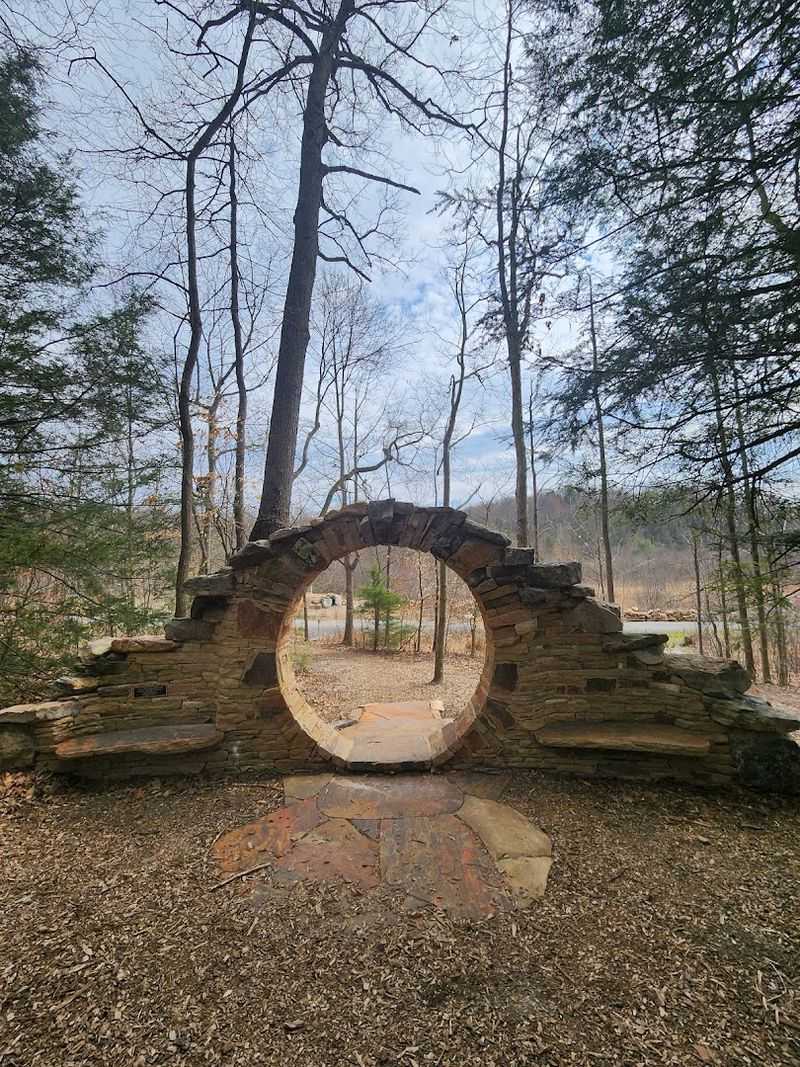
The Butterfly Garden blazes with color from spring through fall, its blooms drawing pollinators in such numbers that you can hear the buzzing before you see the flowers. The Secret Garden, tucked just off the loop trail, feels like a deliberate act of intimacy, with shade-loving hostas, ferns, and mazus surrounding a striking stone moon gate handcrafted by West Virginia stonemason Wes Boddy.
The Rhododendron Garden, established in fall 2013, showcases acid-loving plants alongside bulbs and herbaceous perennials that keep the display interesting across multiple seasons. Moving through all eight gardens in a single visit is entirely possible, and the contrast between each space makes the whole experience feel considerably longer and richer than the acreage might suggest.
The Fairy Garden That Turns Adults Into Kids Again
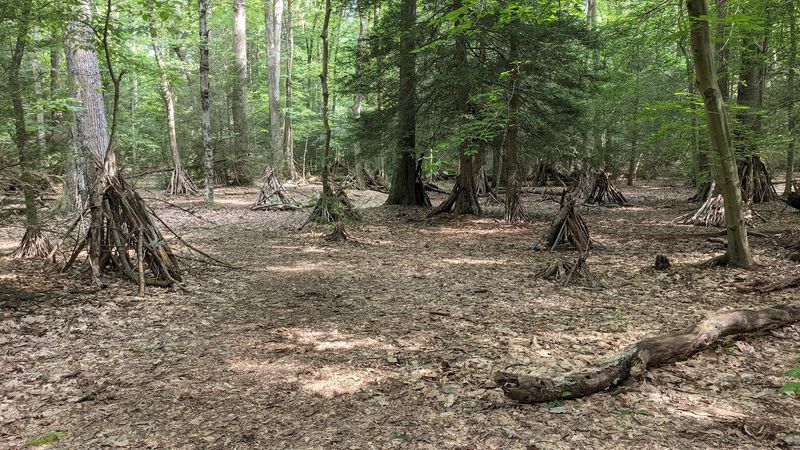
Somewhere along the trails, the garden takes a wonderfully playful turn. The Fairy Garden is exactly what it sounds like, a dedicated space where visitors of all ages have constructed dozens of tiny homes from sticks, stones, bark, and moss, tucking them into tree roots, under ferns, and along the edges of paths.
Children absolutely love hunting for each small structure, and the garden actively encourages new additions, so arriving with a creative idea and a few natural materials is perfectly welcome. Adults who think they are too sensible for fairy houses tend to be the ones crouching down to peer inside them within about thirty seconds of arrival.
The playfulness does not feel out of place here at all. It fits naturally into the garden’s broader spirit of imagination and wonder, the same spirit that turned a drained reservoir into a living sanctuary. The Fairy Garden is also conveniently close to a children’s play area, making it an easy anchor point for families who want to let younger visitors burn some energy before tackling more of the trails.
Wetlands, Boardwalks, and the Birds That Reward Patient Visitors
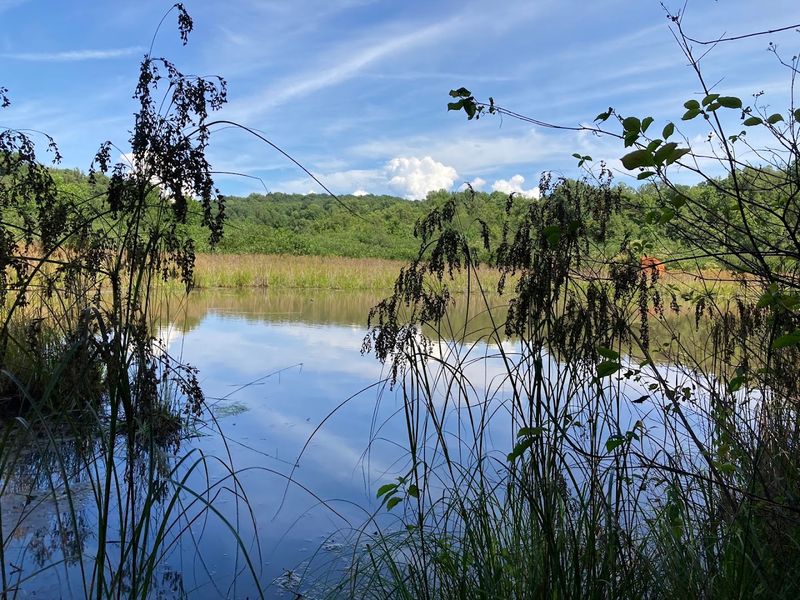
The former reservoir did not simply disappear when the basin was drained in 1980. Over decades, the area naturally evolved into a scrub-shrub wetland complex, a habitat type that supports a surprisingly rich range of wildlife and plant communities. This man-made wetland is now one of the garden’s most ecologically significant features.
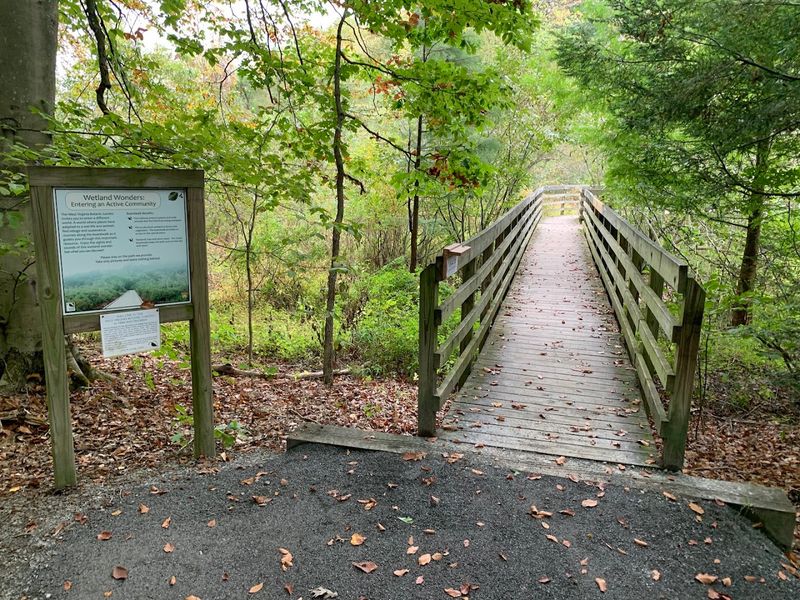
The Wetland Boardwalk carries visitors directly into this environment without requiring them to disturb a single reed or muddy their shoes. From its wooden planks, you can watch Barn Swallows performing acrobatic sweeps just above the water’s surface, catch a glimpse of a Wood Duck moving through the vegetation, or spot a Red-Winged Blackbird announcing itself from the top of a cattail.
Birdwatchers find this section particularly productive during migration periods when the wetland attracts species passing through the Appalachian corridor. The transition from open wetland back into forested trail happens quickly, and that contrast, stepping from bright, reflective water into cool hemlock shade, is one of those small sensory moments that tends to stay with you long after the drive home.
Old-Growth Hemlocks and the Forest That Predates the Garden
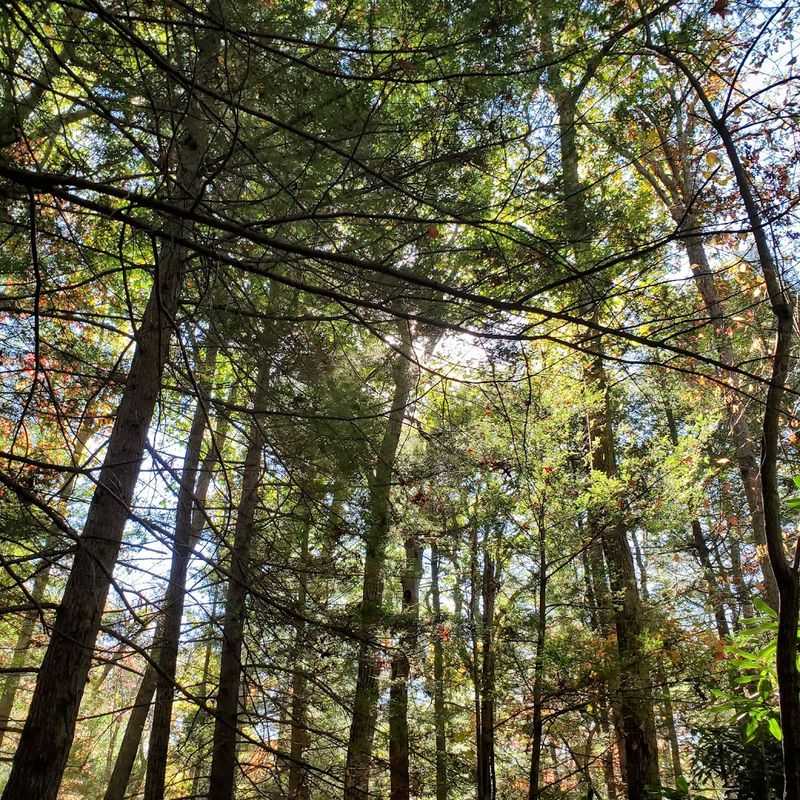
Not everything in this garden was planted by human hands. Tucked within the property’s 85 acres are stands of Canadian Hemlock that were already ancient before the reservoir was built, with some trees estimated at 200 years old. Walking beneath their canopy feels noticeably different from the rest of the garden, cooler, quieter, and carrying a particular kind of stillness.
These old hemlocks are not just beautiful; they are also vulnerable. The Woolly Adelgid, an invasive insect pest, poses a serious threat to hemlock populations across the Appalachian region, and the garden uses educational signage to explain this challenge to visitors, turning a walk through the forest into an unexpected lesson in conservation biology.
The Forest Trail also introduces visitors to Great Rhododendron, another signature Appalachian species, along with the delicate Rattlesnake Orchid, which appears near the path if you know to look for it. These wild sections of the garden carry a rawness that the cultivated areas do not, and spending time in them offers a grounded reminder of just how long this landscape has been quietly doing its thing.
The Meditation Labyrinth and Hammock Glade for Genuine Rest
Some gardens ask you to keep moving, to see the next flower and then the next. This one actively invites you to stop. The meditation labyrinth, a ground-level stone path arranged in a traditional circular pattern, offers a genuinely calming experience that even self-described non-meditators tend to appreciate once they start walking it.
The rhythmic, unhurried movement of following the path inward and back out again has a way of quieting the mental chatter that most of us carry around without realizing it. Visitors consistently describe the labyrinth as unexpectedly soothing, which is a fair assessment for anyone willing to give it three minutes of honest attention.
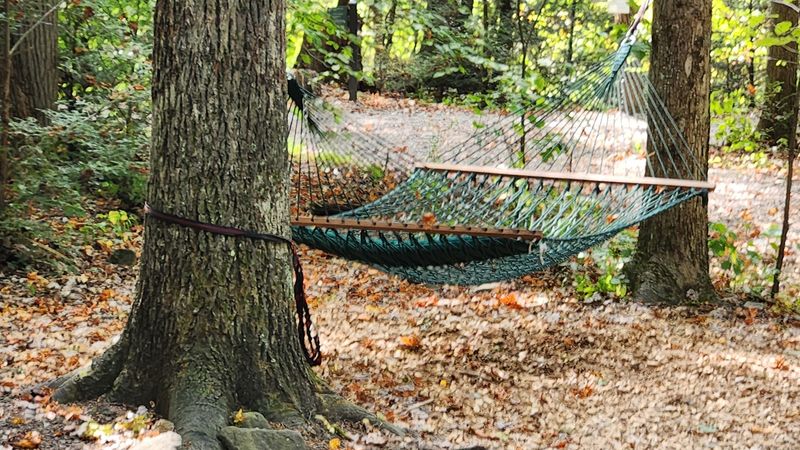
Not far away, the Hammock Glade offers a more horizontal form of relaxation, with hammocks strung between trees in a shaded clearing. The combination of birdsong, filtered light, and a hammock gently swaying is a remarkably effective antidote to a stressful week. Both the labyrinth and the hammocks are free to use, which makes the garden’s suggested five-dollar donation feel like a genuine bargain rather than an obligation.
Community Roots: The Volunteers Who Built This Place by Hand
There is no corporation behind this garden, no major endowment that made it happen overnight. The West Virginia Botanic Garden was built almost entirely through volunteer labor, starting with a professor’s vision in 1983 and continuing through decades of weekends spent hauling gravel, planting shrubs, and clearing overgrown paths.
Today, two dedicated volunteer groups keep the property running. The Weekday Warriors handle heavier physical work like trail maintenance and larger planting projects, while the Thursday morning garden crew focuses on the meticulous day-to-day care of the cultivated beds, weeding, watering, and mulching through every season.
The garden operates as a non-profit, leasing the land from the City of Morgantown and relying on memberships, donations, and event revenue to cover its costs. Every visitor who drops a few dollars in the donation box or buys something from the gift shop is directly contributing to the next trail improvement or new garden installation. That sense of collective ownership gives the place a warmth that is genuinely hard to manufacture, and easy to feel the moment you arrive.
Appalachian Wildflowers and the Seasonal Spectacle They Create
Spring arrives in the garden with a kind of quiet insistence, wildflowers appearing along the trail edges before most visitors have even thought about updating their hiking boots. Woodland Phlox carpets shaded sections of the Long Walk area in soft purple, while native ferns uncurl from the soil with a deliberate slowness that makes you want to check back every few days.
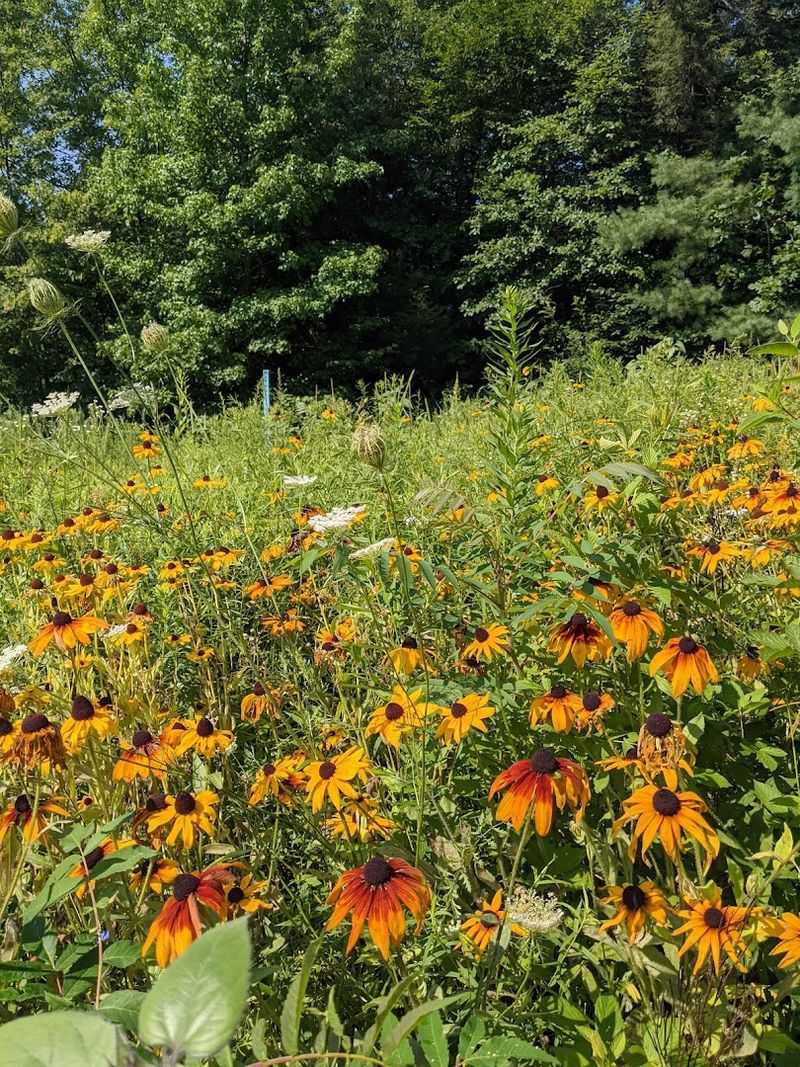
Summer shifts the palette toward the bold yellows and oranges of the Butterfly Garden, where coneflowers, black-eyed Susans, and native milkweed attract more pollinators than you can count in a single sitting. The Yagle Garden adds peonies, catmint, and bluestar to the mix, creating layered displays that change noticeably from one month to the next.
Visiting in early spring, as several visitors have noted, means fewer blooms but also fewer crowds and a particular kind of raw, expectant beauty that the full summer display cannot quite replicate. The garden is worth experiencing in every season, and the wildflower progression from March through October is a compelling reason to plan multiple trips rather than treating a single visit as the complete picture.
Practical Tips for Getting the Most Out of Your Visit
The garden is open every day from 10 AM to 7:30 PM, which means you can plan a morning walk, a midday picnic, or a late afternoon wander without worrying about beating a closing time. Admission is free, with a suggested donation of five dollars per adult that genuinely helps keep the trails maintained and the programs running.
Two parking areas serve the property. The upper lot is accessible during all open hours, while the lower lot, which sits closer to the core gardens and the Education and Event Center, operates on the same 10 AM to 7:30 PM schedule. Printed trail maps are available at the kiosk near the lower lot, inside the Visitors Center, and on the upper level of the Education Center.
The Visitors Center and Gift Shop are open Thursday through Sunday from 10 AM to 5 PM, and the Cafe Rose operates Thursday through Sunday until 4 PM. Leashed dogs are welcome on the trails. Mountain Line’s Eastern Circulator bus route stops on Tyrone Road at the garden entrance for anyone arriving without a car, making access genuinely easy from the Morgantown area.
Why This Garden Earns Its Place as a West Virginia Original
West Virginia has exactly one botanical garden, and the fact that it exists at all is a minor miracle of community stubbornness and shared vision. The 85-acre property consistently earns a 4.7-star rating across nearly a thousand reviews, which is the kind of sustained approval that reflects genuine quality rather than novelty.
What makes this place stand out is not any single feature but the combination. Ancient hemlocks, stone moon gates, fairy houses, wetland boardwalks, a meditation labyrinth, farm-to-table dinners, and a fossil display added in 2023 all coexist on land that once held a city’s water supply. That layering of history, ecology, art, and community purpose is genuinely unusual.
The garden rewards curiosity. Every trail offers something the last one did not, and every season rearranges the visual experience enough to justify a return visit. For anyone passing through Morgantown, or living there and somehow not yet aware of what sits at the end of Tyrone Road, this is the kind of place that tends to become a regular destination rather than a one-time stop on the way to somewhere else.
Share this story