Missouri’s conservation areas offer some of the best opportunities in the Midwest to experience wildlife in its natural habitat. From rugged Ozark forests and peaceful wetlands to river valleys and native prairies, these protected landscapes support an incredible variety of birds, mammals, and other native species.
Whether you’re hoping to spot elk, bald eagles, white-tailed deer, or migratory birds, these 13 conservation areas are well worth exploring. Each showcases a different side of Missouri’s rich natural heritage and offers memorable outdoor experiences for wildlife lovers.
1. Eagle Bluffs Conservation Area, Columbia, Missouri
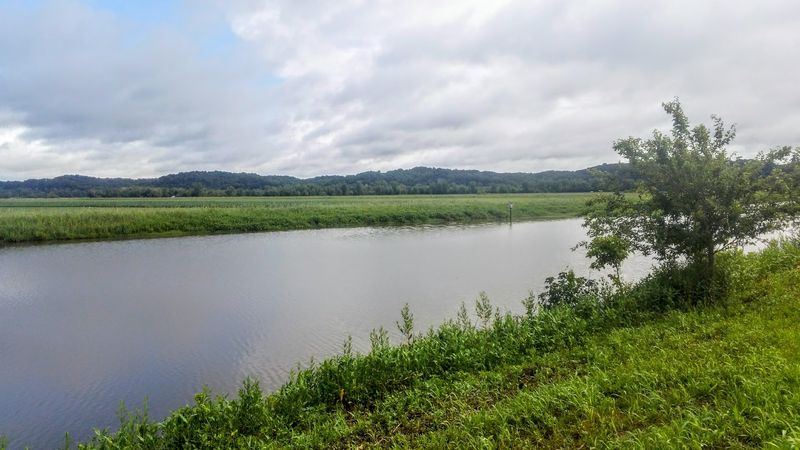
Southwest of Columbia, a network of 17 carefully engineered wetland pools floods 1,100 acres of marshes and crop fields, creating one of Missouri’s most productive birdwatching destinations. The Missouri Department of Conservation developed this 4,431-acre area specifically to compensate for the state’s dramatic loss of historical wetlands.
Around 270 bird species have been recorded here, including shorebirds, sparrows, ducks, and American White Pelicans. Bald eagles are regular winter visitors, and breeding pairs have even been documented within the area, which is a genuine point of pride for conservationists.
An observation deck atop the bluffs, reached via Warren School Road, offers sweeping views of the river valley and the busy marsh below. Early mornings during migration season deliver the most rewarding sightings. The Katy Trail also cuts through part of the area, adding a hiking option to the visit.
2. Peck Ranch Conservation Area, Fremont, Missouri
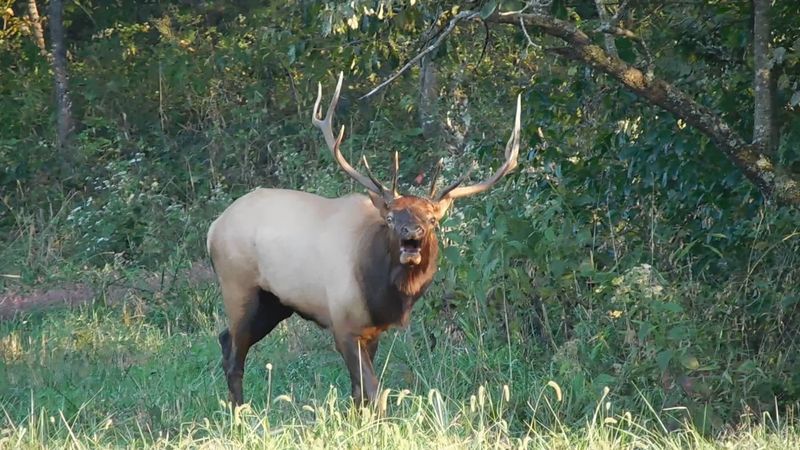
Missouri’s wild elk restoration program has its beating heart right here, spread across nearly 23,000 rugged acres in the Ozarks of southeastern Missouri. Elk were reintroduced to this landscape of oak and pine forests, open glades, and wooded hillsides, and the program has been a genuine conservation success story.
Early mornings and autumn evenings are the prime windows for elk sightings, when the animals are most active and most likely to move into open areas. White-tailed deer and wild turkeys are dependable companions throughout the year, filling the quieter moments between elk encounters.
A designated driving tour winds through different habitat types, strategically designed to maximize the chances of spotting wildlife without requiring a long hike. Songbirds add consistent activity to the experience, flitting through the brush across all seasons. Hiking, fishing, and hunting opportunities round out what this exceptional conservation area has to offer.
3. Grand Pass Conservation Area, Malta Bend, Missouri
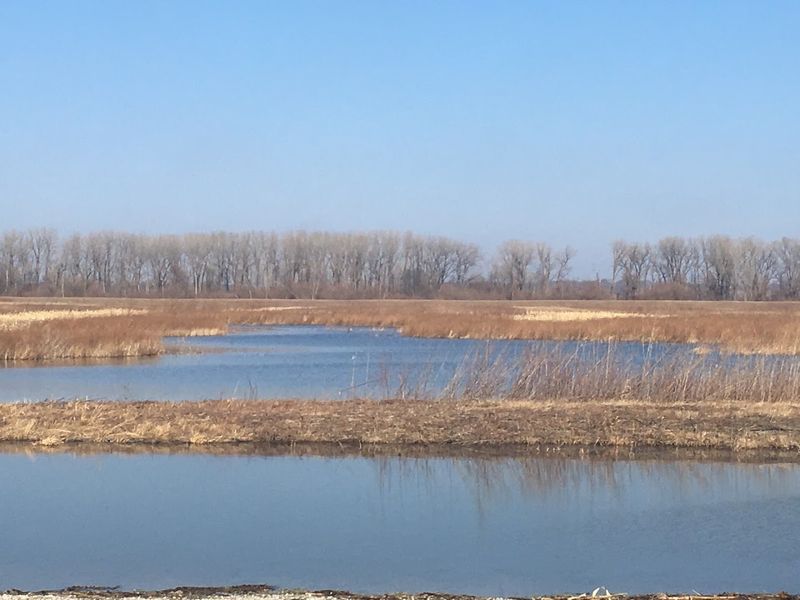
Recognized as an Important Bird Area by Audubon Missouri, Grand Pass Conservation Area earns that distinction with nearly 7,500 acres of bottomland forest, wetlands, and croplands shaped by the Missouri River’s long influence. Few places in the state match it for sheer migratory bird volume during spring and fall.
Waterfowl, wading birds, and raptors converge here in numbers that make the area feel electric during peak migration. Birders set up along the back roads and scan the skies with serious intent, and they are rarely disappointed by what passes through.
White-tailed deer and wild turkeys are consistent residents, providing reliable wildlife sightings even outside the main migration windows. The managed wetlands are the backbone of the site, supporting the enormous numbers of birds that rely on this stretch of floodplain as a critical rest stop. Hunting, fishing, and hiking are all available for visitors who want to extend their time in the area.
4. Duck Creek Conservation Area, Puxico, Missouri
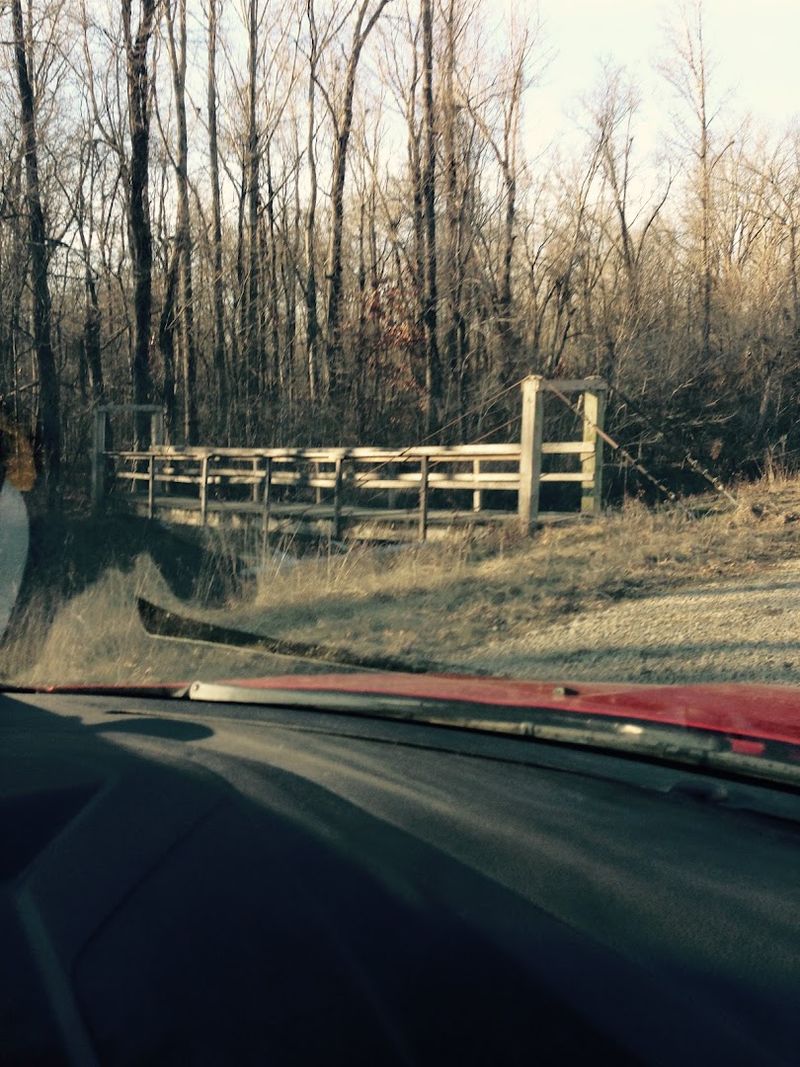
Duck Creek spans more than 7,000 acres across Bollinger, Stoddard, and Wayne counties, combining marshes, forests, lakes, and wetlands into a habitat mosaic that shifts character with every season. No two visits here deliver the same experience, which keeps regular visitors coming back with genuine enthusiasm.
Scenic driving routes make wildlife observation accessible and comfortable, letting you cover a lot of ground without leaving your vehicle. Ducks dominate the open water during migration, while woodpeckers stay busy in the forests year-round, and turtles claim every available sunny log along the water’s edge.
White-tailed deer move through the timber with quiet regularity, and shorebirds, wading birds, and raptors add consistent variety to the wildlife checklist. The area’s management focuses on maintaining strong waterfowl habitat, which benefits a broad range of other species as a natural side effect. Fishing, hunting, and hiking trails provide additional reasons to spend a full day here.
5. Schell-Osage Conservation Area, El Dorado Springs, Missouri
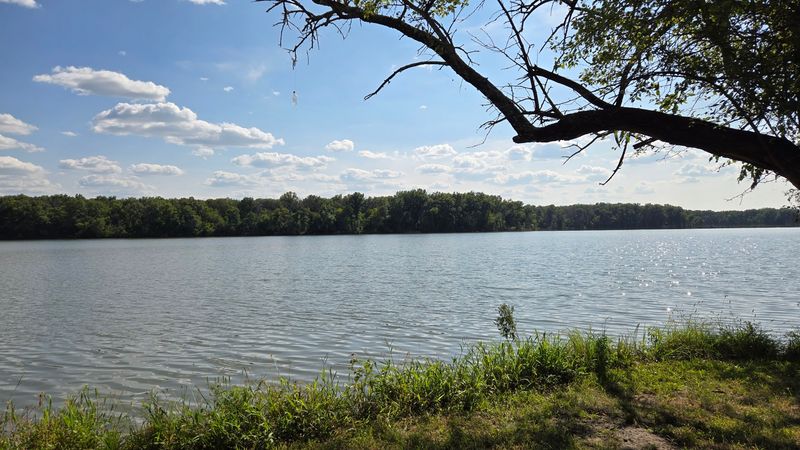
Over 8,600 acres in Vernon and St. Clair counties make Schell-Osage one of the more habitat-diverse conservation areas in the state, blending expansive wetlands, native prairie, woodlands, and open lakes into a single cohesive landscape. That variety translates directly into an impressive species list for visitors.
American White Pelicans are a surprising and memorable sight on the open water, while shorebirds work the muddy margins with focused efficiency. Waterfowl numbers climb dramatically during migration, and the wetlands can hold impressive concentrations of ducks and geese when conditions are right.
White-tailed deer patrol the woodland edges throughout the year, and spring and summer bring waves of colorful songbirds that animate the trees and brush with activity. Quiet back roads make leisurely observation easy and low-stress, letting wildlife reveal itself on its own schedule. Hunting, fishing, and hiking opportunities are all available for visitors who want more from their day.
6. Ted Shanks Conservation Area, Hannibal, Missouri
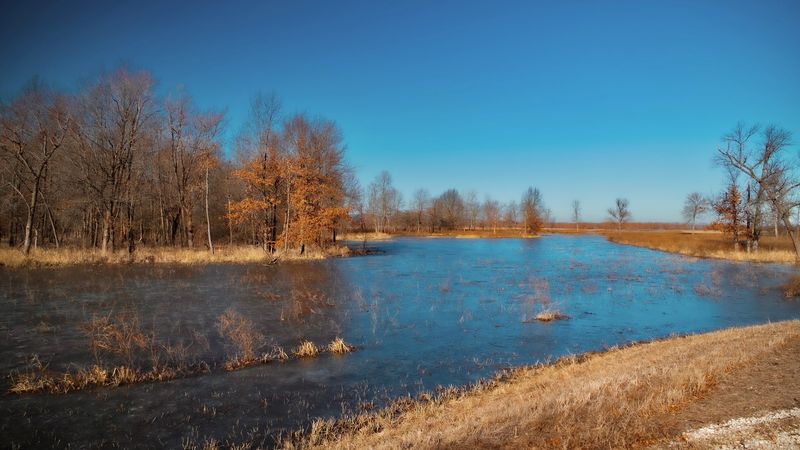
Ted Shanks sits along the Mississippi River in Pike County, covering nearly 6,900 acres of marshes, sloughs, hardwood forests, and oxbow lakes that form one of Missouri’s most productive floodplain wildlife habitats. Its position along a major migratory flyway is the key factor that drives its exceptional birdwatching reputation.
Migration season brings ducks, geese, and bald eagles in numbers that make the area feel genuinely alive with movement. Other water birds join the seasonal spectacle, and the diversity of species on a single morning visit during peak migration can be remarkable.
White-tailed deer and wild turkeys are consistent year-round residents, providing reliable sightings even when migration is not in full swing. The oxbow lakes and quiet sloughs are particularly productive for wading birds, which use the shallow water to hunt with patient, methodical precision. Hunting, fishing, and hiking round out the recreational options at this Mississippi River gem.
7. Columbia Bottom Conservation Area, St. Louis, Missouri
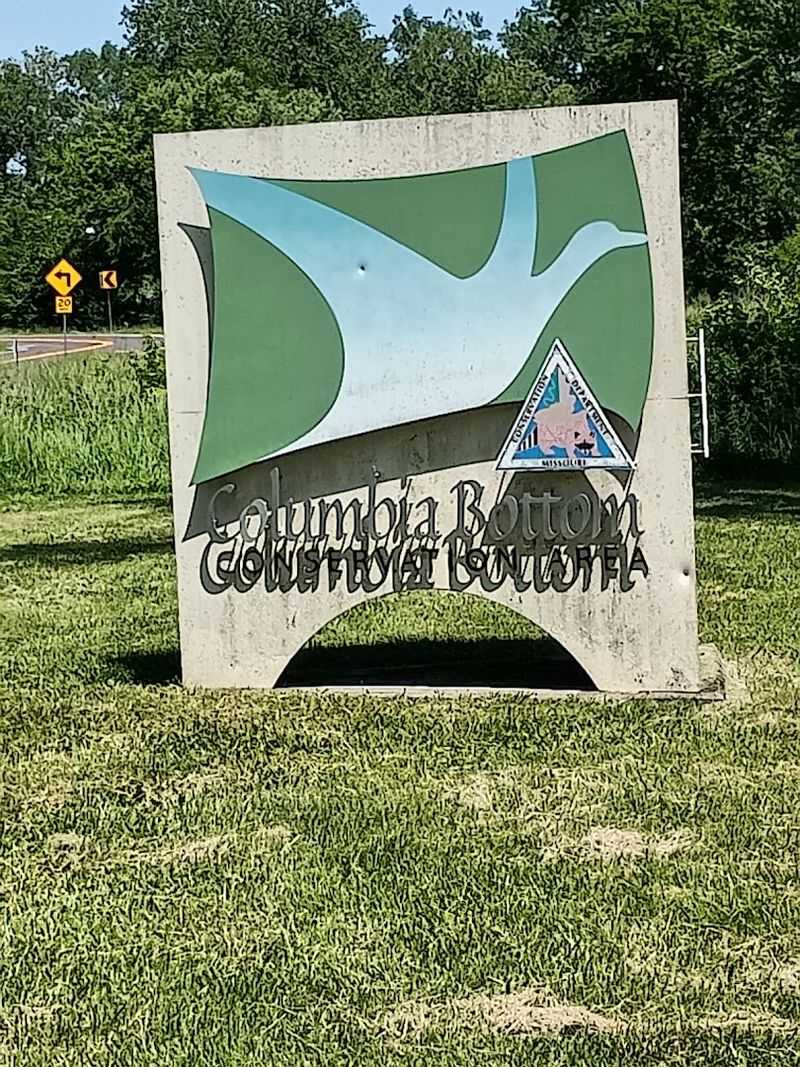
Few locations in Missouri carry the geographical drama of Columbia Bottom, where the Missouri and Mississippi rivers meet and create a floodplain habitat that pulls birds in from across the continent. The area covers more than 4,300 acres of bottomland forest, wetlands, and croplands in St. Louis County.
Bald eagles are a reliable winter attraction, often seen perched in tall riverside trees or cruising low over the water. The concentration of eagles here during cold months draws dedicated raptor watchers who make the trip specifically for this spectacle.
Walking trails and open fields provide practical access to areas where butterflies, deer, and migrating songbirds are regularly observed. The 6.5-mile River Confluence Trail is the standout feature for hikers, combining scenic river views with consistent wildlife sightings along the route. Biking, fishing, and hunting opportunities are also available, giving visitors plenty of ways to fill a full day at this strategically located conservation area.
8. Otter Slough Conservation Area, Poplar Bluff, Missouri
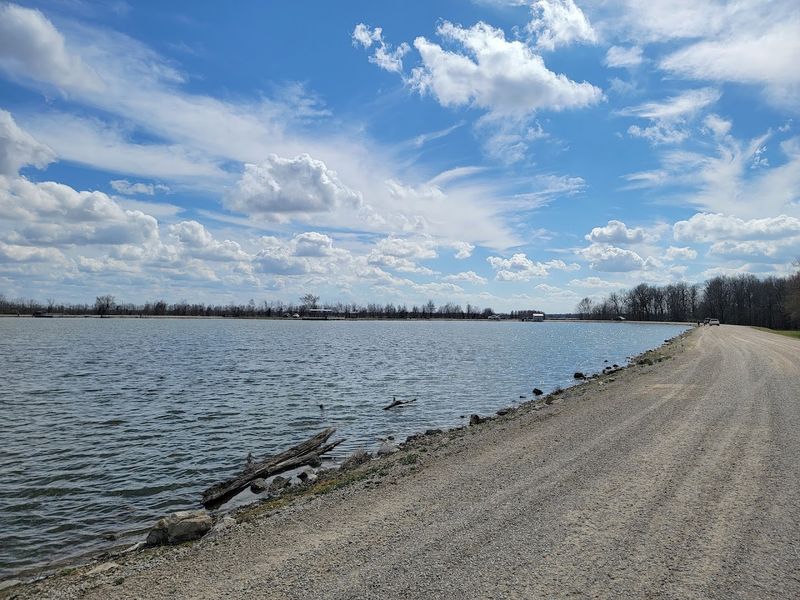
Named for one of its most charismatic residents, Otter Slough Conservation Area covers more than 4,000 acres of bottomland forest, wetlands, and croplands in Stoddard County. The Missouri Department of Conservation actively manages the site to maintain strong habitat conditions for waterfowl, shorebirds, and wading birds.
Migration season transforms the slough into a busy hub of avian activity, with waterfowl and wading birds filling the open marshes and shallow pools in impressive numbers. The combination of open water and surrounding forest creates a layered habitat that supports a broad range of wetland species simultaneously.
River otters, the area’s namesake, are present in the waterways and provide an exciting sighting for visitors lucky enough to spot one moving along the bank. Amphibians and reptiles add another layer of interest for observers who slow down and look carefully. Wildlife viewing, hiking, fishing, and seasonal hunting opportunities are all available at this southeastern Missouri wetland destination.
9. Nodaway Valley Conservation Area, Mound City, Missouri
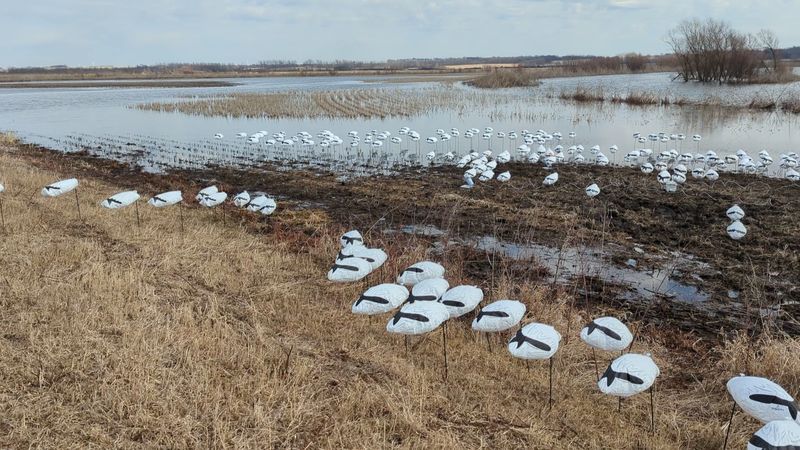
Stretching across the Missouri River floodplain in Holt and Andrew counties, Nodaway Valley encompasses more than 8,000 acres of grasslands, wetlands, and mature forests that deliver rewarding wildlife viewing in every season. The landscape here has a broad, open quality that makes spotting animals across long distances unusually satisfying.
Snow geese descend on the wetlands and grasslands in enormous flocks during migration, creating one of northern Missouri’s most dramatic natural spectacles. Bald eagles are also a regular presence, often seen perched on prominent trees or working the open fields and water edges.
Ducks, wading birds, and additional raptor species add consistent variety throughout the migratory calendar. White-tailed deer are common along woodland and field edges, providing reliable sightings during quieter periods. The quiet roads that cross the area make exploration relaxed and practical, and hunting, fishing, and hiking opportunities give visitors additional reasons to spend extended time in this peaceful river valley setting.
10. Marais Temps Clair Conservation Area, St. Charles, Missouri
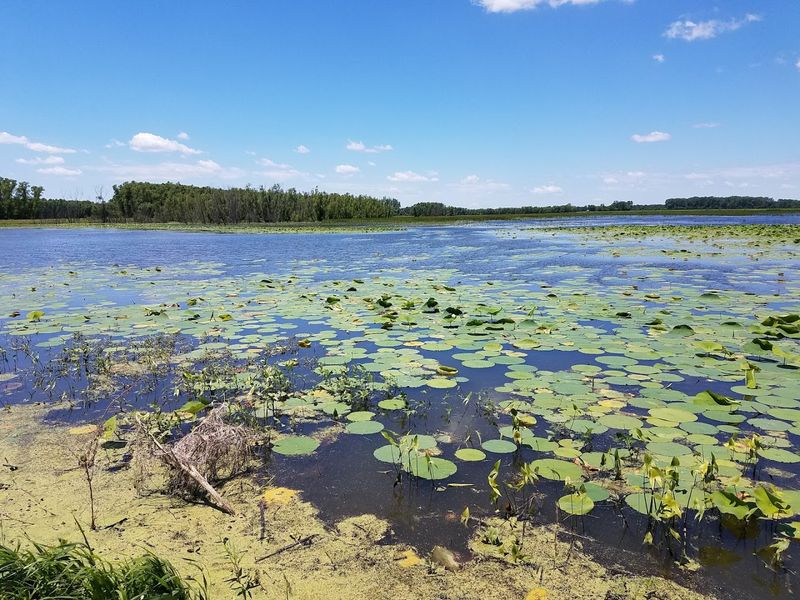
Just outside the St. Louis metropolitan area in St. Charles County, Marais Temps Clair packs approximately 1,100 acres of wetlands and bottomland forest into a surprisingly wild package. The fact that it feels genuinely remote despite its suburban neighbors is one of the more pleasant surprises Missouri conservation areas have to offer.
Ducks, herons, egrets, and shorebirds are consistent residents of the wetlands and floodplain habitats, making a morning visit here productive even for birders with high expectations. The variety of species that move through during migration adds a seasonal dimension that keeps the experience fresh.
White-tailed deer, rabbits, and other small mammals are regularly spotted by visitors who take time to scan the edges of the wetland vegetation carefully. The Missouri Department of Conservation actively manages the site to maximize its value for migratory birds and resident wildlife. Wildlife viewing, fishing, and seasonal hunting for waterfowl and small game are all available options here.
11. James A. Reed Memorial Wildlife Area, Lee’s Summit, Missouri
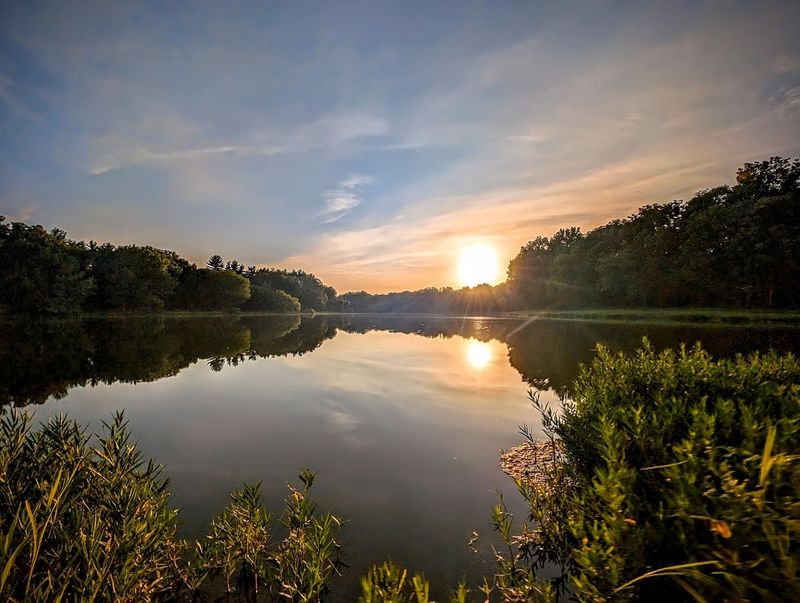
Covering more than 2,800 acres in Jackson County, James A. Reed Memorial Wildlife Area combines picturesque lakes, flourishing woodlands, and native prairie into one of the Kansas City metro area’s most accessible and rewarding wildlife destinations. The habitat variety here punches well above the area’s size in terms of species diversity.
White-tailed deer move through the trees and open fields with regularity, and wild turkeys are a common sight and sound in the woodlands throughout the year. The lakes attract waterfowl during migration, adding a seasonal boost to the area’s already solid birdwatching potential.
Songbirds are present across multiple habitat types, providing consistent activity for visitors who enjoy identifying smaller species. Well-maintained roads and accessible trails make the area easy to navigate without specialized equipment or extensive outdoor experience. Fishing in the area’s lakes is a popular activity, and hunting and hiking opportunities round out a site that consistently delivers for visitors of all experience levels.
12. Caney Mountain Conservation Area, Gainesville, Missouri
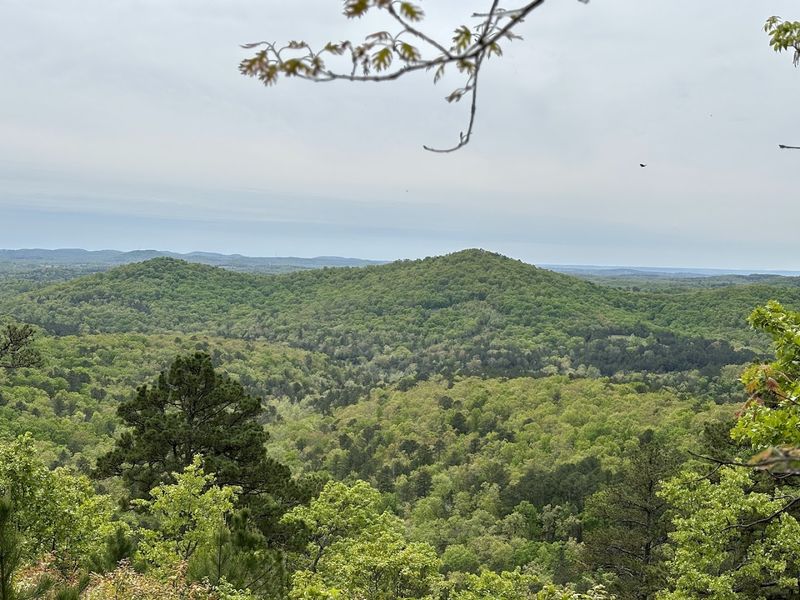
Deep in Ozark County, Caney Mountain spreads across more than 8,000 acres of forest, rocky glades, springs, and clear streams that collectively represent some of the most visually striking terrain in Missouri’s conservation area network. The landscape shifts noticeably from one section to the next, which keeps the experience of exploring it consistently interesting.
Colorful warblers move through the forest canopy during migration, while wild turkeys are a year-round fixture in the undergrowth and open glades. Reptiles take advantage of the rocky outcrops for basking, and butterflies are abundant in the glade openings during warmer months.
Caney Mountain also holds a notable wild turkey restoration history and supports a population of native elk, giving visitors a genuine chance at spotting these large mammals in a rugged Ozark setting. The habitat changes enough between seasons that returning visitors consistently find something new to observe. Hunting, fishing, and hiking are all available for those who want to explore the area more thoroughly.
13. Fountain Grove Conservation Area, Sumner, Missouri
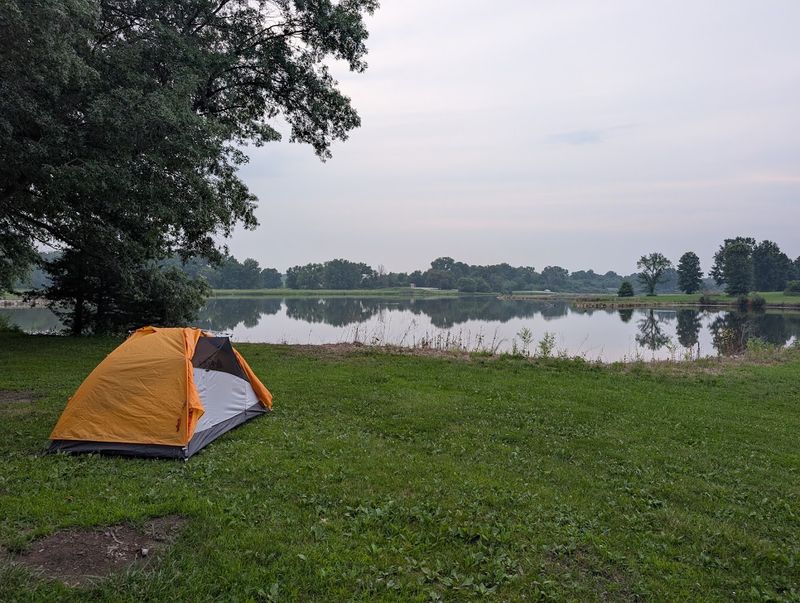
During migration, Fountain Grove Conservation Area earns its reputation as one of northern Missouri’s most spectacular wildlife destinations, with thousands of ducks, geese, and shorebirds descending on its wetlands in waves that can genuinely stop visitors in their tracks. The area covers more than 8,000 acres in Linn and Livingston counties.
Broad marsh views and quiet roads create ideal conditions for extended wildlife observation without disturbance. Binoculars are the essential tool here, allowing visitors to scan across wide expanses of open water where waterfowl concentrate in impressive mixed-species groups during peak migration periods.
Shorebirds work the shallow mudflats with methodical attention, adding fine-detail interest to the larger spectacle of the waterfowl flocks. White-tailed deer are common in the surrounding habitat, and small game animals are regularly observed along the field and wetland edges. The Missouri Department of Conservation manages the wetlands to maintain their quality as a critical migratory stopover, and fishing and hunting opportunities complement the wildlife viewing experience throughout the year.
Share this story