Just minutes from downtown Morgantown, one remarkable nature preserve protects some of West Virginia’s oldest forests, colorful spring wildflowers, and peaceful trails along the Monongahela River. Visitors come to wander beneath towering trees, discover native Appalachian plants, watch for birds and wildlife, enjoy quiet woodland paths, and experience a side of the Mountain State that has remained largely unchanged for generations. It’s the kind of place where the sounds of traffic quickly disappear, replaced by birdsong, rustling leaves, and the calm of an ancient forest.
The experience extends far beyond the walking trails. Old-growth woodlands, scenic river views, guided nature walks, seasonal wildflower displays, educational programs, birdwatching opportunities, and one of the state’s finest collections of native Appalachian plants have made this one of West Virginia’s most rewarding natural escapes. Whether you’re an avid hiker, a plant enthusiast, or simply looking for a peaceful place to recharge, it’s easy to understand why visitors return throughout every season.
Here’s why Core Arboretum has become one of West Virginia’s best places to experience native Appalachian forests and one of Morgantown’s most treasured outdoor destinations.
Discovering the Address and Setting of Core Arboretum
The first time I pulled up the address for Core Arboretum, I almost thought I had the wrong place. The arboretum sits at Monongahela Blvd, Morgantown, WV 26505, tucked between a busy road and the Monongahela River, right on the edge of the West Virginia University Evansdale Campus.
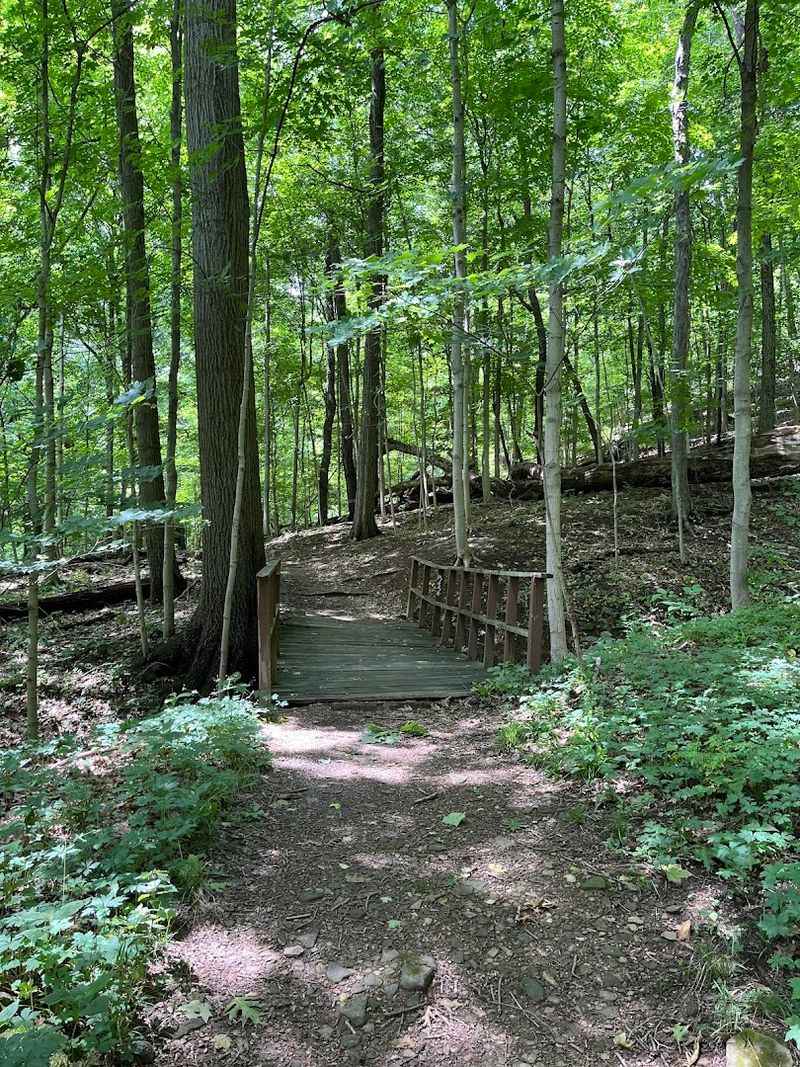
From the parking lot, the entrance looks modest, almost easy to miss. But the moment you step past the information kiosk and descend below road level, the noise fades and something shifts. The air feels different, cooler and quieter, and the canopy closes in around you almost immediately.
The arboretum is open daily from 6 AM to 9 PM, admission is free, and the parking lot is small but manageable. The WVU Coliseum lot nearby offers overflow parking on evenings and weekends at no charge. For a 91-acre forest preserve sitting inside a college town, the accessibility here is genuinely impressive.
The Visionary History Behind This Living Forest
The story of Core Arboretum starts with a botanist who refused to let a hillside become a parking lot. Professor Earl Lemley Core spent four decades studying the flora of West Virginia, and when the university acquired the old Krepps Farm land in 1948, he fought hard to preserve its steep, forested slopes for biological study rather than campus expansion.
The idea itself actually dates back even further. Professor Charles Frederick Millspaugh first proposed an educational nature base at WVU as early as 1890, which means this dream took nearly sixty years to become a reality.
Earl Core eventually convinced the university administration, and the land was set aside as a natural outdoor laboratory open to both students and the public. In 1975, the arboretum was officially named in his honor, a tribute that feels entirely fitting every time you walk beneath the towering trees he worked so hard to protect. His patience clearly paid off.
Old-Growth Forest That Has Stood for Centuries
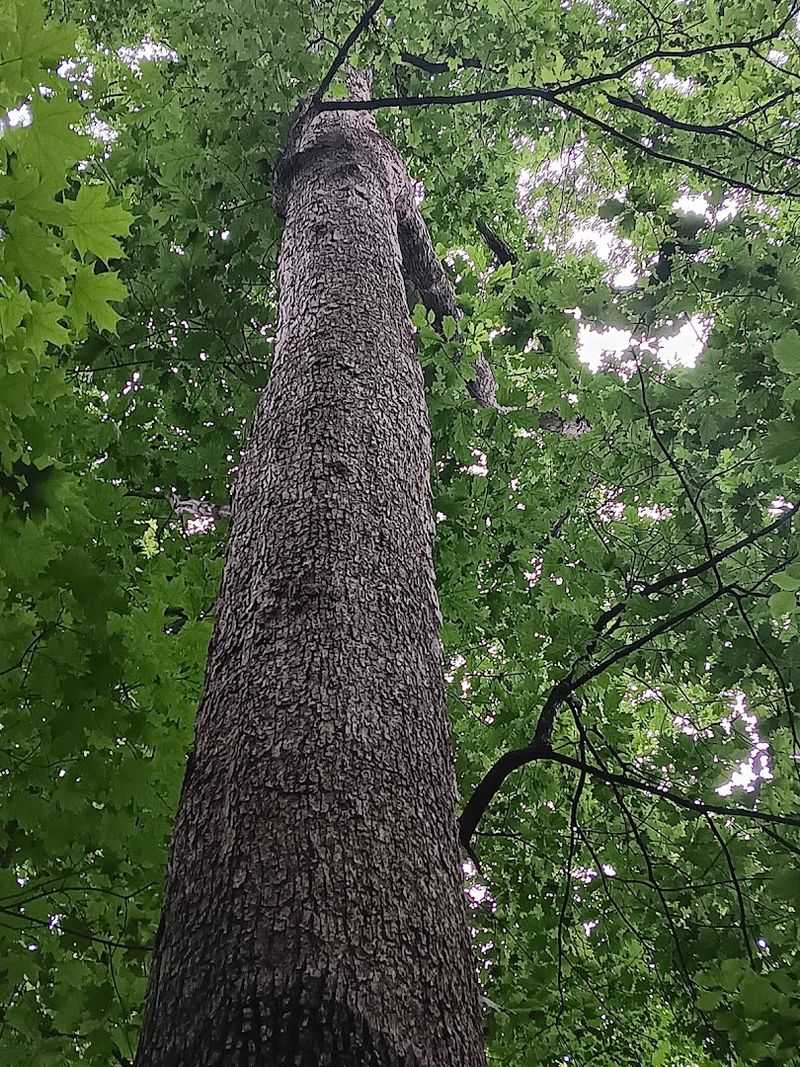
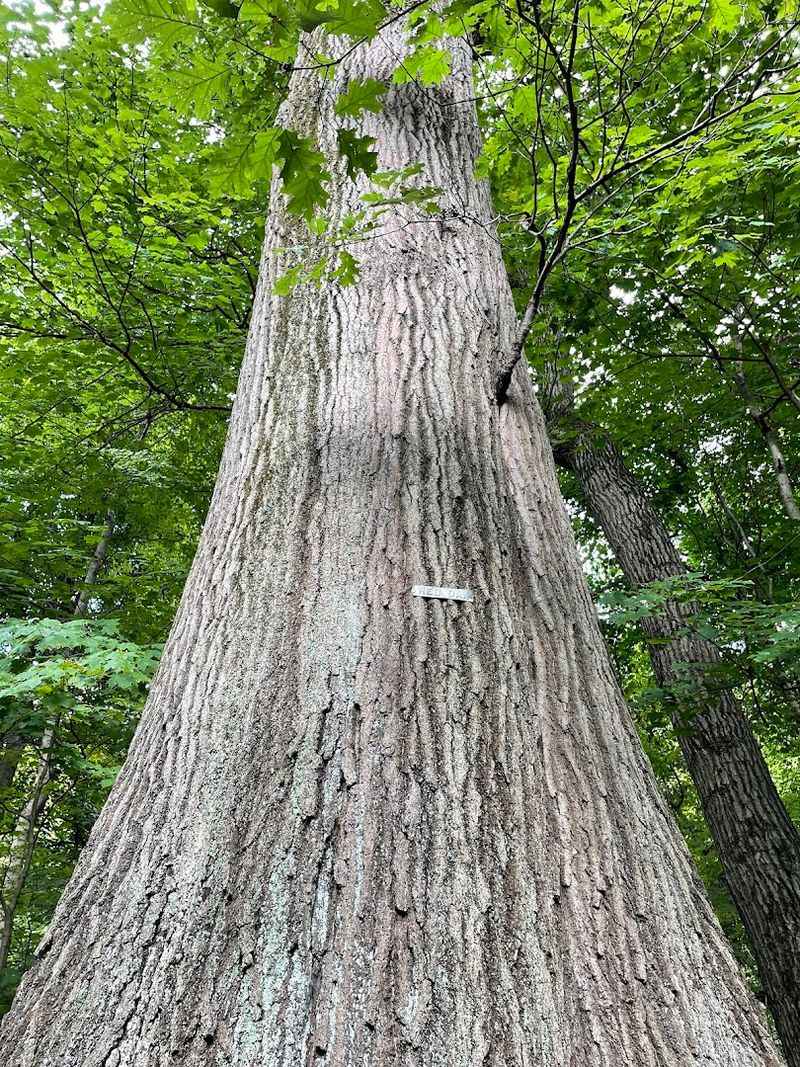
Most arboretums are planted. This one was saved. A significant portion of Core Arboretum is genuine old-growth temperate deciduous forest, meaning these trees were never cleared and replanted. Some of the individuals standing here are estimated to be over 200 years old, their trunks wide enough that two people holding hands might barely reach around them.
The forest covers both steep hillside terrain and low-lying floodplain, creating two distinct environments within the same preserve. On the hillside, the canopy is dense and the understory is shaded. Down near the river, the trees grow taller, competing for light in the open bottomland.
Standing beneath these trees feels genuinely different from standing in a younger forest. There is a weight to the silence here, a sense that the landscape has its own slow rhythm that has nothing to do with the university semester or the traffic on the boulevard above. This is what Appalachia looked like long before the roads arrived.
A Botanical Showcase of Native Appalachian Plants
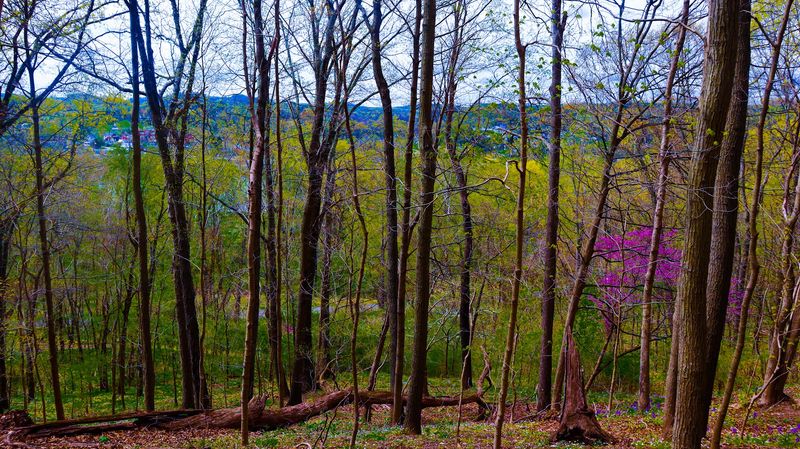
Few places in West Virginia pack this much native botanical diversity into a single accessible location. The arboretum is home to over 80 species of indigenous trees and shrubs, plus more than 250 varieties of native herbaceous plants, all growing within those 91 acres along the Monongahela River.
Among the trees, you will find stately sugar maples, multiple oak species, hackberry, and various hickories on the hillside. Down in the bottomlands, silver maples stretch over 115 feet tall, ranking among the tallest in the entire state. The understory holds dense stands of spicebush and pawpaw, the latter producing a creamy, tropical-tasting fruit each fall that surprises most first-time visitors.
Many of the mature trees along the trails are labeled with small signs, so you can actually learn what you are looking at rather than just admiring the scenery. That small detail transforms a pleasant walk into something genuinely educational, and it makes the whole experience feel curated without feeling artificial.
The Spring Wildflower Display That Draws Crowds Every April
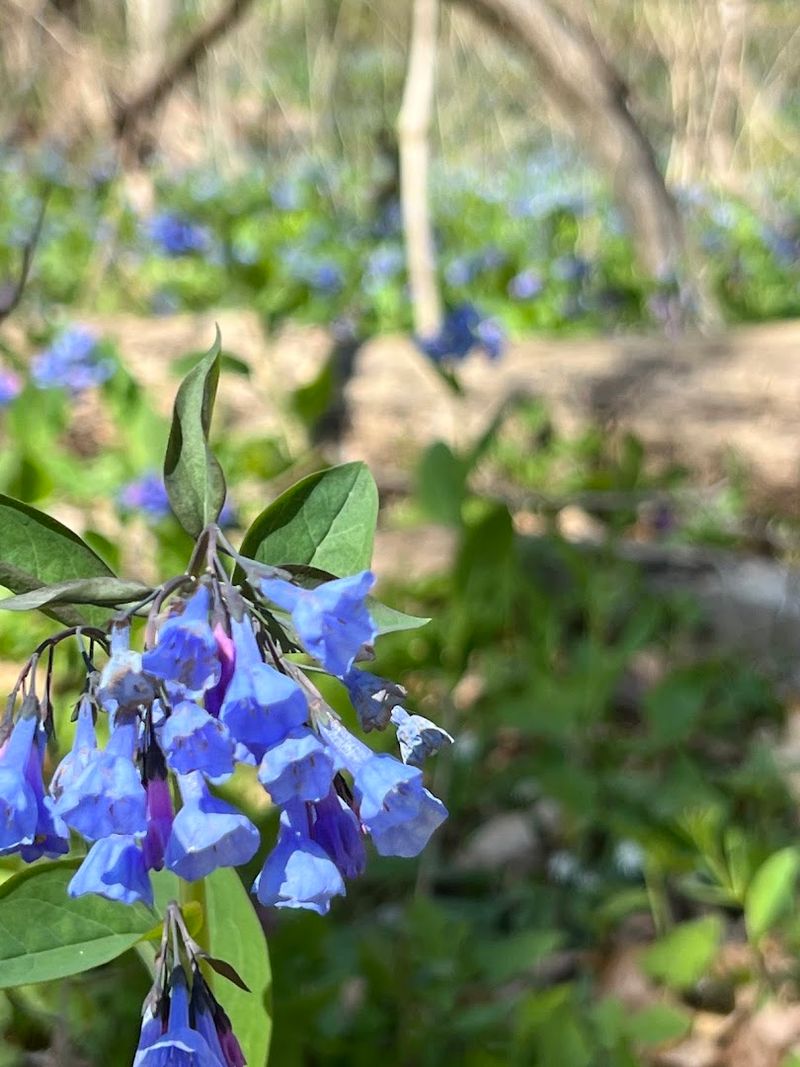
Spring at Core Arboretum is a brief and brilliant event that locals plan their schedules around. From late March through early May, the forest floor erupts with ephemeral wildflowers, plants that bloom quickly before the tree canopy leafs out and blocks the sunlight. The window is short, sometimes just a few weeks, which makes it feel all the more special.
Virginia bluebells carpet the ground along the Sheldon Trail in a way that is hard to describe without sounding like you are exaggerating. Alongside them grow bloodroot, various trillium species, trout lilies, Dutchman’s breeches, spring beauties, and dwarf larkspur, each one adding a different color and shape to the patchwork on the forest floor.
The arboretum hosts free guided spring wildflower walks, typically on Sundays throughout April, led by knowledgeable staff and volunteers who explain both the ecological and historical uses of each plant. Early to mid-April is the sweet spot for the most abundant blooms, and arriving on a clear morning gives the best light for photographs.
Trails for Every Pace and Every Skill Level
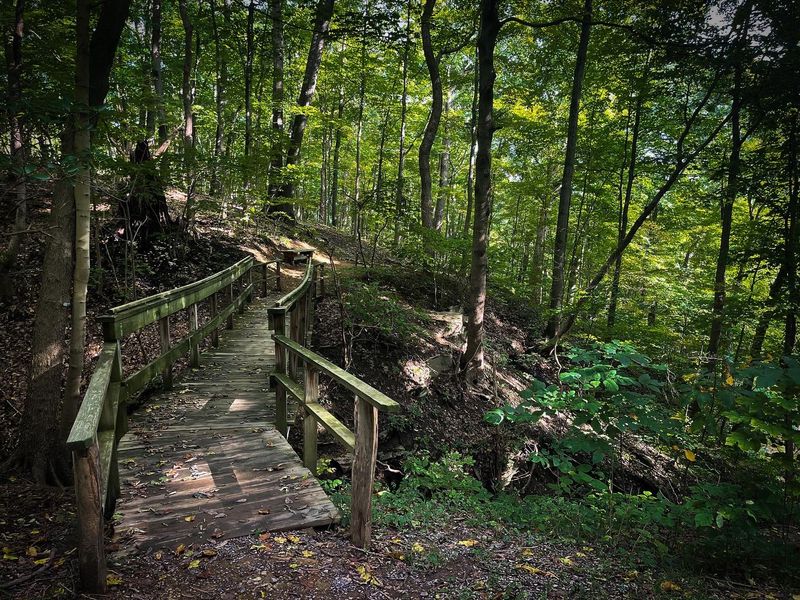
The trail network here covers between three and four miles total, and the variety is genuinely impressive for a place this compact. The Guthrie Loop is the most beginner-friendly option, circling a three-acre open lawn area with specimen trees and a relaxed, unhurried feel that works well for families with younger kids.
More experienced hikers tend to gravitate toward the Cliff Trail, a narrow and steep path that winds past dramatic sandstone outcroppings, or the Rumsey Trail, which dips into secluded hollows beneath towering walnuts and oaks. The Taylor Trail cuts through a classic beech-maple forest, and the Sheldon Trail is the one to walk in spring when the wildflowers are at their peak.
A word of practical advice: wear proper footwear. Some sections involve loose footing, exposed tree roots, and muddy stretches near the river. The trails are well-marked, and interpretive signs appear at intervals to explain the plants, geology, and local history. The Caperton Rail-Trail also passes through the lower arboretum for cyclists and joggers looking for a paved option.
A Birdwatcher’s Quiet Paradise Along the Monongahela
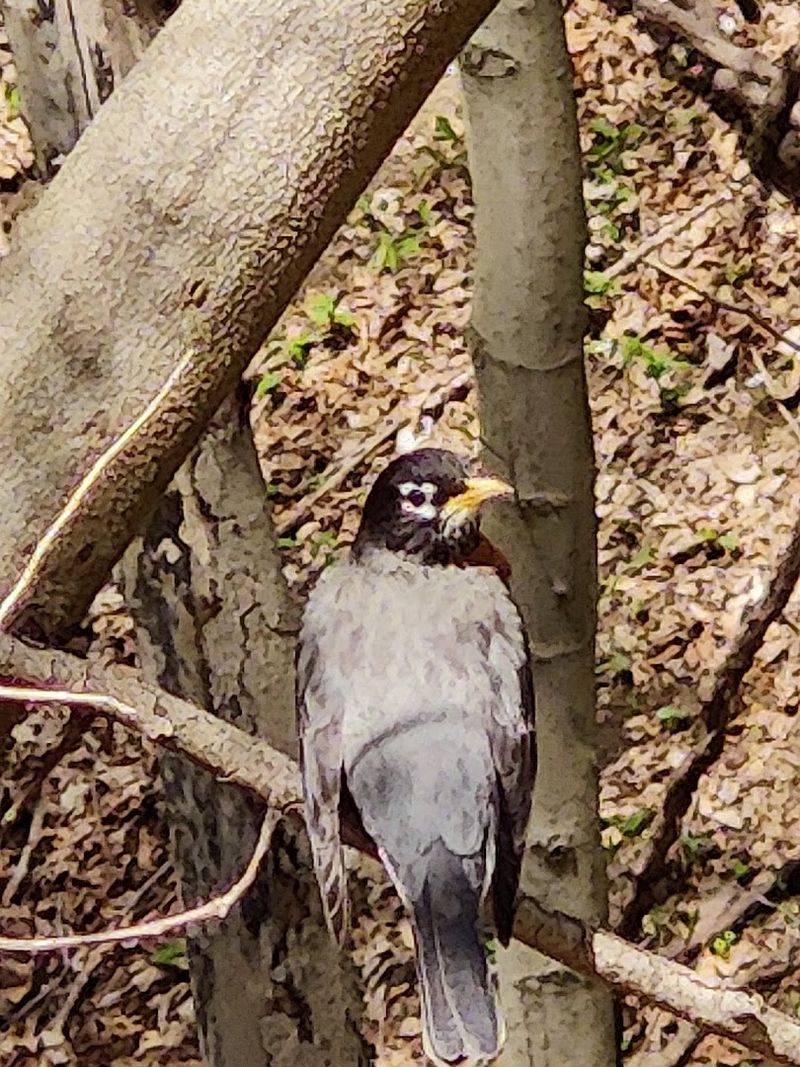
Over 180 bird species have been recorded within the boundaries of Core Arboretum, a number that surprises most people who assume a university-adjacent green space would offer slim pickings for wildlife. The combination of riparian habitat along the Monongahela River and the wooded hillside creates a layered ecosystem that attracts an unusually wide range of birds.
A napping red-tailed hawk along the trail is not an unusual sight, particularly during the quieter midweek mornings. Migratory warblers pass through in spring and fall, and resident species fill the canopy year-round with enough variety to keep even experienced birders interested for a full morning.
The Mountaineer Audubon Society hosts free guided spring bird walks here in late April and early May, with volunteer guides who can identify species by sound alone. Binoculars are sometimes available to borrow for those who arrive without their own. Skipping flat rocks off the river near the bike rack on the Rail-Trail is a pleasant bonus activity once the birdwatching wraps up.
Events, Programs, and the Woodland Amphitheater
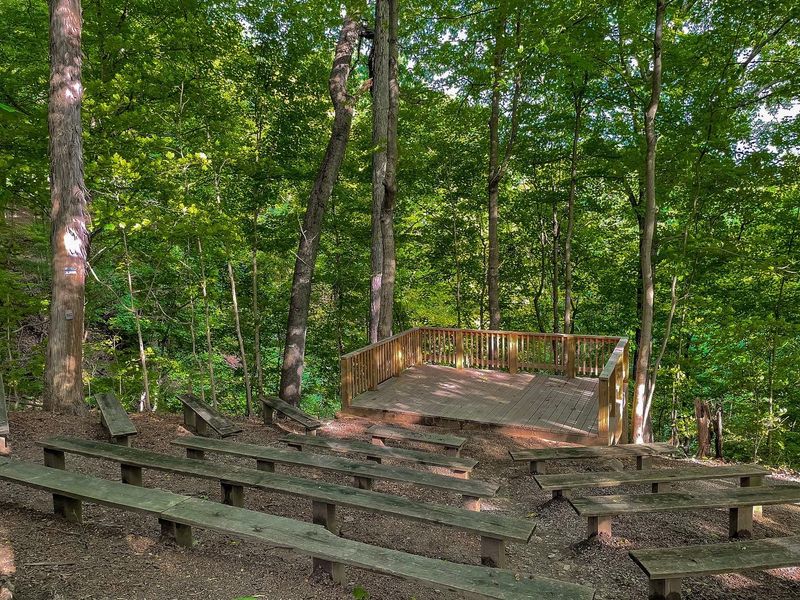
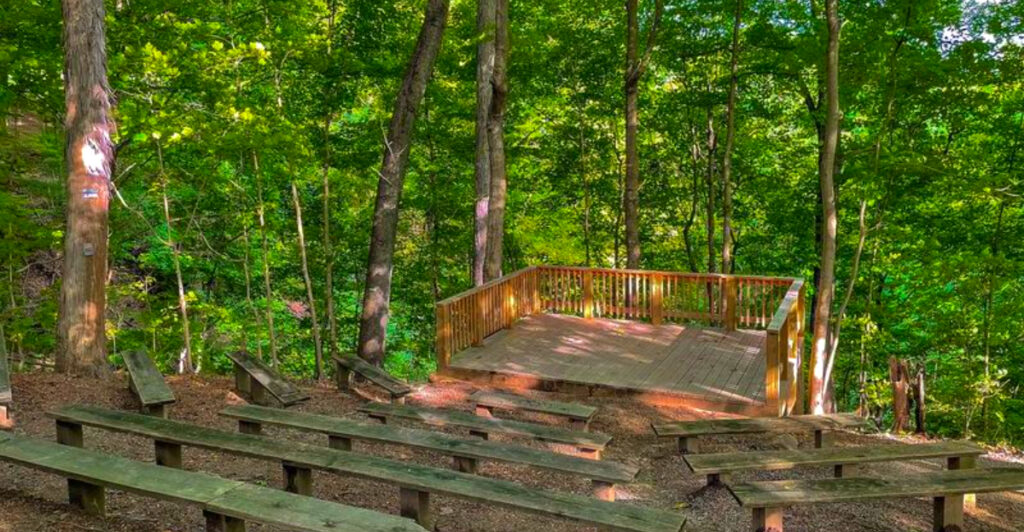
The arboretum runs a surprisingly rich calendar of public programs throughout the year, and most of them are free. The Nature Connection Series brings local and regional experts to the small woodland amphitheater for summer lectures on topics ranging from native pollinators to Appalachian geology. The setting alone, surrounded by mature trees on a hillside, makes even a dry topic feel engaging.
Moth Night is one of the more unusual offerings, where specialists set up lights and white sheets after dark to attract and identify hundreds of moth species. It sounds niche, but the turnout is consistently enthusiastic, drawing curious visitors who had no idea so many moth species existed in West Virginia.
The annual Pawpaw Party in fall is another crowd favorite, built around tasting the native pawpaw fruit and learning about its role in Appalachian ecosystems. Between the guided walks, the lectures, and the seasonal celebrations, the arboretum manages to feel like a living community hub rather than just a passive green space people pass through on their lunch breaks.
Practical Tips for Getting the Most Out of Your Visit
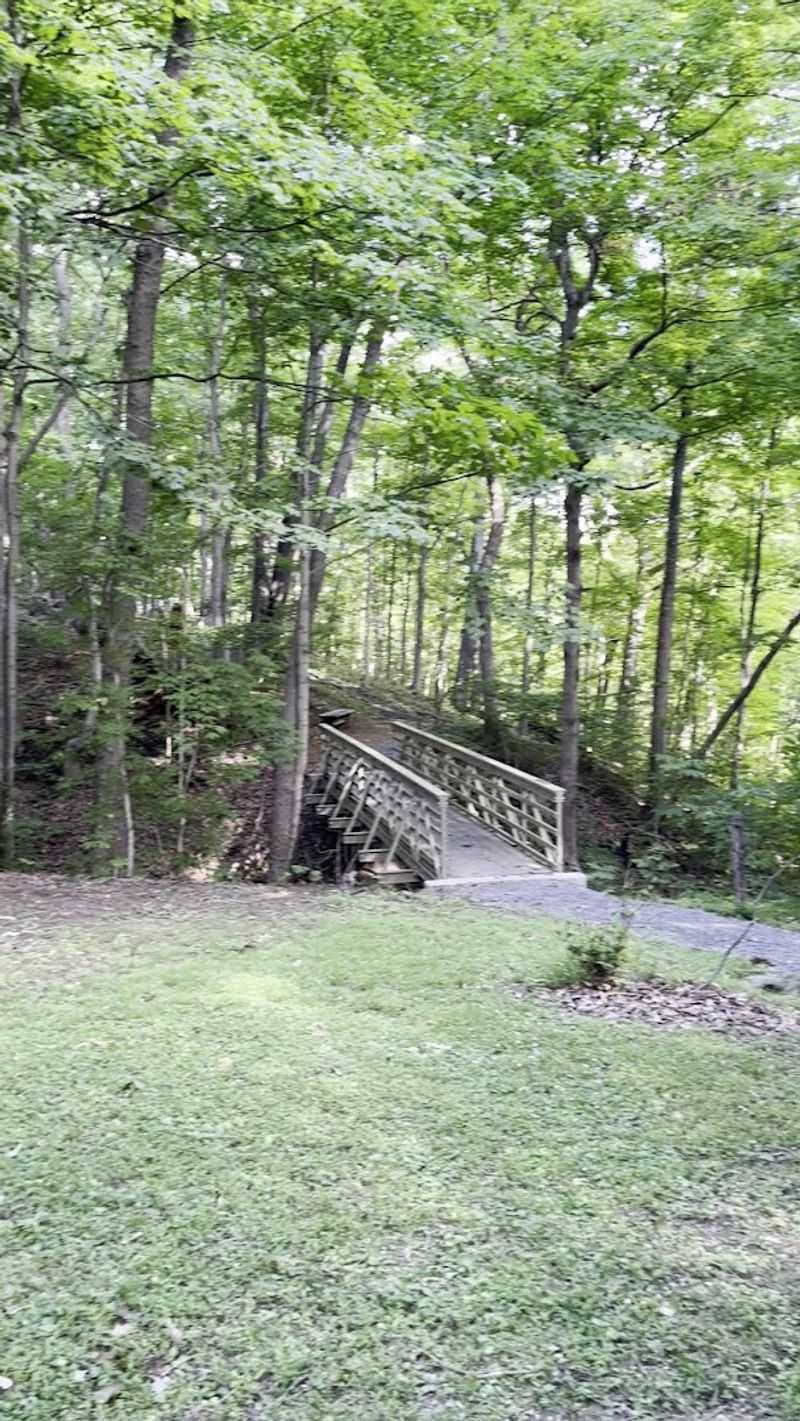
A few practical details can make the difference between a smooth visit and a frustrating one. The arboretum is open daily from 6 AM to 9 PM, and there is never an admission fee. The dedicated parking lot is small, with a three-hour limit enforced during business hours on weekdays.
If that lot is full, the WVU Coliseum Parking Lot nearby accepts parking via the ParkMobile app on weekdays but is free after 4 PM on evenings and all day on weekends. Restrooms are limited to portable facilities in the parking area, though the WVU Creative Arts Center across Monongahela Boulevard sometimes has indoor facilities available during operating hours.
Grab a free trail map from the information kiosk near the lot entrance before heading in. Bug spray is worth packing from late spring through summer, and the riverside sections can get quite muddy after rain, so waterproof footwear is a smart call. The trails are generally well-maintained, but a walking pole is helpful on the steeper sections near the cliffs. Cell service is reliable throughout most of the property.
Why This Arboretum Matters to Morgantown and Beyond
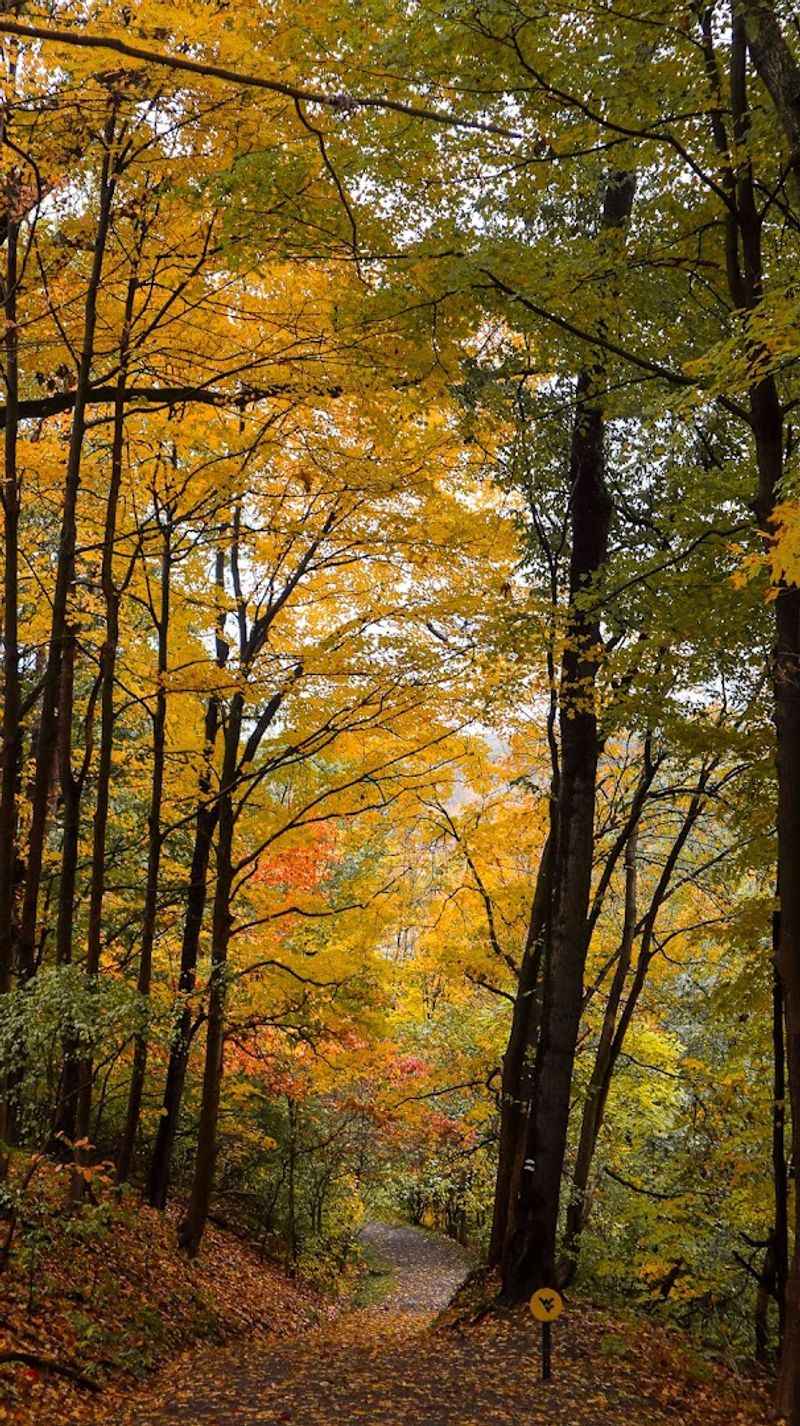
Core Arboretum is managed by the WVU Department of Biology, and its mission covers research, teaching, and public recreation in equal measure. That balance is what makes it work so well. It is rigorous enough to support genuine scientific study while remaining completely welcoming to anyone who simply wants a quiet walk by the river.
The labeled trees, interpretive signs, and guided programs create an educational layer that most parks lack, turning a casual outing into something that actually sticks with you afterward. Families with kids, solo hikers, runners, dog walkers, and plant enthusiasts all share the trails here without the space feeling crowded or divided.
For Morgantown residents, it provides a daily connection to nature that is rare in a city of this size. For visitors passing through, it offers a genuinely memorable stop that most travel guides overlook entirely. The arboretum holds a 4.8-star rating across nearly 300 reviews, and that number reflects something real: this is a place people return to, season after season, because it keeps rewarding the attention you bring to it.
Share this story