Tucked inside Wilmington’s scenic Brandywine Park, one historic rose garden has been delighting visitors with colorful blooms, peaceful surroundings, and timeless beauty for nearly a century. Visitors come for hundreds of rose varieties, beautifully landscaped paths, fragrant gardens, riverside scenery, seasonal blooms, historic charm, and one of Delaware’s most relaxing outdoor escapes. It’s the kind of place where a quick stroll often turns into an unhurried afternoon surrounded by flowers.
The experience extends far beyond the rose beds. Rich local history, carefully maintained gardens, volunteer dedication, picturesque photography spots, nearby walking trails, seasonal events, and free admission have made this one of Delaware’s most treasured public gardens. Whether you’re planning a spring outing, a summer picnic, or simply looking for a peaceful place to unwind, it’s easy to understand why visitors return year after year.
Here’s why Jasper Crane Rose Garden has become one of Delaware’s most beloved gardens and one of the state’s most beautiful places to experience roses in bloom.
Where Exactly You Will Find It
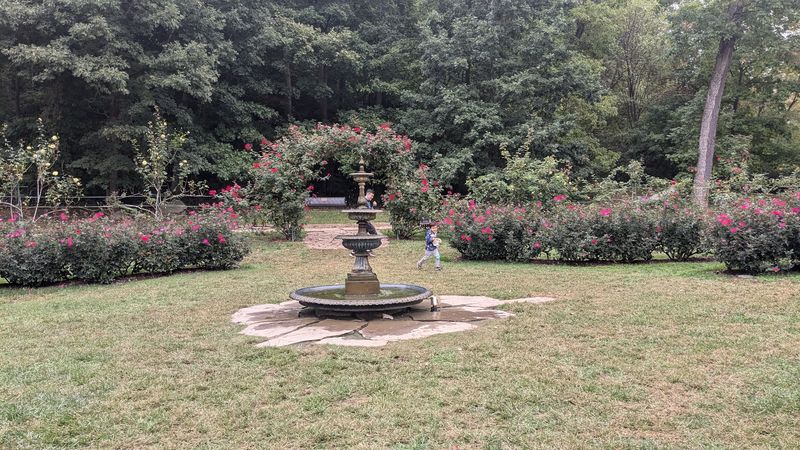
The Jasper Crane Rose Garden sits inside Brandywine Park at 1700 North Park Drive, Wilmington, DE 19802, tucked north of North Van Buren Street along the Brandywine River.
Getting there is straightforward, and the free parking available nearby, including a convenient spot under the I-95 bridge, makes the visit even more accessible.
The garden is part of a 178-acre urban park that winds alongside the river, so arriving feels less like pulling into a city lot and more like crossing into a different world entirely.
Once you park, the walk to the rose beds is short and pleasant, with the sounds of the river and the rustling of park trees welcoming you before the first bloom even comes into view.
For first-time visitors, it helps to know the garden sits just outside the Brandywine Zoo, making it easy to combine both stops into one relaxed afternoon outing along the riverfront.
Born Out of Hard Times: The Garden’s Depression-Era Origins
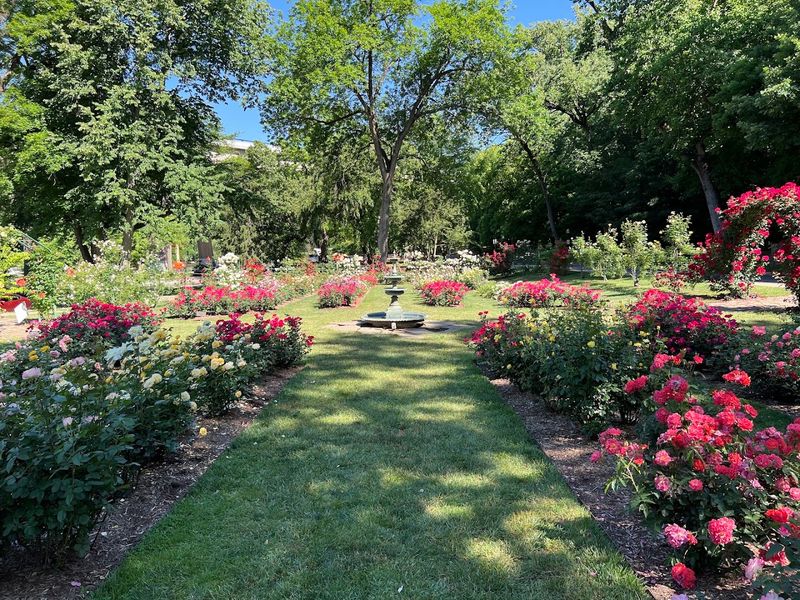
Few public gardens carry as compelling a backstory as this one, which was created between 1933 and 1934 as a Public Works Administration project during the Great Depression.
The City of Wilmington, the Federal Government, and a group of committed private citizens joined forces with a clear dual purpose: provide jobs for local workers and create a peaceful retreat for city residents living through one of the hardest economic periods in American history.
The driving vision behind the project belonged to Edgar L. Haynes, a Board of Parks Commissioner who studied other public rose gardens across the country and even consulted Horace McFarland, the founder and president of the American Rose Society, to get the design right.
By 1935, the American Rose Annual called it “one of the loveliest rose gardens in the country,” a remarkable achievement for a project born from necessity.
That combination of civic ambition and personal passion gave the garden a foundation that has proven surprisingly durable across the decades.
The Man Behind the Name and His 670 Roses
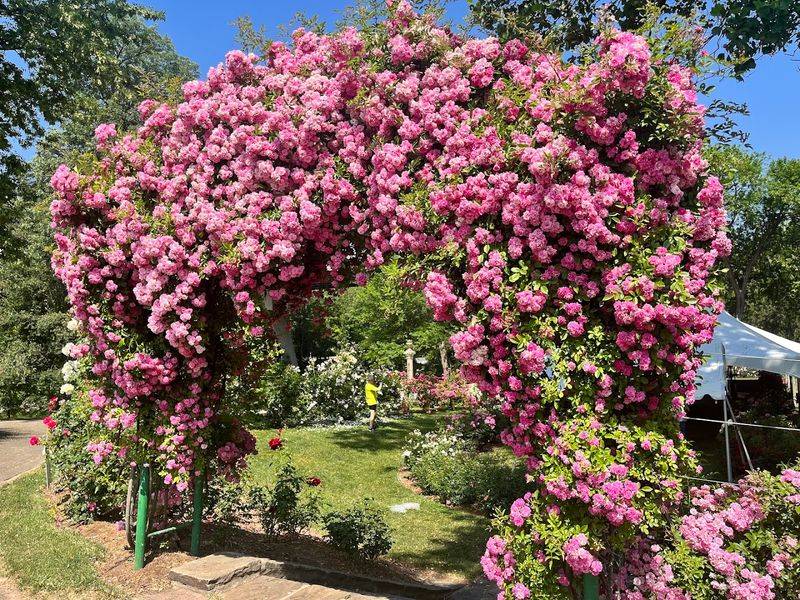
Jasper E. Crane was a Vice President at the DuPont Company and, by all accounts, a man who took his roses seriously.
When the garden project came together, he donated 670 rose plants covering 58 distinct varieties, every single one personally selected from his own highly regarded private garden.
That level of personal investment set the tone for everything that followed, establishing a standard of horticultural care and variety that the garden has worked to maintain ever since.
It is worth noting that one of Crane’s own descendants left a review mentioning him as a “snooty industrialist” who nonetheless loved roses deeply, which is perhaps the most honest and charming character summary a garden’s namesake has ever received.
His contribution transformed what could have been a modest municipal project into a genuine showcase, and the garden has honored that legacy by continuing to grow and evolve with the same spirit of thoughtful curation he brought to its founding collection.
How a Sloped Riverbank Became a Formal Garden
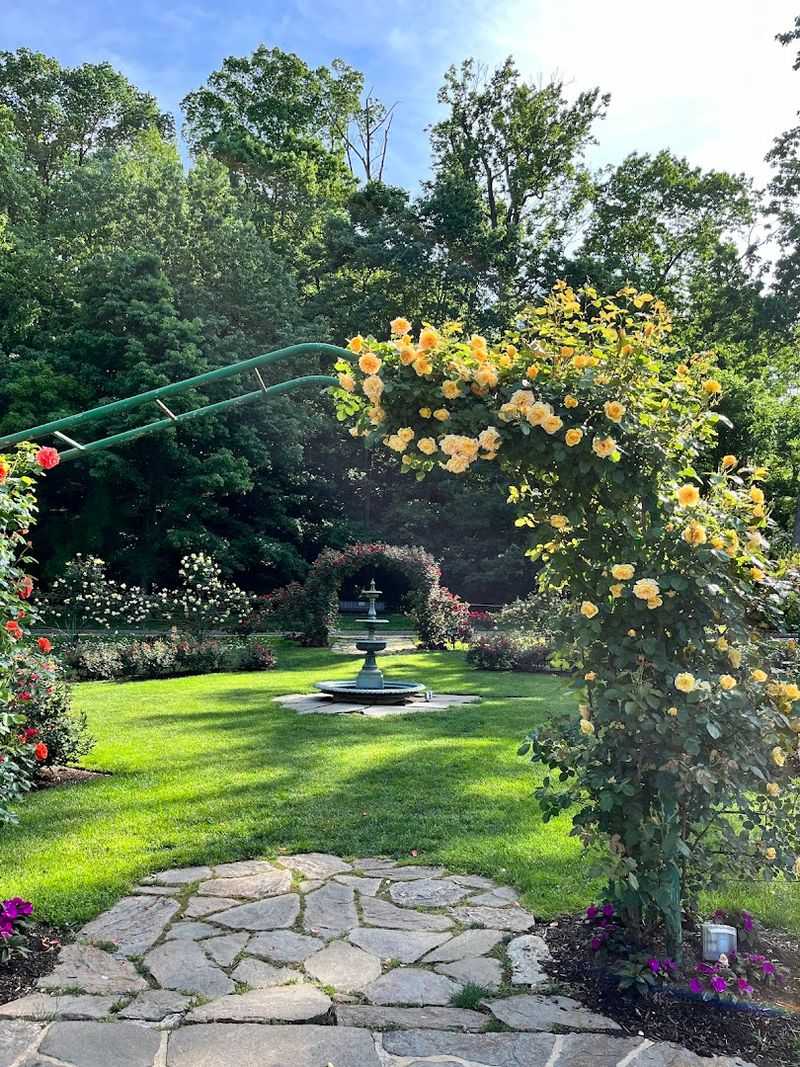
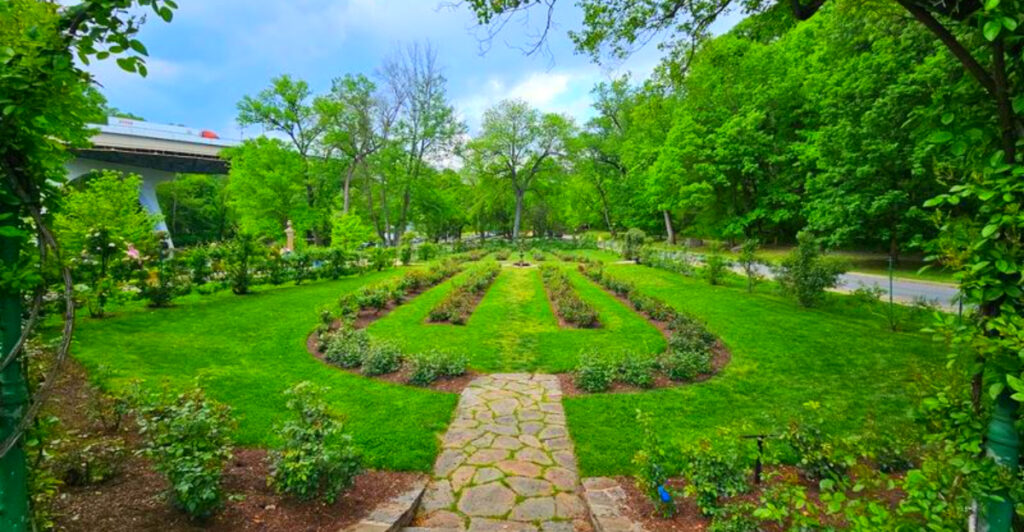
The land the garden now occupies was not exactly ready-made for elegant rose beds, as it was originally a sloped riverbank along the Brandywine River that required serious reshaping before a single bush could be planted.
Workers brought in soil to raise the lawn terrace by more than six feet in certain areas, creating the elevated, dramatic beds that give the garden its distinctive visual structure today.
The design followed the formal and symmetrical aesthetic popular in the 1930s, with carefully planned sections that originally allowed for 400 additional roses as funding became available over time.
At its peak in the 1950s, the garden held approximately 1,000 plants across 100 varieties, a number that reflects how quickly the community embraced and expanded the original vision.
The fountain added by the Friends of Wilmington Parks in 2013 now serves as the garden’s central focal point, giving the whole layout a classic European feel that feels both timeless and completely at home along the riverbank.
A Living Collection: The Roses Growing Here Today
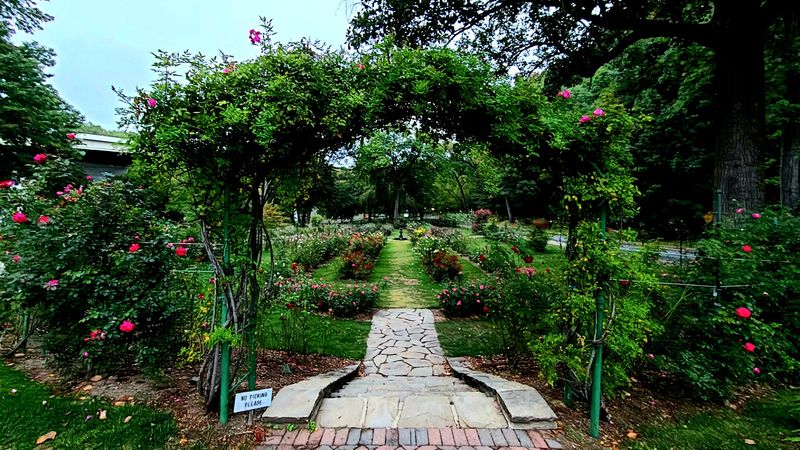
Today the garden maintains around 650 plants, a curated mix that includes Hybrid Teas, Floribundas, Grandifloras, and both shrub and climbing roses in a range of colors that can genuinely stop you mid-sentence.
The deep red varieties tend to draw the most attention, their intensity almost startling against the softer pinks and creamy whites blooming nearby.
A skilled rosarian employed year-round by the Friends of Wilmington Parks continually evaluates the health and performance of each plant, replacing underperformers with newer, more pest-resistant options when needed.
There is also a deliberate effort to introduce more fragrant varieties, which means the sensory experience of walking through the garden keeps improving with each passing season.
Every rose bed is labeled, so even casual visitors can leave knowing the names of their favorite varieties, which turns a pleasant stroll into something that feels a little like education without any of the effort usually associated with that word.
What the Air Smells Like and Why That Matters
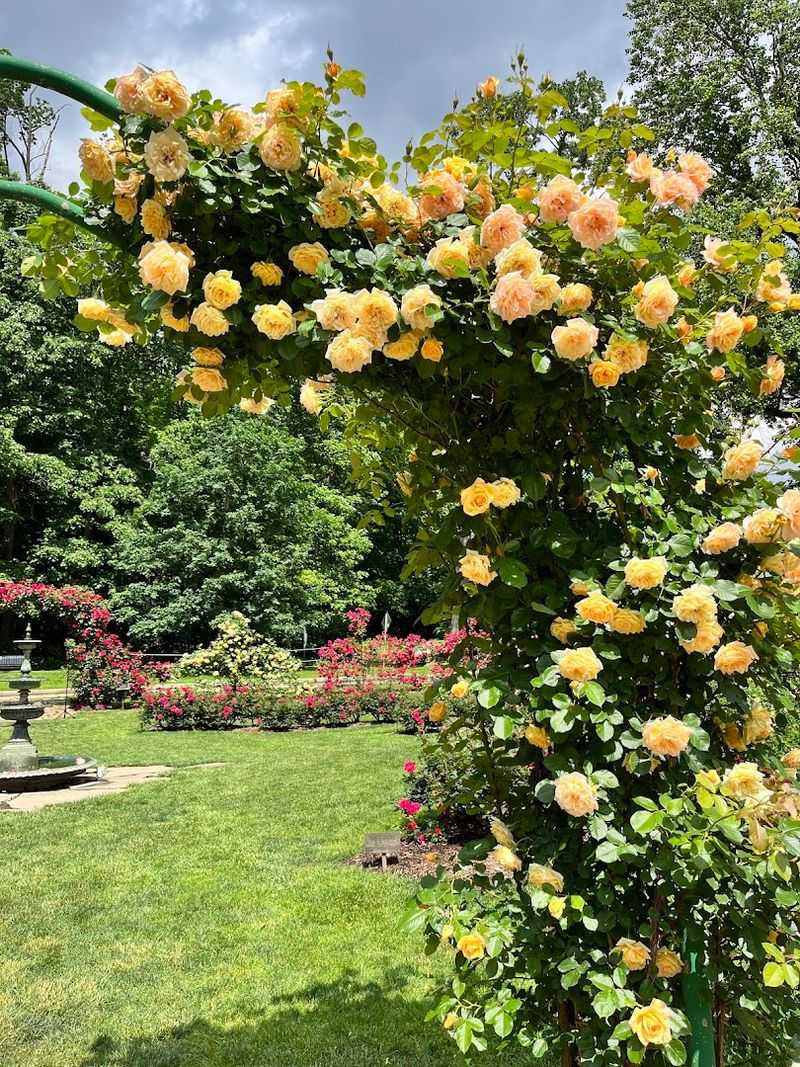
Gardens can be beautiful without being memorable, but the ones that linger in your mind long after you leave are almost always the ones that engaged more than just your eyes.
The Jasper Crane Rose Garden earns its reputation in part because the fragrance here, especially on a warm June morning, is the kind that makes you stop walking and just breathe for a moment.
The ongoing effort to add more fragrant varieties to the collection means this sensory quality is not accidental but actively cultivated, which says a lot about the intentions of the people who care for this space.
Visitors who arrive expecting a quick look-and-leave experience often find themselves spending far longer than planned, drawn from one section to the next by a new scent or a color combination they did not expect.
That unhurried, almost meditative quality is one of the garden’s most consistent features, and it is something no photograph, however well composed, can fully communicate to someone who has not yet visited.
Peak Bloom Season and the Best Time to Show Up
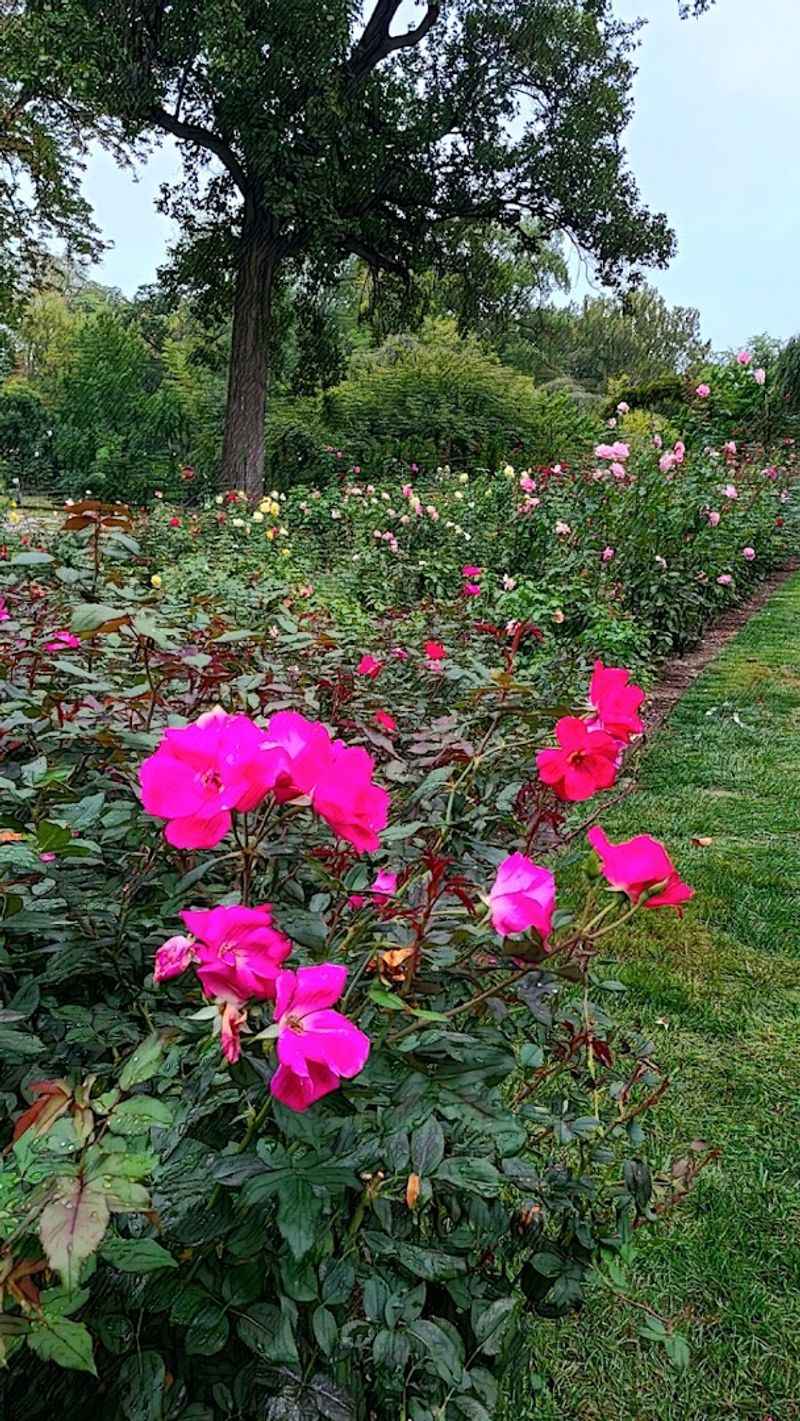
Early June is the moment most rose enthusiasts circle on their calendars, and for good reason, as that is when the garden reaches its most spectacular peak bloom and the color density across the beds becomes almost overwhelming in the best possible way.
The good news for those who cannot make it in June is that blooms continue reliably throughout the entire summer, so a July or August visit still delivers plenty of visual reward.
Spring visitors arriving in May will find the garden full of buds just on the edge of opening, which carries its own kind of anticipation and quiet beauty.
Autumn brings a different appeal altogether, with the surrounding park trees shifting into warm golds and oranges that frame the remaining late-season blooms in a way that feels almost theatrical.
Whenever you decide to visit, checking current bloom conditions before heading out is worth the extra minute, as the garden’s active community of enthusiasts often shares real-time updates that can help you time your trip perfectly.
The Friends Who Keep This Garden Alive
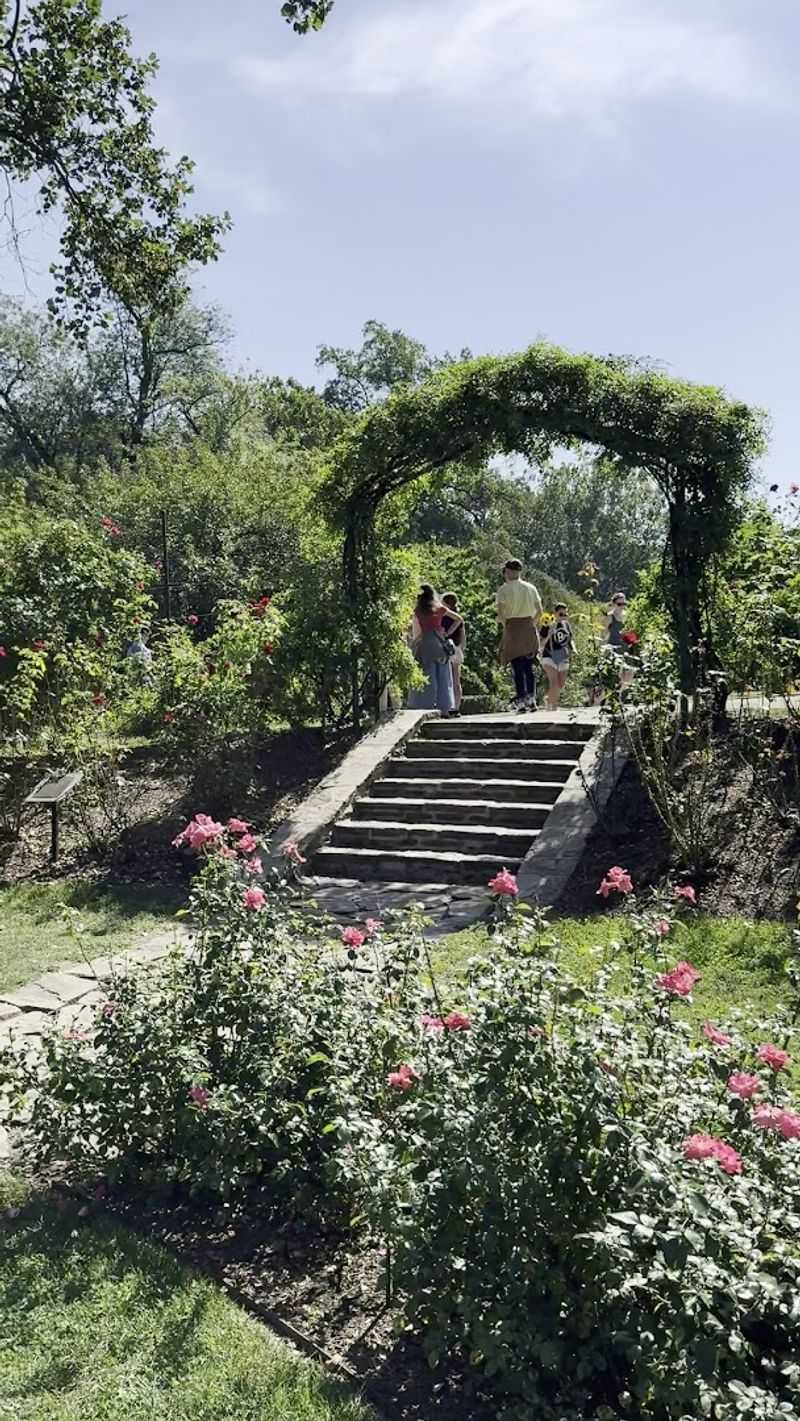
Since the 1990s, the Friends of Wilmington Parks has been the primary force behind the garden’s continued health, taking on the kind of steady, unglamorous maintenance work that rarely makes headlines but makes everything possible.
Their responsibilities include managing a full irrigation system, first installed in 2001 and then upgraded in 2015, which keeps hundreds of rose plants hydrated through Delaware’s warm summers without relying solely on rainfall.
A dedicated year-round rosarian oversees the plants professionally, but the volunteer corps that turns out for regular maintenance sessions is equally vital to the garden’s day-to-day appearance.
Those volunteers consistently describe the work as genuinely enjoyable, citing the visitor appreciation they witness firsthand as one of the most rewarding parts of the job.
The annual Jasper Crane Rose Garden Party, held every June, serves as both a celebration of the season’s blooms and a fundraising opportunity that helps sustain the conservation work carrying the garden forward into its next decade.
Pests, Deer, and the Quiet Battle to Protect the Blooms
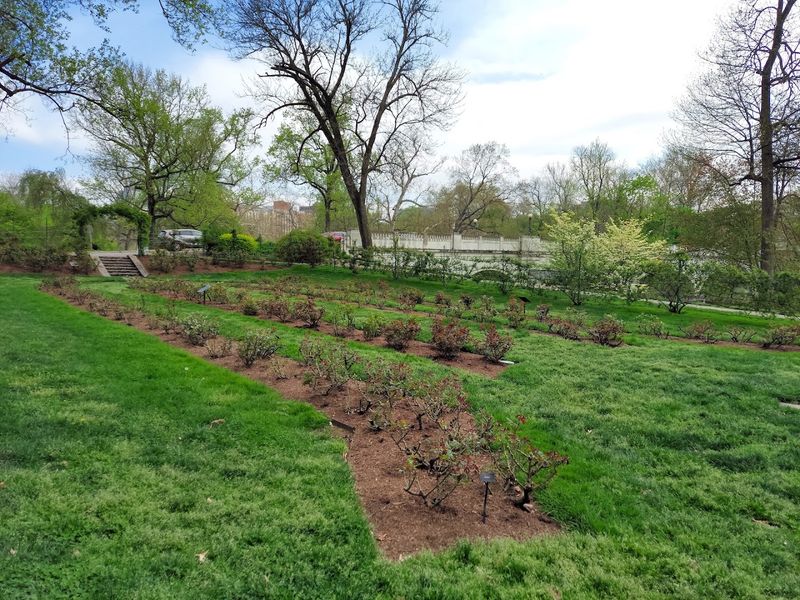
Keeping 650 rose plants in excellent condition is not as simple as watering and waiting, and the team behind this garden faces a rotating cast of challenges that demand constant vigilance throughout the growing season.
Professional pest control is a regular part of the maintenance schedule, with specialists brought in to manage the kinds of common rose ailments that can spread quickly if left unchecked.
The arrival of Spotted Lanternflies in the region has added a newer, more unpredictable threat to the mix, requiring updated approaches and ongoing monitoring to prevent significant damage.
Deer present a persistent problem as well, frequently targeting new growth and forcing the team to deploy deer-resistant products around the most vulnerable plants.
What makes this ongoing effort remarkable is not just the scale of it but the consistency, as the garden’s appearance gives almost no outward sign of these constant battles, which is itself a testament to the skill and dedication of everyone involved in keeping it looking this good.
Photography, Picnics, and Other Reasons to Linger
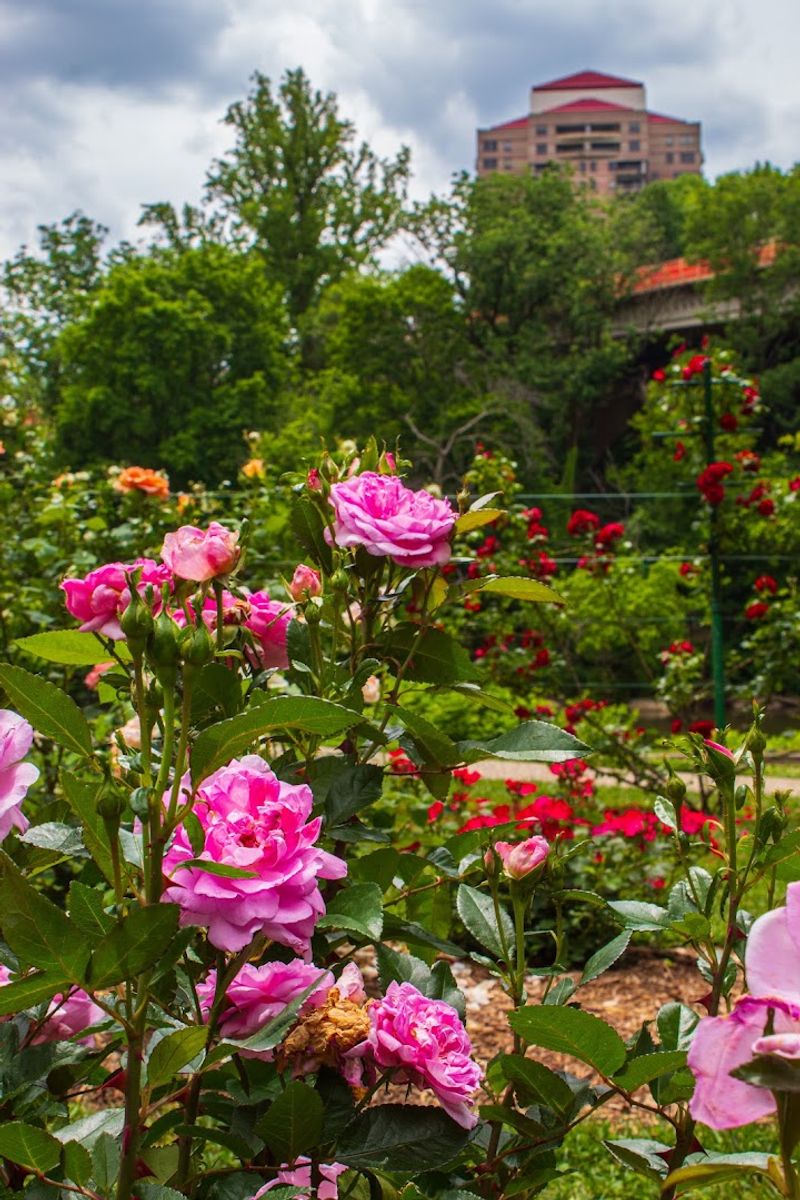
The garden draws a notably diverse crowd, from dedicated rosarians with notebooks to couples on afternoon dates to photographers who quickly realize the light hitting the rose beds in the late morning is practically made for a camera.
The layout rewards slow, deliberate exploration, with each section offering a slightly different color palette and arrangement that keeps the visual interest fresh from one bed to the next.
Combining a garden visit with a walk along the Brandywine River trails is a natural progression, as the park’s scenic paths connect smoothly to the garden’s location and extend the outing into something more expansive.
Picnic tables are available within the broader park, making it easy to pack a lunch and turn the visit into a full half-day experience rather than a quick stop.
Children who participate in occasional educational events hosted in the garden often leave with a budding curiosity about plants that no classroom setting could quite replicate in the same way.
Free to Enter and Genuinely Worth Your Time
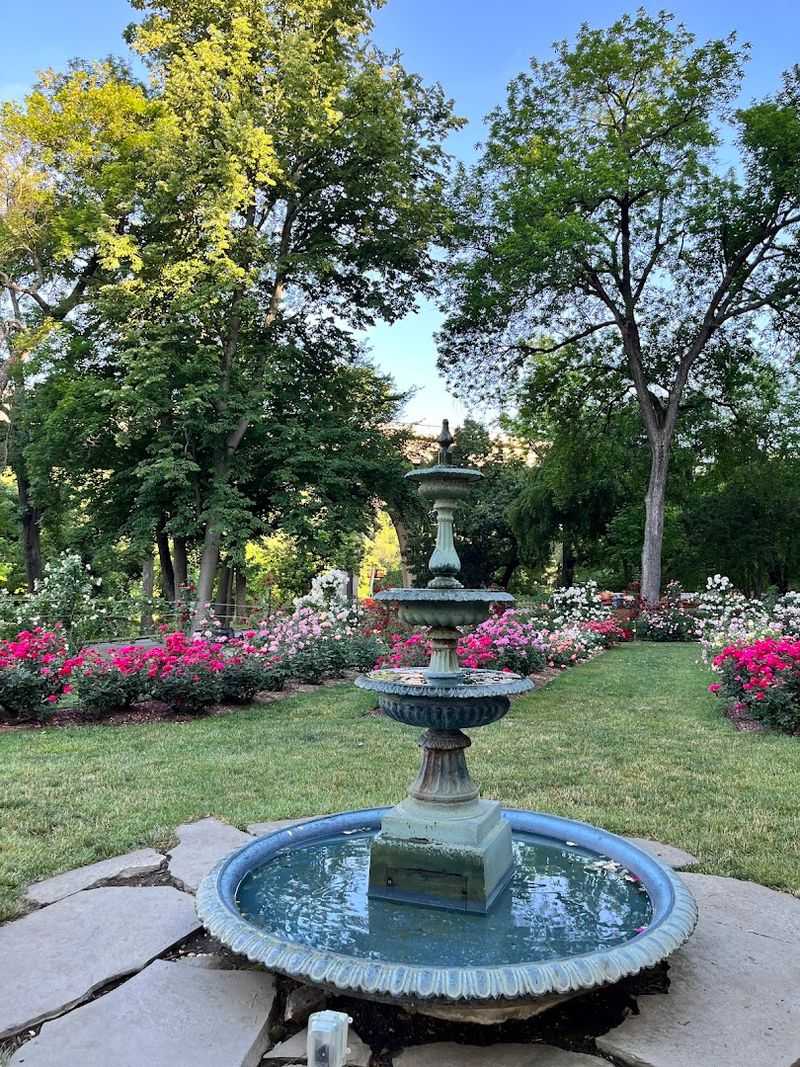
No admission fee stands between you and 650 rose plants in full bloom, which feels almost unreasonably generous for a garden maintained at this level of quality and care.
Free parking is available nearby, which removes another common friction point and makes the whole experience feel refreshingly uncomplicated from arrival to departure.
There are no public restrooms directly within the rose garden itself, so planning accordingly before you arrive will save you from an interruption at an inopportune moment.
The broader Brandywine Park includes some handicap-accessible trails, which allows a wider range of visitors to approach and enjoy the garden without significant barriers.
That open-access philosophy connects directly back to the garden’s founding purpose as a public works project designed to bring beauty and relief to everyone in the community, not just those with resources to spare, and nearly 90 years later, that intention still shapes the experience in a way that feels both rare and genuinely meaningful.
A 4.9-Star Rating and What It Actually Tells You
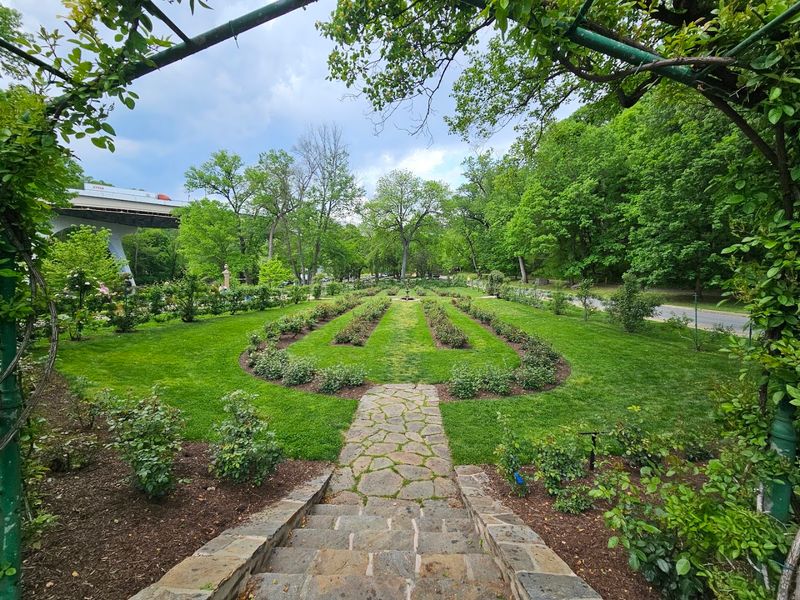
A 4.9-star average from 34 reviews might sound like a small sample, but when nearly every person who visits leaves a five-star rating, that consistency tells a story that raw numbers alone cannot fully capture.
The feedback points consistently toward the same qualities: immaculate maintenance, genuine variety, a calming atmosphere, and the pleasant surprise of finding something this beautiful in an urban setting.
What stands out most across the reviews is not lavish praise for any single feature but a recurring sense of gratitude, as though visitors feel they received something they did not expect and want others to know about it.
That reaction, repeated across visitors of all ages and backgrounds, suggests the garden delivers on its promise reliably rather than occasionally.
For a spot that charges nothing, requires minimal planning, and rewards visitors with beauty, fragrance, history, and a genuine sense of peace, a near-perfect rating is not surprising at all, it is simply accurate.
Share this story