Delaware may be the second-smallest state in the country, but it packs a surprising amount of character into its borders. Beyond the well-known beaches and the state capital, there are dozens of quiet communities where colonial history, working waterfronts, and local traditions shape everyday life in the most compelling ways. Some of these towns have been hiding in plain sight for centuries, waiting for curious travelers to slow down long enough to notice them. You will find brick streets lined with 18th-century homes, fishing villages where boats head out before sunrise, and arts communities that have been drawing creative minds for over a hundred years.
Each town on this list has something specific and memorable to offer, whether that is a famous festival, a remarkable historic site, or simply a waterfront park where time seems to move differently. Read on to discover 12 Delaware small towns that genuinely deserve a closer look.
1. Odessa, Delaware
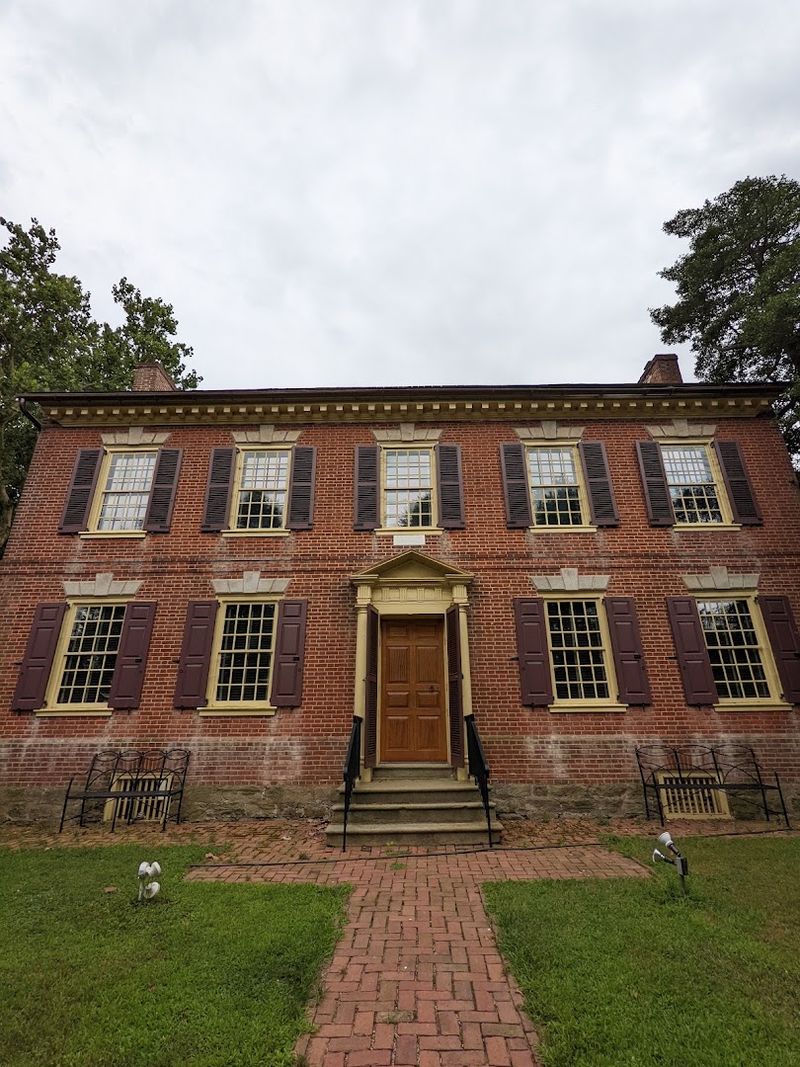
Few towns in Delaware can match the architectural time capsule that Odessa presents to every visitor who turns onto its main street. The Historic Odessa Foundation maintains five 18th and 19th-century properties, including the Corbit-Sharp House, a Georgian-style National Historic Landmark built in 1774, and the Wilson-Warner House from 1769, both filled with period furnishings and collections.
The Corbit-Sharp House is also a designated site on the Harriet Tubman Underground Railroad Byway, adding another layer of historical depth to an already remarkable community. Odessa developed as a port town along the Appoquinimink River, and that heritage is still visible in the scale and craftsmanship of its surviving structures.
The holiday season brings special tours of these properties, giving visitors an especially vivid look at how colonial families lived. The compact layout makes the entire historic district walkable in a single afternoon.
2. Delaware City, Delaware
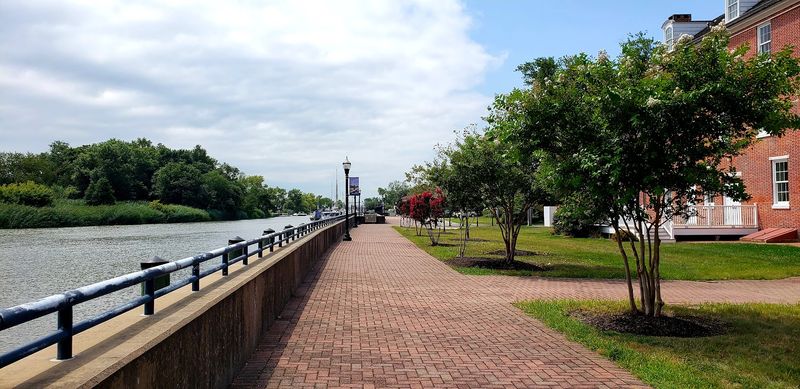
A working river town with a ferry ride built right into its itinerary, Delaware City offers one of the more unusual day-trip experiences in the entire state. Visitors board a short ferry to Pea Patch Island, where Fort Delaware State Park occupies a 19th-century fortification that once served as a Union prison camp during the Civil War.
The fort hosts seasonal reenactments and guided tours that bring that chapter of history to life in a surprisingly engaging way. Back on the mainland, the town’s historic district rewards a slow walk, with preserved architecture and river views that make the Delaware waterfront feel genuinely picturesque.
Local restaurants along the marina area offer straightforward meals with a relaxed atmosphere, and the riverfront promenade is a pleasant spot to watch boats pass by. Delaware City is the kind of town that tends to take longer to leave than expected.
3. Milton, Delaware
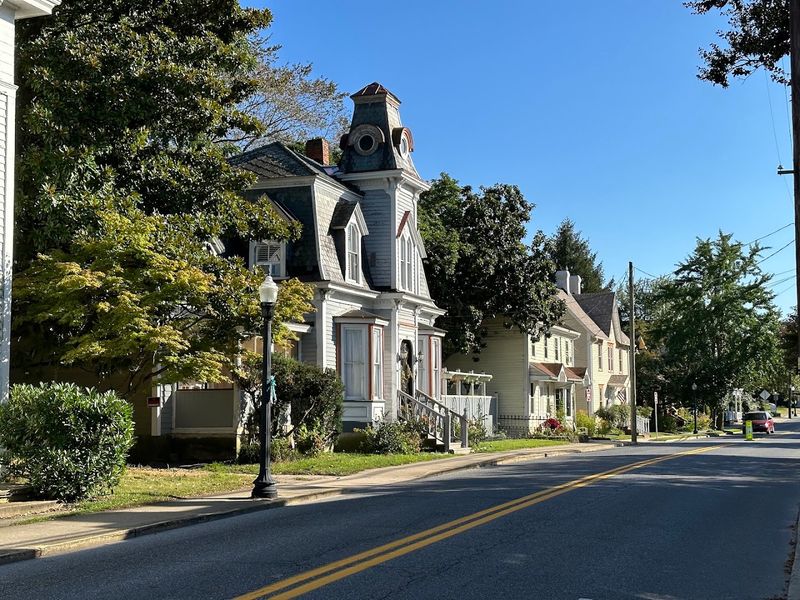
Milton sits at a genuinely appealing crossroads between history, the arts, and outdoor recreation, and it manages all three without feeling scattered. The downtown features locally owned shops, art galleries, and cafes housed inside carefully restored 19th-century buildings that give the main street a cohesive and welcoming character.
The Broadkill River runs along the edge of town, providing access for kayaking and boating, while nearby parks add options for hiking and wildlife observation. Milton also runs a busy events calendar throughout the year, including a Strawberry Festival, a Holly Festival, and the Horseshoe Crab and Shorebird Festival, each drawing visitors who want to connect with the town’s natural and agricultural surroundings.
What keeps Milton interesting is that it does not rely on a single attraction to draw people in. The combination of walkable historic streets, creative local businesses, and easy river access gives it a well-rounded identity that holds up across multiple visits.
4. Bowers, Delaware
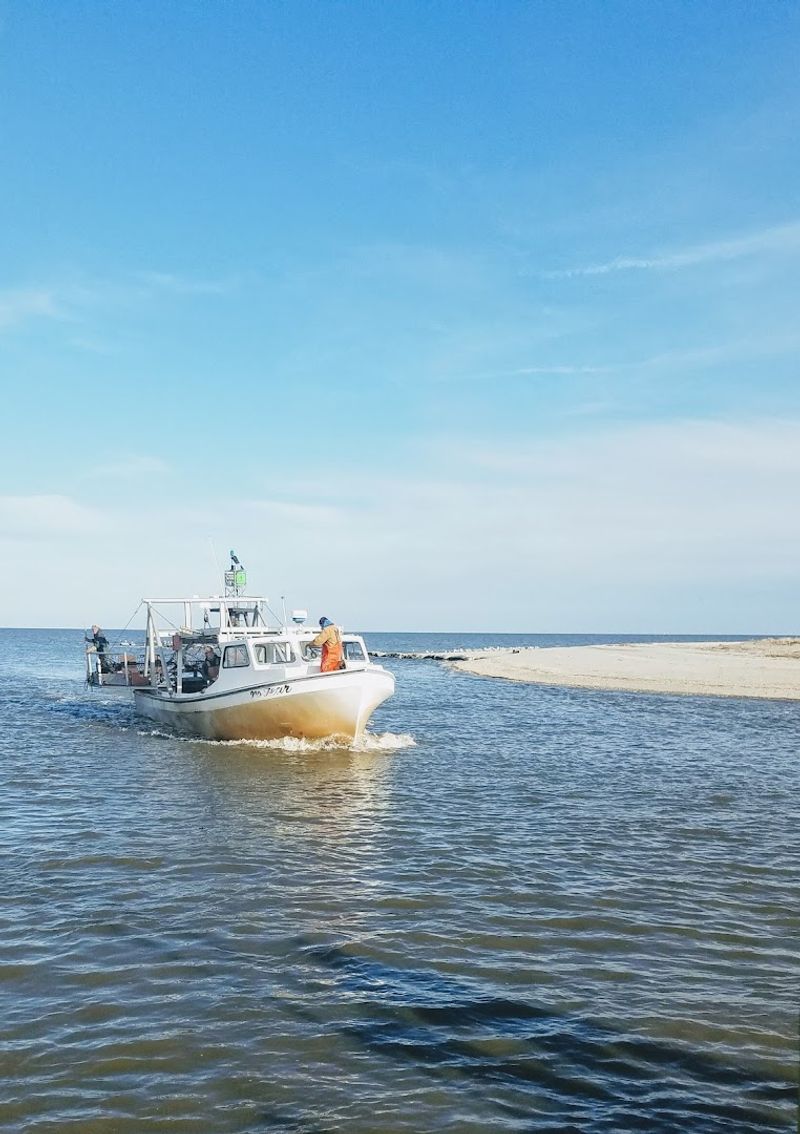
Originally called Whitwell’s Delight in the 1600s and later known as Dover Peers, the town now incorporated as Bowers has one of the more layered histories of any fishing community on the Delaware Bay. Colorful commercial fishing boats line the docks, and seafood restaurants nearby serve the kind of straightforward coastal food that makes sense in a place like this.
The Bowers Beach Maritime Museum, housed in an 1800s building on Main Street, covers the town’s fishing heritage and the lives of the local watermen who shaped its identity. Community events like the Buccaneer Bash and the annual celebration of oyster harvesting keep a lively local culture going throughout the warmer months.
The beaches here are calm and unpretentious, and the bay views are wide and unobstructed. Bowers is the kind of place where a visitor can spend an entire afternoon watching the water and feel like they made excellent use of their time.
5. Bridgeville, Delaware
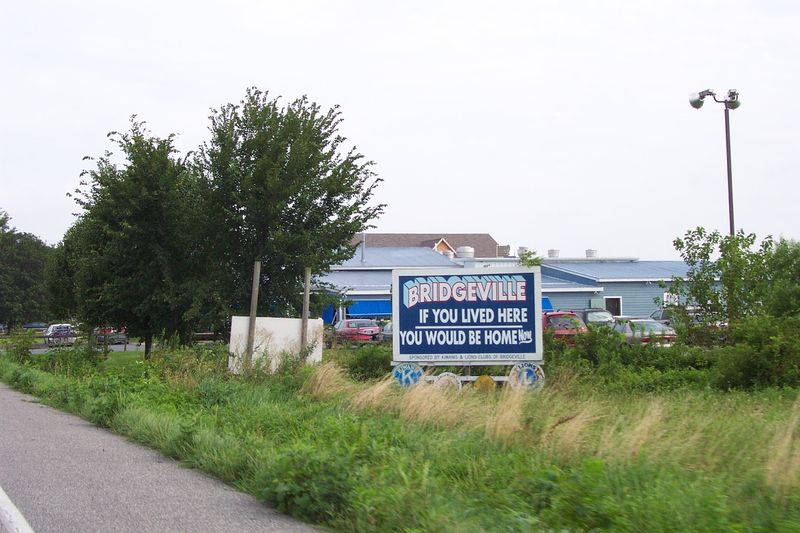
Every October, Bridgeville fills its streets with one of the more entertaining agricultural festivals in the mid-Atlantic region. The Apple Scrapple Festival, first held in 1992, celebrates two distinctly Delaware food traditions with events that include the Ladies’ Iron Skillet Toss and the Mayor’s Scrapple Sling, which are exactly as entertaining as they sound.
Scrapple, a traditional pork product with deep roots in Pennsylvania Dutch and Delaware cooking, takes center stage alongside locally grown apples, craft vendors, and live entertainment. Outside of festival season, Bridgeville maintains a quiet and walkable downtown with antique shops and local eateries that reflect its agricultural surroundings.
The town sits comfortably in southern Delaware’s farming country, and that context shapes its identity in a grounded, unpretentious way. Bridgeville is not trying to be anything other than what it is, and that straightforward authenticity is a significant part of its appeal.
6. Laurel, Delaware

Broad Creek runs quietly through Laurel, and the waterfront park that sits along its banks is one of the better-kept secrets in southern Delaware. Walking paths follow the creek’s edge, and the park provides a calm, accessible space that locals use regularly and visitors tend to discover with a pleasant sense of surprise.
The historic downtown features brick storefronts that house local shops and businesses, giving the main street a cohesive character rooted in the town’s 19th-century commercial history. Boating and fishing on Broad Creek are popular activities that draw people to the water throughout the warmer months.
Laurel does not advertise itself loudly, which is part of what makes it feel like a genuine find. The combination of a well-maintained historic district and direct waterfront access gives it more substance than its modest size might initially suggest. It earns its place on any thoughtful list of Delaware’s most rewarding small-town destinations.
7. Wyoming, Delaware
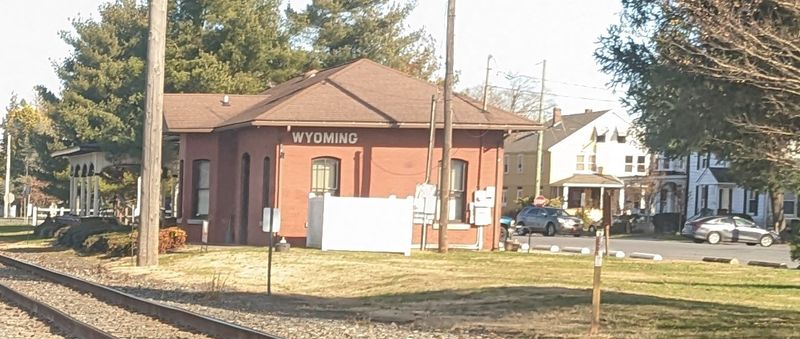
Wyoming was built around the Pennsylvania Railroad in 1856, and that origin shaped its early identity as a shipping hub for Delaware’s famous peach harvest. The annual Peach Festival, typically held on the first Saturday of August, brings that agricultural legacy back to life with local food, live music, and community traditions that have made the event a Kent County staple.
Fifer Orchards, a long-established local farm with deep roots in the area, remains closely connected to Wyoming’s identity and continues to supply the kind of fresh produce that put the region on the agricultural map. Beyond festival season, the town offers quiet residential streets lined with well-maintained historic homes that reflect its 19th-century origins.
Wyoming is small enough to walk in its entirety in under an hour, but the experience of doing so feels genuinely rewarding. Its history is specific, its community pride is evident, and its annual celebration of peaches is a perfectly charming reason to visit.
8. Townsend, Delaware

Townsend has grown steadily over the past few decades, but it has managed that growth without losing the relaxed, community-centered character that defines northern Delaware’s smaller towns. Open green spaces and local parks give residents and visitors alike a place to spend time outdoors without having to drive far from the town center.
Community events run throughout the year, keeping a consistent social calendar that reflects the town’s investment in its own identity. The layout is straightforward and easy to navigate, which makes Townsend a low-stress stop for anyone exploring the northern part of the state.
Its location along the main corridor between Wilmington and Dover means it is rarely more than a short detour from wherever a traveler happens to be heading. Townsend does not compete for attention with flashier destinations, and it does not need to. Its steady, welcoming atmosphere is exactly what makes it worth a stop on any Delaware road trip itinerary.
9. Fenwick Island, Delaware
At the very southern tip of Delaware, Fenwick Island offers a beach experience that deliberately stays quieter than the resort towns just up the coast. Fenwick Island State Park protects a stretch of undeveloped Atlantic beachfront that is ideal for swimming, fishing, and simply enjoying the shoreline without the infrastructure of a major resort destination.
The Little Assawoman Bay, accessible from the park’s bay side, provides calm water for kayaking and paddleboarding, along with marshland that supports a notable variety of bird and aquatic life. The town itself has mini-golf courses, local shops, and family-friendly restaurants that balance the natural environment with practical visitor amenities.
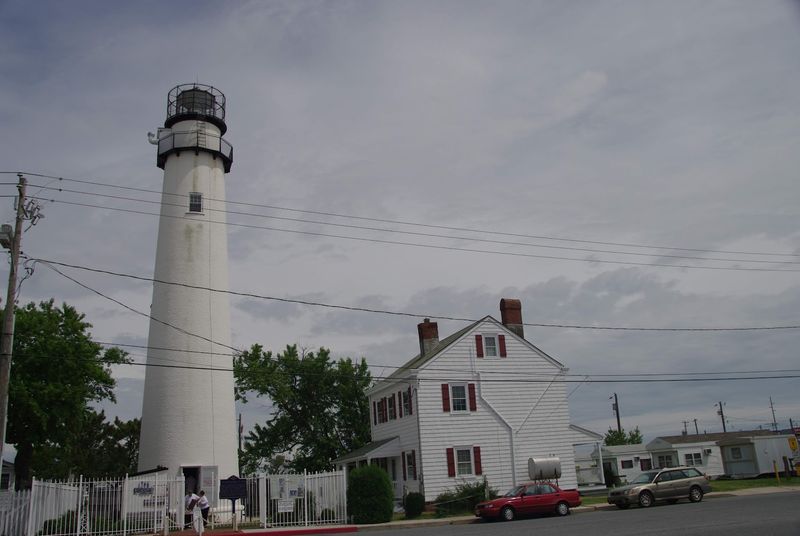
The historic Fenwick Island Lighthouse, built in 1858, adds a recognizable landmark to a destination that otherwise keeps a deliberately low profile. Families who discover Fenwick Island tend to return to it consistently, drawn by the combination of open beaches, calm bay access, and an atmosphere that resists overcrowding.
10. Little Creek, Delaware
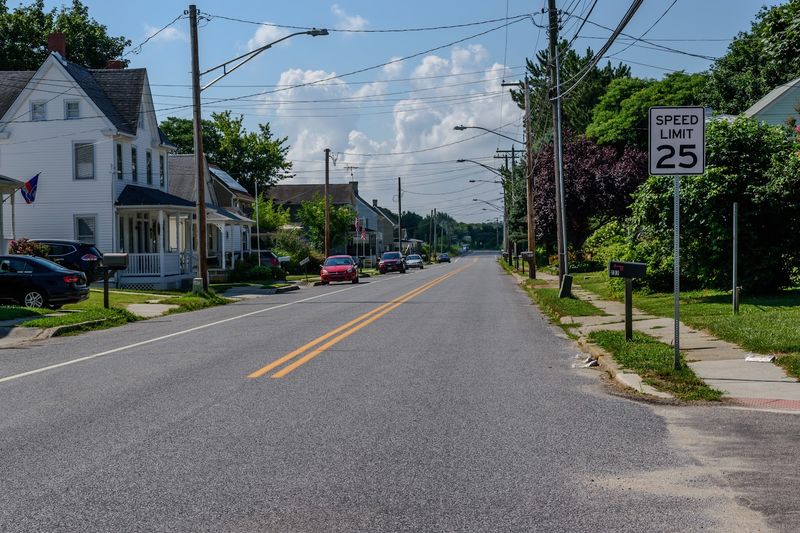
Little Creek operates on a schedule set by the tides and the seasons rather than by tourist demand, and that rhythm is a significant part of what makes it worth visiting. Commercial fishing boats work the waters of Delaware Bay, and the marshlands surrounding the village support a dense population of migratory birds that draw serious birdwatchers from across the region.
Spring and fall migration seasons bring the largest concentrations of species through the area, making those months especially productive for photographers and naturalists who know where to look. The marshes themselves function as critical habitat for waterfowl, shorebirds, and wading birds that use the Delaware Bay corridor as a major migration route.
Little Creek does not have a visitor center or a formal attraction to anchor a trip. What it offers instead is direct, unmediated access to a working coastal ecosystem that has been shaping life in this corner of Delaware for centuries. That simplicity is its strongest recommendation.
11. Slaughter Beach, Delaware
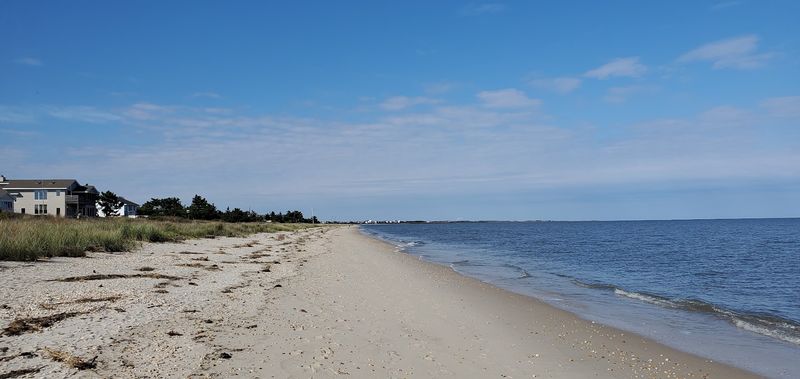
The name alone tends to stop people mid-sentence, but Slaughter Beach, founded in 1681, is one of the most peaceful coastal communities in the entire state. Designated as a Horseshoe Crab Sanctuary and certified as a Community Wildlife Habitat by the National Wildlife Federation, the town has built its identity around protecting and showcasing the natural cycles of the Delaware Bay.
Every May and June, horseshoe crabs come ashore in large numbers to spawn, drawing Red Knots, Dunlins, and other shorebird species that time their migration specifically to feed on the crab eggs. Baby diamondback terrapins also emerge from beach nests in spring and make their way toward the marsh, adding another layer of natural spectacle to the season.
Slaughter Beach has no boardwalk, no arcades, and no major commercial strip. What it has instead is a bay shoreline that functions as a front-row seat to one of the eastern seaboard’s most remarkable ecological events, and that is a genuinely rare thing to offer.
12. Lewes, Delaware
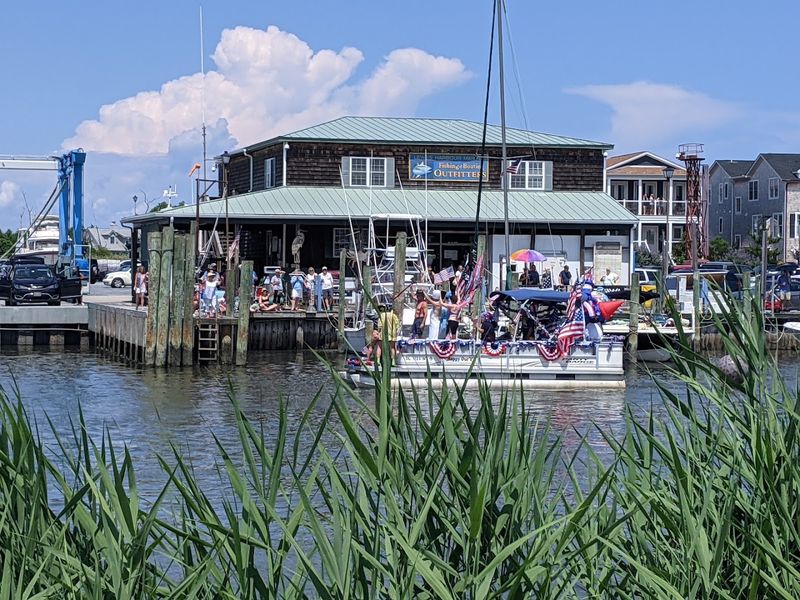
Dutch settlers established the Zwaanendael Colony here in 1631, making Lewes the earliest European settlement in Delaware and one of the oldest in the entire mid-Atlantic region. That foundational history is visible throughout the downtown, where buildings dating to the late 1600s and early 1700s stand alongside independent boutiques, cafes, and museums that keep the historic district active and commercially relevant.
The Cannonball House, which serves as the town’s maritime museum, documents Lewes’s role as a strategic hub during the Revolutionary War and its long relationship with the Delaware Bay shipping trade. Cape Henlopen State Park, covering more than 5,000 acres adjacent to the town, provides hiking trails, biking paths, a nature education center, and protected bird sanctuaries that expand the visitor experience well beyond the historic district.
Lewes earns its reputation as the First Town in the First State not through marketing but through the actual depth of what it preserves and presents. It is one of the most historically substantive small towns in Delaware, and it remains consistently engaging across multiple visits.
Share this story