Idaho is a state that quietly outdoes itself when it comes to natural beauty. Tucked between mountain ranges and ancient forests, the state holds some of the most jaw-dropping lakes in the entire country. These are places where the water turns impossible shades of blue, where granite peaks rise straight from the shoreline, and where wildlife shows up uninvited in the best possible way. From a lake so colorful it earned a Caribbean nickname to a wilderness alpine lake that stays frozen well into summer, each destination on this list has something genuinely remarkable to offer.
Some require a hike to reach, others sit right next to a lively town, and a few are so peaceful you might wonder if you accidentally wandered into a painting. Whether you are planning a road trip, a camping adventure, or just building a dream list, these 13 Idaho lakes deserve a serious spot on your radar.
1. Redfish Lake, Stanley, Idaho
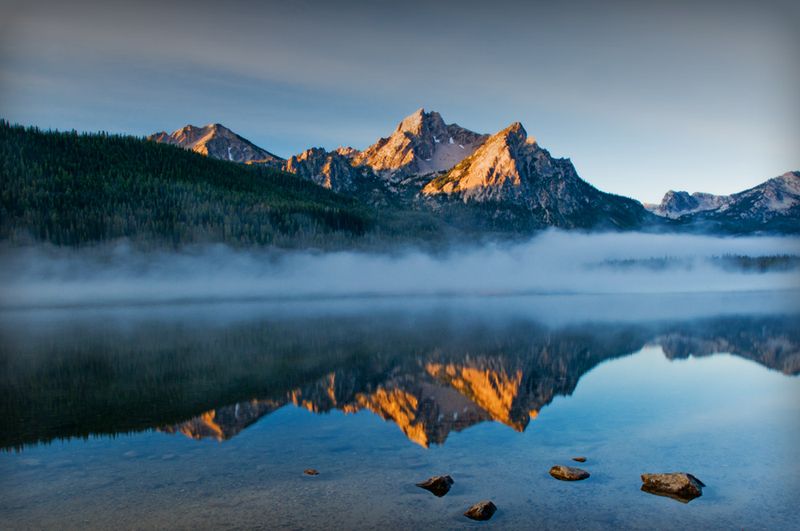
Back in the days before conservation programs, this lake ran so red with returning sockeye salmon each season that early visitors named it on the spot. Redfish Lake sits at the base of the Sawtooth Mountains and stretches 4.5 miles long, making it the largest lake within the Sawtooth National Recreation Area.
The water stays crystal clear year-round, fed by snowmelt from the surrounding peaks and dropping to significant depths beneath that inviting surface. Boat rentals, a historic lodge dating back to 1929, and a cross-lake ferry make it easy to explore every corner without wearing out your hiking boots.
Anglers come for bull trout, Chinook salmon, and steelhead. Swimmers brave the brisk 62-degree water in late summer. A visitor center near the shore provides information about the lake’s ecosystem and the ongoing effort to restore the endangered sockeye population.
2. Lake Coeur d’Alene, Coeur d’Alene, Idaho
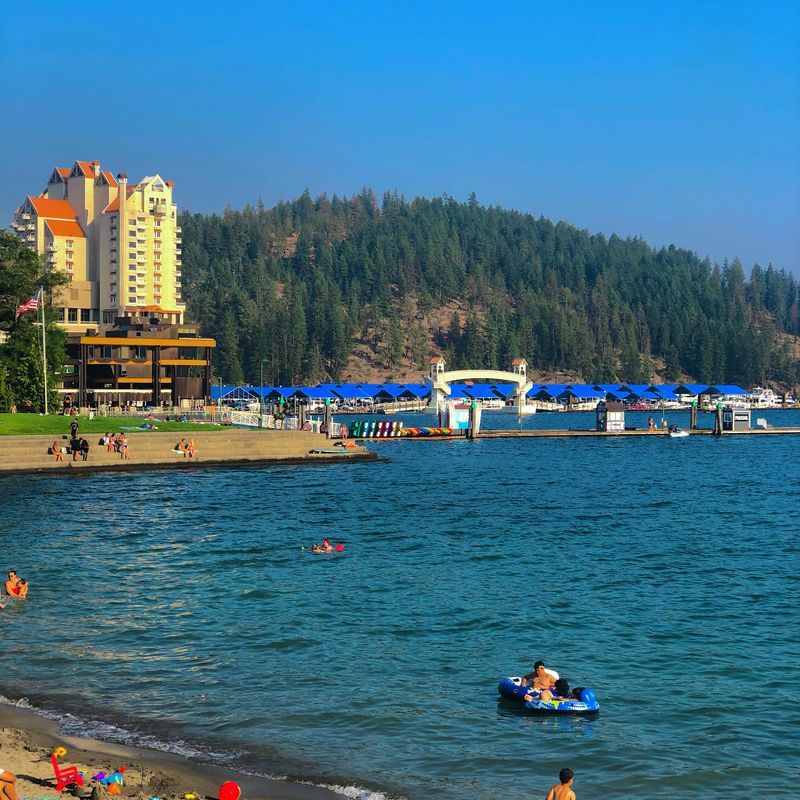
French fur traders were so impressed by the sharp trading skills of the local Schitsu’umsh people that they named this entire region “Heart of the Awl,” and the lake that carries that legacy today is just as unforgettable. Spanning 25 miles in length with over 109 miles of shoreline, Lake Coeur d’Alene is Idaho’s second-largest lake.
More than 50 steamboats once worked these waters to support the timber and mining industries, and some of those historic vessels still rest at the bottom, forming a hidden underwater graveyard. Today, the Coeur d’Alene Resort features the world’s only floating golf green, a five-million-pound artificial island that repositions daily via underwater cables.
Every December through January, bald eagles gather at Beauty Bay to feed on kokanee salmon, drawing wildlife photographers from across the region. A 3,300-foot floating boardwalk built from cedar logs offers a one-of-a-kind waterside walk through the heart of the city.
3. Lake Pend Oreille, Sandpoint, Idaho
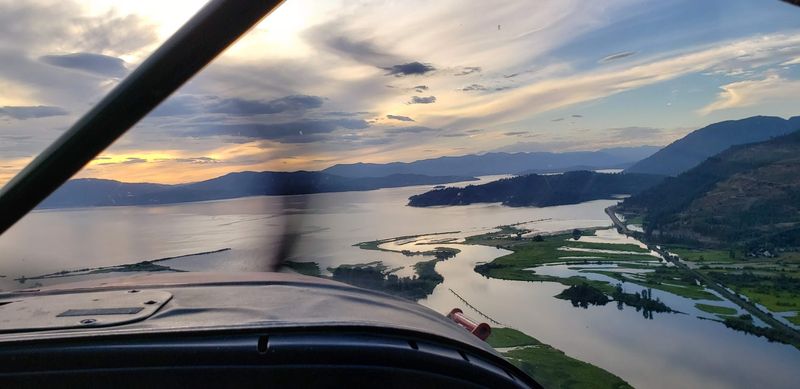
At 1,158 feet deep, Lake Pend Oreille is not just Idaho’s largest lake, it is one of the five deepest lakes in the entire United States. The name itself comes from a French term meaning “ear-hanging,” possibly referencing the ear ornaments worn by the Kalispel tribe or the lake’s uncanny resemblance to a human ear when viewed from above.
The U.S. Navy operates an Acoustic Research Detachment on its shores, using the lake’s remarkable depth and quiet underwater environment to conduct submarine research and acoustic testing. That detail alone makes Pend Oreille one of the more surprising lakes on this list.
Anglers have been chasing record catches here for decades, including a 37-pound Gerrard rainbow trout landed in 1947 that still stands as a state record. Farragut State Park, once a major naval training station during World War II, now provides public access to the lake’s southern tip.
4. Priest Lake, Coolin, Idaho
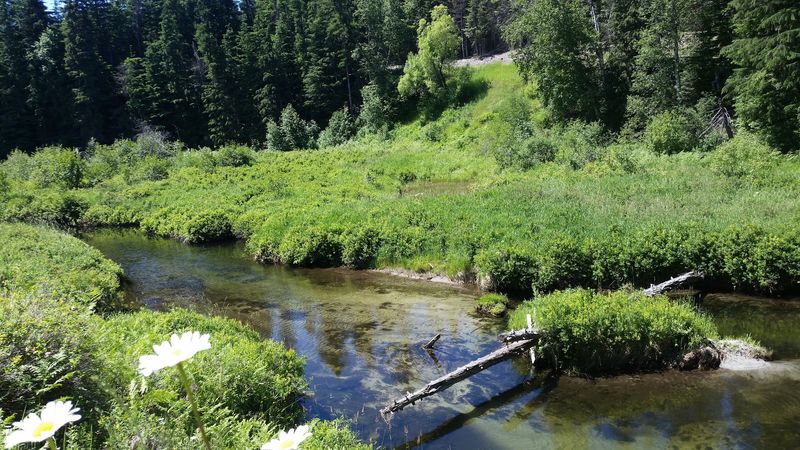
Two lakes connected by a narrow wilderness channel, Priest Lake is actually a two-for-one deal that most visitors do not expect. The primary lower lake stretches 19 miles and reaches depths over 300 feet, while the more remote Upper Priest Lake is only reachable by boat, foot, or mountain bike through a 2.5-mile waterway called the Thorofare.
Ancient rock art along the shoreline suggests humans have been drawn to this place for thousands of years. Jesuit missionary priests working with the Kalispel tribe in the 1840s eventually gave the lake its current name, replacing the earlier label of Kaniksu Lake.
Wildlife is abundant throughout the surrounding Idaho Panhandle National Forests, with moose, black bears, bald eagles, and osprey all making regular appearances. A fun footnote for fishing fans: the world’s largest Mackinaw trout on record was pulled from these waters back in 1963.
5. Payette Lake, McCall, Idaho
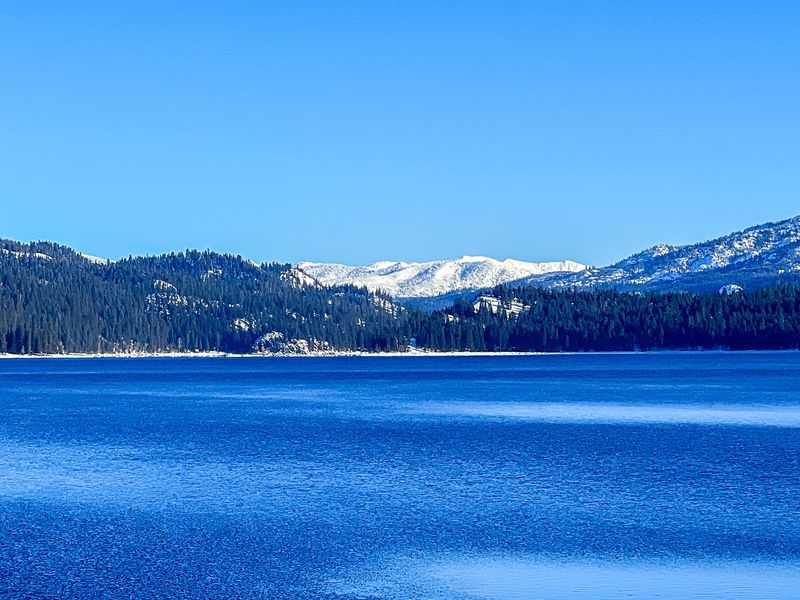
A glacier over 1,000 feet tall carved out this lake more than 10,000 years ago, leaving behind a 5,330-acre body of water that plunges to a maximum depth of 392 feet. Payette Lake sits at roughly 5,000 feet elevation beside the mountain town of McCall, giving it a genuinely alpine personality even in the middle of summer.
Half of the lake falls within Ponderosa State Park, a 1,000-acre peninsula filled with old-growth pines, beaches, and hiking trails that keep visitors busy from morning to dusk. Anglers target rainbow trout, cutthroat trout, tiger muskie, walleye, and kokanee salmon, with trophy-sized catches reported regularly throughout the season.
Local lore adds a playful twist to the whole experience. A lake monster named Sharlie has reportedly been spotted in Payette Lake since 1920, giving first-time visitors an extra reason to keep their eyes on the water.
6. Alturas Lake, Stanley, Idaho
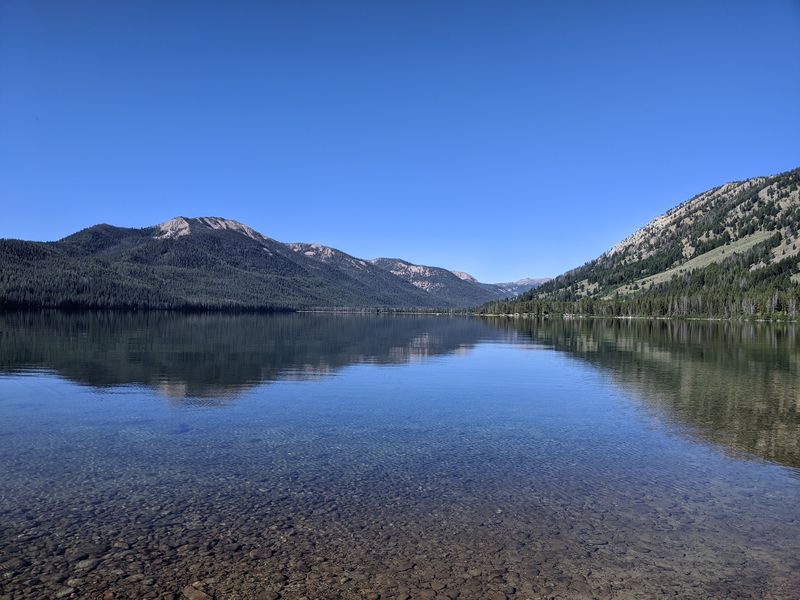
About 21 miles south of Stanley, Alturas Lake sits at 7,016 feet elevation and covers just over 835 acres of remarkably clear glacial water. It draws visitors who want the same dramatic Sawtooth Mountain scenery as nearby Redfish Lake but without the crowds that gather during peak summer weekends.
Personal watercraft and jet skis are not permitted on the lake, a rule that keeps the surface calm and the atmosphere noticeably quieter than at many comparable destinations. That policy is a big part of why paddlers, photographers, and campers keep returning year after year.
Fishing is productive throughout the season, with bull trout, cutthroat, rainbow trout, and kokanee salmon all present in the lake. Alturas Lake Creek connects the lake to the Salmon River system, adding ecological significance to a place that already has plenty of scenic credentials on its own.
7. Alice Lake, Sawtooth Wilderness, Idaho
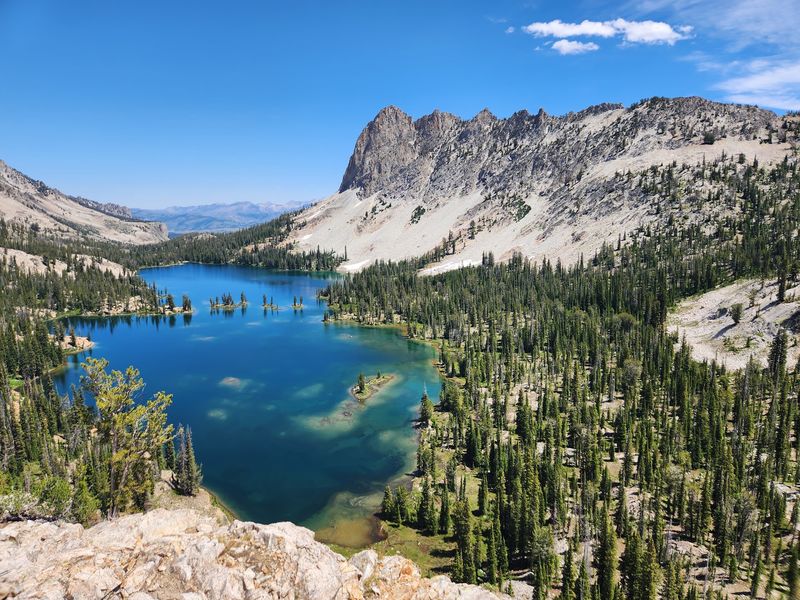
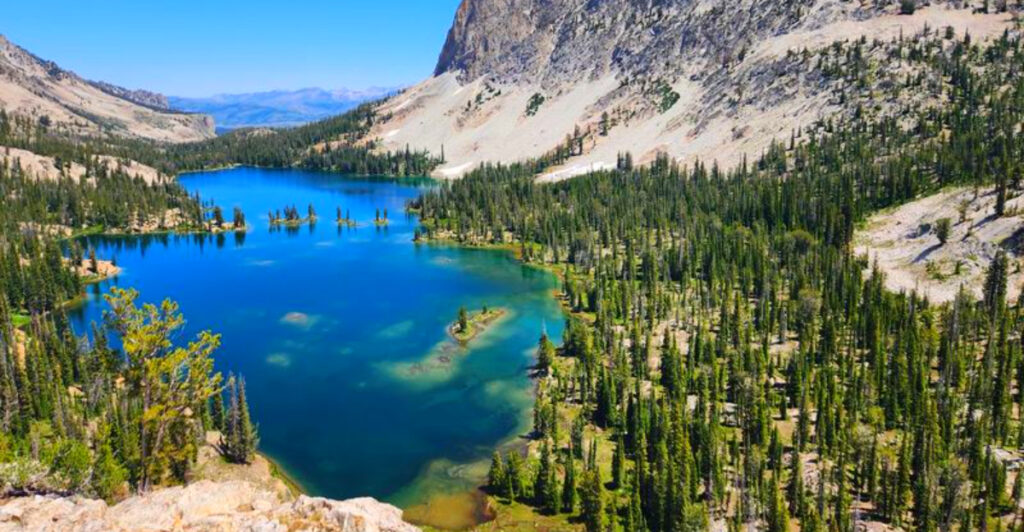
At 8,602 feet above sea level, Alice Lake often holds ice on its surface well into early summer, which makes the turquoise water that eventually appears feel like a reward that was genuinely earned. Reaching it requires an 11.2-mile roundtrip hike from the Tin Cup Trailhead at Pettit Lake, with 1,600 feet of elevation gain along the way.
The jagged granite wall of El Capitan, rising to 9,901 feet, frames the lake on one side and creates the kind of backdrop that makes every photo look professionally staged. Several creek crossings add a bit of adventure to the route, with higher water levels in spring making some of those crossings considerably more exciting.
Wilderness permits are required for entry but are free and self-issued at a registration box about 1.2 miles from the trailhead. Brook trout swim in the clear water, and camping is allowed at least 100 feet from the lake, trails, and streams.
8. Henrys Lake, Island Park, Idaho
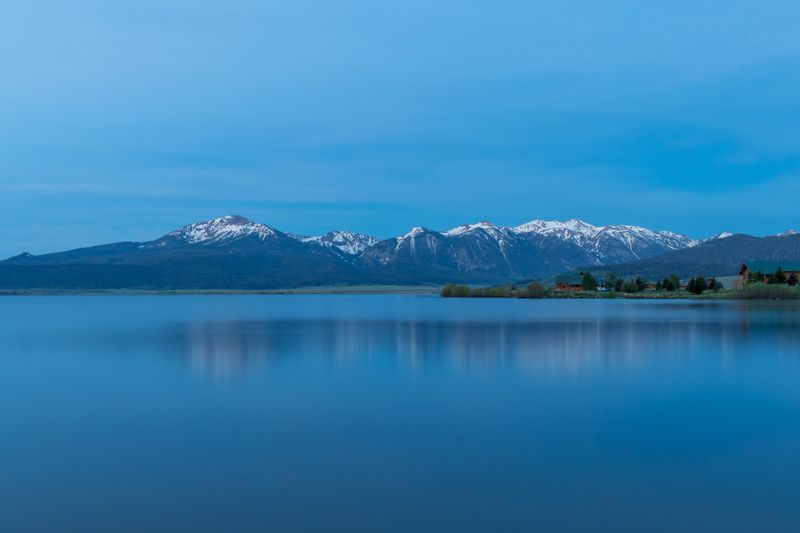
Only 15 miles west of Yellowstone National Park, Henrys Lake sits in a high mountain basin at 6,470 feet elevation and has built a serious reputation as one of the top trophy trout fisheries in North America. The lake covers roughly eight square miles, fed by six streams and numerous springs that keep the water nutrient-rich and productive throughout the season.
Yellowstone cutthroat trout, eastern brook trout, rainbow trout, and a cutthroat-rainbow hybrid locally known as a “Henrys Lake Lunker” all inhabit the water. A dam constructed in 1923 expanded the lake’s surface considerably, and the Henrys Fork of the Snake River begins its journey right here.
Wildlife viewing adds another dimension to every visit. Moose, elk, trumpeter swans, sandhill cranes, and pelicans are all regular sightings around the shoreline. Historically, the Nez Perce tribe camped near the lake in 1877 during their retreat led by Chief Joseph.
9. Bear Lake, St. Charles, Idaho
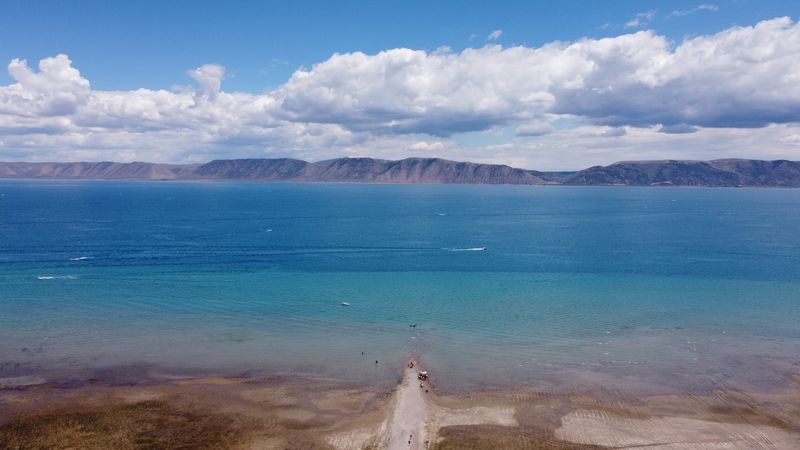
No filter required. Bear Lake produces a turquoise-blue color so vivid and consistent that first-time visitors frequently assume it cannot possibly be natural. The color comes from calcium carbonate particles suspended in the water, which refract light in a way that makes the lake look more like the tropics than the Rocky Mountains.
Stretching 20 miles long and 8 miles wide across the Idaho-Utah border, the lake is at least 250,000 years old and spent most of that time geographically isolated from the Bear River. That isolation allowed four fish species found nowhere else on Earth to evolve here, including the Bear Lake whitefish and the Bonneville cisco.
Legendary fur trade gatherings called Rocky Mountain Rendezvous were held on these shores in the 1820s, drawing thousands of traders and trappers annually. Today, sandy beaches and warm summer water make it one of the most visited lakes in the entire region.
10. Hayden Lake, Hayden, Idaho
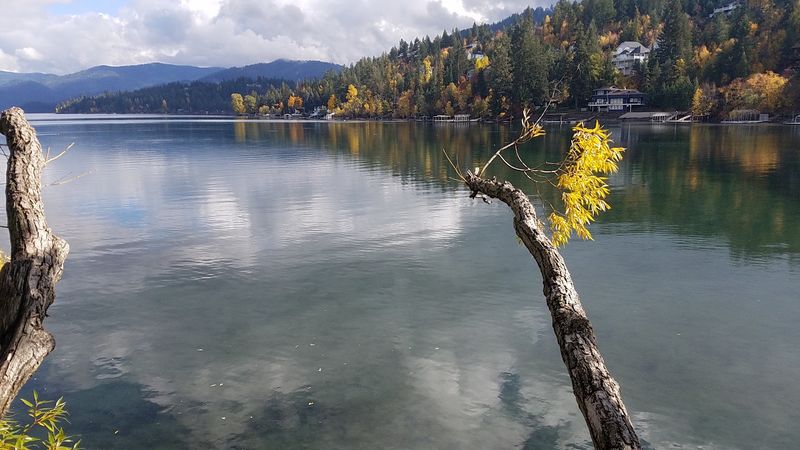
The Missoula Floods carved Hayden Lake out of the landscape roughly 12,000 to 15,000 years ago, the same catastrophic geological event that shaped much of the Pacific Northwest. Today the lake covers between 3,800 and 4,000 acres, reaches a maximum depth of 180 feet, and winds along a shoreline that stretches approximately 40 miles.
An interesting historical footnote: early settler Matt Hayden reportedly named the lake after winning a card game of seven-up, which is possibly the most casual way any lake has ever been named. By the early 1900s, the area had attracted enough attention that the Hayden Lake Country Club opened Idaho’s first 18-hole golf course in 1912, drawing prominent visitors including Bing Crosby.
Kokanee salmon, northern pike, rainbow trout, bass, perch, and crappie all inhabit the lake. Honeysuckle Beach provides a popular public access point, and the lake is also an important recharge zone for the Spokane Valley-Rathdrum Prairie Aquifer.
11. Cocolalla Lake, Cocolalla, Idaho
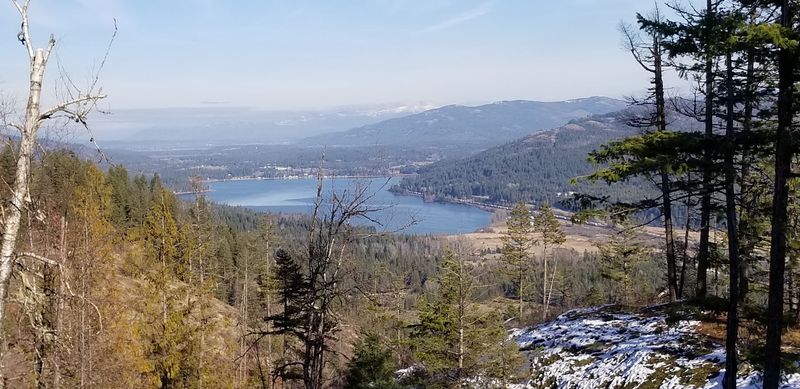
The name Cocolalla comes from the Coeur d’Alene Salish language, with interpretations pointing toward meanings like “very cold” or “deep water,” both of which turn out to be accurate descriptions. This 805-acre lake in Bonner County sits six miles from Lake Pend Oreille and offers a noticeably quieter experience than its famous neighbor.
During the early 20th century, Cocolalla Lake was a commercial ice-harvesting hub, supplying large blocks of “blue ice” to cities as far away as Spokane via the Northern Pacific Railroad. That industrial past feels like a world away from the calm boating and paddling scene that defines the lake today.
The fishery here is diverse and well-stocked, with rainbow trout, westslope cutthroat, brown trout, brook trout, largemouth and smallmouth bass, yellow perch, crappie, and channel catfish all present. In winter, the lake freezes reliably and becomes a popular destination for ice fishing, particularly for perch.
12. Warm Lake, Warm Lake, Idaho
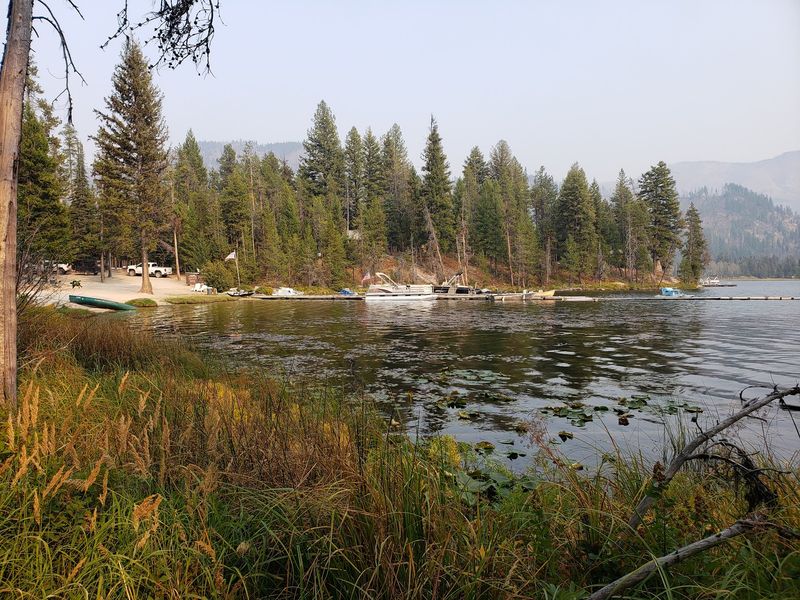
The largest natural lake within the Boise National Forest carries a name that is more literal than it might sound. Warm Lake sits at 5,298 feet elevation and sees its top meter of water reach around 72 degrees Fahrenheit during summer, a warmth that early mapmakers found notable enough to label it “Hot Lake” on older charts.
Geothermal activity contributes to the lake’s character, and nearby hot springs in the surrounding area add to the appeal for visitors who want more than just a standard mountain lake experience. The 640-acre lake supports rainbow, brook, lake, and bull trout, along with kokanee salmon and mountain whitefish.
Two historic lodges have operated on the shores since the early 1900s, offering accommodations in a setting that feels genuinely removed from everyday life. Wildlife sightings here are common and varied, with moose, black bears, elk, bald eagles, osprey, and otters all documented around the lake and its forested surroundings.
13. Fernan Lake, Coeur d’Alene, Idaho
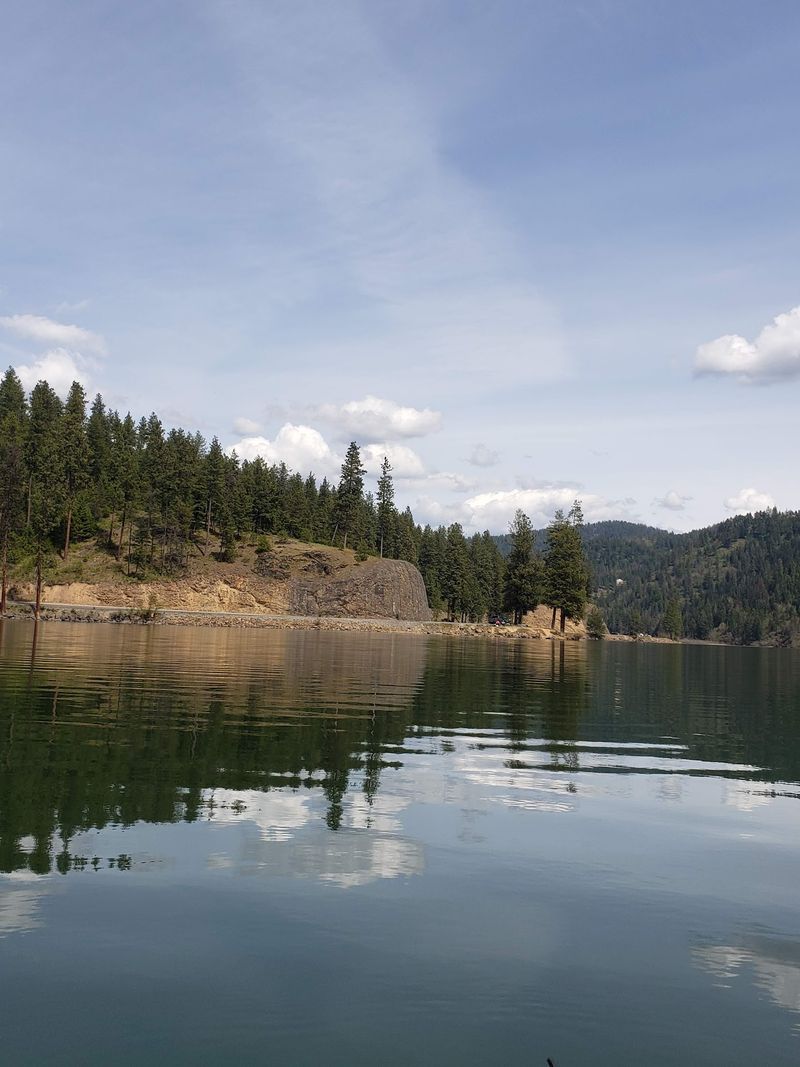
Only a few minutes east of downtown Coeur d’Alene, Fernan Lake covers roughly 380 to 423 acres and offers a low-key alternative to the busier waterfront scene nearby. John Fernan, one of the first soldiers stationed at Fort Sherman in the late 19th century, homesteaded the surrounding area and eventually gave the lake its name.
Sam Theis later subdivided the lakeshore lots and established Fernan Lake Village in 1957, creating the small community that still surrounds the water today. The lake reaches a maximum depth of about 27 to 30 feet and supports a surprisingly diverse fishery, including rainbow trout, largemouth and smallmouth bass, channel catfish, perch, crappie, sunfish, and bluegill.
Kayakers and paddleboarders explore lily pad-covered coves while osprey, blue herons, and deer make regular appearances along the shoreline. When winter conditions cooperate, the frozen surface turns into a natural skating area that locals have enjoyed for generations.
Share this story