Towering ponderosa pines, sandy lake beaches, forest trails, and sweeping views across Payette Lake all fit inside one Idaho state park on the edge of McCall.
Ponderosa State Park covers 1,515 acres on a peninsula extending into the lake. Some of its namesake ponderosa pines rise roughly 150 feet, while the landscape shifts between dense forest, sagebrush flats, wetlands, and shoreline.
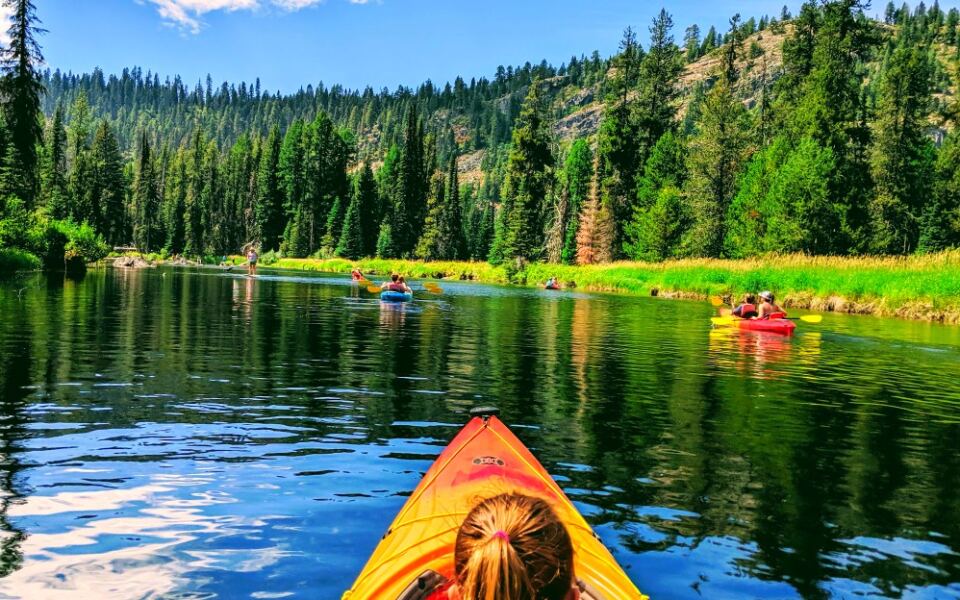
Visitors can hike and bike the trail network, swim at North Beach, paddle the lake, fish, watch wildlife, or camp beneath the trees. One of the easier ways to explore is the roughly four-mile Payette Lake Peninsula Trail, which stays largely flat while passing forest and small sandy beaches.
And the park does not shut down when summer ends. Winter brings groomed cross-country skiing and snowshoeing, giving this lakeside escape an entirely different personality once the snow arrives.
A Grand First Impression: Location, Size, and Setting
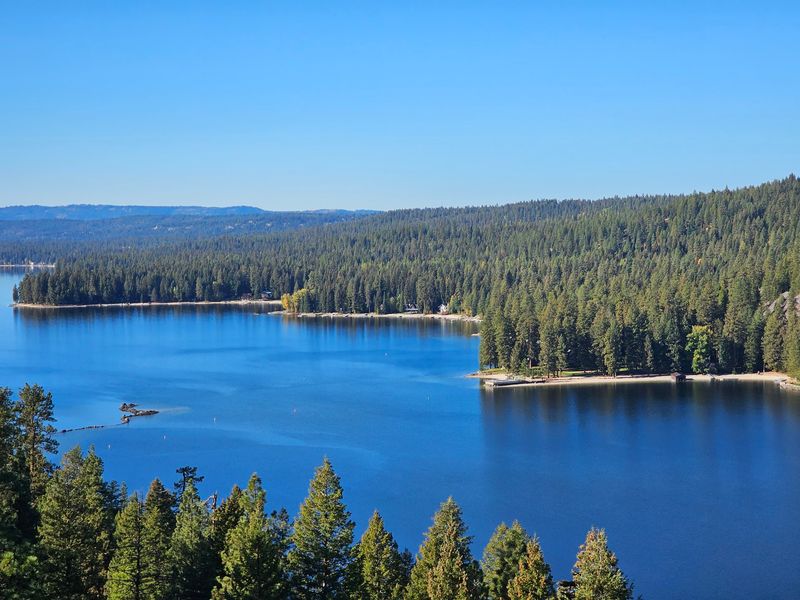
The address is 1920 Davis Ave, McCall, ID 83638, and the moment you arrive, the scale of this place hits you immediately. Ponderosa State Park occupies 1,515 acres on a dramatic peninsula that juts into the sparkling waters of Payette Lake in Valley County, Idaho.
The park sits on the northeast edge of McCall, making it remarkably easy to reach while still feeling wonderfully removed from everyday life. The peninsula setting creates an almost island-like atmosphere, with water visible from many points along the trails and campgrounds.
Towering ponderosa pines dominate the landscape, some stretching 150 feet into the sky and estimated to be up to 500 years old. The park’s terrain shifts from arid sagebrush flats to dense forest to spongy marshlands, ensuring that no two corners of the park feel alike.
It earns a 4.8-star rating from over 2,000 visitors, and that number tells its own story.
Centuries in the Making: The Park’s Surprisingly Early History
Most people come here for the views, but the park’s backstory is just as compelling as its scenery. The Idaho Legislature passed a resolution as far back as 1906 to designate the land around Payette Lake as a state park, making it one of the earlier conservation efforts in the American West.
That early action was crucial because it protected the magnificent old-growth ponderosa pines from logging at a time when timber interests were clearing forests across the region. For six decades after that resolution, the Department of Lands managed the area, quietly stewarding its wild character.
The 1930s brought the Civilian Conservation Corps, whose crews built the foundational roads leading to the tip of the peninsula in 1933. The first campgrounds followed in the late 1930s and early 1940s.
The Idaho Department of Parks and Recreation formally took over administration in 1965, purchased the Peninsula and North Beach units in 1973, and the park has been growing and thriving ever since.
Trail After Trail: Exploring the Park’s Remarkable Path Network
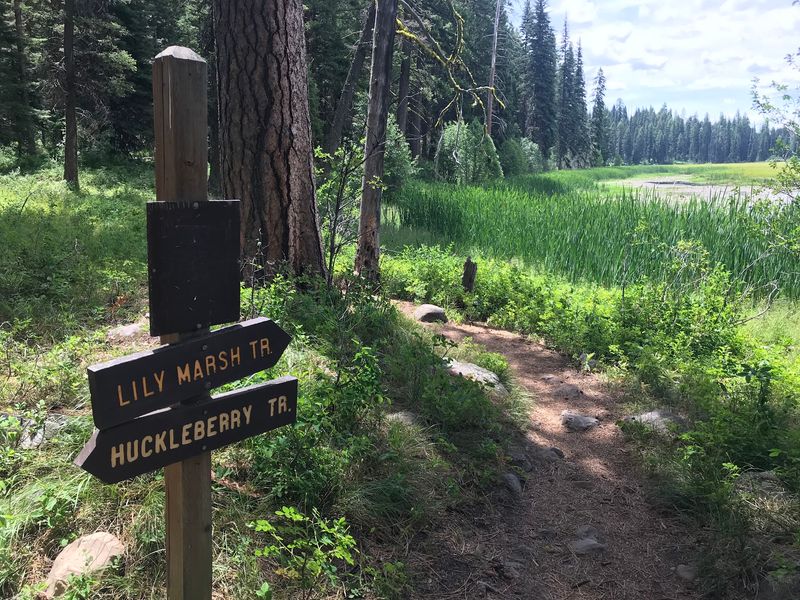
Few state parks can match the variety of trails packed into this peninsula, and that diversity is exactly what keeps visitors coming back year after year. Options range from gentle lakeside strolls to more challenging ridgeline climbs, with well-marked paths suited to walkers, hikers, trail runners, and mountain bikers alike.
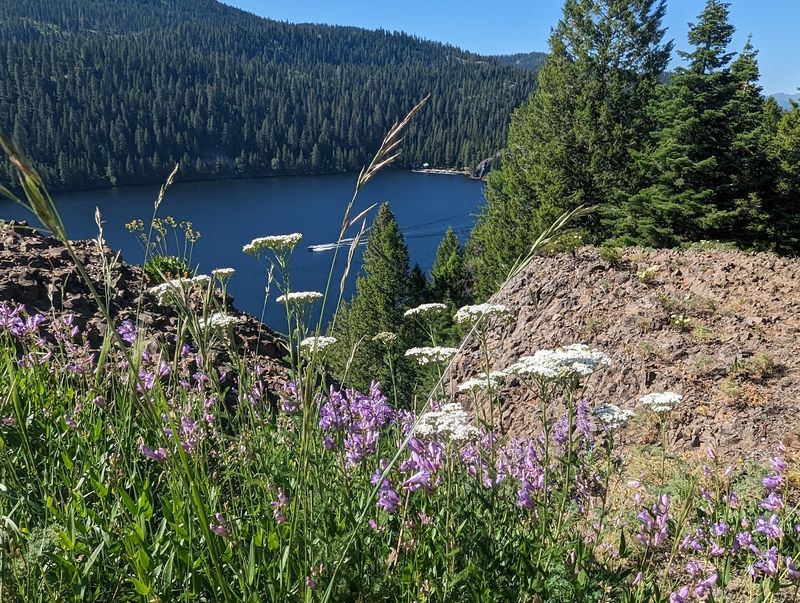
The Osprey Point Trail is a crowd favorite, climbing gradually to a breathtaking overlook where Payette Lake sprawls below in brilliant blue. The North Beach Loop combines forested stretches with shoreline segments, while the Ponderosa Rim Trail follows ridgelines with sweeping scenic payoff.
Other named routes include the Fox Run, Sunrise Trail, Huckleberry Bay Loop, and Meadow Marsh Hike, each delivering its own character and scenery. Park naturalists lead guided walks during peak season, turning a simple stroll into a genuine learning experience.
Arriving early on weekends is smart advice, because trailhead parking fills up faster than most visitors expect.
The Peninsula Trail: Easy Miles with Maximum Payoff
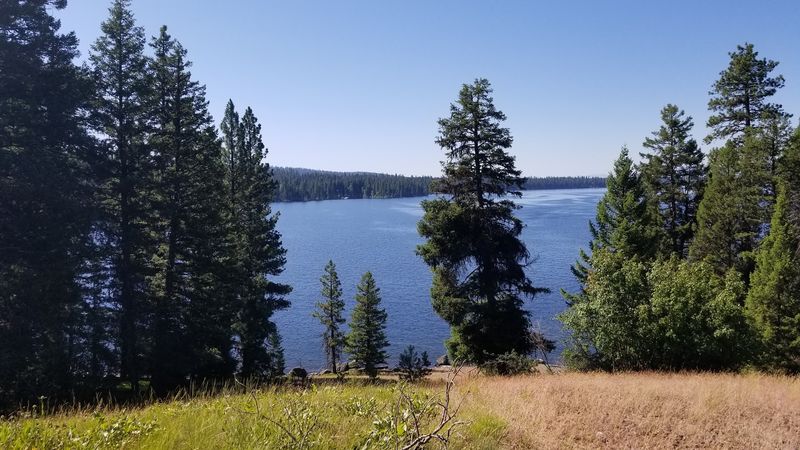
If there is one trail that captures the essence of this park in a single outing, the Payette Lake Peninsula Trail is it. This roughly four-mile out-and-back route is largely flat and well-maintained, making it genuinely accessible for all ages and fitness levels without sacrificing scenery.
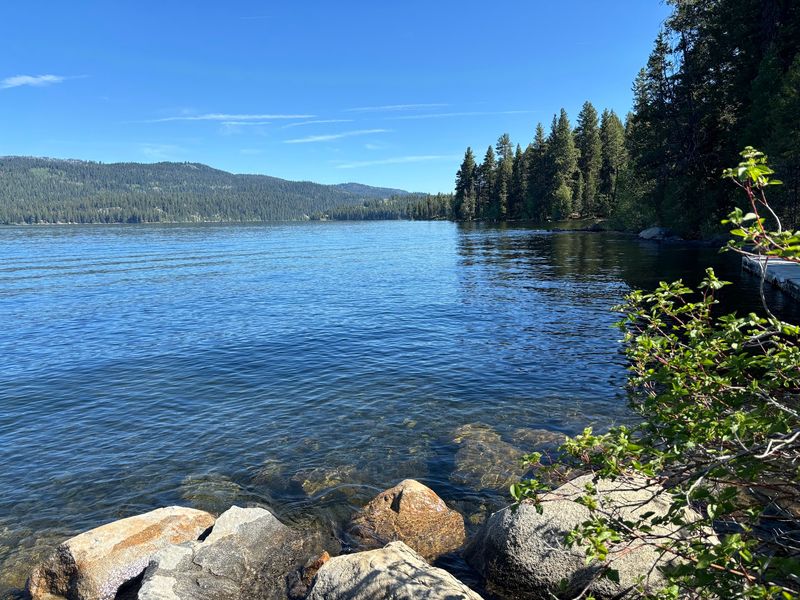
The path winds through mature ponderosa pine and Douglas fir, occasionally opening onto small sandy beaches where you can pause to dip your feet in the cool lake water. Payette Lake stays visible for much of the route, providing a constant, shimmering backdrop that never gets old.
Specific points like Huckleberry Loop Lakeside Bench and Duck Bay offer excellent spots to sit, watch birds, and appreciate the quieter side of the park. The trail surface transitions between paved and gravel sections, keeping the experience varied without becoming difficult.
Many visitors describe it as the perfect introduction to the park, and honestly, that description is hard to argue with.
Payette Lake on the Water: Boating, Swimming, and Paddling
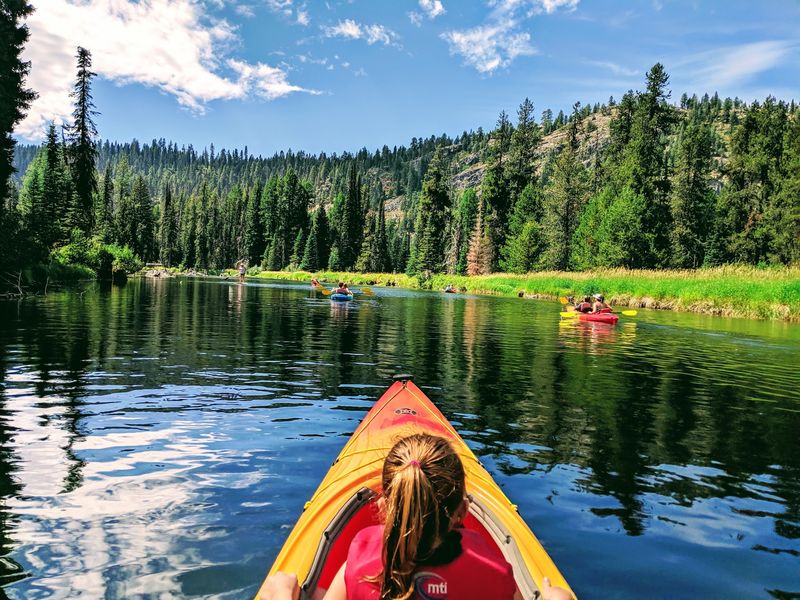
The lake is not just a backdrop here; it is an active playground that draws water lovers from across the Pacific Northwest and beyond. Payette Lake is crystal clear and alpine cold, fed by mountain snowmelt and ringed by dense forest that keeps the water remarkably pristine.
Boating is enormously popular, with convenient launch ramps and handling docks making it easy to get a vessel onto the water. Kayaks and canoes are a particularly satisfying way to explore the shoreline, weaving through hidden coves and paddling short stretches of the North Fork of the Payette River at a relaxed pace.
The North Beach Unit is the park’s most celebrated swimming spot, offering sandy public shores that fill with happy families on warm summer days. Stand-up paddleboarding has become increasingly popular here as well, letting you glide quietly across the lake’s surface while taking in panoramic mountain views.
The water truly rewards anyone willing to get out on it.
Casting a Line: Fishing on Payette Lake
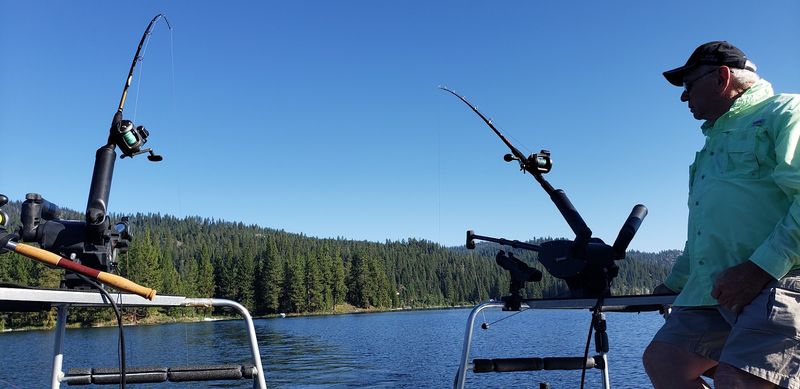
Payette Lake has earned a quiet reputation among Idaho anglers, and anyone who has spent a morning casting from its shores understands why. The lake holds a healthy variety of fish species, including rainbow trout, smallmouth bass, walleye, catfish, and kokanee salmon, giving anglers of different preferences plenty to pursue.
The park’s shoreline offers multiple access points for fishing, whether you prefer casting from the bank, wading in the shallows, or anchoring a small boat in deeper water. Early mornings and late afternoons tend to be the most productive times, when the light is low and the fish are active near the surface.
Even if you do not land a trophy catch, the experience of fishing here is rewarding on its own terms. The surrounding forest, the sound of water lapping against the shore, and the occasional osprey diving for its own meal create an atmosphere that is deeply peaceful.
Fishing licenses are required and available through Idaho Fish and Game.
Wild Neighbors: Wildlife Watching Throughout the Park
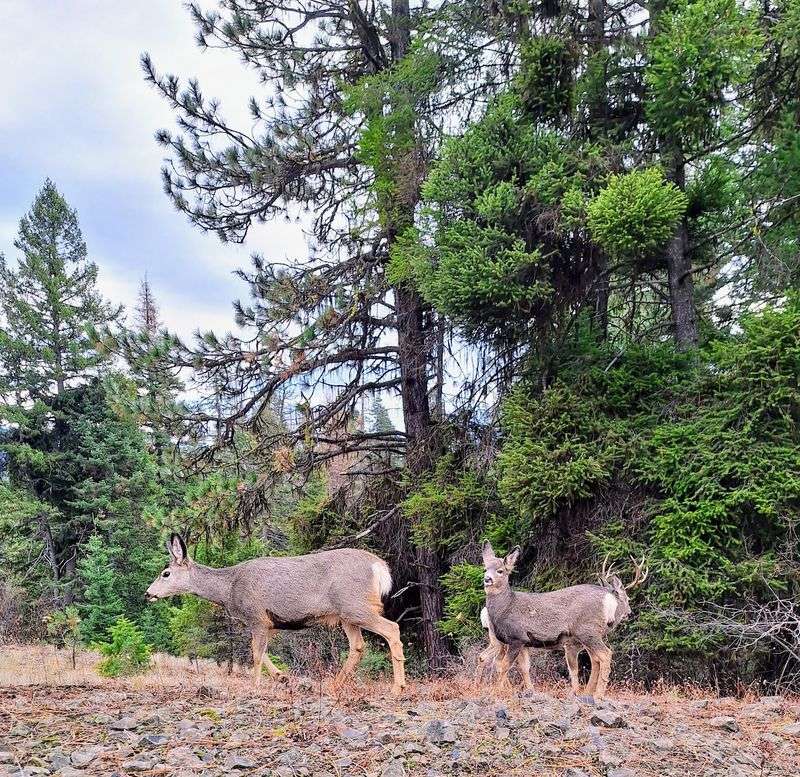
Mule deer are practically the park’s unofficial welcoming committee, frequently spotted grazing through campgrounds and meadows at dawn and dusk with a calm confidence that suggests they know exactly who lives here. In late summer, some bucks still carry velvet-covered antlers, making the sightings especially memorable.
The wildlife roster extends well beyond deer, though. Black bears, moose, foxes, raccoons, beavers, and otters all make their homes within the park’s varied habitats, and patient observers are often rewarded with sightings near the quieter marsh areas.
Birdwatchers find this park particularly rewarding year-round. Bald eagles and ospreys are reliable summer residents, often seen hunting over the lake in dramatic fashion.
Waterfowl including mallards, wood ducks, and Canadian geese populate the wetlands, while woodpecker species such as the hairy woodpecker, Williamson’s sapsucker, and white-headed woodpecker tap away at the ancient pines. The park’s commitment to habitat preservation ensures these wild neighbors remain a consistent part of every visit.
Camping Under the Pines: Overnight Options for Every Style
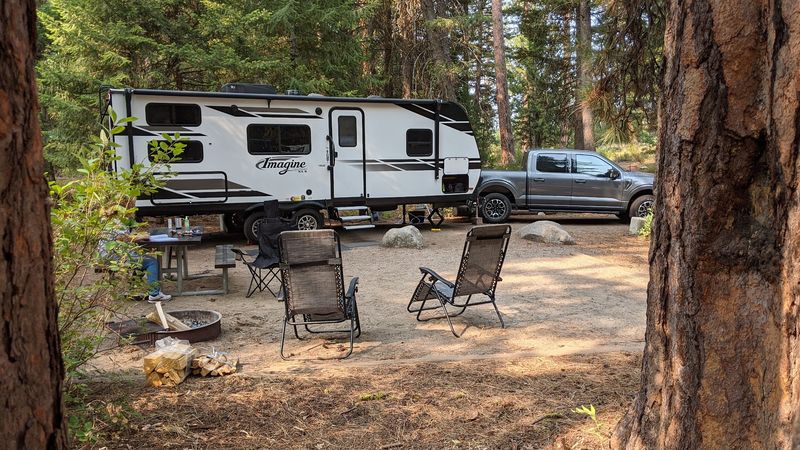
Spending a night here is a completely different experience from a day visit, and the park accommodates a wide range of overnight preferences. Standard tent sites and serviced RV sites with water and electric hookups are spread across four campground loops, many within easy walking distance of the lake.
The campground layouts are thoughtfully spaced to provide a reasonable sense of privacy, even during busy summer weekends. Amenities including restrooms, hot showers, and a dump station make the stay comfortable without stripping away the feeling of being genuinely outdoors.
For those who prefer walls and a roof, the park’s deluxe lakeview cabins are a popular upgrade. These well-appointed cabins sleep up to eight guests and offer cozy comfort with the forest right outside the door.
Camper cabins provide a middle-ground option between canvas and full cabin amenities. All accommodations book up quickly, particularly for summer weekends and holidays, so reserving months in advance is genuinely necessary rather than just cautious advice.
The deluxe cabins remain open through winter.
Winter Transforms Everything: Nordic Skiing and Snowshoeing
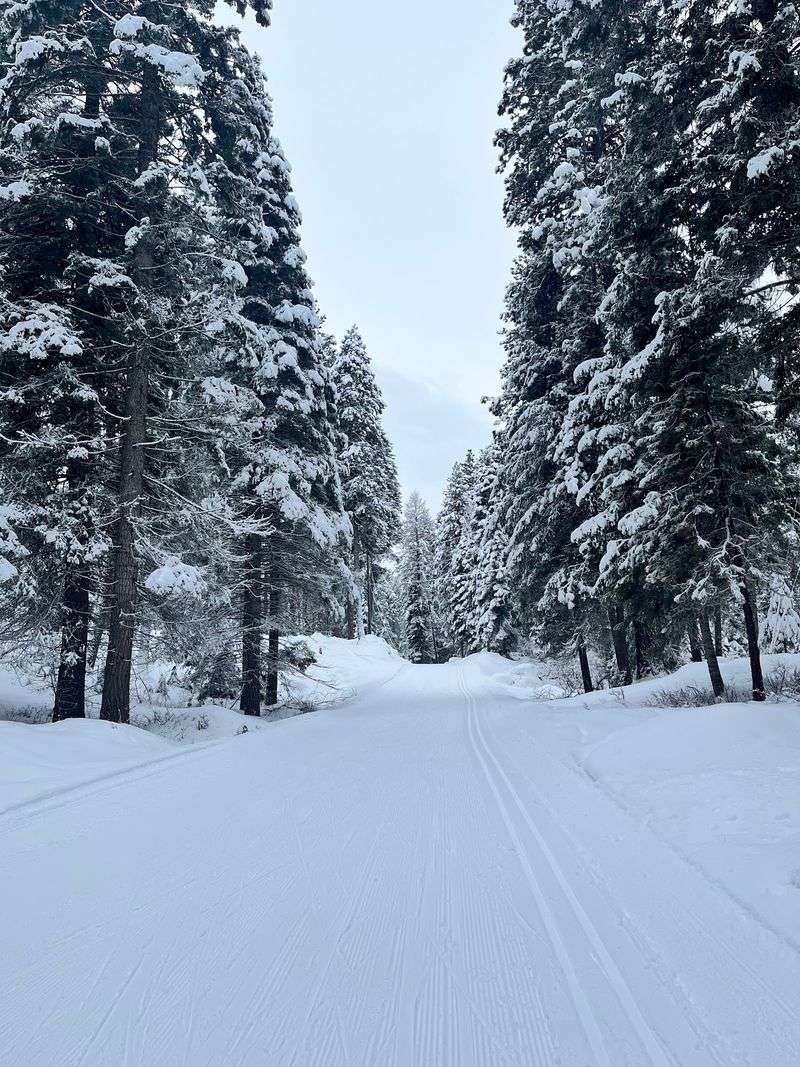
Snow changes this park completely, and not in a way that diminishes it. When winter arrives and the pines are blanketed in white, Ponderosa State Park becomes one of the most serene and visually striking Nordic destinations in the entire region.
The park maintains 14.3 miles of groomed cross-country ski trails that wind through its varied terrain. Beginners find gentle, level stretches near the lake, while more experienced skiers can test themselves on ridge-top pitches that deliver spectacular views of the frozen Payette Lake below.
Snowshoeing is equally well-supported, with designated trails including the Meadow Marsh Trail, Lily Marsh Trail, and Ridgeline Trail offering different difficulty levels and scenic rewards. The park remains open for day-use winter activities even when the main campgrounds close for the season, and the deluxe cabins stay available year-round for those who want a warm base.
Spotting wildlife against a clean white backdrop adds a magical quality to every winter outing here.
Ecological Variety: From Sagebrush Flats to Marshland Wonders
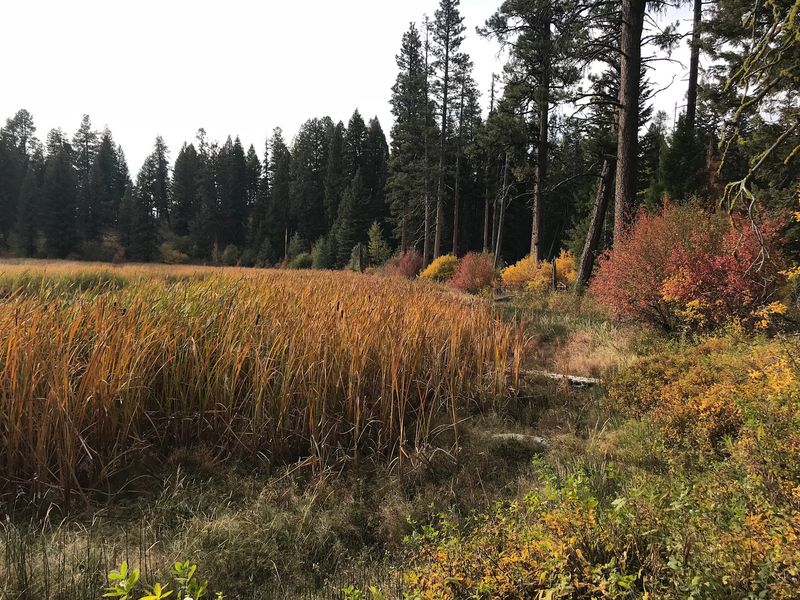
One of the most quietly astonishing things about this park is how many distinct ecosystems it packs into 1,515 acres. Within a single afternoon, you can move from open sagebrush flats under a wide Idaho sky to the dense shade of old-growth pines and then onto a boardwalk floating above a living, breathing marsh.
The wetland areas are genuinely enchanting, with herons standing motionless in the water, turtles basking on logs, and yellow water lilies drifting lazily across the surface in season. Cattails and rushes line the edges, providing cover for nesting birds and smaller mammals.
This ecological range is not accidental. The park’s early designation in 1906 protected these varied habitats from development at a critical moment, allowing each zone to mature and thrive naturally over more than a century.
The result is a landscape that rewards curiosity, because every new habitat type brings a completely different set of sights, sounds, and species to discover. Ponderosa pines here can be identified by their vanilla-like bark scent, a detail that surprises most first-time visitors.
Programs and Learning: Education Built Into Every Visit
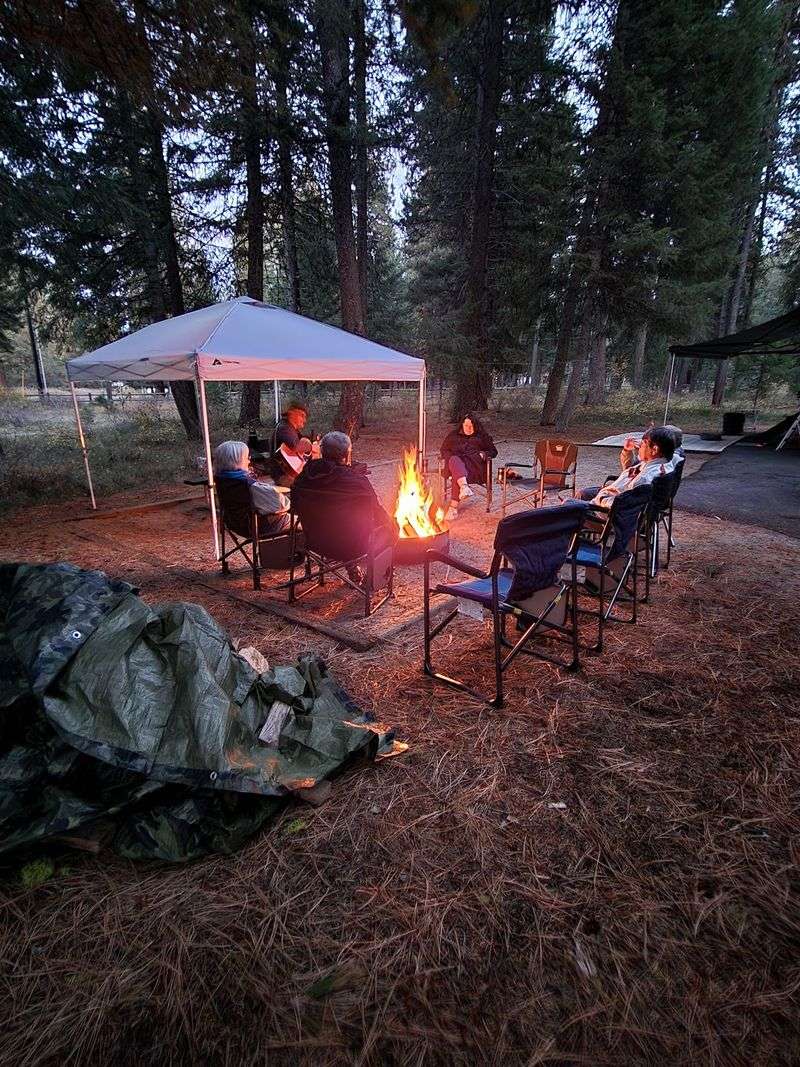
Beyond the trails and the lake, the park invests seriously in helping visitors understand what they are seeing, and that educational layer genuinely elevates the experience. Park naturalists lead guided walks during peak season, pointing out specific plant species, explaining wildlife behavior, and sharing the park’s geological and cultural history along the way.
Evening campfire programs bring visitors together after sunset for storytelling, educational presentations, and relaxed community conversation under the stars. These programs are particularly well-suited to families, offering an engaging way to wind down after an active day without screens or distractions.
The Junior Ranger Program, available during summer months, gives children structured, interactive activities focused on conservation and park stewardship. Completing the program earns kids an official badge and a deeper appreciation for the natural world around them.
The nearby University of Idaho McCall Outdoor Science School further reflects the region’s strong commitment to environmental education. All of these programs transform a simple park visit into something more lasting and meaningful than a beautiful walk.
Practical Tips for Planning Your Visit to McCall’s Finest Park
A few practical details can make the difference between a smooth, memorable trip and a frustrating one. The park is open daily from 7 AM to 10 PM, and the phone number for direct inquiries is +1 208-634-2164.
The official website at parksandrecreation.idaho.gov/parks/ponderosa is the best source for current fee schedules and reservation availability.
Day-use fees typically run between $7 and $14 per vehicle, though Idaho residents can purchase a $10 annual State Parks Passport that covers all Idaho state parks. Arriving early, especially on summer weekends, is strongly recommended because parking at popular trailheads fills up quickly and late arrivals sometimes have to circle back.
Layering clothing is smart given how quickly mountain weather shifts, and packing plenty of water and snacks for longer hikes is essential. Pets are welcome in developed areas and on most trails when kept on a leash no longer than six feet, though they are not permitted in designated swimming areas or park buildings.
During winter, the Rover’s Round-A-Bout trail is the designated dog-friendly option.
Share this story