Kids can make a drawing come alive on a giant screen, film their own stop-motion movie, or step in front of a green screen at this downtown Idaho Falls art center. And regular admission costs just $5.
ARTitorium on Broadway is designed for hands-on creativity rather than quietly looking at art. Families can move between digital drawing stations, animation activities, crafts, interactive displays, music, and other projects aimed primarily at children through age 12.
The setting adds another surprise. ARTitorium occupies a former movie theater that opened in 1924, giving a nearly century-old entertainment space an entirely new purpose.
Finding the Art Hub on West Broadway
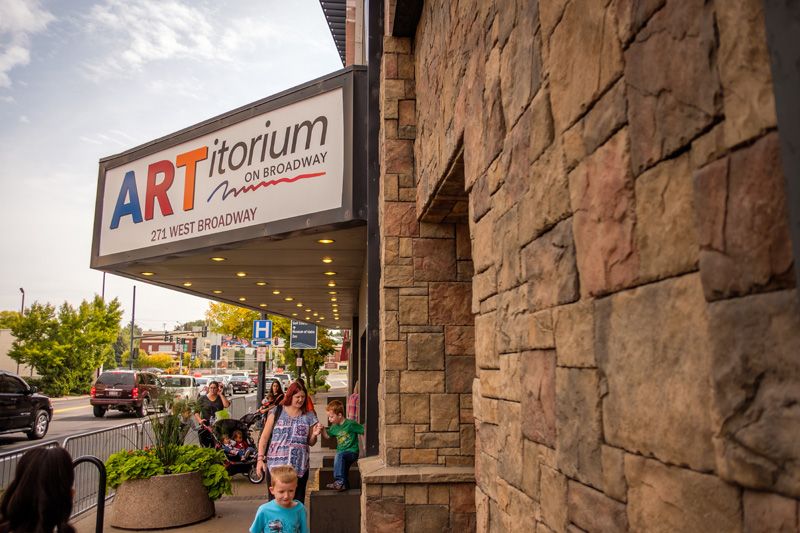
Downtown Idaho Falls, Idaho, hides a splash of color at 271 West Broadway. That is the address of the ARTitorium on Broadway, an art center that welcomes families who want to make things instead of just look at them.
The building sits right in the middle of the city’s downtown, so a walk to a nearby shop or snack is easy. I liked that I could park, step out, and see the lively front of the building right away.
Parking is simple once you know the plan. Free two-hour street parking runs along Broadway, and a free all-day lot is reachable from Shoup Avenue or Park Avenue.
Busy seasons can fill spaces faster, so I suggest arriving a little early.
The center is built for children from birth to age twelve and the adults who come along. Expect lots of noise, a bit of mess, and plenty of smiles.
Wait until you hear what this building used to be, because that story comes next.
From Movie House to Maker Space
Long before crayons and cardboard arrived, this building was a movie theater. It opened in 1924 as the Broadway, later became the Fox, and was renamed the Rio in the mid-1930s.
The theater closed in 2001, and the doors stayed shut for a long time. Then an anonymous donation helped create a lively place for children in downtown Idaho Falls.
Construction began in November 2013. The public got its first look on August 15 and 16, 2014, and the old Rio found a second act.
Today the Idaho Falls Arts Council owns and runs the center. I could picture old film nights while kids zipped around making new art.
The balcony was even turned into the MC Theater, a space that holds about 150 people.
History and play share the same walls here, and neither one seems to mind. Next up is the feeling you get once you actually walk through the doors.
A Room Where Noise Is Welcome
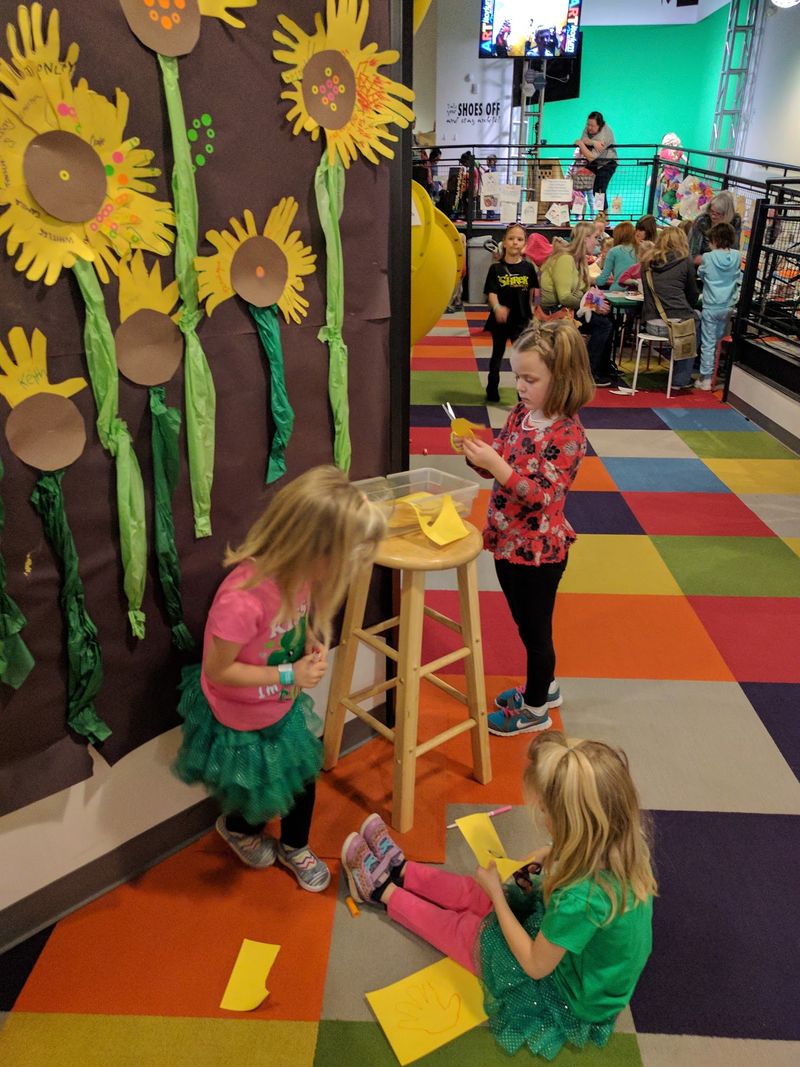
Forget the hushed voices of a typical gallery. The exhibit hall at this center hums with chatter, giggles, and the occasional bang from a noise-making display.
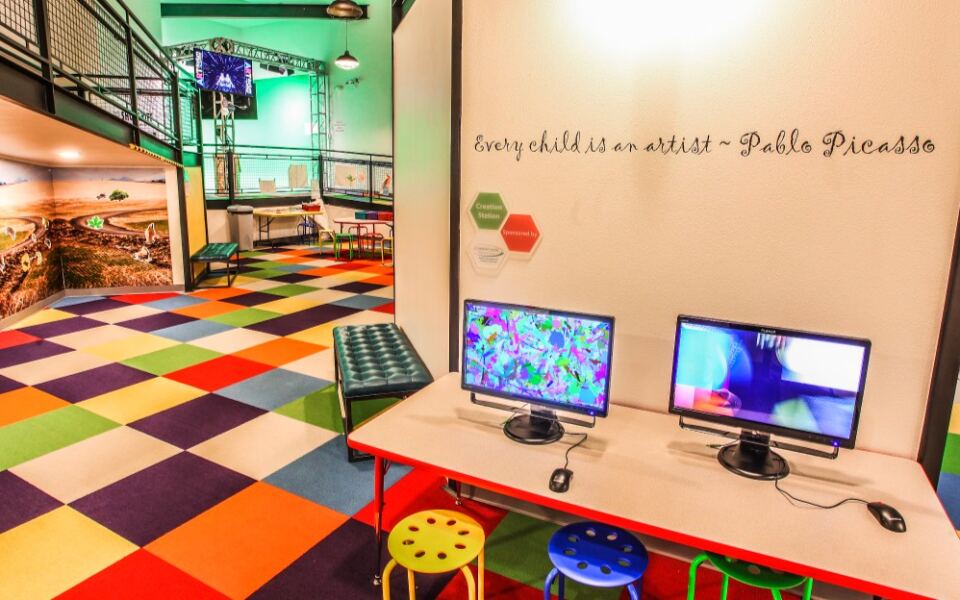
Color covers nearly every corner, and each station invites a different kind of action. Some ask you to draw, others to build, and a few to dance in front of a screen.
The center focuses on hands-on, play-based attractions, so nobody needs to stand still. Kids can be messy and loud without anyone raising an eyebrow.
Adults are not left out. I caught myself finishing a craft while my imaginary kids wandered off to the next activity.
Plenty of parents seemed to do the same thing, and nobody seemed embarrassed about it.
The mood is relaxed and friendly, and the staff keeps things tidy by checking the hall regularly. If you like screens, you are in for a treat in the section ahead.
Screens That Make Art Come Alive
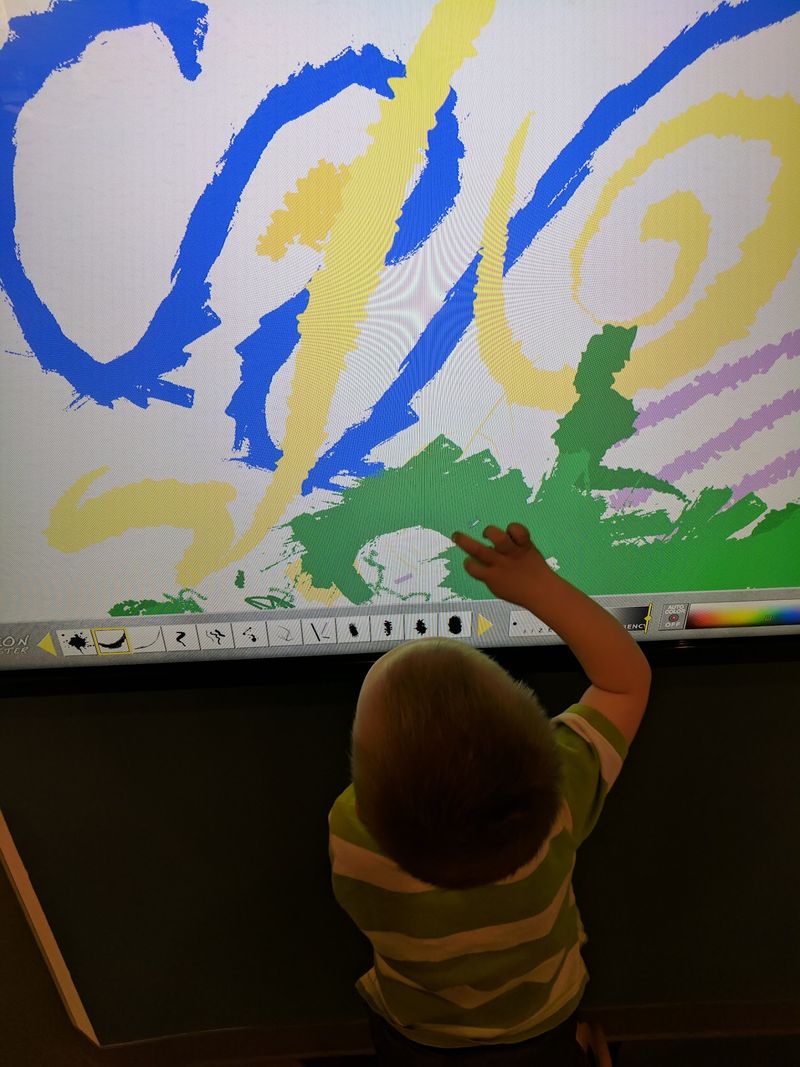
Screen time gets a creative makeover here. Digital stations let visitors draw, design, and animate without a single marker running dry.
The Draw Alive screen is a crowd favorite. You color a picture, scan it in, and watch it wiggle across a big screen alongside other creations.
Nearby you will find a motion wall, a virtual gallery, and a virtual symphony. Each one reacts to your movement or touch, so the art changes depending on what you do.
I stood back and watched one young artist grin as her fish swam past a stranger’s dragon. It was a small moment that showed how art can connect people who have never met.
These stations work well for kids who love tablets and for grown-ups who think they cannot draw. Cleanup is just a tap away.
After the screens, you may want to step in front of a bright green wall.
Green Screen and Stop-Motion Studios
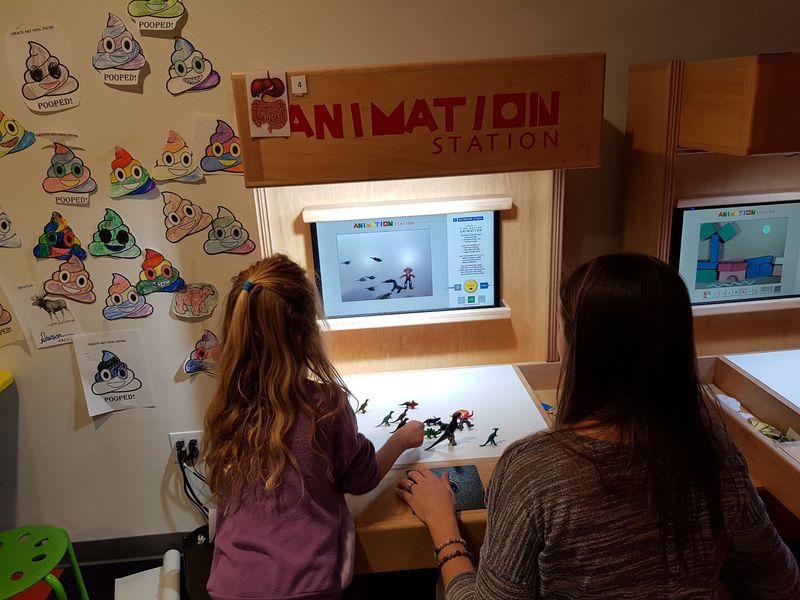
Two stations pull in the longest lines of eager kids. One is the green screen, and the other is the stop-motion animation table.
At the green screen, visitors become weather reporters, astronauts, or explorers on a faraway island. It takes only a minute to set up, and the results get plenty of laughs.
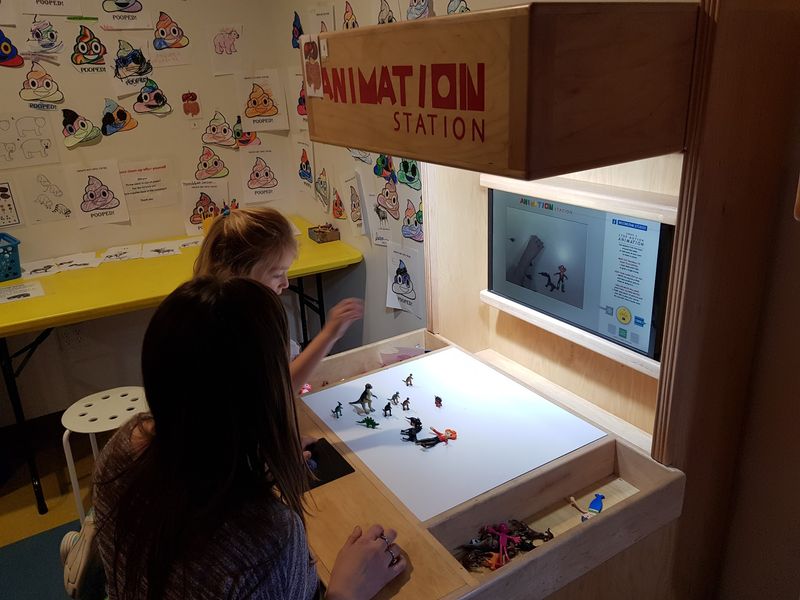
Stop-motion asks for more patience. You move a small figure a tiny bit, snap a picture, and repeat until a movie appears.
Some young filmmakers stay at the station for over an hour, and I understood why. Watching your own tiny film play back feels like a real accomplishment.
Tip: let kids plan a simple story before they start. A short idea with three or four scenes works best, and it keeps the project from growing too big.
Not everything here needs a plug, though, as the next section shows.
Hands-On Fun Beyond the Pixels
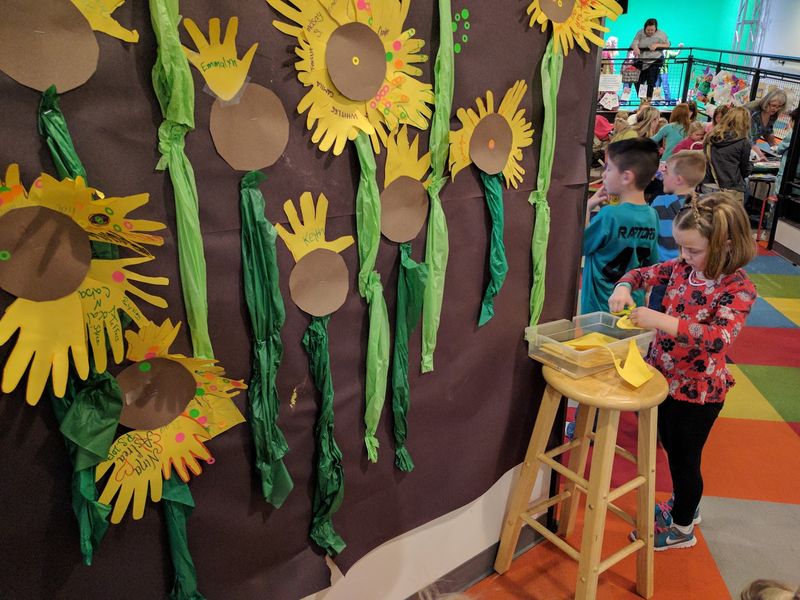
Plenty of the best moments happen away from the screens. Magnet walls let you arrange colorful shapes into endless designs, while light tables make see-through objects glow like stained glass.
Craft tables are stocked with supplies for monthly themes. During my research, one theme invited visitors to make groovy, far-out art from past decades.
Group murals are another favorite. Everyone adds a piece, so the final picture belongs to a whole crowd of strangers.
There is also a music corner with books, a slide for burning off energy, and a puppet area for storytellers. Younger children can wander from one activity to the next without much help.
Supplies can run low during busy days, so a quick word with a staff member helps. Between all of these stations, there is plenty to touch and try.
Next, let’s talk about the youngest artists and the classes made just for them.
Classes and Camps for Young Creators
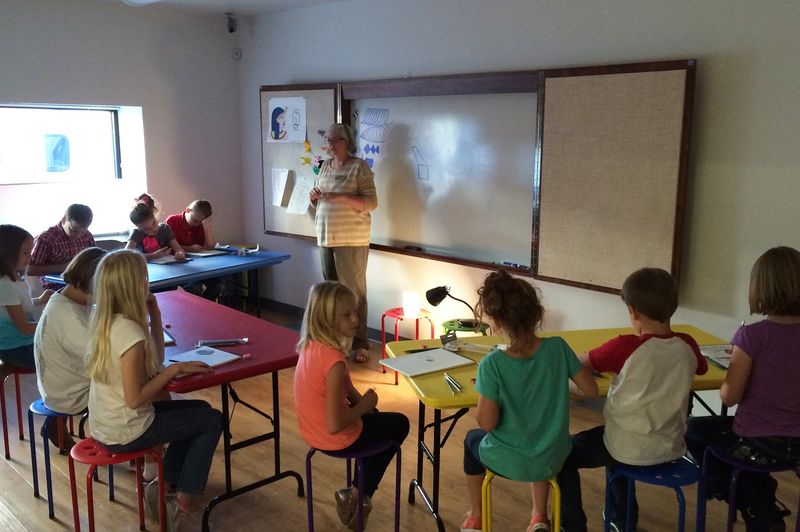
Learning happens quietly here, hidden inside play. The center offers art classes, summer camps, and special sessions for different ages.
Time For Tots gives toddlers a gentle start with found art tables and sensory play. Parent Play Dates invite caregivers to join in rather than watch from the sidelines.
Older kids can try Friday Art School, where they explore drawing, painting, and a bit of art history. Homeschool families often enjoy the Friday classes, since students try new materials and techniques.
Instructors have a reputation for being patient and kind. That matters when a child is nervous about making a mistake.
Class projects change often, and kids leave with artwork they are proud to hang on the fridge. Check the center’s schedule online before your visit so you can match a class to your child’s age.
Beyond classes, the center also reaches far past its own front door.
A Community Treasure with Big Numbers
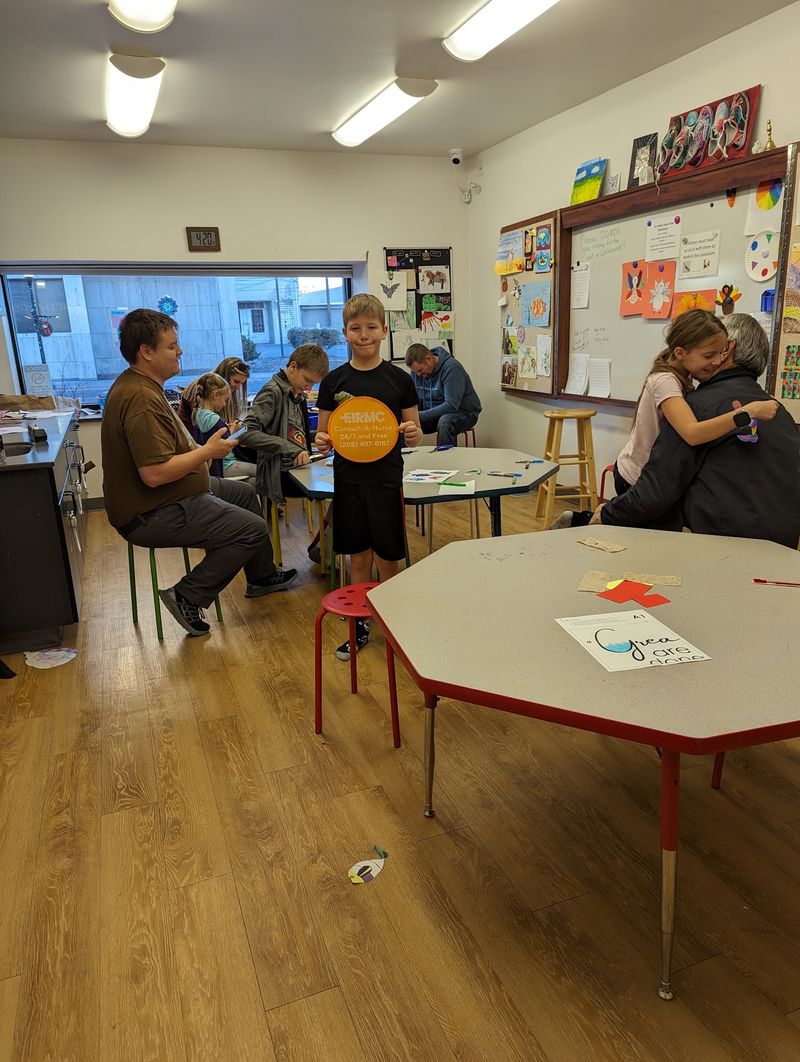
Numbers help tell this center’s story. In one recent year, about 77,350 people took part in programs across the Idaho Falls Arts Council, and 18,050 of those visits were to the ARTitorium.
The center is part of a larger family that includes the Colonial Theater and the Willard Arts Center. Together they support visual and performing arts across Eastern Idaho.
Field trips play a big role. In one school year, 6,808 students joined 135 scheduled trips, learning specific art styles and trying new materials.
Teachers say the visits spark ideas they can bring back to class, including art and STEAM projects. Low-cost access makes it easier for schools to say yes.
That reach explains why locals speak about the place with such pride. It is more than a play space.
Still, you may want practical details before you go, and those are up next.
Hours, Prices, and Smart Planning
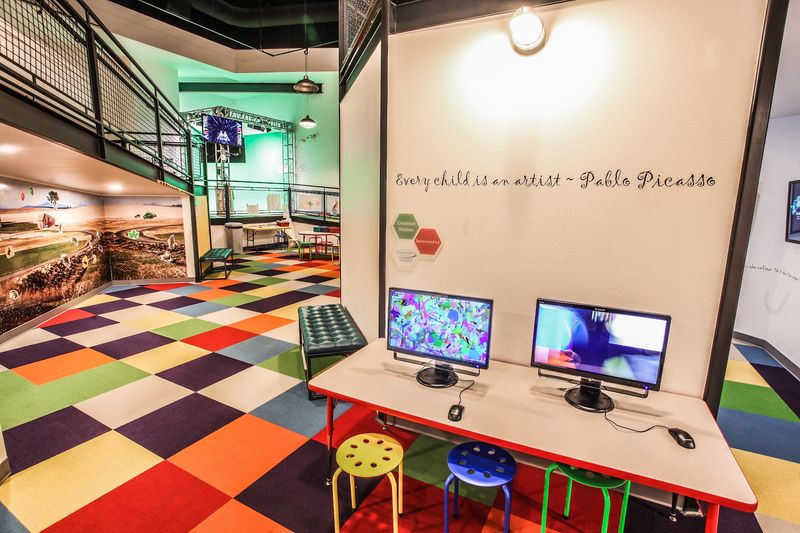
A little planning goes a long way. The center is open Monday from 4:30 to 7:30 PM, Tuesday through Saturday from 10 AM to 6 PM, and Sunday from 1 to 5 PM.
Regular admission is $5. Arts Council members pay $3, seniors and college students with ID pay $4, and military and veterans with ID also pay $4.
Children two and under get in free. A family price of $20 covers up to six household members.
Admission is good all day, so you can leave for lunch and come back after telling the staff on your way out. Plan on 1.5 to 3 hours, and longer if your kids love animation.
Kids must be with an adult unless they are in a class. Sundays tend to feel quieter, which helps younger children.
Memberships also include take-home grab bags with monthly crafts, which brings us to the next topic.
Themes That Change Every Month
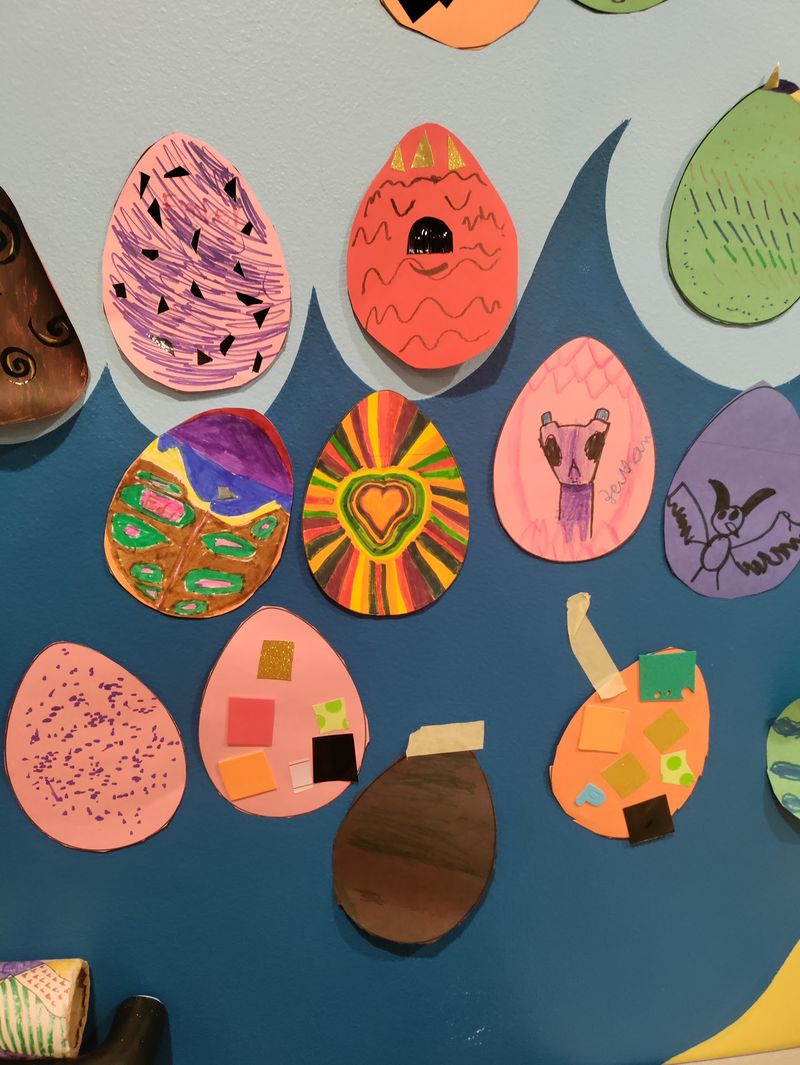
Come back next month and you will probably find something new. Projects and activity tables rotate on a regular schedule, so repeat visitors never feel stuck in a rerun.
One December, younger children made snowmen while older groups explored science lessons and pop art. Holiday visits have included cookie decorating and paper snowflakes.
Grab n Go art packets carry the fun home. Each one holds supplies for four to six craft projects, along with step-by-step instructions.
Family Fun Art Night runs on Mondays and covers topics like paper marbling and art techniques from other cultures. It is a good pick if you want a structured evening.
Members often mention how excited their kids are to see each new theme. Check the center’s calendar before you go, and you might plan around a project your child will love.
The center also does more than daily visits, as the next section explains.
Parties and Weddings on a Creative Stage
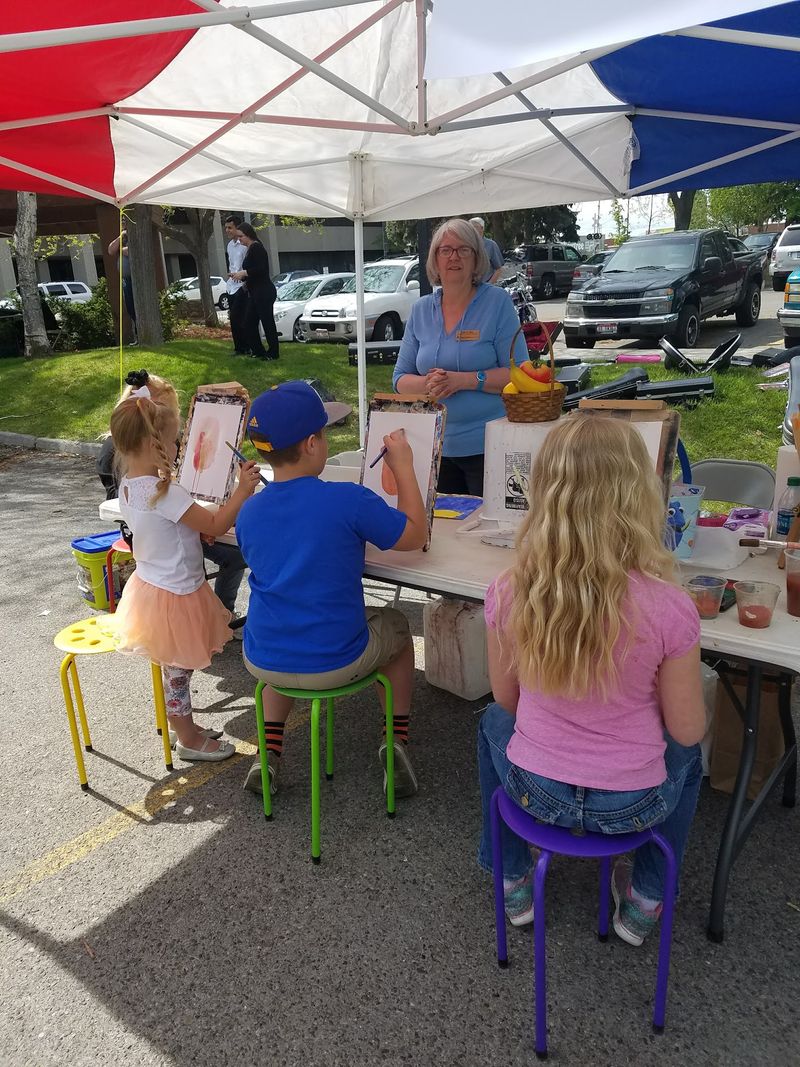
Birthday parties here come with built-in entertainment. Guests do not just watch the fun, they help make it.
The center also hosts weddings, which surprised me. The old theater balcony has been renovated into the MC Theater, a stylish space for vows.
After the ceremony, the exhibit hall becomes a lively reception area. Guests can mingle among colorful installations and interactive displays.
The rental fee for both ceremony and reception is $350. That includes 12 hours of event time for setup and cleanup, which gives couples plenty of breathing room.
It is an unusual choice for a wedding, and that is exactly the point. Couples who want something playful and different may find the fit just right.
Contact the center for dates and details.
As my visit wrapped up, I realized how much a single building can hold. Old history, new ideas, and a whole lot of crayons share the same roof.
Share this story