Sailing the Mediterranean means stunning coastlines, ancient history, and warm sunshine, but some ports offer something even more unforgettable: incredible food. From wood-fired pizza in Naples to slow-braised rabbit in Malta, every stop along this sea comes with a plate worth planning your trip around.
The dishes served in these ports are not just meals; they are living traditions passed down through generations. Whether you are cruising for the first time or returning for another voyage, these 15 Mediterranean ports deserve a spot on your itinerary for what is waiting on the plate.
1. Naples, Italy
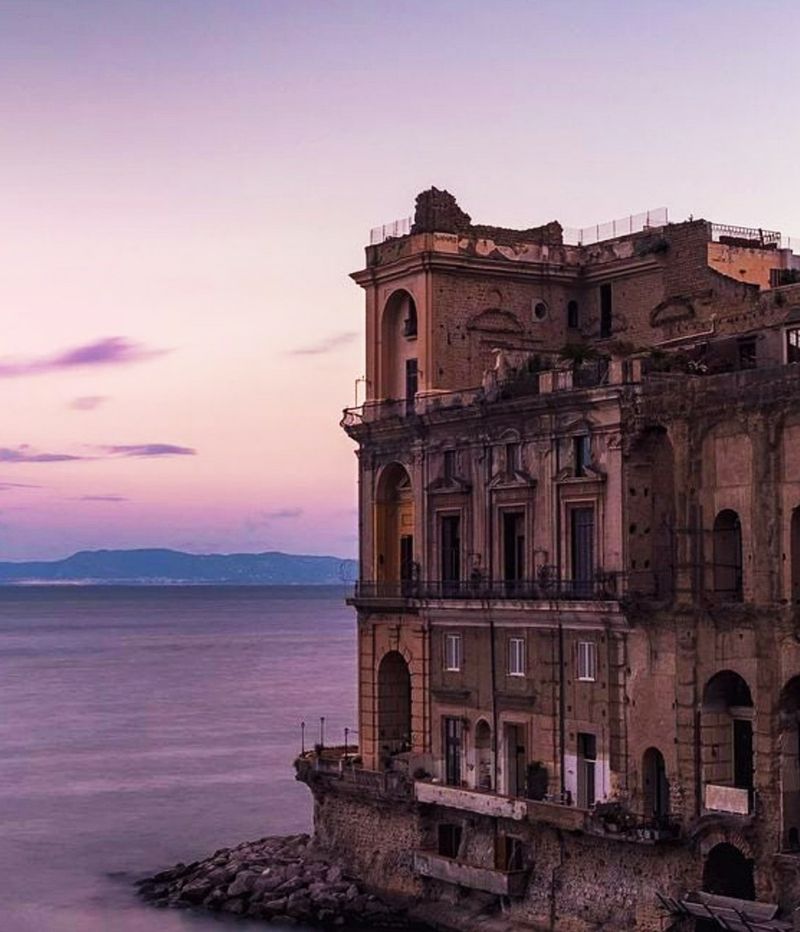
Few cities in the world can claim to have invented something as beloved as pizza, but Naples does exactly that. Pizza Napoletana, made with simple ingredients like San Marzano tomatoes, fresh mozzarella, and basil, has been recognized by UNESCO as a cultural tradition.
The crust is soft, chewy, and slightly charred from a blazing wood-fired oven, and no slice from anywhere else comes close.
Beyond pizza, Naples serves up crispy fried seafood cones you can eat while walking along the waterfront. The sfogliatella, a flaky shell-shaped pastry filled with sweet ricotta, is the perfect finish to any meal.
Street food culture here is lively, affordable, and absolutely delicious.
Locals take their food seriously, and visitors benefit from that pride every single time they sit down to eat. Naples is not just a port stop; it is a full culinary experience.
2. Palermo, Sicily, Italy
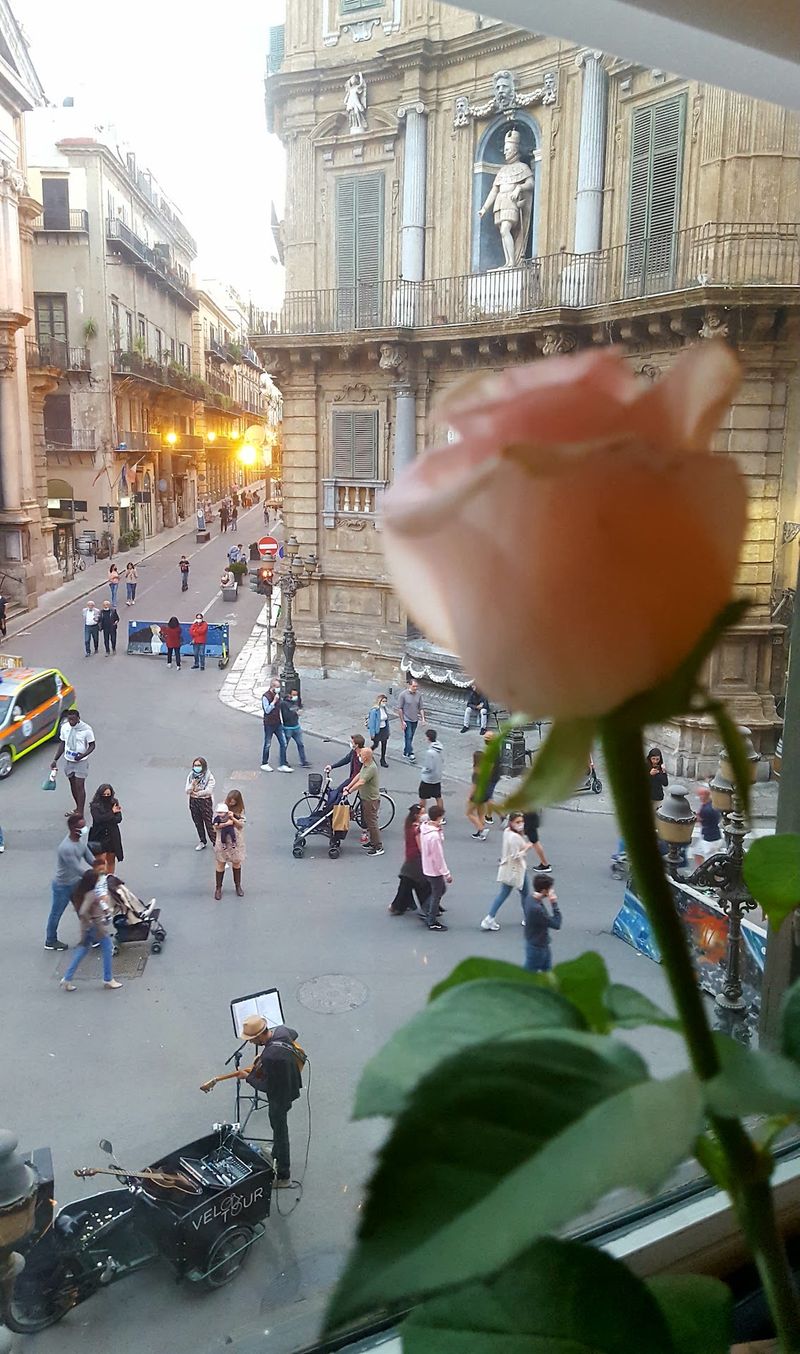
Palermo’s street markets feel like a trip back in time. The Ballarò and Vucciria markets have been feeding locals and travelers for centuries, and the energy there is electric.
Vendors shout, smoke rises from grills, and the smell of frying food fills every alley.
Arancini are golden fried rice balls stuffed with ragù, peas, and melted cheese, and they are practically the city’s mascot. Panelle, thin chickpea fritters tucked into soft bread rolls, show off the Arab influence on Sicilian cooking that stretches back over a thousand years.
Fresh cannoli filled to order with sweetened ricotta are the dessert no one skips.
The seafood here is caught daily from the surrounding waters, and it shows in every dish. Palermo rewards curious eaters who wander off the main streets and follow the smell of something wonderful cooking nearby.
3. Bari, Italy
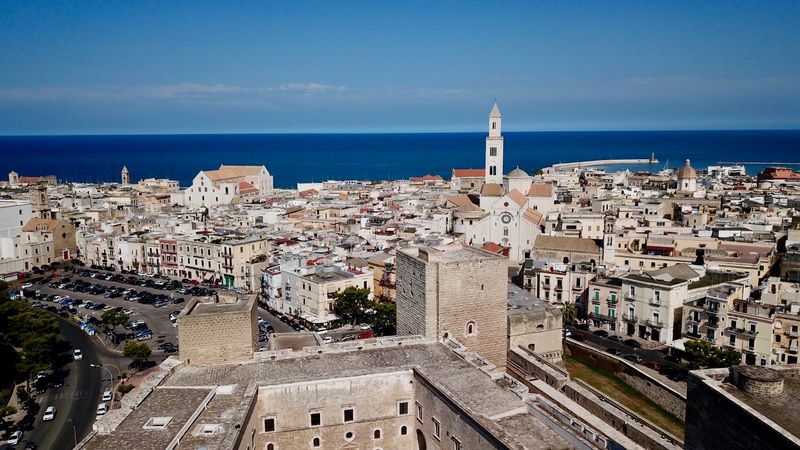
Walk through the old town of Bari and you will likely spot a group of grandmothers sitting outside their doorways, hand-rolling orecchiette pasta right on the street. It is one of those scenes that feels too charming to be real, but it happens every day.
Orecchiette, meaning “little ears,” is shaped by pressing and dragging small pieces of dough with a thumb, and the result holds sauces beautifully.
Focaccia Barese is another local legend. Unlike Genoa’s version, Bari’s focaccia is thick, soft, topped with cherry tomatoes and olives, and eaten at any time of day.
It is sold by the slice at bakeries throughout the city for just a few euros.
For the adventurous eater, raw seafood eaten straight from the shells at the harbor market is a beloved local ritual. Bari is unpretentious, generous, and full of honest, satisfying food.
4. Genoa, Italy
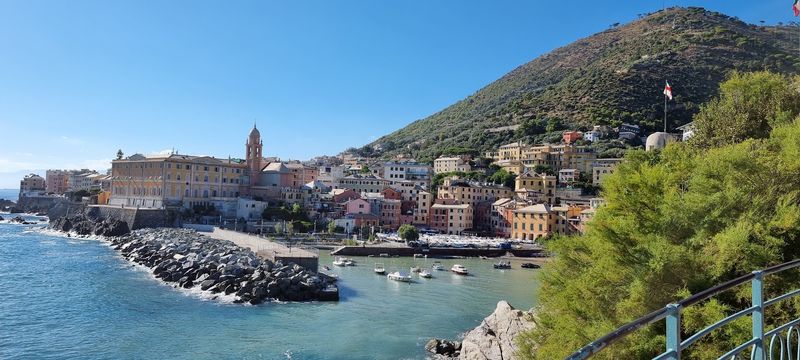
Genoa is the birthplace of pesto, and the locals are fiercely proud of it. The real Pesto Genovese is made with small-leaf Ligurian basil, Parmigiano-Reggiano, Pecorino, pine nuts, garlic, and good olive oil, all ground together in a marble mortar.
Tossed with trofie pasta, it is one of Italy’s most satisfying dishes and one that tastes remarkably different from anything sold in a jar.
Genoa’s focaccia is thinner and crispier than Bari’s version, brushed generously with olive oil and sprinkled with coarse salt. Bakeries open early and sell it warm, making it an irresistible breakfast option while exploring the city’s narrow medieval lanes called caruggi.
Farinata, a savory chickpea flour pancake baked in a wood-fired oven, is another staple that locals snack on throughout the day. Genoa’s food scene is understated but deeply rewarding for anyone willing to explore it.
5. Marseille, France
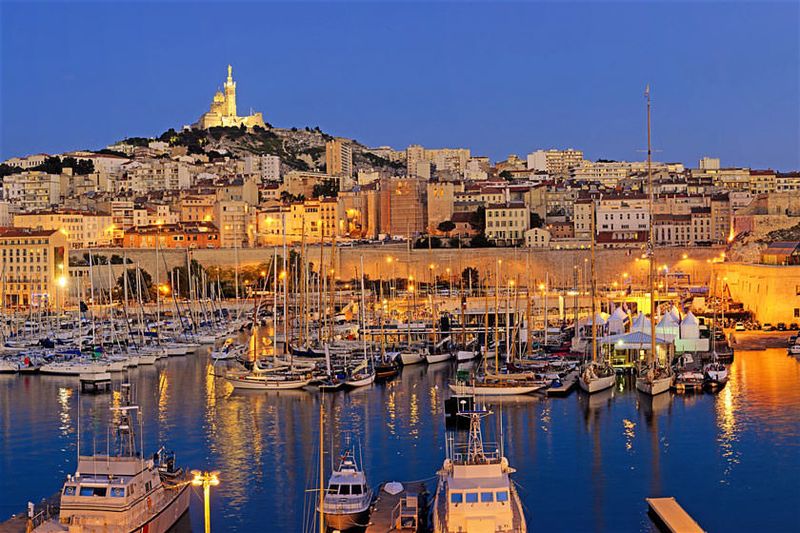
Bouillabaisse is Marseille’s crown jewel, and ordering it here feels like participating in a centuries-old ritual. Originally a fisherman’s stew made from unsold catch, it has evolved into a rich, saffron-scented broth loaded with rockfish, shellfish, and served with crusty bread spread with garlicky rouille sauce.
Authentic versions follow strict guidelines set by local chefs to protect the recipe.
Aioli, a thick garlic mayonnaise, shows up everywhere in Marseille and pairs beautifully with vegetables, fish, and bread. The city’s Provençal cooking style leans heavily on olive oil, fresh herbs, and the incredible seafood pulled from the Mediterranean each morning.
The Vieux-Port, Marseille’s old harbor, is lined with fish markets and casual restaurants where the catch of the day is always front and center. Eating here feels effortless and genuinely connected to the sea.
Marseille feeds you well without any fuss.
6. Sète, France
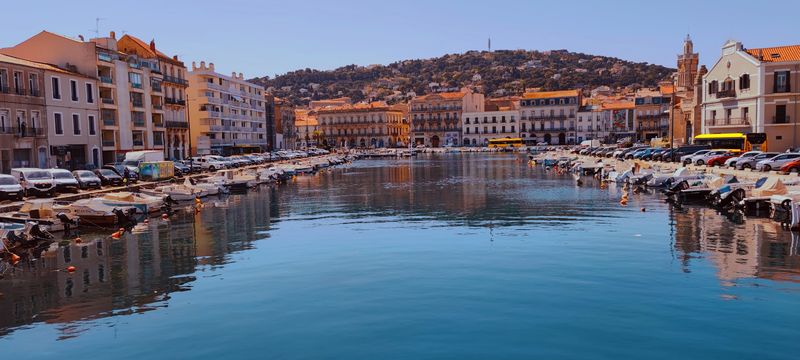
Sète is not the most famous port on this list, but food lovers who discover it rarely forget it. Tucked between the Mediterranean and a lagoon on the Languedoc coast, this fishing town has its own culinary identity that sets it apart from anywhere else in France.
The tielle is proof of that.
A tielle is a small, round pie filled with octopus cooked in a spiced tomato sauce, and it was brought to Sète by Italian immigrants in the early 20th century. Today it is the town’s most iconic dish, sold in bakeries and eaten as a snack while wandering the canals.
It is savory, slightly spicy, and completely addictive.
Oysters and mussels farmed in the nearby Thau lagoon are served fresh and affordable throughout the town. Sète rewards travelers who venture beyond the well-known French Riviera destinations with genuinely local flavors.
7. Barcelona, Spain
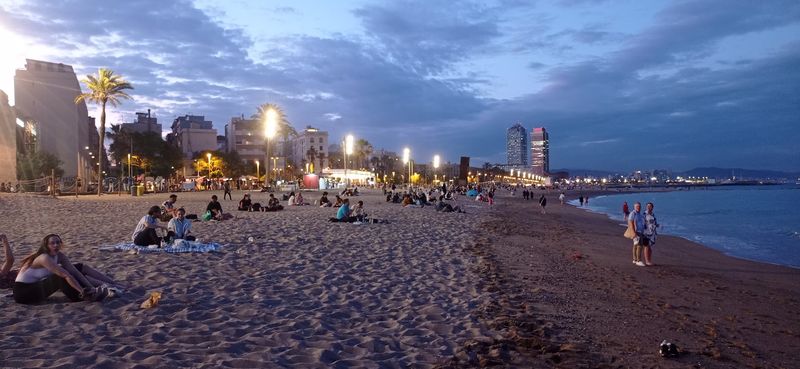
Barcelona has a food scene that never sleeps. From early morning pa amb tomàquet, which is bread rubbed with ripe tomato and drizzled with olive oil, to late-night tapas bars buzzing with energy, the city keeps offering something delicious at every hour.
The variety is staggering, and the quality is consistently high.
Seafood paella cooked over open flame, bombas (fried potato croquettes filled with meat) from the Barceloneta beach neighborhood, and plates of fresh clams in white wine sauce are just a few highlights. The Boqueria market near Las Ramblas is a sensory overload of fresh produce, cured meats, and prepared foods that makes grocery shopping feel like sightseeing.
Crema catalana, Spain’s answer to crème brûlée, closes out many meals here with its perfectly caramelized sugar crust. Barcelona is a city where eating well is simply part of the daily routine, and visitors are always welcome at the table.
8. Valencia, Spain
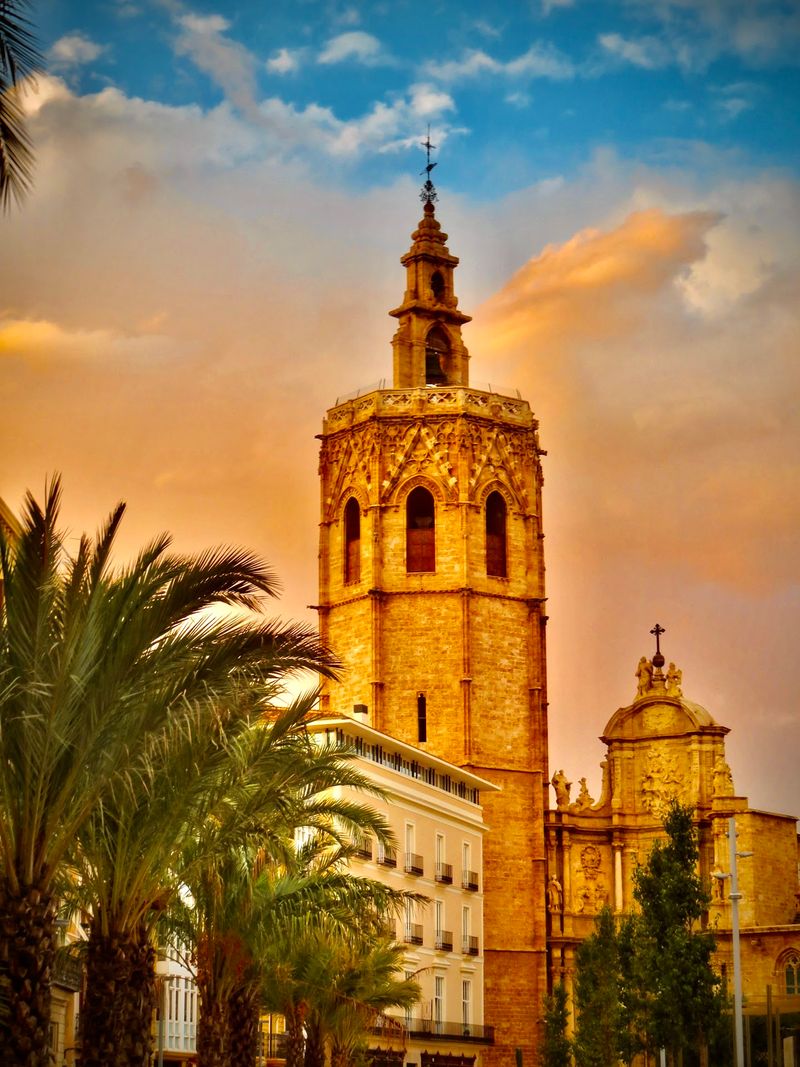
Valencia is where paella was born, and eating it here changes the way you think about the dish forever. Traditional paella Valenciana contains chicken, rabbit, green beans, and butter beans cooked with saffron-infused rice in a wide, shallow pan over a wood fire.
It bears little resemblance to the seafood versions served elsewhere, and locals will happily tell you which version is the authentic one.
Fideuà is another local specialty worth seeking out. Similar to paella but made with short noodles instead of rice, it is typically loaded with seafood and finished with a crispy bottom layer called socarrat that is considered the best part of the dish.
Horchata, a cold, creamy drink made from tiger nuts grown in the Valencia region, is the perfect refreshment after a big meal. Served with long sugar-dusted pastries called fartons, it is a combination that feels completely unique to this city.
9. Málaga, Spain
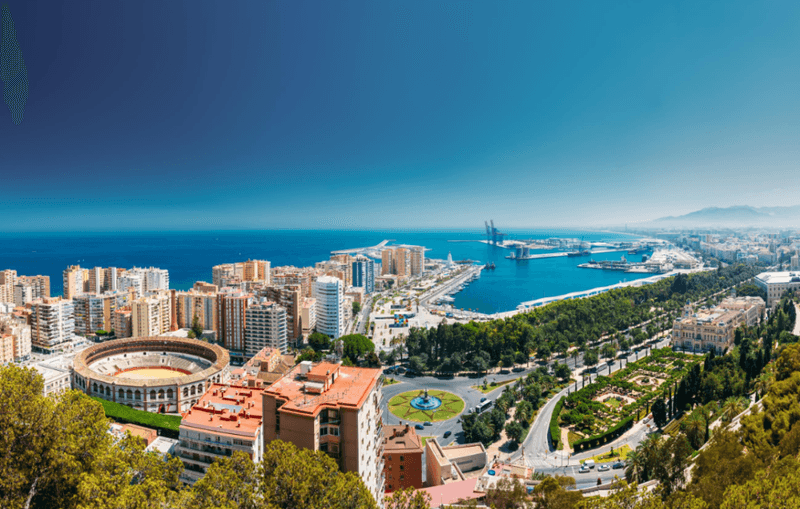
There is something wonderfully simple about eating espetos on a Málaga beach. These are fresh sardines skewered on long bamboo sticks and grilled over a fire of olive wood right on the sand.
The technique is ancient, the flavor is smoky and salty, and the setting could not be more perfect. Málaga has been doing this for generations, and it remains the city’s most beloved food tradition.
Fried fish, or pescaíto frito, is another staple of Málaga’s food culture. Small fish like anchovies, squid rings, and baby squid are lightly battered and fried to golden perfection, served in a paper cone with lemon.
The frying technique here is considered an art form by locals.
Gazpachuelo, a warm soup made with fish, potatoes, and mayonnaise, might sound unusual but it is deeply comforting and entirely local. Málaga’s food scene is unpretentious, coastal, and completely satisfying.
10. Split, Croatia
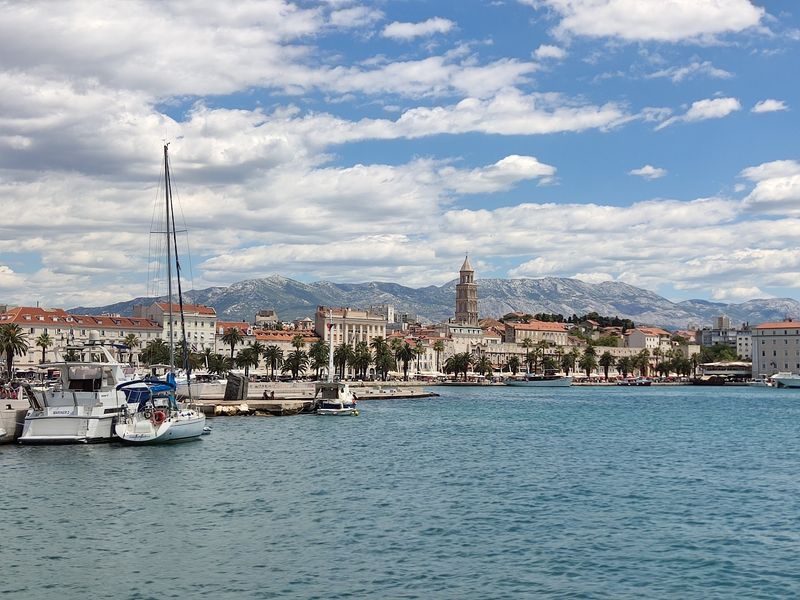
Split’s old town is built inside a Roman emperor’s palace, which makes it one of the most dramatic dining settings anywhere in the Mediterranean. Sitting down to eat black risotto inside ancient stone walls feels like something out of a history book.
The dish itself, crni rižot, is made with cuttlefish or squid cooked in their own ink, giving it a deep, briny flavor and striking jet-black color.
Grilled Adriatic fish is a staple at virtually every restaurant along the Dalmatian coast. Sea bass, sea bream, and dentex are typically served whole with olive oil, garlic, and fresh herbs, letting the quality of the fish speak for itself.
The seafood is remarkably fresh and simply prepared.
Pašticada, a slow-braised beef dish marinated in wine and spices and served with gnocchi, is Split’s beloved comfort food for special occasions. The combination of Roman history and Croatian cooking makes Split a genuinely unforgettable port stop.
11. Dubrovnik, Croatia
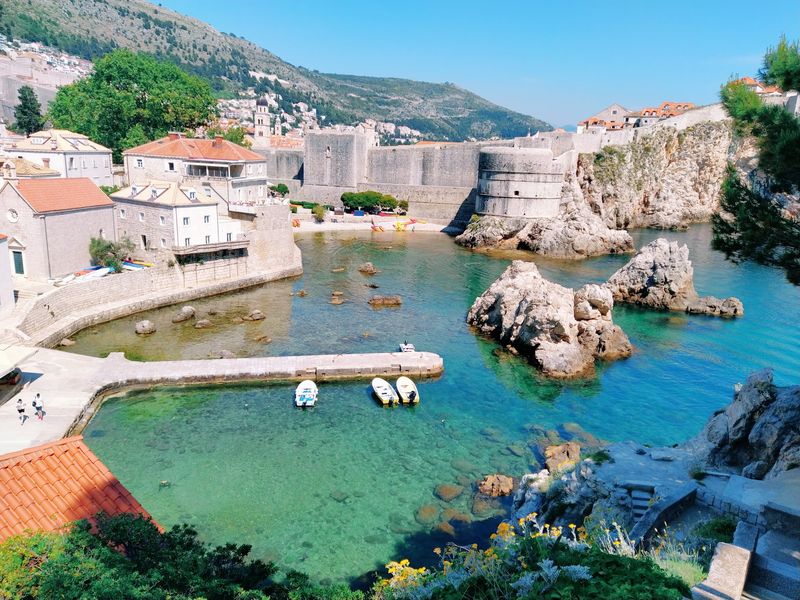
Dubrovnik might be best known for its stunning medieval walls and its role as a filming location for famous television series, but the city has a food story that deserves equal attention. The oysters farmed in nearby Ston Bay are considered among the finest in Europe, clean and briny with a mineral finish that reflects the pristine Adriatic waters.
Ordering them fresh at a harborside table is a genuine pleasure.
Octopus salad, prepared with olive oil, lemon, parsley, and capers, is a refreshing and light dish that showcases how Croatian coastal cooking celebrates quality ingredients without overcomplicating things. It appears on almost every menu in the old city.
Green menestra is a hearty stew made with kale, smoked pork, and vegetables, rooted in Dubrovnik’s inland culinary traditions. It offers a warming contrast to the lighter seafood dishes.
Dubrovnik’s food scene is quietly excellent and often overlooked in favor of the scenery.
12. Kotor, Montenegro
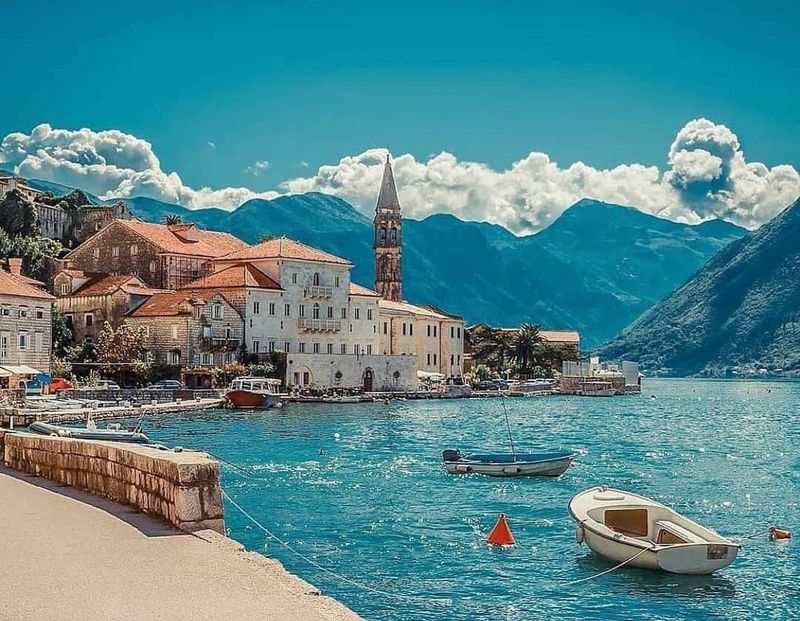
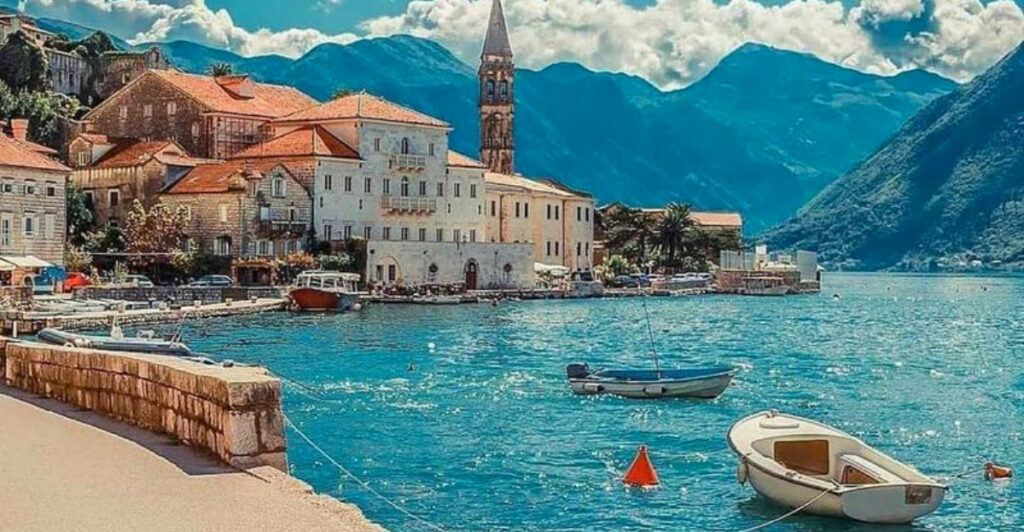
Kotor is one of the most beautifully preserved medieval towns on the Adriatic, and its bay is one of the most dramatic natural harbors in all of Europe. The water here is clean and cold, which means the shellfish are outstanding.
Buzara mussels, steamed open in a sauce of white wine, garlic, olive oil, and fresh herbs, are the dish that defines Kotor’s waterfront dining scene.
Grilled squid served with lemon and a simple salad is another local favorite that highlights the straightforward, ingredient-driven approach of Montenegrin coastal cooking. The portions are generous, the prices are reasonable, and the views from harborside tables are spectacular.
Njeguši prosciutto, cured in the mountain village of the same name just above Kotor, is a smoked and air-dried ham with a flavor unlike Italian or Spanish varieties. Paired with local cheese and bread, it makes for a perfect appetizer before any seafood meal in this remarkable bay town.
13. Piraeus (Athens), Greece
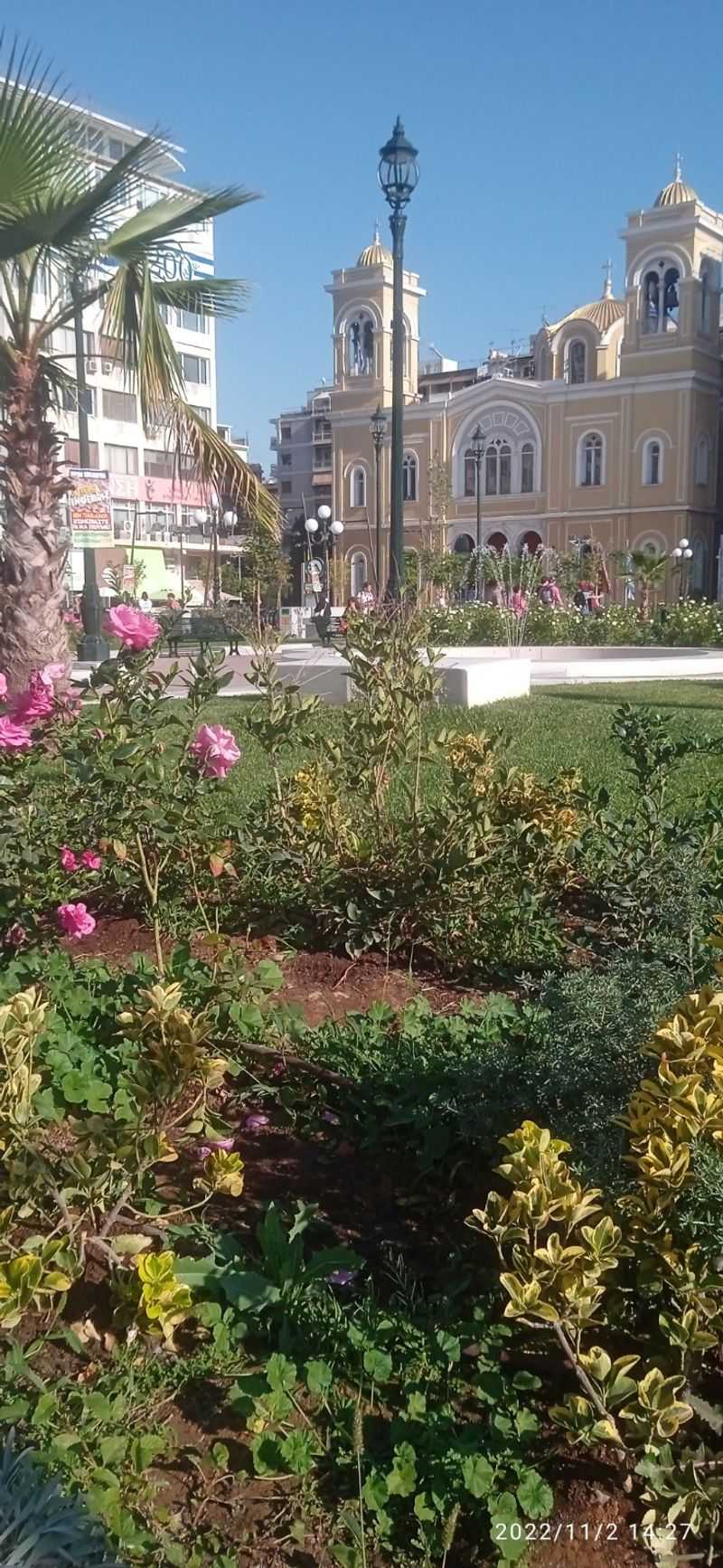
Piraeus is Athens’ main port, and it has a food culture entirely its own that often gets overlooked by travelers rushing to the Acropolis. The waterfront neighborhood of Mikrolimano is lined with seafood tavernas where grilled octopus is a ritual.
Hung to dry in the sun before cooking, the octopus develops a tender texture and smoky char that is deeply satisfying with a squeeze of lemon and a glass of ouzo.
Saganaki, pan-fried cheese served sizzling hot with lemon, is one of Greece’s most crowd-pleasing appetizers and one of the easiest to love. Fresh whole fish priced by the kilo, souvlaki from street grills, and cold tzatziki complete the picture of a port that takes its food seriously.
The fish market inside Piraeus is worth visiting early in the morning just to see the variety of seafood coming off the boats. Athens feeds its visitors generously, and Piraeus is where that generosity starts.
14. Chania, Crete, Greece
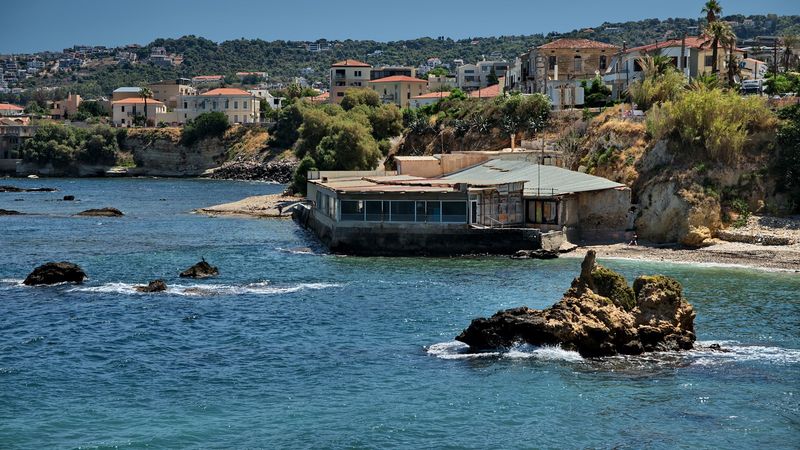
Crete has one of the most celebrated food cultures in all of Greece, and Chania is the island’s most charming port city. The Cretan diet, heavy in olive oil, vegetables, legumes, and whole grains, has been studied by nutritionists as one of the healthiest in the world.
Eating here feels nourishing in a way that goes beyond just flavor.
Dakos is the dish that best represents Cretan simplicity at its finest: a dried barley rusk softened slightly with ripe tomato juice, topped with crumbled mizithra cheese, olives, and a generous pour of local olive oil. It is humble, beautiful, and completely addictive.
Lamb slow-cooked with herbs and served with pilaf or potatoes is another cornerstone of Cretan cooking.
Local cheeses like graviera and anthotyros are excellent, and the seafood caught from the harbor is served grilled or fried with minimal seasoning. Chania is a place where good food feels completely natural and effortless.
15. Valletta, Malta
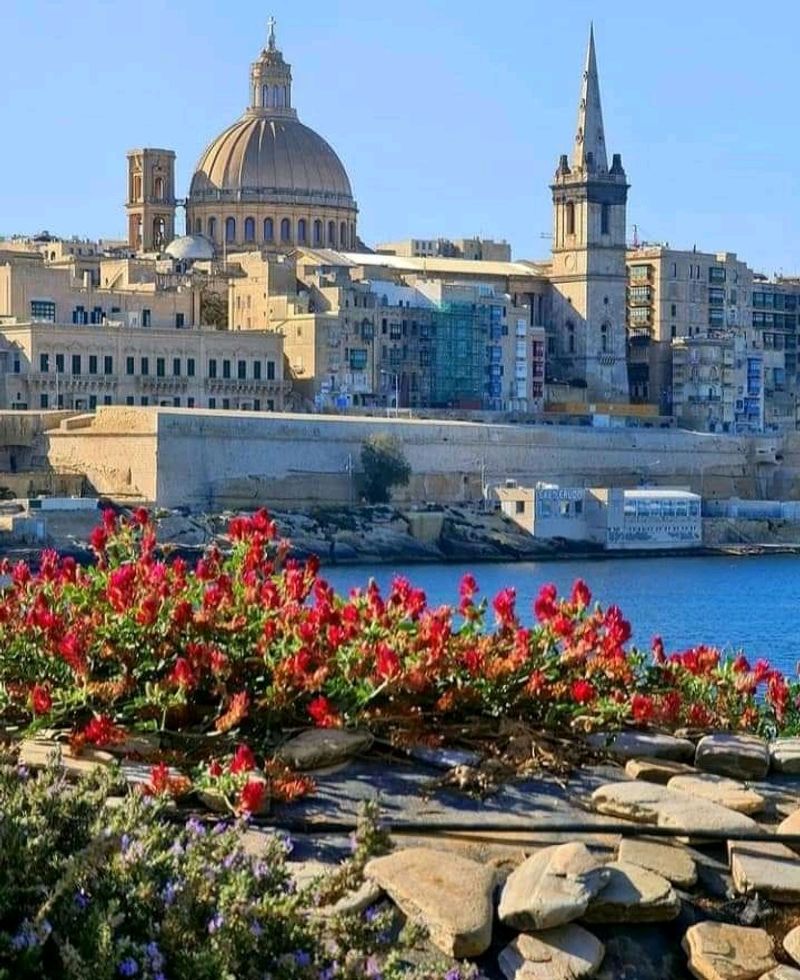
Malta is a tiny island nation with a food culture that punches well above its weight. Valletta, the capital and main port, is a UNESCO World Heritage city where centuries of Arab, Norman, and British influence have created a cuisine that does not quite resemble anything else in the Mediterranean.
Rabbit stew, known locally as stuffat tal-fenek, is the national dish and a point of genuine pride.
The stew is slow-cooked with tomatoes, wine, garlic, and herbs until the meat falls off the bone, and it is typically served with crusty Maltese bread and a glass of local wine. Pastizzi, flaky diamond-shaped pastry parcels filled with ricotta or mushy peas, are sold hot from street kiosks and eaten as a snack at any time of day.
Lampuki pie, made with the local dolphinfish during its seasonal migration through Maltese waters, is a savory pastry worth tracking down when in season. Valletta is a compact city with a surprisingly deep and rewarding food culture.
Share this story