Virginia has a surprising number of places where the water is so clear you can count the rocks at the bottom. From mountain gorges and cold river pools to sandy lake beaches tucked inside state parks, the state offers a wide range of refreshing options for summer.
Some spots require a short hike, while others are just a short drive from a parking lot. This guide covers 15 of the best swimming destinations across Virginia, giving you everything you need to plan a fantastic warm-weather outing.
Whether you are looking for a quiet mountain pool or a full-service beach with lifeguards and picnic tables, there is something here for every kind of swimmer and every kind of summer day.
1. Devil’s Bathtub – Fort Blackmore
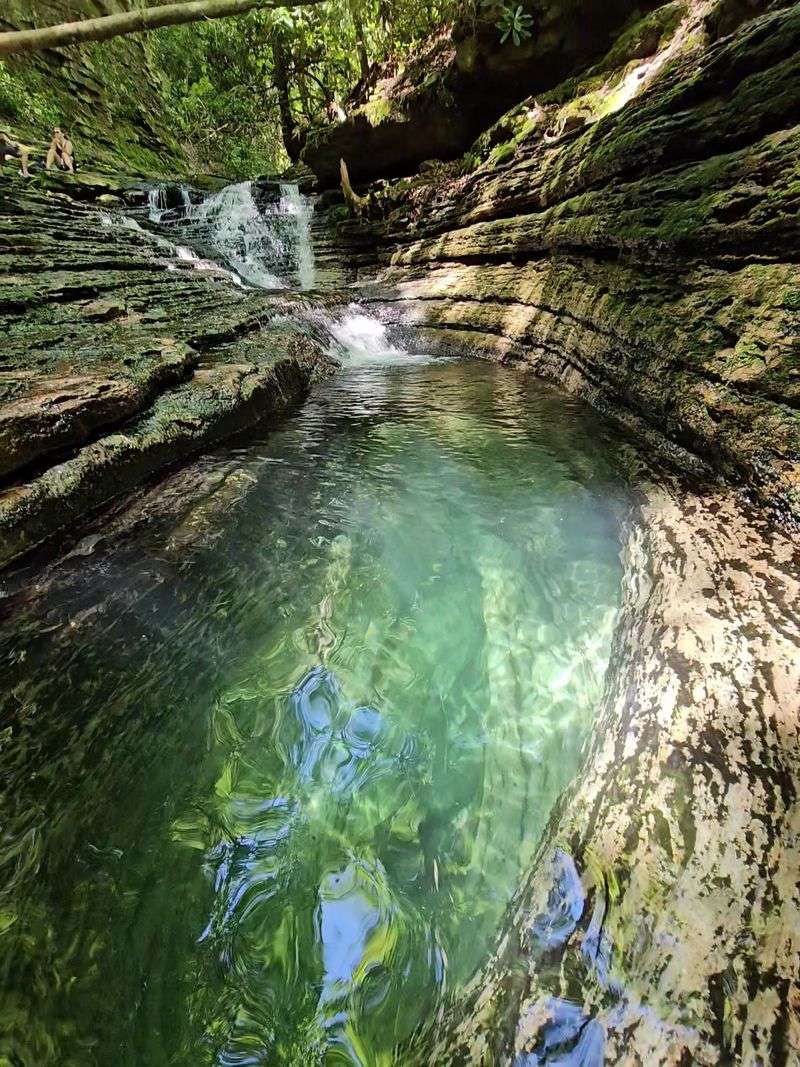
The name alone is enough to make you curious, and the actual place delivers on every bit of that curiosity. Devil’s Bathtub in Fort Blackmore is widely considered Virginia’s most famous natural swimming hole, and the title is well earned.
The water here is a striking blue-green color that looks almost too vivid to be real.
Getting there requires a moderate hike of about two miles, crossing a creek several times along the way. Wear shoes you do not mind getting wet, because the trail keeps you in and out of the water before you even reach the main pool.
The surrounding canyon walls add to the dramatic setting.
The pool itself sits in a narrow gorge carved by Straight Fork Creek, creating a natural basin with walls of smooth rock on all sides. Arrive early on weekends, because this spot draws serious crowds during peak summer months.
2. Lake Moomaw – Bath County
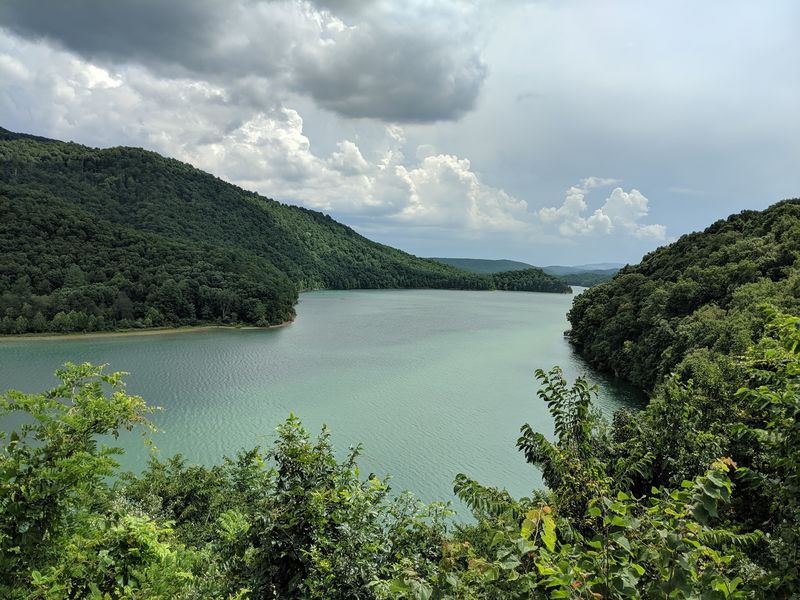
Most large reservoirs in Virginia carry a faint greenish tint from algae and development runoff, but Lake Moomaw consistently breaks that pattern. Tucked deep inside George Washington National Forest in Bath County, this reservoir benefits from minimal shoreline development and significant water depth, both of which contribute to its remarkable clarity.
The lake stretches about 12 miles long and reaches depths of over 100 feet in certain areas. Those deep, cold sections stay clean and clear even through the hottest weeks of summer.
Bolar Mountain Recreation Area provides the main public beach, complete with a sandy swimming area and basic facilities.
Because the surrounding land is federally protected forest, the shoreline remains almost entirely natural. You will not find condos or marinas crowding the banks here.
That undeveloped character is exactly what keeps the water quality high year after year, making it a reliable summer destination.
3. Sherando Lake Recreation Area – Augusta County
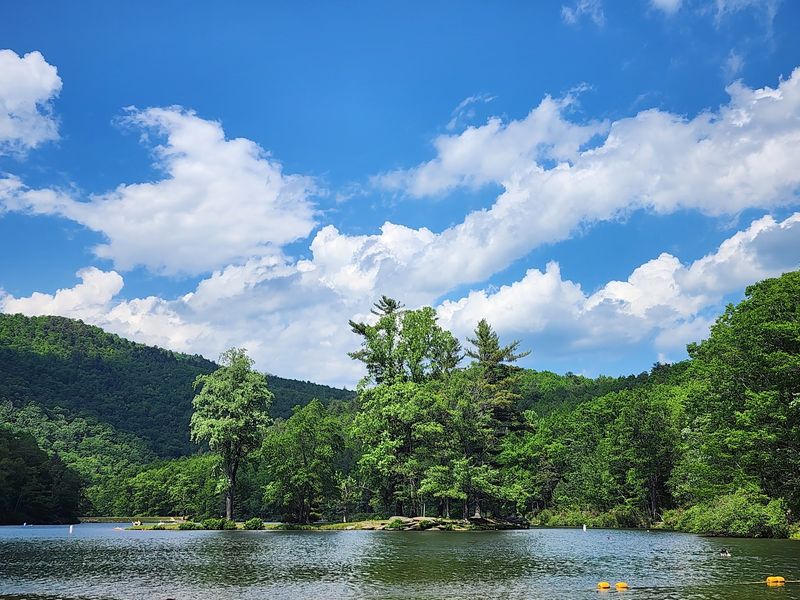
Locals have called Sherando Lake the Jewel of the Blue Ridge for decades, and first-time visitors tend to agree pretty quickly. This mountain lake sits at an elevation of about 1,800 feet inside the George Washington National Forest, which keeps water temperatures refreshingly cool and the surroundings beautifully forested.
The U.S. Forest Service manages the recreation area, maintaining a sandy beach, picnic shelters, and a campground right on the water.
Lifeguards are on duty during the summer season, making it a solid choice for families with younger children who want supervised swimming.
Water clarity at Sherando is consistently impressive, with visibility reaching several feet down on calm days. The lake covers about 25 acres, which is large enough to feel spacious but small enough to keep the atmosphere relaxed and unhurried.
Camping spots book up fast in July and August, so reservations well in advance are strongly recommended.
4. Hungry Mother Lake – Marion
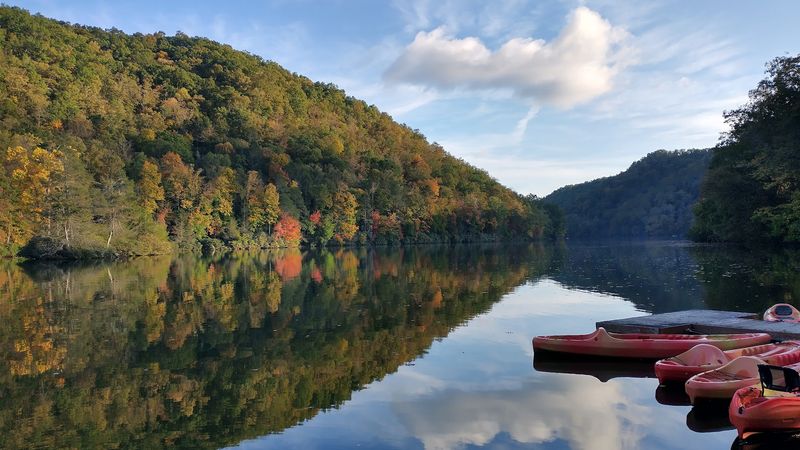
Hungry Mother State Park has one of the most unusual names in Virginia’s state park system, and the story behind it involves a frontier legend passed down through generations in the region. The park itself, located near Marion in Smyth County, is far more welcoming than its name suggests.
The centerpiece is a calm mountain lake with a designated swimming beach that draws families throughout the summer. Water clarity here is notably good, helped along by the lake’s relatively small size and the protected forest surrounding it.
Lifeguards are stationed at the beach during the official swimming season.
Beyond swimming, the park offers paddleboat rentals, hiking trails, and a lakeside restaurant, making it easy to spend a full day without running out of things to do. The lake’s surface stays calm on most mornings, which makes the water appear even clearer before the afternoon crowds arrive.
5. Claytor Lake State Park – Dublin
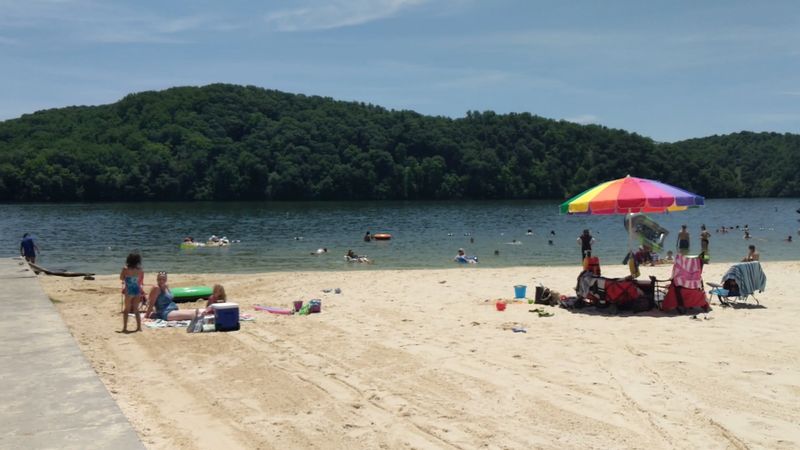
Claytor Lake covers nearly 4,500 acres, making it one of the largest freshwater lakes in Virginia, and the state park along its northern shore gives the public direct access to some of its clearest water. The park’s designated swimming beach is well maintained and features a gradual slope into the water, which works well for swimmers of all skill levels.
The lake was created in 1939 when Appalachian Power Company completed a dam on the New River. Despite being a reservoir, Claytor Lake maintains strong water quality in the areas near the state park, particularly along the protected coves away from heavy boat traffic.
Facilities at the park include a marina, cabin rentals, a campground, and picnic areas, so there is plenty of infrastructure for a longer stay. The beach tends to be less crowded on weekday mornings, which is the best time to enjoy the water without fighting for a patch of sand.
6. Smith Mountain Lake State Park – Huddleston
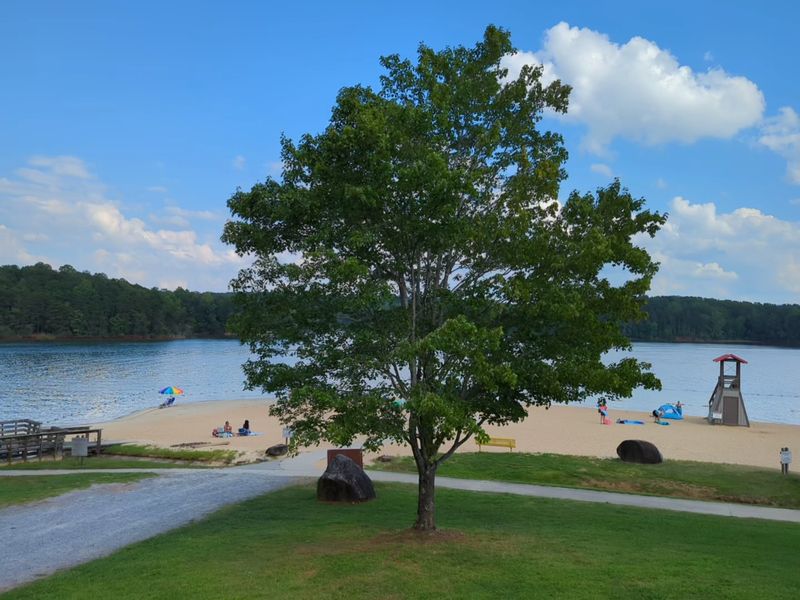
Smith Mountain Lake is the second-largest freshwater body in Virginia, covering about 20,600 acres with over 500 miles of shoreline. The state park in Huddleston offers the best public access to the lake’s cleaner, less-developed coves, where water clarity tends to be noticeably better than in busier marina areas.
The park’s swimming beach is a popular draw, and the surrounding landscape of rolling hills and mature hardwood forest gives the area a polished, scenic quality. Water quality in the designated swim zones has consistently received high marks from state environmental monitoring programs.
One practical note worth knowing: the lake can get choppy on windy afternoons when motorboat traffic picks up, so morning swims tend to be calmer and more enjoyable. The park also offers cabin rentals and a boat launch, making it a flexible destination whether you are there for a single afternoon or a full weekend getaway.
7. Fairy Stone State Park – Stuart
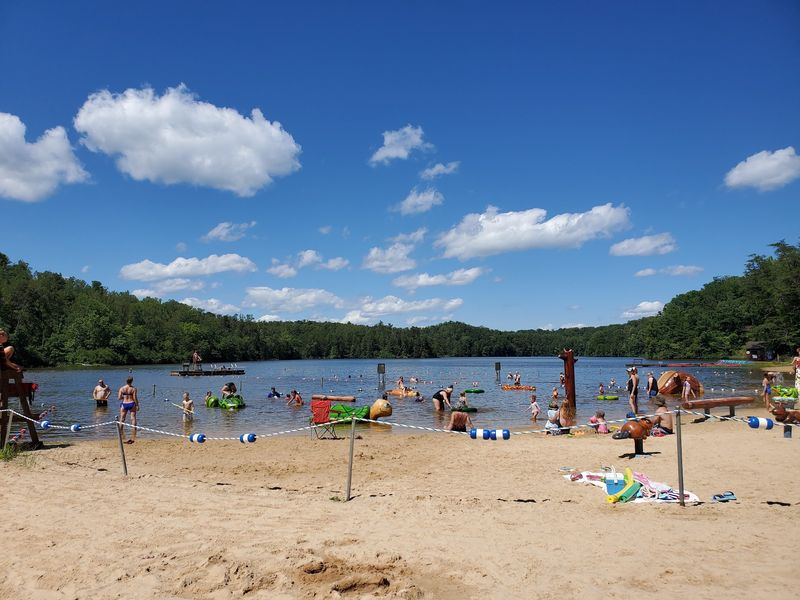
Fairy Stone State Park gets its name from the small cross-shaped mineral crystals found in the surrounding soil, a geological quirk that has drawn curious visitors to the area since the park opened in 1936. The lake at its center is equally worth the trip, offering clear water in a heavily forested southwest Virginia setting.
The 168-acre lake has a sandy beach with a designated swim area and lifeguard coverage during summer months. Because the park sits in a relatively remote part of Patrick County, it sees fewer visitors than some of Virginia’s better-known state park beaches, which means more room on the sand and in the water.
The surrounding forest creates excellent shade around the picnic areas, which is a welcome feature during the hotter weeks of July and August. Cabin rentals and a campground make overnight stays easy to arrange, and the park’s trails connect the beach to other points of interest throughout the property.
8. Lake Anna State Park – Spotsylvania County
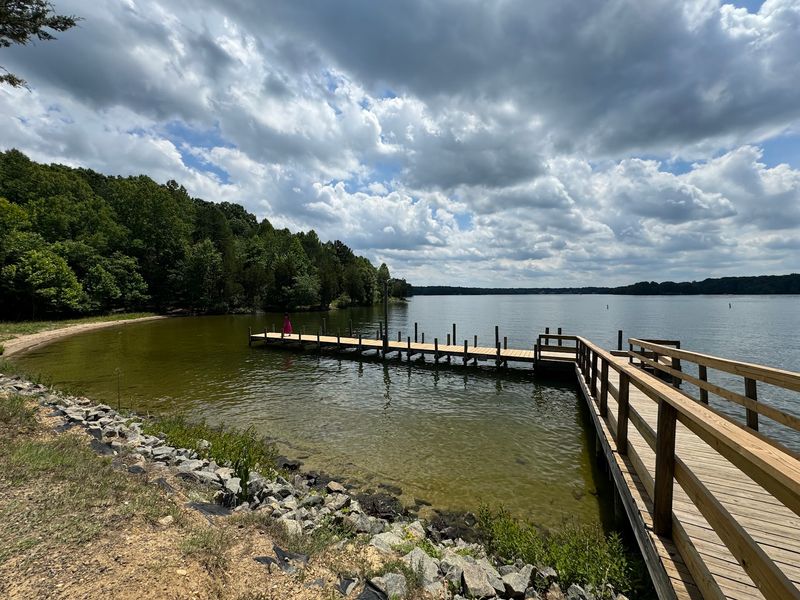
Lake Anna is one of the most visited lakes in Virginia, and the state park on its public side gives swimmers access to one of the best sandy beaches in the entire region. The park’s beach stretches along a wide cove with calm, relatively clear water and lifeguard supervision during the official summer season.
The lake itself was created in the early 1970s as a cooling reservoir for a nearby power station, but the public side of the lake has developed into a legitimate recreational destination with strong water quality. The park covers about 2,000 acres and includes hiking trails, a boat launch, and picnic shelters in addition to the swim beach.
Parking can fill up quickly on hot summer weekends, so arriving before 10 a.m. is a smart move. The water temperature at Lake Anna tends to be warmer than mountain lakes, which makes it particularly popular with families who prefer swimming without the cold shock.
9. Goshen Pass – Rockbridge County
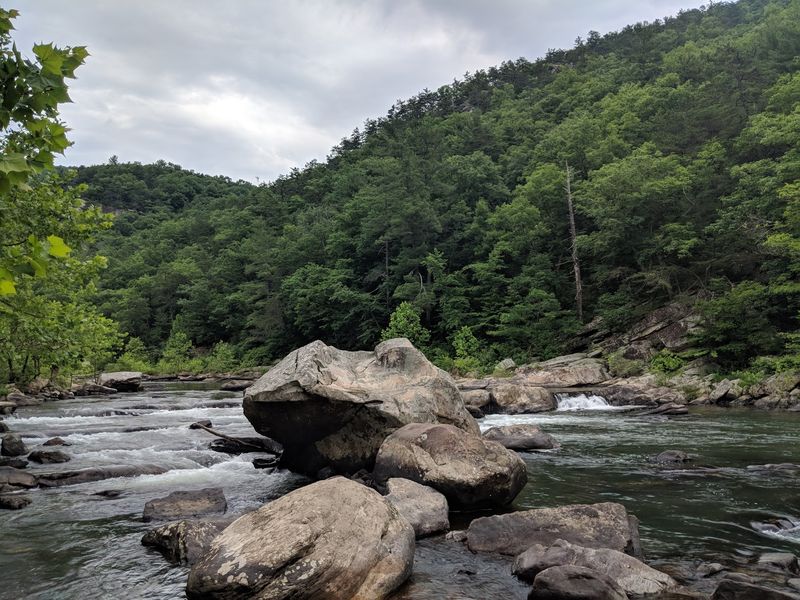
Geologists and outdoor enthusiasts have long admired Goshen Pass for the dramatic way the Maury River cuts through a narrow mountain gorge in Rockbridge County. The river here runs over large boulders and smooth bedrock, creating a series of natural pools and rapids that have attracted swimmers for well over a century.
The water clarity at Goshen Pass is exceptional on days following dry weather, when runoff is minimal and the river runs at its clearest. Several pull-off areas along Route 39 provide easy access to the river, and locals have established favorite swimming spots at various points along the gorge.
The current can be strong in certain sections, especially after rainfall, so checking water conditions before your visit is important. The gorge is also a popular spot for tubing and wading, and the surrounding forest canopy provides natural shade along much of the riverbank throughout the summer season.
10. St. Mary’s Falls and Swimming Holes – Augusta County
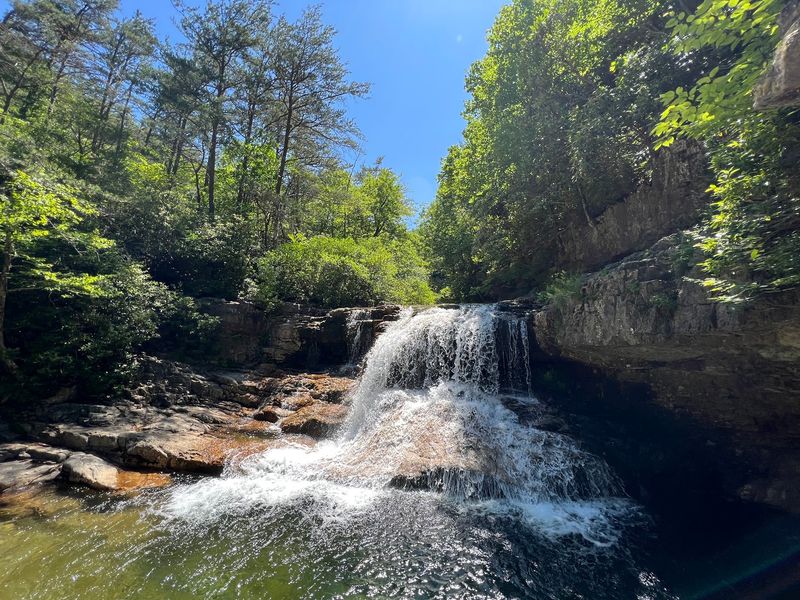
The St. Mary’s Wilderness Area in Augusta County is the oldest designated wilderness area in the eastern United States, and the river that runs through it has carved out some of the clearest mountain swimming holes in all of Virginia. Cold water, smooth rock ledges, and a series of small falls make this a genuinely special destination.
The hike to the main falls covers about four miles round trip on a well-marked trail that follows the river upstream through dense forest. Along the way, several smaller pools offer tempting spots to cool off before you even reach the primary waterfall and its deep plunge pool.
Water temperatures here stay cold even in late July, so this spot works best for people who enjoy a bracing swim rather than a leisurely warm soak. The wilderness designation means no motorized equipment is allowed, which keeps the area quiet and the water quality consistently high throughout the season.
11. Blue Hole (Moormans River) – Crozet
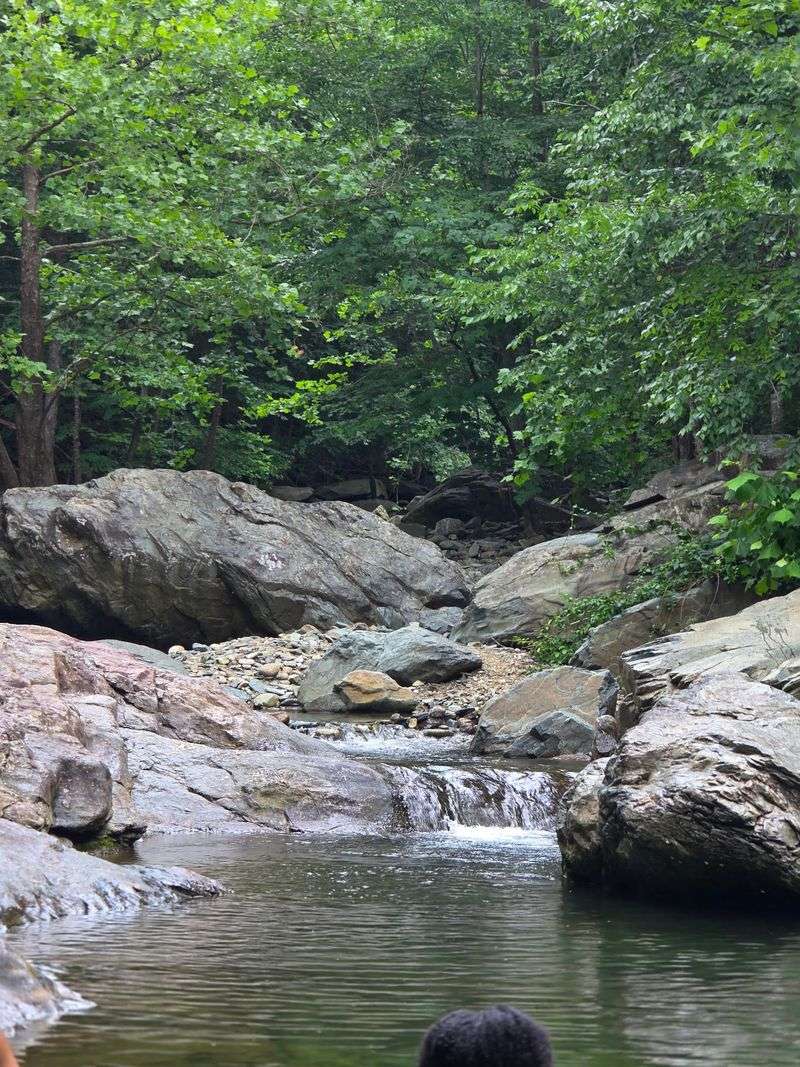
Central Virginia does not have as many mountain swimming holes as the western part of the state, which makes the Blue Hole on the Moormans River near Crozet a particularly valued local treasure. This deep pool sits just upstream from Sugar Hollow Reservoir in Albemarle County and has been a summertime gathering spot for area residents for generations.
The water here is notably clear for a piedmont-area stream, fed by cold springs and mountain runoff from the Blue Ridge. The pool is deep enough for jumping from surrounding rocks, though visitors should always check depth conditions before attempting any jumps.
Rocky banks and overhanging trees frame the area naturally.
Access requires a short walk from the Sugar Hollow parking area, and the trail sees moderate foot traffic on summer weekends. The Moormans River can run low in late summer during dry years, so earlier in the season typically offers better swimming conditions and higher water levels.
12. Dismal Falls – Bland County
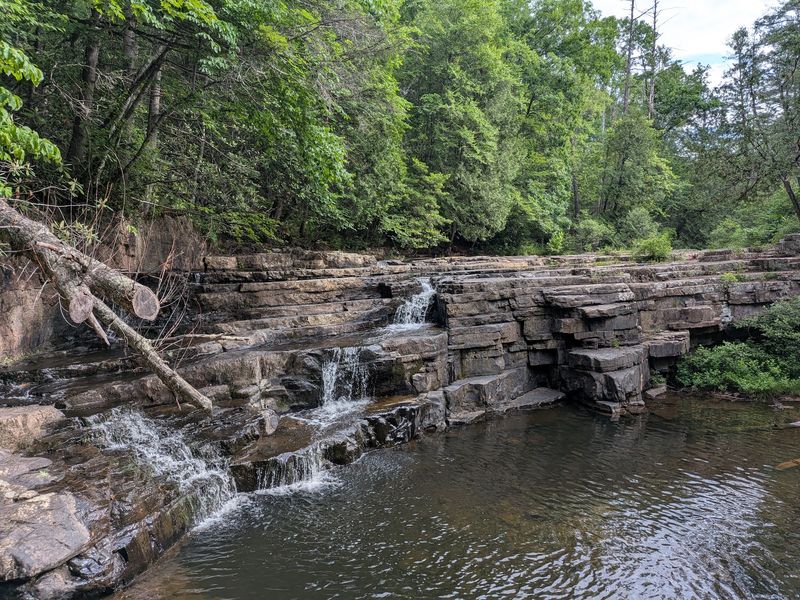
Despite its rather gloomy name, Dismal Falls in Bland County is one of the more cheerful and photogenic swimming destinations in southwest Virginia. The falls drop about 12 feet over a wide ledge of rock, feeding a clear plunge pool at the base that has drawn summer visitors for many years.
The hike from the trailhead to the falls is short and easy, covering less than a mile on a relatively flat path through Jefferson National Forest. That accessibility makes it popular with families, casual hikers, and anyone who wants a refreshing swim without committing to a strenuous outing.
The pool at the base of the falls is wide and clear, with a rocky bottom visible in the shallower sections. Weekends in July tend to bring the biggest crowds, so a weekday visit offers a noticeably more peaceful experience.
The surrounding forest provides good shade along the trail and near the water’s edge.
13. New River Trail State Park (Foster Falls) – Wythe and Carroll Counties
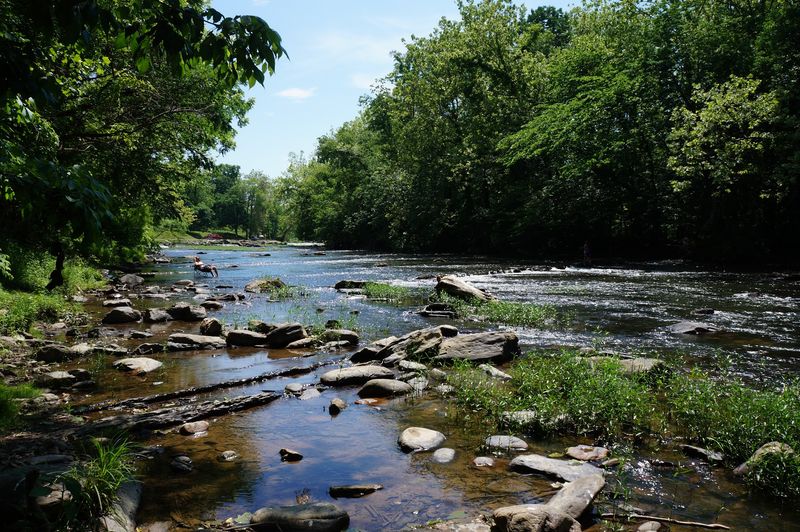
The New River is one of the oldest rivers in North America, and the trail that follows it through Wythe and Carroll Counties gives visitors multiple access points to its clear, wide waters. Foster Falls is one of the most popular entry points, offering a natural swimming area where the river runs broad and relatively calm over a rocky bed.
New River Trail State Park follows a former railroad corridor for 57 miles, passing farms, forests, and riverside bluffs along the way. The trail itself is open to hikers, cyclists, and equestrians, and several spots along the route allow direct river access for swimming and wading.
Water clarity on the New River varies by season and rainfall, with the clearest conditions typically occurring during drier stretches in late summer. The river’s width and moderate current make it suitable for casual floating as well as swimming, and the surrounding countryside gives the experience a relaxed, rural character.
14. James River State Park – Buckingham County
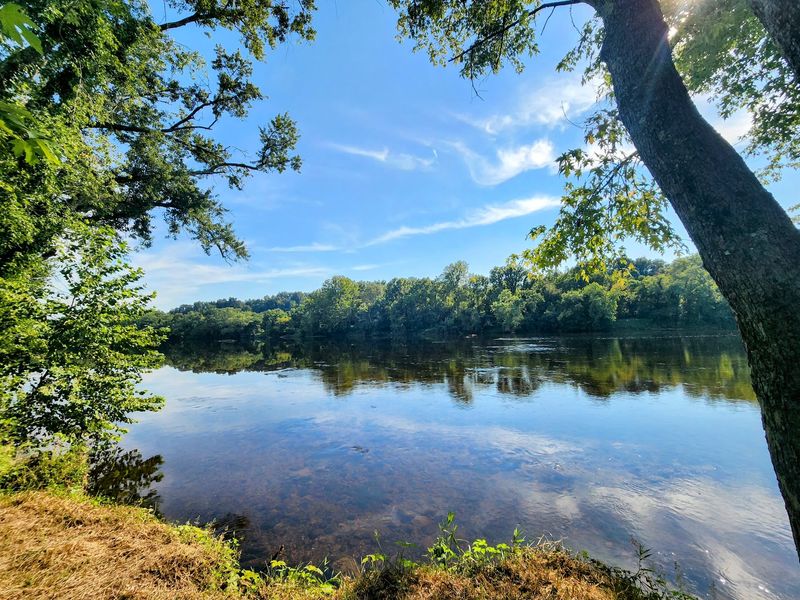
The upper James River near Buckingham County runs cleaner and clearer than its downstream counterpart closer to Richmond, and James River State Park sits right along one of its most scenic and accessible stretches. The park covers about 1,500 acres and includes several miles of river frontage with natural access points for swimming and wading.
River conditions here vary with rainfall, and the park recommends checking water levels and clarity before heading in. During stable, dry summer periods, the water can be remarkably clear with a rocky bottom visible at comfortable depths.
The current is gentle enough in most sections for relaxed swimming.
Three separate river access areas within the park give visitors options depending on how far they want to walk. The park also offers primitive camping, horseback riding trails, and canoe launches, making it a strong choice for a multi-day trip.
Sunrise on the river here is genuinely worth setting an early alarm for.
15. Craig Creek Recreation Area – Botetourt County
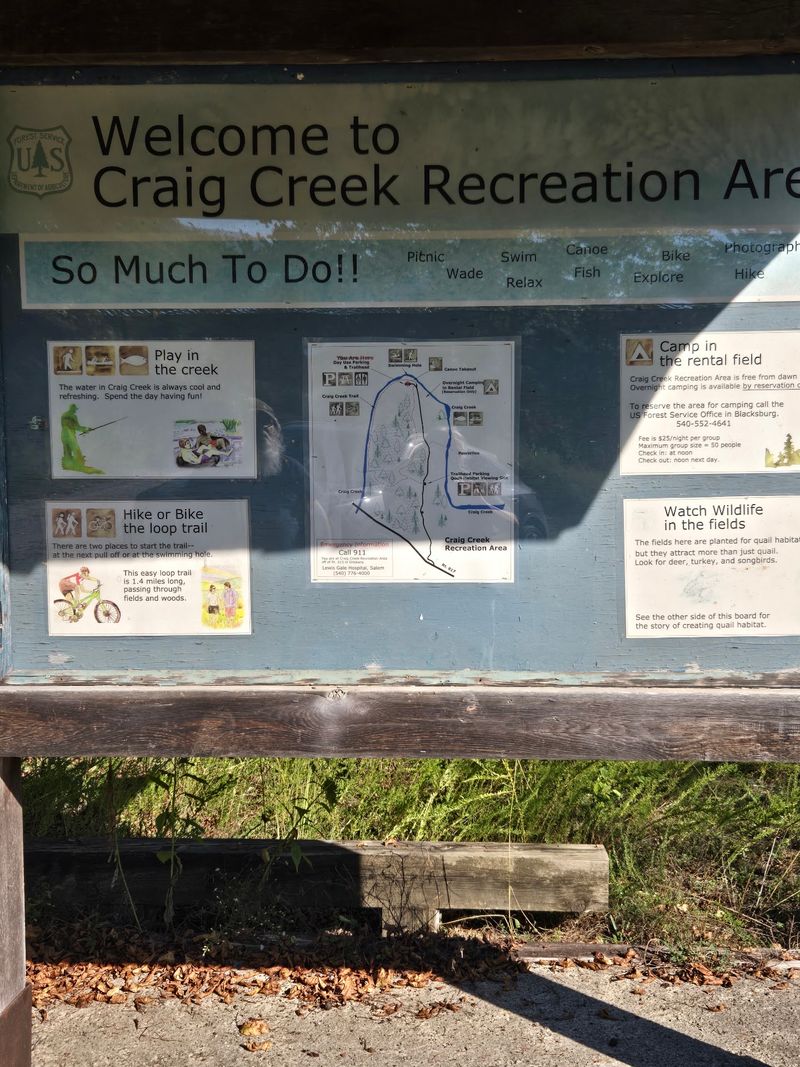
Craig Creek is not on most tourists’ radar, which is precisely what makes it so appealing. This recreation area in Botetourt County, managed by the George Washington and Jefferson National Forests, offers a quiet stretch of clear creek water that families and campers have been enjoying for years without the crowds found at better-known spots.
The creek runs over gravel and flat rock, creating shallow riffles and calm pools that work well for young children and anyone who prefers wading to full swimming. Water clarity is consistently good thanks to the forested watershed and limited development in the surrounding valley.
A small campground sits right along the creek, making it easy to wake up and walk directly to the water in the morning. Fishing is also popular here, so the area attracts a mix of swimmers and anglers throughout the summer.
The relaxed, unhurried atmosphere at Craig Creek is a genuine contrast to the busy state park beaches found elsewhere in Virginia.
Share this story