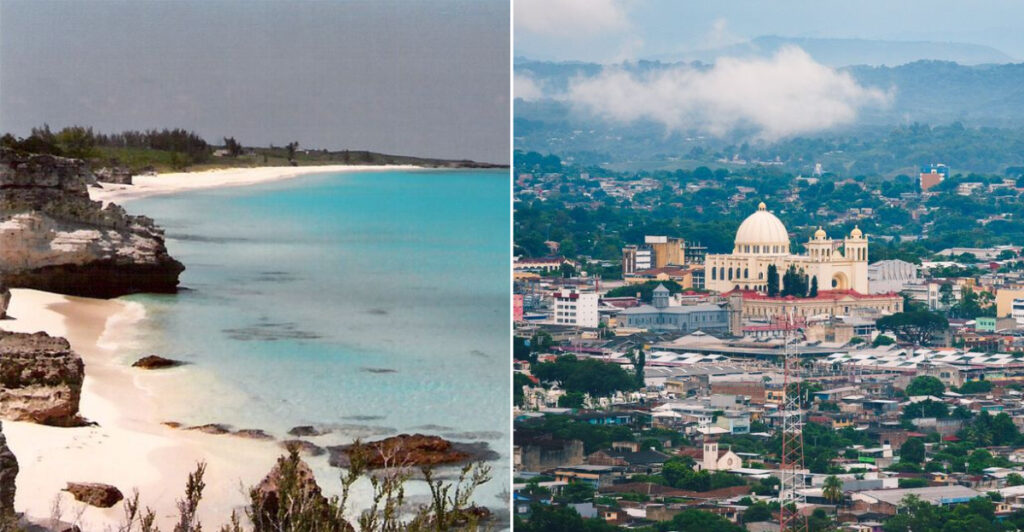
Most people think of Nassau or Paradise Island when they picture The Bahamas, but this island nation stretches across more than 700 islands and cays, and a good number of them rarely see a tourist at all. If you are the kind of traveler who would rather hear waves than a resort DJ, the Out Islands and lesser-known cays offer something genuinely different.
From flamingo-filled wetlands to ancient blue holes and reef systems that barely see a snorkeler, these islands reward the curious and the patient. This list covers 11 real, accessible Bahamian islands that give you a quieter, more personal experience of the Caribbean without sacrificing natural beauty or local character.
Acklins Island
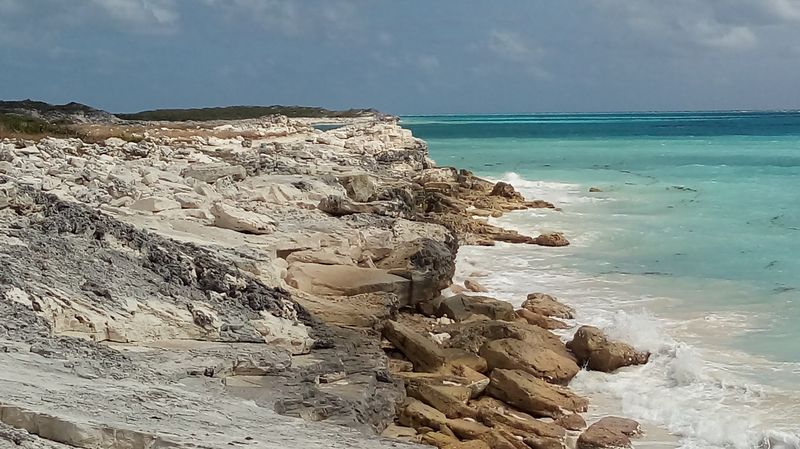
Acklins Island curves around the Bight of Acklins, a broad shallow lagoon shared with Crooked Island, and those flats have made this region quietly famous among serious bonefish anglers. The fishing reputation is real and well-established, but the island itself remains sparsely populated and has no large resort infrastructure to speak of.
Beyond fishing, Acklins holds isolated beaches, mangrove waterways, and limestone terrain that rewards explorers on foot or by small boat. Archaeological sites near Pompey Bay point to one of the larger Lucayan communities once established in The Bahamas, giving the island a layer of history that goes well beyond its current quiet profile.
There is also a local tradition of harvesting cascarilla bark, an aromatic plant used in traditional remedies and as a flavoring ingredient. Spring Point Airport handles domestic and private arrivals.
Accommodations tend to be small guesthouses and fishing lodges rather than anything resembling a full-service hotel.
Crooked Island
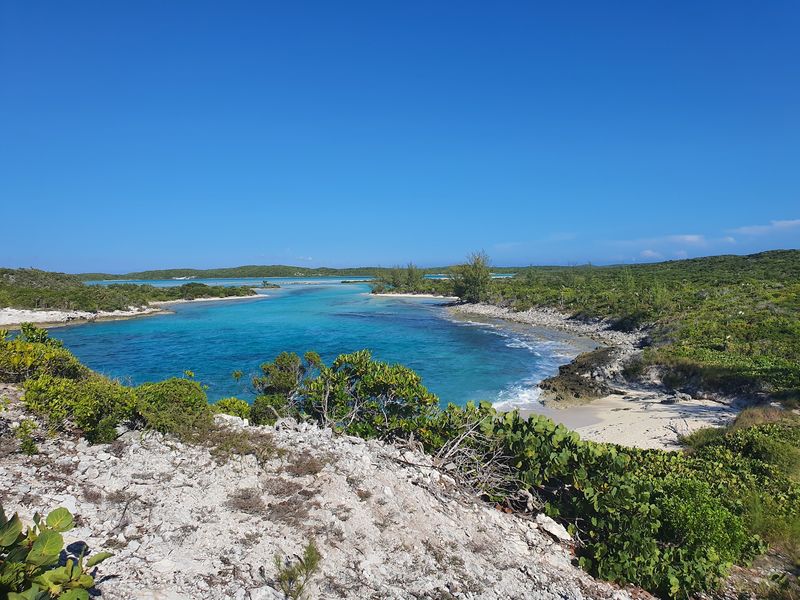
Crooked Island shares the same shallow turquoise water as Acklins but carries its own distinct character. Colonel Hill Airport provides the main air connection, and local ferry routes make it possible to combine both islands during a longer Out Islands trip, which is a practical way to see more of this remote corner of The Bahamas.
Turtle Sound is the island’s most memorable natural area, a mangrove-lined waterway where shallow channels create habitat for turtles, coastal birds, and fish that move through with the tides. Seaview Bay offers a calm shoreline for swimming and long beach walks without any resort crowd to navigate around.
Colonial-era ruins and older settlement remains are scattered around the coastline, adding a layer of history to the scenery. Guided bonefishing on the flats is another strong draw.
Services here are limited, so arranging ground transportation, meals, and accommodations before landing is far more reliable than trying to sort things out on arrival.
Long Cay
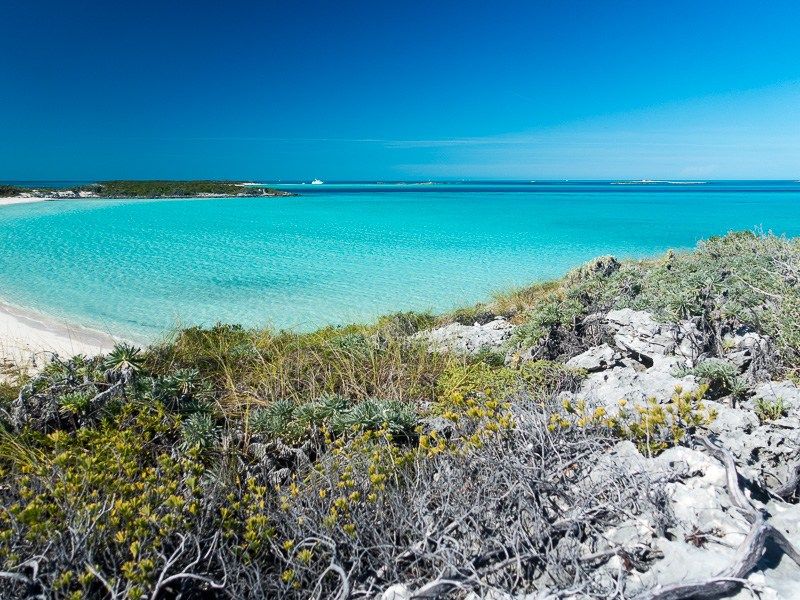
Long Cay covers only about eight square miles, yet it once played a meaningful role in regional trade, operating under the name Fortune Island during a period when the surrounding waters saw considerably more commercial activity. Today the island has a very small resident population and almost no visitor infrastructure, which makes it one of the more genuinely remote stops in the Acklins and Crooked Island group.
North Side Beach offers an uncrowded shoreline, while the weathered buildings and settlement remains scattered around the interior hint at that earlier trading history. There are no resorts, no organized tours, and no reliable on-island services waiting for arriving visitors.
Access is typically by private boat or ferry from neighboring Acklins, and the island works best as part of a boating itinerary rather than a standalone destination. Travelers who come here with a local guide or experienced boat operator, with supplies already arranged, will get far more out of the experience than those arriving unprepared.
Great Inagua
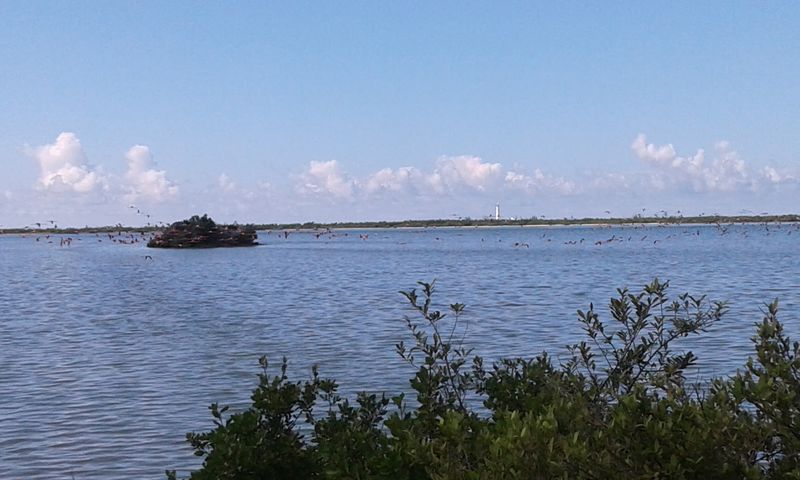
Great Inagua is the place you go when wildlife matters more than beach bars. The island is home to Inagua National Park, where Lake Rosa supports a nationally significant population of West Indian flamingos, the largest breeding colony in the Western Hemisphere.
More than 140 resident and migratory bird species have been recorded across the Inagua islands, which is why birdwatchers treat this destination seriously.
Matthew Town is the island’s main settlement, located near the airport, salt ponds, and the historic Great Inagua Lighthouse. Guided tours can cover the national park, lighthouse, caves, the island museum, Morton Salt operations, and several snorkeling and fishing locations in one well-organized visit.
Great Inagua Airport receives domestic service, and weekly mail boats connect the island with Nassau. Because access to flamingo nesting areas may require advance permission and a guide, arranging park visits before arriving is not optional, it is genuinely necessary for a productive trip.
Ragged Island
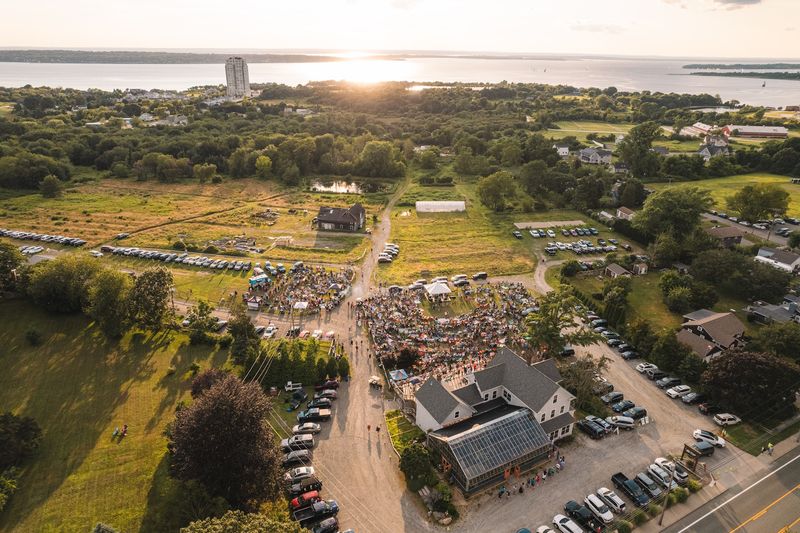
At the southern end of the long Ragged Island chain, Duncan Town sits surrounded by low hills, quiet coastline, and fishing grounds that see very little outside pressure. This is not a destination built around comfort or convenience, and that is precisely the point for the travelers who seek it out.
The surrounding flats are associated with bonefishing, while deeper offshore waters can produce grouper, snapper, barracuda, tuna, and kingfish depending on the season. Boat building has historically been part of the local culture here, reflecting a community whose identity has always been closely tied to the sea.
Services and accommodations are extremely limited, so arrangements should be made directly with local lodging providers, guides, or charter operators well before departure. The Bahamas tourism site continues to promote Ragged Island as a secluded fishing destination, but transportation schedules for remote islands can shift, and reconfirming every leg of the trip before you leave is simply good planning.
Rum Cay
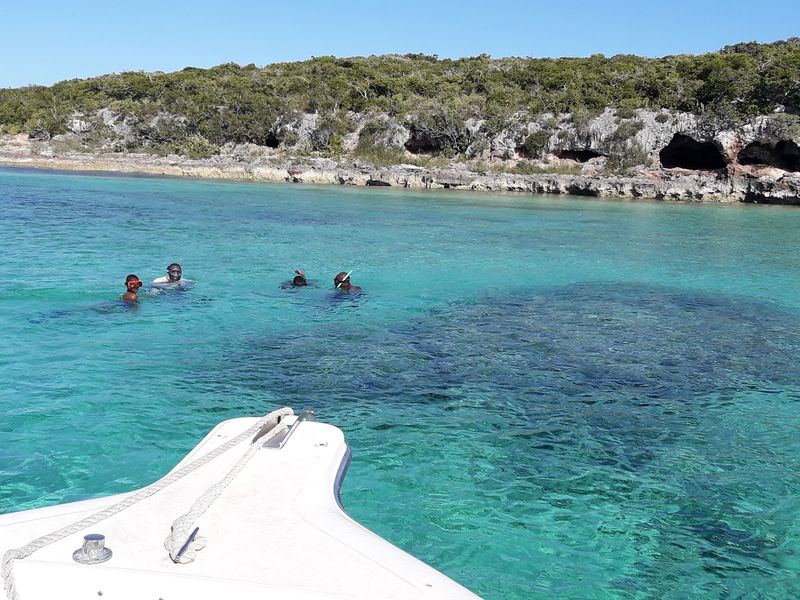
Port Nelson, the main settlement on Rum Cay, is small enough that visitors quickly get a feel for the whole island within a day or two of arriving. The surrounding reef system draws divers and snorkelers who appreciate coral walls and marine life without the boat traffic that crowds more popular dive destinations.
The wreck of the HMS Conqueror, a British warship that sank near Rum Cay in 1861, is one of the island’s notable maritime sites. Visiting any wreck site should be arranged through an experienced local operator familiar with current conditions, as underwater environments change over time.
On land, plantation-era ruins, salt ponds, and miles of white sand provide plenty of reason to stay a few extra days. Air and sea access to Rum Cay may be limited or charter-based, so transportation, lodging, and meals should all be confirmed before departure.
Last-minute arrangements on a remote island like this rarely work in a traveler’s favor.
Cat Island
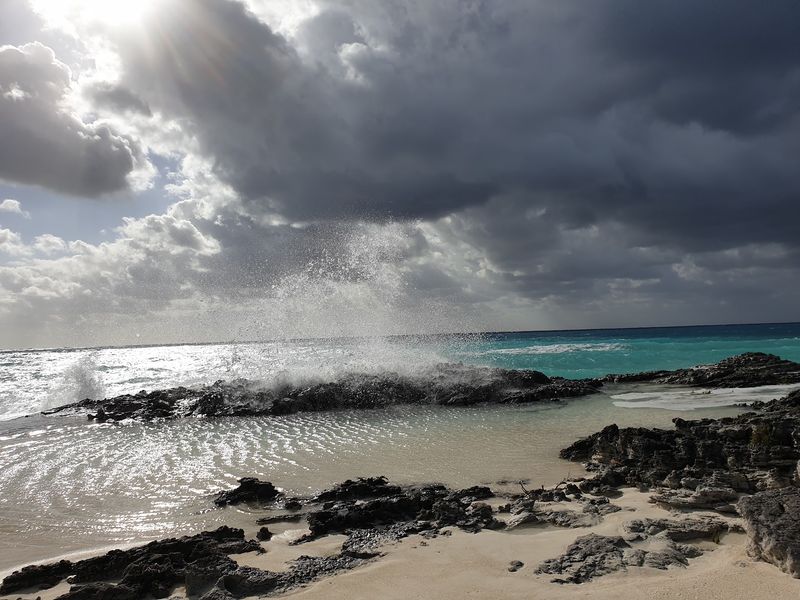
Cat Island is larger and slightly more accessible than many of the southern Out Islands, yet it manages to stay genuinely quiet compared with Nassau or the main Exuma tourism corridor. The landscape rolls across hills, hidden beaches, and small settlements connected by roads that rarely see heavy traffic.
The island’s best-known landmark is Mount Alvernia, the highest point in The Bahamas at 206 feet. A short climb leads to The Hermitage, a small stone monastery built by Father Jerome in 1939, and the view from the top gives a clear sense of how peaceful the surrounding terrain really is.
Cat Island is also widely regarded as the birthplace of rake-and-scrape, a Bahamian musical tradition performed with instruments that include goatskin drums and carpenter’s saws. Beaches range from Old Bight Beach to the rose-colored sand near Port Howe.
Arthur’s Town Airport serves the north end, while New Bight Airport serves the central portion of the island.
Long Island
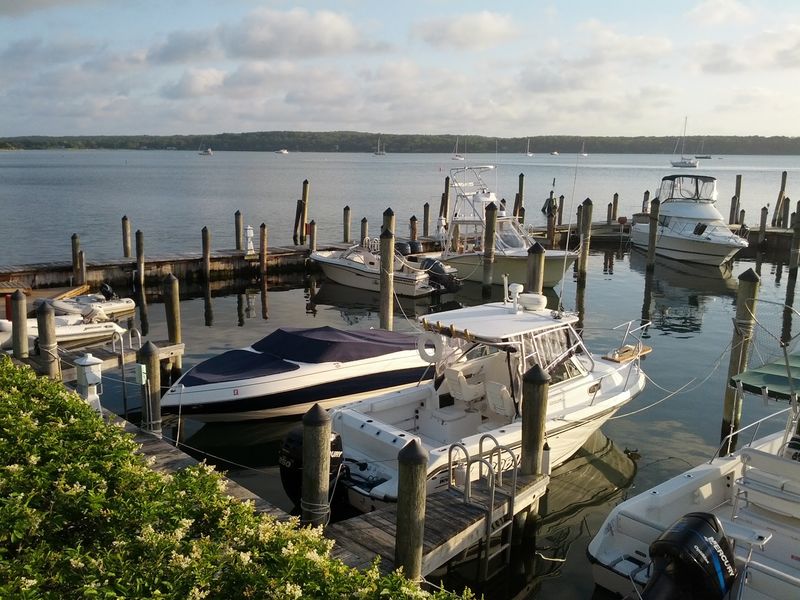
Long Island manages to offer real travel comfort, with hotels, restaurants, rental vehicles, and paved roads, while still feeling a long way from the mass tourism circuit. The two coastlines tell completely different stories: the Atlantic side features cliffs, caves, and rough waves, while the western shore eases into the calm shallows of the Great Bahama Bank.
Dean’s Blue Hole is the island’s most famous natural feature, a roughly 663-foot-deep ocean blue hole set beside a small beach beneath limestone cliffs. Hamilton’s Cave, the Columbus Monument, the twin churches of Clarence Town, and Cape Santa Maria Beach round out a list of stops that can fill several days without any sense of rushing.
Deadman’s Cay Airport and Stella Maris Airport both serve the island, making access relatively straightforward. Lodging ranges from family-run villas to boutique beachfront properties.
Despite all of this, Long Island rarely feels dominated by crowds, and many of its beaches stay nearly empty even during peak travel periods.
Andros
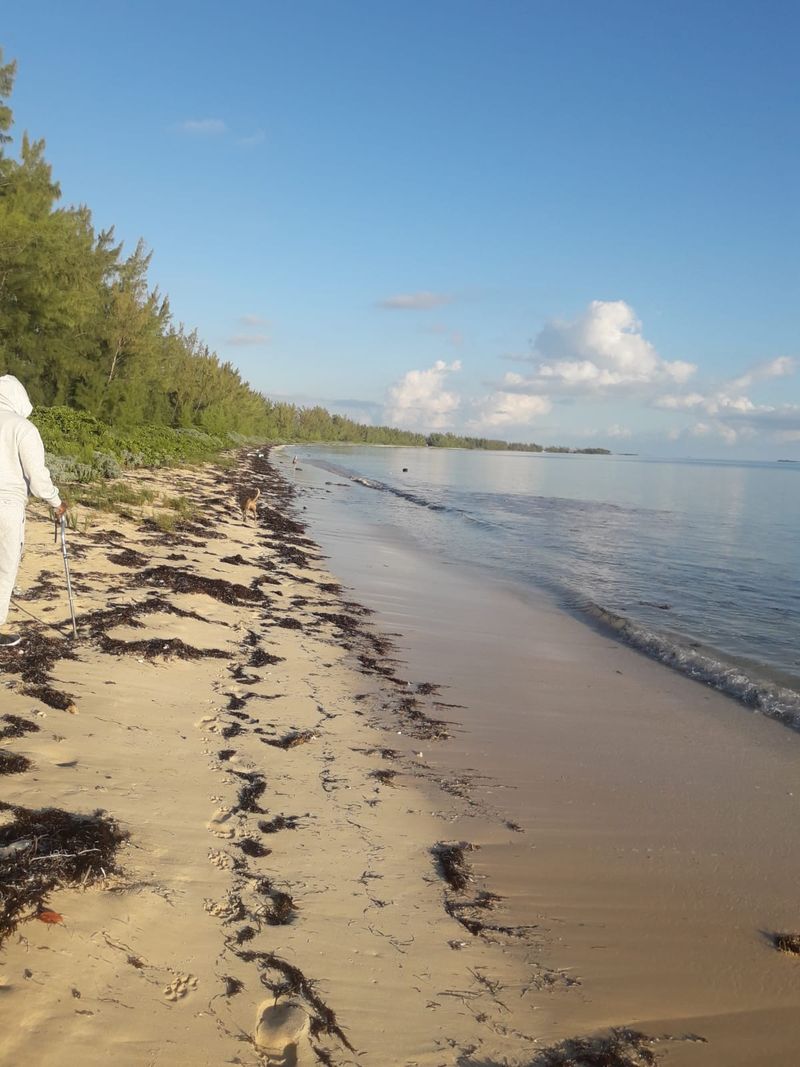
Andros is the largest island in The Bahamas, yet a significant portion of it remains undeveloped wilderness that most visitors never reach. The landmass is divided into North Andros, Central Andros, South Andros, and Mangrove Cay by a network of creeks and tidal waterways, which means choosing a base carefully matters more here than on most other Bahamian islands.
The island contains more than 180 recorded blue holes and sits beside the approximately 190-mile Andros Barrier Reef, the third-largest barrier reef system in the world. Visitors can explore Captain Bill’s Blue Hole, join guided birding excursions, fish the famous bonefish flats, or visit the Androsia batik factory near Fresh Creek for a look at a local craft tradition.
West Side National Park protects roughly 1.5 million acres of tidal flats and mangrove habitat. Several airports and ferry connections serve different sections of the island, and distances between regions can be larger and more complicated than a map initially suggests.
San Salvador
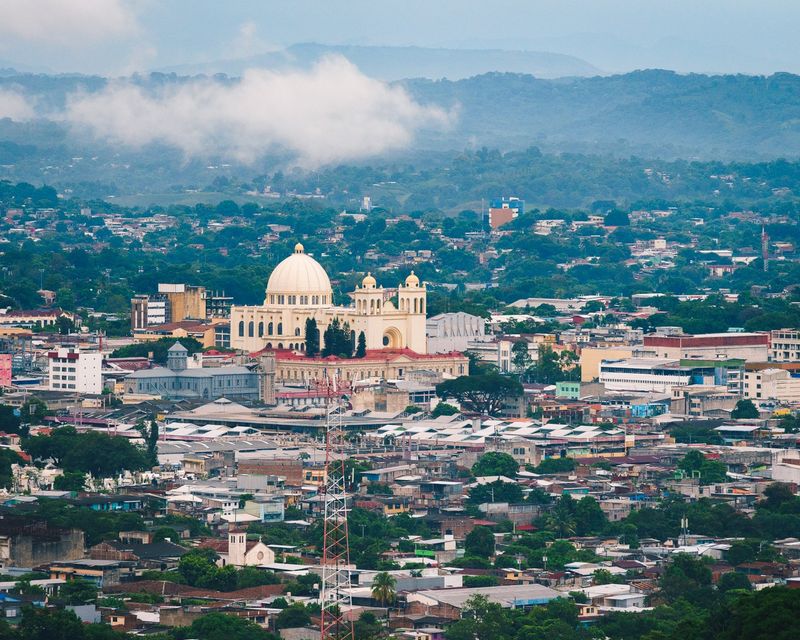
San Salvador carries a significant historical claim: the island is traditionally associated with Christopher Columbus’ first landfall in the Americas in 1492, and monuments around Long Bay and other points on the island commemorate that connection. For a place with that kind of historical weight, it remains remarkably uncrowded.
Nature-focused travelers have strong reasons to visit as well. Great Lake National Park protects a large inland lake and surrounding mangrove ecosystem that supports bird species and the endangered San Salvador rock iguana.
Watling’s Blue Hole is an inland saltwater blue hole believed to connect with the ocean through underground passages, which makes it an unusual and genuinely interesting site to visit.
Offshore, divers can choose from approximately 50 documented sites featuring reefs, walls, wrecks, rays, and sharks. San Salvador Airport handles domestic and some international arrivals.
Even with resort and cottage accommodations available, beaches like Grotto Beach, Bonefish Bay, and Snow Beach regularly stay quiet and uncrowded.
Great Harbour Cay
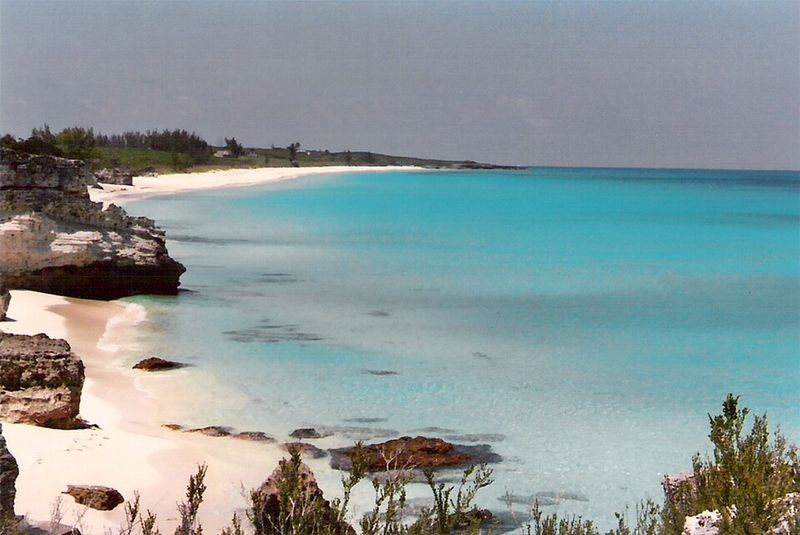
Great Harbour Cay is the largest island in the Berry Islands, a chain of nearly 30 cays positioned between Nassau and Florida. It sits in a useful middle ground between completely remote and moderately accessible, with an airport, a marina, guesthouses, small hotels, and boating services that make it easier to plan than some of the more isolated southern islands.
Long beaches, clear shallow water, and productive fishing flats are the main draws. Boat excursions to Hoffman’s Cay Blue Hole, a roughly 600-foot-wide natural pool tucked behind the shoreline of a nearby cay, are a popular add-on for visitors with a day to spare.
The wider Berry Islands also offer diving along the Chub Cay Wall, where the sea floor drops sharply beside the Tongue of the Ocean. Commercial and private flights use Great Harbour Cay Airport, and the island’s port welcomes recreational boats.
It is more developed than Rum Cay or Long Cay, but far quieter than any major cruise or resort district in The Bahamas.
Share this story