Around the world, the middle class has long been seen as the backbone of stable, healthy economies. But in recent decades, that foundation has been cracking in many countries.
Rising costs, stagnant wages, and economic crises have made it harder for families to hold onto middle-class status. Here is a look at 12 countries where the middle class is shrinking or under serious pressure.
1. United States

Back in the 1970s, roughly 61% of American adults lived in middle-income households. Today, that number has dropped to around 50%, according to Pew Research Center.
The shift has been decades in the making, and millions of families have felt it firsthand.
Wages for middle-income workers have grown slowly compared to those at the top of the income scale. Meanwhile, costs for housing, healthcare, and education have climbed steadily.
Many households now carry more debt just to maintain a comfortable lifestyle.
The gap between the wealthy and everyone else has widened significantly. Workers without college degrees have been hit especially hard, as manufacturing jobs moved overseas or were replaced by automation.
The American Dream still exists, but for many, it takes far more effort to reach than it once did.
2. United Kingdom
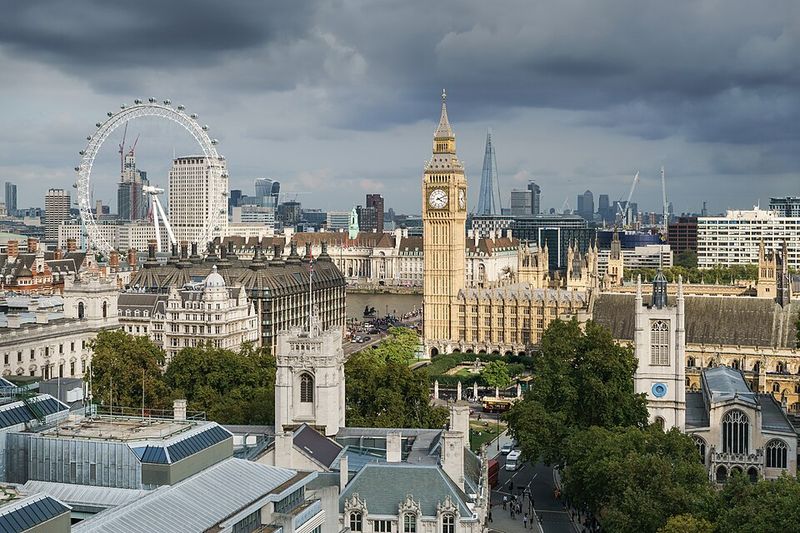
Housing costs in the United Kingdom have become a serious burden for middle-income families. In cities like London, renting or buying a home now consumes a much larger share of monthly income than it did a generation ago.
Many people who consider themselves middle class are financially stretched thin.
Real wages, meaning what your paycheck actually buys, have barely moved in years. When inflation rises faster than salaries, families quietly lose purchasing power without seeing any change in their bank deposits.
That invisible squeeze is exactly what has been happening across the UK.
Add in higher energy bills and rising grocery prices, and the picture becomes even harder. Many UK households that once felt financially secure now report living paycheck to paycheck.
The middle class is not disappearing overnight, but it is clearly shrinking under the weight of mounting everyday costs.
3. Germany
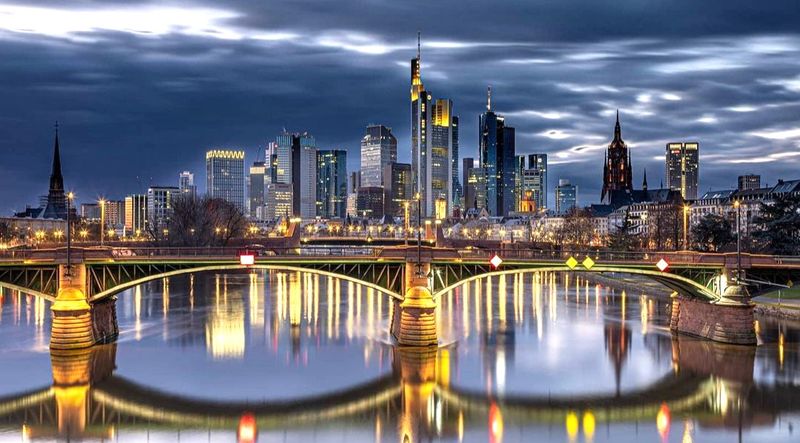
Germany is often seen as a model of economic stability, but even here the middle class has been quietly shrinking. OECD research shows that the share of middle-income households has gradually declined since the 1990s.
The change has been slow but consistent.
One big reason is that income growth has not kept pace with the rising cost of living, especially in major cities like Munich and Frankfurt. More workers have shifted into lower-wage service jobs, while high-paying industrial positions have become harder to find.
The labor market has split, leaving fewer people in the comfortable middle.
Germany also has a growing share of part-time and temporary workers who earn less and have fewer benefits. For younger Germans especially, achieving the stable middle-class lifestyle their parents enjoyed feels increasingly out of reach.
The trend is a quiet but meaningful warning sign for Europe’s largest economy.
4. Italy
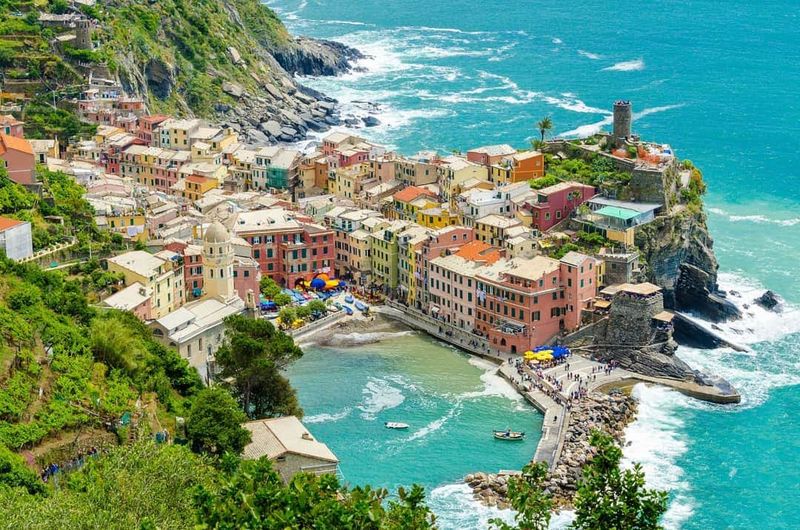
Italy has struggled with weak economic growth for decades, and the middle class has paid a steep price. Real incomes have barely increased since the early 2000s, making Italy one of the few developed nations where workers actually earn less today than they did 20 years ago.
Youth unemployment remains stubbornly high, pushing many young Italians either into low-wage jobs or out of the country entirely. When educated young people leave to find better opportunities elsewhere, the middle class loses its next generation.
This brain drain has slowed economic recovery and deepened inequality.
Small businesses, long the backbone of Italy’s economy, have faced enormous pressure from taxes, regulations, and weak consumer demand. Many family-owned shops and companies have closed, eliminating the kind of stable, middle-income livelihoods they once provided.
Without structural reform, Italy’s middle class will likely continue its slow but steady decline.
5. Spain

The 2008 global financial crisis hit Spain harder than almost any other European nation. Unemployment soared past 25%, and millions of households that had recently entered the middle class were pushed back into financial hardship.
The damage to middle-income stability was severe and long-lasting.
Recovery has been uneven. While Spain’s economy has grown since the worst years, many of the jobs created have been temporary or part-time, offering lower pay and fewer protections.
A large portion of workers, especially those under 35, remain stuck in precarious employment with little path toward financial security.
Housing costs in cities like Madrid and Barcelona have surged in recent years, adding another layer of pressure. Young Spaniards often spend more than 40% of their income on rent alone, leaving little room to save or build wealth.
For many families, the middle-class lifestyle their parents knew feels like a distant goal.
6. Japan
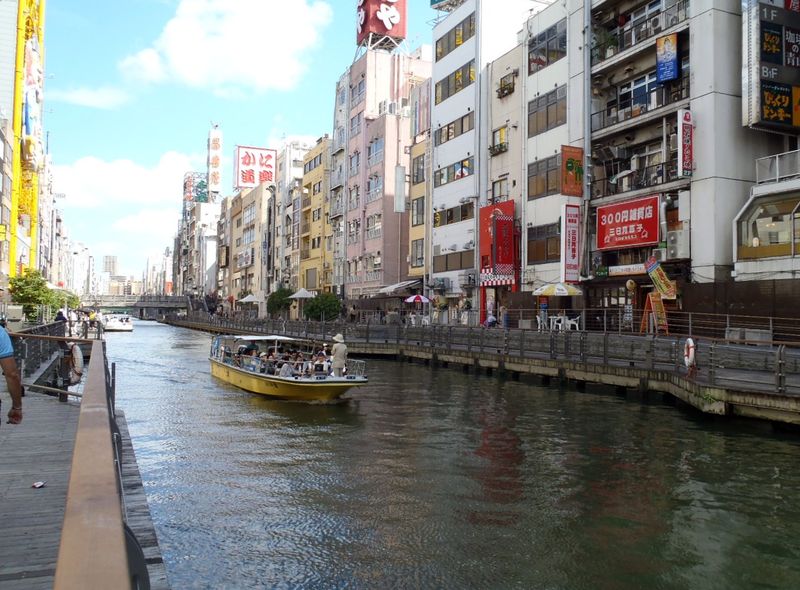
Japan built one of the world’s most celebrated middle classes during its postwar economic boom. For decades, salaried workers could count on lifetime employment, steady raises, and a comfortable retirement.
That model has largely faded, and the middle class has weakened along with it.
Wage stagnation has been a persistent problem in Japan for over 30 years. Even as the economy slowly grew, companies held wages flat to remain competitive.
Workers in non-regular employment, which now makes up more than a third of the workforce, earn significantly less and receive fewer benefits than their full-time counterparts.
An aging population adds further strain. With more retirees and fewer working-age people, Japan faces pressure on pensions and healthcare systems that middle-class families depend on.
Younger workers are increasingly pessimistic about their financial futures, and the traditional middle-class path of stable work, homeownership, and family feels harder to achieve than ever.
7. South Korea

South Korea’s rapid economic rise in the 20th century created a large and ambitious middle class. But in recent years, that group has come under growing pressure from some of the world’s highest housing prices relative to income.
In Seoul, buying an apartment can take decades of saving, even for dual-income households.
Household debt in South Korea is among the highest in the developed world. Many middle-income families have borrowed heavily to cover housing, education, and daily expenses.
That debt load leaves little financial cushion when economic conditions worsen or unexpected costs arise.
Income growth has also slowed, while competition for stable, well-paying jobs has intensified. Young Koreans face a job market where a small number of large corporations dominate, and positions at those firms are extremely competitive.
Many educated workers end up in lower-paying jobs, making it harder to reach or maintain a true middle-class standard of living.
8. Brazil

Brazil’s middle class experienced one of the most dramatic expansions in modern history. Between 2003 and 2014, roughly 35 million Brazilians rose out of poverty and joined the middle class, thanks to government social programs, rising wages, and strong commodity exports.
It was a remarkable achievement celebrated around the world.
Then came the crash. A deep recession starting in 2014, fueled by falling oil prices, political corruption scandals, and government overspending, reversed much of that progress.
Millions of families who had only recently reached middle-class status slipped back into lower-income groups. The rise had been real, but the foundation was fragile.
Brazil has since struggled to rebuild economic momentum. High inflation, persistent unemployment, and inequality continue to weigh on middle-income households.
Many Brazilians who climbed into the middle class during the boom years now live with the constant worry that another downturn could take it all away again.
9. Argentina
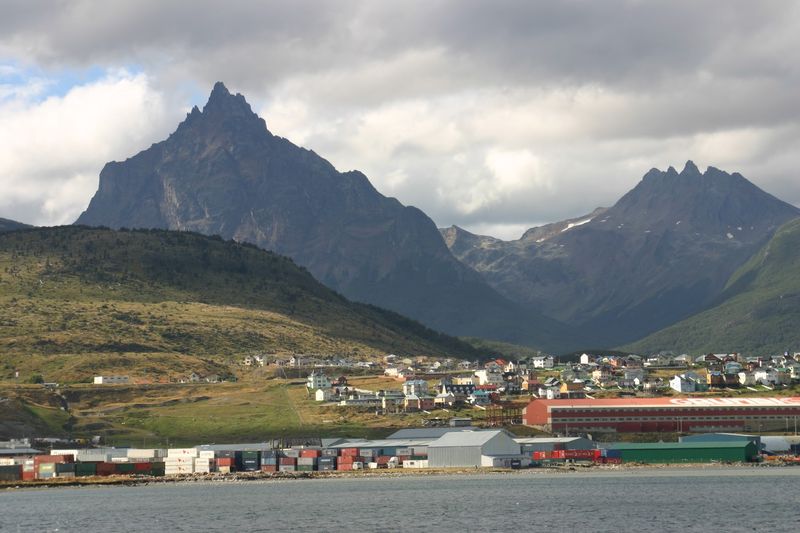
Argentina’s middle class has endured one of the most painful economic stories of any country in the world. Chronic inflation, repeated currency crises, and serial debt defaults have eroded the purchasing power of middle-income families time and again.
What looks like a stable salary one year can buy far less the next.
Inflation in Argentina has regularly exceeded 50% per year and has at times surged past 100%. When prices rise that fast, savings disappear quickly.
Families that worked hard to build financial security have watched it dissolve almost overnight, not because of any personal failure, but because of systemic economic instability.
The social toll is significant. Many Argentine professionals, teachers, doctors, and engineers now earn wages that no longer support a middle-class lifestyle.
Some have emigrated to find better opportunities abroad. Those who stay face the daily challenge of stretching limited pesos in an economy that remains deeply unpredictable and difficult to plan around.
10. Turkey
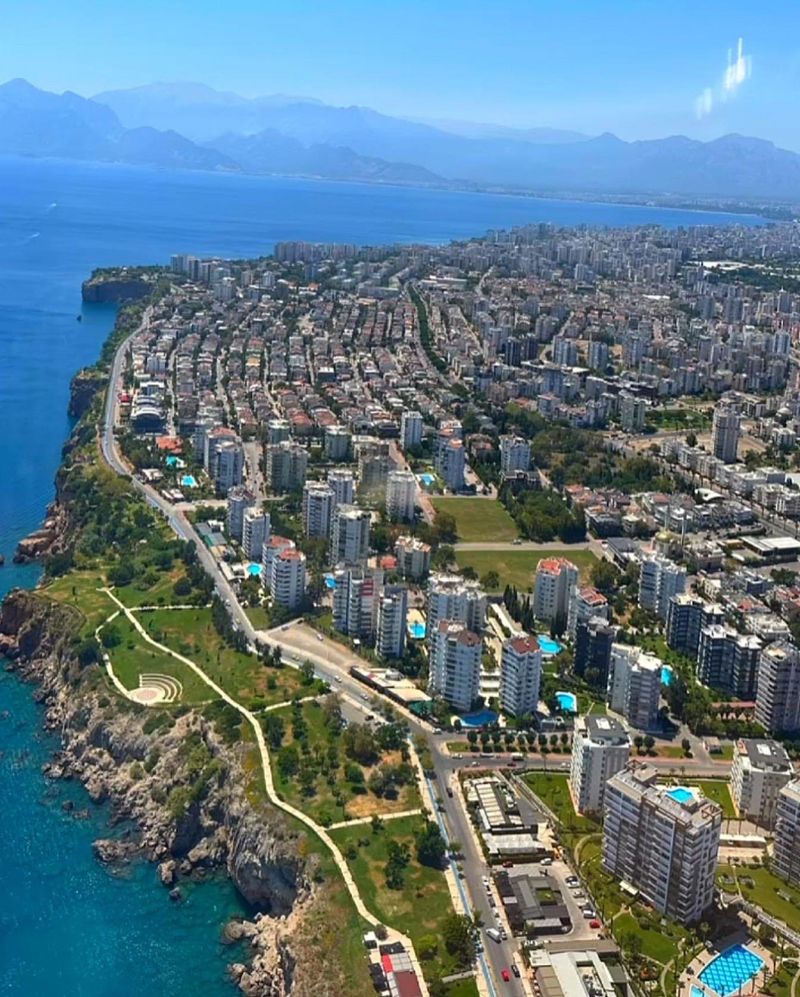
Turkey’s middle class grew steadily during the early 2000s, driven by strong economic growth and expanding consumer markets. But in recent years, runaway inflation and a sharp drop in the value of the Turkish lira have wiped out much of that progress.
The lira lost more than 80% of its value against the US dollar between 2018 and 2023.
When a currency collapses, imported goods become extremely expensive. Since Turkey relies heavily on imports for everything from electronics to food ingredients, everyday costs for middle-income families have skyrocketed.
Salaries have not come close to keeping up with the pace of price increases.
Many Turkish middle-class families have had to cut back on things they once took for granted, including vacations, dining out, and saving for their children’s education. The economic uncertainty has made long-term financial planning nearly impossible.
Turkey’s experience is a sharp reminder of how quickly inflation can hollow out a country’s middle class.
11. South Africa
South Africa has one of the highest levels of income inequality in the world, and the middle class sits in a precarious position between extreme wealth and widespread poverty. Unemployment consistently runs above 30%, one of the highest rates of any major economy, making it extremely difficult for lower-income workers to move up the economic ladder.
The middle class that does exist faces its own serious pressures. Frequent power outages, known locally as load shedding, disrupt businesses and daily life.
Poor public services push middle-income households to spend heavily on private healthcare, private security, and private schooling just to maintain a reasonable standard of living.
Slow economic growth and persistent corruption have limited job creation and investment. Without meaningful reform, the middle class cannot grow significantly.
Many South Africans who have achieved middle-class status describe it as a fragile achievement, one bad job loss or medical emergency away from unraveling.
12. Chile

Chile is often held up as one of Latin America’s economic success stories, and for good reason. The country has one of the region’s largest middle classes and has reduced poverty significantly over the past few decades.
But a closer look reveals that much of this middle class sits on shaky ground.
Many Chilean households classified as middle-income have very little savings and high levels of consumer debt. A sudden job loss, a medical emergency, or a major economic downturn can quickly push a family back into poverty.
The 2019 social uprising in Chile was partly fueled by frustration over this fragility, as people demanded better pensions, healthcare, and wages.
The cost of living has risen in major cities like Santiago, while wages for many workers have not kept pace. Chile’s middle class is real, but it remains vulnerable.
Building more durable economic security for these households is one of the country’s most important long-term challenges.
Share this story