Some of the most breathtaking bodies of water on Earth are hiding serious dangers beneath their gorgeous surfaces. From glowing geothermal pools to crystal-clear sinkholes, these places look like something out of a dream, but they can turn dangerous very quickly.
Knowing what makes them beautiful and what makes them hazardous is the key to appreciating them safely. Whether you are an adventurous traveler or simply a curious reader, these 15 stunning waters around the world will leave you amazed and informed.
1. Jacob’s Well (Texas, USA)
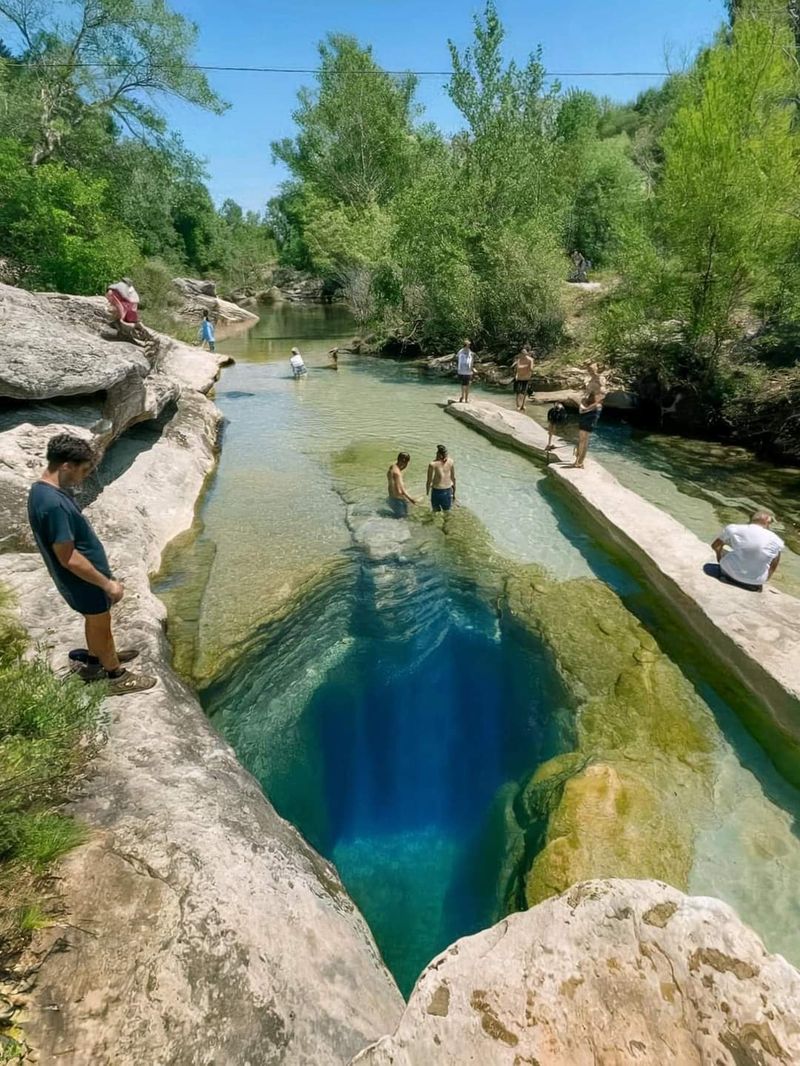
On a hot Texas summer day, Jacob’s Well looks like paradise. The water is so clear you can see straight down into the cave system below, and swimmers have been drawn to it for generations.
Located near Wimberley, Texas, this natural spring sits in the Cypress Creek watershed and has been a local landmark for over a century.
But beneath that gorgeous blue-green surface lies a network of underwater caves that has claimed the lives of at least eight divers since the 1970s. The caves are narrow, disorienting, and filled with tight passages that can trap even experienced divers.
Visibility can drop suddenly when silt is stirred up.
Swimming on the surface is generally permitted with reservations, but venturing into the caves without professional training and proper gear is extremely dangerous. Respect the warning signs posted at the site and enjoy the beauty from a safe distance.
2. The Great Blue Hole (Belize)
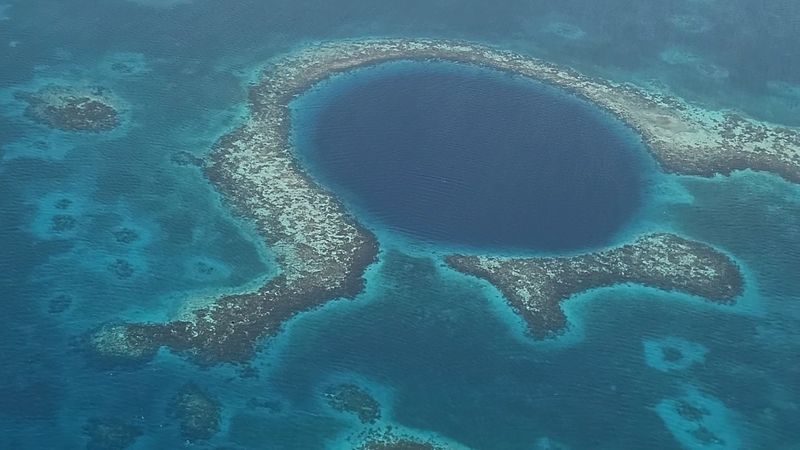
Seen from above, the Great Blue Hole looks like a perfect dark circle dropped into the middle of a turquoise sea. This UNESCO World Heritage Site off the coast of Belize measures about 300 meters wide and 125 meters deep, making it one of the largest marine sinkholes on the planet.
Jacques Cousteau famously declared it one of the top diving spots in the world back in 1971.
Despite its fame and beauty, the Great Blue Hole presents serious challenges. Strong currents, extreme depth, and low oxygen levels in deeper zones make it hazardous for recreational divers.
Only advanced divers with technical training should attempt exploring its lower sections.
Visibility near the surface is excellent, but conditions change quickly as you go deeper. Most dive operators offer guided trips that balance the spectacular experience with appropriate safety measures for qualified participants.
3. Lake Natron (Tanzania)
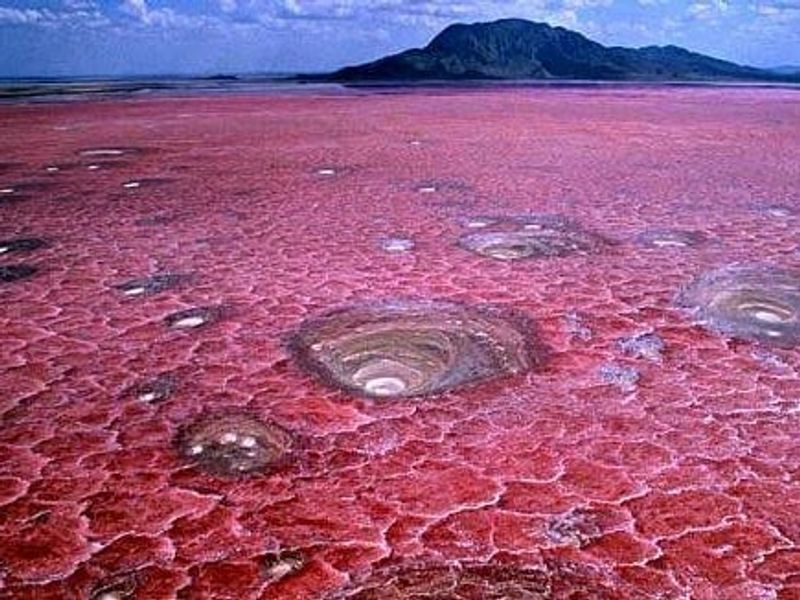
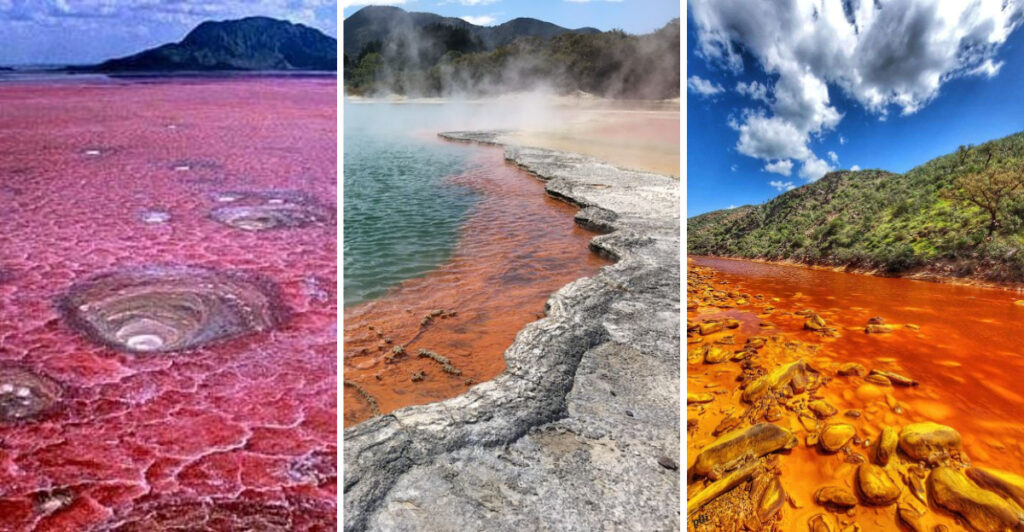
Lake Natron in northern Tanzania looks like something painted by an artist using only shades of red, pink, and orange. The water gets its striking color from salt-loving microorganisms called haloarchaea, which thrive in the lake’s extremely alkaline conditions.
The pH level can reach as high as 10.5, close to the strength of ammonia.
Any animal that stumbles into the water without natural protection risks severe burns to its skin and eyes. Calcified remains of birds and bats found along the shoreline have made this lake famous in nature photography circles, appearing almost like stone statues frozen mid-pose.
Surprisingly, lesser flamingos breed here in huge numbers, relying on the harsh conditions to keep predators away from their nests. For humans, wading or swimming is strongly discouraged.
Visiting from the shore with a guide gives you all the wonder without any of the risk.
4. Hanakapiai Beach (Kauai, Hawaii, USA)
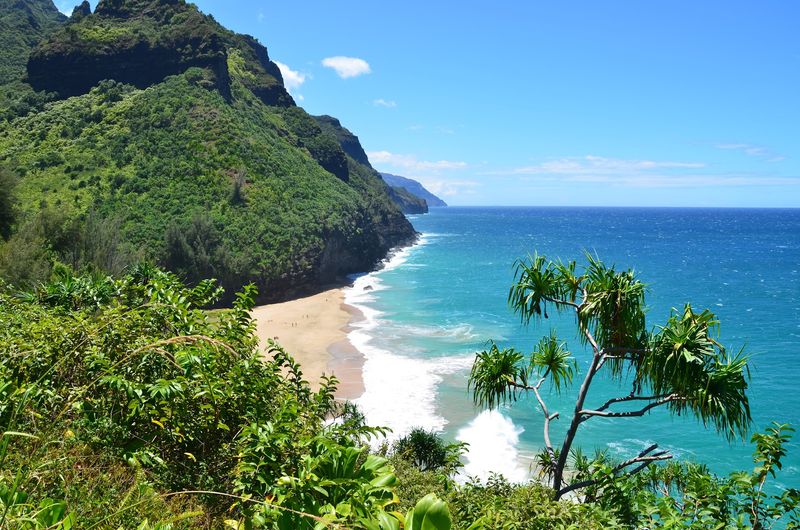
Few beaches in Hawaii match the raw beauty of Hanakapiai Beach on Kauai’s Na Pali Coast. Reaching it requires a two-mile hike along a rugged trail, which makes arriving feel like a real reward.
The turquoise water, golden sand, and towering green cliffs create a scene that belongs on a postcard.
But a bold warning sign at the trailhead tells the real story: over 80 people have been swept out to sea from this beach. Powerful shore breaks and unpredictable rip currents can appear with little warning, even on calm-looking days.
Waves have dragged swimmers off the sand without a moment’s notice.
Swimming at Hanakapiai is strongly discouraged by local authorities and experienced hikers alike. The beach itself is worth every step of the hike, and the view alone is spectacular.
Keep your feet on dry sand and soak in the scenery from a safe spot.
5. Fraser Island (K’gari, Australia)
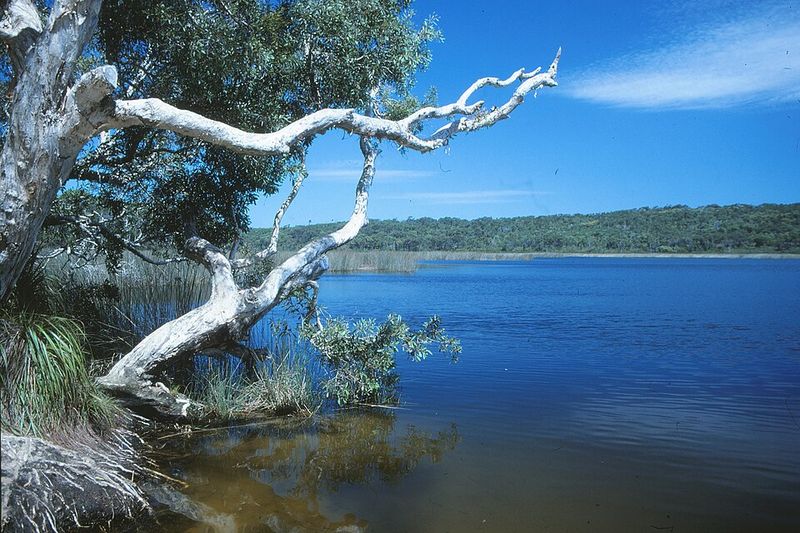
K’gari, formerly known as Fraser Island, is the world’s largest sand island and one of Australia’s most visited natural wonders. The waters surrounding it range from brilliant turquoise to deep sapphire blue, looking almost too perfect to be real.
UNESCO recognized the island as a World Heritage Site in 1992 because of its extraordinary natural diversity.
Swimming here, however, comes with a long list of hazards. Powerful rip currents and dumping surf make ocean swimming treacherous along most of the eastern beach.
Sharks patrol the waters regularly, and Irukandji jellyfish, tiny but venomous, have been reported in the area.
Most freshwater lakes on the island, like Lake McKenzie, are considered safer for swimming and are incredibly beautiful. Always check posted warnings before entering any water on K’gari.
Guided tours can help visitors understand which spots are reasonably safe and which should be admired from the shore only.
6. Devil’s Pool (Victoria Falls, Zambia)
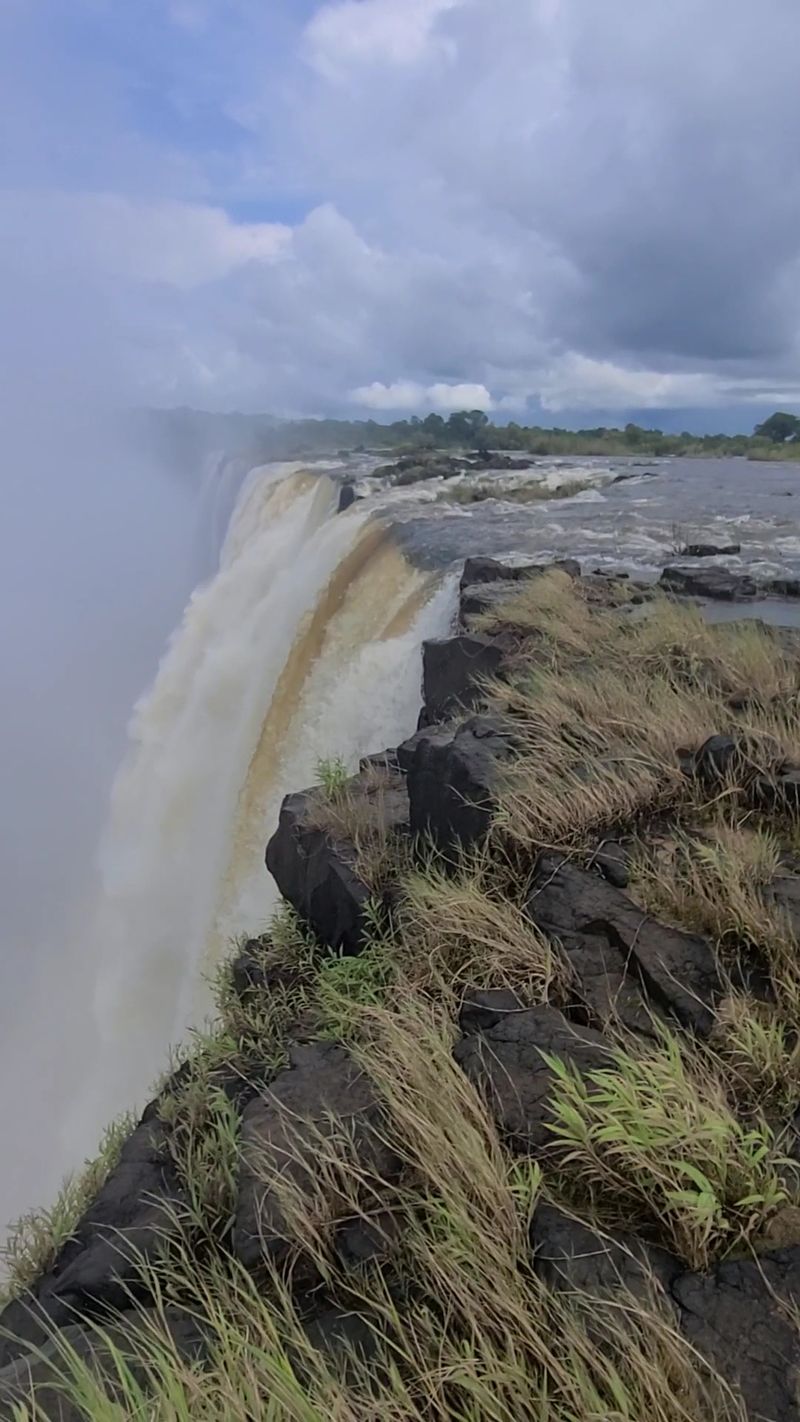
Perched right at the lip of Victoria Falls, Devil’s Pool is one of those places that looks completely impossible. During the dry season, a natural rock lip forms at the edge of the falls on Livingstone Island, creating a shallow pool where swimmers can peer over the edge into a 100-meter drop below.
The photos people take here are jaw-dropping.
But timing is everything. The pool is only accessible between roughly August and January when water levels are low enough for the rock barrier to hold swimmers back.
During high water season, the current becomes far too powerful and the pool disappears entirely into raging floodwaters.
Access is strictly managed through licensed tour operators based in Livingstone, Zambia. Going without a trained guide is not allowed and would be genuinely life-threatening.
When visited responsibly during the right season, Devil’s Pool offers one of the most thrilling and memorable experiences in all of Africa.
7. The Strid (Yorkshire, England)
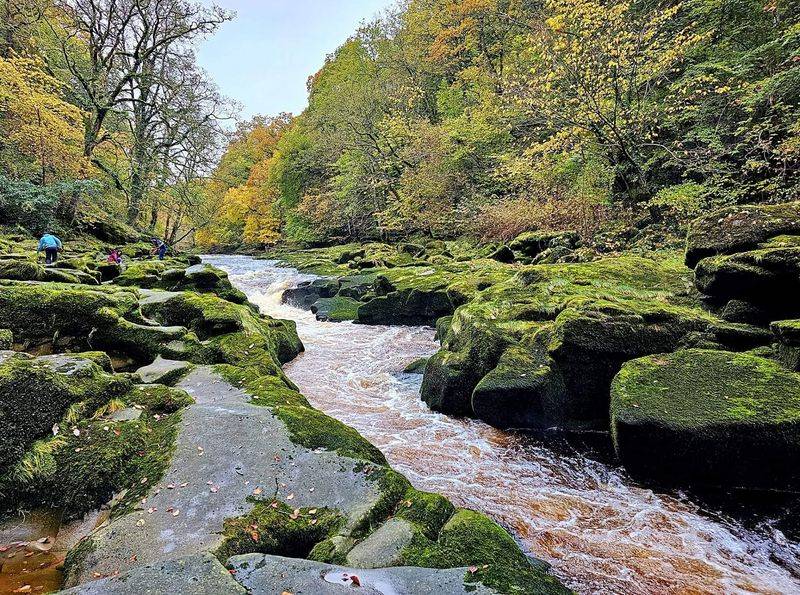
The Strid might be the most deceptive stretch of water in the world. At first glance, it looks like a narrow, peaceful stream running through the beautiful Bolton Abbey estate in Yorkshire.
You could almost imagine jumping across it. But locals know better, and the warning signs make the danger very clear.
Beneath its calm surface, the Strid hides an extremely powerful current rushing through a series of underwater caves and submerged ledges carved into the limestone. The water moves with tremendous force, and anyone who falls in is almost certainly pulled under instantly.
Historians believe no one has ever survived falling into the Strid, though exact records are difficult to confirm.
The River Wharfe narrows dramatically at this point, forcing a huge volume of water through a very tight gap. Walking the scenic trail alongside it is perfectly enjoyable and safe.
Just never attempt to cross or wade into the Strid, no matter how calm it appears.
8. Boiling Lake (Dominica)
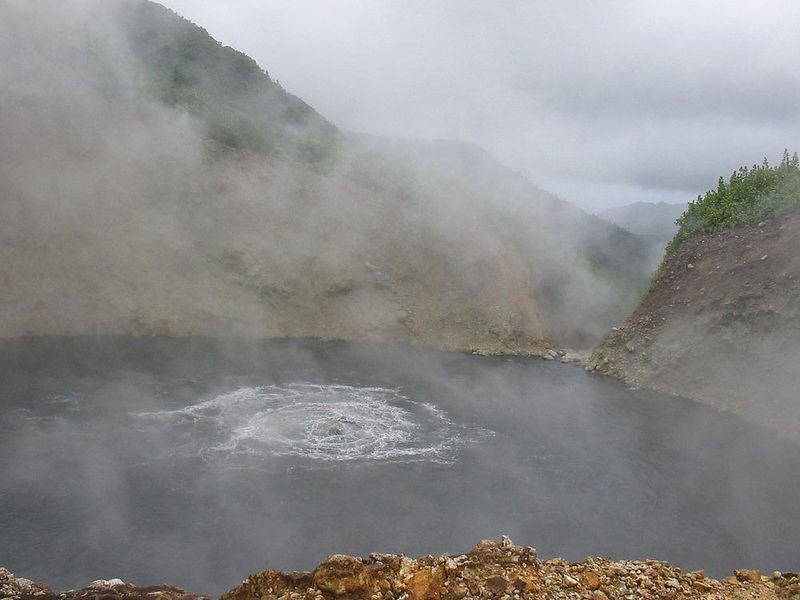
Tucked deep inside Morne Trois Pitons National Park in Dominica, Boiling Lake is the second-largest hot lake in the world. Getting there requires a challenging six-hour round-trip hike through lush rainforest and volcanic terrain.
When you finally see it through the steam and mist, the view is genuinely surreal.
The lake is filled with water that hovers between 82 and 92 degrees Celsius (about 180 to 197 degrees Fahrenheit) near the edges, and the center is believed to be even hotter. Geothermal gases bubble up constantly, and the grey-blue water churns with volcanic activity.
Falling in would be fatal within seconds.
A UNESCO World Heritage Site, the lake sits inside a flooded fumarole, which is basically a crack in the earth’s crust that releases volcanic heat. Guided hikes are the only responsible way to visit.
Staying on marked trails and keeping a safe distance from the shoreline are absolute requirements.
9. Champagne Pool (Waiotapu, New Zealand)
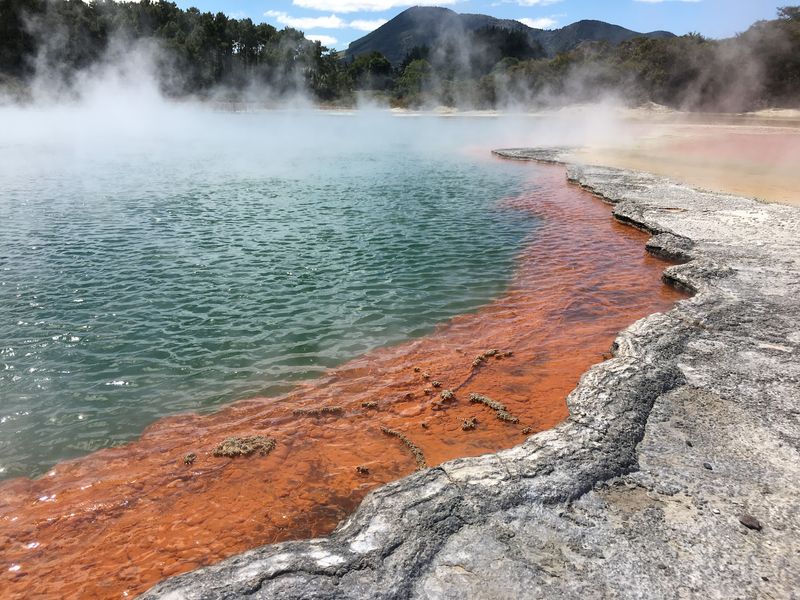
Named for the constant stream of carbon dioxide bubbles rising from its depths, Champagne Pool in New Zealand’s Waiotapu Geothermal Wonderland is visually stunning. The pool’s rim is painted in vivid shades of orange, yellow, and red from antimony, arsenic, and sulfur deposits, creating a natural artwork that photographers travel thousands of miles to capture.
The water temperature sits at around 74 degrees Celsius, or about 165 degrees Fahrenheit, which is hot enough to cause serious burns almost immediately. The water is also mildly acidic, adding another layer of danger for anyone tempted to touch it.
Swimming here is absolutely prohibited.
Formed roughly 900 years ago from a hydrothermal eruption, the pool stretches about 65 meters across and drops to 62 meters deep. Visitors explore the area along well-maintained boardwalks that offer excellent views without putting anyone at risk.
Waiotapu is a must-see destination for geology enthusiasts and nature lovers alike.
10. Rio Tinto (Spain)
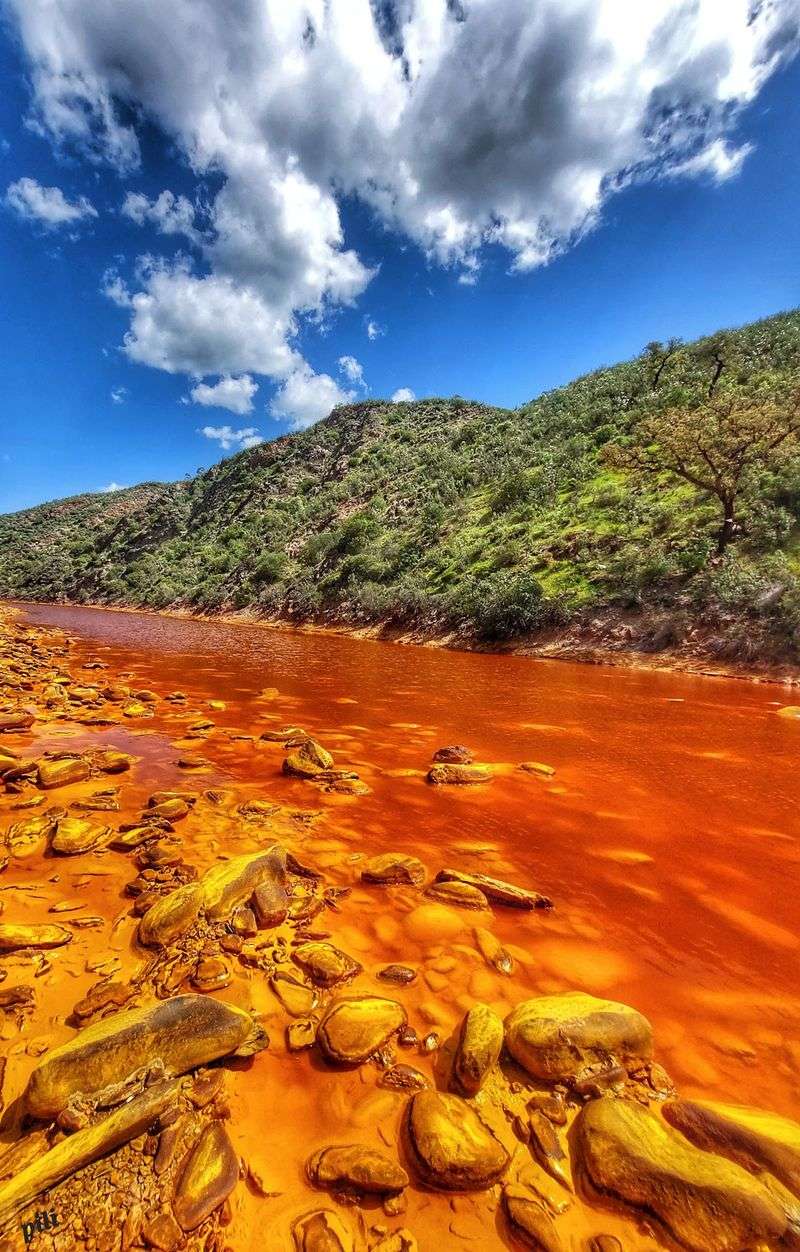
The Rio Tinto river in southwestern Spain runs in shades of deep red, orange, and rust that look almost otherworldly. Its name literally translates to “Red River,” and the color comes from extremely high concentrations of iron and other dissolved metals combined with very low pH levels.
Scientists have compared its chemistry to what might be found on Mars.
The water is so acidic that most aquatic life cannot survive in it. Mining activity in the region stretching back more than 5,000 years has intensified the river’s natural acidity, though geological processes alone would still make it unusual.
Swimming or drinking from the Rio Tinto would be harmful to humans.
Despite its toxicity, certain extremophile microorganisms thrive in the river, making it a valuable subject for astrobiological research. Visiting the area is safe as long as you stay out of the water.
The surrounding landscape, shaped by millennia of mining, has its own haunting, dramatic beauty.
11. Cenote Angelita (Yucatan, Mexico)
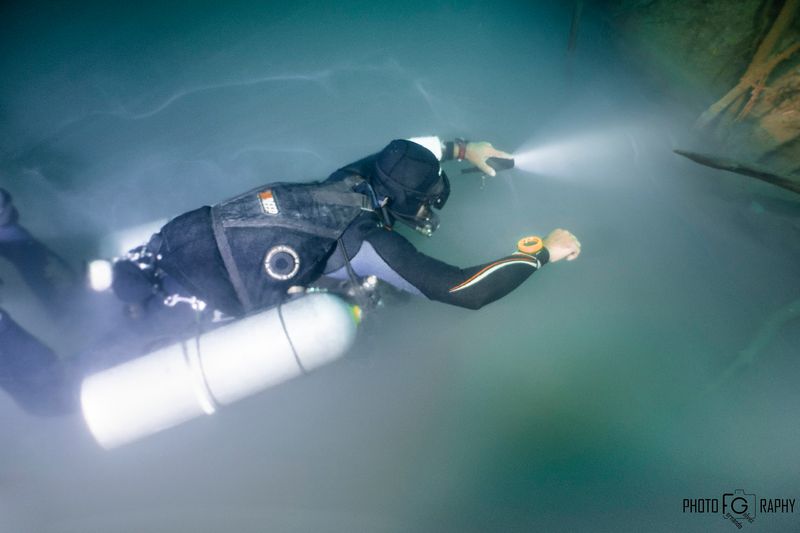
About 35 kilometers south of Tulum, Cenote Angelita is one of the most visually dramatic underwater environments on Earth. From the surface, it looks like a perfectly clear, circular freshwater pool surrounded by jungle.
But descend to around 30 meters, and something extraordinary appears: a ghostly river-like cloud of hydrogen sulfide hovering in the water column like an underwater fog.
This phenomenon happens because fresh water sits on top of denser salt water, with a toxic layer of hydrogen sulfide gas trapped between them. The visual effect is eerie and beautiful at the same time, making Cenote Angelita a bucket-list destination for advanced underwater photographers and technical divers.
Recreational diving here is not recommended. The hydrogen sulfide layer is toxic, and the depth combined with the disorienting environment requires solid technical diving experience.
Only certified divers with proper gas mixes and experience in overhead environments should attempt to explore Cenote Angelita’s deeper sections.
12. Lake Kivu (Rwanda and Democratic Republic of the Congo)
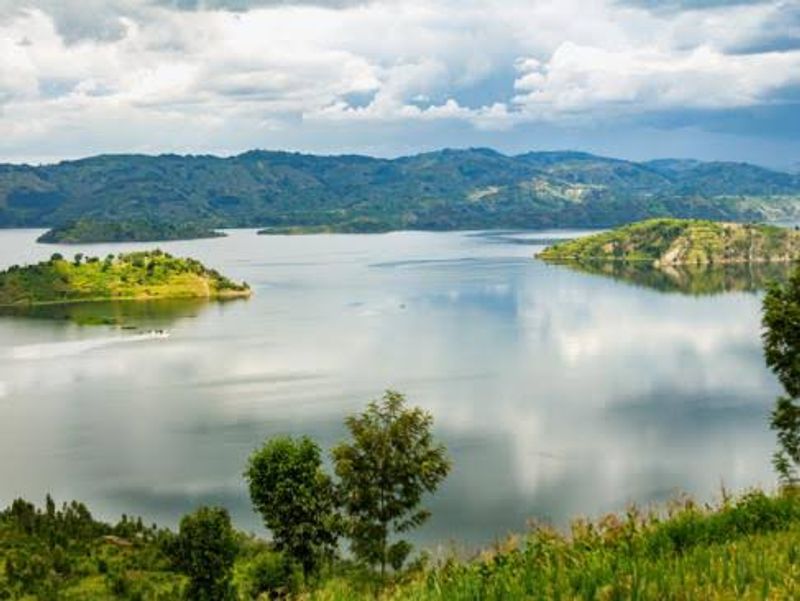
Lake Kivu sits along the border of Rwanda and the Democratic Republic of the Congo, surrounded by lush volcanic hills and dotted with small fishing villages. On the surface, it looks like a calm and inviting African lake, and local communities have lived along its shores for generations.
The scenery is genuinely beautiful, drawing more visitors every year.
Hidden deep below the surface, however, is an enormous and unusual hazard. Lake Kivu contains an estimated 60 cubic kilometers of dissolved methane and 300 cubic kilometers of carbon dioxide trapped in its depths.
Scientists classify it as a limnic lake, meaning a sudden geological disturbance could trigger a massive gas release.
Such an event, called a limnic eruption, could suffocate communities around the lake very rapidly. Rwanda is actually working to extract methane from the lake as an energy source, which simultaneously reduces the risk.
Visiting the lake’s shores is currently considered safe, but the underlying geology deserves ongoing monitoring and respect.
13. Babinda Boulders (Queensland, Australia)
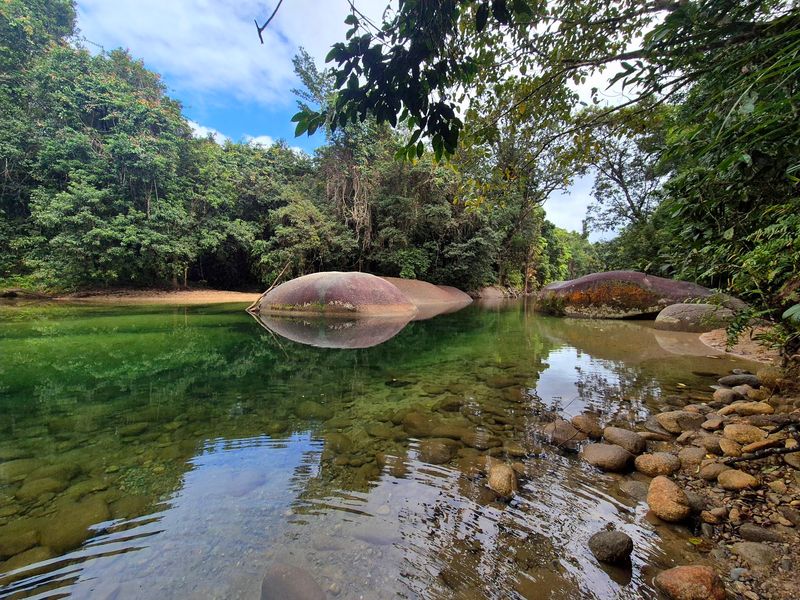
The Babinda Boulders in tropical North Queensland look like something from a fantasy film set. Enormous smooth granite boulders frame a series of emerald-green swimming holes, surrounded by dense rainforest that hums with wildlife.
Located about an hour south of Cairns, the site attracts thousands of visitors every year who come for a refreshing swim in the wilderness.
But the beauty here is deceptive. Hidden currents beneath the surface have pulled swimmers into underwater rock crevices with terrifying speed.
More than 20 people have drowned at the Babinda Boulders over the decades, and the site has become one of Queensland’s most notorious swimming hazards.
A local Aboriginal legend warns that the waters around the boulders are dangerous, and that warning has proven tragically accurate. Swimming is restricted to designated safe areas marked with flags and signs.
Venturing beyond those boundaries, even for a short distance, dramatically increases the risk of being swept into the rocks.
14. Blue Lagoon (Grindavik, Iceland)
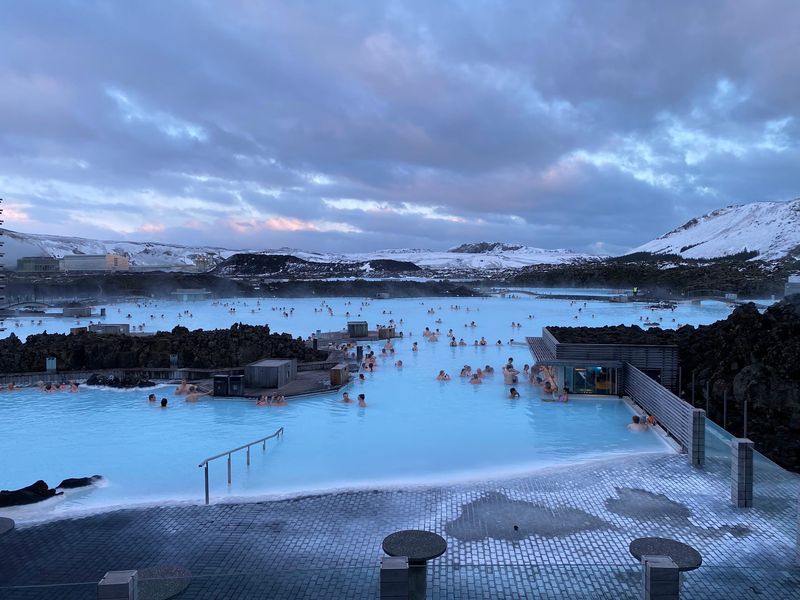
The Blue Lagoon in Iceland is arguably the most famous geothermal spa in the world. Its milky, mineral-rich blue water steams against a backdrop of black lava fields, creating a visual contrast that feels almost surreal.
Millions of visitors have soaked in its warm, silica-rich waters, which are maintained at a comfortable 37 to 39 degrees Celsius within the managed spa facility.
The spa itself is carefully regulated and considered safe for visitors. The real danger lies outside the designated bathing areas.
Iceland’s geothermal landscape is dotted with natural hot vents and pools where water temperatures can reach boiling point with no warning barriers or signage.
Tourists who wander off marked paths in geothermal areas anywhere in Iceland risk stepping through thin crusts of earth into scalding water below. Staying within the official Blue Lagoon facility and following all posted guidelines keeps the experience enjoyable and safe.
Iceland’s geothermal wonders are extraordinary, but they demand consistent respect and caution.
15. Gansbaai Coast (South Africa)
Along South Africa’s Western Cape, the waters near Gansbaai are strikingly beautiful. Deep blue swells roll in against dramatic rocky shores, and the marine ecosystem here is extraordinarily rich.
Seals, penguins, whales, and dolphins all call this coastline home, making it a wildlife lover’s destination like few others on Earth.
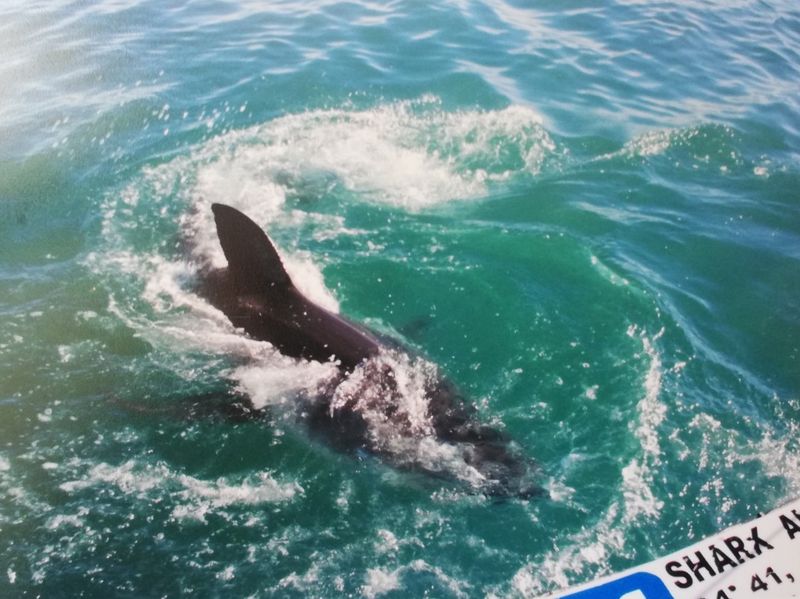
Gansbaai is also known as the great white shark capital of the world. The channel between Dyer Island and Gyer Rock, nicknamed Shark Alley, is one of the highest-density great white shark habitats ever documented.
Cage diving operators run tours here regularly, offering visitors an up-close encounter with these powerful predators in a controlled setting.
Open-water swimming outside designated safe zones is strongly discouraged. The local seal population provides a constant food source that keeps great white sharks active in the area year-round.
For those who want to experience the ocean here, cage diving with a licensed operator is the responsible and unforgettable way to do it.
Share this story